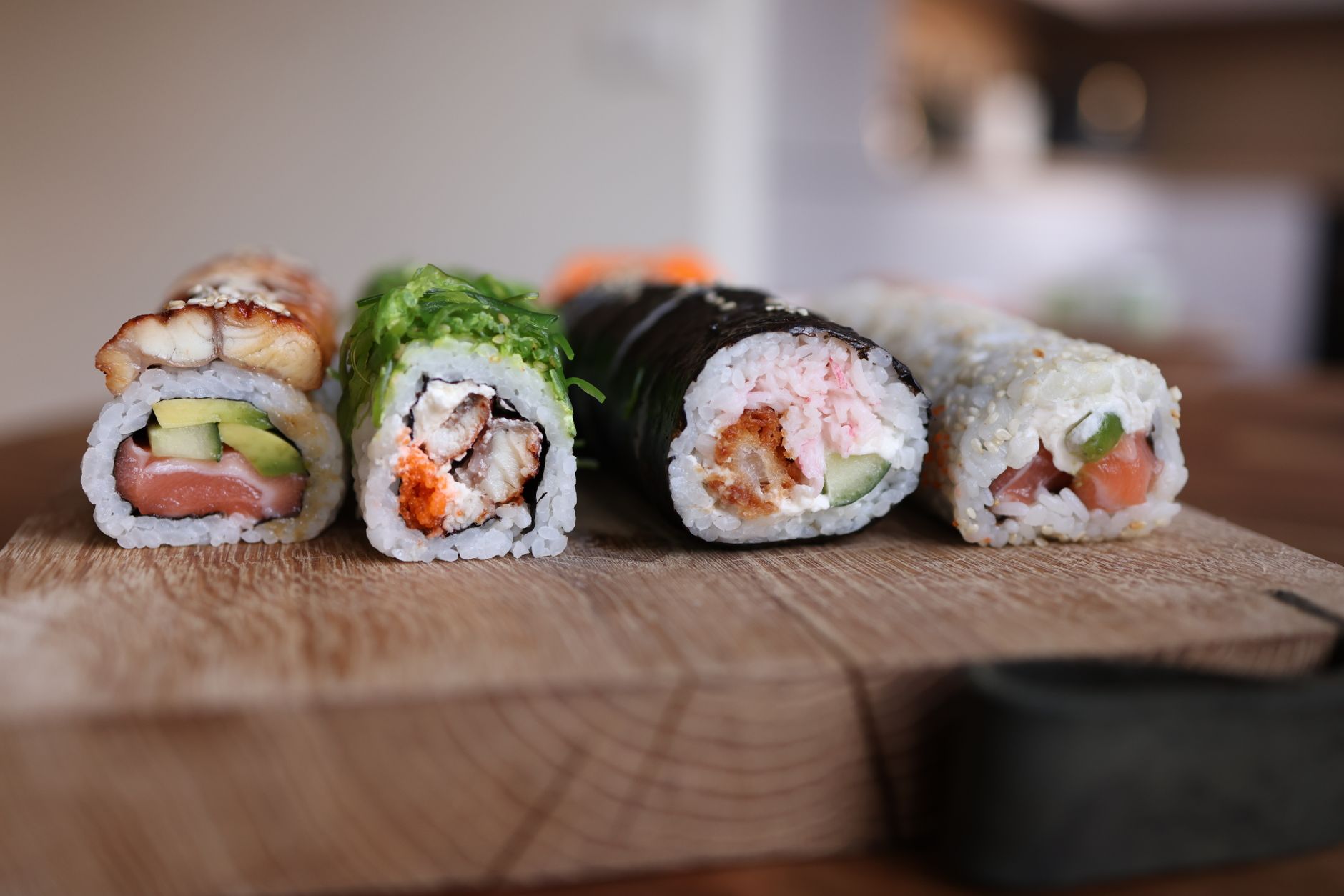
Safe – sushi can be enjoyed during pregnancy if you stick to cooked varieties and limit raw fish, especially in the first trimester; aim for 2–3 rolls per week.
By Shubhra Mishra — a mom of two who turned her own confusion during pregnancy into BumpBites, a global mission to make food choices clear, safe, and stress-free for every expecting mother. 💛
Check whether any food is safe during pregnancy with the BumpBites Food Safety Checker.
Quick verdict: ⚠️ Talk to your doctor first. Sushi can be enjoyed during pregnancy if you choose cooked or low‑mercury options and keep portions modest, but raw fish carries infection and mercury risks that require individualized guidance.
It’s 2 a.m., the neon sign flickers, and you’re scrolling through recipe videos wondering, “Is sushi safe for pregnancy?” You might have already ordered a California roll or, worse, taken a bite of raw tuna before you remembered the pregnancy test. First, take a breath—you’re not alone, and the answer isn’t a simple yes or no. In this article we’ll break down whether sushi is safe for pregnancy, how many pieces you can comfortably enjoy, what changes from the first to the third trimester, and which alternatives keep you satisfied without the worries.
We’ll also explore the specific risks of raw fish, mercury exposure, and food‑borne illness, give you brand‑level guidance, and suggest safer sushi‑style options for conditions like gestational diabetes. By the end you’ll have a clear, evidence‑based plan and a list of alternatives that let you still indulge in those seaweed‑wrapped cravings.
Because every pregnancy is unique, we’ll point out where you might need a personalized conversation with your obstetric provider—especially if you have a history of food‑borne illness, a shellfish allergy, or are taking prenatal vitamins that could interact with certain fish nutrients. Our goal is to give you confidence, not anxiety, so you can enjoy a sushi night with peace of mind.
Stage
Verdict
Notes
First trimester
⚠️ Limit raw fish
Raw fish poses higher infection risk during organogenesis; choose cooked or vegetarian rolls.
Second trimester
✅ Generally safe with limits
Cooked sushi and low‑mercury fish are fine; keep raw fish to occasional servings if provider approves.
Third trimester
✅ Generally safe with limits
Same guidelines as second trimester; monitor for heartburn and food‑borne illness.
Breastfeeding
✅ Safe with limits
Continue low‑mercury fish; raw fish still discouraged due to infant immune considerations.
Sushi, which originated in Japan, is a dish built around vinegared rice paired with fish, seafood, vegetables, or egg, often wrapped in seaweed (nori). The most common forms are nigiri (a slice of fish on a rice “pillow”), maki rolls (rice and fillings wrapped in nori), and sashimi (thin slices of raw fish without rice). People love sushi for its balance of protein, healthy fats, and umami flavor, and it’s a frequent choice for quick meals, celebrations, and cravings during pregnancy. Understanding the ingredients—whether the fish is raw or cooked, the type of fish, and any additional sauces—helps you assess safety for you and your baby.
Beyond the basic components, sushi often incorporates condiments like soy sauce, wasabi, and pickled ginger, each bringing its own nutritional considerations. Soy sauce can be high in sodium, which may exacerbate pregnancy‑related swelling or hypertension. Wasabi, though typically used in small amounts, can be irritating for sensitive stomachs, especially in later pregnancy when reflux is common. Pickled ginger provides a mild digestive aid but may contain added sugars. Knowing how these extras fit into your overall diet helps you keep the whole meal pregnancy‑friendly.
Current guidance from the American College of Obstetricians and Gynecologists (ACOG) and the UK’s National Health Service (NHS) states that pregnant people should avoid raw or undercooked seafood because of the potential for Listeria, Salmonella, and parasites such as Anisakis. The FDA also advises limiting high‑mercury fish (like shark, swordfish, king mackerel, and tilefish) throughout pregnancy. However, cooked sushi made with low‑mercury fish (e.g., salmon, shrimp, crab) is generally considered safe when prepared in a clean environment. Studies have not found a direct link between moderate sushi consumption and birth defects, but the risk of food‑borne illness remains the primary concern.
Is sushi safe to eat during the first trimester of pregnancy?
The first trimester is the period of organ formation, making it the most sensitive window for any teratogenic exposure. Because raw fish can harbor Listeria monocytogenes—a bacterium that can cross the placenta and cause miscarriage or severe neonatal infection—most obstetric guidelines advise avoiding raw sushi entirely during weeks 1‑13. Cooked sushi, however, poses a much lower infection risk and can be included in a balanced diet. If you crave sushi in the first trimester, opt for rolls with cooked proteins (e.g., shrimp, crab, or egg) and avoid any sauce that contains raw fish broth.
Additionally, mercury exposure is a concern with certain fish. The FDA recommends limiting mercury‑rich fish throughout pregnancy, but low‑mercury options like salmon, shrimp, and eel (cooked) are permissible. The key is to verify that the restaurant follows strict hygiene standards and that the fish is freshly prepared. When you’re unsure, ask the chef about the source and whether the fish was previously frozen—a step that helps reduce parasite risk.
Some expectant parents wonder whether the small amount of raw fish in a single piece of tuna roll could still be problematic. The consensus among ACOG and the CDC is that even a single exposure to potentially contaminated raw fish can’t be ruled out as safe, especially when the immune system is naturally dampened during early pregnancy. Therefore, most clinicians recommend erring on the side of caution and sticking to fully cooked options until the organogenesis phase passes.
How many pieces of sushi can a pregnant woman safely eat?
There is no universally fixed “piece count,” but most nutrition experts suggest treating sushi like any other fish serving: aim for 2‑3 servings per week of low‑mercury fish, which translates to roughly 4‑6 pieces of cooked sushi per meal. For raw sushi, many clinicians advise limiting intake to no more than 1‑2 pieces per week, if at all, and only after confirming the fish is sashimi‑grade and has been frozen at –20 °C for at least 7 days.
Portion control also helps manage sodium intake, as soy sauce and certain sushi sauces can be high in salt. If you’re watching your weight or blood pressure, consider swapping soy sauce for a low‑sodium alternative and pairing sushi with a side of steamed vegetables. Adding a splash of citrus (like lemon or lime) can brighten flavor without the need for extra sauce.
For those who love the buttery texture of tuna, a practical compromise is to enjoy a small piece of tuna nigiri paired with a larger portion of a vegetable roll. This keeps the overall fish intake within safe limits while still satisfying cravings. Remember, the cumulative mercury exposure from all fish sources—not just sushi—should stay below the FDA’s recommended limit of 0.5 µg per kilogram of body weight per day.
What are the risks of eating raw fish sushi while pregnant?
Raw fish can carry three primary risks during pregnancy:
Food‑borne bacteria: Listeria, Salmonella, and Vibrio can cause gastrointestinal illness that may lead to dehydration, preterm labor, or fetal infection.
Parasites: Anisakis larvae can cause allergic reactions and gastrointestinal discomfort; they are usually killed by freezing at –20 °C for at least 7 days, a process not always guaranteed in sushi‑bar settings.
Mercury: Certain large predatory fish accumulate methylmercury, which can affect fetal brain development. While most sushi‑grade tuna is low‑to‑moderate in mercury, frequent consumption may exceed the FDA’s recommended limit of 0.5 µg/kg body weight per day.
Because the immune system is naturally suppressed during pregnancy, the consequences of a bacterial infection can be more severe than in non‑pregnant adults. That’s why ACOG emphasizes strict avoidance of raw fish unless the source can guarantee parasite‑free, properly frozen fish. Even when frozen, Listeria can survive, so the safest approach remains choosing fully cooked seafood.
Beyond the immediate infection risk, some studies have linked high mercury exposure to subtle neurodevelopmental delays in children. While occasional sushi consumption is unlikely to cause measurable harm, consistent over‑consumption of high‑mercury fish (e.g., bigeye tuna) should be avoided. The CDC’s “Pregnancy and Listeria” guidelines specifically note that pregnant people should be vigilant about any raw seafood, including sushi, because the stakes are higher for both mother and baby.
Can cooked sushi be safe for pregnant women?
Yes—cooked sushi is generally safe when prepared with fresh ingredients and proper hygiene. The cooking process eliminates the bacterial and parasitic threats associated with raw fish. Low‑mercury fish such as cooked salmon, shrimp, crab, and eel (unagi, which is typically grilled) are all acceptable choices. The primary considerations for cooked sushi are:
Mercury content: Even cooked fish can contain mercury, so stick to low‑mercury varieties.
Sodium: Soy sauce and certain marinades can add excess salt; use low‑sodium sauces or dip sparingly.
Cross‑contamination: Ensure the kitchen separates raw and cooked items to avoid accidental exposure.
When ordering at a restaurant, ask the staff about the source of the fish and whether the kitchen follows “no‑cross‑contamination” protocols. At the grocery store, look for sushi kits that include pre‑cooked seafood and verify the “use by” dates. Choosing establishments that display their food‑safety certifications can add an extra layer of reassurance.
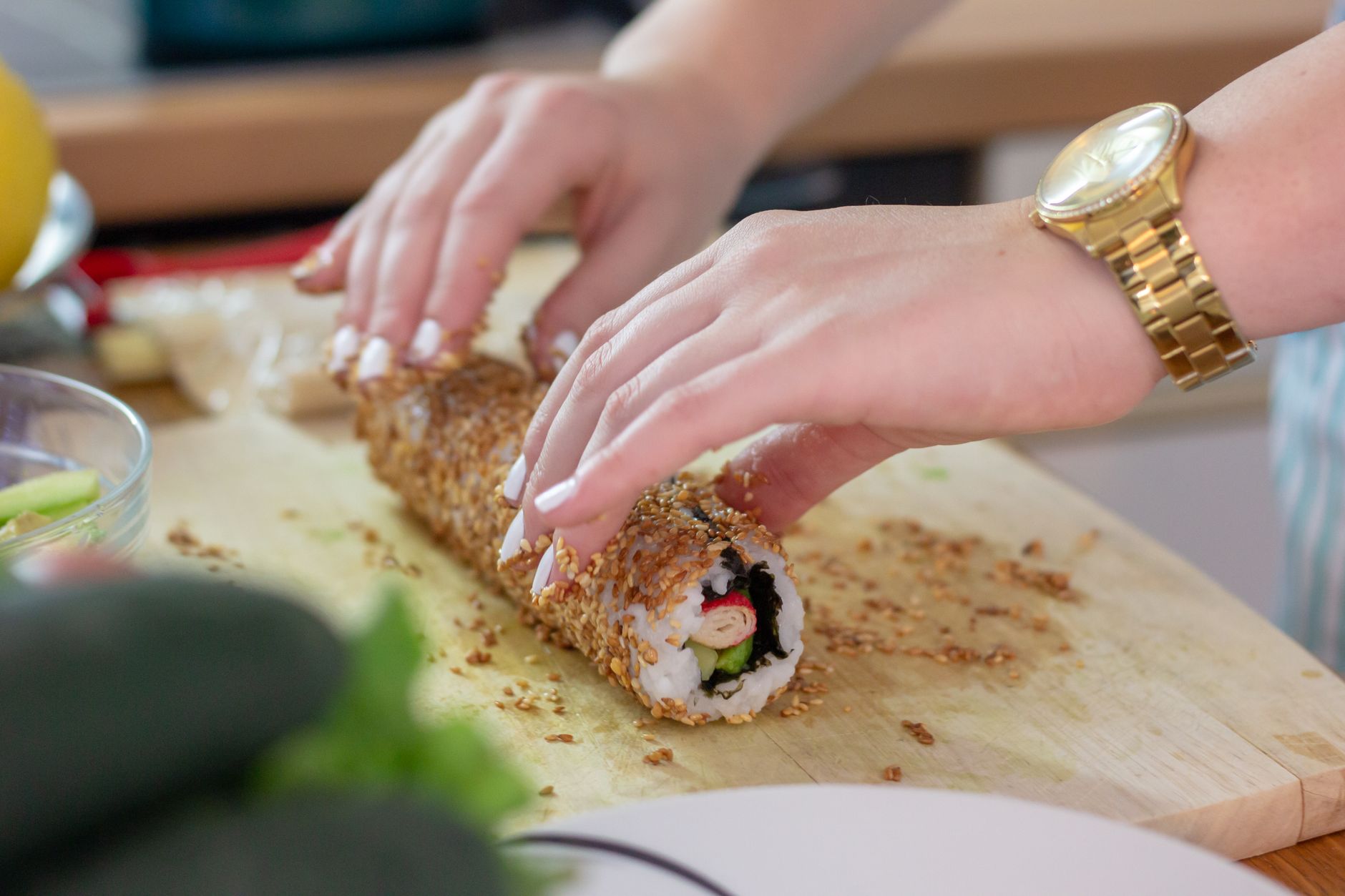
For home‑cooked sushi, the safest route is to use pre‑cooked shrimp, crab meat, or smoked salmon that’s been refrigerated properly. If you prefer a warm roll, lightly sear the fish in a skillet for a minute on each side—this not only reduces any residual bacteria but also adds a pleasant texture. Pair your roll with a side of steamed edamame or a simple cucumber salad to boost fiber and keep blood sugar steady.
Which sushi brands are considered safe for pregnancy?
Brand safety often hinges on sourcing practices, freezing standards, and ingredient transparency. In the United States, brands such as Whole Foods Market “Fresh Sushi” line, Trader Joe’s “Cooked Shrimp Roll,” and Safeway “Cooked Salmon Sushi” have been noted for their adherence to FDA freezing guidelines for raw fish (if any raw fish is present). In the United Kingdom, Waitrose and Marks & Spencer offer pre‑packaged cooked sushi that meets NHS food‑safety standards.
When choosing a brand, look for statements like “sashimi‑grade, frozen at –35 °C for 24 hours” or “ready‑to‑eat, fully cooked.” Avoid products that lack clear sourcing information or that are marketed as “fresh” without a freeze‑then‑thaw process, as these may not meet the safety thresholds for pregnant consumers. Many supermarket chains now label their sushi with a “Pregnancy‑Safe” icon; while not a guarantee, it signals that the product has passed an extra level of scrutiny.
For those who prefer artisanal or specialty sushi, seek out reputable fish markets that can provide a certificate of freezing. Some high‑end sushi restaurants also publish their fish‑handling protocols online; checking these before ordering can help you make an informed decision.
What are safe sushi alternatives for pregnant women?
Vegetable tempura roll – offers crunch without raw fish.
Cooked shrimp roll – low in mercury and fully cooked.
Avocado roll – rich in healthy fats and completely plant‑based.
Cucumber roll – hydrating, low‑calorie option.
Egg (tamago) sushi – protein‑rich and cooked.
Cooked salmon sushi – omega‑3s without raw‑fish risk.
Vegetarian sushi – includes assorted pickled veggies and tofu.
Fruit sushi – sweet, fun, and entirely safe.
Seaweed salad – nutrient‑dense, no fish involved.
Grilled chicken teriyaki roll – protein‑filled and fully cooked.
Is sushi safe for pregnant women with gestational diabetes?
Gestational diabetes calls for careful carbohydrate monitoring. Sushi rice is seasoned with sugar and vinegar, which can raise blood glucose levels. However, many low‑carb alternatives exist, such as cauliflower‑rice rolls or “sashimi‑only” plates (without rice). Selecting rolls with lean protein (e.g., cooked shrimp or chicken) and limiting sugary sauces helps keep glucose spikes in check. The American Diabetes Association advises counting the carbohydrate content of each roll (typically 10‑15 g per piece) and pairing it with a non‑starchy vegetable or salad.
For a pregnancy‑friendly sushi night, consider building your own roll with a thin layer of cauliflower rice, a drizzle of low‑sodium soy sauce, and plenty of avocado for healthy fat. This combination keeps the glycemic load low while still delivering the satisfying texture you crave. Monitoring your blood sugar two hours after the meal can help you understand how your body responds and fine‑tune future portions.
Should I avoid sushi if I have a history of foodborne illness during pregnancy?
Yes—if you’ve previously experienced a foodborne infection (e.g., Listeria, Salmonella, or a severe gastrointestinal upset) during pregnancy, the safest route is to avoid raw sushi entirely. Even cooked sushi can pose a risk if cross‑contamination occurs in the kitchen. Discuss your history with your obstetric provider; they may recommend a stricter “no‑raw‑fish” policy and advise you to stick to fully cooked, low‑mercury seafood or plant‑based alternatives.
Choosing cooked or vegetable rolls reduces infection risk while still satisfying sushi cravings.
Safe dosage / amount / brands
When it comes to sushi, “dosage” translates to portion size and frequency. Below is a practical guide:
Category
Safe amount per week
Recommended brands
Notes
Cooked sushi (e.g., shrimp, eel, cooked salmon)
4‑6 pieces (2‑3 rolls) per week
Whole Foods Fresh Sushi, Trader Joe’s Cooked Shrimp Roll
Check for low‑sodium sauces; avoid added mayo.
Raw fish sushi (tuna, salmon, yellowtail)
≤ 2 pieces per week, only if frozen at –20 °C for 7 days
Brands that label “sashimi‑grade, frozen” – e.g., Nobu (US locations)
Confirm freezing method; limit high‑mercury fish.
Vegetarian/fruit sushi
Unlimited, but keep overall calories in mind
Any grocery‑store pre‑packaged vegetarian roll
Watch added sugars in fruit sushi sauces.
When shopping, prioritize products that list a clear “use by” date and have been stored at proper refrigeration temperatures (≤ 4 °C). If you’re dining out, ask the chef whether the raw fish has been frozen according to FDA standards, and request that any sauces be served on the side.
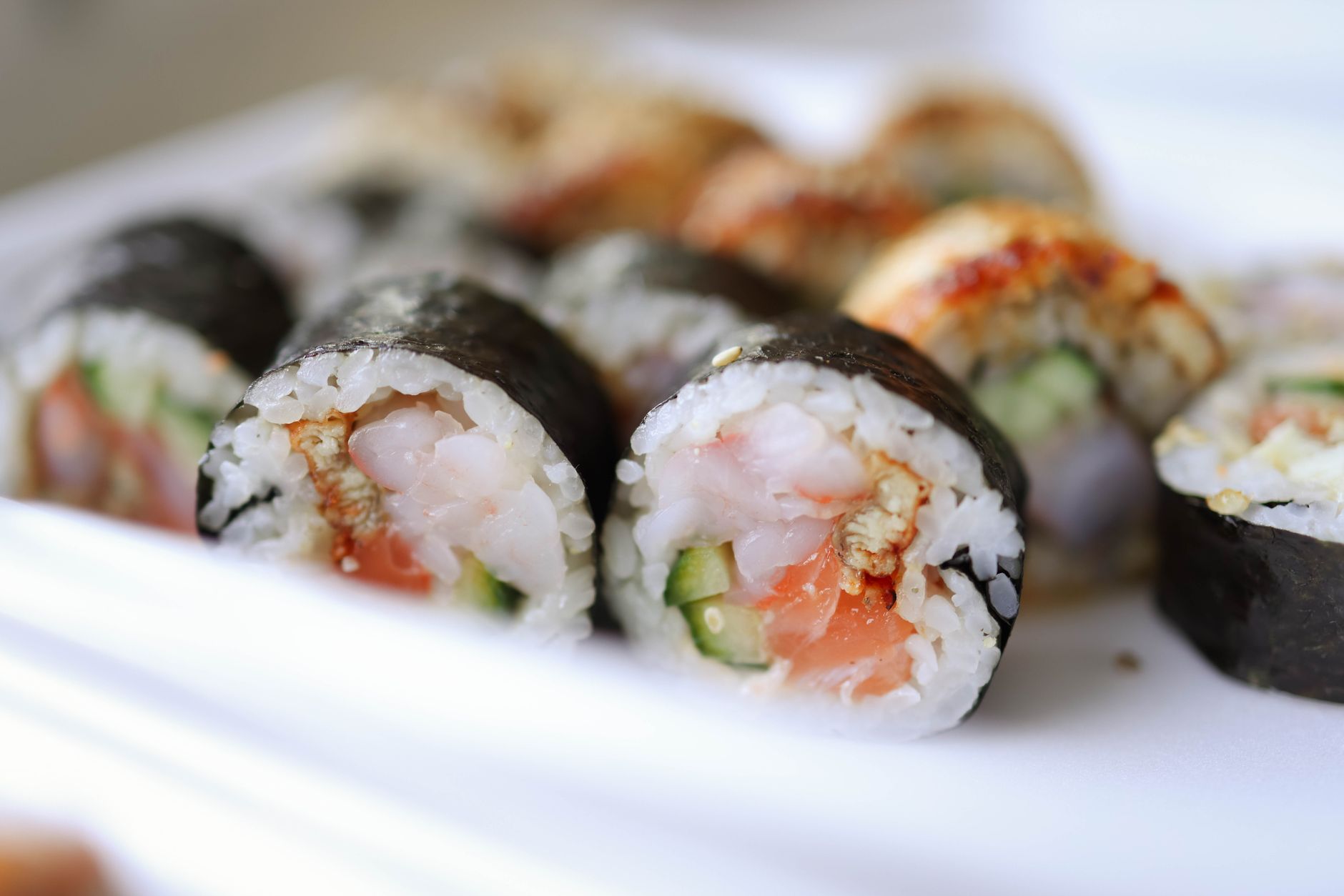
Look for clear labeling that indicates the fish is cooked or properly frozen.
Side effects and risks
Even when following safety guidelines, some side effects may still arise:
Gastrointestinal discomfort: High sodium or spicy sauces can trigger heartburn, especially in the third trimester.
Allergic reactions: Shellfish (shrimp, crab) is a common allergen; if you have a known shellfish allergy, avoid those rolls.
Mercury‑related concerns: Excessive consumption of high‑mercury fish may affect fetal neurodevelopment; stick to low‑mercury options.
Food‑borne infection symptoms: Fever, severe stomach cramps, diarrhea, or flu‑like symptoms after eating sushi warrant immediate medical attention.
Most mild symptoms (e.g., occasional heartburn) can be managed with lifestyle tweaks, but any signs of infection or allergic reaction should prompt a call to your provider.
Safer alternatives
Vegetable tempura roll – offers crunch without raw fish.
Cooked shrimp roll – low in mercury and fully cooked.
Avocado roll – rich in healthy fats and completely plant‑based.
Cucumber roll – hydrating, low‑calorie option.
Egg (tamago) sushi – protein‑rich and cooked.
Cooked salmon sushi – omega‑3s without raw‑fish risk.
Vegetarian sushi – includes assorted pickled veggies and tofu.
Fruit sushi – sweet, fun, and entirely safe.
Seaweed salad – nutrient‑dense, no fish involved.
Grilled chicken teriyaki roll – protein‑filled and fully cooked.
Related items — safety at a glance
Item
Verdict
One‑line note
Raw salmon sashimi
❌ Best avoided
High risk of Listeria and parasites.
Raw tuna sashimi
⚠️ Talk to your doctor
Low mercury but still raw; only if frozen properly.
Cooked eel (unagi) sushi
✅ Generally safe
Fully cooked; watch for high sodium in sauce.
Crab stick (surimi) sushi
✅ Generally safe
Imitation crab is cooked; low mercury.
Octopus sushi
⚠️ Talk to your doctor
Often served raw; risk similar to other raw seafood.
Mackerel sushi
❌ Best avoided
High in mercury; limit during pregnancy.
Smoked salmon
⚠️ Talk to your doctor
Can carry Listeria; only safe if fully cooked or canned.
Caviar
⚠️ Talk to your doctor
Often raw; risk of bacterial contamination.
Seafood cocktail
⚠️ Talk to your doctor
Usually contains raw shrimp; ensure thorough cooking.
Raw oysters
❌ Best avoided
High risk of Vibrio and other bacteria.
Myth vs. fact
Myth: All sushi is unsafe during pregnancy because of mercury. Fact: Only certain high‑mercury fish (like shark and swordfish) pose a risk; low‑mercury options such as cooked salmon or shrimp are safe when prepared properly.
Myth: Freezing sushi eliminates all risks, so raw rolls are always safe. Fact: Freezing kills most parasites but does not guarantee the absence of Listeria or Salmonella, which can survive in a frozen state.
Myth: You must completely avoid sushi if you’re pregnant. Fact: With careful selection of cooked or low‑mercury fish, sushi can be part of a balanced pregnancy diet.
Myth: Soy sauce is harmless because it’s just a condiment. Fact: High‑sodium soy sauce can exacerbate pregnancy‑related swelling and hypertension; choosing low‑sodium versions or using it sparingly is a safer approach.
Key takeaways
Raw fish carries infection and parasite risks; cooked sushi is generally safe.
Limit raw sushi to ≤ 2 pieces per week only if frozen per FDA guidelines.
Choose low‑mercury fish (salmon, shrimp, crab) and watch sodium in sauces.
For gestational diabetes, opt for cauliflower‑rice rolls or sashimi‑only plates.
If you have a history of food‑borne illness, avoid raw sushi entirely and stick to fully cooked options.
Always discuss any sushi consumption plan with your obstetric provider, especially if you have allergies or special dietary needs.
Frequently asked questions
Can I eat sushi while pregnant?
Yes, you can enjoy sushi during pregnancy if you choose cooked rolls or low‑mercury fish and keep portions moderate. Raw fish should be avoided unless it’s been frozen according to FDA standards and your provider gives the green light.
Is raw fish safe during pregnancy?
Raw fish is not considered safe for most pregnant people because of the risk of Listeria, Salmonella, and parasites. If you do consume raw fish, it must be sashimi‑grade and frozen at –20 °C for at least 7 days.
How many sushi rolls are safe to eat during pregnancy?
Aim for 2‑3 rolls of cooked sushi per week (about 4‑6 pieces) and limit any raw fish to no more than 1‑2 pieces per week, provided the fish meets freezing guidelines.
What are the safest sushi options for pregnant women?
Cooked shrimp roll, avocado roll, cucumber roll, egg (tamago) sushi, and cooked salmon sushi are among the safest choices because they are fully cooked and low in mercury.
Does sushi cause any pregnancy complications?
Sushi itself does not cause complications when eaten safely, but raw fish can lead to food‑borne infections that increase the risk of miscarriage, preterm labor, or severe neonatal illness.
Can I eat sushi in the second trimester?
During the second trimester, cooked sushi is generally safe, and raw sushi may be permissible if it’s been frozen properly and your provider approves.
Are there any sushi brands that are safe for pregnant women?
Brands that clearly label their fish as “sashimi‑grade, frozen” or offer fully cooked rolls—such as Whole Foods Fresh Sushi, Trader Joe’s Cooked Shrimp Roll, and Waitrose Cooked Salmon Sushi—are considered safer options.
What are the risks of eating sushi while pregnant?
The primary risks are bacterial infection (Listeria, Salmonella), parasites (Anisakis), and mercury exposure from certain fish. These can lead to gastrointestinal illness, fetal infection, or developmental concerns if not managed.
Can I make sushi at home safely while pregnant?
Yes, homemade sushi can be safe if you use fully cooked seafood, pre‑cooked shrimp, or smoked salmon, and avoid raw fish unless you freeze it at –20 °C for at least 7 days. Keep all utensils and surfaces clean, and store the finished rolls in the refrigerator for no more than 24 hours.
Is sushi safe if I’m following a vegan diet during pregnancy?
Vegan sushi options—such as avocado rolls, cucumber rolls, pickled vegetable rolls, and fruit sushi—are completely free of animal‑derived risks and are safe for pregnancy. Just watch added sugars or high‑sodium sauces, and pair them with a protein source like tofu or tempeh if you need extra protein.
Choosing cooked or vegetable rolls helps keep sushi cravings pregnancy‑friendly.
When to call your doctor
If you experience any of the following after eating sushi, contact your obstetric provider promptly:
Fever ≥ 100.4 °F (38 °C) or chills.
Severe stomach cramps, diarrhea, or vomiting lasting more than 24 hours.
Signs of an allergic reaction—hives, swelling, difficulty breathing.
Persistent heartburn or reflux that interferes with sleep.
Any concern about mercury exposure, especially if you’ve consumed multiple high‑mercury fish servings in a short period.
Unusual fatigue, joint pain, or a sudden change in fetal movement patterns after a meal.
These symptoms may indicate a food‑borne infection or other complication that needs medical evaluation. Remember, this article provides general information and is not a substitute for personalized medical advice.
References
American College of Obstetricians and Gynecologists (ACOG). “Nutrition During Pregnancy.” 2023.
U.S. Food and Drug Administration (FDA). “Fish: What Pregnant Women Should Know.” Updated 2022.
National Health Service (NHS). “Eating fish while pregnant.” 2022.
Centers for Disease Control and Prevention (CDC). “Listeria (listeriosis).” 2023.
U.S. Environmental Protection Agency (EPA). “Advice About Eating Fish.” 2021.
American Diabetes Association. “Gestational Diabetes Management.” 2023.
World Health Organization (WHO). “Food safety: Listeria monocytogenes.” 2022.
Food Standards Agency (UK). “Guidance on Sushi and Raw Fish for Pregnant Women.” 2021.
Harvard T.H. Chan School of Public Health. “Mercury in Fish and Pregnancy.” 2022.
Not sure about the label on Is Sushi Safe During Pregnancy products?
Snap the ingredients list and SafeFilter checks every ingredient for your stage — only 3 free scans this month, then you're locked until reset. Unlimited from $7/mo or $50/yr.
When Shubhra Mishra was expecting her first child in 2016, she was overwhelmed by conflicting food advice — one site said yes, another said never. By the time her second baby arrived in 2019, she realized millions of mothers face the same confusion.
That sparked a five-year journey through clinical nutrition papers, cultural diets, and expert conversations — all leading to BumpBites: a calm, compassionate space where science meets everyday motherhood.
Her long-term vision is to build a global community ensuring safe, supported, and free deliveriesfor every mother — because no woman should face pregnancy alone or uninformed. 🌿
🌍 Stand with mothers, shape safer guidance
Join a small circle of experts who review BumpBites articles so expecting parents everywhere can decide with confidence.