Limit tuna during pregnancy – the FDA advises no more than 2 servings (about 8 ounces) per week, especially in the second and third trimesters, to keep mercury exposure low.
By Shubhra Mishra — a mom of two who turned her own confusion during pregnancy into BumpBites, a global mission to make food choices clear, safe, and stress-free for every expecting mother. 💛
Check whether any food is safe during pregnancy with the BumpBites Food Safety Checker.
Quick verdict: ✅ Generally safe when limited to low‑mercury portions; aim for no more than 2‑3 servings (about 12 oz) of light tuna per week and only 1 serving (6 oz) of albacore. Higher amounts increase mercury exposure, so keep portions modest.
It’s 2 a.m., the kitchen light is on, and you’re staring at a can of tuna wondering, “Is tuna safe for pregnancy?” You might have already added it to a sandwich or a salad, or you could be planning a quick protein‑packed lunch for the weeks ahead. The short answer is that tuna can be part of a healthy pregnancy diet, but you’ll want to watch the type and amount you eat. In this guide we’ll walk through the latest guidance on tuna safe for pregnancy, break down the limits by trimester, compare canned versus fresh options, and suggest plenty of other fish that give you the same nutrients without the mercury worries.
We’ll cover everything you might be Googling: from “Is canned tuna safe during pregnancy?” to “What are safe fish alternatives to tuna?” and “Can I eat tuna salad?” You’ll get a clear safety snapshot, dosage recommendations, brand tips, side‑effect warnings, and a handy comparison chart of related seafood. By the end, you’ll know exactly how to enjoy tuna responsibly—or choose a different protein if you’d rather avoid it altogether.
Many expectant parents feel a knot of anxiety when they discover they’ve already eaten a food they’re unsure about. You’re not alone—mom‑to‑mom forums are full of stories about late‑night snack doubts. The good news is that the risk from a single serving of low‑mercury tuna is very small, and the nutritional payoff can be worthwhile when you stay within the limits set by leading health agencies. Let’s dive in, calm those worries, and get you back to feeling confident about your meals.
Trimester / Breastfeeding
Verdict
Notes
First trimester
⚠️ Limit
Prefer light (skip‑jack) tuna; max 2 oz per week.
Second trimester
⚠️ Limit
Light tuna up to 4 oz per week; albacore no more than 6 oz total.
Third trimester
⚠️ Limit
Same as second trimester; maintain low‑mercury intake.
Breastfeeding
⚠️ Limit
Continue low‑mercury limits; benefits for infant’s brain development.
What is tuna?
Tuna belongs to the mackerel family and is prized for its firm texture and rich, savory flavor. The most common market varieties are “light” tuna—usually skip‑jack or yellowfin—and “white” tuna, known as albacore. Light tuna tends to have lower mercury levels because the smaller fish accumulate less of the metal over their shorter lifespans. Albacore, a larger species, can contain up to three times more mercury.
Because tuna is a lean protein, it’s a popular choice for quick meals like sandwiches, salads, and casseroles. It also delivers a solid dose of omega‑3 fatty acids (EPA and DHA), vitamin D, and selenium—all nutrients that support fetal brain growth and maternal bone health. However, the very same oceanic environment that gives tuna its nutrients can also expose it to mercury, a heavy metal that can cross the placenta and affect the developing nervous system.
Beyond the common canned varieties, tuna is also sold fresh or frozen as steaks, fillets, or chunks. Fresh tuna is often featured in Mediterranean dishes, while frozen pieces can be tossed into stir‑fries. Understanding the differences between these forms helps you make informed choices about preparation, portion size, and overall safety.
Is tuna safe during pregnancy?
C
urrent guidance from the U.S. Food and Drug Administration (FDA) and the Environmental Protection Agency (EPA) says that pregnant people can safely eat tuna if they stay within the recommended weekly limits. The American College of Obstetricians and Gynecologists (ACOG) echoes this advice, noting that the nutritional benefits of omega‑3s outweigh the modest mercury risk when consumption is moderate.
Light tuna (skip‑jack or yellowfin) is classified as a “low‑mercury” fish, allowing up to 2‑3 servings (about 12 oz) per week. Albacore (white tuna) is considered “moderate‑mercury,” so the FDA recommends no more than 4 oz (one average serving) per week. The United Kingdom’s National Health Service (NHS) gives a similar recommendation, advising pregnant women to limit tuna to 2 servings of light tuna per week and avoid albacore altogether.
Mercury exposure at these levels has not been shown to cause birth defects, but higher intakes can increase the risk of neurodevelopmental delays. Importantly, the risks are dose‑dependent, not binary—meaning a single extra serving is unlikely to cause harm, but a pattern of high‑mercury fish consumption should be avoided.
Recent studies from the Harvard T.H. Chan School of Public Health reinforce that moderate tuna intake, coupled with a varied diet rich in other low‑mercury fish, supports optimal fetal neurodevelopment. In practice, this means you can keep tuna on your grocery list as long as you track portions and choose the right type.
Is canned tuna safe during pregnancy?
Yes, canned tuna is safe for most pregnant people when you choose the right type and keep portions within the recommended limits. Canned light tuna typically contains skip‑jack, a low‑mercury species, making it the safest canned option. Canned albacore (often labeled “white tuna”) has higher mercury levels and should be limited to the 4‑oz weekly cap.
Because canned tuna is cooked during the canning process, it eliminates any risk of food‑borne pathogens that can be a concern with raw fish. However, watch for added sodium or unhealthy oils; opt for water‑packed varieties when possible. The FDA’s “Eat Right” guidelines specifically list canned light tuna as a low‑mercury fish safe for pregnant women.
When you open a can, you’ll notice a slight pinkish hue in the meat. That color is normal and indicates the fish was cooked at high temperature. If you prefer a milder flavor, rinse the tuna briefly under cold water and pat dry before adding it to salads or sandwiches.
How much tuna can a pregnant woman eat?
The FDA/EPA joint recommendation translates to about 8‑12 oz (225‑340 g) of light tuna per week, which is roughly two to three standard 5‑oz cans. For albacore, the limit drops to 4 oz (≈115 g) per week—about one half‑can. Exceeding these amounts raises mercury exposure above the level most health agencies deem safe for fetal development.
When calculating portions, remember that a typical serving of cooked fish is 3‑4 oz. If you’re eating a tuna salad with added veggies, count the tuna portion only. For example, a 5‑oz can of light tuna mixed into a large salad still counts as one serving toward the weekly total.
If you’re a frequent fish lover, consider rotating your choices daily: a light tuna lunch on Monday, salmon on Tuesday, and cod on Wednesday. This strategy spreads out mercury exposure while still delivering the omega‑3 benefits you need.
Is tuna safe in the first trimester, second, or third?
Across all three trimesters, the safety guidance remains consistent: keep mercury intake low. The first trimester is a critical period of organ formation, so many clinicians advise extra caution and suggest sticking to the lower end of the range (no more than 2 oz of light tuna that week). In the second and third trimesters, the same limits apply, though some providers may be comfortable with the full 12‑oz weekly allowance if you’re eating mostly light tuna.
Breastfeeding mothers should continue the same limits, as mercury can be passed through breast milk. Maintaining modest tuna consumption ensures the baby continues to receive beneficial omega‑3s without unnecessary mercury exposure.
It’s also worth noting that many prenatal vitamins contain DHA derived from algae, offering an alternative source of omega‑3s if you ever feel you’re approaching the tuna limit.
What types of tuna are safe for pregnant women?
Safe options include:
Light (skip‑jack or yellowfin) tuna – low mercury; ideal for canned or fresh preparations.
Albacore (white) tuna – moderate mercury; safe only in limited amounts (max 4 oz per week).
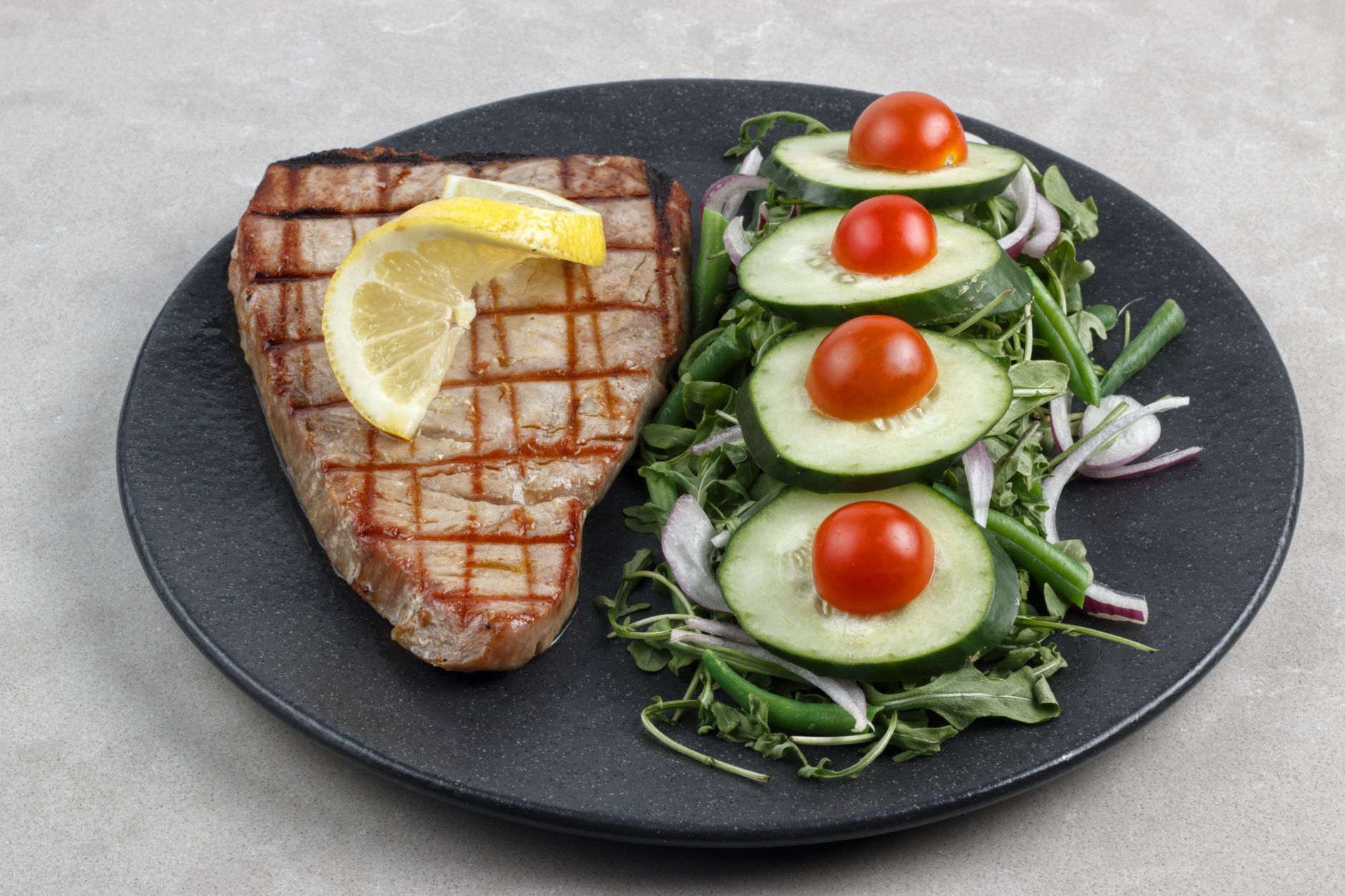
Fresh or frozen tuna steaks – must be cooked thoroughly to 145 °F to eliminate any risk of parasites.
Raw preparations, such as sushi or sashimi, are not recommended because they can harbor bacteria or parasites that are especially risky for pregnant people.
For those who love the flavor of fresh tuna, grilling or searing the steak quickly at high heat still meets the safety standard, as long as the internal temperature reaches 145 °F. Using a food‑grade thermometer takes the guesswork out of cooking.
What are the risks of eating tuna during pregnancy?
The primary risk is mercury exposure. Methylmercury can cross the placenta and accumulate in fetal brain tissue, potentially leading to subtle neurodevelopmental deficits, such as reduced attention span or lower IQ scores. Symptoms of mercury poisoning are rare at the levels found in typical tuna servings, but high exposure can cause tremors, insomnia, and muscle weakness.
Other, less severe concerns include excess sodium from canned varieties and the occasional food‑borne illness if tuna is not cooked properly. However, these are manageable with proper preparation and brand selection.
Research from the CDC indicates that the majority of pregnant people who stay within recommended limits do not experience measurable health effects from mercury. The key is consistency and moderation, not elimination.
What are safe fish alternatives to tuna during pregnancy?
Salmon – rich in omega‑3s, low mercury.
Cod – mild flavor, low mercury.
Tilapia – affordable, low‑mercury white fish.
Shrimp – high protein, virtually mercury‑free.
Catfish – low mercury, good source of vitamin D.
Sardines – tiny fish, very low mercury, calcium‑rich bones.
Anchovies – omega‑3 powerhouse, low mercury.
Pollock – versatile, low mercury, great for fish sticks.
Smaller mackerel varieties – such as Atlantic mackerel, lower mercury than king mackerel.
These alternatives can be prepared in many of the same ways you’d use tuna—think salads, wraps, or casseroles—so you won’t miss out on the convenience factor. If you’re looking for a direct flavor match, consider canned salmon; it offers a similar texture and a pleasant, slightly richer taste.
Is StarKist tuna safe during pregnancy?
StarKist’s canned light tuna meets the same safety standards as any other reputable brand—if you choose the light‑tuna product, the mercury content stays within the low‑mercury range. The brand’s “white tuna” (albacore) should still be limited to the 4‑oz weekly cap. Always check the label for “light” versus “white” and opt for water‑packed cans to keep sodium low.
StarKist also offers a BPA‑free line, which can be reassuring for parents concerned about plastic chemicals leaching into food. While BPA concerns are still under study, choosing BPA‑free cans adds an extra layer of precaution.
Can pregnant women eat tuna salad?
Yes, as long as the tuna used is cooked (canned or properly heated fresh tuna) and you stay within the weekly portion limits. The added ingredients—like mayonnaise, celery, or lemon—don’t affect mercury risk, but you may want to choose a low‑fat mayo or Greek yogurt to keep the salad heart‑healthy. Avoid raw tuna sashimi‑style salads, as they pose a bacterial risk.
When preparing tuna salad at home, consider mixing the tuna with avocado for extra healthy fats, or adding a handful of nuts for crunch. These tweaks boost nutrition without changing the safety profile.
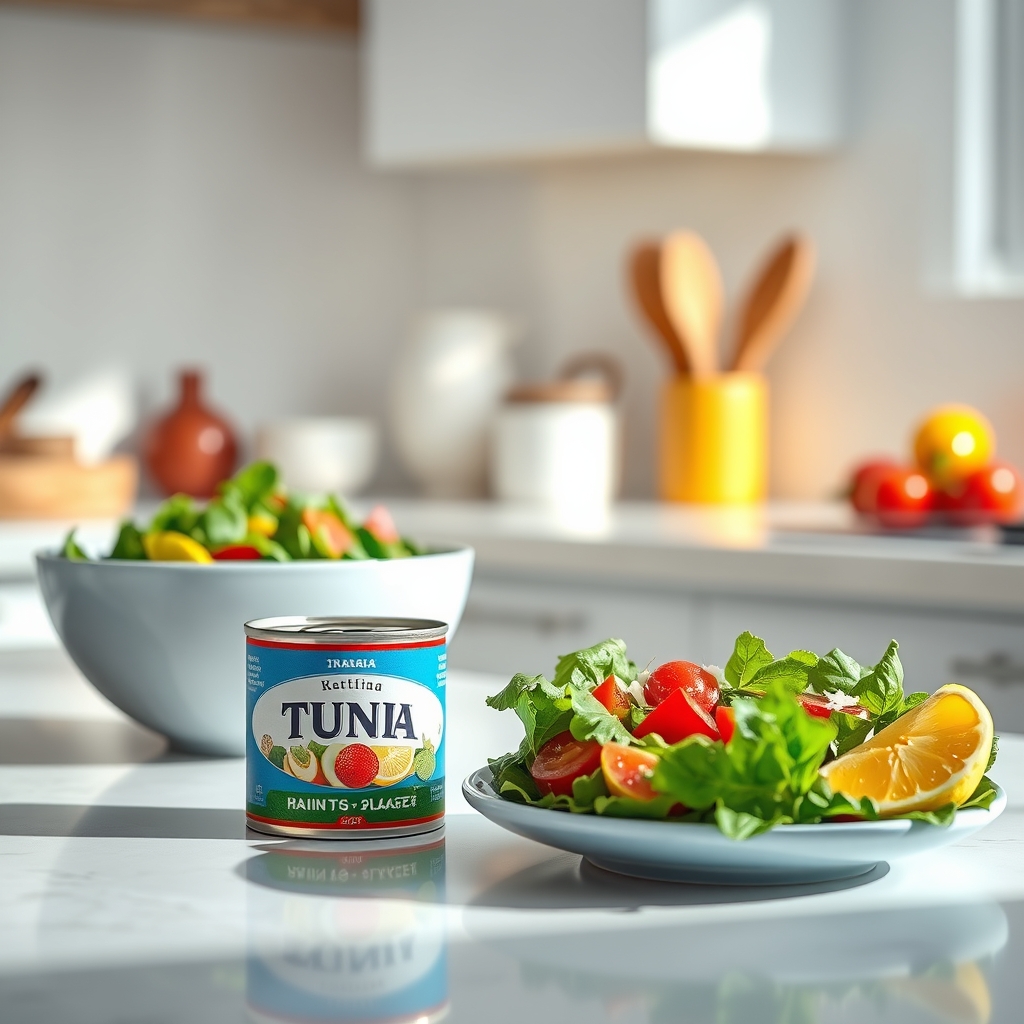
Mix canned light tuna with fresh veggies for a quick, pregnancy‑friendly lunch.
Safety by trimester
First trimester
During the first 12 weeks, organogenesis makes the fetus especially vulnerable to toxins. To stay on the safe side, aim for no more than 2 oz of light tuna that week (roughly one half‑can). If you crave tuna, choose a small portion of cooked light tuna and pair it with plenty of vegetables.
Second trimester
From weeks 13‑27, the baby’s brain development accelerates, and omega‑3s become increasingly important. You can safely enjoy up to 4 oz of light tuna per week, provided you stay within the overall 12‑oz weekly limit. Albacore should still be limited to 4 oz total for the entire trimester.
Third trimester
In the final stretch (weeks 28‑40), the same limits apply. Maintaining the low‑mercury intake ensures the infant receives the full benefit of DHA without excess mercury. If you’re nearing delivery, you might even consider swapping tuna for low‑mercury fish like salmon for added omega‑3s.
Breastfeeding
While nursing, mercury can be transferred through breast milk. Continuing the low‑mercury limits (light tuna up to 12 oz per week) helps protect the infant while still providing DHA that supports brain growth.
Tips for choosing low‑mercury tuna at the grocery store
Look for labels that specifically say “light tuna” or list the species (skip‑jack, yellowfin). Avoid cans that only mention “tuna” without a qualifier, as they may contain higher‑mercury albacore. If you’re buying fresh tuna, ask the fishmonger whether the fish is wild‑caught (generally lower mercury) or farm‑raised.
Cooking tuna safely: temperature & methods
Whether you’re grilling a steak or pan‑searing a fillet, the USDA recommends an internal temperature of 145 °F (63 °C). Use an instant‑read thermometer to check the thickest part of the fish. Overcooking can dry out the meat, so aim for a just‑cooked, flaky texture.
Cook tuna to an internal temperature of 145 °F to eliminate any parasite risk.
Safe dosage / amount / brands
Here’s a quick reference for portion sizes and brand considerations:
When selecting a brand, look for “no added salt” or “low‑sodium” labels. If you’re concerned about BPA from cans, choose BPA‑free packaging or opt for fresh/frozen options. Many brands now advertise “sustainably sourced” seals, which can also be a proxy for lower mercury levels because sustainably managed stocks tend to be younger fish.
Side effects and risks
Most pregnant people who follow the recommended limits will not experience any noticeable side effects. However, keep an eye out for:
Mercury‑related symptoms: Unexplained fatigue, tremors, or difficulty concentrating—though these are rare at low exposure levels.
Food‑borne illness: Nausea, vomiting, or diarrhea after eating undercooked fresh tuna. This is why raw sushi is discouraged.
Excess sodium: Canned tuna can be high in salt, which may raise blood pressure. Choose low‑sodium versions if you’re monitoring your intake.
If you notice any of these symptoms, especially persistent tremors or unusual fatigue, contact your healthcare provider promptly. Remember, occasional mild nausea is common in pregnancy and not necessarily linked to tuna.
Safer alternatives
Salmon – packed with DHA and low in mercury.
Cod – mild flavor, excellent source of protein, very low mercury.
Tilapia – inexpensive, low‑mercury white fish.
Shrimp – virtually mercury‑free, high in iodine.
Catfish – low mercury, good source of vitamin D.
Sardines – tiny fish, very low mercury, calcium‑rich bones.
Pollock – versatile, low mercury, great for fish sticks.
Smaller mackerel varieties – such as Atlantic mackerel, lower mercury than king mackerel.
These options can be swapped in any recipe that calls for tuna. For a tuna‑salad‑style dish, try a mixture of canned salmon and Greek yogurt; it mimics the texture while delivering a clean, fresh taste.
Related items — safety at a glance
Fish or seafood
Verdict
One‑line note
Salmon
✅ Generally safe
Low mercury, high omega‑3s.
Swordfish
❌ Best avoided
High mercury; exceeds safe limits.
King mackerel
❌ Best avoided
Very high mercury content.
Shark
❌ Best avoided
One of the highest mercury fish.
Shrimp
✅ Generally safe
Mercury‑free, good protein source.
Cod
✅ Generally safe
Low mercury, mild flavor.
Tilapia
✅ Generally safe
Low mercury, affordable.
Shellfish (e.g., mussels, clams)
✅ Generally safe
Low mercury but watch for raw preparations.
Smoked salmon
⚠️ Limit
Low mercury but higher sodium.
Sushi (raw fish)
❌ Best avoided
Raw fish can carry parasites; mercury varies.
Myth vs. fact
Myth: “All tuna is high in mercury, so pregnant women should avoid it entirely.”
Fact: Light (skip‑jack) tuna is low in mercury and safe in moderation; only albacore and larger species need stricter limits.
Myth: “Cooking tuna removes all mercury.”
Fact: Mercury binds to muscle tissue and is not destroyed by heat; the only way to reduce exposure is by choosing low‑mercury species and limiting portions.
Myth: “If I’m eating fish, I don’t need prenatal vitamins.”
Fact: While fish provides omega‑3s, prenatal vitamins still supply iron, folic acid, and other nutrients essential for pregnancy.
Myth: “Canned tuna is a processed junk food and should be avoided.”
Fact: Canned light tuna is a convenient, low‑fat source of protein and omega‑3s; choosing water‑packed, low‑sodium varieties keeps it a healthy option.
Key takeaways
Light canned tuna is low in mercury; limit to 2‑3 servings (≈12 oz) per week.
Albacore (white) tuna should be limited to 4 oz (½ can) weekly.
Always cook fresh tuna to 145 °F; avoid raw preparations like sushi.
Choose low‑sodium, BPA‑free canned options and watch portion sizes.
Consider low‑mercury alternatives such as salmon, cod, or shrimp for variety.
If you notice any mercury‑related symptoms, contact your provider promptly.
Tracking your weekly fish intake on a simple chart can help you stay within safe limits without overthinking each meal.
Frequently asked questions
Can pregnant women eat tuna every day?
No. Daily tuna consumption would exceed the FDA’s weekly mercury limits. Aim for no more than 2‑3 servings of light tuna per week and only 1 serving of albacore.
What fish should pregnant women avoid?
High‑mercury fish such as shark, swordfish, king mackerel, and tilefish should be avoided entirely, as recommended by the FDA/EPA and ACOG.
Is light tuna safe during pregnancy?
Yes, light tuna is considered low‑mercury and safe when eaten within the recommended weekly limit of 8‑12 oz (2‑3 cans).
How much mercury is in tuna?
Light tuna typically contains 0.12 ppm (parts per million) of mercury, while albacore averages about 0.35 ppm. These levels dictate the differing portion limits.
Can tuna cause miscarriage?
There is no evidence that moderate tuna consumption causes miscarriage. However, very high mercury exposure could affect fetal development, so staying within limits is key.
Is canned tuna good for pregnancy?
Canned light tuna is a convenient, low‑mercury source of protein and omega‑3s, making it a good choice when portion limits are respected.
What are the benefits of eating fish during pregnancy?
Fish provides essential omega‑3 fatty acids (DHA/EPA) that support fetal brain and eye development, plus high‑quality protein, vitamin D, and selenium.
Is it safe to eat sushi while pregnant?
Raw fish sushi is not recommended because of parasite risk; cooked sushi (e.g., tempura shrimp) is generally safe if the fish is low‑mercury.
Does frozen tuna have the same mercury levels as fresh?
Yes, mercury content is determined by the species, not whether the fish is fresh or frozen. Choose light tuna varieties regardless of the form to stay within safe limits.
Can I eat tuna during labor?
Eating a small, well‑cooked portion of tuna during early labor is generally fine, but many hospitals prefer light meals or clear liquids to avoid nausea. Always follow your birthing center’s guidelines.
When to call your doctor
Contact your provider promptly if you experience any of the following after eating tuna:
Persistent tremors, numbness, or tingling in fingers or toes.
Unexplained fatigue, headaches, or difficulty concentrating.
Severe gastrointestinal symptoms such as vomiting, diarrhea, or abdominal cramps lasting more than 24 hours.
Signs of high blood pressure that could be linked to excess sodium intake.
These symptoms could signal elevated mercury exposure or food‑borne illness and warrant medical evaluation. Remember, this article provides general information and does not replace personalized medical advice. Always discuss your diet and any concerns with your obstetric provider.
References
U.S. Food and Drug Administration (FDA) & Environmental Protection Agency (EPA). “Eating Fish: What Pregnant Women Should Know.” 2023.
American College of Obstetricians and Gynecologists (ACOG). “Nutrition During Pregnancy.” 2022.
National Health Service (NHS). “Fish and pregnancy.” Updated 2023.
Centers for Disease Control and Prevention (CDC). “Mercury Exposure and Pregnancy.” 2022.
Mayo Clinic. “Pregnancy diet: Foods to avoid.” 2023.
World Health Organization (WHO). “Guidelines for mercury exposure in pregnancy.” 2021.
U.S. Environmental Protection Agency (EPA). “Mercury in fish and shellfish.” 2022.
National Institute for Health and Care Excellence (NICE). “Nutrition in pregnancy.” 2022.
Harvard T.H. Chan School of Public Health. “Omega‑3 fatty acids during pregnancy.” 2023.
American Academy of Pediatrics (AAP). “Fish consumption for infants and toddlers.” 2022.
Not sure about the label on Is Tuna Safe During Pregnancy products?
Snap the ingredients list and SafeFilter checks every ingredient for your stage — only 3 free scans this month, then you're locked until reset. Unlimited from $7/mo or $50/yr.
When Shubhra Mishra was expecting her first child in 2016, she was overwhelmed by conflicting food advice — one site said yes, another said never. By the time her second baby arrived in 2019, she realized millions of mothers face the same confusion.
That sparked a five-year journey through clinical nutrition papers, cultural diets, and expert conversations — all leading to BumpBites: a calm, compassionate space where science meets everyday motherhood.
Her long-term vision is to build a global community ensuring safe, supported, and free deliveriesfor every mother — because no woman should face pregnancy alone or uninformed. 🌿
🌍 Stand with mothers, shape safer guidance
Join a small circle of experts who review BumpBites articles so expecting parents everywhere can decide with confidence.