Limit sulforaphane during pregnancy. Research suggests moderation, especially in the first trimester, with safe dosages under 200 mg/day from whole foods like broccoli sprouts.
By Shubhra Mishra — a mom of two who turned her own confusion during pregnancy into BumpBites, a global mission to make food choices clear, safe, and stress-free for every expecting mother. 💛
Check whether any food is safe during pregnancy with the BumpBites Food Safety Checker.
Quick verdict: ⚠️ Talk to your doctor first. Sulforaphane may offer health benefits, but the evidence on safety for pregnant and breastfeeding mothers is limited, so it’s best to discuss use with a qualified provider before starting.
It’s completely understandable to feel a flutter of anxiety when you discover a supplement like sulforaphane and wonder is sulforaphane safe during pregnancy. Many expectant parents stumble upon the compound in articles about “superfoods” and wonder whether a single capsule could help them while they’re expecting a tiny human.
In short, the current medical consensus says there isn’t enough solid data to give a blanket “yes” or “no.” Most obstetric authorities, including the American College of Obstetricians and Gynecologists (ACOG) and the UK’s National Health Service (NHS), advise pregnant people to be cautious with novel phytochemical supplements until more research confirms safety.
Below we break down what we know about sulforaphane, how it behaves in the body, the limited research on pregnancy, trimester‑specific considerations, dosage guidelines, brand clues, potential risks, and safer alternatives you can feel confident about. We’ve also added a quick‑look comparison with related compounds, myth‑busting facts, and a FAQ that answers the most common follow‑up questions.
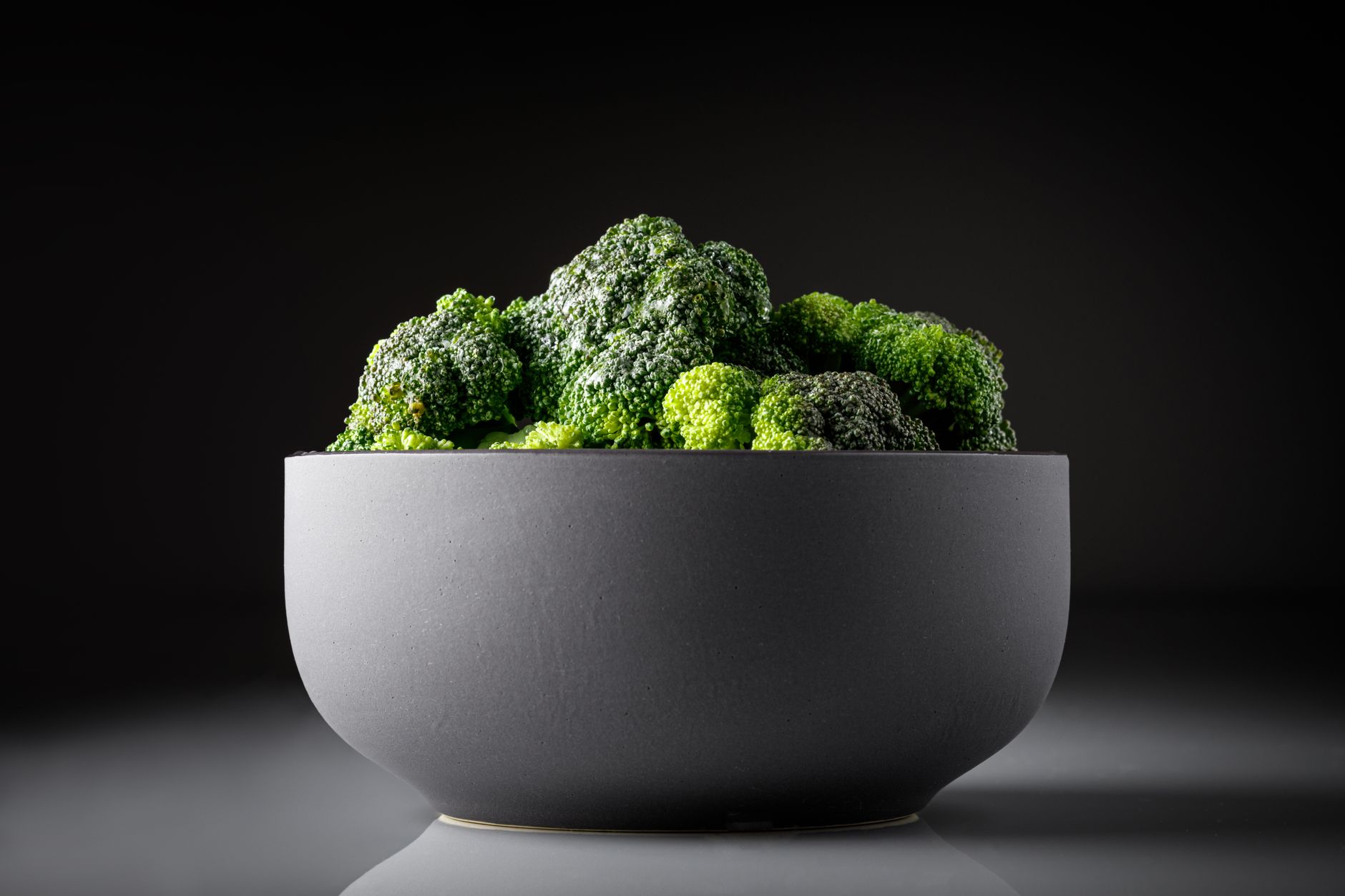
Whole‑food sources like broccoli sprouts provide sulforaphane naturally, often making them a safer first choice for pregnant people.
Trimester / Breastfeeding
Verdict
Notes
First trimester
⚠️ Caution
Limited data; avoid high‑dose supplements until organogenesis is complete.
Second trimester
⚠️ Caution
Evidence still scarce; whole‑food sources are preferred.
Third trimester
⚠️ Caution
Potential for unknown effects on fetal growth; discuss with provider.
Breastfeeding
⚠️ Talk to doctor
Sulforaphane does appear in breast milk in small amounts; safety not established.
What is sulforaphane? Sulforaphane is a naturally occurring compound classified as an isothiocyanate. It forms when the enzyme myrosinase converts glucoraphanin—found in cruciferous vegetables like broccoli, Brussels sprouts, and kale—into sulforaphane during chewing or chopping. This phytochemical is celebrated for its antioxidant and anti‑inflammatory properties, and laboratory studies suggest it may activate the Nrf2 pathway, a cellular “defense switch” that helps protect cells from oxidative stress. Because of these actions, sulforaphane has been investigated for a range of health benefits, from cancer prevention to metabolic regulation, and it’s now available as a concentrated supplement.
In the diet, sulforaphane is most bioavailable when the vegetable is lightly cooked (to preserve myrosinase) or consumed raw with a source of mustard seed powder, which provides the enzyme. Supplements often contain a stabilized form of sulforaphane or a broccoli‑seed extract that has been processed to retain activity. While the compound is generally regarded as safe for the general adult population, pregnant and lactating people are a special population where safety data are still emerging. Moreover, the gut microbiome can further convert glucoraphanin that reaches the colon into sulforaphane, meaning that even foods with inactivated myrosinase can still deliver modest amounts of the active compound.
Because many pregnant people are searching for “natural ways to boost immunity” or “antioxidants for gestational health,” sulforaphane often appears in articles and social media feeds promising a “super‑boost.” It’s crucial to differentiate between the modest, variable amounts you get from a serving of broccoli and the relatively high, standardized doses found in capsules. That distinction shapes the safety conversation and informs how we weigh potential benefits against unknown risks.
Is sulforaphane safe to take during the first trimester of pregnancy?
The first trimester is the period of organogenesis, when the baby’s major organs are forming. Because this window is highly sensitive to teratogens—substances that could cause birth defects—most guidelines recommend limiting exposure to anything that hasn’t been proven safe. The ACOG does not list sulforaphane among its approved prenatal nutrients, and the NHS advises pregnant women to “avoid experimental supplements” unless a clinician specifically recommends them. Small amounts of sulforaphane from whole foods (e.g., a serving of broccoli) are considered low‑risk, but high‑dose capsules (often 10–30 mg or more) fall into the “caution” category.
Animal studies have shown mixed results: some rodent models indicate no adverse developmental effects at modest doses, while others report altered fetal weight at very high concentrations. Human data are limited to a handful of observational studies where sulforaphane intake was estimated from diet, and none have shown a clear link to birth defects. One small cohort of pregnant women who consumed a diet rich in cruciferous vegetables showed no increase in miscarriage rates, but the sample size was too small to draw firm conclusions. Until robust clinical trials confirm safety, the prudent approach is to limit sulforaphane supplementation during the first trimester and rely on whole‑food sources.
Another consideration is the impact of cruciferous vegetables on iodine metabolism. Large quantities of goitrogenic compounds, which are also present in cruciferous foods, can interfere with thyroid hormone synthesis, a concern especially in the first trimester when the fetal brain depends on maternal thyroid hormones. While typical dietary intakes are unlikely to cause problems, excessively high supplemental doses could theoretically exacerbate iodine deficiency, so discussing iodine status with your provider is wise.
What is the recommended sulforaphane dosage for pregnant women?
B
ecause definitive dosage guidelines are lacking, most clinicians suggest adhering to the “food first” principle. A typical serving of fresh broccoli (about ½ cup cooked) provides roughly 30–50 mg of sulforaphane, but the actual amount varies with preparation. If you choose a supplement, many products market 10–30 mg per capsule. A conservative recommendation is to stay at the lower end—no more than 10 mg per day—until you have a conversation with your obstetric provider.
The FDA classifies sulforaphane supplements as “dietary supplements,” which are not subject to the same pre‑market safety evaluations as prescription drugs. Consequently, the agency does not set a Recommended Daily Allowance (RDA) for sulforaphane. In the absence of an official standard, the safest route is to mirror the amount you would obtain from a balanced diet rich in cruciferous vegetables, rather than relying on concentrated extracts. For reference, a daily serving of lightly steamed broccoli delivers about 30 mg, which most nutritionists consider a reasonable, food‑based intake for pregnant people.
If you’re considering a supplement, check the label for “standardized broccoli‑seed extract” and verify the presence of active myrosinase, which indicates that the product can deliver bioavailable sulforaphane. Some manufacturers use a “sulforaphane‑rich” formulation that bypasses the need for myrosinase, but these tend to be more potent and therefore warrant stricter medical oversight.
Can I use sulforaphane supplements from specific brands while pregnant?
Brand reputation matters because supplement purity and manufacturing standards vary. Look for products that are third‑party tested (e.g., USP, NSF) and that clearly state the amount of active sulforaphane per serving. Brands that use “standardized broccoli‑seed extract” with verified myrosinase activity are generally more reliable. However, even reputable brands cannot guarantee safety for pregnancy, so you should still discuss any chosen product with your provider.
Examples of brands that often meet quality‑testing criteria include Thorne Research, Pure Encapsulations, and Jarrow Formulas. Avoid products that contain proprietary blends without transparent labeling, as they may hide higher concentrations or undisclosed additives. When possible, choose a supplement that lists the exact milligram amount of sulforaphane and provides a certificate of analysis (COA) from an independent laboratory.
Some emerging brands market “cold‑pressed broccoli seed oil” or “sulforaphane‑enhanced powders.” While these can be convenient, they frequently lack the rigorous batch‑to‑batch testing seen in more established manufacturers. If you encounter a new brand, request the COA and verify that the product complies with Good Manufacturing Practices (GMP) before deciding to use it.
What are the potential risks of sulforaphane for pregnant mothers and babies?
Potential risks stem from the limited human data and the compound’s biological activity. Sulforaphane’s ability to modulate the Nrf2 pathway is beneficial for reducing oxidative stress, but it also influences gene expression. Theoretically, excessive activation could interfere with normal fetal development, although no definitive human cases have been reported.
Other concerns include gastrointestinal upset (bloating, gas) and, in rare cases, mild liver enzyme elevations. Pregnant people with pre‑existing liver conditions should be especially cautious. Because the placenta is semi‑permeable, any compound that circulates in the mother’s blood may cross into fetal circulation; however, studies on sulforaphane’s placental transfer are still in early stages. One small in‑vitro study using human placental tissue suggested that sulforaphane can cross the barrier, but the clinical significance of that finding remains unknown.
People who are sensitive to cruciferous vegetables may experience a strong “sulfur” odor in their breath or sweat after high‑dose supplementation. While this is harmless, it can be uncomfortable and may be mistaken for a sign of infection. Additionally, because sulforaphane can influence detoxification enzymes, it might alter the metabolism of certain prescription medications, such as some antihypertensives or anticoagulants. Always inform your provider about any supplements you’re taking, especially if you’re on medication for conditions like gestational hypertension or blood clotting disorders.
Are there safer alternatives to sulforaphane for pregnancy health benefits?
Broccoli sprouts (fresh) – Provide sulforaphane naturally with the added benefit of fiber and other phytonutrients; easy to add to salads.
Kale – Another cruciferous vegetable rich in antioxidants, offering a broader nutrient profile.
Spinach – High in folate and iron, supporting fetal development without the uncertainty around isolated extracts.
Vitamin C supplement – Proven antioxidant safety in pregnancy; helps with iron absorption.
Omega‑3 fish oil – Supports brain development and reduces inflammation; widely recommended by ACOG.
Standard prenatal multivitamin – Formulated to meet pregnancy nutrient needs, including antioxidants, without excessive isolated compounds.
Green tea catechins (moderate amounts) – Offer antioxidant benefits; low‑dose green tea is generally regarded as safe, but avoid high‑dose extracts.
Probiotic supplement – Supports gut health, which can indirectly enhance nutrient absorption and immune function during pregnancy.
How does sulforaphane affect pregnancy complications like gestational diabetes?
Preliminary research suggests sulforaphane may improve insulin sensitivity and reduce inflammatory markers, which are key factors in gestational diabetes. A small pilot study in pregnant mice showed lower blood glucose levels after sulforaphane supplementation. Human trials are sparse, but one observational cohort noted that women who ate more cruciferous vegetables (the primary source of sulforaphane) had a slightly reduced risk of developing gestational diabetes. Because the evidence is not yet conclusive, sulforaphane cannot be recommended as a treatment; standard interventions—dietary counseling, glucose monitoring, and, if needed, medication—remain the cornerstone of care.
It is worth noting that some small human studies have examined the effect of broccoli‑seed extract on fasting glucose and found modest improvements, but these studies were not powered to detect clinically meaningful outcomes. Until larger, well‑controlled trials are completed, clinicians typically advise pregnant patients to focus on evidence‑based strategies such as balanced carbohydrate intake, regular physical activity, and, where appropriate, metformin or insulin therapy.
Is sulforaphane safe for breastfeeding mothers?
Limited pharmacokinetic studies indicate that sulforaphane does appear in breast milk at low concentrations, but the clinical relevance is unknown. The CDC and FDA have not issued specific guidance on sulforaphane for lactating mothers. As a precaution, many lactation consultants advise using whole‑food sources rather than high‑dose supplements until more data emerge. If you’re breastfeeding and consider a supplement, discuss it with your pediatrician or OB‑GYN.
Because infants have immature detoxification pathways, even modest exposures could theoretically accumulate over time. However, the amount transferred through breast milk appears to be far below the levels associated with any adverse effects in animal models. Still, the safest approach is to limit supplemental intake and prioritize a varied diet that includes cruciferous vegetables in moderate amounts.
Does cooking broccoli reduce sulforaphane safety concerns during pregnancy?
Cooking can both diminish and preserve sulforaphane, depending on method and duration. Light steaming (3–4 minutes) deactivates myrosinase but retains glucoraphanin, which can still be converted to sulforaphane by gut bacteria. Over‑cooking destroys both enzyme and precursor, reducing the overall sulforaphane content. From a safety perspective, cooking does not introduce new risks; it simply lowers the amount you’d ingest. For pregnant people, steaming or lightly sautéing broccoli is a practical way to enjoy the vegetable while keeping sulforaphane levels moderate.
If you prefer raw broccoli, pairing it with a teaspoon of mustard seed powder or a splash of lemon juice can reactivate myrosinase, boosting sulforaphane formation. This technique is especially useful when you want to maximize antioxidant intake without relying on supplements. Remember that raw cruciferous vegetables can also cause more gas, so listen to your body and choose the preparation method that feels best for you.
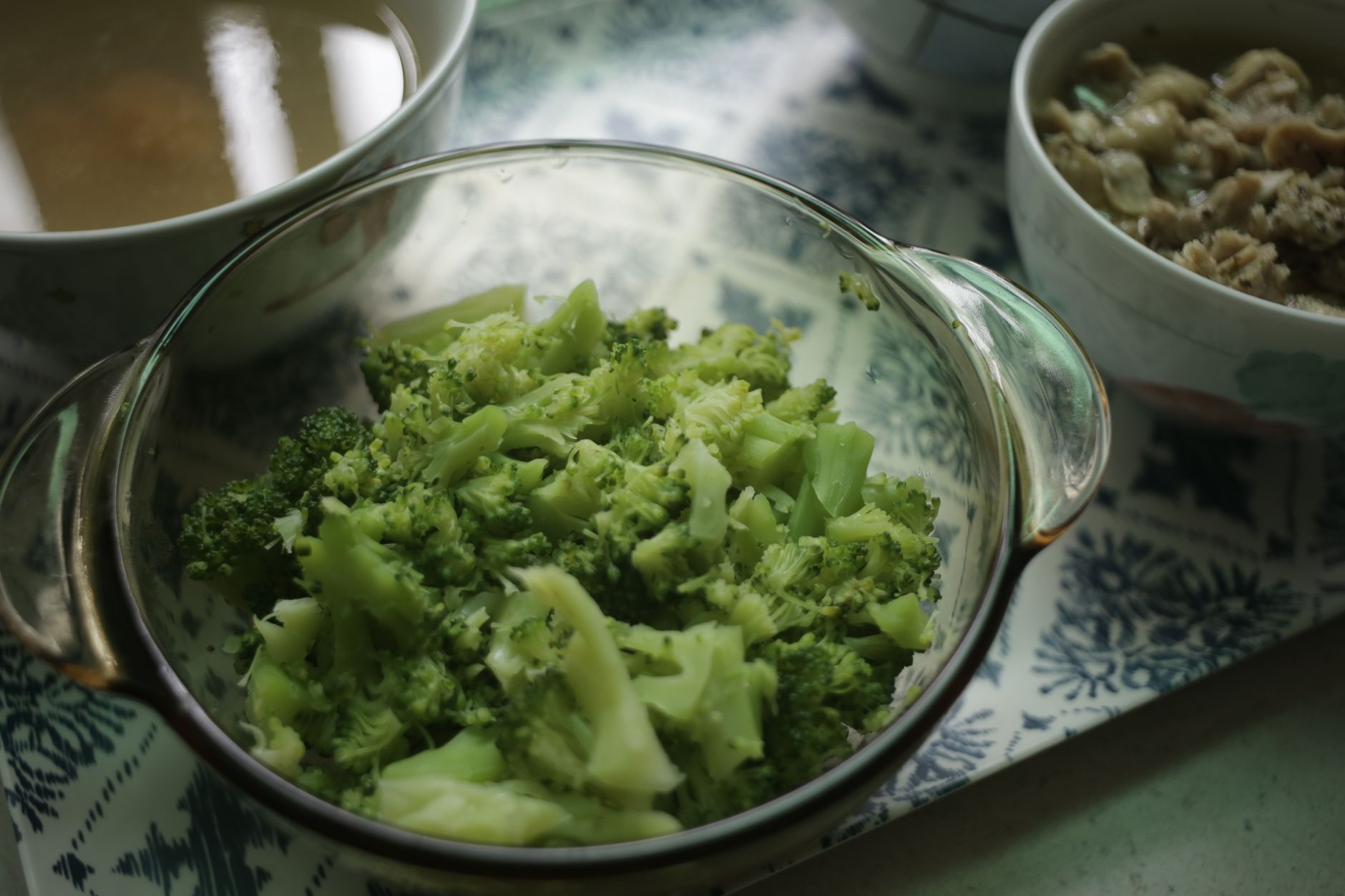
Steamed broccoli offers a gentle, nutrient‑rich alternative to isolated sulforaphane supplements.
Side effects and risks
Most people tolerate sulforaphane well at dietary levels. When taken as a supplement, the most commonly reported side effects are:
These signs could indicate an adverse reaction or an unrelated pregnancy complication that requires medical evaluation. While mild GI upset is often benign, persistent or worsening symptoms should never be ignored, especially during pregnancy.
Safer alternatives
Fresh broccoli sprouts – naturally high in sulforaphane without the concentration uncertainties of pills.
Kale – provides a suite of antioxidants and vitamins, supporting overall pregnancy health.
Spinach – rich in folate, iron, and calcium, essential for fetal development.
Vitamin C supplement – a well‑studied antioxidant with an established safety profile in pregnancy.
Omega‑3 fish oil – recommended by ACOG for fetal brain development and maternal heart health.
Standard prenatal multivitamin – offers balanced nutrients, including antioxidants, without isolated high‑dose compounds.
Green tea catechins (moderate amounts) – offer antioxidant benefits; low‑dose green tea is generally regarded as safe, but avoid high‑dose extracts.
Probiotic supplement – supports gut health, which can enhance nutrient absorption and immune function during pregnancy.
Related items — safety at a glance
Item
Verdict
One‑line note
Indole‑3‑carbinol
⚠️ Caution
Similar to sulforaphane; limited pregnancy data.
Glucosinolates
⚠️ Caution
Precursors to sulforaphane; safe in whole foods.
Beta‑carotene
✅ Generally safe
Found in carrots; ACOG supports moderate intake.
Folate
✅ Generally safe
Essential for neural‑tube development; recommended daily.
Vitamin D
✅ Generally safe
Supports calcium absorption; dosage guided by provider.
Iron
✅ Generally safe
Commonly prescribed prenatal iron; monitor for constipation.
Vitamin C
✅ Generally safe
Antioxidant with solid safety data in pregnancy.
Omega‑3 fish oil
✅ Generally safe
Recommended for fetal brain development.
Green tea catechins
⚠️ Caution
Low‑dose is okay; high‑dose extracts lack safety data.
Probiotic supplement
✅ Generally safe
Supports gut health; most strains are pregnancy‑friendly.
Myth vs. fact
Myth: Sulforaphane is a proven cure for all pregnancy‑related issues.
Fact: While early studies suggest antioxidant benefits, there is no high‑quality evidence that sulforaphane prevents or treats pregnancy complications.
Myth: All cruciferous vegetables are unsafe because they contain sulforaphane.
Fact: Whole‑food sources are generally considered safe and provide balanced nutrients; the concern lies with high‑dose isolated supplements.
Myth: If a supplement is “natural,” it’s automatically safe for pregnant people.
Fact: Natural does not equal safe; many natural compounds can affect fetal development, so professional guidance is essential.
Myth: Taking more sulforaphane will guarantee a healthier baby.
Fact: Excessive amounts may lead to unnecessary exposure without proven benefit, and could theoretically interfere with normal developmental pathways.
Key takeaways
Current evidence does not confirm that sulforaphane supplements are safe for pregnancy; discuss any use with your provider.
Whole‑food sources (broccoli, sprouts, kale) provide modest sulforaphane amounts and are a safer way to enjoy its benefits.
If you choose a supplement, stay at the low end of dosing (≈10 mg/day) and select a third‑party‑tested brand.
Watch for gastrointestinal upset, liver‑enzyme changes, or any severe symptoms and seek medical advice promptly.
Safer alternatives like prenatal vitamins, vitamin C, and omega‑3 fish oil are well‑studied and recommended by ACOG.
Always prioritize a balanced diet and consult your obstetric provider before adding any new supplement.
Frequently asked questions
Can sulforaphane cause birth defects?
No definitive human studies have linked sulforaphane to birth defects, but the lack of robust data means we recommend caution, especially in the first trimester.
What foods are high in sulforaphane for pregnant women?
Fresh broccoli sprouts, lightly steamed broccoli, Brussels sprouts, and kale are among the richest dietary sources of sulforaphane.
Is it safe to take sulforaphane supplements while pregnant?
Safety is not established; the best practice is to consult your obstetric provider before starting any sulforaphane supplement.
How much sulforaphane is too much during pregnancy?
Because precise limits are unknown, staying at or below 10 mg per day (the amount in a modest supplement) is a conservative approach until you have medical guidance.
Does sulforaphane cross the placenta?
Early animal studies suggest sulforaphane can cross the placenta, but human data are insufficient to determine the impact on the fetus.
Are there any side effects of sulforaphane for pregnant women?
Common side effects include mild gastrointestinal upset and occasional headaches; severe reactions are rare but should be reported to a provider.
Can sulforaphane help with gestational diabetes?
Preliminary lab and animal research hints at improved insulin sensitivity, yet there is no clinical evidence to recommend sulforaphane as a treatment for gestational diabetes.
Can I take sulforaphane while trying to conceive?
There is limited data on sulforaphane use before pregnancy; because the early stages of conception are sensitive, many clinicians advise avoiding high‑dose supplements until pregnancy is confirmed.
Is it safe to combine sulforaphane with my prenatal vitamins?
Generally, low‑dose sulforaphane from whole foods can be added to a prenatal vitamin regimen, but high‑dose supplements may increase the overall antioxidant load and should be discussed with your provider.
When to call your doctor
If you notice any of the following after taking sulforaphane—severe abdominal pain, persistent vomiting, jaundice, swelling, or unusual liver‑enzyme results—contact your obstetric provider or seek emergency care. Even milder symptoms like persistent diarrhea or headaches should be discussed if they cause discomfort or interfere with daily life. Remember, this article provides general information and is not a substitute for personalized medical advice.
References
American College of Obstetricians and Gynecologists (ACOG). “Nutrition During Pregnancy.” ACOG Committee Opinion, 2022.
National Health Service (NHS). “Food and drink in pregnancy.” Updated 2023.
U.S. Food and Drug Administration (FDA). “Dietary Supplement Health and Education Act (DSHEA).” 2021.
Centers for Disease Control and Prevention (CDC). “Gestational Diabetes.” 2022.
World Health Organization (WHO). “Guidelines on Antenatal Care for a Positive Pregnancy Experience.” 2021.
Mayo Clinic. “Sulforaphane: Benefits, Side Effects, and Uses.” Reviewed 2023.
National Institute of Health (NIH). “Sulforaphane and Cancer Prevention.” 2022.
European Food Safety Authority (EFSA). “Scientific opinion on the safety of broccoli extracts.” 2020.
National Institutes of Health (NIH). “Cruciferous Vegetables and Thyroid Function.” 2021.
American Pregnancy Association. “Antioxidants and Pregnancy.” 2022.
Not sure about the label on Is Sulforaphane Safe During Pregnancy products?
Snap the ingredients list and SafeFilter checks every ingredient for your stage — only 3 free scans this month, then you're locked until reset. Unlimited from $7/mo or lock $50/yr through Aug 31 (16 days left).
When Shubhra Mishra was expecting her first child in 2016, she was overwhelmed by conflicting food advice — one site said yes, another said never. By the time her second baby arrived in 2019, she realized millions of mothers face the same confusion.
That sparked a five-year journey through clinical nutrition papers, cultural diets, and expert conversations — all leading to BumpBites: a calm, compassionate space where science meets everyday motherhood.
Her long-term vision is to build a global community ensuring safe, supported, and free deliveriesfor every mother — because no woman should face pregnancy alone or uninformed. 🌿
🌍 Stand with mothers, shape safer guidance
Join a small circle of experts who review BumpBites articles so expecting parents everywhere can decide with confidence.