Sulfates SLS SLES are generally safe during pregnancy, but limit in first trimester to minimize risks
By Shubhra Mishra — a mom of two who turned her own confusion during pregnancy into BumpBites, a global mission to make food choices clear, safe, and stress-free for every expecting mother. 💛
Check whether any food is safe during pregnancy with the BumpBites Food Safety Checker.
Quick verdict: ⚠️ Sulfates (SLS and SLES) are generally considered safe in small amounts during pregnancy, but they can cause skin irritation—especially if you have sensitive skin, eczema, or pregnancy-related rashes. Most obstetricians and dermatologists recommend limiting exposure or switching to sulfate-free alternatives to reduce discomfort. If you've already used sulfate-containing products, don’t panic—current evidence does not show harm to fetal development.
You’re standing in the shower at 11 p.m., squinting at the tiny ingredient list on your shampoo bottle, heart pounding: Sodium Lauryl Sulfate. You’ve heard sulfates are harsh, but now that you’re pregnant, every label feels like a pop quiz you didn’t study for. Did you just lather your scalp with something dangerous? Should you toss the bottle? And what about your toothpaste—is that safe too?
Take a breath. The truth is, sulfates like SLS and SLES are not banned during pregnancy, but they’re not entirely worry-free either. Most experts agree they’re safe in the amounts found in personal care products, but they can irritate your skin—something many moms-to-be are already dealing with thanks to hormonal shifts. In this guide, we’ll break down what sulfates actually are, how much is safe, which trimesters matter, and what to use instead if you’d rather play it extra gentle. You’ll leave knowing exactly what to keep, what to swap, and when to call your doctor.
Is sulfates SLS SLES safe during pregnancy? A quick safety snapshot
Trimester / Stage
Verdict
Notes
First trimester
⚠️ Safe with caution
No evidence of harm to fetal development, but skin sensitivity is highest. Limit use if you notice irritation.
Second trimester
⚠️ Safe with caution
Skin may still be sensitive. Sulfates won’t affect your baby, but they can worsen pregnancy-related rashes.
Third trimester
⚠️ Safe with caution
Same as above—safe for baby, but your skin may be more reactive. Consider sulfate-free options if irritation flares.
Breastfeeding
⚠️ Safe with caution
No risk to baby via breast milk, but sulfates can still irritate your skin. Sulfate-free products are a gentler choice.
Sulfate-free shampoos are widely available and just as effective—without the potential for irritation.
What are sulfates (SLS and SLES)?
Sulfates are a group of synthetic detergents—essentially, the ingredients that make your shampoo, body wash, and toothpaste lather. The two most common are Sodium Lauryl Sulfate (SLS) and Sodium Laureth Sulfate (SLES). SLS is the stronger of the two and is known for its deep-cleaning (and sometimes harsh) effects. SLES is a gentler, ethoxylated version of SLS—meaning it’s been processed to reduce irritation while still creating suds.
You’ll find sulfates in:
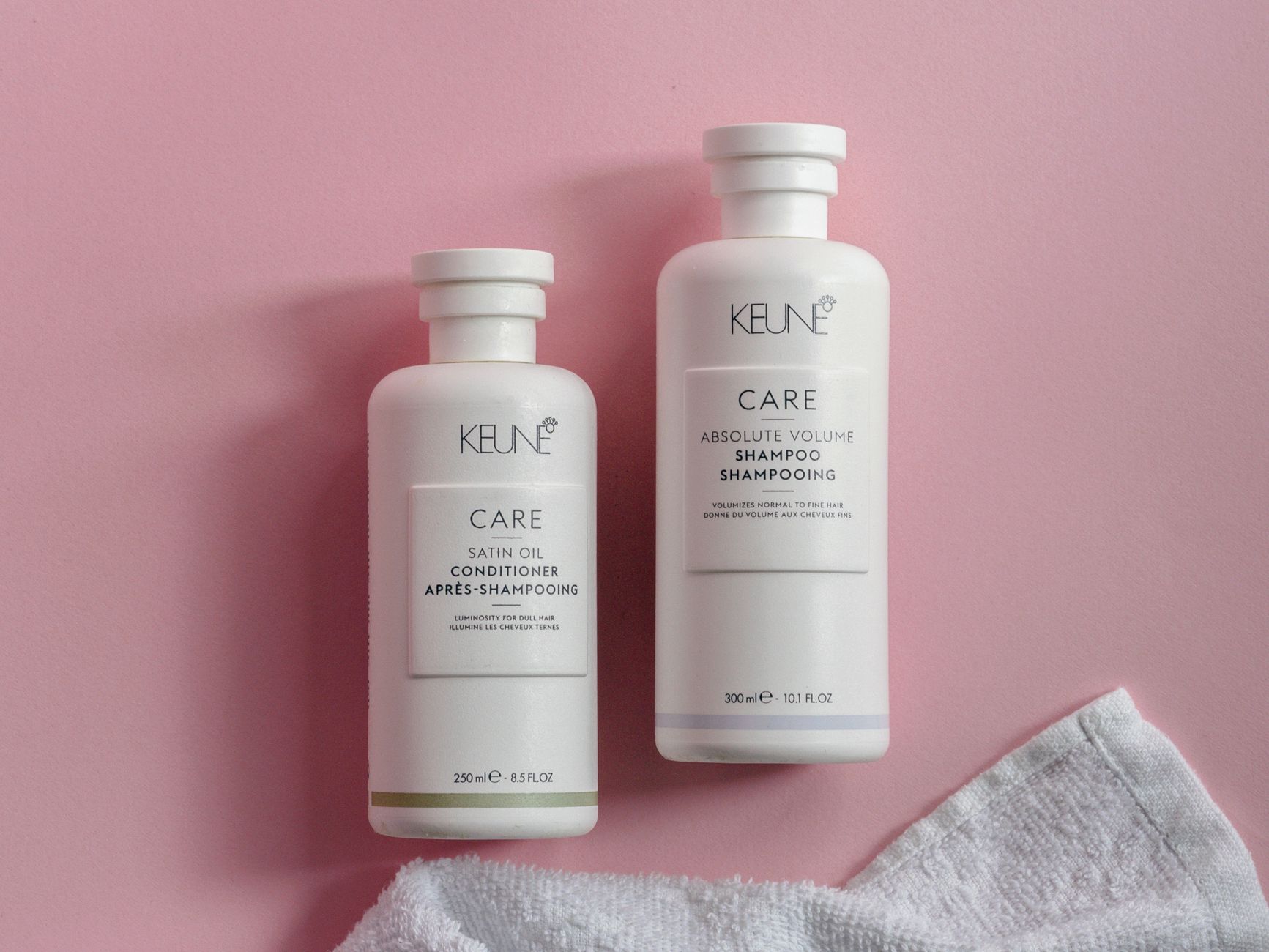
Shampoos and conditioners
Body washes and shower gels
Facial cleansers
Toothpaste
Dish soap and household cleaners
Some makeup removers and exfoliants
They’re popular because they’re cheap, effective at removing oil and dirt, and create that satisfying foam many of us associate with cleanliness. But that same strength can also strip your skin and scalp of natural oils—leaving them dry, itchy, or irritated. And when you’re pregnant, your skin is already more sensitive thanks to hormonal changes, making irritation more likely.
Is sulfates SLS SLES safe during pregnancy?
Here’s the good news: there is no credible evidence that sulfates like SLS or SLES harm fetal development. The American College of Obstetricians and Gynecologists (ACOG) does not list sulfates as a concern during pregnancy, and neither does the U.S. Food and Drug Administration (FDA). The amount of sulfates absorbed through your skin is minimal, and what little enters your bloodstream is not known to cross the placenta in harmful amounts.
However, that doesn’t mean sulfates are risk-free for you. Pregnancy hormones can make your skin more sensitive, reactive, and prone to conditions like eczema, acne, or perioral dermatitis. Sulfates are known irritants, especially for people with sensitive skin, and they can worsen these issues. A 2018 review in the Journal of the American Academy of Dermatology found that SLS can disrupt the skin barrier, leading to dryness, redness, and itching—symptoms many pregnant women already struggle with.
The National Health Service (NHS) in the UK notes that while sulfates are not harmful to your baby, they can cause skin irritation, particularly if you’re already dealing with pregnancy-related rashes or allergies. The bottom line? Sulfates are not a danger to your baby, but they may not be the most comfortable choice for you right now.
If you’ve been using sulfate-containing products and haven’t noticed any irritation, there’s no urgent need to switch. But if your skin feels tight, itchy, or inflamed after using them, it’s worth exploring gentler, sulfate-free alternatives.
Are SLS and SLES safe to use in the first trimester of pregnancy?
Yes—SLS and SLES are safe to use in the first trimester. This is the period when fetal organ development is most sensitive, but sulfates have not been linked to birth defects or developmental issues. The first trimester is also when many women experience heightened skin sensitivity, nausea, and fatigue, so while sulfates won’t harm your baby, they might make your skin feel worse.
If you’re dealing with morning sickness, the strong scent of some sulfate-containing shampoos or body washes might trigger nausea. Switching to a fragrance-free, sulfate-free product can help reduce discomfort. But if you’ve already used sulfate products in your first trimester, don’t stress—there’s no evidence they pose any risk to your baby.
How much SLS can pregnant women safely use in personal care products?
There’s no official “safe limit” for sulfates during pregnancy, but the general guideline is to use them in moderation and avoid prolonged or excessive exposure. Here’s what that means in practice:
Shampoo and body wash: Using a sulfate-containing product 1-2 times per week is unlikely to cause issues, but daily use may lead to dryness or irritation. If you notice redness, itching, or flaking, it’s a sign to cut back or switch.
Toothpaste: A pea-sized amount of SLS-containing toothpaste 2-3 times a day is considered safe. If you experience canker sores or mouth irritation, opt for an SLS-free toothpaste.
Facial cleansers: Sulfates can be especially harsh on facial skin, which is often more sensitive during pregnancy. Limit use to once daily, or switch to a gentler cleanser if you notice dryness or breakouts.
Household cleaners: Wear gloves when using sulfate-containing products like dish soap or laundry detergent to minimize skin contact.
The key is to listen to your skin. If a product feels irritating, it probably is—regardless of the amount. Pregnancy can make your skin more reactive, so what worked for you pre-pregnancy might not feel as gentle now.
Reading labels becomes second nature during pregnancy—but you don’t have to memorize every ingredient. Focus on what feels good for your skin.
What are the risks of using sulfate shampoos during pregnancy?
The main risks of using sulfate shampoos during pregnancy aren’t to your baby—they’re to your comfort and skin health. Here’s what to watch for:
Skin irritation: Sulfates can strip your scalp and skin of natural oils, leading to dryness, itching, redness, or flaking. This is especially common if you already have sensitive skin or conditions like eczema or psoriasis.
Worsening of pregnancy-related skin conditions: Many women develop conditions like pruritic urticarial papules and plaques of pregnancy (PUPPP), eczema, or hormonal acne during pregnancy. Sulfates can aggravate these issues, making symptoms more uncomfortable.
Eye irritation: If shampoo gets into your eyes, sulfates can cause stinging or redness. This is more annoying than dangerous, but it’s worth being cautious—especially if you’re already dealing with pregnancy fatigue.
Allergic reactions: While rare, some people are allergic to sulfates. Signs include hives, swelling, or severe itching. If you experience these symptoms, stop using the product and call your doctor.
It’s important to note that none of these risks affect fetal development. The concern with sulfates is purely about your comfort and skin health. If you’re not experiencing irritation, there’s no need to avoid them entirely. But if your skin feels dry, tight, or itchy after using sulfate shampoos, it’s a sign to switch to a gentler formula.
Which brands offer sulfate-free baby shampoo that is safe for pregnant moms?
If you’re looking for a sulfate-free shampoo that’s gentle enough for both you and your baby, you’re in luck—many brands offer products that fit the bill. Here are some of the most trusted options, all of which are free of SLS, SLES, and other harsh sulfates:
Brand & Product
Why It’s Safe for Pregnancy
Best For
Aveeno Baby Gentle Wash & Shampoo
Fragrance-free, tear-free, and formulated with natural oat extract to soothe sensitive skin. Pediatrician- and dermatologist-recommended.
Sensitive skin, eczema-prone skin, daily use
Cetaphil Baby Wash & Shampoo
Hypoallergenic, pH-balanced, and free of parabens, dyes, and sulfates. Clinically proven to be gentle on newborn skin.
Dry or irritated skin, frequent use
Burt’s Bees Baby Shampoo & Wash
99.9% natural, with soothing ingredients like aloe and oat flour. Tear-free and pediatrician-tested.
Natural ingredient preference, mild cleansing
The Honest Company Shampoo & Body Wash
Plant-based, hypoallergenic, and free of sulfates, parabens, and synthetic fragrances. Gentle enough for baby, safe for mom.
Eco-conscious moms, sensitive skin
CeraVe Baby Wash & Shampoo
Contains ceramides to restore the skin barrier and hyaluronic acid for hydration. Developed with pediatric dermatologists.
Very dry skin, barrier repair
These products are all safe for use during pregnancy and breastfeeding, and they’re gentle enough to use on your baby once they arrive. If you’re dealing with specific skin concerns—like eczema or extreme dryness—look for formulas with added soothing ingredients like oat extract, ceramides, or hyaluronic acid.
What are safe alternatives to SLS and SLES for pregnant women?
If you’d rather avoid sulfates altogether, there are plenty of gentle, effective alternatives. Here are some of the safest and most popular sulfate-free options for shampoo, body wash, facial cleansers, and toothpaste:
SheaMoisture Raw Shea Butter Restorative Shampoo Why it’s safe: Sulfate-free, packed with moisturizing shea butter and argan oil, and great for dry or damaged hair. Free of parabens, phthalates, and synthetic fragrances.
CeraVe Hydrating Cleanser Why it’s safe: A cult favorite for sensitive skin, this cleanser is sulfate-free, non-comedogenic, and contains ceramides to repair the skin barrier. Safe for face and body.
Neutrogena Ultra Gentle Daily Cleanser Why it’s safe: Fragrance-free, soap-free, and designed for sensitive skin. It removes dirt and oil without stripping or irritating.
Vanicream Gentle Facial Cleanser Why it’s safe: Free of sulfates, dyes, fragrance, and common irritants. Ideal for eczema-prone or reactive skin.
Tom’s of Maine Simply White Toothpaste (SLS-Free) Why it’s safe: Fluoride-free (if you prefer) or fluoride-containing options available. Free of SLS, artificial flavors, and preservatives.
Dr. Bronner’s Pure-Castile Liquid Soap Why it’s safe: Made with organic, fair-trade ingredients and free of sulfates, synthetic preservatives, and detergents. Can be diluted for use as shampoo, body wash, or hand soap.
Briogeo Be Gentle, Be Kind Avocado + Quinoa Co-Wash Why it’s safe: A sulfate-free, silicone-free co-wash (conditioner-wash) that gently cleanses without stripping hair. Great for curly or dry hair.
La Roche-Posay Toleriane Hydrating Gentle Cleanser Why it’s safe: Sulfate-free, fragrance-free, and formulated with niacinamide and ceramides to soothe and hydrate sensitive skin.
When switching to sulfate-free products, give your skin and hair a few weeks to adjust. You might notice less lather at first, but that doesn’t mean the product isn’t working—it’s just a gentler clean.
Can sulfates cause skin irritation or hormonal effects during pregnancy?
Yes, sulfates can cause skin irritation during pregnancy, but they are not known to have hormonal effects or disrupt your endocrine system. Here’s what you need to know:
Skin irritation: Sulfates are surfactants, which means they break down oils and dirt—but they can also strip your skin of its natural moisture barrier. During pregnancy, your skin is already more prone to dryness, itching, and sensitivity due to hormonal changes. Using sulfate-containing products can worsen these issues, leading to redness, flaking, or even eczema flare-ups.
Hormonal effects: There is no evidence that sulfates like SLS or SLES interfere with hormones or affect fetal development. The concern about sulfates and hormones is a common myth, but it’s not supported by scientific research. The European Chemicals Agency (ECHA) and the FDA have both reviewed sulfates and found no link to hormonal disruption.
Allergic reactions: While rare, some people can develop an allergic reaction to sulfates. Symptoms include hives, swelling, or severe itching. If you experience these, stop using the product and contact your healthcare provider.
If you’re concerned about skin irritation, opt for sulfate-free products or those labeled “for sensitive skin.” Ingredients like ceramides, hyaluronic acid, and oat extract can help soothe and repair your skin barrier, which is especially important during pregnancy.
Is it safe to use SLS-containing toothpaste while pregnant?
Yes, it is generally safe to use SLS-containing toothpaste during pregnancy. The amount of SLS in toothpaste is small, and most of it is rinsed away, so very little is absorbed into your bloodstream. The American Dental Association (ADA) and ACOG do not consider SLS in toothpaste a risk during pregnancy.
However, there are a few things to keep in mind:
Canker sores: SLS can increase the risk of canker sores (painful mouth ulcers) in some people. If you’re prone to them, you might notice more during pregnancy due to hormonal changes. Switching to an SLS-free toothpaste can help reduce their frequency.
Taste sensitivity: Pregnancy can heighten your sense of taste and smell. Some women find the strong minty flavor of SLS-containing toothpaste overwhelming or even nauseating. If that’s the case, try a milder, SLS-free option.
Fluoride content: Most toothpastes contain fluoride, which is safe and recommended during pregnancy to protect your teeth (which can be more vulnerable due to morning sickness or cravings for sugary foods). If you prefer to avoid fluoride, look for an SLS-free, fluoride-free toothpaste like Tom’s of Maine Simply White.
If you’re comfortable using your current toothpaste, there’s no need to switch. But if you experience mouth irritation or canker sores, an SLS-free toothpaste is a simple and safe alternative.
Do sulfates affect pregnancy-related conditions like eczema or hormonal acne?
Yes, sulfates can worsen pregnancy-related skin conditions like eczema and hormonal acne, but they don’t cause them. Here’s how they might affect you:
Eczema: Eczema is common during pregnancy, especially in the third trimester. Sulfates can strip your skin of natural oils, leading to dryness and irritation—both of which can trigger or worsen eczema flare-ups. If you have eczema, sulfate-free cleansers and moisturizers are a better choice.
Hormonal acne: Pregnancy hormones can cause breakouts, particularly along the jawline and chin. While sulfates don’t cause acne, they can irritate your skin and disrupt its natural barrier, making breakouts more likely to become inflamed or infected. Gentle, sulfate-free cleansers can help keep your skin calm.
PUPPP (Pruritic Urticarial Papules and Plaques of Pregnancy): This itchy rash, which usually appears in the third trimester, can be aggravated by sulfates. If you develop PUPPP, switching to sulfate-free body washes and moisturizers can help reduce discomfort.
Perioral dermatitis: This rash around the mouth is often triggered by hormonal changes and can be worsened by harsh ingredients like sulfates. If you’re prone to perioral dermatitis, avoid sulfate-containing facial cleansers and toothpastes.
If you’re dealing with any of these conditions, sulfate-free products are a safer bet. Look for cleansers and moisturizers labeled “for sensitive skin” or “hypoallergenic,” and avoid products with added fragrances or dyes, which can also be irritating.
Sulfates and pregnancy: Safety at a glance
Wondering how sulfates compare to other common surfactants? Here’s a quick breakdown of the safety of sulfates and sulfate alternatives during pregnancy:
Ingredient
Verdict
Notes
Sodium Laureth Sulfate (SLES)
⚠️ Safe with caution
Gentler than SLS but can still cause irritation in sensitive skin. Safe for baby, but may worsen pregnancy-related rashes.
Sodium Lauryl Sulfate (SLS)
⚠️ Safe with caution
Stronger than SLES and more likely to cause irritation. Safe for baby, but best limited if your skin is sensitive.
Ammonium Lauryl Sulfate
⚠️ Safe with caution
Similar to SLS but less common. Can be irritating, so limit use if your skin is reactive.
Cocamidopropyl Betaine
✅ Generally safe
A mild surfactant derived from coconut oil. Less irritating than sulfates and commonly used in sulfate-free products.
Sodium Cocoyl Isethionate
✅ Generally safe
A gentle, biodegradable surfactant derived from coconut oil. Great for sensitive skin and safe during pregnancy.
Decyl Glucoside
✅ Generally safe
A plant-derived, ultra-gentle surfactant. Safe for all skin types, including sensitive and eczema-prone skin.
Sodium Lauroyl Sarcosinate
✅ Generally safe
A mild amino acid-based surfactant. Less irritating than sulfates and safe for daily use.
Disodium Laureth Sulfosuccinate
✅ Generally safe
A very mild surfactant often used in baby products. Safe for sensitive skin and pregnancy.
Switching to sulfate-free products doesn’t mean sacrificing effectiveness—these alternatives are just as clean, but gentler on your skin.
Myth vs. fact: Sulfates and pregnancy
There’s a lot of confusion about sulfates and pregnancy. Let’s clear up some of the most common myths:
Myth: Sulfates like SLS and SLES can cause birth defects or harm your baby.
Fact: There is no scientific evidence that sulfates harm fetal development. The amount absorbed through your skin is minimal, and what little enters your bloodstream is not known to cross the placenta in harmful amounts. Organizations like ACOG and the FDA do not list sulfates as a concern during pregnancy.
Myth: Sulfates disrupt your hormones and can affect your pregnancy.
Fact: Sulfates are not endocrine disruptors. The concern about sulfates and hormones is a myth not supported by research. The European Chemicals Agency (ECHA) and the FDA have both reviewed sulfates and found no link to hormonal effects.
Myth: Sulfate-free products don’t clean as well as sulfate-containing ones.
Fact: Sulfate-free products do clean effectively—they just don’t lather as much. The suds created by sulfates are mostly for show; they don’t actually make the product more effective. Many sulfate-free cleansers use gentle surfactants like cocamidopropyl betaine or decyl glucoside, which clean without stripping your skin.
Key takeaways: Is sulfates SLS SLES safe during pregnancy?
Sulfates (SLS and SLES) are generally safe during pregnancy, but they can cause skin irritation—especially if you have sensitive skin, eczema, or pregnancy-related rashes.
There is no evidence that sulfates harm fetal development. The concern is purely about your comfort and skin health.
Limit exposure if you notice irritation. If your skin feels dry, itchy, or inflamed after using sulfate-containing products, switch to a gentler, sulfate-free alternative.
Sulfate-free products are just as effective. They may not lather as much, but they clean just as well without the potential for irritation.
Toothpaste with SLS is safe during pregnancy, but if you experience canker sores or mouth irritation, opt for an SLS-free version.
If you’re unsure, talk to your doctor or dermatologist. They can help you choose products that are safe and comfortable for your skin type.
Frequently asked questions about sulfates and pregnancy
Are sulfates harmful during pregnancy?
No, sulfates are not harmful to your baby during pregnancy. There is no evidence that SLS or SLES affect fetal development. However, they can cause skin irritation, which may be more noticeable due to pregnancy-related sensitivity. If you’re not experiencing irritation, there’s no need to avoid them entirely.
Can I use shampoo with SLS while pregnant?
Yes, you can use shampoo with SLS while pregnant. SLS is not known to harm your baby, but it may irritate your scalp or skin. If you notice dryness, itching, or redness, consider switching to a sulfate-free shampoo. Otherwise, your current shampoo is likely fine to continue using.
Do sulfate-free products reduce risk for pregnant women?
Sulfate-free products don’t reduce risk to your baby, but they can reduce the risk of skin irritation for you. Pregnancy makes your skin more sensitive, and sulfates can worsen dryness, eczema, or rashes. Switching to sulfate-free products can help keep your skin comfortable and calm.
What are the side effects of SLS for pregnant women?
The main side effects of SLS during pregnancy are skin-related: dryness, itching, redness, flaking, or worsening of conditions like eczema or hormonal acne. Some women also experience canker sores from SLS-containing toothpaste. These side effects are not dangerous, but they can be uncomfortable.
Is it safe to use SLES in cosmetics during pregnancy?
Yes, it is safe to use SLES in cosmetics during pregnancy. SLES is a gentler version of SLS and is not known to harm fetal development. However, like SLS, it can cause skin irritation in some people. If you notice redness, itching, or dryness, consider switching to a sulfate-free product.
How to avoid sulfates in pregnancy skincare?
To avoid sulfates in pregnancy skincare, look for products labeled “sulfate-free” and check ingredient lists for SLS, SLES, or ammonium lauryl sulfate. Opt for gentle surfactants like cocamidopropyl betaine, sodium cocoyl isethionate, or decyl glucoside. Brands like CeraVe, Cetaphil, and Vanicream offer sulfate-free options for face and body.
Do sulfates affect fetal development?
No, sulfates do not affect fetal development. There is no scientific evidence that SLS or SLES cross the placenta or harm your baby. The concern with sulfates is purely about skin irritation for you, not safety for your baby.
When to call your doctor
While sulfates are generally safe during pregnancy, there are a few situations where you should reach out to your healthcare provider:
You develop a severe allergic reaction (hives, swelling, difficulty breathing) after using a sulfate-containing product.
You notice a sudden, unexplained rash or worsening of eczema, acne, or other skin conditions.
You experience persistent canker sores or mouth irritation from toothpaste.
You’re unsure whether a product is safe to use during pregnancy.
This article is for informational purposes only and is not a substitute for professional medical advice, diagnosis, or treatment. Always consult your healthcare provider with any questions or concerns about your pregnancy.
References
American College of Obstetricians and Gynecologists (ACOG). Skin Conditions During Pregnancy. 2021.
U.S. Food and Drug Administration (FDA). Cosmetics and Pregnancy. 2022.
National Health Service (NHS). Skin Changes in Pregnancy. 2023.
European Chemicals Agency (ECHA). Sodium Lauryl Sulfate (SLS) and Sodium Laureth Sulfate (SLES) Safety Assessment. 2020.
American Academy of Dermatology (AAD). Eczema and Pregnancy. 2021.
Journal of the American Academy of Dermatology. Surfactants and Skin Irritation: A Review. 2018.
American Dental Association (ADA). Oral Health During Pregnancy. 2022.
Not sure about the label on Is Sulfates Sls Sles Safe During Pregnancy products?
Snap the ingredients list and SafeFilter checks every ingredient for your stage — only 3 free scans this month, then you're locked until reset. Unlimited from $7/mo or $50/yr.
When Shubhra Mishra was expecting her first child in 2016, she was overwhelmed by conflicting food advice — one site said yes, another said never. By the time her second baby arrived in 2019, she realized millions of mothers face the same confusion.
That sparked a five-year journey through clinical nutrition papers, cultural diets, and expert conversations — all leading to BumpBites: a calm, compassionate space where science meets everyday motherhood.
Her long-term vision is to build a global community ensuring safe, supported, and free deliveriesfor every mother — because no woman should face pregnancy alone or uninformed. 🌿
🌍 Stand with mothers, shape safer guidance
Join a small circle of experts who review BumpBites articles so expecting parents everywhere can decide with confidence.