

Quick verdict: ❌ Best avoided. No amount of stout beer is considered safe during pregnancy; the safest choice is to skip it entirely.
It’s 2 a.m., you’re scrolling through recipe videos, and a friend’s comment pops up: “A stout goes great with chocolate cake!” Your heart skips a beat—is stout beer safe during pregnancy? You might wonder if a single sip could be harmless, or if you’ve already had a glass before confirming your pregnancy. First, breathe. You’re not alone; many expectant parents face the same question. Below we break down the science, trimester‑specific guidance, safe limits (if any), and healthier alternatives so you can enjoy this stage without lingering doubt.
In short, the consensus from leading health organizations—including the American College of Obstetricians and Gynecologists (ACOG), the UK’s National Health Service (NHS), and the Centers for Disease Control and Prevention (CDC)—is clear: alcohol is best avoided entirely during pregnancy. Stout beer, with its typical alcohol content of 4‑8 % ABV (alcohol by volume), falls under the same umbrella. Whether you’re thinking about the first, second, or third trimester, the safest path is to choose a non‑alcoholic option. We’ll walk you through the evidence, outline what “safe” might look like in theory, and suggest satisfying substitutes that keep both you and your baby healthy.
We’ll also address specific concerns like gestational diabetes, compare Guinness’s non‑alcoholic stout to regular brews, and give you a quick‑reference table for related beverages. By the end, you’ll have a clear answer to the lingering question, “Is stout beer safe during pregnancy?” and a handy list of alternatives for those moments you crave a frothy drink.
| Trimester / Period | Verdict | Notes |
|---|---|---|
| First trimester | ❌ Best avoided | Organ formation is most vulnerable; no alcohol is recommended. |
| Second trimester | ❌ Best avoided | Brain growth continues; any alcohol can affect development. |
| Third trimester | ❌ Best avoided | Alcohol can impair fetal weight gain and cause withdrawal. |
| Breastfeeding | ⚠️ Talk to your doctor | Alcohol passes into breast milk; limit to occasional, minimal intake if approved. |
Stout beer is a dark, richly flavored ale that originated in the British Isles. It’s made by fermenting malted barley (and sometimes roasted grains) with yeast, then adding hops for bitterness. The “stout” label historically meant “strong,” and many stouts have a higher malt content, giving them a deep, coffee‑like taste and a creamy head. Typical ABV ranges from 4 % to 8 %, though some craft variants can exceed 10 %. People enjoy stout beer for its robust flavor, its pairing with hearty foods, and its comforting warmth in cooler months.
When it comes to pregnancy, the answer is straightforward: stout beer is not considered safe. ACOG’s Committee on Obstetric Practice advises that “no amount of alcohol has been proven safe for the fetus,” and the NHS echoes this, stating that “the safest level of drinking is none.” The FDA also requires warning labels on alcoholic beverages, noting the risks of alcohol consumption during pregnancy, including fetal alcohol spectrum disorders (FASDs). The CDC’s research underscores that even low‑level alcohol exposure can affect neurodevelopment, leading to learning and behavioral challenges later in life.
Because stout beer contains ethanol—the same type of alcohol found in wine, spirits, and lighter beers—the same risks apply. Ethanol readily crosses the placenta, exposing the fetus to blood alcohol concentrations similar to the mother’s. This exposure can interfere with cell growth, organ formation, and brain development. While some studies have examined “moderate” consumption, the findings are inconsistent, and the safest recommendation remains abstinence. Even a single glass can raise the fetus’s blood alcohol level, and the timing of exposure matters: early exposure can cause birth defects, while later exposure can affect growth and cause withdrawal symptoms after birth.
Is it safe to drink stout beer during the first trimester?
The first trimester (weeks 1‑13) is the period of organogenesis, when the baby’s major organs and structures form. This is the most sensitive window for teratogenic (birth‑defect‑causing) agents, including alcohol. ACOG’s guidelines specifically warn that any alcohol intake during this stage increases the risk of congenital anomalies, such as facial abnormalities and heart defects. The NHS advises pregnant people to avoid alcohol entirely during the first trimester, stating that “even a small amount can be harmful.” Because stout beer typically contains 4‑8 % alcohol, even a modest pour translates to a measurable dose of ethanol, making it unsafe.
Can I have a small glass of stout beer in the second trimester?
During the second trimester (weeks 14‑27), the baby’s brain undergoes rapid growth and the nervous system continues to develop. While the risk of structural birth defects declines after the first trimester, alcohol can still impair neurodevelopment. The CDC notes that “there is no safe level of alcohol consumption at any stage of pregnancy.” Consequently, the recommendation to avoid stout beer remains consistent throughout the second trimester. Even a “small glass” can lead to detectable blood alcohol levels in the fetus, potentially affecting memory, attention, and learning capacity later on.
How many ounces of stout beer are considered safe during pregnancy?
Current evidence does not support a specific “safe” amount of stout beer—or any alcoholic beverage—during pregnancy. ACOG’s policy states that “there is no known safe level of alcohol consumption for pregnant people.” The NHS and CDC align with this stance, emphasizing that the safest approach is complete abstinence. Some older studies have suggested a “moderate” intake of up to one drink per day might be low risk, but these findings are outdated, based on limited data, and not endorsed by leading health bodies. Therefore, the most reliable guidance is to avoid stout beer entirely.
What are safer alternatives to stout beer for pregnant women?
- Guinness 0.0 (non‑alcoholic stout) – offers the same rich, roasted flavor without alcohol.
- Heineken 0.0 – a crisp, alcohol‑free lager that satisfies a beer craving.
- Stella Artois Alcohol‑Free – light and refreshing, perfect for social occasions.
- Lipton Herbal Tea – caffeine‑free options like chamomile or peppermint provide a warm, soothing drink.
- V8 Vegetable Juice – savory, nutrient‑dense, and alcohol‑free.
- Sparkling water (e.g., Saratoga) – adds fizz without calories or alcohol.
- Fresh fruit juice (e.g., orange juice) – natural sweetness and vitamins.
- Warm milk – comforting and calcium‑rich, especially before bedtime.
Does Guinness stout pose a higher risk than other beers for pregnant women?
All alcoholic beverages, including Guinness stout, pose similar risks because the primary concern is ethanol. Guinness’s standard draught version contains about 4.2 % ABV, which is comparable to many lagers and ales. The risk does not significantly differ from a light lager or a craft IPA; the key factor is the amount of alcohol ingested. However, Guinness also offers a non‑alcoholic version (Guinness 0.0) that eliminates the risk entirely, making it a safer choice for pregnant individuals seeking that distinctive stout flavor.
What are the potential risks of drinking stout beer while pregnant?
Alcohol exposure can lead to a spectrum of outcomes known collectively as fetal alcohol spectrum disorders (FASDs). These may include:
- Physical abnormalities such as facial dysmorphology and growth restriction.
- Neurodevelopmental issues, including learning disabilities, attention deficits, and impaired executive function.
- Behavioral problems, like increased impulsivity and difficulty with social interactions.
- Higher rates of miscarriage and stillbirth, particularly with heavy or binge drinking.
- Potential complications for the mother, such as increased risk of hypertension and gestational diabetes worsening.
Even occasional drinking can raise the fetus’s blood alcohol level, and the brain’s vulnerability extends throughout pregnancy. The CDC emphasizes that “no amount of alcohol is known to be safe,” reinforcing the importance of complete avoidance.
Is stout beer safe for pregnant women with gestational diabetes?
Gestational diabetes already requires careful monitoring of blood glucose levels. Alcohol can cause unpredictable fluctuations—sometimes leading to hypoglycemia, especially if consumed on an empty stomach. The NHS advises women with gestational diabetes to avoid alcohol because it can interfere with glucose control and medication effectiveness. Therefore, stout beer is not safe for pregnant individuals managing gestational diabetes; opting for non‑alcoholic alternatives is the prudent choice.
Safe dosage / amount / brands
Because the consensus is that no amount of alcohol is proven safe, we cannot recommend a “safe dosage” of stout beer. If you do choose to consume alcohol before confirming pregnancy, the CDC suggests limiting intake to no more than one standard drink per occasion and avoiding binge patterns. A standard drink in the U.S. equals roughly 12 oz of 5 % beer; a stout at 6 % ABV would be slightly less than a standard drink per 12‑oz serving. However, once pregnancy is confirmed, the safest recommendation from ACOG, NHS, and FDA is zero consumption.
When selecting a product, be aware that labeling can be misleading. Some craft stouts may list “ABV 5.5 %” but have a higher actual alcohol content due to fermentation variations. If you’re looking for a brew‑like experience without alcohol, choose reputable non‑alcoholic brands such as Guinness 0.0, Heineken 0.0, or Stella Artois Alcohol‑Free, all of which are widely available and undergo stringent testing to confirm the absence of ethanol.
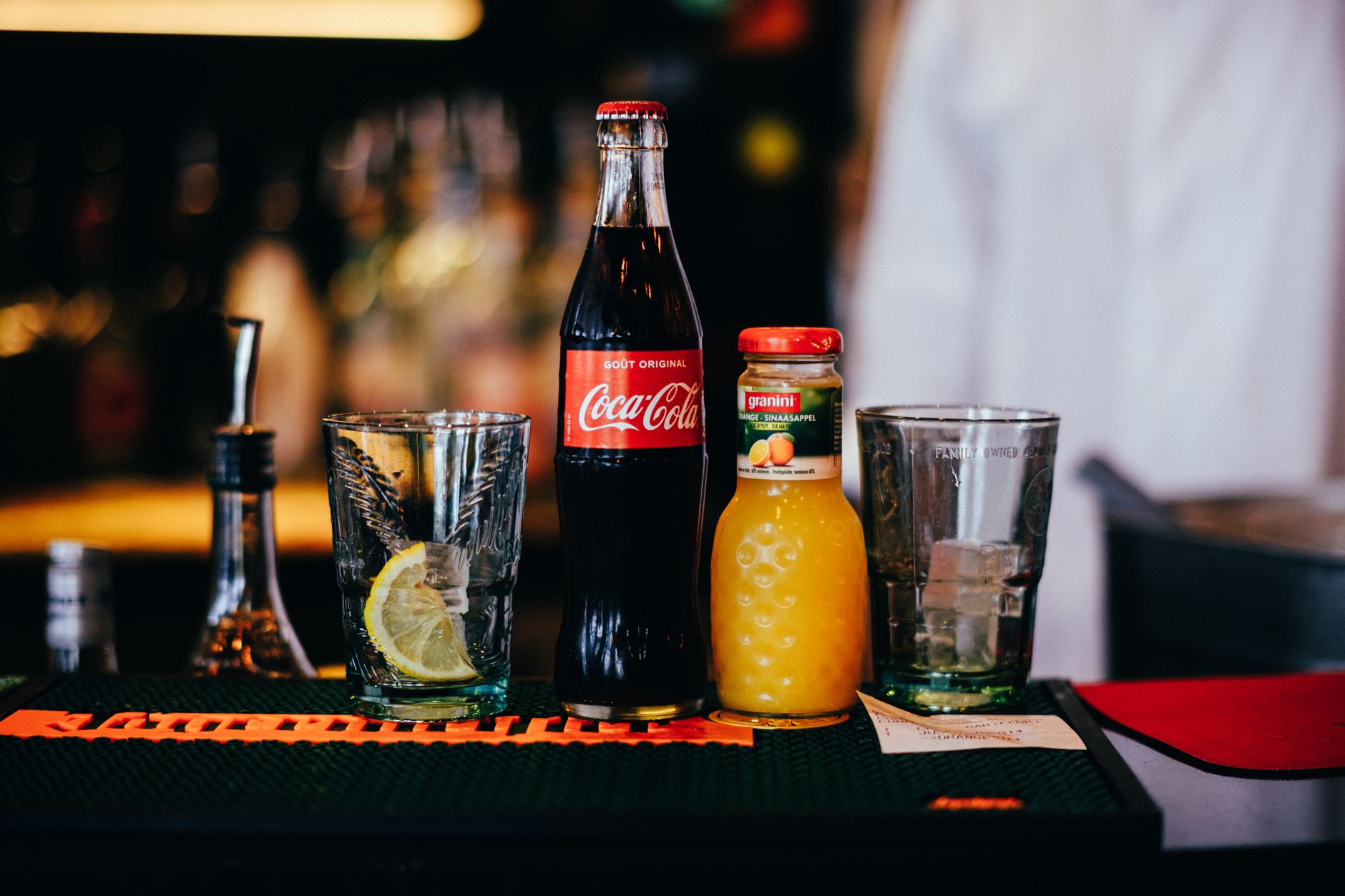
Side effects and risks
While a single glass of stout beer is unlikely to cause immediate, severe maternal side effects, the primary concern is fetal exposure. Short‑term maternal effects can include mild dizziness, lowered blood sugar, or upset stomach. For the fetus, even low‑level exposure can affect brain cell formation, potentially leading to lifelong learning challenges. If you notice any of the following after drinking alcohol, contact your provider promptly:
- Persistent vomiting or inability to keep fluids down.
- Severe abdominal pain or cramping.
- Unusual rapid heartbeat (tachycardia) or feeling faint.
- Signs of fetal distress such as decreased fetal movement after the first trimester.
These symptoms may indicate a reaction beyond simple alcohol tolerance and warrant medical evaluation.
Safer alternatives
- Guinness 0.0 (non‑alcoholic stout) – mimics the deep, roasted flavor without any alcohol.
- Heineken 0.0 – a light, crisp, alcohol‑free lager that satisfies a beer craving.
- Stella Artois Alcohol‑Free – smooth and refreshing, perfect for social gatherings.
- Lipton Herbal Tea (chamomile or peppermint) – soothing and caffeine‑free.
- V8 Vegetable Juice – savory, nutrient‑rich, and completely alcohol‑free.
- Sparkling water (e.g., Saratoga) – adds festive fizz without calories.
- Fresh fruit juice (orange, apple) – natural sweetness and vitamins.
- Warm milk – comforting, calcium‑rich, and safe at any stage.

Related items — safety at a glance
| Item | Verdict | Note |
|---|---|---|
| Guinness Draught | ❌ Best avoided | Contains ~4.2 % ABV; same risks as other alcoholic beers. |
| Samuel Adams Boston Lager | ❌ Best avoided | 5 % ABV; alcohol exposure applies. |
| Budweiser | ❌ Best avoided | Typical 4.5 % ABV; no safe level. |
| Heineken | ❌ Best avoided | 5 % ABV; avoid all alcoholic beers. |
| Corona Extra | ❌ Best avoided | 4.6 % ABV; same fetal risk. |
| Craft IPA | ❌ Best avoided | Often 6‑7 % ABV; higher alcohol content increases risk. |
| Stout ale | ❌ Best avoided | Generally 5‑8 % ABV; no safe amount. |
| Porter beer | ❌ Best avoided | Typically 4‑6 % ABV; alcohol risk remains. |
Myth vs. fact
Myth: A small glass of stout beer is harmless in the second trimester.
Fact: The CDC and ACOG state that no amount of alcohol is proven safe at any stage of pregnancy, including the second trimester.
Myth: Dark beers like stout are less risky than light beers.
Fact: Alcohol content, not color, determines risk; stouts often have similar or higher ABV than many lagers.
Myth: “One drink won’t hurt the baby.”
Fact: Even a single drink can raise fetal blood alcohol levels, and the safest recommendation remains abstinence.
Key takeaways
Frequently asked questions
Can pregnant women drink stout beer?
No. Leading health authorities—including ACOG, NHS, and CDC—recommend that pregnant people avoid stout beer entirely because it contains alcohol, which can harm fetal development.
Is there a safe amount of alcohol during pregnancy?
Current guidance from the NHS and CDC says there is no known safe level of alcohol consumption at any point in pregnancy; abstinence is the safest choice.
What are the effects of alcohol on a developing baby?
Alcohol can cause fetal alcohol spectrum disorders, leading to physical abnormalities, neurodevelopmental issues, learning difficulties, and increased risk of miscarriage or stillbirth.
Does stout beer contain more alcohol than other beers?
Stout beers typically range from 4 % to 8 % ABV, which is comparable to or higher than many lagers and ales; the risk is driven by alcohol content, not color.
Can I switch to non‑alcoholic stout while pregnant?
Yes. Non‑alcoholic options like Guinness 0.0 provide the roasted flavor of stout without any alcohol, making them a safe alternative.
Are there any risks of drinking beer in the third trimester?
Even in the third trimester, alcohol can affect fetal weight gain, cause withdrawal symptoms after birth, and increase the risk of preterm labor.
How does alcohol affect fetal development?
Alcohol crosses the placenta, exposing the fetus to blood alcohol concentrations similar to the mother’s, disrupting brain cell formation, organ development, and can lead to lifelong cognitive and behavioral challenges.
What are the guidelines for alcohol consumption during pregnancy?
Guidelines from ACOG, NHS, and CDC all advise complete abstinence from alcohol throughout pregnancy and while breastfeeding unless a provider gives specific, individualized instructions.
When to call your doctor
If you notice any of the following after consuming alcohol—persistent vomiting, severe abdominal pain, rapid heartbeat, or decreased fetal movement—contact your obstetric provider or seek emergency care immediately. Even if you’re unsure whether a single sip could be harmful, reaching out for reassurance is always a good idea. Remember, this article provides general information and is not a substitute for personalized medical advice.
References
- American College of Obstetricians and Gynecologists. Committee Opinion No. 766: Alcohol Use in Pregnancy. ACOG, 2020.
- National Health Service (UK). Alcohol and Pregnancy. NHS, 2022.
- Centers for Disease Control and Prevention. Alcohol Use in Pregnancy. CDC, 2021.
- U.S. Food and Drug Administration. Alcohol Warning Labels. FDA, 2023.
- World Health Organization. Guidelines for Alcohol Consumption. WHO, 2021.

