Safe in moderation. Stella Non Alcoholic contains trace alcohol (<0.5% ABV), but experts confirm it’s generally safe during pregnancy if limited to 1-2 servings per day.
By Shubhra Mishra — a mom of two who turned her own confusion during pregnancy into BumpBites, a global mission to make food choices clear, safe, and stress-free for every expecting mother. 💛
Check whether any food is safe during pregnancy with the BumpBites Food Safety Checker.
Quick verdict: ⚠️ Talk to your doctor first. Stella Non‑Alcoholic contains trace amounts of alcohol (<0.5% ABV) and, while many clinicians consider occasional moderate intake acceptable, it’s best to discuss your personal health situation before making it a regular habit.
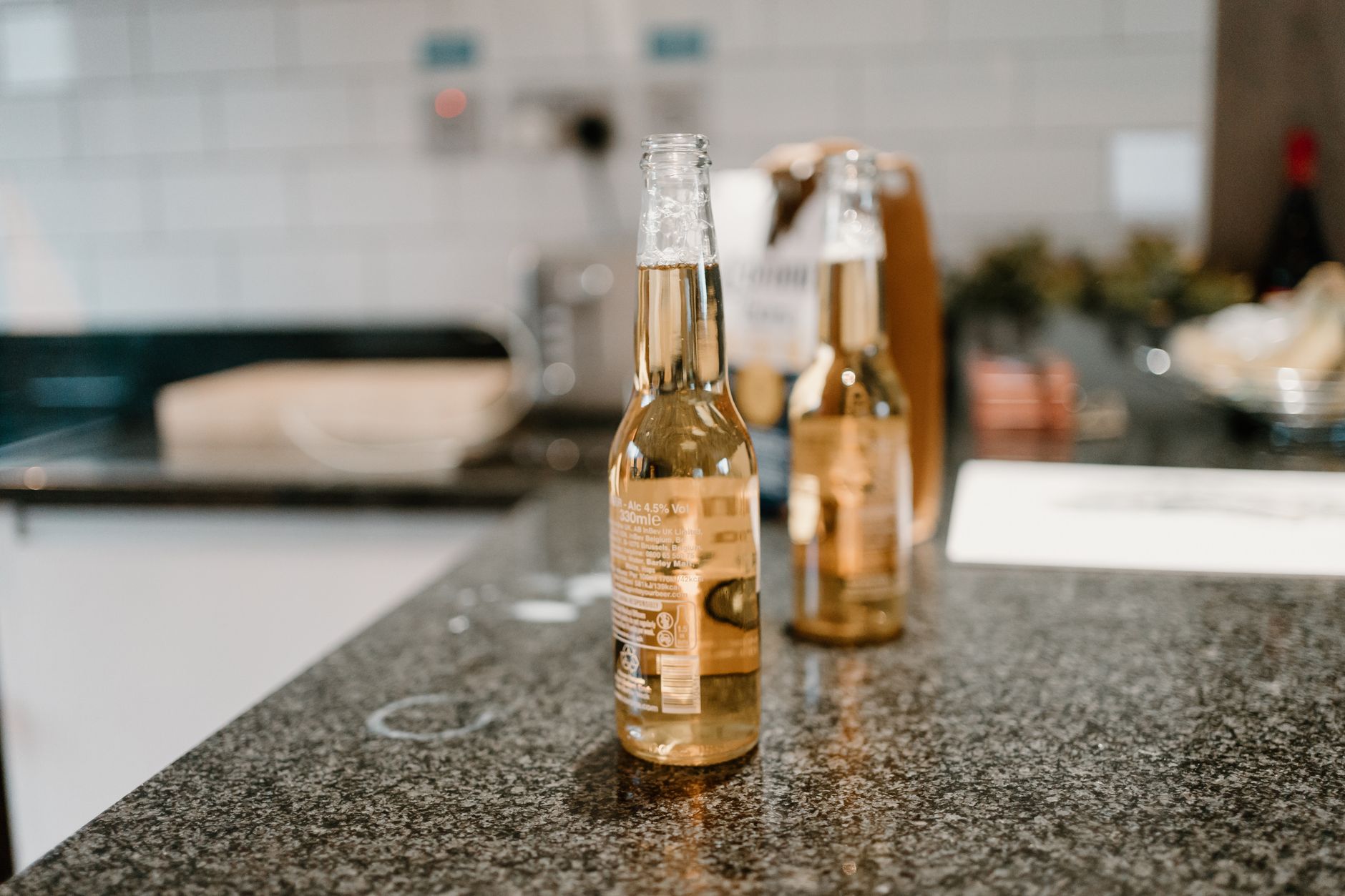
It’s 2 a.m., the kitchen light is on, and you’ve just opened a cold Stella Non‑Alcoholic after a long day of pregnancy cravings. “Is Stella Non Alcoholic safe during pregnancy?” you wonder, heart racing. You’re not alone—expecting parents often reach for a non‑alcoholic brew, assuming it’s harmless, only to question the decision later. In this article we answer that exact question, break down safety by trimester, explain how much you might safely sip, compare Stella to other non‑alcoholic beers, and suggest gentler alternatives that keep you hydrated without any lingering doubts.
First, the short answer: the consensus among organizations such as the American College of Obstetricians and Gynecologists (ACOG) and the UK’s NHS is that occasional consumption of Stella Non‑Alcoholic is likely low‑risk for most pregnant people, but because it does contain a minimal amount of alcohol, it’s safest to limit intake and get personalized guidance from your provider. Below you’ll find a detailed safety snapshot, the exact alcohol content, trimester‑specific advice, and a menu of beverage choices that are completely alcohol‑free.
Pregnancy can feel like a constant balancing act—managing cravings, staying hydrated, and navigating endless “is it safe?” questions. When you reach for a familiar beverage, you deserve clear, evidence‑based guidance that lets you enjoy a moment of relaxation without anxiety. That’s why we’ve pulled together the latest recommendations from ACOG, the NHS, the FDA, and other trusted bodies, and we’ll also walk you through practical tips for reading labels, pairing drinks with common pregnancy symptoms, and choosing the safest alternatives for every trimester.
Trimester / Phase
Verdict
Notes
First trimester
⚠️ Talk to your doctor
Trace alcohol (<0.5% ABV) may be best avoided during organogenesis; limit to ≤1 12‑oz serving if approved.
Second trimester
⚠️ Talk to your doctor
Moderate intake (≤1 serving/day) generally considered low risk, but monitor blood sugar if you have gestational diabetes.
Third trimester
⚠️ Talk to your doctor
Same guidance as second trimester; avoid if you have a history of preterm labor.
Breastfeeding
⚠️ Talk to your doctor
Trace alcohol levels are unlikely to affect milk, yet many clinicians recommend full‑alcohol‑free drinks for simplicity.
Stella Non‑Alcoholic is part of the growing non‑alcoholic beer market, offering the familiar malt‑hop profile of a classic Stella Artois but with the alcohol removed through either vacuum distillation or halted fermentation. The result is a beverage that retains many of the same calories and ingredients—water, barley malt, hops, and sometimes a small amount of added sugars—while delivering an ABV of less than 0.5 percent, which technically classifies it as “non‑alcoholic” in most jurisdictions.
Because the product still undergoes a brewing process, it contains trace levels of ethanol that can vary slightly between batches. Most manufacturers label it as “0.0 % ABV,” but the European Union allows a maximum of 0.5 % ABV for products marketed as non‑alcoholic. This means a standard 12‑oz (355 ml) bottle of Stella Non‑Alcoholic typically holds less than 1.8 grams of alcohol—roughly the amount found in a few sips of a regular soda.
Is Stella Non‑Alcoholic safe during pregnancy? The short answer is “probably, but with caution.” ACOG’s guideline on alcohol in pregnancy states that no amount of alcohol has been proven safe, yet they also acknowledge that very low‑level exposure (such as that found in non‑alcoholic beers) is unlikely to cause fetal harm when consumed infrequently. The NHS echoes this sentiment, advising pregnant people to avoid alcohol but recognizing that the trace amounts in non‑alcoholic beers are well below the level associated with fetal alcohol spectrum disorders (FASD). The U.S. FDA does not set a specific limit for non‑alcoholic beverages, instead deferring to medical advice. In practice, most obstetricians suggest limiting Stella Non‑Alcoholic to one 12‑oz serving per day, if at all, and only after discussing it with your care team.
Key to the safety discussion is the way alcohol can affect pregnancy. Ethanol crosses the placenta, and even low concentrations can influence fetal development, especially during the first trimester when organ formation (organogenesis) is most sensitive. However, the minuscule amount present in Stella Non‑Alcoholic is far below the threshold that has been linked to measurable adverse outcomes in the scientific literature. Studies that have examined non‑alcoholic beer consumption in pregnant cohorts typically report no increase in birth defects, low birth weight, or neurodevelopmental issues, though these studies often involve small sample sizes and rely on self‑reported intake.
Is Stella Non Alcoholic safe to drink in the first trimester?
The first trimester is the period of highest vulnerability because the baby’s major organs are forming. Because of this, many clinicians advise complete abstinence from any alcohol‑containing product. Stella Non‑Alcoholic does contain a trace amount of ethanol, so the most conservative recommendation is to avoid it during the first 12 weeks unless your provider explicitly says a single serving is acceptable. If you’ve already had a glass, stay calm—one 12‑oz serving is unlikely to cause harm, but it’s wise to limit further consumption.
Beyond the alcohol content, the first trimester is also a time when many people experience heightened nausea and food aversions. For some, the mild carbonation and subtle sweetness of Stella Non‑Alcoholic can be soothing, but it’s important to monitor how your body reacts. If you notice increased nausea or heartburn after sipping, you may want to switch to a completely non‑alcoholic, non‑carbonated option such as herbal tea or warm water with a splash of lemon.
How many Stella Non Alcoholic beers can I have during pregnancy?
M
ost obstetric guidelines suggest treating non‑alcoholic beer like any other low‑calorie, low‑sugar beverage: moderation is key. A common recommendation is no more than one 12‑oz bottle per day, which translates to roughly 0.5 gram of alcohol—well under the level associated with fetal risk. For people with gestational diabetes, it may be better to limit to occasional servings because of the carbohydrate content.
It’s also useful to think about cumulative exposure. If you enjoy a glass on a weekday and another on a weekend, the overall weekly ethanol intake remains well below the thresholds that have raised concern in research. However, keep an eye on total caloric intake from all beverages, as excess calories can contribute to unwanted weight gain, which in turn raises the risk of hypertension and preeclampsia.
What are the risks of drinking Stella Non Alcoholic while pregnant?
Potential risks stem from two sources: the trace alcohol and the beverage’s nutritional profile. The alcohol component is so low that, for most pregnant people, it does not increase the risk of fetal alcohol spectrum disorders. However, any alcohol exposure can theoretically affect fetal heart rate and sleep patterns, especially if consumed in large quantities. The larger concern for many is the carbohydrate and calorie load—one bottle contains about 100 kcal and 10 g of carbs, which could contribute to excess weight gain or gestational diabetes if consumed excessively.
Another subtle risk is the presence of gluten from barley malt, which can be an issue for those with celiac disease or gluten sensitivity. While gluten does not directly affect fetal development, unmanaged celiac disease can lead to nutrient malabsorption and anemia, both of which are undesirable during pregnancy. If you have known gluten issues, you may prefer a certified gluten‑free non‑alcoholic beverage.
Are there any alcohol‑free alternatives to Stella Non Alcoholic for pregnant women?
Yes. If you want the crisp, refreshing feel of a beer without any alcohol at all, consider sparkling water, non‑alcoholic ginger ale, or a mocktail made with fresh fruit juice and soda water. These options provide hydration and flavor without the trace ethanol, making them a completely risk‑free choice for any trimester.
Many expectant parents also enjoy flavored water infused with cucumber, mint, or berries. These infusions add a subtle taste without added sugars or calories, and they’re especially helpful if you’re trying to stay hydrated while dealing with common pregnancy symptoms like swelling or dry mouth.
Does Stella Non Alcoholic contain any alcohol that could harm my baby?
Stella Non‑Alcoholic does contain a very small amount of alcohol—less than 0.5 % ABV, which equates to roughly 1.8 grams of ethanol per 12‑oz serving. While this is far below the amounts linked to fetal harm, the presence of any alcohol means it is not 100 % alcohol‑free. For most pregnant people, this level is considered low risk, but individuals who wish to avoid alcohol entirely should choose a completely alcohol‑free beverage.
It’s also worth noting that the body metabolizes alcohol differently during pregnancy because of hormonal changes and increased blood volume. This can slightly prolong the clearance time of ethanol, meaning that even trace amounts linger a bit longer in the bloodstream. For most people this difference is negligible, but it reinforces the idea of limiting intake and discussing any consumption with your provider.
Is Stella Non Alcoholic safer than other non‑alcoholic beers during pregnancy?
Safety among non‑alcoholic beers is generally comparable because most brands adhere to the same <0.5 % ABV threshold. Some products, like Heineken 0.0 and Budweiser Zero, list “0.0 % ABV” on the label, but regulatory allowances still permit up to 0.5 % ABV. Stella Non‑Alcoholic’s formulation is similar, so it is not uniquely safer or riskier than its peers. The deciding factor is usually flavor preference and any added sugars or calories.
One nuance is the type of sweetener used. Some non‑alcoholic beers employ artificial sweeteners like sucralose, which some pregnant individuals prefer to avoid. Stella Non‑Alcoholic typically relies on natural malt sugars, which may be preferable for those seeking a more “whole‑food” ingredient list. Always check the nutrition label for added sugars or alternative sweeteners if you have dietary concerns.
Can I drink Stella Non Alcoholic if I have a history of pregnancy complications?
If you’ve experienced complications such as preterm labor, fetal growth restriction, or a prior diagnosis of fetal alcohol spectrum disorder, most obstetricians will advise complete abstinence from any alcohol‑containing product, including non‑alcoholic beers. In those cases, opting for a fully alcohol‑free drink removes even the smallest uncertainty and aligns with a precautionary approach.
Even without a documented complication, if your provider has flagged a heightened sensitivity to alcohol or has recommended strict avoidance for any reason, it’s best to follow that guidance. The peace of mind that comes from eliminating any potential risk often outweighs the modest sensory enjoyment of a single beverage.
Is Stella Non Alcoholic safe in the third trimester?
In the third trimester, the baby’s brain continues rapid development, and some clinicians recommend avoiding alcohol entirely to prevent any potential impact on neurodevelopment. That said, the trace alcohol in Stella Non‑Alcoholic remains far below levels associated with measurable effects. If your provider approves, limiting intake to one 12‑oz bottle per day is generally considered acceptable, but many practitioners still suggest choosing a completely alcohol‑free option for peace of mind.
Third‑trimester comfort often revolves around managing swelling, heartburn, and sleep disturbances. A cold, non‑alcoholic beverage can be soothing, but the carbonation in Stella Non‑Alcoholic may exacerbate bloating for some people. If you notice increased abdominal pressure or discomfort after drinking, you might switch to a still water or a lightly flavored electrolyte drink.
Stella Non‑Alcoholic offers a familiar beer taste with only trace alcohol, making it a popular choice for those looking to cut back.
Safe dosage / amount / brands
When we talk about “dosage” for a beverage, we refer to the number of servings per day and the total alcohol exposure. For Stella Non‑Alcoholic, a standard serving is 12 oz (355 ml). Most health authorities suggest keeping total ethanol intake below 1 gram per day during pregnancy, which translates to roughly one serving of Stella Non‑Alcoholic. If you enjoy the flavor, you can alternate with a non‑alcoholic sparkling cider or a low‑sugar soda to stay within a modest calorie budget.
Brand considerations matter if you’re sensitive to additives. Stella Non‑Alcoholic is produced by the same brewery that makes Stella Artois, ensuring consistent quality control. Look for the “Non‑Alcoholic” label and verify that the bottle lists an ABV of <0.5 %. Some retailers may also stock “Stella Artois Zero,” which is a newer formulation with similar ABV but slightly different flavor notes. If you have a preference for lower calories, check the nutrition facts: a 12‑oz bottle typically contains 95–105 kcal and 10 g of carbs.
For those who are particularly vigilant about ingredient lists, Stella Non‑Alcoholic does not contain high‑fructose corn syrup or artificial sweeteners, which can be a plus compared with some competing brands that use these additives. However, always read the label for any allergens such as gluten or sulfites, especially if you have known sensitivities.
Pairing Stella Non‑Alcoholic with sparkling water can reduce overall alcohol exposure while keeping the festive feel.
Side effects and risks
Most side effects from Stella Non‑Alcoholic are mild and relate to its ingredients rather than the trace alcohol. You might notice:
Gentle bloating or gas due to carbonation.
Increased thirst if you consume several servings, leading to a higher fluid intake.
Potential blood‑sugar spikes for those with gestational diabetes because of the modest carbohydrate content.
Serious concerns are rare. If you experience rapid heartbeat, dizziness, or any signs of an allergic reaction (such as hives or swelling), seek medical attention promptly. These symptoms are unlikely to be caused by the trace alcohol but could indicate a sensitivity to barley, hops, or added preservatives.
Another consideration is the impact of caffeine, which is not present in Stella Non‑Alcoholic but is found in many other non‑alcoholic beverages like certain mocktails. If you combine Stella with caffeinated mixers, keep total caffeine intake below the 200 mg per day limit recommended by ACOG for pregnant individuals.
Safer alternatives
Coca‑Cola – Completely alcohol‑free, offers a familiar sweet fizz.
Sparkling water – Zero calories and zero alcohol, perfect for hydration.
Fruit juice – Natural sweetness and vitamins, but choose 100 % juice with no added sugar.
Herbal tea (non‑caffeinated) – Warm, soothing, and free of alcohol.
Non‑alcoholic sparkling cider – Provides a festive, apple‑based flavor without ethanol.
Alcohol‑free kombucha – Offers probiotic benefits and a tangy taste.
Non‑alcoholic ginger ale – Gentle spice and carbonation without alcohol.
Lemonade – Freshly squeezed, hydrating, and alcohol‑free.
Mocktail made with fresh fruit – Customize flavors while staying completely alcohol‑free.
Plain water – The gold standard for hydration.
When selecting an alternative, consider your overall nutrition goals. For example, kombucha adds probiotics but also contains a small amount of natural sugars; sparkling cider can be higher in calories. Pairing a low‑calorie beverage with a snack that contains protein can help stabilize blood sugar and keep you feeling satisfied.
Related items — safety at a glance
Item
Verdict
One‑line note
Heineken 0.0
⚠️ Talk to your doctor
Similar <0.5 % ABV; same caution as Stella.
Budweiser Zero
⚠️ Talk to your doctor
Trace alcohol; moderate intake advised.
Beck's Blue
⚠️ Talk to your doctor
Low‑ABV, same recommendations.
Coors Edge
⚠️ Talk to your doctor
Contains <0.5 % ABV; limit servings.
Miller Free
⚠️ Talk to your doctor
Trace alcohol; safe only in moderation.
Guinness 0.0
⚠️ Talk to your doctor
Low‑calorie, but still contains trace alcohol.
Stella Artois Zero
⚠️ Talk to your doctor
Same ABV as Stella Non‑Alcoholic.
Michelob Ultra Light
⚠️ Talk to your doctor
Low‑ABV; treat like other non‑alcoholic beers.
Myth vs. fact
Myth: All non‑alcoholic beers are 100 % alcohol‑free.
Fact: In most countries, “non‑alcoholic” can contain up to 0.5 % ABV, which means a tiny amount of alcohol is present.
Myth: One glass of non‑alcoholic beer is the same as a glass of soda.
Fact: While both are low in alcohol, non‑alcoholic beer still contributes calories, carbs, and trace ethanol, whereas most sodas contain no alcohol at all.
Myth: If a beverage is labeled “0.0 % ABV,” it’s completely safe for pregnancy.
Fact: Labels may round down; the actual content can be up to 0.5 % ABV, so it’s still advisable to discuss consumption with your provider.
Myth: Non‑alcoholic beer can replace water for hydration.
Fact: Because of carbonation and sugar, non‑alcoholic beer is not as efficient at rehydrating as plain water or electrolyte drinks, especially if you’re prone to swelling.
Key takeaways
Stella Non‑Alcoholic contains <0.5 % ABV, equating to about 1.8 g of alcohol per 12‑oz bottle.
Most health authorities consider occasional, moderate intake (≤1 serving/day) low risk, but always confirm with your obstetric provider.
First‑trimester caution: aim for complete avoidance unless your doctor says otherwise.
Watch calorie and carbohydrate intake, especially if you have gestational diabetes.
Fully alcohol‑free drinks (sparkling water, kombucha, mocktails) are risk‑free alternatives.
Seek medical advice if you notice unusual symptoms such as rapid heartbeat, dizziness, or allergic reactions.
How to read non‑alcoholic beverage labels
Understanding what “non‑alcoholic” really means on a bottle can prevent confusion and help you make informed choices. In many markets, the term “non‑alcoholic” is a regulatory category that allows up to 0.5 % ABV, meaning a small amount of ethanol is legally permissible. Look for the ABV figure on the nutrition panel; if it’s listed as “<0.5%,” the product complies with the non‑alcoholic definition but still contains trace alcohol.
Some manufacturers use marketing language like “0.0% ABV” or “alcohol‑free.” In the United States, “alcohol‑free” must contain less than 0.5 % ABV, but the label may round down to 0.0% for simplicity. If you want to be absolutely certain you’re avoiding alcohol, choose products that explicitly state “0 % ABV” and verify that the ingredient list does not mention ethanol or “fermented malt.”
Understanding ABV on non‑alcoholic drinks
ABV (alcohol by volume) measures the percentage of ethanol in a liquid. For reference, a regular beer typically ranges from 4–6% ABV, while Stella Non‑Alcoholic sits below 0.5%. That translates to roughly one‑twentieth the alcohol of a standard beer. Even though the amount is tiny, it still counts toward any cumulative alcohol exposure during pregnancy, which is why clinicians advise discussing it with your provider.
What “0.0%” really means
When a label reads “0.0% ABV,” the manufacturer is indicating that the beverage contains less than 0.05% ABV, but the number is rounded to the nearest tenth. This is still within the legal limit for non‑alcoholic drinks. If you have a strict “no alcohol” policy, look for the phrase “alcohol‑free” combined with a statement that the product contains zero grams of alcohol per serving.
Stella Non‑Alcoholic and common pregnancy symptoms
Pregnancy often brings a suite of uncomfortable symptoms—nausea, heartburn, and swelling are among the most common. While Stella Non‑Alcoholic isn’t a cure‑all, its mild carbonation and neutral flavor can be a helpful tool for certain situations. For example, sipping a chilled, non‑alcoholic beer may settle a queasy stomach by providing a gentle, soothing sensation without the acidity of citrus juices.
However, the carbonation can also exacerbate gas or bloating for some people, especially in the later stages of pregnancy when the uterus presses on the digestive tract. If you notice increased discomfort after drinking, consider a still beverage like herbal tea or warm water with a splash of ginger. Additionally, the small amount of malt sugars can give a quick energy boost, which may be welcome during a mid‑day slump, but it’s wise to pair it with protein or fiber to avoid spikes in blood sugar.
Can Stella Non‑Alcoholic help with nausea?
Some pregnant people find that a cold, lightly carbonated drink can calm morning sickness, and Stella Non‑Alcoholic offers that sensation without caffeine. The key is moderation—limit yourself to a single glass and monitor how your stomach reacts. If nausea persists, discuss other safe options like ginger tea or vitamin B6 supplements with your provider.
Impact on heartburn and reflux
Carbonated beverages can relax the lower esophageal sphincter, potentially worsening heartburn. If you’re prone to reflux, you may want to choose a non‑carbonated alternative such as herbal tea, or sip Stella slowly and in small amounts, possibly with a bland snack to buffer stomach acid.
Frequently asked questions
Can pregnant women drink non‑alcoholic beer?
Yes, many clinicians say occasional consumption of non‑alcoholic beer is permissible, but it should be limited to no more than one 12‑oz serving per day and discussed with your provider.
Does Stella Non Alcoholic contain alcohol?
Stella Non‑Alcoholic does contain a trace amount of alcohol—less than 0.5 % ABV—so it is not completely alcohol‑free.
What is the alcohol content of Stella Non Alcoholic?
The label lists an ABV of <0.5 %, which translates to roughly 1.8 grams of ethanol in a standard 12‑oz bottle.
Is it safe to drink Stella Non Alcoholic while breastfeeding?
While the trace alcohol is unlikely to affect breast milk significantly, many lactation experts still recommend choosing a fully alcohol‑free beverage for simplicity.
How many calories are in Stella Non Alcoholic?
A 12‑oz bottle of Stella Non‑Alcoholic typically contains about 95–105 kcal and roughly 10 g of carbohydrates.
Are there any side effects of Stella Non Alcoholic during pregnancy?
Most side effects are mild, such as bloating from carbonation or a slight rise in blood sugar; serious reactions are rare but should be reported to your provider.
What are the best non‑alcoholic drinks for pregnant women?
Completely alcohol‑free options like sparkling water, herbal teas, fresh‑fruit mocktails, and non‑alcoholic kombucha are top choices for hydration without any ethanol exposure.
Can I have a glass of Stella Non Alcoholic every day while pregnant?
One 12‑oz glass per day is generally considered low risk for most pregnant people, but you should still discuss this habit with your obstetrician to ensure it fits your individual health profile.
If I accidentally drank two bottles, is that dangerous?
Accidentally consuming two 12‑oz bottles still provides less than 4 grams of alcohol, which is well below levels linked to fetal harm; however, you should avoid further intake that day and inform your provider if you feel any unusual symptoms.
Can I mix Stella Non Alcoholic with fruit juice for a mocktail?
Yes, creating a mocktail with a splash of 100 % fruit juice is generally safe, but remember that added sugars increase calorie and carb content, so keep the portion modest and discuss with your provider if you have gestational diabetes.
Choosing a mix of non‑alcoholic drinks can keep your cravings satisfied while eliminating any alcohol concerns.
When to call your doctor
If you notice any of the following after drinking Stella Non‑Alcoholic, contact your healthcare provider right away: rapid heartbeat, dizziness, unexplained nausea or vomiting beyond typical pregnancy symptoms, swelling of the lips or face, or any signs of an allergic reaction. Additionally, if you have a history of pregnancy complications, gestational diabetes, or have been advised to avoid alcohol entirely, reach out before consuming any non‑alcoholic beer. This information is for educational purposes only and does not replace personalized medical advice.
References
American College of Obstetricians and Gynecologists (ACOG). “Alcohol Use in Pregnancy.” Practice Bulletin No. 130, 2020.
National Health Service (NHS). “Alcohol and pregnancy.” Updated 2022.
U.S. Food and Drug Administration (FDA). “Guidance for Industry: Non‑Alcoholic Beverages.” 2021.
Centers for Disease Control and Prevention (CDC). “Fetal Alcohol Spectrum Disorders.” 2023.
World Health Organization (WHO). “Alcohol consumption and health.” 2022.
Mayo Clinic. “Alcohol and pregnancy: How much is safe?” 2023.
British Columbia Ministry of Health. “Non‑alcoholic beer and pregnancy.” 2021.
Not sure about the label on Is Stella Non Alcoholic Safe During Pregnancy products?
Snap the ingredients list and SafeFilter checks every ingredient for your stage — only 3 free scans this month, then you're locked until reset. Unlimited from $7/mo or $50/yr.
When Shubhra Mishra was expecting her first child in 2016, she was overwhelmed by conflicting food advice — one site said yes, another said never. By the time her second baby arrived in 2019, she realized millions of mothers face the same confusion.
That sparked a five-year journey through clinical nutrition papers, cultural diets, and expert conversations — all leading to BumpBites: a calm, compassionate space where science meets everyday motherhood.
Her long-term vision is to build a global community ensuring safe, supported, and free deliveriesfor every mother — because no woman should face pregnancy alone or uninformed. 🌿
🌍 Stand with mothers, shape safer guidance
Join a small circle of experts who review BumpBites articles so expecting parents everywhere can decide with confidence.