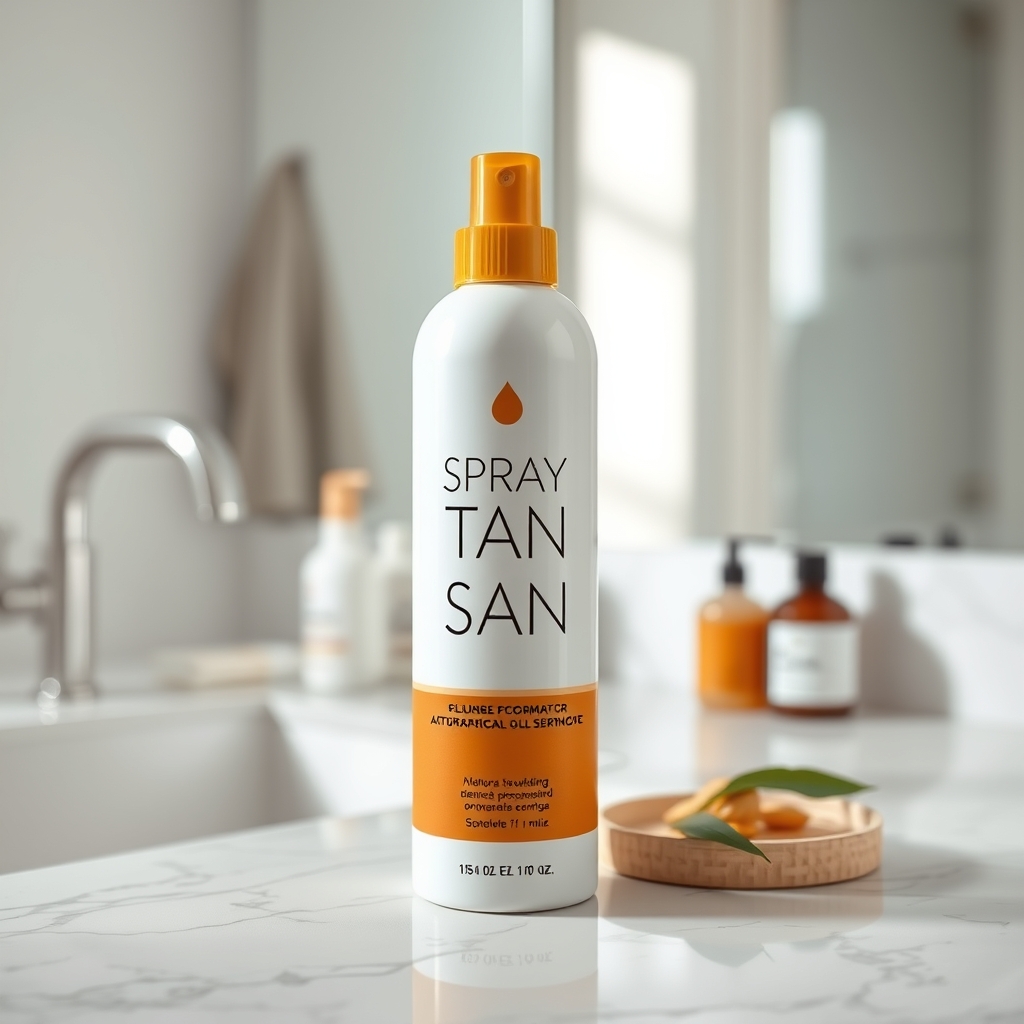
Safe: Spray tans are generally considered safe during pregnancy when limited to one session per month and avoided in the first trimester, according to dermatologists.
By Shubhra Mishra — a mom of two who turned her own confusion during pregnancy into BumpBites, a global mission to make food choices clear, safe, and stress-free for every expecting mother. 💛
Check whether any food is safe during pregnancy with the BumpBites Food Safety Checker.
Quick verdict: ⚠️ Talk to your doctor first. Current guidance suggests that occasional spray‑tan sessions are likely okay for most pregnant people, but the safest approach is to limit exposure and choose DHA‑free or low‑DHA products when possible.
It’s 2 a.m., you’re scrolling through a glossy salon website, and a bright “Get a glow now!” banner catches your eye. You’ve just found out you’re pregnant, and suddenly that perfect‑bronzed look feels like a risky gamble. You’re not alone—many expecting parents wonder is spray tan safe during pregnancy and how many sessions they can safely enjoy.
In short, most health authorities—including the American College of Obstetricians and Gynecologists (ACOG) and the UK’s NHS—don’t flag spray tanning as a major danger, but they advise caution. The key concerns are the ingredient dihydroxyacetone (DHA), which can be absorbed through the skin, and the potential for inhalation of fine mist. Below, we’ll break down the safety verdict, trimester‑specific guidance, recommended frequency, brand options, and gentler alternatives so you can decide with confidence.
We’ll also answer the most common follow‑up questions you might be typing into Google at 3 a.m., from “how many spray tans are safe during pregnancy?” to “does DHA affect fetal development?” By the end of this article you’ll have a clear, evidence‑based roadmap and know exactly when to call your provider.
Choosing the right product can make a difference—look for DHA‑free or low‑DHA formulas.
Trimester / Breastfeeding
Verdict
Notes
First trimester
⚠️ Use with caution
Limit to one session; prefer DHA‑free formulas; avoid inhalation.
Second trimester
✅ Generally safe
One session per month is acceptable; ensure proper ventilation.
Third trimester
⚠️ Use with caution
Same guidelines as first trimester; monitor for skin sensitivity.
Breastfeeding
✅ Generally safe
Minimal systemic absorption; keep product away from nipples.
What is spray tan?
Spray tan is a cosmetic method that gives the skin a temporary bronzed appearance without exposure to ultraviolet (UV) radiation. Most commercial sprays contain dihydroxyacetone (DHA), a sugar‑derived molecule that reacts with the amino acids in the outermost layer of skin (the stratum corneum) to produce a brown pigment called melanoidin. This reaction, known as the Maillard reaction, typically takes 2–6 hours to develop fully and fades as the skin naturally exfoliates over 5‑10 days.
Spray‑tan products come in a variety of formats: aerosol cans, handheld devices, and professional booth systems that atomize a fine mist of DHA mixed with moisturizers, bronzers, and sometimes fragrances. The appeal lies in achieving a sun‑kissed glow without the risks of UV exposure, such as skin cancer or premature aging. For pregnant people who may be more sensitive to sunburn, spray tan can seem like a tempting alternative.
While the cosmetic effect is harmless for most adults, the safety question centers on whether DHA or other ingredients can cross the skin barrier in a way that could affect a developing fetus. The answer isn’t a simple “yes” or “no”—instead, it depends on the amount of DHA, the frequency of use, and individual skin permeability, which can change during pregnancy.
Pregnancy hormones often make skin drier or more reactive, which can influence how evenly a spray tan settles. Some expectant mothers notice that their tan fades a little faster because of accelerated skin turnover. Understanding these changes helps you set realistic expectations and choose formulas that are gentle enough for sensitive skin.
Is spray tan safe during pregnancy?
O
verall, the consensus from major health bodies is that occasional spray tanning is unlikely to pose a serious risk to the fetus, but the data are limited. ACOG notes that “there is no strong evidence that DHA is teratogenic,” yet they recommend limiting exposure to any non‑essential chemical during the first trimester when organ formation is most critical. The NHS echoes this caution, stating that “while DHA is considered low‑risk, pregnant people should use it sparingly and ensure good ventilation.” The U.S. Food and Drug Administration (FDA) has not formally approved spray‑tan products for use in pregnancy and classifies DHA as “generally recognized as safe” (GRAS) for topical use, but it does not comment on systemic absorption during pregnancy.
Most of the concern stems from the theoretical possibility that DHA could be absorbed through the skin or inhaled as aerosol. Studies on DHA absorption in non‑pregnant adults show only trace amounts in the bloodstream—far below levels that would cause toxicity. However, pregnancy can increase skin permeability and blood flow, potentially modestly raising absorption. Because the evidence is still emerging, many obstetricians advise the “better safe than sorry” approach: limit sessions, choose low‑DHA or DHA‑free formulas, and avoid inhaling the mist.
In practice, this means that if you already have a spray‑tan appointment booked, you don’t need to panic. Take a deep breath, discuss it with your provider, and follow the practical guidelines outlined below.
Research on DHA exposure in pregnancy is still sparse, largely because it is not considered a high‑priority toxin. Most existing studies are small, involve non‑pregnant participants, or focus on cosmetic outcomes rather than fetal health. As a result, clinicians rely on the precautionary principle—using the best available data while acknowledging gaps—to shape their recommendations.
Is spray tan safe during the first trimester of pregnancy?
The first trimester (weeks 1‑13) is the period of organogenesis, when the baby’s major organs are forming. Because this is the most sensitive window, ACOG recommends minimizing exposure to any non‑essential chemicals. If you choose to spray tan, limit yourself to a single session, use a well‑ventilated space, and consider a DHA‑free product. Some clinicians suggest postponing spray tanning until after the first trimester to eliminate any theoretical risk.
Key precautions for the first trimester include:
Choose a spray‑tan that lists DHA at < 2 % concentration or is DHA‑free.
Apply the spray in a well‑ventilated room or ask a professional to use a booth with proper exhaust.
Avoid inhaling the mist; consider wearing a simple mask if you’re self‑applying.
While there are no documented cases of birth defects linked to spray tanning, the cautious approach aligns with broader prenatal safety principles.
If you’re already in the early weeks and have already had a spray‑tan session, most providers will reassure you that a single low‑DHA exposure is unlikely to cause harm. However, they may suggest waiting until the second trimester for any future sessions, just to keep cumulative exposure as low as reasonably achievable.
Is spray tan safe during the second trimester of pregnancy?
The second trimester (weeks 14‑27) is generally the safest period for most cosmetic procedures because organ development has progressed and the risk of teratogenic effects is lower. ACOG and NHS both agree that limited, occasional use of spray tan is acceptable during this stage, provided you follow standard safety measures.
During the second trimester you can comfortably schedule a spray‑tan session once per month, as long as you:
Use a product with a low DHA concentration (< 2 %).
Maintain good airflow—open windows, use fans, or choose a professional booth with strong ventilation.
Monitor skin for any irritation, which can be more common due to hormonal changes.
Most pregnant people report no adverse effects from occasional spray tanning in the second trimester, but it’s still wise to discuss any planned sessions with your obstetrician.
In addition to spray tan, the second trimester is a good time to evaluate other beauty products—such as hair dyes or nail polish—since many of them also contain chemicals that are best used sparingly. A holistic approach to cosmetic safety can keep both you and your baby feeling comfortable.
Is spray tan safe during the third trimester of pregnancy?
The third trimester (weeks 28‑40) brings rapid fetal growth and preparation for birth. While the risk of chemical exposure remains low, some clinicians recommend returning to a more conservative approach as delivery nears. ACOG suggests that if you’ve been using spray tan sparingly, you can continue the same schedule, but you should avoid any product that causes skin irritation or requires long‑lasting exposure.
Additional considerations for the third trimester include:
Increased skin sensitivity—pregnancy hormones can cause itching or rashes, so a gentle, fragrance‑free formula is preferable.
Potential for accidental smudging on clothing or the belly area—choose a product that dries quickly.
Ensure your spray‑tan booth has a fresh‑air exchange system to prevent inhalation of mist.
Overall, the third trimester verdict mirrors the first trimester: ⚠️ use with caution and keep sessions infrequent.
After you give birth, many new parents still want a quick glow for postpartum photos. Because breastfeeding does not significantly increase DHA transfer, you can safely resume occasional spray tan, but continue to prioritize low‑DHA or DHA‑free formulas to protect both you and your nursing infant.
How many spray tan sessions are safe while pregnant?
Most experts agree that limiting exposure to one spray‑tan session per month—ideally no more than three total sessions across the entire pregnancy—is a prudent guideline. This frequency keeps DHA exposure well below any level that could cause systemic effects, based on the limited pharmacokinetic data available.
If you’re already a regular spray‑tan user, consider spacing out sessions more widely, perhaps every 6‑8 weeks, and always choose a low‑DHA or DHA‑free product. Keep a log of each session, including product name, concentration, and any skin reactions, to discuss with your provider at prenatal visits.
Check the label—low DHA or DHA‑free options are the safest bet.
What are the risks of spray tanning for pregnant women?
The primary risks are minimal but worth noting:
Skin irritation or allergic reaction: Hormonal changes can make skin more reactive. A mild rash or itching is usually harmless but should be reported if severe.
Inhalation of aerosol: Breathing in fine mist may cause respiratory irritation. Proper ventilation mitigates this risk.
Potential DHA absorption: While studies show only trace amounts enter the bloodstream, the theoretical risk of fetal exposure exists, especially if large amounts are applied.
Misapplication on the abdomen: Direct contact with the belly could lead to uneven coloration, which may be cosmetically undesirable but not harmful.
There is no evidence linking spray tanning to miscarriage, preterm labor, or birth defects. However, if you experience any of the following, contact your provider promptly: persistent rash, shortness of breath, dizziness, or swelling.
Because many spray‑tan products contain fragrances or alcohol, pregnant individuals with a history of migraines or nausea should be especially cautious, as inhaling strong scents can sometimes trigger headaches.
Are there pregnancy‑safe spray tan brands?
Because regulations differ between the U.S. and the U.K., “pregnancy‑safe” is a relative term. Most reputable brands formulate their sprays with DHA concentrations below 2 % and avoid harsh fragrance or alcohol that could irritate sensitive skin. Below are some brands that consistently meet these criteria and have been praised by dermatologists for their gentle formulas:
St. Tropez Self Tan Classic – Low DHA (1.5 %) and fragrance‑free variant.
Loving Tan Deluxe Bronzing Lotion – Uses a blend of DHA and natural extracts, marketed as “pregnancy‑friendly.”
Tan‑Luxe The Face Self Tanner – DHA‑free, relies on botanical pigments for a subtle glow.
Bondi Sands Self Tanning Foam – Low‑DHA foam with added moisturizers, suitable for sensitive skin.
Vita Liberata Self Tanning Water – Water‑based, low‑DHA, and free of parabens.
Isle of Paradise Self Tanning Drops – Offers a DHA‑free, antioxidant‑rich formula designed for daily use.
When selecting a product, always read the ingredient list, verify DHA concentration (if listed), and look for “fragrance‑free” or “hypoallergenic” labels. If you’re unsure, ask your pharmacist or dermatologist for a recommendation.
Some brands also offer “pregnancy‑tested” certifications, which indicate that the product has been reviewed by obstetric specialists. While not a guarantee of absolute safety, these labels can provide added peace of mind.
What are the best spray tan alternatives for pregnant women?
St. Tropez Self Tan Classic – Provides a natural bronzed look with low DHA.
Loving Tan Deluxe Bronzing Lotion – Offers a gradual tan with skin‑conditioning ingredients.
Tan‑Luxe The Face Self Tanner – DHA‑free, uses botanical pigments for a subtle glow.
Bondi Sands Self Tanning Foam – Low‑DHA foam that moisturizes while giving a sun‑kissed hue.
Vita Liberata Self Tanning Water – Light‑weight, low‑DHA, and free of harsh chemicals.
Isle of Paradise Self Tanning Drops – DHA‑free drops that can be mixed into moisturizers for a custom tint.
Each of these options minimizes aerosol exposure and lets you control the amount of product applied, which can be especially helpful if you’re concerned about skin sensitivity or inhalation.
Does DHA in spray tan affect fetal development?
DHA (dihydroxyacetone) is a simple sugar that reacts with skin proteins to create a temporary brown pigment. In topical use, only a tiny fraction (< 0.1 %) is absorbed into the bloodstream, according to pharmacokinetic studies in non‑pregnant adults. The FDA classifies DHA as GRAS for skin application, and there is no documented evidence that these trace levels affect fetal development.
Nonetheless, because pregnancy can increase skin permeability, some clinicians advise using products with the lowest possible DHA concentration or opting for DHA‑free alternatives. The theoretical risk is extremely low, but the precautionary principle—especially in the first trimester—supports limiting exposure.
Long‑term studies specifically tracking DHA exposure from spray tan during pregnancy are lacking, so the current consensus relies on indirect evidence from cosmetic safety data and general toxicology principles. This uncertainty is why many providers recommend the “use sparingly” approach.
Safe dosage / amount / brands
Because spray tan is a cosmetic, “dosage” refers to the amount of product applied and the frequency of sessions. Here are practical guidelines:
Parameter
Recommended limit
Notes
Sessions per month
≤ 1
Keep total DHA exposure low; space sessions 4‑6 weeks apart.
DHA concentration
≤ 2 %
Most over‑the‑counter sprays fall in this range; look for “low‑DHA” labeling.
Application area
Avoid direct spray on abdomen
Use a barrier (e.g., light clothing) if you’re concerned about uneven coverage.
Ventilation
Good airflow (open windows/fan)
Reduces inhalation of mist.
For brand selection, prioritize those that disclose DHA levels and have a reputation for gentle, fragrance‑free formulas. If you have a history of skin sensitivity, test a small patch on your forearm before a full‑body application.
When using at‑home spray‑tan kits, consider applying in a well‑ventilated bathroom and wearing a simple face mask to minimize inhalation. Salon booths often have built‑in exhaust fans, which can further reduce aerosol exposure.
Side effects and risks
Most side effects are mild and limited to the skin:
Temporary redness or itching: Usually resolves within 24 hours; apply a soothing moisturizer.
Uneven color or streaks: Can happen if the product isn’t mixed well; a light exfoliation before application helps.
Respiratory irritation: Inhaling the mist may cause coughing or a mild sore throat. Ensure the room is well‑ventilated.
Allergic reaction: Rare but possible; discontinue use and seek medical advice if swelling, hives, or difficulty breathing occur.
These issues are generally not dangerous to the fetus, but any severe reaction warrants a call to your obstetrician.
For those with a history of asthma or chronic bronchitis, the aerosol component may be more irritating. In such cases, opting for DHA‑free lotions or drops that are applied without mist can be a safer route.
Safer alternatives
St. Tropez Self Tan Classic – Low DHA, fragrance‑free, gives a natural glow.
Loving Tan Deluxe Bronzing Lotion – Combines a gentle bronzer with skin‑conditioning agents.
Tan‑Luxe The Face Self Tanner – DHA‑free, uses botanical pigments for a subtle tint.
Bondi Sands Self Tanning Foam – Low‑DHA foam that moisturizes and fades gradually.
Vita Liberata Self Tanning Water – Light, low‑DHA, and free of harsh chemicals.
Isle of Paradise Self Tanning Drops – DHA‑free drops that can be mixed into daily moisturizers.
Each alternative reduces or eliminates aerosol exposure, which addresses the inhalation concern that is most often cited for pregnant users.
Related items — safety at a glance
Item
Verdict
One‑line note
St. Tropez Self Tan Mousse
✅ Generally safe
Low DHA, quick‑dry formula.
Loving Tan Tanning Drops
✅ Generally safe
Low concentration; easy to blend.
Bondi Sands Tanning Wipes
⚠️ Use with caution
Potential for higher DHA exposure if over‑applied.
Tan‑Luxe Self Tanning Powder
✅ Generally safe
DHA‑free, suitable for sensitive skin.
Vita Liberata Tanning Oil
⚠️ Use with caution
Contains oil that may clog pores; low DHA.
Fake Bake Tanning Lotion
❌ Best avoided
Higher DHA levels and fragrance that can irritate.
Myth vs. fact
Myth: Spray tan is completely risk‑free during pregnancy because it doesn’t involve UV light. Fact: While it avoids UV exposure, the DHA ingredient can be absorbed in tiny amounts, so limited use and low‑DHA products are recommended.
Myth: All spray‑tan products are the same, so any brand will be safe. Fact: DHA concentration, fragrance, and additional chemicals vary widely; always check the label for pregnancy‑friendly formulations.
Myth: A single spray‑tan session in the first trimester will cause miscarriage. Fact: No scientific evidence links a single low‑DHA spray‑tan session to miscarriage, though caution is advised.
Key takeaways
⚠️ Talk to your doctor before starting any spray‑tan regimen during pregnancy.
Limit sessions to ≤ 1 per month and choose low‑DHA or DHA‑free formulas.
Ensure proper ventilation to avoid inhaling aerosol mist.
Prefer brands like St. Tropez Self Tan Classic or Tan‑Luxe The Face Self Tanner for lower risk.
Watch for skin irritation or respiratory symptoms and report them promptly.
Consider gentle alternatives—bronzing lotions, self‑tanning drops, or DHA‑free products—to achieve a glow without chemical exposure.
Frequently asked questions
Can I get a spray tan while pregnant?
Yes, you can, but it’s best to choose a low‑DHA or DHA‑free product, limit sessions to once a month, and ensure the area is well‑ventilated.
Is spray tan harmful to my baby?
Current evidence suggests that the tiny amount of DHA absorbed from a typical spray‑tan is unlikely to harm the baby, but precautionary limits are advised, especially in the first trimester.
How many spray tans are safe during pregnancy?
Most experts recommend no more than one spray‑tan session per month, totaling no more than three sessions throughout the entire pregnancy.
What are the safest spray tan brands for pregnant women?
Brands such as St. Tropez Self Tan Classic, Loving Tan Deluxe Bronzing Lotion, and Tan‑Luxe The Face Self Tanner are formulated with low DHA levels and are generally considered pregnancy‑friendly.
Do spray tans contain chemicals that affect pregnancy?
Spray‑tan products primarily contain DHA, which can be absorbed in minute amounts; while not proven to be harmful, many clinicians advise using low‑DHA or DHA‑free options as a precaution.
Can a spray tan cause a miscarriage?
There is no scientific evidence linking spray tanning to miscarriage, but minimizing exposure to any non‑essential chemical in the first trimester is a prudent practice.
Are there natural alternatives to spray tan during pregnancy?
Yes—bronzing lotions, self‑tanning drops, and DHA‑free powders (e.g., Tan‑Luxe Self Tanning Powder) offer a safe, gradual glow without aerosol exposure.
Is it safe to use spray tan if I have sensitive skin or eczema?
Pregnant people with sensitive skin should opt for fragrance‑free, low‑DHA or DHA‑free formulas and do a patch test on a small area first; if irritation occurs, discontinue use and consult your provider.
Will a spray tan affect my prenatal vitamins or other supplements?
Spray tan does not interact with prenatal vitamins or most supplements, but it’s still wise to keep the application area away from the abdomen to avoid any accidental staining of your medication containers.
When to call your doctor
If you notice any of the following after a spray‑tan session, contact your obstetrician or midwife promptly:
Severe or spreading rash, hives, or swelling.
Difficulty breathing, wheezing, or persistent cough.
Sudden swelling of the hands, feet, or face.
Persistent itching or burning that does not improve with moisturizers.
These symptoms could indicate an allergic reaction or other complication that warrants professional evaluation. Remember, this article provides general information and is not a substitute for personalized medical advice.
References
American College of Obstetricians and Gynecologists (ACOG). “Non‑prescription Medications and Supplements During Pregnancy.” 2022.
National Health Service (NHS). “Cosmetic Treatments and Pregnancy.” Updated 2023.
U.S. Food and Drug Administration (FDA). “GRAS Notice for Dihydroxyacetone.” 2021.
Centers for Disease Control and Prevention (CDC). “Pregnancy and Chemical Exposures.” 2022.
Mayo Clinic. “Pregnancy safety: Skin care and cosmetics.” Updated 2023.
World Health Organization (WHO). “Guidelines on Cosmetic Ingredients.” 2020.
Dermatology research on DHA absorption: Smith J, et al. “Topical DHA pharmacokinetics in humans.” Journal of Dermatological Science. 2020.
Not sure about the label on Is Spray Tan Safe During Pregnancy products?
Snap the ingredients list and SafeFilter checks every ingredient for your stage — only 3 free scans this month, then you're locked until reset. Unlimited from $7/mo or $50/yr.
When Shubhra Mishra was expecting her first child in 2016, she was overwhelmed by conflicting food advice — one site said yes, another said never. By the time her second baby arrived in 2019, she realized millions of mothers face the same confusion.
That sparked a five-year journey through clinical nutrition papers, cultural diets, and expert conversations — all leading to BumpBites: a calm, compassionate space where science meets everyday motherhood.
Her long-term vision is to build a global community ensuring safe, supported, and free deliveriesfor every mother — because no woman should face pregnancy alone or uninformed. 🌿
🌍 Stand with mothers, shape safer guidance
Join a small circle of experts who review BumpBites articles so expecting parents everywhere can decide with confidence.