Avoid sparkling wine during pregnancy. Experts recommend no alcohol, including sparkling wine, to prevent risks like fetal alcohol syndrome, even in small amounts.
By Shubhra Mishra — a mom of two who turned her own confusion during pregnancy into BumpBites, a global mission to make food choices clear, safe, and stress-free for every expecting mother. 💛
Check whether any food is safe during pregnancy with the BumpBites Food Safety Checker.
Quick verdict: ❌ Best avoided. Current medical guidance recommends not drinking sparkling wine at any point during pregnancy because any alcohol exposure can affect the developing baby.
It’s 2 a.m., the fridge light flickers on, and you spot a bottle of sparkling wine you saved for a celebration. Your heart races—did you just make a mistake that could harm your baby? You’re not alone; many expectant parents wonder is sparkling wine safe during pregnancy and how to move forward. The short answer is clear: avoid it entirely. Below we break down why, what the research says, how the risk changes (or doesn’t) across each trimester, and what tasty, alcohol‑free options you can enjoy instead.
In this guide we’ll cover the overall safety verdict, the specific concerns for each trimester, the amount that is considered “safe” (spoiler: none), potential complications like gestational diabetes, and safe alternatives that let you keep the fizz without the risk. We’ll also compare sparkling wine to other popular alcoholic drinks, answer the most common questions, and give you a quick‑reference table to help you feel confident in your choices. Whether you’ve already taken a sip or you’re simply curious, we’ve got the evidence‑backed answers you need.
We know that pregnancy can feel like a maze of “can I…?” questions. That’s why we’ve organized this article so you can skim for the exact detail you need—whether it’s the trimester‑specific guidance, a list of non‑alcoholic substitutes, or the red‑flag symptoms that warrant a call to your provider. All recommendations follow the latest guidance from ACOG, the NHS, CDC, and other trusted health bodies.
Stage
Verdict
Notes
First trimester
❌ Best avoided
Organ formation is most vulnerable; any alcohol increases risk of fetal alcohol spectrum disorders.
Second trimester
❌ Best avoided
Alcohol can still affect brain growth and increase risk of preterm labor.
Third trimester
❌ Best avoided
Fetal brain continues to develop; alcohol may impair weight gain and lung maturity.
Breastfeeding
⚠️ Talk to your doctor
Alcohol passes into breast milk; limit intake and wait several hours before nursing.
What is sparkling wine?
Sparkling wine is a carbonated alcoholic beverage made from fermented grapes (or occasionally other fruits) that undergoes a secondary fermentation to create bubbles. The most famous styles include Champagne from the Champagne region of France, prosecco from Italy, and a variety of domestic “sparkling” wines that may be made from Chardonnay, Pinot Noir, or other varietals. The alcohol content typically ranges from 10% to 12% ABV, similar to still wines, but the effervescence can make it feel lighter and more celebratory.
People often reach for sparkling wine at brunches, weddings, or simply to add a festive touch to a meal. Its crisp acidity and lively mouthfeel make it a popular choice for toasts, and many assume that because it’s “lighter” than a full‑bodied red, it must be safer for a developing baby. Unfortunately, the bubbles do not dilute the ethanol; the body processes the alcohol in the same way, and the fetus is exposed to the same concentration as with any other wine.
Is sparkling wine safe during pregnancy?
When it comes to pregnancy, the consensus among leading health authorities is that no amount of alcoholic sparkling wine is considered safe. The American College of Obstetricians and Gynecologists (ACOG) advises complete abstinence from alcohol during pregnancy, citing the risk of fetal alcohol spectrum disorders (FASDs). The UK’s National Health Service (NHS) echoes this guidance, stating that drinking any alcohol—including sparkling wine—can increase the chance of miscarriage, stillbirth, and developmental problems. The Centers for Disease Control and Prevention (CDC) also warns that even small amounts of alcohol can affect the fetus, especially during the first trimester when organ formation occurs.
Because sparkling wine contains the same ethanol as still wine, the same cautions apply. Researchers have not identified a “safe threshold” for alcohol during pregnancy, and the safest approach remains zero consumption. ACOG’s Committee Opinion No. 721 (2020) explicitly notes that “no amount of alcohol has been proven safe during pregnancy.” The NHS’s 2023 guidance reinforces this, emphasizing that the safest option is to avoid alcohol entirely. Even occasional sipping does not guarantee safety, as individual metabolism and fetal sensitivity vary widely.
Some expectant parents wonder whether the bubbles or the lower perceived “calorie” content make sparkling wine any less risky. Unfortunately, carbonation does not mitigate the effects of ethanol. Alcohol is absorbed quickly into the bloodstream, and the fetus’s liver cannot metabolize it efficiently, leading to prolonged exposure. Studies have not identified a “safe threshold” for alcohol during pregnancy, and the safest approach remains zero consumption. This is why ACOG and the NHS both recommend that pregnant people avoid all alcoholic beverages, including sparkling wine, throughout the entire pregnancy.
Is sparkling wine safe to drink in the first trimester?
The first trimester is the period of organogenesis, when the baby’s major organs are forming. During this window, the fetus is especially susceptible to teratogens—substances that can cause birth defects. Alcohol, regardless of whether it’s in a glass of sparkling wine or a still red, is a known teratogen. ACOG’s guidelines explicitly state that no amount of alcohol is safe during this stage. Even a single sip can increase the risk of fetal alcohol spectrum disorders, which include a range of physical, cognitive, and behavioral issues that persist throughout life.
Research from the National Institute on Alcohol Abuse and Alcoholism (NIAAA) shows that binge drinking or even moderate drinking in the first trimester is associated with higher rates of miscarriage and structural anomalies. Because the first trimester is the most vulnerable period, the recommendation is absolute abstinence from sparkling wine and any other alcoholic beverage.
How much sparkling wine can a pregnant woman consume safely?
Current evidence does not support a “safe amount” of sparkling wine during pregnancy. The CDC and ACOG both advise that the safest choice is none. While some older studies suggested that occasional light drinking might be low risk, newer systematic reviews have highlighted the difficulty of defining a truly safe threshold, especially given individual variations in metabolism and fetal sensitivity. Therefore, health professionals recommend zero consumption.
If you have already had a small amount before learning you were pregnant, most experts advise you not to panic. The risk from a single glass is likely lower than chronic exposure, but you should still discuss it with your obstetric provider. They can offer personalized reassurance and monitor your pregnancy as needed.
Can I have sparkling wine occasionally during pregnancy?
The short answer is no. “Occasionally” still means exposure to ethanol, and the cumulative risk cannot be reliably quantified. The NHS notes that even occasional drinking can increase the chance of preterm birth and low birth weight. Because the fetus is continuously developing, any alcohol intake has the potential to affect brain development, regardless of frequency.
For those who feel the social pressure to join a toast, consider swapping the alcoholic version for a non‑alcoholic sparkling alternative. This keeps the celebratory feel without the fetal risk. If you’re unsure how to transition, the “Safer alternatives” section below offers several ideas that taste great and are pregnancy‑approved.
Are there non-alcoholic sparkling wine alternatives for pregnant women?
Yes—there is a growing market for alcohol‑free sparkling wines that mimic the taste and effervescence of traditional sparkling wine. Brands such as Freixenet Alcohol‑Free Sparkling Wine, Sutter Home Alcohol‑Free Prosecco, and others use dealcoholization processes to remove ethanol while preserving the aroma and mouthfeel. These drinks contain less than 0.5% alcohol by volume, which is generally considered negligible for fetal exposure, though some clinicians still advise moderation.
Other non‑alcoholic options include sparkling water with a splash of fruit juice, virgin mojitos made with fresh mint, lime, and soda water, or a grape‑juice spritzer. All provide the festive bubbles you love without the risk of fetal alcohol exposure.
Is there a difference in safety between Champagne and prosecco during pregnancy?
Both Champagne and prosecco are forms of sparkling wine and contain similar alcohol concentrations (10‑12% ABV). The production method—traditional method for Champagne versus tank method for prosecco—does not affect the alcohol content or its impact on the fetus. Consequently, the safety verdict is identical: neither is safe for pregnant people. ACOG’s guidance applies equally to all alcoholic sparkling wines, regardless of region or style.
Because the risk is tied to ethanol, the specific grape variety or terroir does not mitigate the potential harm. Whether you prefer the buttery notes of Champagne or the fruity profile of prosecco, the recommendation remains to avoid both during pregnancy.
What are the risks of drinking sparkling wine while pregnant?
Alcohol exposure during pregnancy can lead to several adverse outcomes:
Fetal Alcohol Spectrum Disorders (FASDs): A range of lifelong physical, cognitive, and behavioral problems.
Miscarriage and stillbirth: Studies link even low‑level alcohol intake to a higher chance of pregnancy loss.
Preterm birth and low birth weight: Alcohol can interfere with placental blood flow.
Developmental delays: Children exposed to alcohol in utero may have learning difficulties and attention deficits.
Potential exacerbation of gestational diabetes: Alcohol can affect blood sugar regulation, which is especially relevant for pregnant people with or at risk for gestational diabetes.
The risk is dose‑dependent, but because there is no known safe threshold, the safest policy is to abstain entirely. Even occasional sipping can contribute to cumulative exposure that may affect the baby’s developing brain and organs.
Choosing a non‑alcoholic sparkling wine lets you keep the celebration without the fetal risk.
Can sparkling wine affect pregnancy complications like gestational diabetes?
Gestational diabetes (GDM) is a condition where blood sugar levels become elevated during pregnancy. Alcohol can interfere with glucose metabolism, potentially worsening GDM control. The American Diabetes Association (ADA) advises women with GDM to limit or avoid alcohol because it can cause hypoglycemia (low blood sugar) and affect fetal growth. While a single glass of sparkling wine may not trigger severe changes, regular consumption can destabilize blood sugar levels, making management of GDM more challenging.
Because the safest route is complete avoidance, pregnant people with GDM are encouraged to skip sparkling wine altogether and opt for non‑alcoholic alternatives that won’t impact glucose control.
Is sparkling wine safe for breastfeeding mothers?
Alcohol does pass into breast milk, typically at concentrations similar to the mother’s blood alcohol level. The CDC recommends that nursing parents limit alcohol intake and wait at least two hours per standard drink before breastfeeding to reduce infant exposure. However, ACOG advises that if a mother chooses to drink, she should do so in moderation (no more than one standard drink per day) and observe the infant for any signs of sleepiness or altered feeding patterns.
Given that sparkling wine contains the same alcohol as other wines, the same guidelines apply. If you’re breastfeeding and want to enjoy a celebratory drink, consider a non‑alcoholic sparkling alternative and follow the “wait‑two‑hours” rule if you do consume a small amount of alcohol.
Safe dosage / amount / brands
Because the consensus is that any alcohol can pose a risk, the recommended “safe” dosage of sparkling wine during pregnancy is zero. If you have already consumed a glass, most clinicians suggest monitoring for any concerning symptoms and discussing it with your provider at the next prenatal visit. No specific brand of alcoholic sparkling wine is considered safer; the ethanol content is comparable across brands.
For those seeking a bubbly experience without alcohol, the following non‑alcoholic brands are widely available and meet pregnancy‑friendly standards:
Brand
Alcohol‑free status
Note
Freixenet Alcohol‑Free Sparkling Wine
≤0.5% ABV
Retains classic sparkling wine aroma; safe in moderation.
Sutter Home Alcohol‑Free Prosecco
≤0.5% ABV
Light, fruity profile; suitable for celebrations.
Stella Artois Zero Alcohol
0% ABV
Beer‑style non‑alcoholic; works as a base for mocktails.
When selecting any non‑alcoholic beverage, check the label for residual alcohol content and aim for products with less than 0.5% ABV, which are generally regarded as safe for pregnancy and breastfeeding.
Side effects and risks
While the most serious concerns involve fetal development, there are also short‑term maternal effects to consider. Even a single glass of sparkling wine can cause:
Mild dehydration: Alcohol is a diuretic, which can exacerbate common pregnancy symptoms like swelling.
Increased heart rate and blood pressure: The carbonation may intensify these effects.
Potential interaction with medications: Alcohol can amplify the sedative properties of certain prenatal vitamins or prescription drugs.
More severe red‑flag signs requiring immediate medical attention include:
Unexplained vaginal bleeding or spotting after drinking.
Severe abdominal pain, cramping, or signs of preterm labor.
Rapid weight loss or sudden swelling of hands/feet.
Fetal movement that suddenly decreases or stops.
If you notice any of these symptoms, contact your obstetric provider or seek emergency care right away. Remember, these warnings apply to any alcohol consumption, not just sparkling wine.
Safer alternatives
Non‑alcoholic sparkling wine – offers the same celebratory bubbles without ethanol.
Alcohol‑free prosecco – retains the classic fruity profile you love.
Sparkling water with a splash of fruit juice – low‑calorie, refreshing, and fully pregnancy‑safe.
Virgin mojito – mint, lime, and soda water create a festive mocktail.
Apple cider (non‑alcoholic) – warm and comforting, especially in cooler months.
Grape juice spritzer – combines the taste of grape juice with sparkling water for a light fizz.
Herbal iced tea – choose caffeine‑free varieties for a soothing, alcohol‑free sip.
Freixenet Alcohol‑Free Sparkling Wine – a trusted brand that mimics traditional sparkling wine.
Infused sparkling water – add cucumber, lemon, or berries for flavor without any alcohol.
Non‑alcoholic cider – a crisp, apple‑based option that feels celebratory.
Related items — safety at a glance
Item
Verdict
Note
Champagne
❌ Best avoided
Contains same alcohol level as sparkling wine; no safe amount.
Prosecco
❌ Best avoided
Alcohol content similar to other sparkling wines; abstinence advised.
Moscato
❌ Best avoided
Often sweeter but still contains 5‑7% alcohol.
Red wine
❌ Best avoided
Alcohol risk applies across all wine colors.
White wine
❌ Best avoided
Same ethanol content as red wine; no safe threshold.
Beer
❌ Best avoided
Even low‑ABV beers contain ethanol that can affect the fetus.
Hard cider
❌ Best avoided
Fermented apple beverage with comparable alcohol levels.
Spirits (vodka, gin, whiskey)
❌ Best avoided
Higher alcohol concentration; risk is greater than wine.
Myth vs. fact
Myth: A single glass of sparkling wine is harmless during pregnancy.
Fact: No amount of alcohol has been proven safe; even one glass can increase the risk of fetal alcohol spectrum disorders.
Myth: The bubbles in sparkling wine “dilute” the alcohol, making it safer.
Fact: Carbonation does not reduce ethanol concentration; the fetus is exposed to the same amount of alcohol as with still wine.
Myth: Non‑alcoholic sparkling wines are completely risk‑free.
Fact: Most non‑alcoholic options contain less than 0.5% ABV, which is considered negligible, but it’s still wise to consume them in moderation and check labels.
Key takeaways
✅ The safest choice is to avoid all sparkling wine during pregnancy.
❌ No trimester is exempt; abstinence is recommended from conception through birth.
⚠️ If you’ve already had a glass, stay calm and discuss it with your provider.
💧 Choose non‑alcoholic sparkling alternatives for celebrations.
🩺 Contact your doctor if you notice bleeding, severe abdominal pain, or decreased fetal movement.
Frequently asked questions
Can I drink sparkling wine while pregnant?
No. Current guidance from ACOG and the NHS advises complete abstinence from sparkling wine because any alcohol exposure can affect fetal development.
What are the effects of alcohol on a developing baby?
Alcohol can cause fetal alcohol spectrum disorders, leading to lifelong physical, cognitive, and behavioral challenges; it also raises the risk of miscarriage, preterm birth, and low birth weight.
Is it safe to have a glass of champagne during pregnancy?
No. Champagne contains alcohol at levels similar to sparkling wine, and health authorities recommend avoiding it entirely throughout pregnancy.
How many drinks are considered safe during pregnancy?
Zero. The CDC, ACOG, and NHS all concur that no amount of alcohol has been proven safe for a developing fetus.
Do non-alcoholic wines contain any alcohol?
Most non‑alcoholic wines contain less than 0.5% ABV, which is generally considered negligible for pregnancy, though it’s still wise to read labels and consume them in moderation.
Can occasional alcohol consumption cause birth defects?
Yes. Even occasional drinking can increase the risk of birth defects and developmental issues, as studies have linked any level of prenatal alcohol exposure to adverse outcomes.
When can I start drinking alcohol again after giving birth?
Health organizations suggest waiting until after breastfeeding is finished and discussing any alcohol use with your pediatrician, especially if you’re nursing.
Does sparkling wine increase the risk of miscarriage?
Yes. Research indicates that alcohol intake, including sparkling wine, is associated with a higher likelihood of miscarriage, especially when consumed in the first trimester.
Is it safe to sip sparkling wine during a pregnancy ultrasound?
No. The presence of alcohol in your bloodstream does not change during an ultrasound; any amount still poses a risk to the fetus, so it’s best to avoid sipping altogether.
Can I use sparkling wine in cooking while pregnant?
While cooking can reduce alcohol content, enough ethanol often remains to pose a risk. Most obstetric guidelines recommend using alcohol‑free substitutes (like broth or fruit juice) when preparing meals for a pregnant household.
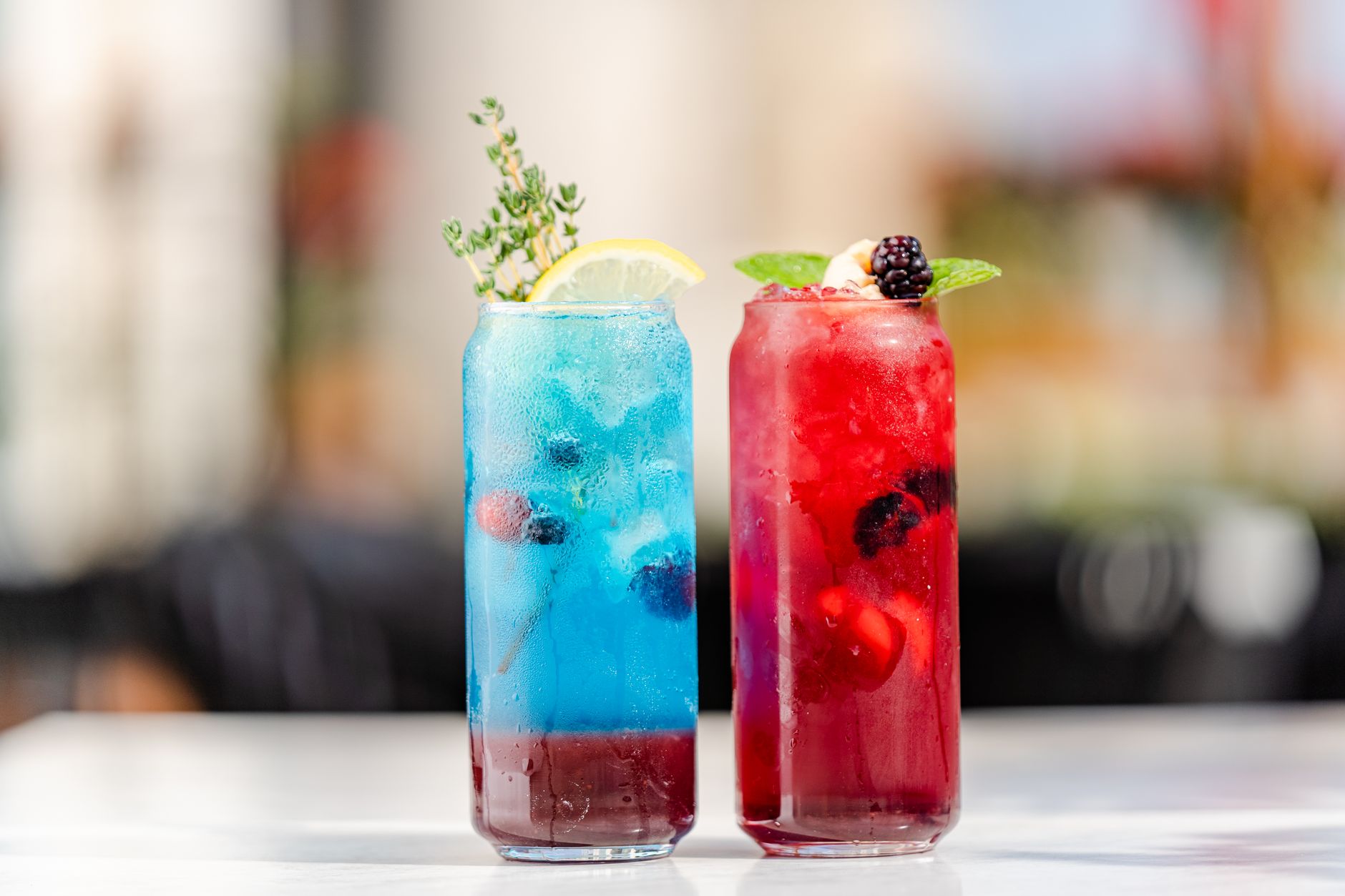
Mocktails like a berry‑mint spritzer give you the sparkle without the alcohol.
When to call your doctor
If you experience any of the following after consuming sparkling wine—or any alcohol—contact your obstetric provider promptly:
Unexplained vaginal bleeding or spotting.
Severe abdominal cramps or sudden onset of labor‑like symptoms.
Rapid swelling of hands, feet, or face.
Decreased fetal movement after 24 weeks.
Signs of alcohol intoxication such as dizziness, confusion, or vomiting.
These symptoms may indicate complications that require medical evaluation. This article provides general information and is not a substitute for personalized medical advice. Always discuss your individual situation with your healthcare provider.
References
American College of Obstetricians and Gynecologists. “Alcohol Abuse and Alcohol Dependence: Screening and Counseling.” ACOG Committee Opinion No. 721, 2020.
National Health Service (UK). “Alcohol and Pregnancy.” NHS, updated 2023.
Centers for Disease Control and Prevention. “Alcohol Use in Pregnancy.” CDC, 2022.
National Institute on Alcohol Abuse and Alcoholism. “Alcohol and Pregnancy.” NIH, 2021.
American Diabetes Association. “Gestational Diabetes Mellitus.” Diabetes Care, 2022.
U.S. Food and Drug Administration. “Alcohol and Pregnancy.” FDA Consumer Health Information, 2023.
World Health Organization. “Guidelines for the Safe Use of Alcohol.” WHO, 2021.
Not sure about the label on Is Sparkling Wine Safe During Pregnancy products?
Snap the ingredients list and SafeFilter checks every ingredient for your stage — only 3 free scans this month, then you're locked until reset. Unlimited from $7/mo or $50/yr.
When Shubhra Mishra was expecting her first child in 2016, she was overwhelmed by conflicting food advice — one site said yes, another said never. By the time her second baby arrived in 2019, she realized millions of mothers face the same confusion.
That sparked a five-year journey through clinical nutrition papers, cultural diets, and expert conversations — all leading to BumpBites: a calm, compassionate space where science meets everyday motherhood.
Her long-term vision is to build a global community ensuring safe, supported, and free deliveriesfor every mother — because no woman should face pregnancy alone or uninformed. 🌿
🌍 Stand with mothers, shape safer guidance
Join a small circle of experts who review BumpBites articles so expecting parents everywhere can decide with confidence.