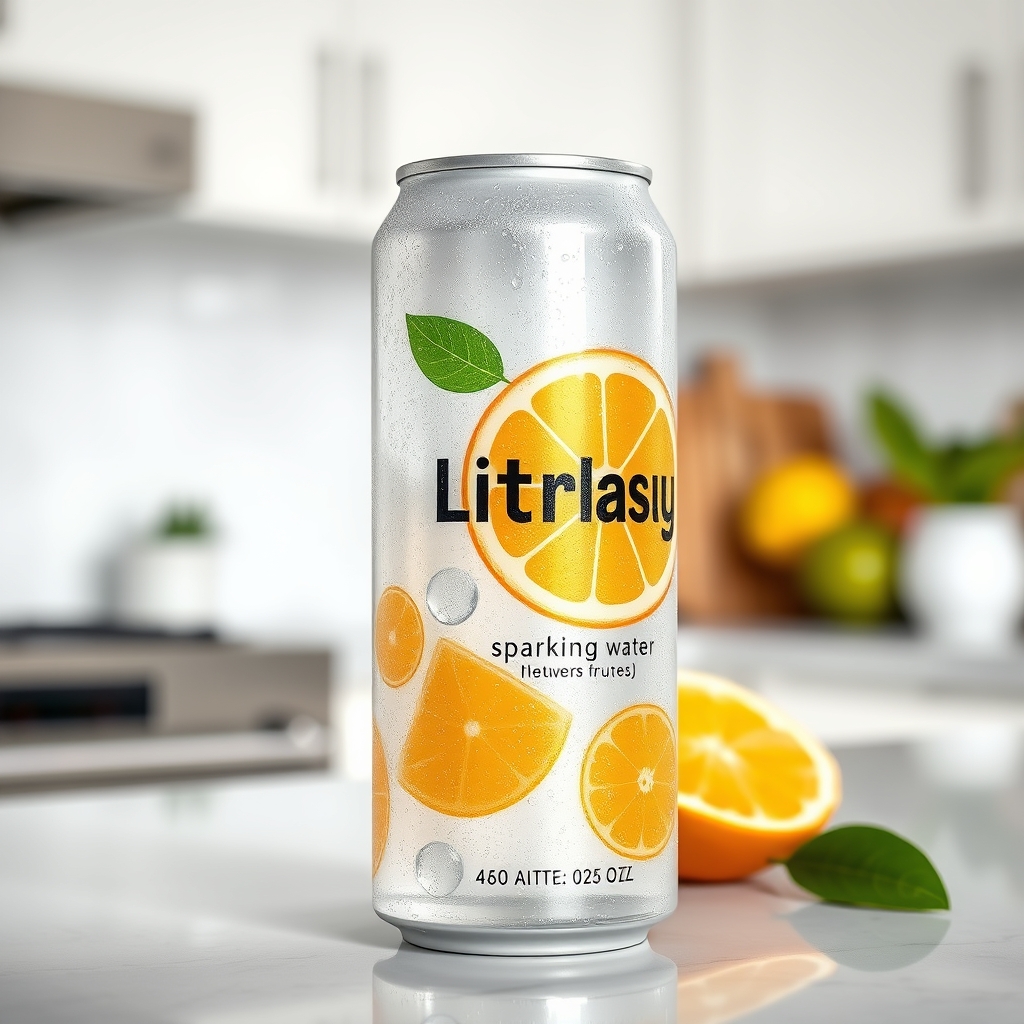
Safe: Flavored sparkling water can be enjoyed in pregnancy, but limit intake to 1‑2 cans per day and avoid artificial sweeteners in the especially first trimester.
By Shubhra Mishra — a mom of two who turned her own confusion during pregnancy into BumpBites, a global mission to make food choices clear, safe, and stress-free for every expecting mother. 💛
Check whether any food is safe during pregnancy with the BumpBites Food Safety Checker.
Quick verdict: ⚠️ Safe with limits. Flavored sparkling water is generally okay for most pregnant people when consumed in moderation (no more than 1‑2 cans ≈ 12 oz per day) and when you choose brands that use only approved sweeteners and natural flavorings.
It’s 2 a.m., the kitchen light is on, and you’ve just opened a can of citrus‑flavored sparkling water. “Is sparkling water flavored safe during pregnancy?” you wonder, feeling that familiar knot of anxiety. You’re not alone—many expecting parents have that midnight moment of doubt, especially when they’ve already taken a sip. The good news is that, for most pregnant people, flavored sparkling water can be part of a balanced hydration plan—provided you keep an eye on the ingredients and the amount you drink.
In this article we’ll answer the question is sparkling water flavored safe during pregnancy from every angle that matters: overall safety, trimester‑specific guidance, how many cans are reasonable, what to watch out for in artificial sweeteners, which brands earn the green light, and what healthier alternatives you might prefer. We’ll also compare related beverages so you can see at a glance which drinks are safest.
Whether you’ve already enjoyed a few cans or you’re just scouting the beverage aisle, you’ll find a clear, evidence‑based verdict, practical limits, and peace of mind by the end of this read.
Trimester / Stage
Verdict
Notes
1st trimester
⚠️ Safe with limits
Limit to ≤ 1 can ≈ 12 oz per day; avoid brands with cyclamate or unapproved sweeteners.
2nd trimester
⚠️ Safe with limits
Same daily limit; watch for excess citric acid if you have heartburn.
3rd trimester
⚠️ Safe with limits
Maintain ≤ 1‑2 cans; stay hydrated with water to support labor.
Breastfeeding
⚠️ Safe with limits
Limit intake; excessive caffeine or artificial sweeteners can affect milk taste.
Flavored sparkling water, also called “seltzer” or “carbonated water with added flavor,” is essentially water infused with carbon dioxide to create bubbles, plus natural or artificial flavorings, sweeteners, and sometimes a touch of citric acid for tartness. The base—plain carbonated water—is simply water and carbon dioxide, which is safe for anyone, including pregnant people. The added flavors can come from natural fruit extracts, essential oils, or synthetic compounds that mimic fruit tastes. Sweeteners may be sugar, high‑fructose corn syrup, or non‑nutritive options like sucralose, stevia, or acesulfame potassium.
Manufacturers often market these drinks as “zero‑calorie” or “low‑calorie” alternatives to soda, making them attractive to those who want to cut sugar but still enjoy a fizzy treat. Because the beverage is largely water, it contributes to daily fluid needs, but the added ingredients can introduce variables that matter during pregnancy—especially when it comes to artificial sweeteners, acidity, and carbonation.
Is flavored sparkling water safe to drink during the first trimester?
The first trimester is the period of organogenesis, when the baby’s major organs are forming. During this window, obstetric guidelines recommend limiting exposure to any known teratogens (substances that could cause birth defects). The American College of Obstetricians and Gynecologists (ACOG) does not list carbonated water or most approved sweeteners as teratogens, so the base drink is considered low‑risk. However, the FDA does advise caution with certain artificial sweeteners—like cyclamate, which is not approved in the United States—because animal studies have raised concerns about reproductive toxicity.
Most major brands of flavored sparkling water sold in the U.S. and U.K. use FDA‑approved sweeteners such as sucralose, stevia, or acesulfame potassium, which the FDA classifies as “Generally Recognized As Safe” (GRAS) for use in food and beverages. The NHS also notes that these sweeteners are acceptable in moderate amounts during pregnancy. The key is moderation: a single 12‑oz can per day stays well below the Acceptable Daily Intake (ADI) for these sweeteners, even when you consider other dietary sources.
Therefore, the short answer is yes—flavored sparkling water is generally safe in the first trimester when you choose brands with approved sweeteners and keep consumption to one can (≈ 12 oz) per day. If you have a history of hyperemesis gravidarum (severe morning sickness) or a sensitivity to carbonation, you might prefer still water or a low‑acid option.
How many cans of flavored sparkling water can I have each day while pregnant?
Guidance from the FDA’s ADI for common non‑nutritive sweeteners translates to roughly 10–15 cans of a typical sweetened sparkling water per day before reaching the safety threshold. However, obstetric experts such as ACOG and the UK’s NHS suggest a more conservative approach, recommending that pregnant people limit “diet” or “flavored” carbonated drinks to no more than 1–2 cans (12 oz each) daily. This limit helps keep total caffeine (if present) and acidity low, and it reduces the risk of over‑consuming artificial sweeteners that could affect gut microbiota.
Practical tips for staying within the limit:
Measure your cans: a standard 12‑oz can is about 355 ml. Two cans equal roughly 710 ml of fluid.
Count other sources of the same sweeteners—diet sodas, sugar‑free yogurts, and certain protein bars all contribute to your daily intake.
Prefer brands that list “natural flavor” and “stevia” or “sugar” as the only sweeteners; these tend to have lower overall sweetener loads.
If you find yourself reaching for a third can, consider swapping the extra serving for plain sparkling water, infused water, or a low‑sugar fruit juice diluted with water.
What are the potential risks of artificial sweeteners in flavored sparkling water for pregnant women?
Artificial sweeteners are a common point of concern because they are chemically distinct from sugar and have been the subject of many studies. The FDA’s GRAS status means that, at the levels permitted in foods, these sweeteners have not shown credible evidence of causing birth defects or fetal toxicity in human studies. Nonetheless, there are a few nuanced considerations for pregnant people:
Gut microbiome impact: Emerging research suggests that high‑intake of some non‑nutritive sweeteners may alter gut bacteria, which could theoretically affect glucose metabolism. The evidence is still early, and the effect appears only at intakes far above typical consumption.
Sweet‑taste preference: Regular exposure to intense sweet flavors may increase cravings for sugary foods later in pregnancy, potentially complicating gestational diabetes management.
Allergic reactions: Although rare, some individuals experience hypersensitivity to certain sweeteners, leading to hives or gastrointestinal upset.
Overall, the consensus among ACOG, the NHS, and the WHO is that approved artificial sweeteners are safe in moderation. The key is not to exceed the ADI and to balance intake with natural sources of sweetness like fresh fruit.
Which brands of flavored sparkling water are considered safest for pregnancy?
When choosing a brand, look for clear labeling, a short ingredient list, and the use of FDA‑approved sweeteners. Below are some widely available options that meet these criteria:
Brand
Sweetener(s)
Verdict
La Croix (Pure) – Lime
None (unsweetened)
✅ Very safe – no added sweeteners.
Spindrift – Raspberry
Fruit juice (no artificial sweetener)
✅ Safe – natural fruit juice, watch added sugar.
Polar – Cranberry
Sucralose
⚠️ Safe with limits – stay ≤ 1 can/day.
Waterloo – Black Cherry
Stevia
⚠️ Safe with limits – natural sweetener.
Bubly – Strawberry
Acesulfame potassium
⚠️ Safe with limits – monitor total sweetener intake.
Always read the label for “caffeine” (most flavored sparkling waters are caffeine‑free) and for any “natural flavors” that may contain hidden additives. If you have a specific allergy or sensitivity, contact the manufacturer for full ingredient disclosure.
Can flavored sparkling water cause heartburn or other pregnancy symptoms?
Carbonation can increase stomach distension, which may exacerbate gastroesophageal reflux disease (GERD) and heartburn—common complaints in the second and third trimesters. The acidity from citric‑based flavorings (like lemon or lime) can also irritate the esophageal lining. The NHS notes that carbonated drinks, including flavored sparkling water, are a known trigger for reflux in many pregnant people.
If you experience heartburn after a can, try the following:
Drink slowly and sip rather than gulp.
Choose low‑acid flavors (e.g., cucumber or berry) over citrus‑heavy options.
Wait at least 30 minutes after a meal before consuming carbonated beverages.
Consider a non‑carbonated alternative like infused water.
Most other pregnancy symptoms—such as nausea, fatigue, or urinary frequency—are not directly linked to flavored sparkling water, but staying hydrated with any beverage is essential.
Are there healthier alternatives to flavored sparkling water during pregnancy?
If you’d rather avoid carbonation or artificial sweeteners altogether, there are plenty of tasty, hydrating options that keep you feeling refreshed without added risk:
Plain sparkling water: No added flavors or sweeteners, just bubbles.
Infused water with fresh fruit: Add slices of lemon, cucumber, or berries to a pitcher of still water for natural flavor.
Herbal caffeine‑free tea: Rooibos, ginger, or peppermint tea can soothe nausea and hydrate.
Diluted 100 % fruit juice: Mix one part juice with three parts water to reduce sugar while keeping flavor.
Unsweetened almond milk: Low in calories, provides calcium and vitamin E.
Vegetable juice: Low‑sugar options like carrot‑celery blend give nutrients without excess sweetness.
These alternatives can be rotated throughout the day to keep your palate interested while ensuring you meet the recommended 2.7 L of total fluids per day for pregnancy (as per the Institute of Medicine).
Does flavored sparkling water affect blood sugar levels in pregnant women?
Most flavored sparkling waters are marketed as “zero‑calorie” and contain either no sweetener or only non‑nutritive sweeteners that do not raise blood glucose. The FDA’s ADI for sucralose, stevia, and acesulfame potassium is far above the amount present in a single can, and clinical trials have shown no significant impact on blood glucose or insulin response in healthy adults.
That said, some people experience a psychological “sweet‑taste” response that can trigger cravings for carbohydrate‑rich foods, potentially leading to higher overall sugar intake. For pregnant women managing gestational diabetes, it’s prudent to monitor total carbohydrate consumption, including any hidden sugars in flavored beverages, and to discuss your beverage choices with a dietitian.
Is it okay to drink flavored sparkling water if I have gestational diabetes?
Gestational diabetes management focuses on controlling blood glucose through diet, exercise, and, when necessary, medication. Because most flavored sparkling waters contain non‑nutritive sweeteners that do not directly raise blood sugar, they can be included in a gestational diabetes meal plan—provided you stay within the recommended 1–2 can daily limit and ensure the rest of your diet remains balanced.
The American Diabetes Association (ADA) advises that “sugar‑free beverages are acceptable in moderation,” but also cautions against over‑reliance on artificial sweeteners due to potential appetite‑stimulating effects. Pair your flavored sparkling water with a source of protein or fiber (e.g., a handful of nuts) to help stabilize blood glucose.
Always coordinate with your obstetric provider or diabetes educator to tailor your fluid intake to your individual glucose targets.
Choosing a low‑calorie, caffeine‑free flavored sparkling water can help you stay hydrated without excess sugar.
Safety by trimester
First trimester (weeks 1‑13)
The early weeks involve rapid organ formation, so any potential teratogen is of particular concern. As noted above, the base of flavored sparkling water—carbonated water—is safe. Approved sweeteners (sucralose, stevia, acesulfame potassium) are considered low‑risk, but you should stay at or below one 12‑oz can per day to stay well under the ADI. If you have hyperemesis gravidarum or severe nausea, the carbonation may worsen symptoms; in that case, opt for still water or ginger‑infused tea.
Second trimester (weeks 14‑27)
During the second trimester, many pregnant people experience increased heartburn due to a growing uterus pressing on the stomach. Carbonation can exacerbate reflux, so it’s wise to limit intake to one can and choose low‑acid flavors like berry or cucumber. The sweetener limits remain the same, and you can continue using the same brands that passed the first‑trimester safety check.
Third trimester (weeks 28‑40)
Hydration becomes crucial as you approach labor. Flavored sparkling water can still count toward your fluid goals, but keep the portion size modest (≤ 2 cans per day) and avoid excessive caffeine (most flavored sparkling waters are caffeine‑free, but double‑check the label). If you notice increased swelling or shortness of breath, consider swapping a can for plain sparkling water or infused water.
Breastfeeding
After delivery, the same safety principles apply. Artificial sweeteners are excreted in breast milk in trace amounts, but studies show no adverse effects on infants at typical consumption levels. However, a strong flavor can affect milk taste, possibly influencing infant feeding patterns. If you notice your baby refusing the breast after you’ve had a flavored drink, try reducing the amount or switching to plain sparkling water.
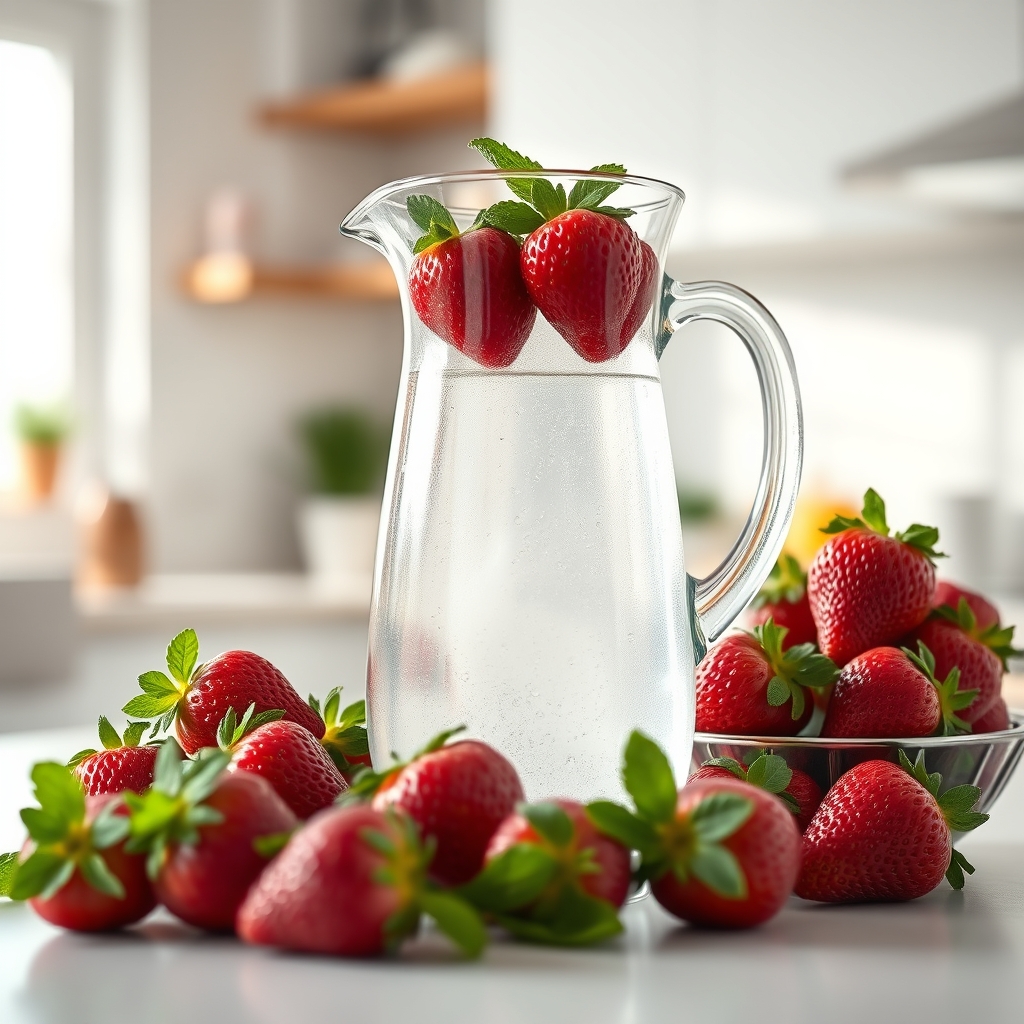
Infused water offers flavor without added sweeteners or carbonation.
Safe dosage / amount / brands
Based on FDA ADI calculations and obstetric guidance, the following limits are recommended for flavored sparkling water during pregnancy:
Standard serving: One 12‑oz (355 ml) can.
Maximum daily intake: 1–2 cans per day, depending on the sweetener type and your overall diet.
Maximum weekly intake: No more than 10 cans per week to stay comfortably below the ADI for any single sweetener.
When evaluating brands, prioritize those that:
List “carbonated water” as the first ingredient.
Use only FDA‑approved sweeteners (sucralose, stevia, acesulfame potassium) and avoid “cyclamate,” “saccharin,” or “aspartame” if you have a personal sensitivity.
Offer “natural flavor” without added “preservatives” or “artificial colors.”
Below is a quick reference for some common brands and their recommended limits:
Brand
Suggested daily limit
Key notes
La Croix (unsweetened)
Unlimited (no sweetener)
Pure carbonated water; watch for citric acid if you have heartburn.
Spindrift (fruit‑juice based)
1 can
Contains natural fruit juice; adds ~5 g sugar per can.
Polar (sucralose)
1 can
GRAS sweetener; stay within ADI.
Waterloo (stevia)
1 can
Natural sweetener; minimal impact on blood glucose.
Bubly (acesulfame potassium)
1 can
GRAS sweetener; monitor total intake from other sources.
Side effects and risks
While most pregnant people tolerate flavored sparkling water without issue, a few side effects can arise:
Heartburn or reflux: Carbonation can increase gastric pressure; if you notice burning after a drink, reduce intake or choose low‑acid flavors.
Dental enamel erosion: The mild acidity in many flavored varieties can wear down tooth enamel over time. Rinse with plain water after drinking and wait at least 30 minutes before brushing.
Allergic reactions: Rare, but possible with certain natural flavor extracts or artificial additives. Symptoms include hives, swelling, or gastrointestinal upset.
Over‑consumption of sweeteners: Exceeding the ADI may lead to gastrointestinal discomfort (bloating, gas) and could influence glucose metabolism.
Call your provider if you experience severe abdominal pain, persistent vomiting, an unusual rash, or any symptoms that suggest an allergic reaction. Most side effects are mild and manageable with simple adjustments.
Safer alternatives
Plain sparkling water – zero sweeteners, no added acids.
Infused water with fresh fruit – natural flavor without artificial additives.
Herbal caffeine‑free tea – soothing, hydrating, and can aid nausea.
Coconut water – natural electrolytes, choose unsweetened.
Diluted 100 % fruit juice – adds flavor while limiting sugar.
Unsweetened almond milk – low in calories, provides calcium.
Vegetable juice – nutrient‑dense, low in sugar.
Related items — safety at a glance
Item
Verdict
One‑line note
Regular sparkling water
✅ Safe
Just carbonated water—no additives.
Soda
⚠️ Limit
High sugar and caffeine; limit to occasional treat.
Diet soda
⚠️ Limit
Contains artificial sweeteners; keep to ≤ 1 serving/day.
Energy drinks
❌ Avoid
High caffeine and other stimulants not recommended.
Kombucha
⚠️ Limit
Fermented; small amounts okay but watch alcohol content.
Seltzer water
✅ Safe
Carbonated plain water, no flavorings.
Flavored water enhancers
⚠️ Limit
Often contain artificial sweeteners and additives.
Myth vs. fact
Myth: All carbonated drinks are unsafe during pregnancy.
Fact: Plain carbonated water is safe; the concern lies with added sugars, caffeine, and certain artificial sweeteners.
Myth: Artificial sweeteners cause birth defects.
Fact: FDA‑approved sweeteners such as sucralose, stevia, and acesulfame potassium have not been shown to cause birth defects when consumed within the ADI.
Myth: Flavored sparkling water can replace all other fluids.
Fact: It contributes to hydration, but you still need plain water and nutrient‑rich beverages to meet daily fluid and vitamin needs.
Key takeaways
Flavored sparkling water is generally safe in pregnancy when you stay within 1–2 cans per day.
Choose brands that use FDA‑approved sweeteners (sucralose, stevia, acesulfame potassium) and avoid those with cyclamate or unknown additives.
Watch for heartburn, dental erosion, and cumulative sweetener intake.
If you have gestational diabetes, monitor total carbohydrate intake and keep flavored drinks to a moderate amount.
Consider healthier alternatives like infused water, plain sparkling water, or herbal teas for variety without added risks.
Frequently asked questions
Can I drink flavored sparkling water while pregnant?
Yes, you can enjoy flavored sparkling water during pregnancy as long as you limit intake to 1–2 cans per day and choose brands with FDA‑approved sweeteners.
Are artificial sweeteners safe during pregnancy?
Approved artificial sweeteners such as sucralose, stevia, and acesulfame potassium are considered safe in moderation, according to the FDA and ACOG.
How much carbonated drink is safe during pregnancy?
Most experts recommend no more than 1–2 cans (≈ 12 oz each) of carbonated beverages per day, focusing on low‑sugar, low‑caffeine options.
Does drinking sparkling water cause morning sickness?
Carbonation can sometimes worsen nausea, but plain sparkling water often helps settle the stomach; flavored varieties may trigger heartburn in some people.
What are the best drinks for hydration in pregnancy?
Plain water, infused water, herbal caffeine‑free teas, and low‑sugar coconut water are top choices for staying hydrated without added risks.
Is it okay to have flavored water with caffeine while pregnant?
Most flavored sparkling waters are caffeine‑free; if you choose a caffeinated option, keep caffeine under 200 mg per day, as advised by ACOG.
Can flavored sparkling water affect my baby's development?
When consumed within recommended limits, flavored sparkling water does not affect fetal development; the primary concerns are excessive sweetener intake and carbonation‑related discomfort.
Should I avoid flavored sparkling water if I have gestational diabetes?
You can include flavored sparkling water in a gestational diabetes diet, but limit to 1 can per day and track overall sweetener and carbohydrate intake.
When to call your doctor
If you experience any of the following after drinking flavored sparkling water, contact your obstetric provider promptly:
Severe or persistent heartburn that does not improve with over‑the‑counter antacids.
Signs of an allergic reaction such as hives, swelling of the lips or tongue, or difficulty breathing.
Unexplained abdominal pain, especially if accompanied by fever or vomiting.
Sudden changes in blood glucose levels if you have gestational diabetes.
These symptoms may indicate a reaction that needs medical evaluation. Remember, this article provides general information and is not a substitute for personalized medical advice.
References
American College of Obstetricians and Gynecologists (ACOG). “Nutrition During Pregnancy.” ACOG Committee Opinion No. 757, 2020.
U.S. Food and Drug Administration (FDA). “Food Additives & Ingredients – GRAS Notices.” Updated 2023.
National Health Service (NHS). “Food and drink safety during pregnancy.” NHS.uk, 2022.
World Health Organization (WHO). “Guidelines on the use of non‑nutritive sweeteners.” WHO Technical Report Series, 2019.
American Diabetes Association (ADA). “Gestational Diabetes Mellitus.” Standards of Medical Care in Diabetes—2023.
Institute of Medicine. “Dietary Reference Intakes for Water.” 2005.
Centers for Disease Control and Prevention (CDC). “Pregnancy and Nutrition.” CDC.gov, 2021.
Not sure about the label on Is Sparkling Water Flavored Safe During Pregnancy products?
Snap the ingredients list and SafeFilter checks every ingredient for your stage — only 3 free scans this month, then you're locked until reset. Unlimited from $7/mo or $50/yr.
When Shubhra Mishra was expecting her first child in 2016, she was overwhelmed by conflicting food advice — one site said yes, another said never. By the time her second baby arrived in 2019, she realized millions of mothers face the same confusion.
That sparked a five-year journey through clinical nutrition papers, cultural diets, and expert conversations — all leading to BumpBites: a calm, compassionate space where science meets everyday motherhood.
Her long-term vision is to build a global community ensuring safe, supported, and free deliveriesfor every mother — because no woman should face pregnancy alone or uninformed. 🌿
🌍 Stand with mothers, shape safer guidance
Join a small circle of experts who review BumpBites articles so expecting parents everywhere can decide with confidence.