
Is Sound Healing Bowls Safe During Pregnancy? What Experts Say

Is Sound Healing Bowls Safe During Pregnancy? What Experts Say
On this page

Generally safe, sound healing bowls during pregnancy offer relaxation. Maintain distance from the belly, especially in the first trimester, and consult your

Shubhra Mishra

By Shubhra Mishra — a mom of two who turned her own confusion during pregnancy into BumpBites, a global mission to make food choices clear, safe, and stress-free for every expecting mother. 💛

Are you a qualified maternal-health or nutrition expert? Join our reviewer circle.

Wondering about another food?

Check whether any food is safe during pregnancy with the BumpBites Food Safety Checker.

Quick verdict: ⚠️ Safe with limits. While generally considered low-risk for relaxation, pregnant individuals should exercise caution with sound healing bowls, particularly avoiding direct contact with the abdomen and very intense or prolonged sessions, especially in the first trimester. Always consult your healthcare provider before starting any new wellness practice during pregnancy.
The late-night Google search, the sudden worry after a relaxing sound bath session – we understand that feeling of anxiety when you're pregnant and trying to figure out if something is truly safe for you and your baby. When it comes to practices like sound healing bowls, the information can feel a little murky, leaving you wondering, "is sound healing bowls safe during pregnancy?" You're not alone in seeking clarity on this unique wellness modality. At BumpBites, we're here to cut through the confusion. While sound healing bowls offer many people a pathway to relaxation and stress reduction, pregnancy introduces a new set of considerations. The good news is that for most expecting parents, enjoying the calming sounds from a safe distance is likely fine. However, understanding the nuances of how these vibrations might affect your developing baby, what precautions to take, and when to perhaps choose an alternative is key to your peace of mind. We'll explore the current understanding of sound healing during pregnancy, offering clear guidance to help you make informed choices.
Trimester/Phase Verdict Notes
First Trimester (Weeks 1-12) ⚠️ Safe with significant caution Avoid direct contact with the body, especially the abdomen. Opt for ambient sound baths with bowls placed at a distance. Focus on gentle, non-intrusive sounds. This is a critical period of organ development.
Second Trimester (Weeks 13-27) ⚠️ Safe with caution Baby's hearing is developing. Maintain distance from bowls; strong vibrations can be disruptive. Continue to avoid direct contact or placing bowls near the abdomen. Listen to your body for discomfort.
Third Trimester (Weeks 28-40+) ⚠️ Safe with caution Baby is more sensitive to external stimuli. Strong vibrations can be startling or uncomfortable for both mother and baby. Ensure bowls are placed far from the body. Some find gentle sounds soothing for relaxation.
Breastfeeding ✅ Generally Safe Sound healing bowls are generally considered safe while breastfeeding, as the vibrations and sound waves do not affect milk supply or composition. Focus on practices that support your relaxation and well-being.

What are Sound Healing Bowls?

Sound healing bowls, often referred to as singing bowls or Himalayan bowls, are musical instruments that produce resonant, sustained tones when struck or rubbed with a mallet. These bowls are typically made from a combination of metals (such as brass, bronze, or crystal quartz) and vary widely in size, material, and the specific frequencies they produce. The practice of sound healing, or a "sound bath," involves creating an immersive auditory experience where participants relax, often lying down, while the practitioner plays various bowls, gongs, and other instruments. The theory behind sound healing is that the vibrations and frequencies produced by the bowls can influence the body's energy fields, promote relaxation, reduce stress, and even facilitate healing by bringing the body's cells into a state of harmony. Proponents believe that the therapeutic sounds can slow brain waves, leading to a meditative state, and that the physical vibrations can penetrate the body, affecting tissues and organs. Many people seek out sound healing for stress relief, improved sleep, reduced anxiety, and a general sense of well-being. The experience is often described as deeply calming and restorative, a unique blend of auditory and tactile sensation.

Is sound healing bowls safe during pregnancy?

The
question of whether sound healing bowls are safe during pregnancy is one that many expecting parents ponder, and it's a valid concern given the lack of extensive, specific research on this topic. Generally, ambient exposure to sound healing bowls from a distance is considered low-risk for pregnant individuals. The primary concern arises when bowls are placed directly on or very close to the pregnant body, especially the abdomen, or when the vibrations are very intense. Current medical guidance from authorities like the American College of Obstetricians and Gynecologists (ACOG) and the NHS focuses more on avoiding excessive noise exposure and physical trauma during pregnancy, rather than explicitly addressing sound healing bowls. However, principles from these guidelines can be applied. For instance, ACOG recommends avoiding prolonged exposure to loud noise (over 115 decibels) to protect the baby's developing hearing, especially in the second and third trimesters when the inner ear is more developed. While sound healing bowls typically don't reach these extreme decibel levels, the *vibrational* aspect is what raises specific questions during pregnancy. The developing fetus is encased in amniotic fluid, which effectively dampens external sounds and vibrations. However, strong, direct vibrations or very low-frequency sounds can still transmit through the body. The concern is not necessarily about "harming" the baby in the sense of causing birth defects (which is primarily a first-trimester concern for teratogens), but rather about potential overstimulation, discomfort, or, in theory, impact on the developing neurological or auditory systems if exposed to very intense, localized vibrations. Most obstetricians recommend a cautious approach, prioritizing the mother's comfort and avoiding any direct or overly intense applications that could cause uterine contractions or fetal distress. The key takeaway is to listen to your body, communicate with the practitioner, and always err on the side of caution by maintaining a safe distance.
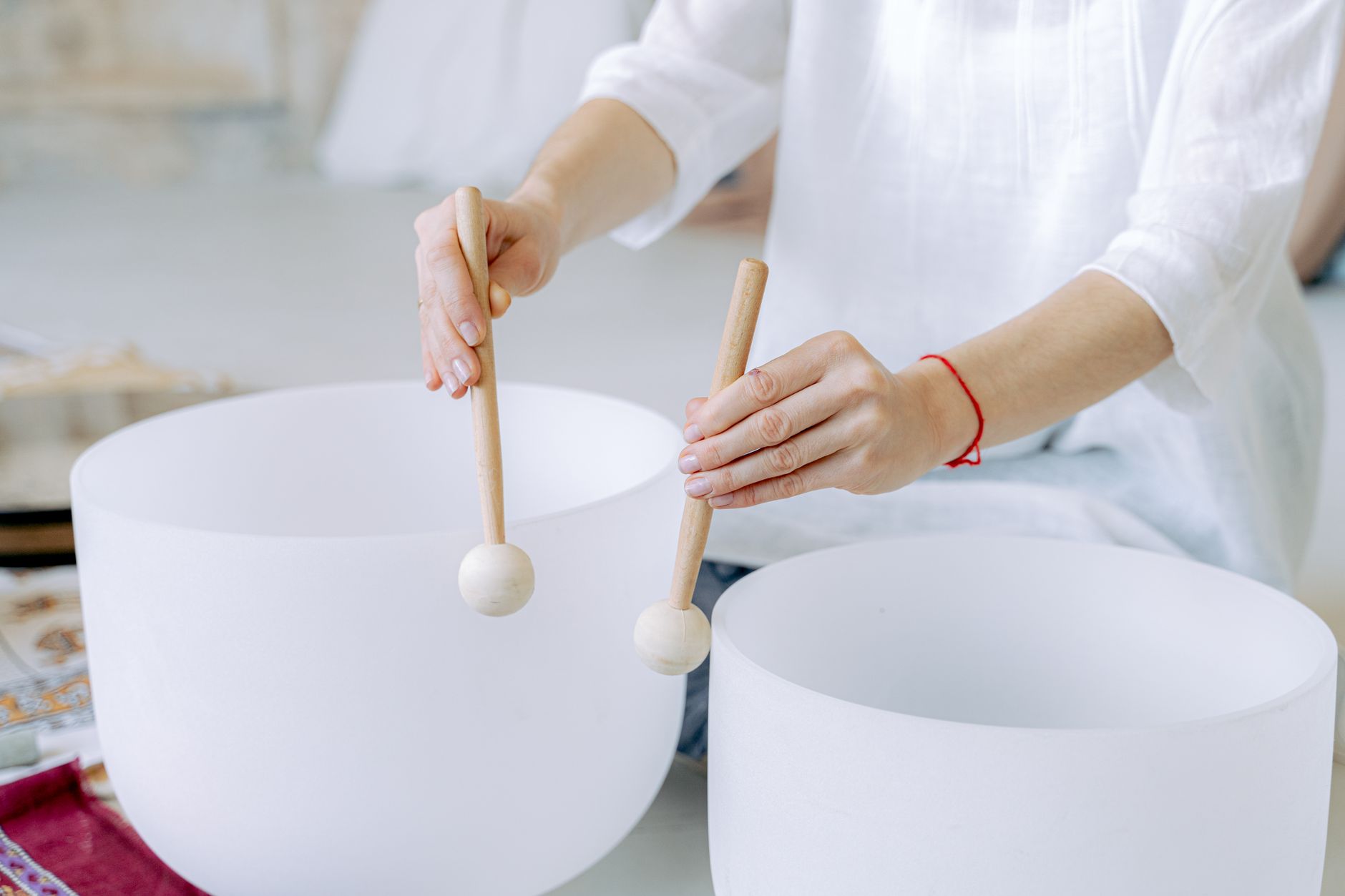
A set of polished brass sound healing bowls of various sizes, with a wooden mallet resting beside them, on a soft, natural linen cloth.
Consider the material and size of sound healing bowls, as these can influence the intensity and frequency of vibrations.

Sound healing bowls safety first trimester

The first trimester (weeks 1-12) is a crucial period for fetal development, as all major organs are forming. During this time, the embryo is most vulnerable to external influences. While sound healing bowls are not considered a teratogen (a substance causing birth defects), the primary concern with sound healing bowls in the first trimester is the potential for strong vibrations, particularly if bowls are placed directly on or very close to the abdomen. There is no specific research indicating that sound vibrations from bowls cause harm during this stage, but out of an abundance of caution, most practitioners and healthcare providers recommend avoiding direct contact with the body. Opt for sound baths where bowls are played at a distance, allowing you to experience the ambient sounds without intense physical vibrations. Focus on gentle frequencies and ensure the session is not overly long or intense. Your comfort and relaxation are paramount, but always prioritize safety in these early weeks.

Can sound healing harm my baby in the second trimester?

By the second trimester (weeks 13-27), your baby's auditory system is developing rapidly, and they can begin to hear sounds from outside the womb. This means they might be more responsive to the sounds and vibrations from sound healing bowls. The concern during this trimester is less about causing harm in terms of physical damage and more about potential overstimulation or discomfort for the baby. While the amniotic fluid provides a significant buffer, intense, localized vibrations, especially if bowls are placed directly on the belly, could be startling or disruptive to a developing fetus. There's no evidence that ambient sound healing from a distance will harm your baby, but it's wise to continue avoiding any direct contact or placement of bowls on your body. Pay close attention to how your baby responds – if you feel increased movement or distress, it's a sign to step away or adjust your position. The goal is relaxation for you, not potential agitation for your little one.

Is it safe to use singing bowls in the third trimester?

In the third trimester (weeks 28-40+), your baby is much larger and more sensitive to external stimuli. Their hearing is well-developed, and they are more likely to react to loud noises or strong vibrations. While sound healing bowls can still be a source of relaxation for you, the key is to ensure the experience is gentle and non-intrusive for your baby. Avoid placing any bowls on your body, especially your abdomen, as the vibrations can be quite strong and potentially startling for your baby. Some pregnant people find that very low or high frequencies can be uncomfortable for them or their baby. Focus on sessions where bowls are played at a noticeable distance, creating a calming soundscape rather than a deeply vibrating experience. Listen carefully to your body and your baby's movements. If you experience any discomfort or unusual fetal activity, it's best to discontinue the session. Many find that the gentle, soothing tones can still aid in relaxation and preparing for birth, as long as appropriate precautions are taken.

Sound healing bowls and breastfeeding

For those who are breastfeeding, sound healing bowls are generally considered safe. The vibrations and sound waves produced by the bowls do not directly impact milk production, milk quality, or the baby's feeding. The primary benefit of sound healing during the postpartum period and while breastfeeding is for the mother's well-being. New parenthood can be incredibly demanding, leading to stress, sleep deprivation, and anxiety. Engaging in practices like sound healing can offer a much-needed opportunity for relaxation, mental clarity, and emotional restoration. By supporting your own mental and emotional health, you are better equipped to care for your baby. As always, ensure any session is comfortable for you and doesn't cause any physical strain, but there are no specific breastfeeding-related contraindications for enjoying sound healing bowls.

Safe practice guidelines for sound healing bowls during pregnancy

Since there isn't a "dosage" in the traditional sense for sound healing bowls, the focus shifts to safe practice guidelines to minimize any potential risks during pregnancy. These recommendations are based on expert consensus and general principles of maternal and fetal safety. 1. **Maintain Distance:** The most crucial guideline is to ensure that sound healing bowls are never placed directly on your body, especially your abdomen, back, or pelvis. Bowls should be played at a comfortable distance, preferably several feet away from you. This allows you to experience the soothing sounds without the intense physical vibrations that could potentially overstimulate or discomfort your baby. 2. **Opt for Ambient Sessions:** Choose group sound baths or individual sessions where the bowls are played around the room, creating an immersive soundscape, rather than a session focused on direct vibrational therapy. 3. **Communicate with Your Practitioner:** Always inform the sound healing practitioner that you are pregnant before the session begins. A knowledgeable practitioner will be able to adjust the intensity, placement, and selection of bowls to ensure your safety and comfort. They may opt for smaller, lighter bowls or focus on higher frequencies that are less physically resonant. 4. **Listen to Your Body (and Baby):** Pay close attention to how you and your baby feel throughout the session. If you experience any discomfort, dizziness, nausea, strong fetal movements that feel unusual, or any other concerning symptoms, immediately ask the practitioner to stop or move away. Your comfort is the best indicator of safety. 5. **Duration and Intensity:** Shorter, gentler sessions are generally preferable during pregnancy. Avoid very long or intensely vibrating sessions, especially in the first trimester. A session focused on deep relaxation rather than strong vibrational shifts is ideal. 6. **Avoid Certain Frequencies:** While there's no definitive list of "forbidden" frequencies, very low, booming frequencies (like those from large gongs or very large bowls) tend to produce stronger physical vibrations. Some pregnant individuals also report discomfort with very high-pitched or piercing sounds. It's best to stick to moderate, harmonious frequencies that you find genuinely soothing. 7. **Consider Your Overall Health:** If you have any high-risk pregnancy conditions, a history of preterm labor, or any other medical concerns, it is especially important to get clearance from your obstetrician before participating in sound healing.

Side effects and risks of sound healing bowls during pregnancy

While sound healing bowls are generally considered a gentle practice, there are potential side effects and risks to be aware of, especially during pregnancy. Understanding these can help you make informed decisions and ensure your safety. * **Fetal Overstimulation or Discomfort:** The primary concern for the baby is the potential for overstimulation from strong vibrations or very loud, sudden sounds. While the amniotic fluid provides cushioning, intense, localized vibrations (e.g., from a bowl placed directly on the abdomen) could potentially be startling, disruptive, or uncomfortable for the developing fetus. There's no definitive research on long-term effects, but the principle of "better safe than sorry" applies. * **Maternal Discomfort or Dizziness:** Some pregnant individuals might experience dizziness, nausea, or lightheadedness during or after a sound bath, particularly if lying flat on their back for extended periods (which can compress the vena cava in later pregnancy) or if sensitive to certain frequencies. Strong vibrations can also induce a feeling of unease or even motion sickness in some. * **Increased Uterine Activity:** While rare, some alternative therapies involving strong vibrations or deep abdominal work can theoretically stimulate uterine contractions. While ambient sound healing is unlikely to cause this, direct application to the abdomen should be avoided, especially if you have a history of preterm labor or a sensitive uterus. * **Emotional Release:** Sound healing can sometimes trigger deep emotional release, which, while therapeutic for some, might be overwhelming for others, especially during the emotionally sensitive period of pregnancy. It's important to be in a supportive environment and feel comfortable expressing any discomfort. * **Exacerbation of Existing Conditions:** If you have certain medical conditions, such as epilepsy, heart conditions, or are prone to migraines, the intense sensory input from a sound bath could potentially exacerbate these. Always discuss with your doctor first. * **Lack of Regulation:** The field of sound healing is not medically regulated, meaning practitioner training and safety protocols can vary widely. It's crucial to choose a qualified and experienced practitioner who understands the specific considerations for pregnant clients. **Specific Frequencies to Avoid During Pregnancy:** There isn't a universally agreed-upon list of "forbidden" frequencies. However, general caution is advised for: * **Very Low Frequencies (Deep Bass):** These can produce strong physical vibrations that are more likely to transmit through the body and potentially affect the fetus. Large gongs or very large, resonant bowls often produce these. * **Very High Frequencies (Piercing Tones):** While less physically resonant, some individuals find very high-pitched or piercing sounds jarring or uncomfortable, which can lead to stress rather than relaxation. * **Sudden, Loud Sounds:** Any sudden, loud, or jarring sounds should be avoided, as they can be startling for both mother and baby. Always prioritize your comfort and communicate any concerns with your practitioner. When in doubt, err on the side of caution and opt for a gentler, more distant experience.

Safer alternatives to sound healing for relaxation during pregnancy

If you're looking for ways to relax and de-stress during pregnancy but are unsure about sound healing bowls, or simply want to explore other options, there are many safe and effective alternatives that can promote well-being for both you and your baby. * Prenatal yoga: Specifically designed for expecting parents, prenatal yoga helps improve flexibility, strength, balance, and circulation, while also teaching breathing techniques beneficial for labor. * Meditation: Practices like mindfulness meditation can significantly reduce stress and anxiety, improve sleep, and help you connect with your body and baby. Many apps offer guided meditations for pregnancy. * Guided imagery: This technique involves visualizing peaceful scenes or positive outcomes, which can be incredibly calming and help manage pain or anxiety. * Gentle prenatal massage: With a trained prenatal massage therapist, this can alleviate common pregnancy discomforts like back pain, swelling, and muscle tension, while promoting relaxation. * Aromatherapy (with safe essential oils): Using a diffuser with pregnancy-safe essential oils like lavender, chamomile, or frankincense can create a calming atmosphere. Always dilute properly and avoid direct skin application of undiluted oils. * Warm baths: A warm (not hot!) bath can be wonderfully soothing for tired muscles and a stressed mind. Add Epsom salts for extra relaxation benefits. * Mindfulness exercises: Simple practices like focusing on your breath, observing your surroundings, or savoring a meal can bring you into the present moment and reduce stress. * Deep breathing techniques: Learning and practicing deep belly breathing can calm your nervous system, improve oxygen flow, and be a valuable tool during labor. * Nature walks: Spending time outdoors in nature has been shown to reduce stress hormones, improve mood, and provide gentle exercise. * Listening to calming music: Curate a playlist of your favorite soothing music, classical pieces, or nature sounds to create a peaceful environment at home.
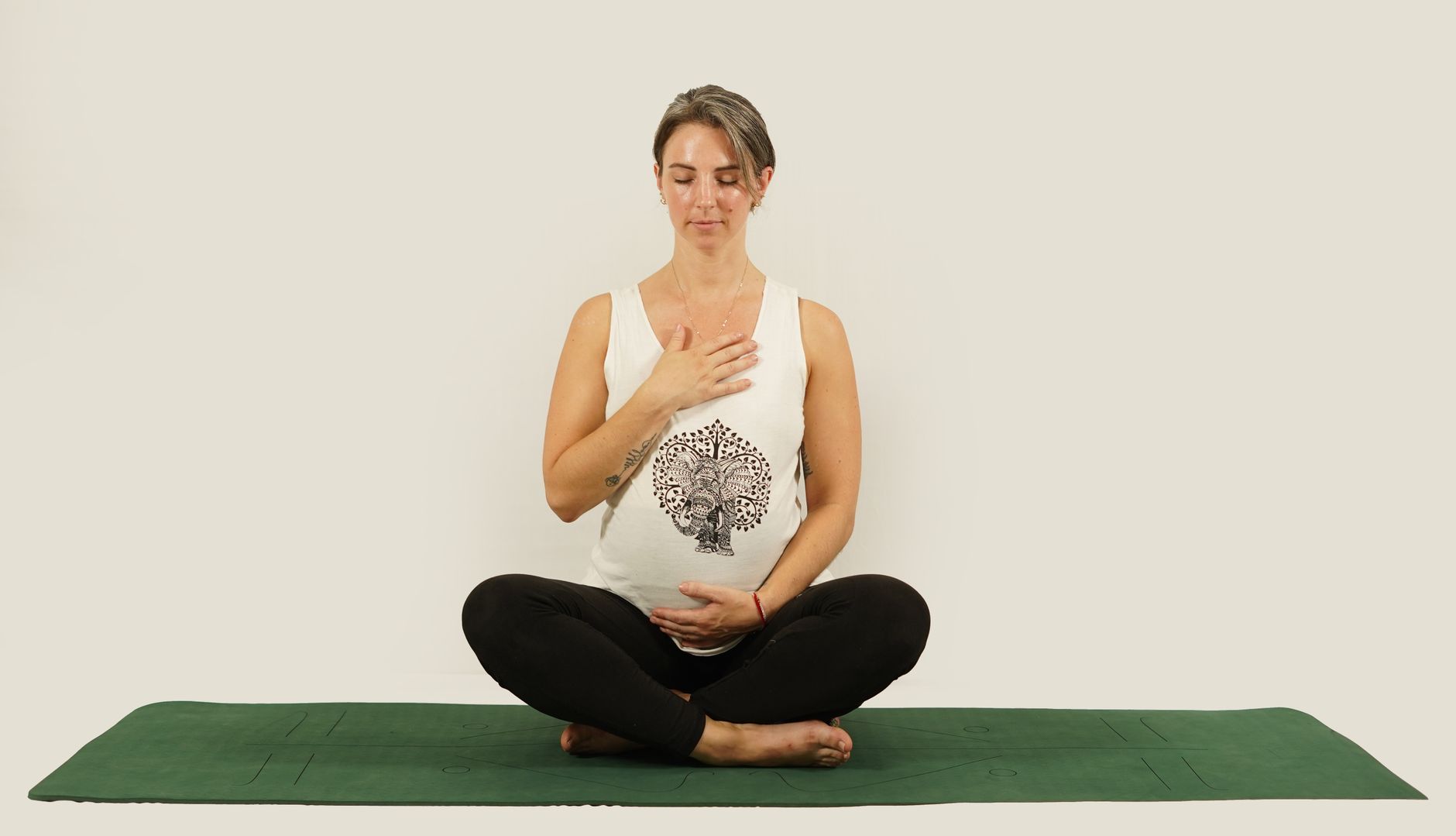
A woman in a comfortable prenatal yoga pose on a mat in a bright, airy studio, with soft lighting and plants in the background.
Prenatal yoga is a wonderful way to combine gentle exercise with relaxation and mindfulness during pregnancy.
Understanding the safety of various wellness practices during pregnancy can be overwhelming. Here's a quick look at how some related therapies compare in terms of safety.
Wellness Practice Verdict Notes
Acupuncture ✅ Generally Safe Generally safe when performed by a qualified practitioner experienced in treating pregnant individuals; can help with nausea, pain. Certain points are contraindicated.
Chiropractic Adjustments ✅ Generally Safe Safe and often recommended for back pain and pelvic alignment when performed by a chiropractor specializing in prenatal care.
Reiki ✅ Generally Safe A gentle, non-invasive energy healing practice considered safe; no physical manipulation or strong vibrations involved.
Essential Oil Diffusers ⚠️ Safe with limits Generally safe for ambient diffusion with pregnancy-safe oils (e.g., lavender, frankincense); avoid direct application, ingestion, and certain oils (e.g., clary sage, peppermint in early pregnancy).
Hot Tubs ❌ Best avoided Not recommended due to risk of overheating, which can lead to neural tube defects, dehydration, and a drop in blood pressure.
Saunas ❌ Best avoided Similar to hot tubs, saunas pose a risk of maternal overheating, which is dangerous for fetal development.
Floatation Therapy ⚠️ Safe with limits Generally safe after the first trimester, but check with your doctor. Ensure the water is not too hot and you feel comfortable lying supine.
Infrared Saunas ❌ Best avoided Like traditional saunas, infrared saunas can cause core body temperature to rise to unsafe levels for pregnancy.
Vibrational Therapy (direct) ❌ Best avoided Direct, strong vibrational therapy (e.g., vibration plates) is generally not recommended due to potential risks to the fetus and stimulating contractions.
Prenatal Massage ✅ Generally Safe Highly recommended for relaxation and pain relief when performed by a certified prenatal massage therapist who knows safe positioning and techniques.

Myth vs. fact

It's easy to get caught up in rumors and misinformation, especially when you're pregnant. Let's clear up some common myths about sound healing bowls during pregnancy. * Myth: Sound healing bowls can induce labor. Fact: There is no scientific evidence to suggest that sound healing bowls can induce labor. While strong, direct vibrations might theoretically stimulate uterine activity in very rare, sensitive cases, ambient sound healing is not known to have this effect. The sounds and vibrations are generally not strong enough to physiologically trigger labor. * Myth: All sound frequencies are equally safe for a pregnant person. Fact: While most frequencies are likely safe from a distance, pregnant individuals should exercise caution with very low, booming frequencies (which create strong physical vibrations) and potentially very high, piercing frequencies, as these could be uncomfortable or overstimulating for the mother or fetus. Listening to your body and avoiding direct contact with bowls is key. * Myth: Sound healing bowls are a cure for pregnancy stress and anxiety. Fact: Sound healing bowls can be a wonderful tool for relaxation and stress reduction for many people, including pregnant individuals. The calming sounds and meditative state can certainly help manage stress and anxiety. However, they are a complementary therapy and not a "cure" for clinical anxiety or severe stress. If you are experiencing significant mental health challenges, it's important to seek professional medical advice and support.

Key takeaways

Here are the essential points to remember about is sound healing bowls safe during pregnancy:
  • Caution is key: While ambient sound healing bowls are generally considered low-risk, direct contact with the body, especially the abdomen, should be avoided throughout pregnancy.
  • Trimester matters: Be especially cautious in the first trimester (organogenesis) and the second/third trimesters (fetal hearing development and increased sensitivity).
  • Listen to your body (and baby): Discontinue any session if you experience discomfort, dizziness, or unusual fetal movements.
  • Communicate with your practitioner: Always inform the sound healing practitioner that you are pregnant so they can adjust the session accordingly.
  • Prioritize relaxation: Focus on gentle, ambient sounds rather than intense, vibrating experiences.
  • Explore alternatives: Many other safe and proven relaxation techniques like prenatal yoga, meditation, and gentle massage are excellent options.

Frequently asked questions

Is sound bath safe for pregnant women?

Ambient sound baths, where bowls are played at a distance, are generally considered safe for pregnant women. The main concern is avoiding direct contact with the body, especially the abdomen, and intense vibrations, which could potentially overstimulate or discomfort the fetus. Always communicate your pregnancy to the practitioner.

Can sound healing affect pregnancy?

Sound healing can affect pregnancy positively by promoting relaxation and reducing stress for the mother, which are beneficial for overall maternal well-being. However, intense or direct vibrational sound healing could theoretically cause fetal discomfort or overstimulation, though strong evidence of harm is lacking. Caution is always recommended.

What frequencies are safe during pregnancy?

There's no definitive list of "safe" frequencies. Generally, moderate, harmonious frequencies experienced from a distance are considered safe. It's advisable to avoid very low, booming frequencies that produce strong physical vibrations, and very high, piercing frequencies that might cause discomfort for either the mother or the baby.

Can I go to a sound bath while pregnant?

Yes, you can generally go to a sound bath while pregnant, provided you take precautions. Ensure bowls are played at a distance and not placed on your body. Inform the practitioner of your pregnancy so they can make appropriate adjustments. Listen to your body and leave if you experience any discomfort.

Is vibration good for pregnancy?

Gentle, natural vibrations (like walking or a car ride) are normal and generally fine. However, direct, strong, or prolonged artificial vibrations (like from vibrational therapy devices or directly placed sound bowls) are generally not recommended during pregnancy due to theoretical risks of overstimulation or discomfort to the fetus.

Can sound waves harm a fetus?

While the amniotic fluid provides a significant buffer, very loud noises (over 115 decibels) or strong, direct sound waves/vibrations could theoretically be disruptive or cause discomfort to a fetus, particularly to the developing auditory system. Ambient sound healing bowls are unlikely to reach harmful levels, but direct application is best avoided.

What are the benefits of sound healing during pregnancy?

For the pregnant individual, the benefits of sound healing can include deep relaxation, reduced stress and anxiety, improved sleep quality, and a sense of calm and well-being. These positive effects on maternal mental and emotional health can indirectly support a healthier pregnancy experience.

Are singing bowls safe for babies?

Singing bowls, when played gently and from a distance, can be calming for babies, much like other soft music. However, direct placement of bowls on a baby's body or very loud, intense sounds should be avoided, as their auditory systems are very sensitive and developing.

When to call your doctor

While sound healing bowls are generally low-risk when practiced with caution, it's always important to listen to your body and err on the side of medical advice during pregnancy. You should call your doctor or healthcare provider if you experience any of the following after a sound healing session: * Any unusual or persistent abdominal pain or cramping. * Vaginal bleeding or fluid leakage. * Strong or sustained contractions. * A significant change in your baby's movements (either a decrease or an unusual increase in activity). * Severe dizziness, lightheadedness, or fainting. * Persistent nausea or vomiting. * Any other symptoms that concern you or feel "not right." Remember, this article provides general information and is not a substitute for professional medical advice. Always consult your obstetrician or healthcare provider before starting any new wellness practice or if you have any concerns about your pregnancy.

References

  1. American College of Obstetricians and Gynecologists (ACOG)
  2. National Health Service (NHS) UK
  3. Centers for Disease Control and Prevention (CDC)
  4. Mayo Clinic
  5. World Health Organization (WHO)

Editor's pick for this topic

Not sure about the label on Is Sound Healing Bowls Safe During Pregnancy products?

Snap the ingredients list and SafeFilter checks every ingredient for your stage — only 3 free scans this month, then you're locked until reset. Unlimited from $7/mo or $50/yr.

Informational only — not medical advice.

Shubhra Mishra

About the Author

When Shubhra Mishra was expecting her first child in 2016, she was overwhelmed by conflicting food advice — one site said yes, another said never. By the time her second baby arrived in 2019, she realized millions of mothers face the same confusion.

That sparked a five-year journey through clinical nutrition papers, cultural diets, and expert conversations — all leading to BumpBites: a calm, compassionate space where science meets everyday motherhood.

Her long-term vision is to build a global community ensuring safe, supported, and free deliveriesfor every mother — because no woman should face pregnancy alone or uninformed. 🌿

🌍 Stand with mothers, shape safer guidance

Join a small circle of experts who review BumpBites articles so expecting parents everywhere can decide with confidence.

⚠️ Always consult your doctor for medical advice. This content is informational only.

Recommended picks

Ritual Ritual Essential Prenatal

Prenatal pick

RitualRitual Essential Prenatal

Choline + DHA + folate from methylfolate (not synthetic).

$39Check prenatal →
Nordic Naturals Nordic Naturals Prenatal DHA (Strawberry Softgels)

Prenatal pick

Nordic NaturalsNordic Naturals Prenatal DHA (Strawberry Softgels)

Premium fish-oil DHA in strawberry softgels — gentle on the stomach.

$55Check prenatal →