Limit Slimfast during pregnancy. While some flavors may be safe in moderation, high sugar or artificial ingredients pose risks. Consult your doctor for personalized advice.
By Shubhra Mishra — a mom of two who turned her own confusion during pregnancy into BumpBites, a global mission to make food choices clear, safe, and stress-free for every expecting mother. 💛
Check whether any food is safe during pregnancy with the BumpBites Food Safety Checker.
Quick verdict: ❌ Best avoided. Slimfast is not recommended for pregnant women because it contains ingredients—such as caffeine, artificial sweeteners, and high levels of certain vitamins—that can pose risks to the developing baby. If you’ve already had a shake, stay calm and talk to your provider about any concerns.
It’s 2 a.m., the kitchen light is on, and you’re wondering, “is Slimfast safe during pregnancy?” You might have already sipped a shake before you realized you were expecting, or you could be weighing the convenience of a meal‑replacement drink against the health of your little one. The short answer is that most obstetric experts advise avoiding Slimfast while you’re pregnant.
In this article we’ll break down exactly why Slimfast isn’t a pregnancy‑friendly choice, how each trimester changes the risk profile, what amount (if any) might be considered safe, and which alternatives can give you the nutrition you need without the worries. We’ll also compare Slimfast to other popular meal‑replacement drinks, debunk common myths, and give you a quick‑reference cheat sheet so you can stop Googling at midnight and feel confident about your next sip.
We understand the anxiety that comes with a late‑night nutrition question. Whether you’ve already taken a shake or you’re planning your next snack, you deserve clear, evidence‑based guidance. Below you’ll find the verdict, the science behind it, practical tips for safe eating, and a list of pregnancy‑approved options that keep you and your baby thriving.
When you’re pregnant, reading the label on a Slimfast bottle can feel like decoding a safety manual.
Safety snapshot
Trimester / Phase
Verdict
Notes
First trimester
❌ Best avoided
High caffeine and artificial sweeteners can affect organ development; excess vitamin A poses teratogenic risk.
Second trimester
❌ Best avoided
Continued exposure to caffeine and potential glycemic spikes may worsen gestational diabetes risk.
Third trimester
❌ Best avoided
Risk of excessive caloric intake and nutrient imbalances that could affect fetal growth.
Breastfeeding
⚠️ Talk to your doctor
Some ingredients pass into breast milk; safer alternatives are preferred.
What is Slimfast?
S
limfast is a brand of meal‑replacement shakes and protein bars marketed primarily for weight‑loss and convenient nutrition. The classic Slimfast shake is a powdered mix that you blend with water, milk, or a milk‑alternative. A typical serving (one scoop) contains around 200 kcal, 10 g of protein, 6 g of carbohydrate, and a blend of vitamins and minerals—including vitamin A (beta‑carotene), vitamin D, calcium, iron, and B‑complex nutrients. To enhance flavor, the formula often includes artificial sweeteners (such as sucralose), caffeine (about 30 mg per serving), and a variety of botanical extracts like green tea extract.
People choose Slimfast because it’s quick, low‑calorie, and promises to curb hunger between meals. The brand also offers “Advanced” versions with added fiber and “Protein Plus” lines that boost protein content to 20 g per serving. While these products can fit into a calorie‑controlled diet for non‑pregnant adults, the ingredient profile raises specific concerns when a developing fetus is involved.
Beyond the basic nutrition facts, the marketing of Slimfast emphasizes “diet‑friendly” language, which can be misleading for pregnant people who need more—not fewer—nutrients. The product’s label does not list a prenatal vitamin profile, and it lacks the higher iron, folate, and omega‑3 levels that obstetric guidelines consider essential during pregnancy. This gap is why clinicians often recommend whole‑food sources or shakes specifically formulated for expectant mothers.
Is Slimfast safe during pregnancy?
Current guidance from leading obstetric organizations—such as the American College of Obstetricians and Gynecologists (ACOG) and the United Kingdom’s National Health Service (NHS)—does not list Slimfast as a pregnancy‑compatible nutrition source. ACOG advises that pregnant individuals should avoid meal‑replacement products that contain caffeine, artificial sweeteners, and high doses of fat‑soluble vitamins unless specifically prescribed. The NHS similarly cautions against using “diet” or “weight‑loss” shakes during pregnancy because they may not meet the increased nutrient demands of the mother and fetus.
Several ingredients in Slimfast merit particular attention. Caffeine, while modest, can cross the placenta and has been associated with reduced fetal birth weight when consumed in excess. The FDA classifies caffeine as a “pregnancy‑concern” ingredient, recommending a limit of 200 mg per day for pregnant people—roughly the amount in six 8‑oz cups of coffee. A single Slimfast shake contributes about 30 mg, which may seem small, but when combined with other caffeine sources it can quickly add up.
Artificial sweeteners like sucralose are approved by the FDA for use during pregnancy, yet the research is still evolving. Some studies suggest a possible link between high‑intake sweeteners and altered glucose metabolism in the mother, which could exacerbate gestational diabetes. Moreover, the vitamin A content in Slimfast (often supplied as beta‑carotene) can exceed the recommended daily allowance for pregnant women if multiple shakes are consumed, raising concerns about teratogenicity—especially in the first trimester when organ formation is most vulnerable.
Because the evidence points to potential, not definitive, harm, most clinicians adopt a precautionary stance: avoid Slimfast altogether. If you’ve already had a shake, the risk is likely low, but you should discuss any concerns with your obstetric provider, particularly if you have gestational diabetes, high blood pressure, or a history of pregnancy complications.
It’s also worth noting that many pregnant patients turn to “diet” products out of a desire to manage weight gain. However, ACOG’s 2023 Committee Opinion emphasizes that appropriate weight gain is a critical component of a healthy pregnancy, and restricting calories too aggressively can lead to micronutrient deficiencies and compromised fetal growth. In short, the convenience of Slimfast does not outweigh the nutritional uncertainties it introduces.
Is Slimfast safe to drink during the first trimester?
The first trimester is when the embryo’s organs are forming (organogenesis), making it the most sensitive period for teratogenic exposures. Caffeine, excess vitamin A, and certain botanical extracts found in Slimfast can theoretically interfere with this process. ACOG’s guidelines recommend limiting caffeine to under 200 mg per day and avoiding high‑dose vitamin A supplements. Because a single Slimfast shake can contribute both, most obstetricians advise against using it during the first trimester.
Beyond the specific ingredients, early pregnancy often brings nausea and heightened food aversions. Introducing a shake with artificial sweeteners and caffeine may worsen nausea for some individuals, making it harder to maintain adequate caloric intake. If you’re experiencing severe morning sickness, your provider may suggest bland, nutrient‑dense options like plain oatmeal or fortified soups instead of a diet shake.
Can I use Slimfast as a meal replacement in the second trimester?
During the second trimester, caloric and protein needs increase to support fetal growth. While Slimfast provides some protein, it falls short on essential nutrients such as omega‑3 fatty acids, iron, and folate—nutrients that are critical at this stage. Moreover, the continued presence of caffeine and artificial sweeteners may still affect glucose regulation, a particular concern if you develop gestational diabetes. The NHS recommends whole‑food meals or pregnancy‑specific meal‑replacement shakes that are fortified with prenatal vitamins, so using Slimfast is not considered safe in the second trimester.
Additionally, the second trimester is when many pregnant people begin to experience rapid weight gain. A low‑calorie shake may inadvertently lead to insufficient energy intake, especially if you rely on it for multiple meals. This can cause fatigue, dizziness, and even affect the baby’s growth trajectory. For optimal health, aim for balanced meals that include lean protein, whole grains, and a variety of colorful vegetables.
How many Slimfast shakes are safe to consume while pregnant?
There is no established “safe” number of Slimfast shakes for pregnancy because the product was never designed for this population. The safest approach, according to ACOG and the FDA, is to avoid them entirely. If you do choose to have a shake, limiting yourself to one per day—while carefully tracking all other caffeine sources and ensuring you meet your prenatal vitamin requirements—might reduce risk, but this still falls short of professional recommendations. Your provider can help you calculate a personalized limit if you’re already consuming the product.
In practice, many obstetricians will ask you to replace any Slimfast shake with a prenatal‑approved alternative and to focus on whole‑food nutrition. This strategy not only eliminates the uncertain ingredient profile but also ensures you receive the full spectrum of nutrients needed for a healthy pregnancy.
What are the risks of using Slimfast during pregnancy?
Key risks include:
Caffeine exposure: Can lead to reduced birth weight and may increase the chance of miscarriage if intake is high.
Excess vitamin A: High levels of preformed vitamin A (retinol) are linked to birth defects; while Slimfast uses beta‑carotene, cumulative intake can still be problematic.
Nutrient gaps: Slimfast does not provide enough iron, folate, calcium, and omega‑3s, which are essential for fetal brain and bone development.
Beyond these primary concerns, some users report mild gastrointestinal discomfort, such as bloating or gas, from the fiber and protein blend. While not dangerous, these symptoms can add to the discomfort already common in pregnancy and may reduce overall appetite.
Are there pregnancy‑safe alternatives to Slimfast shakes?
Ensure Pregnant – a protein‑rich shake fortified with prenatal vitamins and no caffeine.
Orgain Organic Protein Shake – plant‑based, low‑sugar, and free of artificial sweeteners.
Greek yogurt with fruit – natural protein, calcium, and probiotics.
Homemade banana‑almond milk smoothie – customizable nutrients without added caffeine.
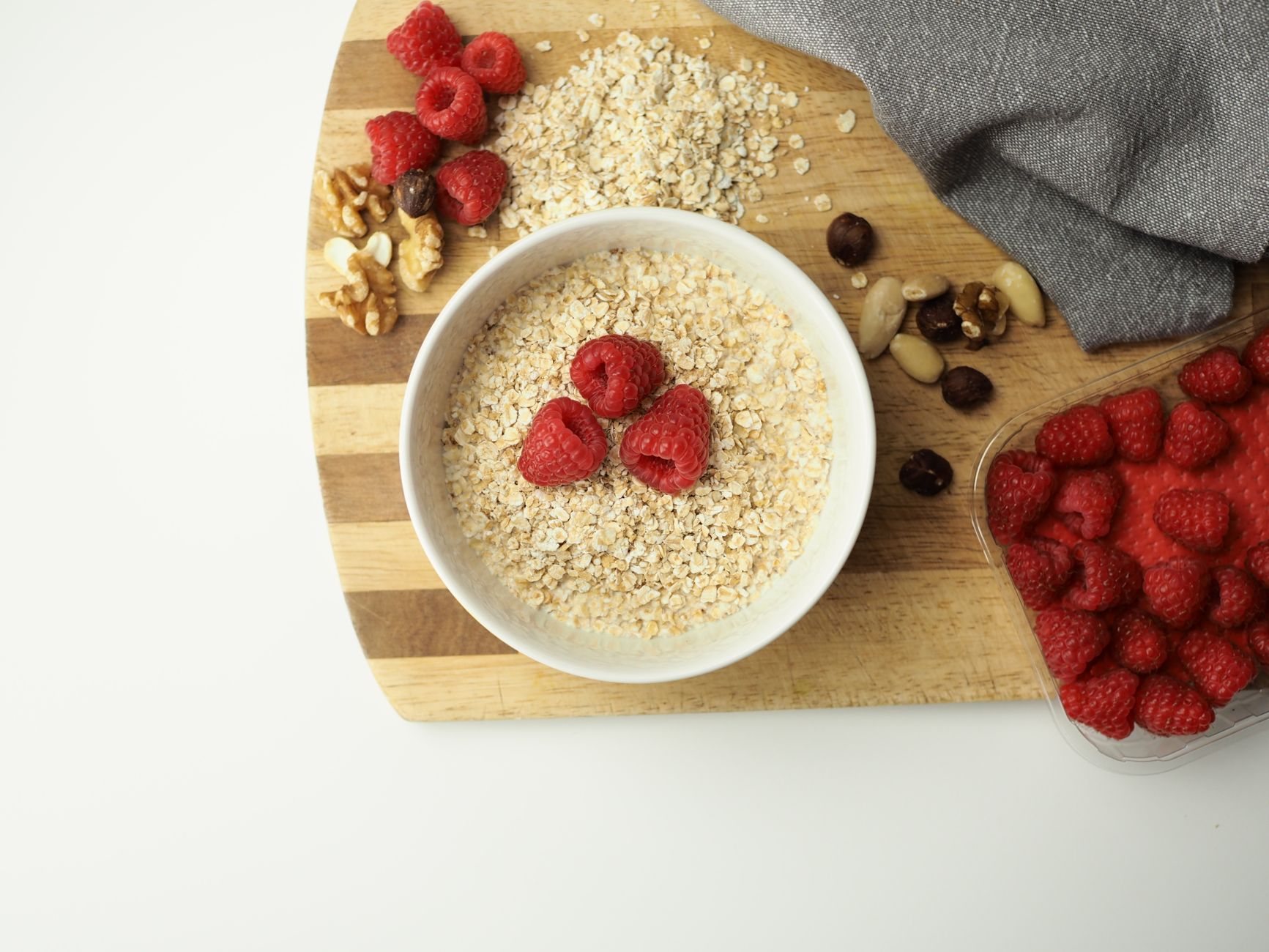
Oatmeal topped with berries – high in fiber, iron, and antioxidants.
Prenatal vitamin supplement – ensures you meet micronutrient needs.
Nutribullet Protein Powder (pregnancy‑safe version) – clean protein source without artificial additives.
Does the Slimfast brand contain ingredients harmful to pregnant women?
Yes, several ingredients raise red flags for pregnancy. The standard Slimfast formula includes caffeine, sucralose, and a vitamin A dose that can exceed the recommended daily allowance if multiple servings are consumed. Some flavors also contain herbal extracts like green tea or guarana, which add extra caffeine and have limited safety data in pregnancy. While none of these ingredients are outright banned, the cumulative effect and lack of pregnancy‑specific testing lead health authorities to advise avoidance.
Another concern is the presence of soy protein in many Slimfast varieties. Soy isoflavones can have estrogen‑like activity, and although moderate soy consumption is generally considered safe, the concentrated soy in a shake may affect hormone balance in sensitive individuals. If you have a soy allergy or sensitivity, the risk of an allergic reaction adds another layer of caution.
Is Slimfast safe for pregnant women with gestational diabetes?
Gestational diabetes requires careful monitoring of carbohydrate and sugar intake. Slimfast shakes contain added sugars and artificial sweeteners that can cause spikes in blood glucose or interfere with insulin sensitivity. The American Diabetes Association (ADA) recommends low‑glycemic, high‑protein meals for gestational diabetes, and a typical Slimfast shake does not fit those criteria. Safer options include the Boost Meal Replacement (gestational‑diabetes‑friendly version) or a homemade protein smoothie with unsweetened almond milk and a handful of berries.
Beyond glucose concerns, the caffeine in Slimfast can also raise blood pressure, a factor that can complicate gestational diabetes management. For these reasons, most diabetes specialists advise pregnant patients to steer clear of Slimfast and opt for shakes that are explicitly formulated for gestational diabetes.
Can I use Slimfast if I have morning sickness?
Morning sickness often makes solid foods unappealing, and some pregnant people turn to liquid nutrition. However, the caffeine and artificial sweeteners in Slimfast can worsen nausea for some individuals. Moreover, the high‑protein, low‑calorie profile may not provide enough calories if you’re vomiting frequently. Health providers usually suggest bland, easy‑to‑digest foods like crackers, plain oatmeal, or ginger‑infused teas, and if a shake is needed, a pregnancy‑formulated product without caffeine is preferable.
Hydration is also a key component of managing morning sickness. Slimfast’s relatively low fluid content means you’ll need to drink additional water, which can be cumbersome when nausea is present. A simple electrolyte‑balanced drink or a warm broth can often be more soothing and provide the needed fluids without the stimulant effects of caffeine.
Safe dosage / amount / brands
Because Slimfast is not formulated for pregnancy, there is no officially “safe” dosage. The FDA does not set a pregnancy‑specific limit for this product, and ACOG recommends avoiding it altogether. If you have already consumed a shake, monitor your caffeine intake from other sources and ensure you are taking a prenatal vitamin that includes the recommended amount of vitamin A (900 µg RAE). When choosing a brand, look for those that explicitly label “pregnancy‑safe” or “prenatal” and that have been reviewed by a registered dietitian or obstetrician.
For reference, the typical adult caffeine limit during pregnancy is 200 mg per day. If you drink coffee, tea, or soda, you’ll need to subtract the 30 mg contributed by a Slimfast shake. Many clinicians advise keeping total caffeine well below the limit—around 100 mg—to provide a safety margin, especially if you have a history of pre‑eclampsia or hypertension.
Side effects and risks
Most side effects are mild, such as stomach upset, bloating, or a brief increase in heart rate from caffeine. However, more serious concerns include:
Elevated blood pressure – caffeine can cause temporary spikes, which may be problematic for women with pre‑eclampsia risk.
Blood‑sugar spikes – artificial sweeteners can affect insulin response, especially in gestational diabetes.
Potential teratogenic effect – excess vitamin A (if multiple shakes are consumed) may increase the risk of birth defects.
Allergic reactions – some flavors contain soy or dairy proteins that can trigger allergies.
If you experience severe headaches, rapid heartbeat (>100 bpm), sudden swelling of hands or face, visual disturbances, or any signs of pre‑eclampsia, contact your obstetric provider immediately. These symptoms could indicate caffeine‑related effects, blood‑pressure changes, or other pregnancy complications.
Safer alternatives
Ensure Pregnant – provides balanced protein, calcium, and prenatal vitamins without caffeine.
Orgain Organic Protein Shake – plant‑based protein and no artificial sweeteners.
Greek yogurt with fresh fruit – natural calcium and probiotics, easy on the stomach.
Homemade banana‑almond milk smoothie – customizable nutrition and caffeine‑free.
Oatmeal topped with berries – high fiber, iron, and antioxidants for sustained energy.
Boost Meal Replacement (pregnancy‑approved) – clinically designed for expectant mothers.
NutriBullet Protein Powder (pregnancy‑safe version) – clean protein without additives.
Prenatal vitamin supplement – fills micronutrient gaps that Slimfast may miss.
Choosing whole‑food options can give you the nutrients you need without the uncertainties of diet shakes.
Additional considerations
Slimfast and prenatal vitamin interactions
Many pregnant patients already take a prenatal vitamin that supplies recommended daily allowances of folic acid, iron, calcium, and vitamin D. Adding Slimfast to that regimen can lead to overlapping nutrients—particularly vitamin A and vitamin D—pushing intake above safe thresholds. For example, the Institute of Medicine sets the upper limit for vitamin A at 3,000 µg RAE for adults; a single Slimfast shake can provide a substantial portion of that limit, and when combined with a prenatal vitamin, you could exceed it. Excess vitamin A, especially in the form of retinol, is associated with birth defects, so clinicians usually advise pregnant people to avoid additional vitamin A sources like Slimfast.
Can Slimfast cause dehydration in pregnancy?
Although Slimfast is a liquid‑based product, it does not contain the electrolytes that help maintain fluid balance. Pregnant individuals have increased blood volume and a higher risk of dehydration, especially in hot weather or during labor. Relying on a low‑fluid shake for nutrition may inadvertently reduce overall water intake, leading to mild dehydration symptoms such as dry mouth, dizziness, or reduced amniotic fluid volume. To stay hydrated, aim for at least 2.4 L of water daily, and consider adding a pinch of sea salt or an electrolyte drink if you’re active or experiencing morning sickness.
Related items — safety at a glance
Item
Verdict
One‑line note
Boost Meal Replacement
✅ Generally safe
Formulated with prenatal vitamins, no caffeine.
Ensure
✅ Generally safe
Standard version is low‑caffeine and fortified.
Glucerna
✅ Generally safe
Designed for blood‑sugar control, suitable for gestational diabetes.
Premier Protein Shake
⚠️ Talk to your doctor
Contains caffeine in some flavors; check labels.
Carnation Instant Breakfast
✅ Generally safe
High calcium, low caffeine, but watch added sugars.
Slimfast Advanced
❌ Best avoided
Higher caffeine and added herbal extracts.
Protein Plus
⚠️ Talk to your doctor
Protein‑rich but may contain artificial sweeteners.
Nutritionally Complete Meal Replacement
⚠️ Talk to your doctor
Not specifically formulated for pregnancy; review ingredients.
Myth vs. fact
Myth: “Because Slimfast is low‑calorie, it’s automatically safe for pregnant women trying to control weight.”
Fact: Low‑calorie does not equal safe; pregnancy requires extra calories, protein, and micronutrients that Slimfast does not reliably provide.
Myth: “The artificial sweeteners in Slimfast are FDA‑approved, so they’re harmless during pregnancy.”
Fact: While approved for general use, the long‑term effects of high‑intake sweeteners on fetal development are still being studied, and many clinicians prefer to limit them during pregnancy.
Myth: “A single Slimfast shake won’t hurt, so occasional use is fine.”
Fact: Even occasional exposure to caffeine and excess vitamin A can add up when combined with other dietary sources, and the safest recommendation is to avoid it entirely.
Key takeaways
✅ Most obstetric authorities recommend avoiding Slimfast during pregnancy.
❌ No safe amount has been established; the precautionary approach is to skip it.
⚠️ Caffeine, artificial sweeteners, and excess vitamin A are the primary concerns.
🍼 Choose pregnancy‑formulated shakes or whole‑food options like Greek yogurt, oatmeal, or homemade smoothies.
📞 If you’ve already consumed Slimfast, monitor for caffeine‑related symptoms and discuss any concerns with your provider.
Frequently asked questions
Is it safe to drink Slimfast while pregnant?
No. Most experts, including ACOG and the NHS, advise pregnant individuals to avoid Slimfast because it contains caffeine, artificial sweeteners, and vitamin A levels that may exceed recommended limits.
Can pregnant women use Slimfast for weight loss?
Weight loss is generally discouraged during pregnancy unless medically indicated. Slimfast’s low‑calorie profile can lead to inadequate nutrient intake, making it unsuitable for safe weight management in pregnancy.
What ingredients in Slimfast could harm a fetus?
The main concerns are caffeine (which can affect fetal growth), artificial sweeteners like sucralose (potentially impacting glucose metabolism), and high‑dose vitamin A precursors that could increase the risk of birth defects if consumed in excess.
How many Slimfast shakes can a pregnant woman have per day?
There is no established safe limit; the consensus among obstetric guidelines is to avoid them entirely. If you do consume one, ensure all other caffeine sources stay below 200 mg per day and monitor your vitamin A intake.
Are there pregnancy‑friendly meal replacement shakes?
Yes. Options such as Ensure Pregnant, Boost Meal Replacement (pregnancy‑approved), and Orgain Organic Protein Shake are formulated to meet prenatal nutrition needs without caffeine or excessive vitamin A.
Does Slimfast contain caffeine and is it safe for pregnancy?
Standard Slimfast shakes contain about 30 mg of caffeine per serving. While this amount is below the FDA’s 200 mg daily limit, the cumulative effect with other caffeine sources can exceed recommendations, so most clinicians suggest avoiding it during pregnancy.
What should I do if I feel jittery after a Slimfast shake?
First, assess your total caffeine intake for the day. If you’re over 200 mg, drink water, eat a balanced snack, and rest. If jitteriness persists or you develop a rapid heartbeat, contact your obstetric provider for guidance.
Is it okay to combine Slimfast with my prenatal vitamin?
Combining Slimfast with a prenatal vitamin can lead to overlapping nutrients, especially vitamin A and vitamin D, which may push you above safe upper limits. Talk to your provider before mixing any supplement with a meal‑replacement shake.
When to call your doctor
If you experience any of the following after consuming Slimfast, contact your obstetric provider promptly:
Signs of pre‑eclampsia (high blood pressure, protein in urine)
Unusual nausea or vomiting that does not improve
These symptoms could indicate caffeine‑related effects, blood‑pressure changes, or other pregnancy complications. Remember, this article provides general information and is not a substitute for personalized medical advice.
References
American College of Obstetricians and Gynecologists (ACOG). “Nutrition During Pregnancy.” Committee Opinion, 2023.
National Health Service (NHS). “Food and drink during pregnancy.” UK Government, 2022.
U.S. Food and Drug Administration (FDA). “Caffeine in Food and Beverages.” Guidance for Industry, 2021.
Centers for Disease Control and Prevention (CDC). “Gestational Diabetes.” 2023.
World Health Organization (WHO). “Guidelines on caffeine consumption for pregnant women.” 2022.
American Diabetes Association (ADA). “Management of Diabetes in Pregnancy.” Standards of Care, 2023.
Not sure about the label on Is Slimfast Safe During Pregnancy products?
Snap the ingredients list and SafeFilter checks every ingredient for your stage — only 3 free scans this month, then you're locked until reset. Unlimited from $7/mo or $50/yr.
When Shubhra Mishra was expecting her first child in 2016, she was overwhelmed by conflicting food advice — one site said yes, another said never. By the time her second baby arrived in 2019, she realized millions of mothers face the same confusion.
That sparked a five-year journey through clinical nutrition papers, cultural diets, and expert conversations — all leading to BumpBites: a calm, compassionate space where science meets everyday motherhood.
Her long-term vision is to build a global community ensuring safe, supported, and free deliveriesfor every mother — because no woman should face pregnancy alone or uninformed. 🌿
🌍 Stand with mothers, shape safer guidance
Join a small circle of experts who review BumpBites articles so expecting parents everywhere can decide with confidence.