

Quick verdict: ⚠️ Sit ups are not recommended during pregnancy, especially after the first trimester. While they may be safe in small amounts early on if you have no complications, they can strain your abdominal muscles and pelvic floor, increasing the risk of diastasis recti (abdominal separation) and back pain. Most prenatal fitness experts and medical organizations, including ACOG and the NHS, advise avoiding traditional sit ups and opting for safer core-strengthening alternatives instead.
You’re lying on your yoga mat, mid-sit-up, when it hits you: Wait—is this even safe anymore? Maybe you’ve been doing sit ups for years, or maybe you just Googled “is sit ups safe during pregnancy” at 11 pm because you’re trying to keep your core strong. Either way, you’re not alone. So many expecting moms wonder if their usual ab routine is still okay—or if they’re accidentally putting their baby at risk.
The truth? Sit ups aren’t the pregnancy villain some make them out to be, but they’re also not the best choice for most pregnant bodies. Your core changes a lot during pregnancy, and what felt easy in your first trimester might start feeling risky by the second. The good news? There are plenty of safer ways to keep your abs engaged without the strain. Let’s break it down—trimester by trimester, rep by rep—so you can make the best choice for your body.
| Trimester | Verdict | Notes |
|---|---|---|
| First trimester | ⚠️ Safe with caution | Generally safe if you have no complications, but avoid excessive reps. Listen to your body—stop if you feel strain or discomfort. |
| Second trimester | ❌ Best avoided | Risk of diastasis recti increases. Modified versions may be okay for some, but most experts recommend switching to safer alternatives. |
| Third trimester | ❌ Avoid | High risk of abdominal separation and pelvic floor strain. Focus on gentle core engagement instead. |
| Breastfeeding | ⚠️ Safe with caution | Wait until your core has healed postpartum (usually 6-8 weeks, longer if you had a C-section or diastasis recti). Start with gentle exercises like pelvic tilts. |
What are sit ups, and why do people do them?
Sit ups are a classic abdominal exercise where you lie on your back, bend your knees, and lift your upper body toward your thighs using your core muscles. They’re a staple in fitness routines because they target the rectus abdominis—the “six-pack” muscle—along with the hip flexors and lower back.
People do sit ups to strengthen their core, improve posture, and support overall fitness. A strong core can help with everyday movements, reduce back pain, and even make labor and postpartum recovery easier. But during pregnancy, the way your body handles this exercise changes—and so does the risk.
Your abdominal muscles stretch and lengthen to accommodate your growing baby, which can make traditional sit ups less effective and potentially harmful. The hormone relaxin, which loosens your ligaments to prepare for childbirth, also makes your core more vulnerable to injury. That’s why understanding is sit ups safe during pregnancy isn’t just about the exercise itself—it’s about how your body is changing.
Is sit ups safe during pregnancy?
Most obstetricians and prenatal fitness experts, including the American College of Obstetricians and Gynecologists (ACOG) and the UK’s National Health Service (NHS), advise against traditional sit ups because they can increase the risk of diastasis recti—a condition where the left and right sides of your abdominal muscles separate. This separation is common during pregnancy (affecting up to 60% of women), but certain exercises, like sit ups, can make it worse.
Here’s what the research and guidelines say:
- ACOG recommends avoiding exercises that involve lying flat on your back after the first trimester, as this can compress the vena cava (a major blood vessel) and reduce blood flow to your baby. Sit ups often involve this position.
- The NHS advises pregnant women to avoid exercises that involve “jumping, jarring motions, or sudden changes in direction,” which can include the rapid up-and-down movement of sit ups.
- A 2019 study in the Journal of Women’s Health Physical Therapy found that exercises like sit ups and crunches increase intra-abdominal pressure, which can worsen diastasis recti and pelvic floor dysfunction.
That said, if you’re in your first trimester, have no complications, and feel strong, a few modified sit ups might be okay—but most experts recommend switching to safer alternatives as soon as possible. The risks simply outweigh the benefits, especially as your pregnancy progresses.
Are sit ups safe during the first trimester of pregnancy?
In the first trimester, your body hasn’t undergone the major physical changes that come later in pregnancy. Your belly isn’t significantly larger, and your abdominal muscles are still relatively strong. For this reason, sit ups are generally considered safe in the first trimester—if you have no complications and feel comfortable doing them.
However, there are a few important caveats:
- Avoid excessive reps. Even in the first trimester, doing too many sit ups can strain your core and increase the risk of diastasis recti. Stick to a few reps (we’ll cover exact numbers in the next section) and focus on form.
- Listen to your body. If you feel any pulling, straining, or discomfort in your abdomen or lower back, stop immediately. Pregnancy isn’t the time to push through pain.
- Skip sit ups if you have a history of diastasis recti or back pain. If you’ve dealt with these issues before, it’s best to avoid sit ups altogether and opt for gentler core exercises.
Most prenatal fitness experts recommend transitioning to safer alternatives by the end of the first trimester, even if you feel fine. The second trimester brings rapid changes to your body, and what feels okay now might not feel safe in a few weeks.
How many sit ups can I do safely while pregnant?
If you’re in your first trimester and choose to do sit ups, keep the number low. There’s no one-size-fits-all answer, but here’s a general guideline based on expert recommendations:
| Fitness Level | Recommended Reps | Notes |
|---|---|---|
| Beginner | 5-10 reps, 1-2 sets | Focus on slow, controlled movements. Stop if you feel any strain. |
| Intermediate | 10-15 reps, 1 set | Avoid holding your breath. Exhale as you lift, inhale as you lower. |
| Advanced | 15-20 reps, 1 set | Only if you have no discomfort. Consider switching to alternatives after the first trimester. |
After the first trimester, most experts recommend avoiding sit ups entirely. If you’re determined to keep doing them, consider these modifications:
- Supported sit ups: Place a small pillow or rolled-up towel under your lower back for support.
- Slow and controlled: Avoid jerking movements. Lift your upper body slowly, engaging your core without straining.
- Partial range of motion: Instead of lifting all the way up, lift just a few inches off the ground to reduce strain on your abs.
But even with modifications, the safest choice is to switch to alternatives that engage your core without the risks. We’ll cover those in a later section.
Can I do modified sit ups in the second trimester?
By the second trimester, your belly is growing, your center of gravity is shifting, and your abdominal muscles are stretching to accommodate your baby. This is when the risk of diastasis recti increases, and traditional sit ups become much riskier.
That said, some women can safely do modified sit ups in the second trimester—but only if:
- You have no signs of diastasis recti (a gap of more than 2 finger-widths between your abdominal muscles).
- You have no back pain or pelvic floor issues.
- You’re not experiencing any pregnancy complications (e.g., placenta previa, preeclampsia).
- You feel strong and comfortable in the movement.
If you meet these criteria, here’s how to modify sit ups for the second trimester:
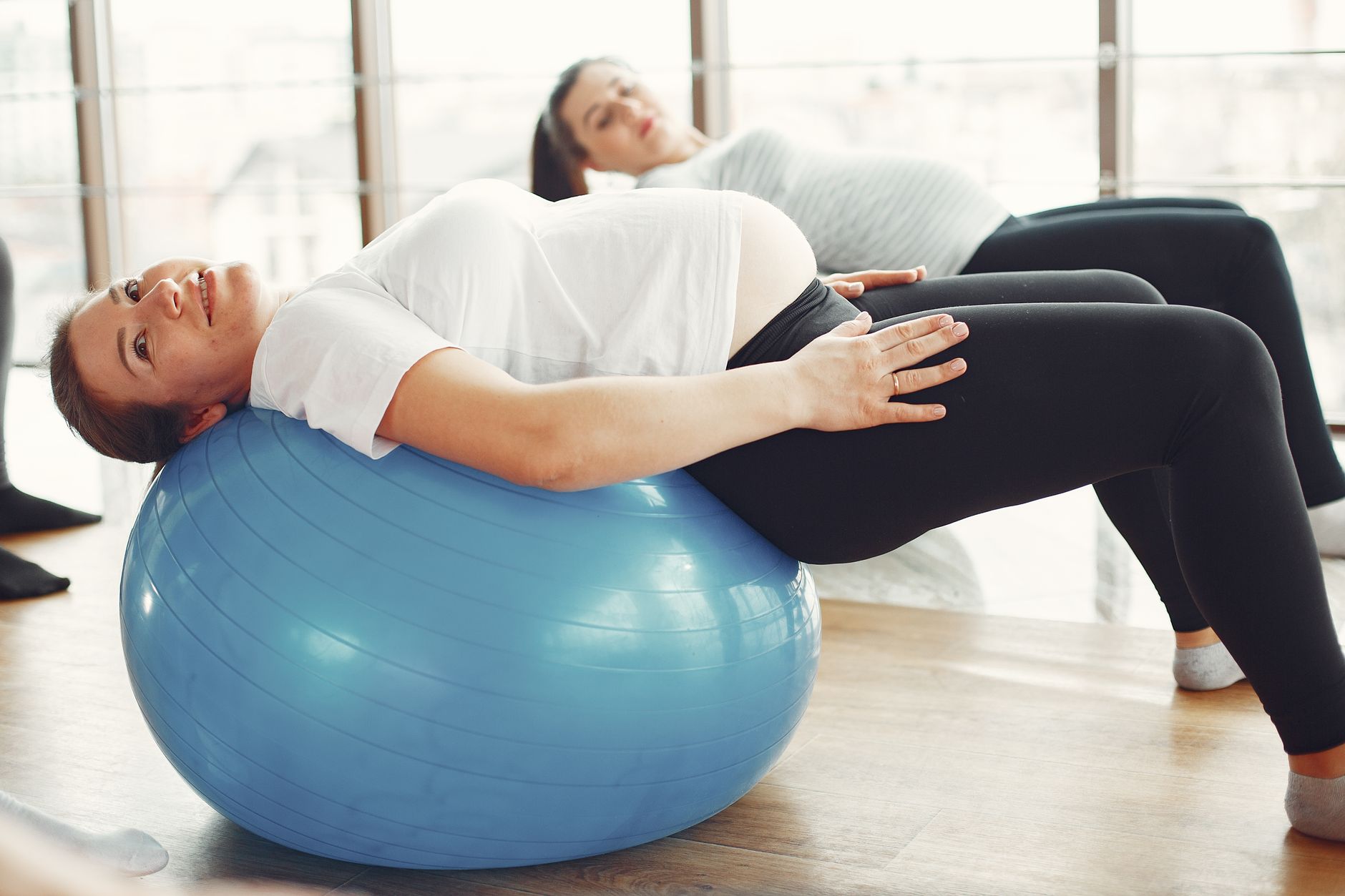
- Use a stability ball: Lie with your back on a stability ball (not flat on the floor) to reduce strain on your abs. Lift your upper body slowly, keeping your core engaged.
- Limit the range of motion: Instead of lifting all the way up, lift just a few inches off the ball or floor. This reduces pressure on your abdominal muscles.
- Avoid lying flat: If you’re on the floor, prop yourself up on a slight incline (e.g., a wedge pillow) to avoid compressing the vena cava.
- Engage your pelvic floor: Before lifting, gently engage your pelvic floor muscles (as if you’re stopping the flow of urine) to support your core.
Even with these modifications, most prenatal fitness experts recommend avoiding sit ups in the second trimester and opting for safer alternatives instead. If you’re unsure, talk to your healthcare provider or a prenatal fitness specialist.
What are the risks of doing sit ups during pregnancy?
Sit ups might seem harmless, but during pregnancy, they come with several risks—some of which can have long-term effects on your body. Here’s what you need to know:
1. Diastasis Recti (Abdominal Separation)
Diastasis recti occurs when the left and right sides of your rectus abdominis (the “six-pack” muscle) separate. This is a normal part of pregnancy—your body is making room for your growing baby—but certain exercises, like sit ups, can make it worse. When your abdominal muscles separate too much, it can lead to:
- Weakened core strength
- Lower back pain
- Poor posture
- Difficulty with everyday movements (e.g., lifting, bending)
- Longer postpartum recovery
A 2018 study in the Journal of Orthopaedic & Sports Physical Therapy found that exercises involving forward flexion (like sit ups) increase intra-abdominal pressure, which can worsen diastasis recti. The study recommended avoiding these exercises during pregnancy and postpartum.
2. Back Pain
Your growing belly shifts your center of gravity, putting extra strain on your lower back. Sit ups can exacerbate this by:
- Overworking your hip flexors, which can pull on your lower back.
- Causing your abdominal muscles to push outward, increasing pressure on your spine.
- Leading to poor form (e.g., rounding your back) as your core weakens.
If you already have back pain, sit ups can make it worse. The American Pregnancy Association recommends avoiding exercises that strain the lower back, including sit ups, especially in the second and third trimesters.
3. Pelvic Floor Strain
Your pelvic floor supports your bladder, uterus, and bowels. During pregnancy, the weight of your growing baby puts extra pressure on these muscles, and exercises like sit ups can strain them further. This can lead to:
- Urinary incontinence (leaking urine when you cough, sneeze, or laugh)
- Pelvic organ prolapse (when organs like the bladder or uterus descend into the vaginal canal)
- Discomfort during sex
A 2020 study in the International Urogynecology Journal found that high-impact and high-pressure exercises (like sit ups) increase the risk of pelvic floor dysfunction during pregnancy.
4. Reduced Blood Flow to Your Baby
After the first trimester, lying flat on your back can compress the vena cava—a major blood vessel that carries blood from your lower body to your heart. This can reduce blood flow to your baby and cause:
- Dizziness or lightheadedness
- Shortness of breath
- Nausea
- In severe cases, reduced oxygen to your baby
The ACOG recommends avoiding exercises that involve lying flat on your back after the first trimester for this reason.
5. Increased Risk of Injury
Pregnancy hormones like relaxin loosen your ligaments and joints to prepare for childbirth. While this is necessary, it also makes you more prone to injury, especially in your core and lower back. Sit ups can increase the risk of:
- Muscle strains
- Joint pain
- Hernias (when an organ pushes through a weak spot in the muscle or tissue)
What are safe alternatives to sit ups for pregnant women?
Just because sit ups are off the table doesn’t mean you have to give up on core strength during pregnancy. There are plenty of safe, effective alternatives that engage your abs without the risks. Here are some of the best options, recommended by prenatal fitness experts and physical therapists:
-
Pelvic Tilts
Why it’s safe: Gentle on your back and abs, and helps relieve lower back pain. How to do it: Stand with your back against a wall or get on all fours. Gently tilt your pelvis upward, engaging your core, then release. Repeat 10-15 times.
-
Cat-Cow Stretch
Why it’s safe: Improves flexibility and mobility in your spine without straining your abs. How to do it: On all fours, alternate between arching your back (cat) and dipping it (cow). Move slowly and breathe deeply.
-
Bird-Dog Exercise
Why it’s safe: Strengthens your core and back while improving balance. How to do it: On all fours, extend one arm and the opposite leg, keeping your hips level. Hold for a few seconds, then switch sides. Repeat 8-10 times per side.
-
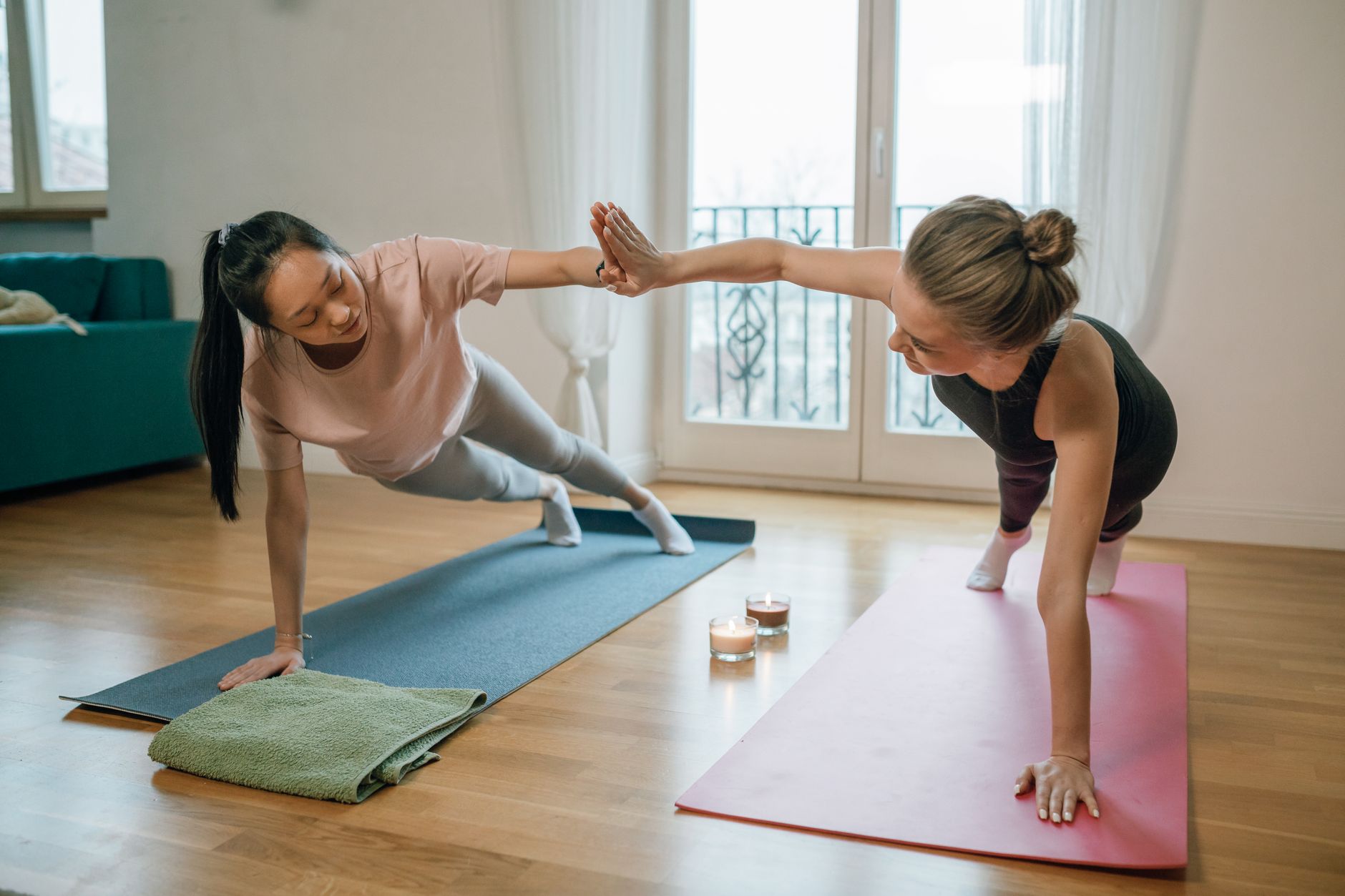
Prenatal Yoga Plank
Why it’s safe: Engages your entire core without the forward flexion of sit ups. How to do it: Hold a plank position on your hands and knees (or forearms) for 10-30 seconds. Keep your back straight and engage your core. Modify by dropping to your knees if needed.
-
Standing Side Bends
Why it’s safe: Strengthens your obliques without straining your abs. How to do it: Stand with feet hip-width apart. Place one hand on your hip and reach the other arm overhead, bending gently to the side. Repeat 8-10 times per side.
-
Modified Crunches on a Stability Ball
Why it’s safe: The ball supports your back and reduces strain on your abs. How to do it: Sit on a stability ball with your feet flat on the floor. Lean back slightly, engaging your core, then return to an upright position. Repeat 10-15 times.
-
Kegel Exercises
Why it’s safe: Strengthens your pelvic floor, which supports your growing baby and helps with postpartum recovery. How to do it: Gently squeeze the muscles you’d use to stop the flow of urine. Hold for 5-10 seconds, then release. Repeat 10-15 times, 3 times a day.
-
Water Aerobics
Why it’s safe: The buoyancy of water supports your joints and reduces strain on your core. How to do it: Join a prenatal water aerobics class or simply walk or jog in the pool. The resistance of the water engages your muscles without impact.
These exercises are all low-impact, gentle on your body, and designed to keep your core strong safely during pregnancy. If you’re unsure about any of them, talk to your healthcare provider or a prenatal fitness specialist.
Do prenatal fitness brands recommend sit ups?
Most prenatal fitness brands and programs do not recommend sit ups during pregnancy. Instead, they focus on exercises that are safe, effective, and tailored to the changing needs of a pregnant body. Here’s what some of the leading prenatal fitness experts and programs have to say:
-
ACOG (American College of Obstetricians and Gynecologists)
ACOG’s guidelines for exercise during pregnancy advise avoiding exercises that involve lying flat on your back after the first trimester. They also recommend avoiding exercises that increase the risk of abdominal trauma or falling, which can include sit ups due to their forward flexion and potential for strain.
-
NHS (UK National Health Service)
The NHS recommends avoiding exercises that involve “jumping, jarring motions, or sudden changes in direction” during pregnancy. While sit ups aren’t specifically mentioned, their rapid up-and-down movement can fall into this category, especially as your core weakens.
-
Prenatal Yoga and Fitness Programs (e.g., Yoga with Adriene, The Bloom Method, Mutu System)
Popular prenatal fitness programs like Yoga with Adriene and The Bloom Method avoid sit ups in their routines. Instead, they focus on exercises like pelvic tilts, bird-dogs, and modified planks to strengthen the core safely. The Mutu System, a postpartum recovery program, explicitly warns against sit ups and crunches due to their risk of worsening diastasis recti.
-
Certified Prenatal Fitness Specialists
Most certified prenatal fitness trainers, including those certified by organizations like ACE (American Council on Exercise) and NASM (National Academy of Sports Medicine), advise against sit ups during pregnancy. They recommend alternatives like standing core exercises, stability ball workouts, and pelvic floor strengthening instead.
If you’re following a prenatal fitness program or working with a trainer, it’s a good idea to check whether sit ups are included. If they are, ask about modifications or safer alternatives. Most programs will have options that align with current guidelines.
Is it okay to do sit ups if I have back pain during pregnancy?
No, sit ups are not recommended if you have back pain during pregnancy. In fact, they can make your back pain worse. Here’s why:
Back pain is common during pregnancy due to:
- Your growing belly shifting your center of gravity
- Hormonal changes that loosen your ligaments and joints
- Weakened abdominal muscles as they stretch to accommodate your baby
Sit ups can exacerbate back pain by:
- Overworking your hip flexors, which can pull on your lower back.
- Increasing pressure on your spine as your abdominal muscles push outward.
- Causing poor form (e.g., rounding your back) as your core weakens, which can strain your lower back.
If you’re experiencing back pain, the American Pregnancy Association recommends:
- Avoiding exercises that strain the lower back, including sit ups and crunches.
- Focusing on gentle core exercises that support your back, like pelvic tilts and cat-cow stretches.
- Using a pregnancy support belt to help distribute the weight of your belly.
- Talking to your healthcare provider or a physical therapist for personalized advice.
Instead of sit ups, try these back-friendly alternatives:
- Pelvic Tilts: Gentle and effective for relieving lower back pain.
- Cat-Cow Stretch: Improves flexibility and mobility in your spine.
- Prenatal Yoga: Focuses on gentle movements and breathing to support your body.
- Water Aerobics: The buoyancy of water reduces strain on your back and joints.
If your back pain is severe or accompanied by other symptoms (e.g., cramping, bleeding, or contractions), contact your healthcare provider immediately.
Should I avoid sit ups if I have a high-risk pregnancy?
Yes, you should avoid sit ups if you have a high-risk pregnancy. High-risk pregnancies require extra caution, and exercises like sit ups can increase the risk of complications. Here’s what you need to know:
A high-risk pregnancy might involve conditions like:
- Placenta previa (when the placenta covers the cervix)
- Preeclampsia (high blood pressure during pregnancy)
- Gestational diabetes
- A history of preterm labor or miscarriage
- Multiple gestation (twins, triplets, etc.)
- Incompetent cervix (when the cervix opens too early)
If you have any of these conditions, the ACOG recommends avoiding exercises that:
- Increase intra-abdominal pressure (like sit ups)
- Involve lying flat on your back after the first trimester
- Carry a risk of falling or abdominal trauma
Sit ups check several of these boxes, so they’re best avoided. Instead, focus on gentle, low-impact exercises like:
- Walking
- Prenatal yoga (avoiding poses that involve lying on your back or twisting)
- Pelvic floor exercises (Kegels)
- Seated or standing core exercises (e.g., standing side bends)
Always talk to your healthcare provider before starting or continuing any exercise routine during a high-risk pregnancy. They can provide personalized guidance based on your specific condition.
Related items — core exercises safety at a glance
Wondering if other core exercises are safe during pregnancy? Here’s a quick comparison of common ab exercises and their safety verdicts:
| Exercise | Verdict | Notes |
|---|---|---|
| Crunches | ❌ Avoid | Similar risks to sit ups, including diastasis recti and back strain. Avoid after the first trimester. |
| Plank holds | ⚠️ Safe with modifications | Safe if held for short durations (10-30 seconds) and modified (e.g., on knees). Avoid if you have diastasis recti or back pain. |
| Russian twists | ❌ Avoid | Involves twisting, which can strain your abdominal muscles and increase the risk of diastasis recti. |
| Leg raises | ❌ Avoid | Increases intra-abdominal pressure and can worsen diastasis recti. Avoid after the first trimester. |
| Mountain climbers | ❌ Avoid | High-impact and can strain your core and pelvic floor. Not recommended during pregnancy. |
| Bicycle crunches | ❌ Avoid | Combines forward flexion and twisting, both of which increase the risk of diastasis recti. |
| Reverse crunches | ❌ Avoid | Involves lifting your hips, which can strain your lower back and abs. Avoid after the first trimester. |
If you’re used to a high-intensity core workout, it can be frustrating to switch to gentler alternatives. But remember: the goal during pregnancy isn’t to maintain your pre-pregnancy fitness level—it’s to keep your body strong and safe for you and your baby. There are plenty of ways to do that without the risks.
Myth vs. fact
When it comes to is sit ups safe during pregnancy, there’s a lot of misinformation out there. Let’s clear up some common myths:
Myth: Sit ups are the best way to keep your abs strong during pregnancy.
Fact: Sit ups can actually weaken your abs during pregnancy by increasing the risk of diastasis recti. Safer alternatives, like pelvic tilts and bird-dogs, are more effective for maintaining core strength without the risks.
Myth: If you feel fine doing sit ups, they’re safe for you.
Fact: Just because you feel fine doesn’t mean sit ups aren’t causing harm. Diastasis recti often doesn’t cause pain, but it can lead to long-term issues like back pain and poor posture. It’s better to err on the side of caution.
Myth: You should avoid all core exercises during pregnancy.
Fact: You don’t have to avoid core exercises altogether—just the ones that increase the risk of diastasis recti or strain your back. Gentle, pregnancy-safe core exercises can help support your body and prepare you for labor.
Key takeaways
- Sit ups are not recommended during pregnancy, especially after the first trimester. They increase the risk of diastasis recti, back pain, and pelvic floor strain.
- In the first trimester, sit ups may be safe in small amounts if you have no complications. Limit reps to 5-20, depending on your fitness level, and stop if you feel any strain.
- Modified sit ups (e.g., on a stability ball) may be okay for some women in the second trimester, but most experts recommend avoiding them altogether and opting for safer alternatives.
- Avoid sit ups if you have back pain, a high-risk pregnancy, or signs of diastasis recti. These conditions increase the risks associated with sit ups.
- Safer alternatives to sit ups include pelvic tilts, cat-cow stretches, bird-dogs, and modified planks. These exercises engage your core without the risks.
- Always talk to your healthcare provider before starting or continuing any exercise routine during pregnancy. They can provide personalized advice based on your health and pregnancy.
Frequently asked questions
Can I do sit ups while pregnant?
No, sit ups are not recommended during pregnancy, especially after the first trimester. While they may be safe in small amounts early on if you have no complications, they increase the risk of diastasis recti (abdominal separation) and back pain. Most prenatal fitness experts advise avoiding traditional sit ups and opting for safer core-strengthening alternatives instead.
Are sit ups harmful in the third trimester?
Yes, sit ups are considered harmful in the third trimester. By this stage, your abdominal muscles are stretched and weakened, and the risk of diastasis recti is high. Sit ups can also compress the vena cava, reducing blood flow to your baby. Focus on gentle core exercises like pelvic tilts or standing side bends instead.
How many sit ups are safe during pregnancy?
If you’re in your first trimester and choose to do sit ups, limit yourself to 5-20 reps per session, depending on your fitness level. After the first trimester, most experts recommend avoiding sit ups entirely. Always listen to your body—stop if you feel any strain or discomfort.
What modifications should I make to sit ups when pregnant?
If you’re determined to do sit ups in the first trimester, try these modifications:
- Use a stability ball to support your back and reduce strain on your abs.
- Limit the range of motion—lift just a few inches off the ground instead of all the way up.
- Avoid lying flat on your back after the first trimester. Prop yourself up on a slight incline instead.
- Engage your pelvic floor before lifting to support your core.
Even with modifications, the safest choice is to switch to alternatives like pelvic tilts or bird-dogs.
Should I stop doing sit ups if I have back pain in pregnancy?
Yes, you should stop doing sit ups if you have back pain during pregnancy. Sit ups can exacerbate back pain by overworking your hip flexors and increasing pressure on your spine. Instead, focus on gentle core exercises like pelvic tilts or cat-cow stretches, which can help relieve back pain.
Do prenatal trainers recommend sit ups?
No, most prenatal fitness trainers and programs do not recommend sit ups during pregnancy. Instead, they focus on safer core exercises like pelvic tilts, bird-dogs, and modified planks. Popular prenatal fitness brands, including ACOG and the NHS, advise against sit ups due to their risks.
Is it safe to do sit ups after a C-section?
No, sit ups are not safe after a C-section until your core has fully healed—usually 6-8 weeks or longer. Your abdominal muscles need time to recover from the surgery, and sit ups can strain your incision and increase the risk of diastasis recti. Start with gentle exercises like pelvic tilts or Kegels, and talk to your healthcare provider before progressing to more intense core work.

