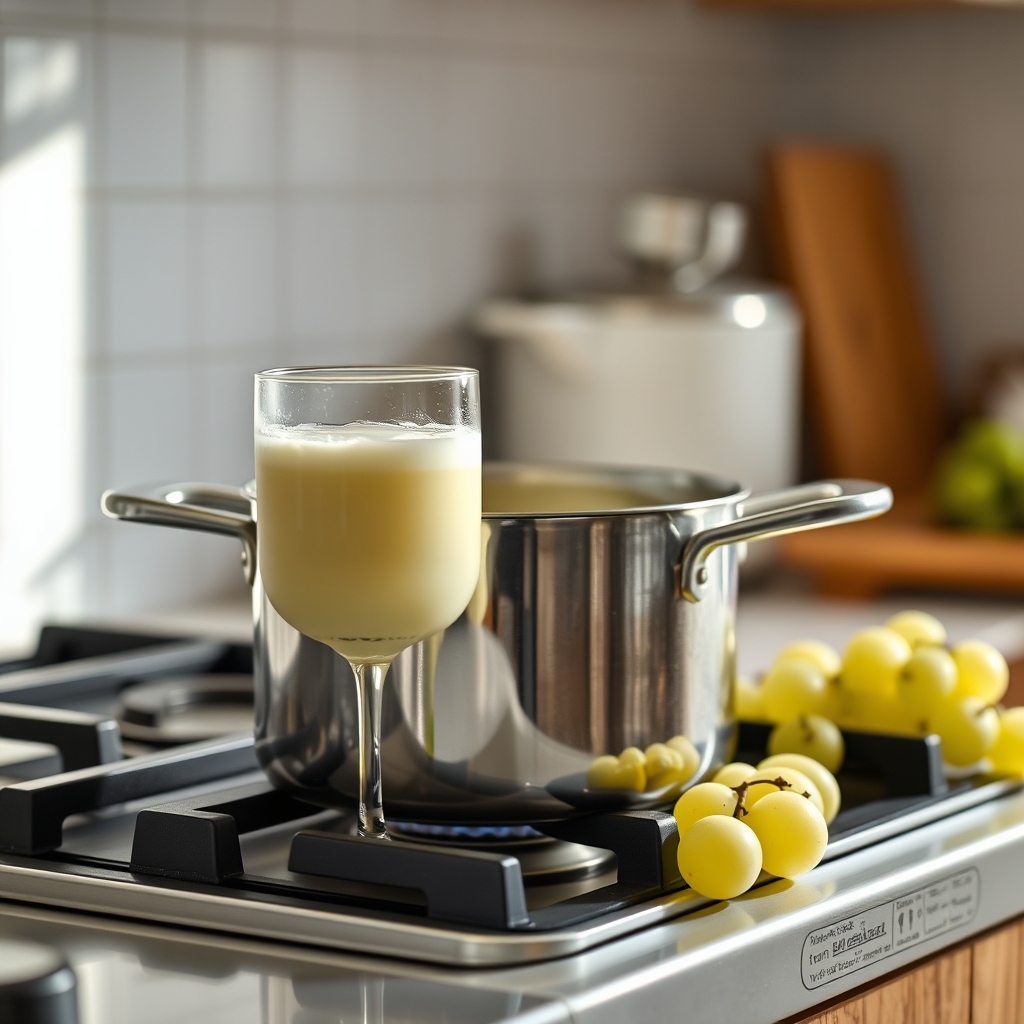
Limit sherry during pregnancy, especially in the first trimester due to high alcohol content
By Shubhra Mishra — a mom of two who turned her own confusion during pregnancy into BumpBites, a global mission to make food choices clear, safe, and stress-free for every expecting mother. 💛
Check whether any food is safe during pregnancy with the BumpBites Food Safety Checker.
Quick verdict: ❌ Best avoided – alcohol, including sherry, is not considered safe at any stage of pregnancy. Even small amounts can expose the developing baby to alcohol, which carries a risk of developmental issues. If you’ve already had a sip, try not to panic; most occasional, low‑quantity exposures are unlikely to cause serious harm, but you should discuss it with your provider.
It’s 2 a.m., you’re scrolling through a recipe blog, and you spot a glaze that calls for a splash of sherry. Your heart skips a beat: is sherry safe during pregnancy? You’re not alone—many expecting parents wonder whether a single glass, a cooking splash, or even a non‑alcoholic version of their favorite beverage could be okay. The short answer is that health authorities such as the American College of Obstetricians and Gynecologists (ACOG) and the UK’s National Health Service (NHS) advise pregnant people to avoid alcohol entirely, which includes sherry.
In this article we’ll break down exactly what “avoid” means for sherry, explore how the advice changes (or doesn’t) across each trimester, discuss safe amounts—if any—highlight the risks, and suggest non‑alcoholic alternatives that still let you enjoy the flavor you love. We’ll also look at brand differences, cooking considerations, and what to do if you’ve already taken a sip. By the end you’ll have a clear, evidence‑based roadmap and peace of mind.
Even a single sip of sherry introduces alcohol to your system—most guidelines recommend abstaining entirely.
Safety snapshot
Trimester / Breastfeeding
Verdict
Notes
First trimester
❌ Best avoided
Organ formation is most vulnerable; any alcohol can increase risk of miscarriage or fetal alcohol spectrum disorders (FASD).
Second trimester
❌ Best avoided
Brain growth continues; alcohol can still affect neurodevelopment.
Third trimester
❌ Best avoided
Alcohol can affect lung development and birth weight.
Breastfeeding
⚠️ Use caution
Alcohol passes into breast milk; limit intake to occasional, very low‑quantity amounts and wait at least 2 hours before nursing.
What is sherry?
S
herry is a fortified wine that originates from the Jerez region of Spain. It is made by fermenting white grapes (typically Palomino) and then adding a distilled spirit—usually brandy—to raise the alcohol content to between 15 % and 22 % ABV. The fortification process stops fermentation, preserving residual sugars and creating a range of styles from dry (Fino, Manzanilla) to sweet (Pedro Ximénez). Sherry is traditionally enjoyed as an aperitif, paired with olives or cheese, and is also a popular cooking ingredient for sauces, marinades, and desserts.
Because sherry is a type of alcohol, its physiological effects are similar to those of other wines and spirits. When consumed, ethanol is absorbed into the bloodstream and crosses the placenta, exposing the fetus to the same blood alcohol concentration as the mother. The body metabolizes alcohol at a relatively constant rate—about one standard drink per hour—but during pregnancy the liver’s capacity does not increase, meaning the fetus experiences a longer exposure window. This is why health agencies treat sherry the same as any other alcoholic beverage when issuing pregnancy guidance.
Is sherry safe during pregnancy?
Current guidance from major health organizations is consistent: alcohol, including sherry, should be avoided throughout pregnancy. The ACOG Committee Opinion on Alcohol Use in Pregnancy (2022) states that “no amount of alcohol has been proven safe for the fetus,” and recommends complete abstinence. Similarly, the NHS advises pregnant people to “not drink any alcohol at all” because even low‑level consumption can increase the risk of miscarriage, stillbirth, and fetal alcohol spectrum disorders (FASD). The U.S. Centers for Disease Control and Prevention (CDC) echoes this stance, noting that the safest approach is to not drink any alcoholic beverages while trying to conceive or during pregnancy.
The biological rationale is straightforward. Ethanol readily crosses the placenta and can interfere with cellular signaling, oxygen delivery, and nutrient transport—all critical processes during organogenesis (the first eight weeks) and later brain development. Studies have linked prenatal alcohol exposure to a spectrum of outcomes, from subtle learning difficulties to more severe cognitive and physical deficits. While some research suggests that occasional, low‑quantity drinking may not dramatically increase risk, the variability in individual metabolism, genetic factors, and timing makes it impossible to define a truly “safe” threshold.
Because sherry’s alcohol content is comparable to that of wine, the same limits apply. No reputable study has identified a specific amount of sherry that is definitively safe, and the consensus is to err on the side of caution. If you have already enjoyed a small sip, most clinicians advise that you monitor for any concerning symptoms (such as unusual bleeding or severe nausea) and discuss the exposure with your obstetric provider at your next prenatal visit. The provider can assess any potential impact and offer reassurance or further monitoring if needed.
Is it safe to drink sherry during the first trimester?
The first trimester is the period of organogenesis, when the baby’s major organs and systems are forming. This window is the most sensitive to teratogenic (birth‑defect‑causing) agents, including alcohol. ACOG’s guidelines specifically warn that “any alcohol consumption in the first trimester increases the risk of miscarriage and fetal anomalies.” Even a single drink of sherry can raise the fetal blood alcohol level enough to interfere with normal development.
Because sherry typically contains around 15‑20 % alcohol, a standard serving (≈ 4 oz) delivers roughly the same amount of ethanol as a glass of wine. The CDC’s “Alcohol and Pregnancy” fact sheet emphasizes that there is no safe amount of alcohol in the first 12 weeks, and that the safest choice is complete abstinence. If you’re craving the flavor of sherry for a recipe, consider using a non‑alcoholic substitute (see the alternatives section) or a splash of broth to maintain the depth of taste without the alcohol.
How much sherry can a pregnant woman consume safely?
Officially, the answer is none. Both the ACOG and NHS define “safe” as zero drinks per day. The FDA has not set a pregnancy‑specific drinking limit, but the agency’s alcohol labeling guidelines advise that “pregnant women should not consume alcoholic beverages.” Because the fetal metabolism cannot process alcohol, any amount—no matter how small—remains in the bloodstream longer than it would in a non‑pregnant adult.
Some observational studies have reported that women who reported “light” drinking (≤ 1 drink per week) had similar birth outcomes to abstainers, but these findings are limited by self‑reporting bias and cannot be generalized. The consensus among obstetricians is to recommend total avoidance, especially given the difficulty of accurately measuring “a sip” and the potential for cumulative exposure over weeks or months.
Can occasional sherry be okay for pregnant women?
“Occasional” is a vague term, and health authorities prefer to avoid it because any alcohol exposure carries some risk. The CDC’s guidance says, “If you do drink, keep it very low, and ideally until you are sure you are not pregnant.” However, once pregnancy is confirmed, the recommendation shifts to zero. The safest approach is to replace occasional sherry with a non‑alcoholic beverage that mimics its flavor profile—such as non‑alcoholic sparkling grape juice or a splash of white grape juice in a cocktail‑style mocktail.
If you have already had an occasional sip, most providers will reassure you that a single low‑volume exposure is unlikely to cause fetal harm, but they will still advise against future consumption. It’s also important to consider that occasional drinking can become a habit, making it harder to stay abstinent later in pregnancy.
What are the risks of drinking sherry while pregnant?
Drinking sherry introduces ethanol, which can lead to several pregnancy‑related complications:
Miscarriage: Early pregnancy exposure to alcohol is linked with a higher risk of loss.
Fetal Alcohol Spectrum Disorders (FASD): A range of physical, cognitive, and behavioral issues that can persist throughout life.
Preterm birth and low birth weight: Alcohol can affect placental blood flow.
Neurodevelopmental delays: Even low‑level exposure may affect brain growth, leading to learning difficulties.
While the absolute risk from a single glass is low, the cumulative effect of regular consumption is well documented. The safest path is to eliminate sherry and any other alcoholic beverage from your diet during pregnancy.
Are there non‑alcoholic sherry alternatives for pregnancy?
Yes! Several non‑alcoholic beverages can provide the same sweet‑fruit notes that sherry contributes to recipes and social drinks. Options include:
Non‑alcoholic sparkling grape juice – offers effervescence and a similar flavor profile.
White grape juice – a milder, non‑sparkling alternative that adds sweetness.
Apple cider (non‑alcoholic) – a warm, spiced option for sauces.
Cranberry juice – tartness that can mimic certain dry sherries.
Pomegranate juice – rich color and depth for marinades.
Non‑alcoholic wine – designed to replicate the taste without the alcohol.
Herbal tea (e.g., chamomile or hibiscus) – can add nuanced flavor when reduced.
Sparkling water with a splash of fruit juice – a low‑calorie, alcohol‑free mocktail.
These alternatives allow you to preserve the culinary role of sherry while staying within pregnancy‑safe guidelines.
Does the brand of sherry affect safety during pregnancy?
Because the primary safety concern is the alcohol content, brand differences in flavor, aging process, or residual sugar do not mitigate the risk. Whether you reach for a premium “Vega‑Sicilia” or a budget “Harvey’s,” the ethanol percentage remains similar (15‑20 %). Some brands may add extra sugars or sulfites, but these compounds are not the primary worry for fetal health. Consequently, ACOG and NHS do not differentiate between brands—any sherry, regardless of label, falls under the “avoid” recommendation.
Is sherry safe for pregnant women with liver disease?
Pregnant people with pre‑existing liver conditions (such as hepatitis or cirrhosis) face heightened risks from any alcohol. The liver’s ability to metabolize ethanol is already compromised, leading to higher blood alcohol concentrations for longer periods. Both the American Association for the Study of Liver Diseases (AASLD) and ACOG advise that individuals with liver disease should abstain from alcohol entirely, especially during pregnancy. Even a small amount of sherry could exacerbate liver dysfunction and increase fetal exposure.
Is cooking with sherry safe for pregnant women?
Cooking with sherry does reduce the alcohol content, but not to zero. The USDA Food Safety and Inspection Service notes that simmering or baking for 15 minutes can retain about 40 % of the original alcohol, while 30 minutes may leave roughly 25 % remaining. Because any residual alcohol can still reach the fetus, many obstetric guidelines recommend using non‑alcoholic substitutes in recipes whenever possible. If you must use sherry, reduce it to a very small amount and allow the dish to simmer for at least 30 minutes, then consider the final alcohol content negligible for most dietary thresholds—but the safest route remains to use an alcohol‑free alternative.
Swap sherry for white grape juice in sauces to keep flavor while staying alcohol‑free.
Safe dosage / amount / brands
Because the recommendation is total abstinence, there is no “safe dose” of sherry for pregnant people. However, for those who are curious about the quantitative side, the following table illustrates the alcohol content of a typical serving and compares it to the standard “one drink” definition used in health guidelines.
Item
Typical ABV
Standard drink size (US)
Alcohol per standard drink (grams)
Verdict for pregnancy
Sherry (dry)
15 %
4 oz (≈ 120 ml)
≈ 14 g
❌ Avoid
Sherry (sweet)
20 %
3 oz (≈ 90 ml)
≈ 14 g
❌ Avoid
Non‑alcoholic sparkling grape juice
0 %
Any amount
0 g
✅ Generally safe
Even a “half‑drink” of sherry (≈ 2 oz) still delivers about 7 grams of ethanol—roughly half a standard drink—enough to be detectable in maternal blood and, consequently, fetal circulation.
Side effects and risks
Short‑term side effects of consuming sherry while pregnant may include:
Dizziness or lightheadedness
Increased heart rate
Gastrointestinal upset (nausea, vomiting)
These are generally not dangerous on their own, but they can mask other pregnancy‑related symptoms that require medical attention. More serious risks linked to fetal alcohol exposure include:
Miscarriage or stillbirth – especially with higher or repeated exposures.
Low birth weight and preterm delivery – alcohol can impair placental function.
If you notice any of the following after drinking sherry, contact your healthcare provider promptly: persistent vomiting, severe abdominal pain, bleeding, or any sudden change in fetal movement patterns.
Safer alternatives
Non‑alcoholic sparkling grape juice – mimics the effervescence and sweet‑fruit notes of sherry.
White grape juice – offers a mild sweetness without alcohol.
Apple cider (non‑alcoholic) – great for warm sauces and marinades.
Cranberry juice – adds a tart edge similar to dry sherry.
Pomegranate juice – provides deep color and a rich flavor profile.
Non‑alcoholic wine – crafted to deliver wine‑like taste without ethanol.
Herbal tea (e.g., chamomile) – can be reduced to concentrate flavor for cooking.
Sparkling water with a splash of fruit juice – low‑calorie, refreshing mocktail.
Related items — safety at a glance
Item
Verdict
One‑line note
Red wine
❌ Best avoided
Contains 12‑15 % alcohol; same risks as sherry.
White wine
❌ Best avoided
Alcohol content similar to sherry; no safe threshold.
Champagne
❌ Best avoided
Carbonated wine still delivers ethanol.
Beer
❌ Best avoided
Even low‑ABV beers contribute alcohol.
Cocktails
❌ Best avoided
Mixed drinks often contain multiple alcohol sources.
Port wine
❌ Best avoided
Higher alcohol content (≈ 20 %); same fetal risk.
Martini
❌ Best avoided
Gin or vodka base; no safe amount.
Whiskey
❌ Best avoided
High‑proof spirit; exceeds any “low‑risk” level.
Myth vs. fact
Myth: A single sip of sherry won’t hurt the baby.
Fact: While a single low‑volume exposure is unlikely to cause severe harm, any alcohol can affect fetal development, and health bodies recommend complete abstinence for safety.
Myth: Cooking with sherry removes all alcohol, making it safe.
Fact: Even after prolonged simmering, up to 25 % of the original alcohol can remain, so the safest option is to use a non‑alcoholic substitute.
Myth: “Light drinking” is okay once the first trimester passes.
Fact: ACOG and NHS advise zero alcohol throughout pregnancy because the developing brain remains vulnerable until birth.
Key takeaways
❌ The consensus from ACOG, NHS, and CDC is to avoid sherry entirely during pregnancy.
There is no safe amount or trimester‑specific “light‑drink” allowance for sherry.
Even cooking with sherry can leave residual alcohol; use non‑alcoholic alternatives instead.
If you’ve already had a sip, stay calm and discuss it with your provider at your next visit.
Non‑alcoholic sparkling grape juice, white grape juice, and other fruit juices provide similar flavor without risk.
Women with liver disease should be especially vigilant and avoid any alcohol, including sherry.
Frequently asked questions
Can I drink sherry while pregnant?
No. Leading health organizations—including ACOG and the NHS—recommend that pregnant people abstain from all alcoholic beverages, sherry included, because any alcohol exposure can affect fetal development.
Is a glass of sherry safe during pregnancy?
A single glass of sherry is not considered safe; it contains enough ethanol to raise fetal blood alcohol levels, and the safest recommendation is to avoid it entirely throughout pregnancy.
What are the effects of alcohol on a developing baby?
Alcohol can cross the placenta, leading to risks such as miscarriage, low birth weight, preterm birth, and fetal alcohol spectrum disorders, which may cause lifelong cognitive, behavioral, and physical challenges.
How many drinks are considered safe during pregnancy?
Current guidelines from ACOG, NHS, and CDC state that no amount of alcohol is known to be safe during pregnancy, so the recommended limit is zero drinks.
Are there any safe alcoholic beverages for pregnant women?
There are no alcoholic beverages deemed safe for pregnancy. Non‑alcoholic alternatives—like sparkling grape juice or non‑alcoholic wine—are the recommended options.
Does cooking with sherry remove alcohol?
Cooking reduces but does not eliminate alcohol; even after 30 minutes of simmering, up to 25 % of the original alcohol may remain, so using a non‑alcoholic substitute is safest.
Can occasional alcohol consumption cause birth defects?
Yes. Even occasional or low‑level alcohol exposure can increase the risk of fetal alcohol spectrum disorders, especially if it occurs during the first trimester when organ formation is critical.
What are the guidelines for alcohol consumption in pregnancy?
Guidelines from ACOG, NHS, and CDC advise total abstinence from alcohol throughout pregnancy, emphasizing that no amount has been proven safe for the developing fetus.
When to call your doctor
If you experience any of the following after consuming sherry—or any alcohol—during pregnancy, contact your healthcare provider promptly:
Severe or persistent vomiting that prevents you from staying hydrated.
Unusual abdominal pain, cramping, or spotting.
Sudden decrease in fetal movement after 24 weeks.
Signs of alcohol intoxication such as confusion, slurred speech, or loss of coordination.
Any concerns about previous alcohol exposure, especially if you consumed multiple drinks.
Remember, this article provides general information and is not a substitute for personalized medical advice. Always discuss your specific situation with your obstetric provider.
References
American College of Obstetricians and Gynecologists. Committee Opinion: Alcohol Use in Pregnancy, 2022.
National Health Service (NHS). Alcohol and pregnancy, 2023.
Centers for Disease Control and Prevention (CDC). Alcohol Use in Pregnancy, 2022.
U.S. Department of Agriculture Food Safety and Inspection Service. “Retention of Alcohol in Cooked Foods,” 2021.
American Association for the Study of Liver Diseases (AASLD). Alcohol‑related liver disease guidelines, 2021.
Not sure about the label on Is Sherry Safe During Pregnancy products?
Snap the ingredients list and SafeFilter checks every ingredient for your stage — only 3 free scans this month, then you're locked until reset. Unlimited from $7/mo or $50/yr.
When Shubhra Mishra was expecting her first child in 2016, she was overwhelmed by conflicting food advice — one site said yes, another said never. By the time her second baby arrived in 2019, she realized millions of mothers face the same confusion.
That sparked a five-year journey through clinical nutrition papers, cultural diets, and expert conversations — all leading to BumpBites: a calm, compassionate space where science meets everyday motherhood.
Her long-term vision is to build a global community ensuring safe, supported, and free deliveriesfor every mother — because no woman should face pregnancy alone or uninformed. 🌿
🌍 Stand with mothers, shape safer guidance
Join a small circle of experts who review BumpBites articles so expecting parents everywhere can decide with confidence.