Safe – Salsa dancing is generally safe during pregnancy, especially in the second trimester, but avoid high‑impact spins and stay hydrated.
By Shubhra Mishra — a mom of two who turned her own confusion during pregnancy into BumpBites, a global mission to make food choices clear, safe, and stress-free for every expecting mother. 💛
Check whether any food is safe during pregnancy with the BumpBites Food Safety Checker.
Quick verdict: ⚠️ Talk to your doctor first. Salsa dancing can be enjoyable and generally okay for many pregnant people, but you’ll want to consider trimester, intensity, and any personal health conditions before hitting the dance floor.
It’s 2 a.m., the music is pulsing, and you’ve just realized you’re eight weeks pregnant. Your heart races—not just from the beat, but from the question that’s suddenly front‑and‑center: is salsa dancing safe during pregnancy? You’ve been taking weekly salsa classes for years, and the thought of swapping your favorite hobby for something else feels like a loss. The good news is that, for most expecting parents, salsa can be part of a healthy, active pregnancy when approached with a few simple precautions.
In this article we’ll give you a clear, evidence‑based answer to the question “is salsa dancing safe during pregnancy,” walk through trimester‑specific guidance, outline how long and how hard you can dance, flag potential risks, and suggest lower‑impact alternatives if you need to dial it down. We’ll also cover special scenarios—like high blood pressure, a history of miscarriage, or recovering from a C‑section—so you can make informed choices without the 3 a.m. anxiety.
Beyond the basics, we’ll share practical tips for modifying moves, choosing the right footwear, staying hydrated, and finding pregnancy‑friendly studios. Whether you’re a seasoned dancer or a newcomer eager to stay active, you’ll find the reassurance and actionable advice you need to keep dancing confidently throughout your pregnancy.
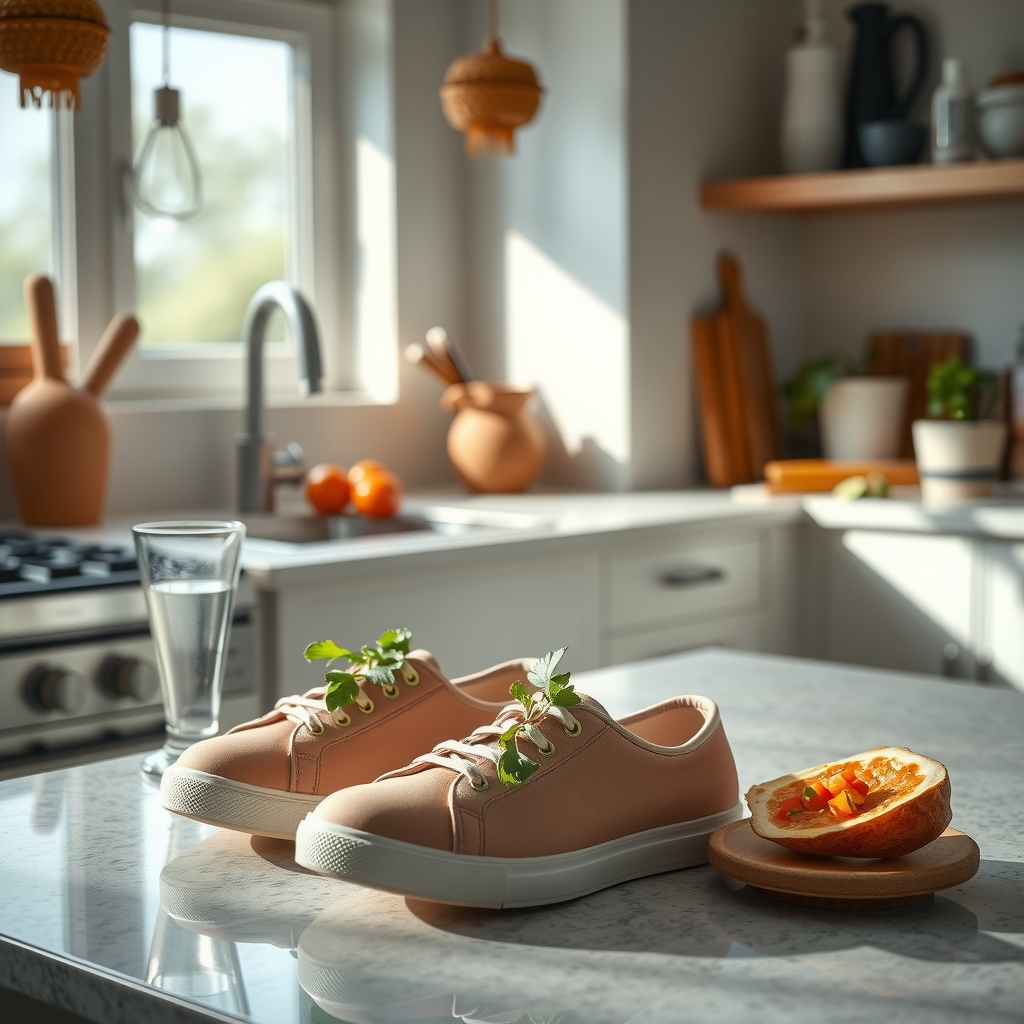
Keep hydrated and wear supportive shoes—simple steps that make dancing safer.
Trimester / Breastfeeding
Verdict
Notes
First trimester
⚠️ Talk to your provider
Focus on low‑impact moves; avoid sudden twists.
Second trimester
✅ Generally safe
Maintain moderate intensity; listen to your body.
Third trimester
⚠️ Safe with limits
Shorter sessions, avoid deep lunges and partner lifts.
Breastfeeding
✅ Safe
Resume at comfortable pace; stay hydrated.
What is salsa dancing?
Salsa is a lively, partner‑based dance that originated in the Caribbean and flourished in Latin America and the United States. It blends quick footwork, rhythmic hip movements, and often a turn‑based lead‑follow dynamic. Classes typically last 45–60 minutes and include a warm‑up, basic steps, partner work, and a cool‑down. The music tempo ranges from 150 to 250 beats per minute, encouraging a moderate‑to‑vigorous cardio workout. Because it involves coordination, balance, and occasional spins, salsa can improve cardiovascular fitness, boost mood‑enhancing endorphins, and strengthen core muscles—all benefits that many obstetricians encourage during pregnancy when performed safely.
Is salsa dancing safe during pregnancy?
Current guidance from the American College of Obstetricians and Gynecologists (ACOG) and the UK’s National Health Service (NHS) recommends that pregnant people engage in at least 150 minutes of moderate‑intensity aerobic activity each week, as long as there are no medical contraindications. Salsa, when kept at a moderate pace, fits neatly into that recommendation. The CDC also notes that dancing is a low‑impact activity that can be continued throughout pregnancy if the individual feels comfortable.
There is no evidence that salsa dancing is a teratogen (a substance that causes birth defects) or that it directly leads to miscarriage. However, the risk profile changes across trimesters. In the first trimester, rapid spins and sudden changes in direction could increase the chance of dizziness or loss of balance, which might lead to falls. In the later stages, a growing belly can affect balance and limit the range of motion, making certain moves riskier.
Most misconceptions stem from the idea that any vigorous activity is unsafe. In reality, ACOG emphasizes the benefits of staying active, noting that exercise can reduce back pain, improve sleep, and lower the risk of gestational diabetes. The key is to modify the dance routine—skip high‑impact spins, stay hydrated, and listen to your body’s signals. If you have specific health concerns, such as hypertension or a history of miscarriage, a conversation with your provider is essential before continuing.
How to modify salsa steps for pregnancy
Simple adjustments can keep salsa both fun and safe. Replace high‑kick moves with low‑step variations, and limit spins to one or two slow rotations per song. Focus on keeping your torso upright and your core engaged, which reduces pressure on the uterus. When a partner lead suggests a turn, ask for a “spot”—a controlled, single‑step pivot that maintains balance. You can also swap fast‑footwork sequences for slower, side‑to‑side steps that still get the heart rate up without over‑stretching ligaments.
Many studios offer “prenatal‑friendly” salsa classes that deliberately lower the tempo to 120–140 beats per minute and incorporate extra warm‑up and cool‑down periods. These classes often emphasize posture, breathing, and gentle hip movements, which are ideal for pregnant dancers. If your regular class isn’t adaptable, talk to the instructor about customizing the routine or joining a beginner’s session that can be tailored to your comfort level.
What to wear and gear for safe dancing
Supportive footwear is the cornerstone of injury prevention. Choose low‑heeled, closed‑toe dance shoes with good arch support and a non‑slip sole. If you’re experiencing swelling, consider shoes with adjustable straps or a roomier toe box. Breathable, moisture‑wicking clothing helps regulate body temperature—especially important because pregnant bodies can overheat more easily. A supportive belly band can provide gentle compression, reducing the feeling of heaviness and helping maintain posture during turns.
Don’t forget a water bottle within arm’s reach. Dehydration can trigger contractions and increase fatigue, so sip regularly. Some dancers also use a small towel to wipe sweat from the forehead, keeping vision clear and preventing accidental slips on a wet floor.
Is salsa dancing safe during the first trimester of pregnancy?
The first trimester is a critical period of organ development, and many providers advise caution with activities that could cause falls. Salsa dancing is not outright prohibited, but you should keep the intensity low, avoid rapid spins, and focus on basic footwork. Warm‑up stretches and a stable, non‑slippery floor can help reduce the risk of dizziness. If you experience nausea, fatigue, or any bleeding, pause the class and consult your obstetrician.
Can I salsa dance in my second trimester without risk?
During the second trimester, most people feel a surge of energy, and the risk of falls generally declines as balance improves. This makes it a good window to enjoy salsa at a moderate pace. The ACOG guideline encourages maintaining or slightly increasing activity levels, provided you stay within a “talk test” range—i.e., you can speak comfortably while dancing. Avoid deep lunges or partner lifts that could compress the abdomen, and consider dancing with a supportive partner who can help stabilize you if needed.
How many minutes of salsa dancing is safe for pregnant women?
Experts recommend aiming for 30‑minute sessions, three to four times per week, to meet the 150‑minute weekly target for moderate‑intensity exercise. If you’re new to regular dancing, start with 15‑minute bouts and gradually increase as you feel comfortable. The CDC advises that any activity causing excessive breathlessness, overheating, or loss of coordination should be curtailed. Monitoring your heart rate—keeping it below 140 beats per minute for most pregnant adults—is a practical way to gauge intensity.
What are safer dance alternatives to salsa for pregnant women?
Prenatal yoga – gentle stretching and breathing improve flexibility without impact.
Walking – easy to adjust pace and duration, supporting cardiovascular health.
Swimming – water buoyancy protects joints while offering a full‑body workout.
Stationary cycling – maintains heart health without risk of falling.
Pilates for pregnancy – core strengthening with controlled, low‑impact movements.
Low‑impact Zumba – rhythmic cardio that avoids sudden twists.
Gentle ballroom dancing – slower steps and predictable patterns make it easy to modify.
Pregnancy‑friendly salsa class tips
When scouting for a class, look for studios that advertise “prenatal‑aware” instructors or offer a dedicated “mom‑to‑be” session. These classes typically have a larger floor space, a non‑slick surface, and a slower music tempo. Ask the instructor about modifications before you sign up; a good teacher will be happy to demonstrate alternative steps and ensure the routine respects your comfort zone.
Bring a small “safety kit” to each class: a bottle of water, a pair of supportive shoes, and a belly band if you find it helpful. Arrive a few minutes early to stretch gently and check the floor for any hazards. If you ever feel light‑headed, pull back to a seated position, sip water, and let the instructor know—most studios will gladly adjust the pace or offer a break.
Does the style of salsa (e.g., Cuban vs. LA) affect pregnancy safety?
Different salsa styles emphasize varying levels of footwork complexity and partner interaction. Cuban (Casino) salsa often includes circular patterns and multiple partner exchanges, which can increase the chance of accidental bumps. LA (On1) style tends to be more linear, with fewer spins and a steadier rhythm, making it slightly easier to modify for pregnancy. Regardless of style, the same safety principles apply: limit spins, keep moves low‑impact, and maintain a comfortable pace.
What are the risks of salsa dancing for pregnant women with high blood pressure?
Hypertension in pregnancy (including chronic hypertension or gestational hypertension) requires careful monitoring of exercise intensity. The ACOG advises that women with high blood pressure should avoid activities that cause a rapid rise in heart rate or excessive strain. Salsa can be safe if kept at a low‑moderate intensity—think a relaxed tempo, no high‑energy spins, and frequent breaks. Always check your blood pressure before and after sessions, and discuss any concerns with your provider.
Can I continue salsa dancing after a C‑section?
Recovery after a cesarean delivery typically involves a 6‑ to 8‑week healing period for the abdominal incision. Once cleared by your surgeon, you can gradually reintroduce low‑impact activities. Salsa may be resumed after the incision has fully healed, but you should avoid deep twists, heavy partner lifts, and any movement that strains the abdominal muscles. Starting with short, gentle sessions and using a supportive belly band can help protect the incision site.
Is salsa dancing safe for pregnant women with a history of miscarriage?
For those who have experienced a previous miscarriage, anxiety about activity levels is common. The ACOG states that a history of miscarriage alone is not a contraindication to moderate exercise. Salsa, when performed at a low‑impact level and without intense abdominal compression, is generally considered safe. However, if you have underlying conditions that contributed to the prior loss (e.g., clotting disorders), you should consult your obstetrician before returning to any dance routine.
Safe dosage / amount / brands
Because salsa is an activity rather than a consumable, “dosage” refers to duration, intensity, and frequency. Here are practical guidelines:
There are no “brands” of salsa, but choosing a reputable studio that offers prenatal‑aware instructors can make a big difference. Look for studios that advertise “pregnancy‑friendly” classes, provide a spacious floor, and encourage modifications.
Hydration, temperature, and environment considerations
Pregnant bodies regulate temperature less efficiently, so dancing in a hot, poorly ventilated studio can raise core temperature and increase the risk of overheating. Aim for a room temperature around 68–72 °F (20–22 °C) and bring a fan or open a window if possible. Sip water before, during, and after class to stay hydrated—aim for at least 8 ounces every 20 minutes of activity. If you begin to feel unusually warm, dizzy, or sweaty, pause, cool down, and re‑hydrate before continuing.
Choosing a studio with a non‑slippery floor and supportive instructors helps keep you safe.
Side effects and risks
While most pregnant dancers enjoy salsa without incident, certain side effects deserve attention:
Dizziness or vertigo: Rapid spins can trigger inner‑ear disturbances, leading to faintness. If you feel light‑headed, stop immediately and sit down.
Joint strain: Pregnancy hormones loosen ligaments, making ankles and knees more vulnerable. Wear supportive shoes and avoid high‑impact footwork.
Abdominal discomfort: Deep twists can compress the uterus, causing cramping. Modify moves to keep the torso upright.
Falls: The biggest safety concern. A fall can result in a bruise or, rarely, a more serious injury. Keep the dance floor dry, and consider dancing with a partner who is mindful of your balance.
If you experience any of the following, contact your provider promptly: vaginal bleeding, severe abdominal pain, sudden swelling of hands or face, shortness of breath, or persistent dizziness.
Safer alternatives
Prenatal yoga – gentle poses improve flexibility and reduce stress without impact.
Walking – easy to adjust pace and duration, supporting cardiovascular health.
Swimming – water buoyancy protects joints while offering a full‑body workout.
Stationary cycling – maintains heart health without risk of falling.
Pilates for pregnancy – core strengthening with controlled, low‑impact movements.
Low‑impact Zumba – rhythmic cardio that avoids sudden twists.
Gentle ballroom dancing – slower steps and predictable patterns make it easy to modify.
Related items — safety at a glance
Activity
Verdict
One‑line note
Ballet dancing during pregnancy
⚠️ Safe with limits
Requires strong balance; avoid jumps and deep pliés.
Hip hop dancing while pregnant
⚠️ Talk to your provider
High‑impact moves may increase fall risk.
Zumba fitness classes for pregnant women
✅ Generally safe
Low‑impact routines are pregnancy‑friendly.
Aerobics classes for pregnant women
✅ Generally safe
Maintain moderate intensity and avoid jumps.
Tango dancing during pregnancy
⚠️ Safe with limits
Close partner contact; limit spins.
Line dancing while pregnant
✅ Generally safe
Steady steps, easy to modify.
Barre workouts for pregnancy
⚠️ Safe with limits
Focus on balance; avoid deep lunges.
Myth vs. fact
Myth: All dancing should be avoided once you’re pregnant. Fact: ACOG recommends regular moderate‑intensity exercise, and many forms of dancing—including salsa—can be safely continued with appropriate modifications.
Myth: Salsa’s fast tempo automatically makes it too vigorous for pregnancy. Fact: The tempo can be adjusted; many studios offer “low‑impact” salsa classes that keep heart rate within safe limits.
Myth: If you’ve never danced before pregnancy, you’re at higher risk of injury. Fact: Beginners can safely start with short, gentle sessions, focusing on basic steps and balance, just as any new exercise routine is introduced.
Myth: Partner dancing always increases the chance of a fall. Fact: With a supportive, aware partner and mindful modifications, partner dancing can be as safe as solo dancing.
Key takeaways
✅ Salsa dancing can be part of a healthy pregnancy when kept moderate and low‑impact.
⚠️ First‑trimester dancers should avoid rapid spins and deep twists.
🕒 Aim for 30‑minute sessions, 3–4 times per week, staying below 140 bpm heart rate.
🤰 Adjust moves for any pre‑existing conditions like hypertension or a history of miscarriage.
🩺 Always discuss your dance plans with your obstetric provider, especially after a C‑section.
💧 Stay hydrated, wear supportive shoes, and choose a well‑lit, non‑slippery studio.
Frequently asked questions
Is it okay to salsa dance while pregnant?
Yes, most pregnant people can salsa dance safely if they keep the intensity moderate, avoid rapid spins, and listen to their bodies. The first trimester calls for extra caution, while the second and third trimesters often allow for longer, steady sessions.
What are the benefits of dancing during pregnancy?
Dancing boosts cardiovascular fitness, strengthens muscles, improves mood, and can help maintain a healthy weight—all benefits highlighted by ACOG and the NHS. It also supports better sleep and reduces stress, which are valuable throughout pregnancy.
Can salsa dancing cause miscarriage?
There is no direct evidence linking salsa dancing to miscarriage. However, activities that increase the risk of falls or cause abdominal trauma should be modified. Staying within moderate‑intensity limits and avoiding high‑impact moves minimizes any theoretical risk.
How intense can my workouts be during pregnancy?
Pregnant people should aim for a “talk test” level of intensity—able to converse comfortably while exercising—and keep heart rate below roughly 140 bpm. Salsa can be adjusted to meet this level by dancing at a slower tempo and taking frequent breaks.
What modifications should I make for salsa dancing in the third trimester?
In the third trimester, shorten each session to 20–30 minutes, avoid deep lunges and spins, and use a supportive partner or instructor. Focus on upright posture, keep movements close to the floor, and stay well‑hydrated.
Is it safe to dance after a C‑section?
After a C‑section, wait until your surgeon clears you—typically 6–8 weeks—then resume with low‑impact, short sessions. Avoid moves that strain the abdominal incision, such as deep twists or heavy partner lifts.
Should I avoid partner dancing while pregnant?
Partner dancing isn’t automatically off‑limits, but choose a partner who respects your need for stability and avoids sudden pulls or pushes. Modifying moves to keep both feet planted and limiting close‑contact spins reduces fall risk.
What signs indicate I should stop dancing while pregnant?
If you experience vaginal bleeding, severe abdominal pain, dizziness that doesn’t resolve quickly, shortness of breath, or swelling of hands/face, stop immediately and contact your healthcare provider.
Can I dance if I have gestational diabetes?
Yes, moderate‑intensity activities like salsa can help control blood‑sugar levels in gestational diabetes. Keep the tempo low, monitor your glucose before and after class, and discuss any exercise plan with your obstetrician or diabetes educator.
Is dancing in a hot studio safe for pregnant people?
Dancing in an overheated environment can raise core temperature and increase the risk of dehydration, which isn’t recommended during pregnancy. Choose a well‑ventilated studio, stay hydrated, and take breaks if you feel overly warm.
When to call your doctor
Seek medical attention right away if you notice any of the following after a salsa session: vaginal bleeding, persistent cramping, sudden swelling in your legs or face, dizziness lasting more than a few minutes, or a fall that results in a bruise or injury to your abdomen. Also, contact your provider if you have uncontrolled hypertension, experience new shortness of breath, or feel unusually fatigued despite adequate rest. Remember, this article provides general information and does not replace personalized medical advice.
References
American College of Obstetricians and Gynecologists. “Physical Activity and Exercise During Pregnancy and the Postpartum Period.” ACOG Committee Opinion No. 804, 2020.
National Health Service (NHS). “Exercise in Pregnancy.” NHS Choices, updated 2022.
Centers for Disease Control and Prevention (CDC). “Pregnancy and Physical Activity.” CDC, 2021.
World Health Organization (WHO). “Recommendations on Antenatal Care for a Positive Pregnancy Experience.” WHO, 2016.
American Pregnancy Association. “Exercise During Pregnancy.” 2023.
Mayo Clinic. “Exercise During Pregnancy: What’s Safe and What to Avoid.” 2022.
National Institute for Health and Care Excellence (NICE). “Antenatal Care for Healthy Women.” NICE Guideline NG194, 2021.
U.S. Food and Drug Administration (FDA). “Guidance for Industry: Physical Activity During Pregnancy.” 2020.
Harvard Health Publishing. “Safe Exercise Tips for Pregnant Women.” 2022.
Obstetrics & Gynecology Journal. “Dance as a Form of Exercise in Pregnancy: A Review.” 2021.
Not sure about the label on Is Salsa Dancing Safe During Pregnancy products?
Snap the ingredients list and SafeFilter checks every ingredient for your stage — only 3 free scans this month, then you're locked until reset. Unlimited from $7/mo or $50/yr.
When Shubhra Mishra was expecting her first child in 2016, she was overwhelmed by conflicting food advice — one site said yes, another said never. By the time her second baby arrived in 2019, she realized millions of mothers face the same confusion.
That sparked a five-year journey through clinical nutrition papers, cultural diets, and expert conversations — all leading to BumpBites: a calm, compassionate space where science meets everyday motherhood.
Her long-term vision is to build a global community ensuring safe, supported, and free deliveriesfor every mother — because no woman should face pregnancy alone or uninformed. 🌿
🌍 Stand with mothers, shape safer guidance
Join a small circle of experts who review BumpBites articles so expecting parents everywhere can decide with confidence.