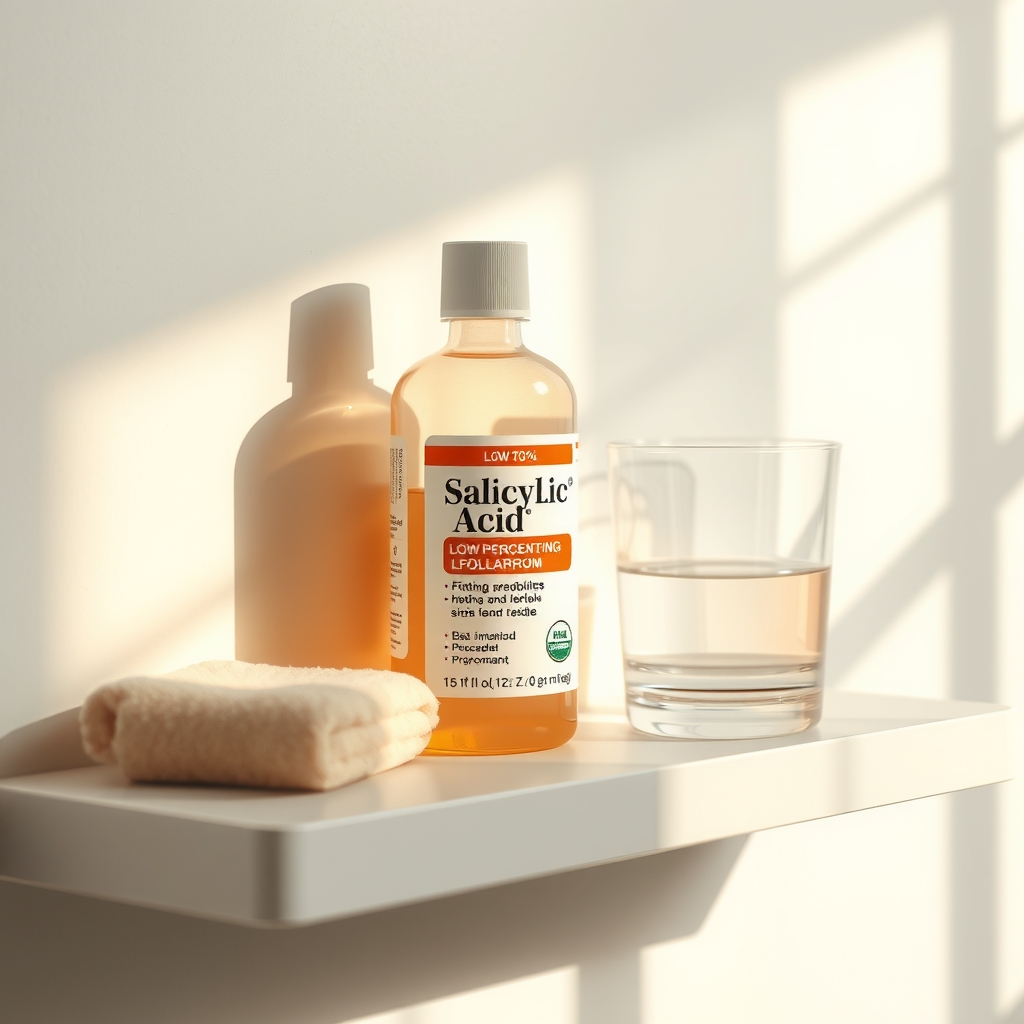
Safe: Low‑percentage salicylic acid (≤2%) is considered safe during pregnancy, especially after the first trimester, but keep total use under 2 g per day.
By Shubhra Mishra — a mom of two who turned her own confusion during pregnancy into BumpBites, a global mission to make food choices clear, safe, and stress-free for every expecting mother. 💛
Check whether any food is safe during pregnancy with the BumpBites Food Safety Checker.
Quick verdict: ⚠️ Safe with limits – low‑percentage salicylic acid (generally ≤ 2 % for topical use) is considered acceptable for most pregnant women, but it should be used sparingly and avoided on large skin areas or broken skin. Talk to your provider if you have concerns or a history of eczema.
It’s 2 a.m., you’re scrolling through product reviews, and the phrase “is salicylic acid low percentage safe during pregnancy?” pops up again. You’ve probably already applied a spot‑treatment for a stubborn blemish, or you’re about to buy a new acne cleanser. First, take a breath—you’re not alone. Many expectant parents wonder whether that familiar over‑the‑counter acne ingredient could affect their baby.
In short, low‑percentage salicylic acid (typically 0.5 %–2 % in leave‑on products) is generally regarded as safe when used in moderation, according to guidance from the American College of Obstetricians and Gynecologists (ACOG) and the UK's National Health Service (NHS). However, the safety picture changes if you use higher concentrations, apply it to large skin areas, or have conditions like eczema that compromise the skin barrier.
Below we break down the evidence, explain how much is considered safe, walk through trimester‑specific considerations, list pregnancy‑friendly brands, suggest gentler alternatives, and give you concrete steps to stop worrying and enjoy a healthier skin routine. We also address common “what if” scenarios, such as accidental over‑application or combining salicylic acid with other acne treatments, so you’ll have a full toolbox of answers.
Keep your acne treatment simple and use only a pea‑size amount to stay within safe limits.
Period
Verdict
Notes
First trimester
⚠️ Safe with limits
Use ≤ 2 % concentration, limit to spot treatment, avoid broken skin.
Second trimester
✅ Generally safe
Same concentration limits apply; skin barrier usually improves.
Third trimester
✅ Generally safe
Continue cautious use; monitor for increased skin sensitivity.
Breastfeeding
⚠️ Safe with limits
Limited systemic absorption suggests low risk, but keep area covered.
What is salicylic acid?
Salicylic acid is a beta‑hydroxy acid (BHA) derived from willow bark, wintergreen leaves, or synthesized in a lab. Its small, lipophilic (fat‑soluble) molecule allows it to penetrate the oily lining of hair follicles, where it loosens dead‑cell “glue,” dissolves excess sebum, and reduces bacterial overgrowth. This dual action makes it a go‑to ingredient for treating comedonal (blackhead) and inflammatory acne.
Beyond its acne‑fighting reputation, salicylic acid’s anti‑inflammatory properties help calm conditions such as seborrheic dermatitis, psoriasis, and keratosis pilaris. In low concentrations (0.5 %–2 %), it is often combined with soothing agents like niacinamide or hyaluronic acid to reduce irritation. Higher‑strength formulas (5 %–30 %) are reserved for professional chemical peels, where a dermatologist controls exposure time and depth of penetration.
Because the ingredient is absorbed through the skin, researchers have examined whether any systemic amount could reach the developing fetus. The consensus is that the amount absorbed from low‑strength, limited‑area applications is negligible—far lower than the doses that cause known fetal issues with oral salicylates (like aspirin). This pharmacokinetic profile underpins the safety recommendations you’ll see later in the article.
Is salicylic acid safe during pregnancy?
Current guidance from major health authorities indicates that low‑percentage topical salicylic acid is permissible for most pregnant women, provided it is used sparingly. ACOG states that “topical acne medications containing salicylic acid at concentrations of 2 % or less are unlikely to pose a teratogenic risk,” echoing the NHS’s recommendation that “short‑term, limited use of low‑strength salicylic acid is acceptable.” The U.S. Food and Drug Administration (FDA) classifies salicylic acid as a “Category C” topical ingredient, meaning risk cannot be ruled out but the potential benefits may outweigh the risks when used as directed.
The primary concern is systemic absorption. Studies measuring blood levels after applying 2 % salicylic acid creams show only minimal absorption—far below the levels associated with aspirin toxicity in pregnancy. For reference, oral aspirin (a salicylate) is generally avoided after 20 weeks gestation because high systemic levels can lead to premature closure of the fetal ductus arteriosus. Topical use at low concentrations does not achieve such levels.
That said, the safety data are less robust for pregnant individuals with compromised skin barriers (e.g., eczema, dermatitis, or open wounds). In those cases, even a small amount may be absorbed more readily, so clinicians often advise using alternative, non‑salicylate exfoliants. When in doubt, a quick conversation with your obstetrician can clarify whether your particular skin condition changes the risk profile.
Is low percentage salicylic acid safe to use during the first trimester?
The first trimester is the period of organogenesis, when the embryo’s major organs develop. Because this window is the most sensitive to teratogens, many providers recommend extra caution with any medication that could cross the placenta. For salicylic acid, the consensus among obstetric experts is that low‑percentage (≤ 2 %) topical applications are still permissible, but you should limit the treated area to a pea‑size spot and avoid applying it on broken skin.
If you notice any irritation, redness, or peeling that spreads beyond the intended spot, discontinue use and consult your obstetrician. Most clinicians will reassure you that occasional, limited use is unlikely to affect fetal development, but they may suggest switching to a gentler alternative if you have a history of sensitive skin.
It’s also worth noting that hormonal shifts in early pregnancy can increase skin sensitivity, making you more prone to irritation. A patch‑test on a discreet area of your forearm—waiting 24 hours—can help you gauge tolerance before committing to a full‑face application.
What is the maximum safe concentration of salicylic acid for pregnant women?
Evidence from both the FDA and the European Medicines Agency (EMA) points to a ceiling of 2 % for over‑the‑counter products. Anything above that is typically reserved for professional chemical peels, which are not recommended during pregnancy because the higher dose can lead to measurable systemic absorption. Therefore, the maximum safe concentration for pregnant women is generally 2 % or lower, applied only to small areas and avoided on compromised skin.
For products that list “salicylic acid” without a disclosed percentage (often the case with cleansers), it is safest to assume the concentration is low (< 1 %) and to follow the manufacturer’s usage instructions—usually no more than once or twice daily and rinsed off thoroughly. If a product’s label is ambiguous, contacting the manufacturer for clarification or choosing a product with a clearly stated concentration is the prudent route.
Can I use salicylic acid acne treatment while pregnant?
Yes, you can continue to use a salicylic acid acne treatment during pregnancy, but keep the following in mind:
Choose products with 0.5 %–2 % salicylic acid.
Apply only to active blemishes, not as an all‑over facial peel.
Limit use to once or twice per day, and rinse off thoroughly if it’s a cleanser.
Avoid using it on large patches of skin, especially if the skin is inflamed, cracked, or has eczema.
If you prefer a “set‑and‑forget” approach, a spot‑treatment gel or cream is the most pregnancy‑friendly option because it limits the amount applied each time. For those who find even spot‑treatment too risky, switching to a non‑exfoliating acne option—such as benzoyl peroxide or azelaic acid—can provide comparable results without the same absorption concerns.
Remember that cleansing routines can also affect safety. A gentle, sulfate‑free cleanser followed by a short‑duration salicylic acid rinse (30‑60 seconds) minimizes contact time, further reducing any potential systemic uptake.
Are there safer alternatives to salicylic acid for pregnancy skin care?
Azelaic acid – 10 %–15 % formulations are effective for acne and are considered safe throughout pregnancy (Mayo Clinic).
Glycolic acid (low concentration) – 5 %–10 % alpha‑hydroxy acid (AHA) cleansers can gently exfoliate without the same systemic absorption concerns.
Niacinamide serum – Supports barrier function and reduces inflammation; recommended by the American Academy of Dermatology (AAD) for pregnant skin.
Hyaluronic acid moisturizer – Provides hydration without any active exfoliation, ideal for maintaining skin health.
Squalane oil – A lightweight, non‑comedogenic oil that helps balance oil production.
Benzoyl peroxide (2 % formulation) – Works by killing acne‑causing bacteria and is listed as safe by ACOG for short‑term use.
Tea tree oil (low concentration) – A natural antibacterial that can be used in a 0.5 %–1 % dilution; however, it should be patch‑tested first because some pregnant users experience irritation.
Green tea extract – Offers antioxidant benefits and mild anti‑inflammatory effects; generally regarded as safe when incorporated into creams at ≤ 2 %.
When selecting an alternative, look for products labeled “pregnancy‑safe,” “gentle,” or “for sensitive skin.” Pairing a soothing base (like hyaluronic acid) with an anti‑bacterial agent (like benzoyl peroxide) often yields the best results without relying on exfoliation.
Which over‑the‑counter salicylic acid products are considered safe in pregnancy?
When shopping, look for products that explicitly state a concentration of 2 % or lower and are marketed as “gentle” or “for sensitive skin.” Some widely available, pregnancy‑friendly options include:
Always read the label, avoid products that combine salicylic acid with high‑dose retinoids or other potent actives, and follow the “apply sparingly” rule. If a product’s instructions are unclear, err on the side of caution and choose a formulation with a clearly stated concentration.
What are the potential risks of using salicylic acid during pregnancy?
While low‑percentage topical salicylic acid is unlikely to cause fetal harm, there are a few potential risks to be aware of:
Increased skin irritation – Pregnancy hormones can make skin more sensitive, leading to redness, peeling, or a burning sensation.
Systemic absorption – Rare, but higher absorption could theoretically affect fetal blood flow if used over large areas or on broken skin.
Exacerbation of eczema – Salicylic acid can dry out the skin, potentially worsening eczema or other inflammatory skin conditions.
Allergic contact dermatitis – A small subset of people develop an allergy to salicylates; symptoms include itching, swelling, and rash that persist beyond the application site.
If any of these symptoms appear, stop using the product and discuss alternatives with your provider. Most side effects are mild and transient, but persistent or worsening reactions merit professional evaluation.
Is salicylic acid safe for pregnant women with eczema?
Women with eczema have a compromised skin barrier, which can increase the absorption of topical agents. ACOG advises that “salicylic acid should be used with caution in patients with active eczema or dermatitis.” In practice, most dermatologists recommend avoiding salicylic acid altogether for pregnant patients with eczema and opting for milder, barrier‑supporting ingredients like niacinamide or hyaluronic acid instead.
If you have mild eczema and still wish to use a salicylic product, limit the application to a very small spot, keep the area moisturized, and monitor closely for any signs of increased irritation. A short‑term trial under the guidance of your obstetrician can help determine whether it’s truly safe for your specific skin condition.
How does salicylic acid affect pregnancy compared to other acne medications?
Compared with oral antibiotics (e.g., amoxicillin) and retinoids (e.g., isotretinoin), low‑percentage salicylic acid carries a markedly lower systemic risk. Oral antibiotics are generally considered safe in pregnancy when needed, but they can affect gut flora. Retinoids are contraindicated because they are known teratogens. Benzoyl peroxide, another topical option, works by a different mechanism (antibacterial) and is also deemed safe at low concentrations, making it a viable alternative when you need a non‑exfoliating option.
When choosing between topical agents, consider both efficacy and safety. Salicylic acid excels at unclogging pores, whereas azelaic acid is praised for its anti‑inflammatory and pigment‑lightening properties—useful for post‑inflammatory hyperpigmentation that often worsens during pregnancy. For patients who cannot tolerate any acid, benzoyl peroxide or low‑strength topical antibiotics (such as clindamycin) become the go‑to choices.
Salicylic acid and prenatal supplements: what you need to know
Some prenatal vitamins contain trace amounts of salicylates as part of herbal extracts (e.g., willow bark). The concentrations are typically well below the therapeutic dose of aspirin and are considered safe by the FDA and NHS. However, if you are already using a topical salicylic acid product, it’s wise to review the supplement label and discuss any concerns with your provider to avoid cumulative exposure that could exceed the low‑level threshold.
When in doubt, choose a prenatal vitamin that lists “no salicylate” or “free of willow bark” on the label. Most major brands, such as Nature Made Prenatal and Ritual Prenatal, explicitly state they are free of salicylates, providing an extra layer of reassurance.
Skin barrier changes in pregnancy: why absorption can differ
Pregnancy triggers hormonal shifts—especially increased estrogen and progesterone—that can alter the skin’s barrier function. Some women experience a “pregnancy glow,” while others notice heightened sensitivity, dryness, or even acne flare‑ups. These changes can affect how much of a topical agent like salicylic acid is absorbed. A more permeable barrier can increase systemic uptake, whereas a thicker, oilier barrier might reduce it.
Because of this variability, a “one‑size‑fits‑all” approach isn’t ideal. Performing a simple patch test—applying a pea‑size amount to a discreet area of the forearm and waiting 24 hours—can give you a personalized sense of tolerance before you apply the product to your face.
Using salicylic acid during labor and postpartum
During labor, the focus shifts to comfort and infection control, and most clinicians advise suspending any exfoliating or potentially irritating skin products. After delivery, the skin may be more sensitive, especially if you experience hormonal acne or postpartum melasma. Low‑percentage salicylic acid can be re‑introduced once your perineal area has healed, typically 2–4 weeks postpartum, and only if you’re not breastfeeding the infant directly on the treated skin.
If you are breastfeeding, the systemic absorption from low‑strength salicylic acid remains minimal, but covering the treated area while nursing adds an extra precaution. Discuss any postpartum skin concerns with your obstetrician or a dermatologist who specializes in peripartum skin health.
Consider swapping salicylic acid for azelaic acid or niacinamide when you want a gentler routine.
Safe dosage / amount / brands
For topical salicylic acid, the “dose” is measured in concentration and surface area rather than milligrams. The following guidelines help you stay within the safety window:
Concentration: Stick to products ≤ 2 %.
Application amount: Use a pea‑size amount for spot treatments; for cleansers, apply a thin layer and rinse off within 30–60 seconds.
Frequency: No more than twice daily for spot treatments; once daily for leave‑on products.
Surface area: Avoid treating more than 5 % of total body surface at once (roughly the size of a palm).
Below is a quick reference for some reputable brands that meet these criteria:
Brand
Product
Salicylic Acid %
Recommended Use in Pregnancy
Neutrogena
Rapid Clear Spot Gel
0.5 %
Spot treat only, up to twice daily.
CeraVe
Renewing SA Cleanser
0.5 %
Use once daily, rinse off after 30 seconds.
The Ordinary
Salicylic Acid 2 % Solution
2 %
Spot treat; avoid large‑area application.
Paula’s Choice
CLEAR Spot Treatment
2 %
Apply to one blemish at a time, max twice daily.
Clinique
Acne Solutions Clinical Clearing Gel
0.5 %
Spot treat only; discontinue if irritation occurs.
La Roche‑Posay
Effaclar Duo Dual Action Acne Treatment
0.5 %
Spot treat; good for hormonal acne flare‑ups.
Vichy
Normaderm Phytosolution
1 %
Gentle daily cleanser; rinse off within a minute.
Side effects and risks
Most pregnant users of low‑percentage salicylic acid experience minimal side effects. Common, non‑serious reactions include mild tingling, temporary redness, or slight peeling at the application site. These usually resolve within a day or two.
More concerning signs that warrant a call to your obstetrician include:
Persistent or spreading redness and swelling.
Severe burning or ulceration.
Unusual skin discoloration.
Systemic symptoms such as headache, ringing in the ears, or unexplained nausea—though rare, these could indicate higher systemic absorption.
Remember, the information provided here is for educational purposes and does not replace personalized medical advice.
Safer alternatives
Azelaic acid – Effective for acne and rosacea; safe at 10 %–15 % concentrations.
Low‑concentration glycolic acid – 5 %–10 % AHA exfoliants are gentle and widely recommended.
Niacinamide serum – Calms inflammation and supports barrier function without any exfoliation risk.
Hyaluronic acid moisturizer – Keeps skin hydrated, reducing the need for harsh actives.
Squalane oil – Non‑comedogenic oil that balances sebum production.
Tea tree oil (low concentration) – Natural antibacterial; use in a 0.5 %–1 % dilution after patch testing.
Green tea extract – Antioxidant and anti‑inflammatory; safe when included at ≤ 2 %.
Related items — safety at a glance
Item
Verdict
One‑line note
Glycolic acid
✅ Generally safe
Low concentrations (≤ 10 %) are fine; avoid high doses.
Lactic acid
✅ Generally safe
Another AHA; gentle on sensitive skin.
Mandelic acid
✅ Generally safe
Large molecule AHA, less penetration.
Alpha hydroxy acids (AHAs)
✅ Generally safe
Use ≤ 10 % concentrations; rinse off.
Beta hydroxy acids (BHAs)
⚠️ Safe with limits
Salicylic acid is the main BHA; keep ≤ 2 %.
Retinoic acid
❌ Best avoided
Known teratogen; contraindicated in pregnancy.
Benzoyl peroxide
✅ Generally safe
Low concentrations (≤ 2 %) are safe for acne.
Azelaic acid
✅ Generally safe
Effective for acne and rosacea at 10 %–15 %.
Myth vs. fact
Myth: Any amount of salicylic acid is unsafe during pregnancy. Fact: Low‑percentage (≤ 2 %) topical salicylic acid used sparingly is considered safe by ACOG and NHS guidelines.
Myth: Salicylic acid can be absorbed through the skin and cause birth defects. Fact: Minimal systemic absorption from low‑strength products has not been linked to fetal harm, unlike oral aspirin taken in high doses.
Myth: If a product contains “salicylic acid,” it should be avoided entirely. Fact: The concentration matters—products ≤ 2 % are generally acceptable, while higher‑strength peels are not recommended.
Key takeaways
Low‑percentage salicylic acid (≤ 2 %) is safe with limits during pregnancy.
Apply only to small spots, avoid broken skin, and rinse off cleansers quickly.
First‑trimester use should be extra cautious; consider alternative actives if you have eczema.
Pregnancy‑friendly brands include Neutrogena, CeraVe, The Ordinary, Paula’s Choice, Clinique, La Roche‑Posay, and Vichy.
If you experience persistent irritation, redness, or systemic symptoms, stop use and call your provider.
When in doubt, discuss any concerns with your obstetrician or dermatologist.
Frequently asked questions
Can I use salicylic acid peels while pregnant?
No, professional chemical peels that contain salicylic acid at concentrations above 5 % are not recommended during pregnancy because higher doses can lead to measurable systemic absorption.
Is it safe to use acne wipes with salicylic acid during pregnancy?
Acne wipes typically contain 0.5 %–1 % salicylic acid and are safe if used on a small area and not left on for prolonged periods; rinse off after a minute to minimize absorption.
What concentration of salicylic acid is considered safe for pregnant skin?
Products with 2 % salicylic acid or less are considered safe for spot treatment; higher concentrations should be avoided unless prescribed by a dermatologist.
Are there any side effects of salicylic acid for pregnant women?
Common side effects include mild tingling, temporary redness, or peeling at the application site; serious reactions are rare but should be reported to your provider.
Do doctors recommend salicylic acid for pregnant acne?
Many obstetricians and dermatologists will recommend low‑percentage salicylic acid for occasional spot treatment, but they often suggest alternatives like azelaic acid or niacinamide for regular use.
Can salicylic acid be absorbed through the skin during pregnancy?
Yes, but absorption from low‑strength (≤ 2 %) products is minimal and has not been linked to fetal harm in the available studies.
Is salicylic acid in sunscreen safe for pregnant women?
Salicylic acid is rarely used in sunscreen formulations; most sunscreens rely on zinc oxide, titanium dioxide, or organic UV filters, which are considered safe for pregnancy.
What should I do if I accidentally applied a high‑strength salicylic acid product?
Immediately wash the area with gentle cleanser and lukewarm water, avoid further application, and monitor for irritation. If you notice persistent redness, swelling, or systemic symptoms, contact your obstetrician right away.
Can I combine salicylic acid with other acne treatments while pregnant?
Combining low‑percentage salicylic acid with gentle actives like niacinamide or hyaluronic acid is generally safe, but avoid mixing it with other exfoliating acids (e.g., glycolic acid) or retinoids, as this can increase irritation and potential absorption.
When to call your doctor
If you notice any of the following after using a salicylic acid product, contact your obstetrician or dermatologist promptly:
Persistent or spreading redness, swelling, or pain.
Severe burning, ulceration, or blistering.
Unusual skin discoloration or dark patches.
Systemic symptoms such as headache, ringing in the ears, or unexplained nausea.
Worsening of eczema or other pre‑existing skin conditions.
These signs could indicate higher-than‑expected absorption or an allergic reaction, and your provider can guide you toward safer alternatives.
This article provides general information and is not a substitute for personalized medical advice. Always discuss any concerns with your healthcare provider.
References
American College of Obstetricians and Gynecologists (ACOG). “Medication Use During Pregnancy.” 2023.
National Health Service (NHS). “Skin care in pregnancy.” Updated 2022.
U.S. Food and Drug Administration (FDA). “Topical Acne Medications: Safety Guidance.” 2021.
Centers for Disease Control and Prevention (CDC). “Pregnancy and Medication Safety.” 2022.
Mayo Clinic. “Azelaic Acid: Uses and Safety During Pregnancy.” 2023.
American Academy of Dermatology (AAD). “Pregnancy Skin Care Recommendations.” 2023.
European Medicines Agency (EMA). “Guideline on Topical Dermatological Products.” 2020.
World Health Organization (WHO). “Guidelines for the Use of Salicylates in Pregnancy.” 2021.
National Institute for Health and Care Excellence (NICE). “Acne management in pregnancy.” 2022.
Not sure about the label on Is Salicylic Acid Low Percentage Safe During Pregnancy products?
Snap the ingredients list and SafeFilter checks every ingredient for your stage — only 3 free scans this month, then you're locked until reset. Unlimited from $7/mo or $50/yr.
When Shubhra Mishra was expecting her first child in 2016, she was overwhelmed by conflicting food advice — one site said yes, another said never. By the time her second baby arrived in 2019, she realized millions of mothers face the same confusion.
That sparked a five-year journey through clinical nutrition papers, cultural diets, and expert conversations — all leading to BumpBites: a calm, compassionate space where science meets everyday motherhood.
Her long-term vision is to build a global community ensuring safe, supported, and free deliveriesfor every mother — because no woman should face pregnancy alone or uninformed. 🌿
🌍 Stand with mothers, shape safer guidance
Join a small circle of experts who review BumpBites articles so expecting parents everywhere can decide with confidence.