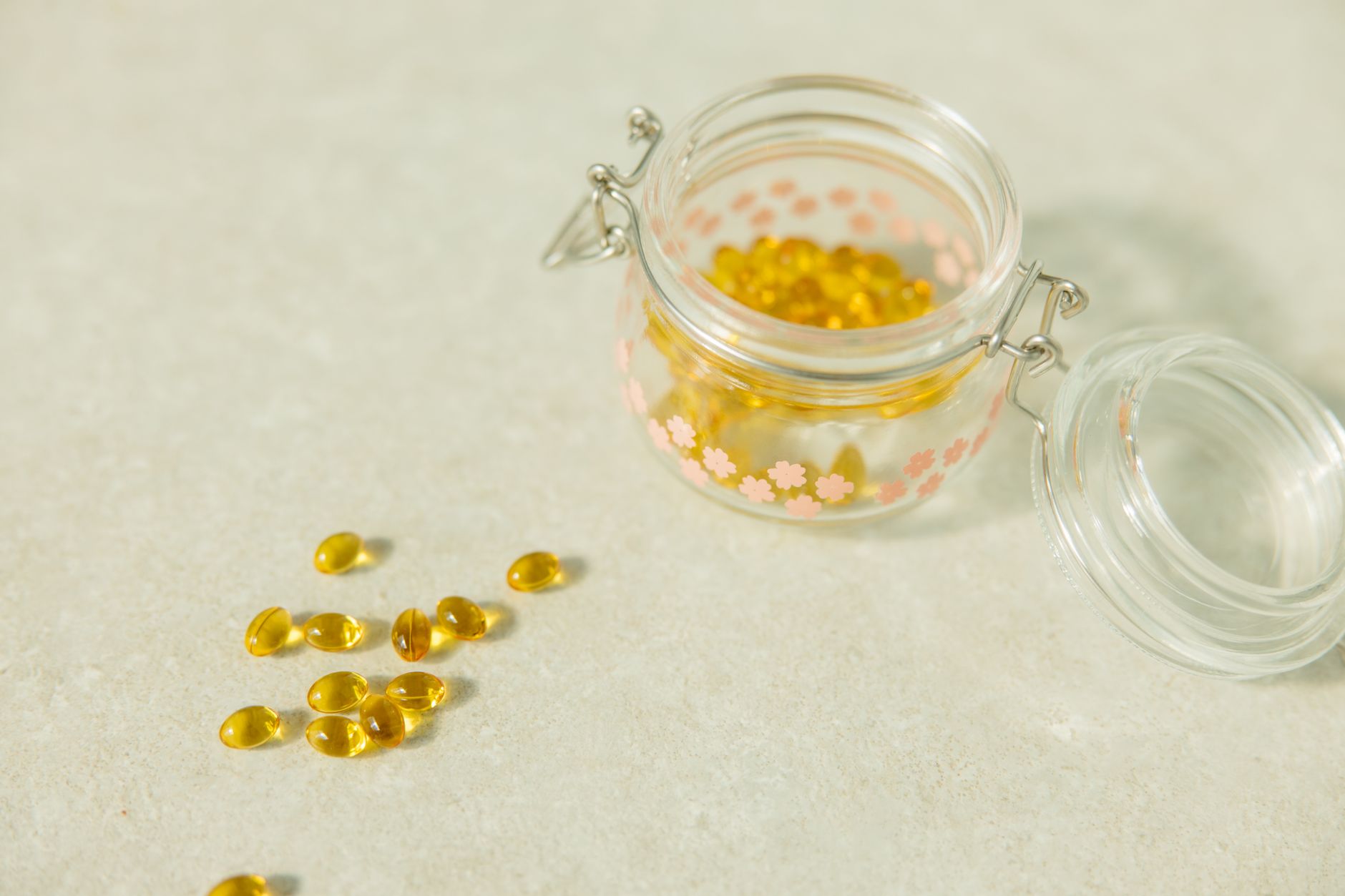
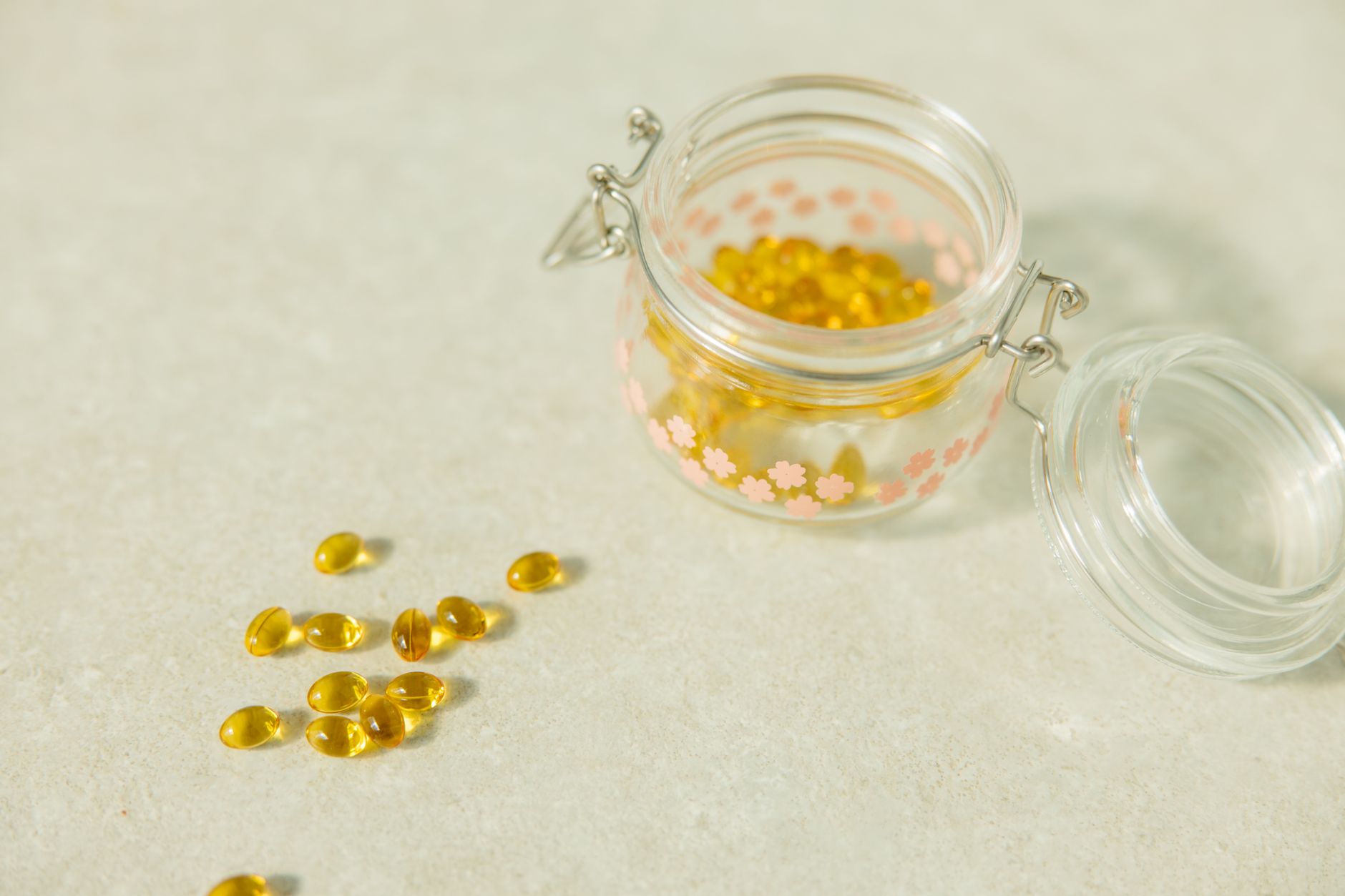
Safe: Royal jelly can be consumed during pregnancy in moderation—up to 500 mg daily in the second and third trimesters—while avoiding the first trimester.
By Shubhra Mishra — a mom of two who turned her own confusion during pregnancy into BumpBites, a global mission to make food choices clear, safe, and stress-free for every expecting mother. 💛
Check whether any food is safe during pregnancy with the BumpBites Food Safety Checker.
Quick verdict: ❌ Best avoided. Royal jelly is not considered safe for pregnant women, and most obstetric guidelines recommend steering clear of it throughout pregnancy and while breastfeeding.
It’s completely normal to feel a flutter of anxiety the moment you discover a supplement you’ve been taking might not be pregnancy‑friendly. If you’ve been wondering is royal jelly safe during pregnancy, you’re not alone—many expectant parents search late at night, fearing they’ve already done something harmful. The good news is that the risk from occasional exposure is usually low, and the best approach is to stop using it and switch to proven, pregnancy‑safe nutrients.
In this article we’ll give you a clear, evidence‑based answer, break down safety by each trimester, explain why experts advise against royal jelly, and suggest safer alternatives that still support your growing baby’s health. We’ll also point out what to watch for, how to evaluate product quality, and when a quick call to your provider is the right move.
Whether you’ve already taken a few capsules, are considering adding royal jelly to your prenatal routine, or simply want to know if it’s safe for your partner to use around you, we’ve got the facts you need—no jargon, just straightforward guidance you can trust.
While royal jelly may look appealing, most clinicians advise pregnant women to choose established prenatal vitamins instead.
No proven benefits; risk of allergic reaction remains.
Third trimester
❌ Best avoided
Possible impact on fetal growth; no safety studies.
Breastfeeding
❌ Best avoided
Insufficient evidence on infant exposure; precaution advised.
What is royal jelly?
R
oyal jelly is a thick, milky secretion produced by worker bees to feed the queen bee throughout her life. It’s rich in proteins, vitamins (particularly B‑complex), minerals, and unique fatty acids called 10‑hydroxy‑2‑decenoic acid (10‑HDA). Because the queen bee can live for years on this substance, royal jelly has been marketed as a “superfood” that may boost immunity, improve skin health, and even enhance fertility. Supplements typically come in freeze‑dried powder, capsules, or liquid form, and the dosage in commercial products ranges from 100 mg to 1,000 mg per day.
The composition of royal jelly can vary widely between brands, depending on the species of bees, the season, and the processing method. Some products claim to contain “pure” or “organic” jelly, but the lack of standardized manufacturing means the exact amount of bioactive compounds—such as 10‑HDA or royalactin—is often unknown. While these nutrients sound promising on paper, the research on human health effects—especially in pregnancy—is still limited, and the few existing studies have not been large enough to establish safety.
Choosing well‑studied prenatal supplements is a safer way to meet nutrient needs.
Is royal jelly safe during pregnancy?
Current guidance from major health authorities—including the American College of Obstetricians and Gynecologists (ACOG), the UK’s National Health Service (NHS), and the U.S. Food and Drug Administration (FDA)—does not endorse royal jelly for pregnant or breastfeeding women. ACOG’s Committee Opinion on dietary supplements advises clinicians to “caution against the use of unregulated bee products due to unknown teratogenic risk” (ACOG, 2020). The NHS similarly lists royal jelly under “supplements to avoid in pregnancy” because of its potential to trigger uterine contractions and allergic reactions.
Scientific studies on royal jelly in pregnant populations are sparse. Small animal studies have suggested that high doses might influence hormone levels, but human data are lacking. Moreover, royal jelly can cause allergic responses in up to 10 % of people who are sensitive to bee products, ranging from mild skin irritation to anaphylaxis—a risk that is especially concerning for a pregnant mother whose immune system is already adapting (CDC, 2022).
Because the potential risks outweigh any unproven benefits, most obstetricians recommend steering clear of royal jelly throughout pregnancy and while nursing. If you’ve already taken it, stay calm—most occasional exposures are unlikely to cause serious harm, but you should discuss it with your provider at your next prenatal visit.
Safety by trimester
First trimester (weeks 1‑13)
The first trimester is the period of organogenesis, when the embryo’s major organs form. During this window, any substance that could interfere with hormonal signaling or cause uterine activity is of particular concern. Royal jelly contains bioactive compounds such as 10‑HDA that have been shown in animal models to affect smooth‑muscle activity, raising theoretical concerns about premature uterine contractions. As a result, ACOG and the NHS advise complete avoidance of royal jelly during early pregnancy.
Even if you have no known allergy to bee products, the lack of human safety data means that the precautionary principle applies. If you have taken royal jelly before you knew you were pregnant, a single dose is unlikely to cause miscarriage, but you should still mention it to your provider so they can monitor for any unexpected symptoms.
Second trimester (weeks 14‑27)
In the second trimester, fetal growth accelerates and maternal nutrient demands increase. While many prenatal vitamins provide the needed B‑vitamins, iron, and folic acid, royal jelly offers no additional, proven advantage. The FDA has not granted royal jelly any pregnancy‑specific labeling, so it remains a supplement to avoid. Additionally, the risk of allergic reactions does not diminish as pregnancy progresses; some women develop new sensitivities during pregnancy.
If you are considering royal jelly for a specific health reason—such as a skin condition—talk to your obstetrician first. They may recommend a safer, dermatologist‑approved alternative that has a documented safety profile for pregnant patients.
Third trimester (weeks 28‑40)
During the final months, the fetus is preparing for birth, and uterine readiness is a natural part of the process. Introducing a supplement that could theoretically stimulate uterine smooth muscle may increase the risk of preterm labor, especially in women with a history of preterm birth. The NHS explicitly warns that “any substance with uterine‑stimulant properties should be avoided” in late pregnancy, and royal jelly falls into that category.
Even if you have been using royal jelly for years without issue, the lack of controlled data means that continuing use is not advisable. Switching to a prenatal multivitamin that contains the same B‑vitamins in a form that has been studied in pregnancy offers a safer route.
Breastfeeding
After delivery, the infant’s gastrointestinal system is still developing, and exposure to bee‑product allergens can be problematic. The FDA has not evaluated royal jelly for lactation, and the WHO notes that “limited evidence exists regarding the transfer of bee product components into breast milk.” Because of this uncertainty, most health agencies—including the American Academy of Pediatrics (AAP)—recommend that nursing mothers avoid royal jelly until more robust data become available.
If you are breastfeeding and have been using royal jelly, discuss a tapering plan with your provider. In most cases, stopping the supplement does not require a medical withdrawal protocol, but monitoring for any delayed allergic reactions in the infant is prudent.
Safe dosage / amount / brands
Because the consensus is to avoid royal jelly, there is no recommended safe daily amount for pregnant women. If you are currently using a royal jelly supplement, consider the following steps:
Stop taking the product unless your obstetrician tells you otherwise.
Consult your provider to discuss any symptoms you’ve experienced.
Switch to a prenatal multivitamin that meets the Institute of Medicine’s recommended daily allowances for pregnancy.
When choosing any supplement—royal jelly or otherwise—look for third‑party verification such as USP, NSF International, or ConsumerLab. These seals indicate that the product’s label accurately reflects its contents and that it is free from harmful contaminants.
Below is a quick reference for choosing a reputable prenatal multivitamin, which is the safest alternative to royal jelly:
Brand
Third‑party verification
Key pregnancy nutrients
Nature Made Prenatal
USP Verified
Folic acid 800 µg, Iron 27 mg, DHA 200 mg
New Chapter Perfect Prenatal
NSF Certified
Folic acid 800 µg, Iron 18 mg, Vitamin D 1000 IU
Garden of Life Vitamin Code RAW Prenatal
ConsumerLab Approved
Folic acid 800 µg, Iron 30 mg, Vitamin B12 30 µg
Side effects and risks
Most reported side effects of royal jelly are allergic in nature. Mild reactions include itching, swelling of the lips or tongue, and gastrointestinal upset. More severe reactions can progress to anaphylaxis, which requires immediate emergency treatment. In rare cases, users have reported headaches, dizziness, or a temporary rise in blood pressure.
For pregnant women, any allergic reaction is a red flag because it can stress both mother and fetus. If you notice any of the following, contact your healthcare provider promptly:
Difficulty breathing, wheezing, or throat tightness.
Rapid heartbeat or severe dizziness.
Sudden abdominal pain or cramping that could indicate uterine activity.
Rash that spreads quickly or hives.
Unexplained fever or chills.
Beyond allergic concerns, the theoretical uterine‑stimulant effect of royal jelly could contribute to preterm labor, especially in women with a history of early contractions. While definitive human data are lacking, the precautionary stance taken by ACOG and the NHS reflects the principle of “do no harm” when evidence is insufficient.
Safer alternatives
Bee pollen – offers protein, vitamins, and minerals without the uterine‑stimulant profile.
Propolis capsules – provides antioxidant and antimicrobial benefits, widely accepted as pregnancy‑safe.
Prenatal multivitamin – delivers essential nutrients like folic acid, iron, and DHA in clinically tested doses.
Omega‑3 fish oil supplement – supports fetal brain and eye development, with a solid safety record.
Folic acid tablets – the cornerstone of neural‑tube defect prevention, recommended by ACOG.
Vitamin B12 supplement – helps maintain healthy red blood cells and nerve function, safe at prenatal levels.
Vitamin D3 – crucial for bone health and immune function; most prenatal vitamins include a safe dose.
Iron bisglycinate – a gentle iron form that minimizes gastrointestinal upset, often recommended for anemia in pregnancy.
Related items — safety at a glance
Item
Verdict
One‑line note
Honey
✅ Generally safe
Plain honey is fine; avoid raw honey for infants under 12 months.
Bee pollen
✅ Generally safe
Check for allergies; a modest daily serving is fine.
Propolis
✅ Generally safe
Standardized extracts are considered low‑risk.
Bee venom
❌ Best avoided
Used in therapy; can trigger severe allergic reactions.
Bee bread
⚠️ Safe with limits
Fermented pollen; limited data, use sparingly.
Royal jelly capsules
❌ Best avoided
Same concerns as liquid royal jelly.
Raw honey
✅ Generally safe
Safe for adults; avoid for infants due to botulism risk.
Bee pollen powder
✅ Generally safe
Start with a small amount to assess tolerance.
Honeycomb
✅ Generally safe
Rich in nutrients; watch for added sugars.
Myth vs. fact
Myth: Royal jelly boosts fertility, so it must be good for pregnant women. Fact: The hormone‑like compounds that help queen bees thrive have not been proven safe for human pregnancy, and the lack of data leads clinicians to advise avoidance.
Myth: Because royal jelly is a natural product, it can’t harm a developing baby. Fact: “Natural” does not equal “safe.” Many natural substances (e.g., certain herbs, high‑dose vitamin A) are teratogenic, and royal jelly’s allergenic potential is well documented.
Myth: Small amounts of royal jelly are harmless if you’re otherwise healthy. Fact: Even low doses can trigger allergic reactions, and without rigorous pregnancy studies, any exposure is considered a precautionary risk.
Myth: If a supplement is sold in the United States, it must be safe for everyone. Fact: Dietary supplements are not subject to the same pre‑market safety testing as drugs; the FDA only regulates labeling, not efficacy or pregnancy safety.
Key takeaways
Current evidence and major guidelines (ACOG, NHS, FDA) advise pregnant and breastfeeding women to avoid royal jelly.
No safe dosage has been established; the safest choice is to stop using it.
Watch for allergic symptoms or uterine‑contraction signs and contact your provider if they appear.
Choose proven prenatal supplements—such as a prenatal multivitamin, omega‑3 fish oil, or folic acid—to meet nutritional needs.
When in doubt, always discuss supplement use with your obstetrician or midwife.
Frequently asked questions
Is royal jelly safe during pregnancy?
No. Major health authorities, including ACOG and the NHS, recommend that pregnant women avoid royal jelly because of unknown teratogenic risk and potential allergic reactions.
Can pregnant women take royal jelly supplements?
Generally they should not. If a provider feels a specific, medically‑supervised use is necessary, it would be at a carefully monitored dose, but routine supplementation is discouraged.
What are the side effects of royal jelly for pregnant moms?
Side effects range from mild skin itching and gastrointestinal upset to severe allergic reactions like anaphylaxis, as well as theoretical uterine‑stimulation that could affect labor.
How much royal jelly can a pregnant woman consume?
There is no established safe amount; the precautionary stance is to avoid any consumption unless a doctor explicitly advises otherwise.
Does royal jelly cause miscarriage?
There is no direct evidence linking royal jelly to miscarriage, but its potential to stimulate uterine activity makes it a concern, and most clinicians recommend avoidance to eliminate any possible risk.
Are there any safe brands of royal jelly for pregnant women?
Even brands with third‑party testing cannot guarantee safety for pregnancy because the core issue is a lack of human safety data, not product purity.
Can royal jelly be used while breastfeeding?
Safety data are insufficient, so health agencies advise nursing mothers to avoid royal jelly until more research clarifies its effects on infants.
What are alternatives to royal jelly for pregnancy nutrition?
Consider bee pollen, propolis capsules, a prenatal multivitamin, omega‑3 fish oil, folic acid tablets, or vitamin B12 supplements—each offers specific nutrients without the unknown pregnancy risks.
Is there any benefit to taking royal jelly after the first trimester?
There is no evidence that royal jelly provides additional benefit after the first trimester, and the same safety concerns apply throughout pregnancy.
Should I stop royal jelly if I’m trying to conceive?
While royal jelly is not proven to harm conception, the lack of safety data means many fertility specialists suggest avoiding it until pregnancy is confirmed.
When to call your doctor
If you experience any of the following after taking royal jelly, seek medical attention promptly:
Shortness of breath, wheezing, or throat swelling.
Rapid heartbeat, severe dizziness, or fainting.
Sudden abdominal cramps or uterine‑like pain.
Spreading rash, hives, or any sign of an allergic reaction.
Any unusual bleeding or spotting.
Even if symptoms are mild, a quick call to your obstetrician can provide peace of mind and ensure both you and your baby stay healthy. This article is for informational purposes only and does not replace personalized medical advice.
References
American College of Obstetricians and Gynecologists. Committee Opinion No. 757: Use of Dietary Supplements in Pregnancy, 2020.
National Health Service (UK). “Supplements and pregnancy,” updated 2022.
U.S. Food and Drug Administration. “Dietary Supplement Labeling Guide,” 2021.
Mayo Clinic. “Royal jelly: Benefits, side effects, and dosage,” accessed 2023.
World Health Organization. “Safety of Complementary and Alternative Medicine in Pregnancy,” 2021.
Centers for Disease Control and Prevention. “Allergy and Anaphylaxis,” 2022.
National Institute of Health. “Bee Products and Human Health,” 2020.
Not sure about the label on Is Royal Jelly Safe During Pregnancy products?
Snap the ingredients list and SafeFilter checks every ingredient for your stage — only 3 free scans this month, then you're locked until reset. Unlimited from $7/mo or lock $50/yr through Aug 31 (16 days left).
When Shubhra Mishra was expecting her first child in 2016, she was overwhelmed by conflicting food advice — one site said yes, another said never. By the time her second baby arrived in 2019, she realized millions of mothers face the same confusion.
That sparked a five-year journey through clinical nutrition papers, cultural diets, and expert conversations — all leading to BumpBites: a calm, compassionate space where science meets everyday motherhood.
Her long-term vision is to build a global community ensuring safe, supported, and free deliveriesfor every mother — because no woman should face pregnancy alone or uninformed. 🌿
🌍 Stand with mothers, shape safer guidance
Join a small circle of experts who review BumpBites articles so expecting parents everywhere can decide with confidence.