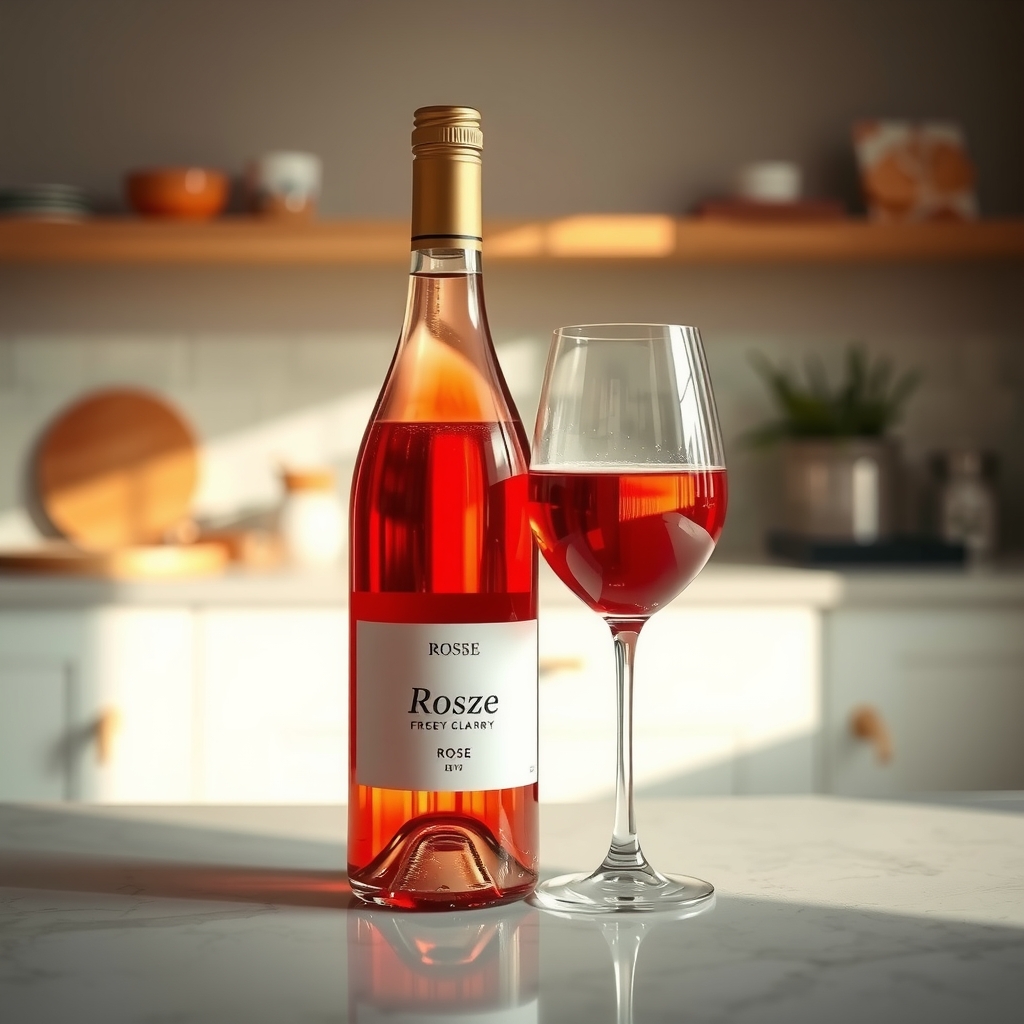
Avoid rose wine during pregnancy. Experts recommend no alcohol, including rose wine, as even small amounts may pose risks to fetal development, especially in the first trimester.
By Shubhra Mishra — a mom of two who turned her own confusion during pregnancy into BumpBites, a global mission to make food choices clear, safe, and stress-free for every expecting mother. 💛
Check whether any food is safe during pregnancy with the BumpBites Food Safety Checker.
Quick verdict: ❌ Best avoided. No amount of rose wine is considered safe during pregnancy, so we recommend skipping it entirely.
It’s 2 a.m., you’re scrolling through recipes, and a glass of chilled rosé catches your eye. “Is rose wine safe during pregnancy?” you wonder, feeling a knot in your stomach. You might have already taken a sip before you realized you were pregnant, or you’re planning a celebration and want to know if a toast is permissible. The short answer is clear: most medical authorities advise avoiding rose wine entirely while pregnant.
Pregnancy often feels like walking a tightrope of “what’s okay?” and “what’s not?”—especially when it comes to food and drink. You’re not alone; many readers have sent us frantic messages about a glass they enjoyed at a brunch or a wedding toast they’re unsure about. In this guide, we’ll break down the latest guidance from the American College of Obstetricians and Gynecologists (ACOG), the UK’s National Health Service (NHS), and the Centers for Disease Control and Prevention (CDC). We’ll explain why any alcohol, including rosé, can be risky, walk through safety by each trimester, and give you practical tips for reading labels, handling accidental exposure, and choosing festive non‑alcoholic alternatives.
By the end of this article you’ll have a concrete answer to the question “is rose wine safe during pregnancy,” know exactly what to avoid, feel confident choosing safer options for you and your baby, and understand when it’s time to call your provider for peace of mind.
Stage
Verdict
Notes
First trimester
❌ Best avoided
Organ formation is most vulnerable; any alcohol increases risk of miscarriage and birth defects.
Second trimester
❌ Best avoided
Even later in pregnancy, alcohol can affect brain development and increase preterm birth risk.
Third trimester
❌ Best avoided
Alcohol can impair fetal growth and increase neonatal withdrawal symptoms.
Breastfeeding
❌ Best avoided
Alcohol passes into breast milk; even small amounts can affect infant sleep and feeding.
Even a single glass of rosé can contain enough alcohol to affect your developing baby.
What is rose wine?
Rose wine is a type of wine made from red grape varieties where the skins touch the juice for only a short time—usually a few hours—before being pressed. This brief skin contact gives the liquid a pink hue while retaining some of the phenolic compounds (like antioxidants) found in red wine, but with a lighter body and lower tannin content. Most rosés range from 11% to 13% alcohol by volume (ABV), similar to many red and white wines, though “low‑alcohol” rosés may sit around 8% ABV.
The winemaking process can vary widely. Some producers create “pétillant” rosés that are lightly sparkling, while others opt for a still, dry style that pairs well with salads, seafood, and light appetizers. The flavor profile often includes red fruit notes—strawberry, watermelon, or raspberry—balanced by subtle acidity that makes rosé a popular summer and brunch beverage.
Because rosé is essentially a wine, it contains ethanol, which is the primary health concern for pregnant individuals. The presence of sulfites, residual sugars, or added flavorings does not mitigate the risk posed by alcohol. Understanding the composition of rosé helps you read labels more accurately and choose truly non‑alcoholic alternatives when you want to keep the festive vibe without the ethanol.
Is rose wine safe during pregnancy?
C
urrent medical guidelines are consistent: the American College of Obstetricians and Gynecologists (ACOG) states that no amount of alcohol has been proven safe for a developing fetus, and the best approach is complete abstinence (ACOG, 2020). The UK’s NHS echoes this, advising pregnant people to avoid all alcoholic drinks, including rosé, because alcohol can cross the placenta and affect the baby’s growth and brain development (NHS, 2022).
The Centers for Disease Control and Prevention (CDC) adds that any level of prenatal alcohol exposure can increase the risk of fetal alcohol spectrum disorders (FASDs) (CDC, 2021). While some observational studies suggest that occasional, low‑quantity drinking may not dramatically raise the risk of major birth defects, the evidence is not definitive, and the safest recommendation remains zero consumption.
Specific to rosé, its alcohol content is comparable to other wines, and the presence of sulfites or other additives does not mitigate the inherent risk of ethanol. Because the fetus metabolizes alcohol more slowly than an adult, even a single glass can result in higher blood alcohol concentrations for the baby than the mother experiences.
In short, the consensus among obstetric experts is clear: avoid rosé wine entirely while pregnant. If you’re looking for a festive sip, consider non‑alcoholic rosé or sparkling grape juice instead.
Is it safe to drink rose wine during the first trimester?
The first trimester is the period of organogenesis, when the baby’s major organs and structures form. During this window, the embryo is especially vulnerable to teratogenic effects—substances that can cause birth defects. Alcohol, including rosé, has been linked to an increased risk of miscarriage, facial anomalies, and neurodevelopmental issues when consumed in the first three months.
Because the exact threshold for safe exposure is unknown, ACOG and the NHS both advise complete avoidance of rosé (and all alcoholic beverages) during the first trimester. Even a single glass can raise the fetus’s blood alcohol level, potentially interfering with the delicate processes of organ formation.
Some patients wonder whether “a tiny sip” might be harmless. The reality is that the developing embryo’s liver is not yet capable of breaking down alcohol efficiently, so any exposure can linger longer in fetal circulation. As a result, the safest strategy is to skip rosé entirely during this critical period.
Can you have a glass of rose wine in the second trimester?
In the second trimester, the baby’s brain continues rapid growth, and the placenta becomes more efficient at nutrient transfer. While the risk of structural birth defects lessens after the first trimester, alcohol can still impair brain development, lead to growth restriction, and increase the likelihood of preterm birth.
Both ACOG and the NHS maintain that there is no “safe” amount of alcohol at any stage of pregnancy. Therefore, the recommendation to avoid rosé remains unchanged in the second trimester. Some older studies have suggested that occasional low‑dose drinking might not dramatically increase risk, but these findings are not robust enough to alter current guidelines.
If you’re experiencing cravings for a celebratory drink, consider swapping the rosé for a non‑alcoholic sparkling beverage. The ritual of raising a glass can still be part of your pregnancy experience without exposing your baby to ethanol.
What is the recommended limit of rose wine consumption while pregnant?
Officially, there is no recommended limit for rosé—or any alcohol—during pregnancy. The safest path, endorsed by ACOG, the NHS, and the CDC, is to abstain completely. Some international bodies, such as the World Health Organization (WHO), note that a “low‑risk” threshold might be up to one standard drink per week, but they also stress that this is not a guarantee of safety and that many clinicians still recommend zero consumption (WHO, 2021).
Because a standard drink in the U.S. is roughly 5 oz (150 ml) of wine at 12% ABV, a single glass of rosé would exceed the “one‑drink‑per‑week” suggestion. Even “low‑alcohol” rosés (≈8% ABV) still deliver enough ethanol to be detected in fetal blood. In practice, most obstetricians advise pregnant patients to skip rosé entirely and choose non‑alcoholic alternatives instead.
Are there any rose wine brands that are safer for pregnant women?
There are no rosé brands that are deemed “pregnancy‑safe.” Some producers market “low‑alcohol” or “non‑alcoholic” rosés, but the former still contains ethanol, and the latter often contains only trace amounts (below 0.5% ABV). While non‑alcoholic rosé can be a festive substitute, it should be clearly labeled as such, and you should verify that the product truly meets the legal definition of non‑alcoholic.
If you’re looking for a rosé‑style beverage that is safe, choose a certified non‑alcoholic rosé or a sparkling grape juice. These contain the same fruity notes without the alcohol, allowing you to enjoy the ritual of a toast without exposing your baby to ethanol.
What are the risks of drinking rose wine while pregnant?
Fetal alcohol spectrum disorders (FASDs): A range of lifelong physical, cognitive, and behavioral problems caused by prenatal alcohol exposure.
Miscarriage and stillbirth: Even moderate alcohol intake can increase the odds of losing the pregnancy.
Preterm birth and low birth weight: Alcohol can interfere with placental blood flow, leading to early delivery.
Neurodevelopmental delays: Children exposed to alcohol in utero may experience learning difficulties and attention deficits.
Complications for gestational diabetes: Alcohol can affect blood sugar control, making glucose management harder for pregnant people with gestational diabetes.
What non-alcoholic alternatives can replace rose wine during pregnancy?
Non‑alcoholic rosé – offers the same pink hue and fruity flavor without ethanol.
Sparkling grape juice – a bubbly, sweet option that feels celebratory.
Virgin mocktail – mix cranberry juice, soda water, and a splash of lime for a refreshing sip.
Cranberry juice – tart and antioxidant‑rich, perfect for brunches.
Ginger tea – soothing, especially if you’re dealing with nausea.
Coconut water – hydrating and naturally sweet, a great alternative for tropical‑themed gatherings.
How does rosé wine affect pregnancy complications like gestational diabetes?
Alcohol can interfere with glucose metabolism, potentially worsening blood‑sugar spikes in people with gestational diabetes. A study published in the American Journal of Obstetrics & Gynecology found that even moderate alcohol intake was associated with higher fasting glucose levels and an increased need for insulin therapy (AJOG, 2019). Because rosé contains similar alcohol content to other wines, the same caution applies.
For those managing gestational diabetes, the recommendation is particularly strict: avoid rosé and any alcoholic beverage to keep blood sugar stable and reduce the risk of additional complications such as preeclampsia.
Does occasional rose wine consumption increase the risk of birth defects?
While the absolute risk from a single occasional glass is difficult to quantify, the consensus among experts is that any alcohol exposure carries some risk. The CDC notes that the risk of fetal alcohol spectrum disorders rises with the amount and frequency of alcohol intake. Even occasional drinking can contribute to a cumulative exposure that may affect organ development, especially if it occurs during the first trimester.
Because the safest route is zero exposure, most clinicians advise pregnant patients to avoid rosé entirely, regardless of how infrequently they might consider drinking.
Non‑alcoholic rosé or sparkling grape juice can give you the same celebration vibe without the alcohol.
Safe dosage / amount / brands
Because the prevailing medical advice is abstinence, there is no officially “safe dosage” for rosé wine during pregnancy. If you happen to have consumed a glass before realizing you were pregnant, most experts suggest that a single low‑volume exposure is unlikely to cause serious harm, but you should still monitor for any unusual symptoms and discuss the incident with your provider.
If you are looking for a rosé‑style beverage that is safe, consider these options:
Product
Alcohol content
Why it’s safe
Non‑alcoholic rosé (e.g., “Rosé Sans Alcool”)
≤0.5% ABV
Meets legal definition of non‑alcoholic; essentially alcohol‑free.
Sparkling grape juice (e.g., “Welch’s Sparkling Grape”)
0% ABV
Pure fruit juice with natural bubbles; no ethanol.
Virgin mocktail (cranberry‑lime fizz)
0% ABV
Customizable, alcohol‑free, and hydrating.
When selecting any beverage, read the label carefully to confirm that the alcohol content is truly zero. Some “low‑alcohol” wines can still contain 5–8% ABV, which is not safe for pregnancy.
Side effects and risks
Alcohol exposure during pregnancy can lead to a spectrum of outcomes:
Fetal alcohol syndrome (FAS): The most severe form of FASD, characterized by distinctive facial features, growth deficits, and central nervous system problems.
Neonatal withdrawal: Newborns may exhibit irritability, tremors, or feeding difficulties if exposed to alcohol in utero.
Miscarriage: Early pregnancy loss risk rises with any alcohol intake.
Growth restriction: Babies may be born smaller and with lower birth weight.
Many of these effects are not immediately apparent at birth and can manifest later as learning or behavioral challenges. If you notice any of the following after drinking rosé while pregnant, contact your provider promptly: persistent nausea or vomiting, abdominal pain, decreased fetal movement, or signs of preterm labor.
Safer alternatives
Non‑alcoholic rosé – mimics the color and taste without any ethanol.
Sparkling grape juice – provides festive bubbles and natural sweetness.
Virgin mocktail – customizable with fresh fruit, soda water, and herbs.
Cranberry juice – tart and antioxidant‑rich, perfect for brunch.
Ginger tea – soothing for morning sickness and completely caffeine‑free.
Coconut water – hydrating, with a subtle sweetness that works well in tropical‑themed gatherings.
Related items — safety at a glance
Beverage
Verdict
One‑line note
Red wine
❌ Best avoided
Similar alcohol content; no safe amount during pregnancy.
White wine
❌ Best avoided
Same risks as rosé; avoid entirely.
Champagne
❌ Best avoided
Bubbles don’t reduce alcohol risk.
Beer
❌ Best avoided
Even low‑ABV beers contain ethanol.
Hard cider
❌ Best avoided
Fermented apple juice still has alcohol.
Vodka
❌ Best avoided
High‑proof spirit; especially risky.
Cocktails
❌ Best avoided
Mixed drinks often contain multiple alcohol sources.
Myth vs. fact
Myth: “A glass of rosé once a week is harmless.” Fact: No level of alcohol has been proven safe for a developing fetus; ACOG recommends complete abstinence.
Myth: “Low‑alcohol rosé is safe because it has less alcohol.” Fact: Even reduced alcohol still reaches the placenta; the safest choice is a non‑alcoholic version.
Myth: “Alcohol only harms the baby in the first trimester.” Fact: Alcohol can affect brain development and growth throughout pregnancy, and it passes into breast milk.
Key takeaways
❌ The consensus of ACOG, NHS, and CDC is to avoid rosé wine entirely while pregnant.
There is no established “safe amount” for any alcoholic beverage during pregnancy.
Risks include fetal alcohol spectrum disorders, miscarriage, preterm birth, and complications for gestational diabetes.
Choose non‑alcoholic rosé, sparkling grape juice, or mocktails for a festive, pregnancy‑friendly toast.
If you have already consumed rosé, stay calm, note the amount, and discuss it with your provider.
Frequently asked questions
Can pregnant women drink rosé wine?
No. All major health organizations advise pregnant people to avoid rosé wine entirely because alcohol can harm the developing baby.
Is a small amount of rosé wine safe during pregnancy?
Current evidence does not support a safe threshold; even a small amount may increase the risk of fetal alcohol spectrum disorders.
What are the effects of alcohol on a developing baby?
Alcohol can cross the placenta, leading to growth restriction, neurodevelopmental delays, facial abnormalities, and increased risk of miscarriage or stillbirth.
How much alcohol is considered safe during pregnancy?
There is no universally accepted safe level; the safest recommendation is zero alcohol consumption throughout pregnancy.
Are there any safe wine alternatives for pregnant women?
Yes—non‑alcoholic rosé, sparkling grape juice, virgin mocktails, cranberry juice, ginger tea, and coconut water are all pregnancy‑friendly options.
Does rosé wine contain more alcohol than other wines?
Rosé typically contains 11%–13% ABV, comparable to many red and white wines; it is not higher, but the alcohol still poses the same risks.
What should I do if I accidentally drank rosé before knowing I was pregnant?
Take a deep breath, note the amount you consumed, and share the details with your prenatal provider at your next appointment; most single, low‑volume exposures are unlikely to cause serious harm, but professional guidance is always best.
Can I drink rosé wine while trying to conceive?
While the evidence is less clear before pregnancy, many clinicians advise limiting alcohol when attempting conception because alcohol can affect hormone balance and sperm quality; modest consumption (e.g., up to one drink per week) is often considered low risk, but discuss your plans with a healthcare provider.
When to call your doctor
If you experience any of the following after drinking rosé while pregnant, contact your healthcare provider promptly:
Severe abdominal pain or cramping
Heavy or persistent bleeding
Sudden decrease in fetal movement
Signs of preterm labor (regular contractions, fluid leakage)
Persistent vomiting or inability to keep fluids down
These symptoms may indicate complications that require medical attention. Remember, this article provides general information and is not a substitute for personalized medical advice.
References
American College of Obstetricians and Gynecologists. “Alcohol Use and Pregnancy.” ACOG Committee Opinion, 2020.
National Health Service (UK). “Alcohol and pregnancy.” NHS website, updated 2022.
Centers for Disease Control and Prevention. “Fetal Alcohol Spectrum Disorders (FASDs).” CDC, 2021.
U.S. Food and Drug Administration. “Alcohol and Pregnancy.” FDA Consumer Health Information, 2023.
World Health Organization. “Alcohol consumption and the health of pregnant women.” WHO Guidelines, 2021.
American Journal of Obstetrics & Gynecology. “Alcohol intake and gestational diabetes risk.” AJOG, 2019.
Not sure about the label on Is Rose Wine Safe During Pregnancy products?
Snap the ingredients list and SafeFilter checks every ingredient for your stage — only 3 free scans this month, then you're locked until reset. Unlimited from $7/mo or $50/yr.
When Shubhra Mishra was expecting her first child in 2016, she was overwhelmed by conflicting food advice — one site said yes, another said never. By the time her second baby arrived in 2019, she realized millions of mothers face the same confusion.
That sparked a five-year journey through clinical nutrition papers, cultural diets, and expert conversations — all leading to BumpBites: a calm, compassionate space where science meets everyday motherhood.
Her long-term vision is to build a global community ensuring safe, supported, and free deliveriesfor every mother — because no woman should face pregnancy alone or uninformed. 🌿
🌍 Stand with mothers, shape safer guidance
Join a small circle of experts who review BumpBites articles so expecting parents everywhere can decide with confidence.