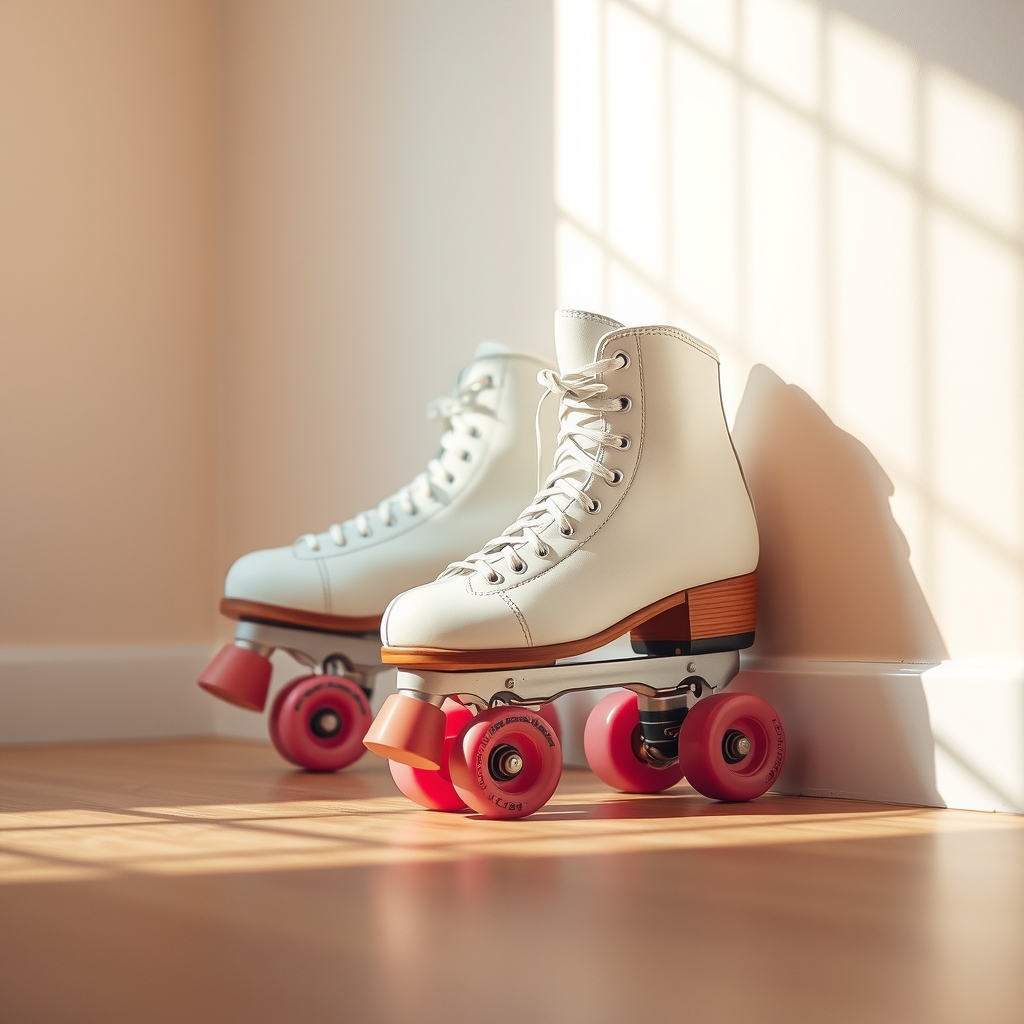
Limit roller skating during pregnancy, especially in the first trimester. Experts advise low-impact alternatives to avoid falls and abdominal strain for safety.
By Shubhra Mishra — a mom of two who turned her own confusion during pregnancy into BumpBites, a global mission to make food choices clear, safe, and stress-free for every expecting mother. 💛
Check whether any food is safe during pregnancy with the BumpBites Food Safety Checker.
Quick verdict: ❌ Best avoided. While not inherently toxic, roller skating carries a significant risk of falls, which can lead to serious injury for both you and your baby during pregnancy. Most obstetricians and medical organizations like ACOG recommend avoiding activities with a high risk of falling.
The moment you see those two lines on a pregnancy test, a new kind of worry often kicks in. Suddenly, every decision, from what you eat to how you move, feels like it has monumental stakes. If you're an avid roller skater, you might be wondering, "Is roller skating safe during pregnancy?" It's a natural question, especially if skating is a big part of your life and you're used to the freedom and fun it offers. We understand that urge to keep doing the things you love, but when it comes to pregnancy, safety for both you and your baby is always the top priority.
At BumpBites, we're here to give you clear, evidence-based answers so you can make informed choices without the late-night panic. While roller skating can be a fantastic form of exercise and recreation, the potential for falls makes it a high-risk activity for expectant parents. This guide will break down why it's generally recommended to put your skates away until after your baby arrives, what the specific risks are, and plenty of fantastic, safer ways to stay active throughout your pregnancy journey. If you've already strapped on your skates before realizing you were pregnant, take a deep breath – we'll cover what you need to know.
Trimester/Stage
Verdict
Notes
First Trimester
❌ Best avoided
Increased risk of falls due to shifting balance and potential for abdominal trauma, even though the uterus is still protected by the pelvis.
Second Trimester
❌ Best avoided
Growing belly further shifts your center of gravity, increasing fall risk. Direct abdominal trauma becomes a greater concern as the uterus rises above the pelvis.
Third Trimester
❌ Best avoided
Significantly increased fall risk due to pronounced balance changes, looser joints (relaxin), and larger belly. Fall can lead to serious complications like placental abruption or preterm labor.
Breastfeeding
✅ Generally safe
Once cleared by your doctor postpartum, roller skating is generally safe. Ensure adequate hydration and caloric intake to support milk supply.
What is Roller Skating?
Roller skating involves moving on specially designed boots with wheels attached, typically two rows of two wheels (quad skates) or a single line of wheels (inline skates, often called rollerblading). It's a popular recreational activity, a competitive sport, and even a mode of transportation for many. People enjoy roller skating for its cardiovascular benefits, muscle engagement (especially in the legs and core), and the sense of freedom and fun it provides. It can be done indoors at rinks, outdoors on paved paths, or even as part of more complex activities like roller derby or artistic skating.
The activity requires a good sense of balance, coordination, and strength to propel oneself, turn, and stop effectively. While it might seem like a smooth, low-impact activity when performed by an experienced skater, it inherently involves dynamic movement and an elevated center of gravity, making falls a constant, albeit often manageable, risk. Many people find roller skating to be an exhilarating way to stay fit and connect with friends, but understanding its mechanics helps clarify why caution is advised during pregnancy.
Even experienced skaters face increased fall risks during pregnancy due to shifting balance.
Is Roller Skating Safe During Pregnancy?
When considering if roller skating is safe during pregnancy, the consensus from major medical organizations like the American College of Obstetricians and Gynecologists (ACOG) and the UK's National Institute for Health and Care Excellence (NICE) is to avoid activities that carry a high risk of falling or abdominal trauma. Roller skating, by its very nature, falls into this category.
The primary concern isn't the physical exertion itself, but rather the inherent instability and the potential for a fall. During pregnancy, your body undergoes significant changes that affect your balance and coordination. Your center of gravity shifts forward as your uterus and baby grow, and the hormone relaxin softens ligaments throughout your body, including those supporting your joints. These changes, while crucial for childbirth, can make you less stable on your feet, increasing your risk of losing balance and falling – even if you're an experienced skater.
A fall, especially onto your abdomen, can have serious consequences for both you and your developing baby. Risks include placental abruption (where the placenta detaches from the uterine wall), preterm labor, and direct trauma to the fetus. While minor bumps might not always lead to severe issues, the potential for serious complications means that most healthcare providers will strongly advise against activities like roller skating throughout your pregnancy. We recommend prioritizing activities that allow you to maintain stable footing and minimize any risk of impact.
Safety by Trimester
The risks associated with roller skating during pregnancy are present throughout all trimesters, but the specific concerns can evolve as your pregnancy progresses.
First Trimester
In the early weeks of pregnancy, your uterus is still tucked deep within your pelvis, offering some protection to the developing embryo. However, this doesn't mean roller skating is without risk. The primary concern in the first trimester is still the increased likelihood of falling due to hormonal changes that can affect balance and cause dizziness or fatigue. A fall, even if not directly impacting the abdomen, could lead to sprains, fractures, or other injuries to the mother, which can cause stress and potentially require medical interventions that might complicate pregnancy. Furthermore, severe maternal injury could theoretically impact early fetal development. For these reasons, most healthcare providers recommend avoiding roller skating in the first trimester.
Second Trimester
As you move into your second trimester, your baby and uterus grow significantly, and your bump becomes more noticeable. Your center of gravity continues to shift, making balance even more challenging. The uterus now extends above the pelvic bone, meaning it is more exposed to potential direct trauma from a fall. While the amniotic fluid provides a cushioning effect, a hard fall onto your abdomen can still lead to serious complications such as placental abruption, which is a medical emergency where the placenta separates from the uterine wall before birth. This can cause severe bleeding and deprive the baby of oxygen and nutrients. Given these increasing risks, roller skating remains best avoided during the second trimester.
Third Trimester
The third trimester brings the most pronounced physical changes, with a significantly larger belly, more pronounced shifts in balance, and the continued effects of relaxin making joints looser. Your body is preparing for labor, and the risks associated with falling are at their highest. A fall in the third trimester carries a substantial risk of placental abruption, premature rupture of membranes, preterm labor, and direct fetal injury. Even a seemingly minor fall can warrant a trip to the hospital for monitoring. The safety of both you and your baby becomes even more critical, making roller skating a definite no-go during this final stage of pregnancy.
Breastfeeding
Once your baby has arrived and you've received clearance from your healthcare provider, roller skating is generally considered safe during breastfeeding. It's important to listen to your body, especially as you recover from childbirth. Start slowly, wear appropriate protective gear, and ensure you stay well-hydrated, as physical activity can increase your fluid needs, which is crucial for maintaining your milk supply. Many new parents find that gradually returning to activities they love, like roller skating, can be a great way to regain fitness and enjoy some personal time, but always prioritize your recovery and listen to your body's signals.
Safe Activity Levels and Precautions for Exercise During Pregnancy
While roller skating is generally advised against, staying active during pregnancy is highly recommended for most expectant parents. The key is choosing activities that are safe and appropriate for your changing body. ACOG recommends at least 150 minutes of moderate-intensity aerobic activity per week for healthy pregnant people.
Here’s what safe exercise during pregnancy looks like, focusing on stability and avoiding impact:
Listen to Your Body: Pay attention to fatigue, dizziness, or pain. If something feels off, stop.
Stay Hydrated: Drink plenty of water before, during, and after exercise.
Avoid Overheating: Don't exercise in excessive heat or humidity.
Maintain Moderate Intensity: You should be able to carry on a conversation while exercising. The "talk test" is a good guide.
Wear Supportive Clothing: A good supportive sports bra and comfortable, breathable clothing are essential.
Protect Your Joints: Due to relaxin, your joints are looser. Opt for low-impact activities to protect them.
For activities like roller skating, even if you were to consider it, protective gear would include a helmet, wrist guards, knee pads, and elbow pads. However, these precautions do not mitigate the primary risk of falling and the potential for abdominal trauma, which is why the activity is still not recommended.
Gentle, low-impact activities like prenatal yoga are excellent for maintaining fitness and flexibility.
⚠ Side Effects and Risks of Roller Skating While Pregnant
The risks associated with roller skating during pregnancy are primarily linked to the high potential for falls and the subsequent impact on the pregnant body. Understanding these risks can help you make an informed decision for your safety and your baby's well-being.
Increased Risk of Falls: As discussed, pregnancy hormones (like relaxin) loosen ligaments, and your shifting center of gravity makes you inherently less stable. This means even an experienced skater is at a higher risk of falling than before pregnancy.
Abdominal Trauma: This is the most significant concern. A direct blow to the abdomen from a fall can lead to:
Placental Abruption: The placenta detaches from the uterine wall, which can cause severe bleeding, deprive the baby of oxygen and nutrients, and is a medical emergency requiring immediate attention.
Preterm Labor: Trauma can trigger uterine contractions, potentially leading to labor before the baby is full-term.
Fetal Injury: While the amniotic fluid provides cushioning, severe impact can still directly injure the baby.
Maternal Injury: Beyond the uterus, a fall can cause fractures, sprains, dislocations, or concussions to the pregnant person. These injuries can be painful, require medical treatment (which might involve medications not typically recommended during pregnancy), and significantly complicate your ability to care for yourself or prepare for your baby's arrival.
Dizziness and Fainting: Pregnancy can cause fluctuations in blood pressure and blood sugar, leading to dizziness or lightheadedness, especially during physical exertion. This can increase the risk of an unexpected fall while skating.
While the thought of missing out on an activity you love can be disappointing, the potential severity of these risks makes roller skating a significant concern during pregnancy. Prioritizing low-impact, stable activities is a safer choice for this special time.
Safer Alternatives to Roller Skating During Pregnancy
While roller skating is best avoided, staying active and enjoying movement is incredibly beneficial during pregnancy. There are many fantastic, low-impact alternatives that can help you maintain fitness, manage stress, and prepare your body for childbirth, all while keeping you and your baby safe. Here are some excellent options:
Walking: A simple yet powerful exercise, walking is generally safe throughout pregnancy. It's low-impact, improves cardiovascular health, and can be easily adapted to your energy levels. Brisk walking can give you a good workout without the fall risk.
Swimming: Often called the "perfect pregnancy exercise," swimming supports your body weight, relieving pressure on your joints and back. It's excellent for cardiovascular fitness and can be incredibly refreshing.
Prenatal Yoga: Designed specifically for expectant parents, prenatal yoga focuses on gentle stretching, strengthening, and breathing techniques. It can improve flexibility, reduce stress, and help prepare your body for labor.
Stationary Cycling: A stationary bike offers a great cardiovascular workout without the risk of falling that comes with outdoor cycling or roller skating. You can control the intensity and enjoy it in any weather.
Elliptical Trainer: This machine provides a full-body, low-impact workout that mimics walking or running but with minimal stress on your joints. It's a safe way to elevate your heart rate.
Low-Impact Dancing: If you love to move to music, low-impact dance classes or dancing at home can be a fun and safe way to stay active. Just ensure movements are gentle and don't involve jumping or rapid changes in direction.
Pilates: Focusing on core strength, flexibility, and body awareness, Pilates can be adapted for pregnancy to support your changing body, improve posture, and alleviate back pain.
Brisk Walking: Elevate your regular walk to a brisk pace to get your heart rate up. It's an accessible and effective way to maintain cardiovascular fitness without any fall risk.
Related Items – Safety at a Glance
Many activities that involve balance, speed, or potential impact carry similar risks during pregnancy as roller skating. Here's a quick look at some related activities and their general safety recommendations:
Activity
Verdict
Notes
Rollerblading (Inline Skating)
❌ Best avoided
Similar to roller skating, high risk of falls and abdominal trauma due to balance changes.
Ice Skating
❌ Best avoided
High risk of falls on a hard, slippery surface. Potential for severe impact and trauma.
Skateboarding
❌ Best avoided
Very high risk of falls, even for experienced individuals. Significant potential for severe injury.
Outdoor Cycling
⚠️ Safe with limits
Generally safe in early pregnancy for experienced riders on flat, smooth terrain. Best avoided in later trimesters due to balance issues and fall risk. Stationary cycling is preferred.
Skiing
❌ Best avoided
High risk of falls, collisions, and potential for significant trauma, especially in later pregnancy.
Snowboarding
❌ Best avoided
Even higher risk of falls and impact than skiing, especially on the tailbone or abdomen.
Horseback Riding
❌ Best avoided
High risk of falls, even on a calm horse. Potential for direct abdominal trauma from falling or being thrown.
Trampolining
❌ Best avoided
High risk of falls, uncontrolled movements, and potential for abdominal trauma, especially due to unexpected bounces.
Myth vs. Fact
There's a lot of information and misinformation floating around about exercise during pregnancy. Let's clear up a few common myths:
Myth: If I was active before pregnancy, I can continue all my usual activities, including roller skating, without any changes.
Fact: While it's generally safe and encouraged to continue exercising if you were active before pregnancy, you need to modify your routine. Activities with a high risk of falling or abdominal trauma, like roller skating, should be avoided, even if you're an experienced participant. Your body is changing, and what was safe before might not be safe now.
Myth: Any fall during pregnancy will harm the baby.
Fact: Not every fall leads to complications. In the first trimester, the uterus is well-protected deep within the pelvis. Even later on, the amniotic fluid provides cushioning. However, a fall, particularly one involving a direct blow to the abdomen, *can* lead to serious issues like placental abruption or preterm labor. Because of these potential severe risks, it's best to avoid activities that significantly increase your chance of falling, such as roller skating.
Myth: Exercise during pregnancy is dangerous and should be avoided.
Fact: For most healthy pregnant people, regular, moderate exercise is highly beneficial. It can reduce back pain, ease constipation, promote healthy weight gain, and improve mood. ACOG recommends at least 150 minutes of moderate-intensity aerobic activity per week. The key is choosing safe, low-impact activities and avoiding those with a high fall risk or potential for abdominal trauma.
Key Takeaways
Roller skating is generally not recommended during pregnancy due to the high risk of falls.
Your changing balance and loosening joints (due to relaxin) increase your fall risk significantly.
A fall, especially onto your abdomen, can lead to serious complications like placental abruption or preterm labor.
This recommendation applies to all trimesters, with risks increasing as your pregnancy progresses.
There are many safe and beneficial alternatives for staying active, such as walking, swimming, and prenatal yoga.
Always prioritize activities that keep you stable and minimize any risk of impact or trauma.
Consult your healthcare provider about any exercise routine or if you have concerns after a fall.
Frequently Asked Questions
Can I go roller skating while pregnant?
No, it is generally recommended to avoid roller skating during pregnancy. The significant risk of falling, coupled with your body's changing balance and loosening joints, makes it an unsafe activity for both you and your developing baby.
What activities should pregnant women avoid?
Pregnant women should generally avoid activities with a high risk of falling or abdominal trauma, such as roller skating, rollerblading, ice skating, skiing, snowboarding, horseback riding, contact sports, and scuba diving. Also avoid activities at high altitudes without acclimatization.
Is it safe to fall during pregnancy?
While not every fall causes harm, falling during pregnancy carries potential risks, especially if you land on your abdomen. Risks include placental abruption, preterm labor, and maternal injury. It's always best to avoid activities that increase your fall risk.
Can I rollerblade while pregnant?
Similar to roller skating, rollerblading (inline skating) is generally not recommended during pregnancy. It presents the same high risk of falls and potential for abdominal trauma due to shifts in your center of gravity and the effects of pregnancy hormones on your joints.
What exercises are safe during pregnancy?
Many exercises are safe and beneficial during pregnancy, including brisk walking, swimming, stationary cycling, prenatal yoga, Pilates, and low-impact aerobics. Focus on activities that are low-impact, maintain stability, and allow you to maintain a conversation.
Can I ride a bike while pregnant?
Outdoor cycling may be safe in early pregnancy for experienced riders on flat, smooth terrain. However, as pregnancy progresses and your balance shifts, the risk of falling increases. Stationary cycling is a much safer alternative throughout pregnancy.
Is ice skating safe during pregnancy?
No, ice skating is generally not considered safe during pregnancy. The slippery surface and inherent instability of ice skating create a high risk of falls, which can lead to serious injury for the pregnant person and potential complications for the baby.
When to Call Your Doctor
Even if you're careful, accidents can happen. If you experience a fall while pregnant, especially if it involves your abdomen, it's crucial to contact your healthcare provider immediately, regardless of how minor the fall seemed. Seek urgent medical attention if you experience any of the following after a fall or at any point during your pregnancy:
Abdominal pain or tenderness
Vaginal bleeding or spotting
Leaking fluid from your vagina
Strong or regular uterine contractions
Decreased fetal movement (if you are far enough along to feel it)
Dizziness, lightheadedness, or fainting
Headache or changes in vision
Any signs of injury, such as swelling, bruising, or inability to move a limb
Any concerns or just for reassurance
Your doctor or midwife can assess your condition and your baby's well-being, and recommend any necessary monitoring or treatment. This information is for educational purposes only and is not a substitute for professional medical advice, diagnosis, or treatment. Always seek the advice of your physician or other qualified health provider with any questions you may have regarding a medical condition.
Not sure about the label on Is Roller Skating Safe During Pregnancy products?
Snap the ingredients list and SafeFilter checks every ingredient for your stage — only 3 free scans this month, then you're locked until reset. Unlimited from $7/mo or $50/yr.
When Shubhra Mishra was expecting her first child in 2016, she was overwhelmed by conflicting food advice — one site said yes, another said never. By the time her second baby arrived in 2019, she realized millions of mothers face the same confusion.
That sparked a five-year journey through clinical nutrition papers, cultural diets, and expert conversations — all leading to BumpBites: a calm, compassionate space where science meets everyday motherhood.
Her long-term vision is to build a global community ensuring safe, supported, and free deliveriesfor every mother — because no woman should face pregnancy alone or uninformed. 🌿
🌍 Stand with mothers, shape safer guidance
Join a small circle of experts who review BumpBites articles so expecting parents everywhere can decide with confidence.