

Quick verdict: ❌ Best avoided. Rhodiola rosea is not considered safe for use while pregnant because there is insufficient research and potential hormonal effects that could affect fetal development. If you’ve already taken it, stay calm and talk to your provider for personalized guidance.
It’s completely understandable to feel a flutter of anxiety the moment you wonder, “is rhodiola rosea safe during pregnancy?” You might have reached for a supplement hoping for a boost in energy or to ease morning‑sickness, only to find yourself scrolling at 2 a.m. wondering if you’ve done something risky. The good news is that the answer is clear: most obstetric experts advise pregnant people to avoid Rhodiola altogether.
In this article we’ll walk through exactly why Rhodiola rosea isn’t recommended, what the current research (and lack thereof) says, how the safety picture looks across each trimester, and what safer options exist for the same symptoms. We’ll also cover dosage myths, brand considerations, side‑effects to watch for, and a quick‑reference table comparing related herbs. By the end you’ll have a calm, evidence‑based plan and know exactly when to call your health‑care provider.
We’ll also address common follow‑up questions you might have after reading the quick verdict—like whether a short‑term exposure is dangerous, how Rhodiola might interact with prenatal vitamins, and what to do if you’ve been using the herb for months before learning you’re pregnant. All information is drawn from reputable bodies such as ACOG, the NHS, the FDA, and the National Center for Complementary and Integrative Health (NCCIH).
| Stage of pregnancy | Verdict | Notes |
|---|---|---|
| First trimester | ❌ Best avoided | Insufficient safety data; possible uterine stimulation. |
| Second trimester | ❌ Best avoided | Potential hormonal effects; no proven benefit. |
| Third trimester | ❌ Best avoided | Risk of affecting labor timing; lack of studies. |
| Breastfeeding | ❌ Best avoided | Unknown transfer to breast milk; caution advised. |
Rhodiola rosea, also called “golden root” or “Arctic root,” is an adaptogenic herb that grows in cold, high‑altitude regions of Europe and Asia. The plant’s root contains compounds such as rosavins and salidroside, which are thought to help the body cope with physical stress, fatigue, and mood fluctuations. Because of these putative benefits, Rhodiola is a popular ingredient in energy‑boosting teas, capsules, and extracts marketed for athletes, students, and people with “burnout.” In non‑pregnant adults, some small studies suggest modest improvements in mental performance and reduced fatigue, but the evidence is far from conclusive.
When it comes to pregnancy, the stakes are higher. The placenta and developing fetus are exquisitely sensitive to hormonal shifts and any substance that could influence cortisol, thyroid, or estrogen pathways. Rhodiola’s adaptogenic actions mean it can stimulate the adrenal glands and potentially alter those hormone levels. Moreover, because Rhodiola is not a regulated pharmaceutical, the concentration of active compounds can vary dramatically between brands, making it impossible to guarantee a safe dose.
Current guidance from major health authorities reflects this uncertainty. The American College of Obstetricians and Gynecologists (ACOG) advises that “herbal supplements should be used with caution during pregnancy, and many lack sufficient safety data” (ACOG Committee Opinion, 2022). The United Kingdom’s National Health Service (NHS) lists Rhodiola as a herb with “insufficient evidence to support safe use in pregnancy” and recommends avoidance (NHS, 2023). The U.S. Food and Drug Administration (FDA) does not recognize Rhodiola as a pregnancy‑safe ingredient, and the Centers for Disease Control and Prevention (CDC) echo the need for physician oversight when considering any non‑prescribed botanical during gestation. In short, the consensus among experts is that Rhodiola rosea should be avoided while pregnant.
Is Rhodiola rosea safe to take during the first trimester?
The first trimester is the period of organogenesis, when the baby’s major organs form. Because the developing embryo is highly vulnerable to teratogenic (birth‑defect‑causing) influences, obstetricians are especially cautious about any supplement that could affect hormone balance. Rhodiola’s ability to stimulate cortisol and possibly interact with thyroid function raises theoretical concerns about disrupting this delicate process. No human studies have directly examined Rhodiola use in the first trimester, and the limited animal data suggest a potential for reduced fetal weight at high doses. Accordingly, ACOG and the NHS both advise pregnant people to avoid Rhodiola during early pregnancy.
Is Rhodiola rosea safe to take during the second trimester?
During the second trimester, the fetus grows rapidly and begins to develop functional systems, but the placenta still shields the baby from many environmental stressors. Still, the hormonal milieu continues to evolve, and Rhodiola’s adaptogenic effects could still alter maternal cortisol or estrogen levels. Because there are no controlled trials assessing safety in the second trimester, the precautionary principle applies. Both the ACOG Committee Opinion and NHS guidance maintain the “avoid” stance for the entire pregnancy, including the second trimester.
Is Rhodiola rosea safe to take during the third trimester?
In the third trimester, the baby’s organs are largely formed, but timing of labor can be influenced by hormonal signals. Some herbal adaptogens have been linked to uterine stimulation or premature labor in case reports, though Rhodiola‑specific data are scarce. Given the lack of safety evidence and the potential for affecting labor onset, obstetric guidelines continue to recommend avoidance through the final weeks of pregnancy.
Is Rhodiola rosea safe while breastfeeding?
Breast milk can transmit many plant compounds to a nursing infant. Rhodiola’s pharmacokinetics in lactation have not been studied, and the FDA has not approved it for use by nursing mothers. Because the infant’s metabolic systems are immature, the safest approach is to avoid Rhodiola while breastfeeding until more data become available.
What is the recommended dosage of Rhodiola rosea for pregnant women?
There is currently no established safe dosage of Rhodiola rosea for pregnant or lactating individuals. In the general adult population, commercial products often recommend 200–400 mg of standardized extract per day, but those numbers are based on studies that excluded pregnant participants. Because the herb’s potency can vary widely between brands, any amount could inadvertently exceed a hypothetical safe threshold. The consensus among ACOG, NHS, and FDA is to refrain from using Rhodiola altogether during pregnancy, rather than trying to determine a “safe” dose.
Are there any safe Rhodiola rosea brands for pregnant women?
At present, no reputable supplement manufacturer has secured a pregnancy‑safe designation for Rhodiola rosea. Some brands advertise “third‑party tested” or “standardized to 3% rosavins,” but those quality markers do not address the fundamental lack of safety data in pregnant populations. The safest recommendation is to choose none of the available brands and instead rely on proven, pregnancy‑friendly alternatives listed below.
What are safer herbal alternatives to Rhodiola rosea during pregnancy?
- Ginger root – Widely studied for nausea; safe up to 1 g daily (NHS).
- Peppermint tea – Soothes digestive discomfort without known fetal risks.
- Lemon balm – Gentle calming herb; limited data but generally regarded as safe in moderate amounts.
- Vitamin B6 supplement – Clinically proven to reduce morning‑sickness; typical dose 10–25 mg.
- Prenatal multivitamin – Formulated to meet pregnancy nutrient needs safely.
- Lemon ginger tea – Combines ginger’s anti‑nausea effect with soothing lemon flavor.
Can Rhodiola rosea cause complications for women with gestational diabetes?
Rhodiola may influence glucose metabolism by affecting cortisol and insulin sensitivity. Small non‑pregnant studies have shown modest reductions in blood‑sugar levels, but the data are inconsistent. For a pregnant person with gestational diabetes, any herb that could unpredictably alter glucose control is a concern. Because the safety profile is unknown, ACOG advises avoiding Rhodiola in the context of gestational diabetes to prevent potential destabilization of blood‑sugar levels.
What side effects does Rhodiola rosea have for expectant mothers?
Common side effects reported in non‑pregnant users include dizziness, dry mouth, and mild insomnia. In rare cases, higher doses have caused tachycardia (fast heart rate) or heightened anxiety. While these effects are generally not life‑threatening, they can be uncomfortable during pregnancy when fatigue and mood swings are already present. More worrisome, however, are the theoretical hormonal impacts that could influence fetal development or labor timing—risks that currently lack concrete data but are enough for experts to recommend avoidance.
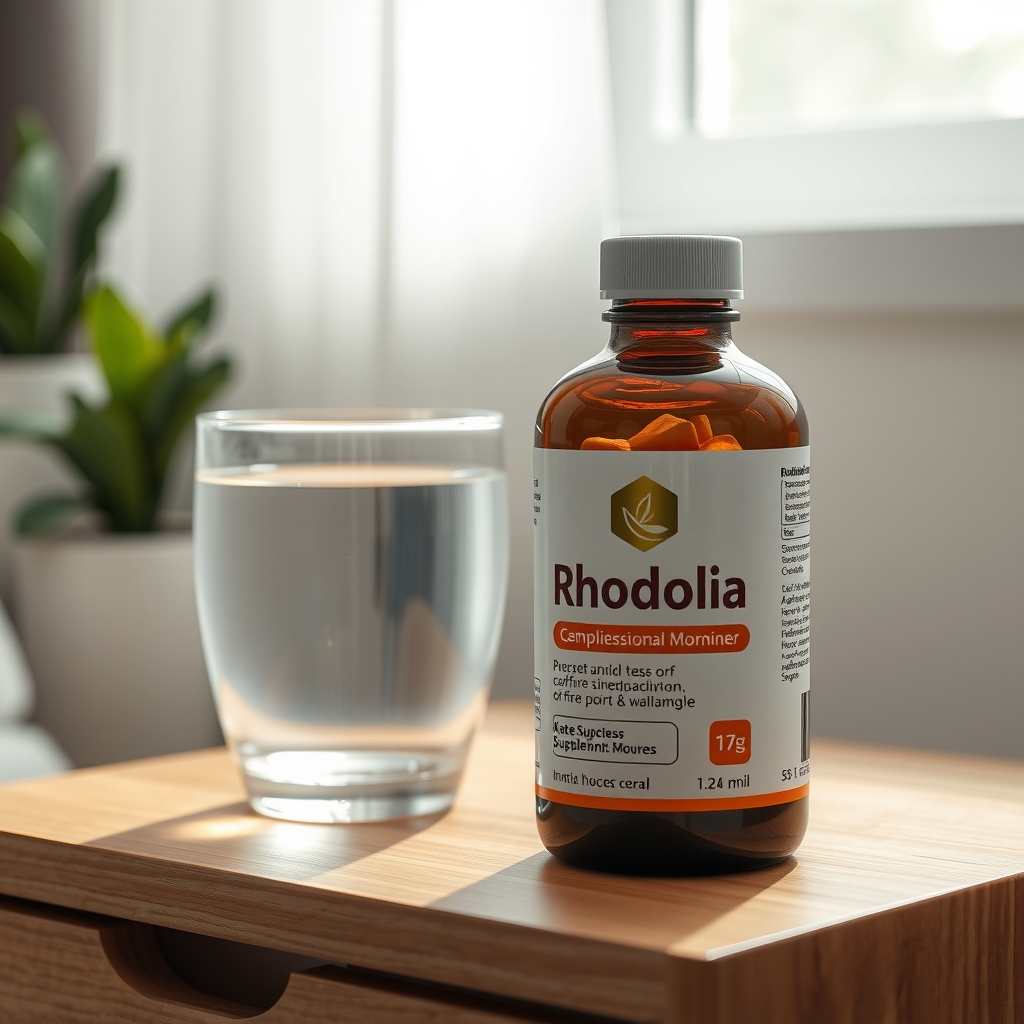
Safe dosage / amount / brands
Because no dosage has been proven safe, the recommendation is to avoid Rhodiola entirely. For reference, typical adult supplement labels list:
| Typical adult dose | Common brand (not pregnancy‑safe) | Why it’s not recommended |
|---|---|---|
| 200–400 mg standardized extract daily | Rhodiola Prime, AdaptogenX, Nature’s Way Rhodiola | Standardized dose does not ensure safety for fetus; no pregnancy‑specific testing. |
If you’re already taking a Rhodiola product, stop using it and discuss the situation with your obstetrician. They may suggest monitoring for any symptoms or simply reassure you that a short exposure is unlikely to cause harm, but the safest path forward is to discontinue use.
Side effects and risks
- Dizziness or light‑headedness – May be uncomfortable but not dangerous; stop the supplement if it occurs.
- Insomnia or jitteriness – Can worsen pregnancy‑related fatigue; discontinue immediately.
- Potential hormonal shifts – Theoretical risk of altering cortisol or estrogen; could affect fetal organ development (first trimester) or labor timing (third trimester).
- Allergic reactions – Rare, but any rash, swelling, or difficulty breathing warrants urgent medical attention.
Any of the above that feel severe, such as persistent dizziness, rapid heartbeat, or signs of an allergic reaction, should prompt a call to your provider or a visit to urgent care.

Safer alternatives
- Ginger root – Proven to reduce nausea and safe up to 1 g per day (NHS).
- Peppermint tea – Helps with digestion and headaches without known fetal risks.
- Lemon balm – Gentle calming herb, safe in moderate culinary amounts.
- Vitamin B6 supplement – Clinically shown to lessen morning‑sickness.
- Prenatal multivitamin – Provides balanced nutrients tailored for pregnancy.
- Lemon ginger tea – Combines two pregnancy‑approved ingredients for a soothing drink.
Related items — safety at a glance
| Herb / Supplement | Verdict | One‑line note |
|---|---|---|
| Ashwagandha | ❌ Best avoided | Potential uterine stimulation; limited pregnancy data. |
| Ginseng | ❌ Best avoided | May affect blood pressure and hormone levels. |
| Holy basil (Tulsi) | ⚠️ Safe with limits | Low‑dose culinary use appears safe; high‑dose extracts not studied. |
| Maca root | ⚠️ Safe with limits | Often used for energy; limited data, keep to food‑grade amounts. |
| Licorice root | ❌ Best avoided | Can raise blood pressure and affect fetal growth. |
| Black cohosh | ❌ Best avoided | Associated with liver toxicity and uterine effects. |
| Fenugreek | ⚠️ Safe with limits | Common in lactation support; high amounts may affect blood sugar. |
| Echinacea | ⚠️ Safe with limits | Short courses appear safe; avoid high‑dose extracts. |
| St. John’s wort | ❌ Best avoided | Potent drug interactions and possible serotonin syndrome. |
| Milk thistle | ⚠️ Safe with limits | Often used for liver support; limited data, keep to culinary amounts. |
Myth vs. fact
Myth: “Rhodiola is a natural herb, so it’s automatically safe for pregnancy.”
Fact: Natural does not equal safe; many herbs lack rigorous pregnancy testing, and Rhodiola’s hormonal activity makes it a concern.
Myth: “A small amount of Rhodiola won’t hurt the baby.”
Fact: Because the active compounds can vary widely, even a “small” dose may contain enough to affect hormone balance, and no threshold has been established as safe.
Myth: “If I stop taking Rhodiola now, any risk disappears.”
Fact: Stopping the supplement removes future exposure, but any past exposure should be discussed with a provider to assess if monitoring is needed.
Myth: “All adaptogens are the same, so I can switch to another one without thinking.”
Fact: Each adaptogen has a unique chemical profile; some (like ginger) have robust safety data, while others (like Rhodiola) do not.
Key takeaways
Frequently asked questions
Can I take Rhodiola while pregnant?
No. Current expert guidance from ACOG and the NHS recommends avoiding Rhodiola rosea during pregnancy because safety data are lacking and there are potential hormonal risks.
What are the risks of Rhodiola during pregnancy?
The main concerns are possible alterations in cortisol and estrogen levels, which could affect organ development in the first trimester or influence labor timing in the third trimester; there is also a risk of dizziness, insomnia, and rare allergic reactions.
Is Rhodiola safe for breastfeeding mothers?
There is insufficient evidence about Rhodiola’s transfer into breast milk, so health authorities advise breastfeeding individuals to avoid the herb.
How much Rhodiola is safe for a pregnant woman?
There is no established safe amount; the safest recommendation is to refrain from using Rhodiola at any dose while pregnant.
Does Rhodiola cause miscarriage?
While no direct human studies link Rhodiola to miscarriage, the lack of safety data and its hormonal activity mean that experts recommend avoiding it to eliminate any theoretical risk.
Are there any herbal supplements that are safe for pregnancy nausea?
Yes—ginger root, peppermint tea, lemon balm, and vitamin B6 are all backed by research and considered safe for managing nausea during pregnancy.
Can Rhodiola affect fetal development?
Potentially, because Rhodiola can influence hormone pathways that are critical during organ formation; however, definitive human data are missing, which is why avoidance is advised.
What should I do if I’ve been taking Rhodiola for months before I found out I’m pregnant?
Stop the supplement immediately, write down the brand, dose, and duration of use, and share this information with your obstetrician. Most clinicians will reassure you that a limited exposure is unlikely to cause harm but will monitor you as a precaution.
Can I use a Rhodiola‑containing topical cream during pregnancy?
Topical products still deliver active compounds through the skin, and safety data are lacking. The cautious approach endorsed by ACOG is to avoid any Rhodiola‑infused creams until pregnancy‑specific testing is available.
When to call your doctor
If you experience any of the following after taking Rhodiola, contact your obstetrician or seek urgent care:
- Severe dizziness or fainting
- Rapid heartbeat (palpitations) or chest pain
- Persistent vomiting or inability to keep fluids down
- Allergic reaction signs: swelling, hives, difficulty breathing
- Unusual uterine cramping or signs of preterm labor
Even if you only notice mild side effects, it’s wise to discuss them with your provider to ensure both you and your baby remain healthy. This article provides general information and is not a substitute for personalized medical advice.
References
- American College of Obstetricians and Gynecologists. Committee Opinion No. 797: Herbal Supplement Use in Pregnancy. ACOG, 2022.
- National Health Service (NHS). “Herbs and supplements in pregnancy.” NHS, updated 2023.
- U.S. Food and Drug Administration (FDA). “Guidance for Industry: Botanical Drug Products.” FDA, 2021.
- Centers for Disease Control and Prevention (CDC). “Pregnancy and Herbal Supplements.” CDC, 2022.
- Mayo Clinic. “Ginger: Uses, side effects, interactions, dosage, and warnings.” Mayo Clinic, 2023.
- World Health Organization (WHO). “Traditional Medicine Strategy 2014‑2023.” WHO, 2019.
- National Center for Complementary and Integrative Health (NCCIH). “Herbs and Pregnancy.” NCCIH, 2022.
- British National Formulary (BNF). “Safety of Herbal Medicines in Pregnancy.” BNF, 2023.


