Limit Revitalash during pregnancy. Experts recommend avoiding prostaglandin analogs like bimatoprost in the first trimester due to potential hormonal effects.
By Shubhra Mishra — a mom of two who turned her own confusion during pregnancy into BumpBites, a global mission to make food choices clear, safe, and stress-free for every expecting mother. 💛
Check whether any food is safe during pregnancy with the BumpBites Food Safety Checker.
Quick verdict: ⚠️ Talk to your doctor first. RevitaLash Advanced Eyelash Conditioner is not specifically studied in pregnancy, and its active ingredient—bimatoprost—is a prostaglandin analog that some providers prefer to avoid during pregnancy. Most obstetricians recommend pausing it until after breastfeeding unless your provider gives you the green light.
You’re standing in front of your bathroom mirror at 11 p.m., mascara wand in one hand, RevitaLash tube in the other. The box says “lashes you’ll love,” but the tiny print on the back doesn’t say anything about pregnancy. You’ve heard prostaglandins can be risky—are you putting your baby at risk just to avoid falsies?
If you’ve already used RevitaLash once or twice, take a slow breath. One or two applications are extremely unlikely to cause harm. But if you’re deciding whether to keep using it for the next nine months, the answer isn’t a simple yes or no. Below, we’ll walk you through exactly what RevitaLash is, which ingredients raise eyebrows, what the major health authorities say, and—most importantly—what safer lash serums you can reach for instead.
RevitaLash safety snapshot during pregnancy and breastfeeding
Trimester / Stage
Verdict
Notes
First trimester (weeks 1–12)
⚠️ Talk to your doctor
Organogenesis is underway; prostaglandin analogs are generally avoided unless medically necessary.
Second trimester (weeks 13–27)
⚠️ Talk to your doctor
Systemic absorption is still possible; most providers recommend stopping unless specifically advised otherwise.
Third trimester (weeks 28–delivery)
⚠️ Talk to your doctor
Same caution as earlier trimesters; prostaglandins may theoretically affect uterine tone.
Breastfeeding
⚠️ Talk to your doctor
Bimatoprost is excreted in breast milk in animal studies; human data are lacking.
What is RevitaLash?
RevitaLash Advanced Eyelash Conditioner is an over-the-counter cosmetic serum designed to make lashes appear longer, thicker, and darker. It’s part of a family of lash serums that includes prescription-strength Latisse (bimatoprost ophthalmic solution 0.03%) and several other OTC brands. RevitaLash’s key active ingredient is a synthetic prostaglandin analog called isopropyl cloprostenate—chemically similar to bimatoprost but formulated at a lower concentration (0.003%).
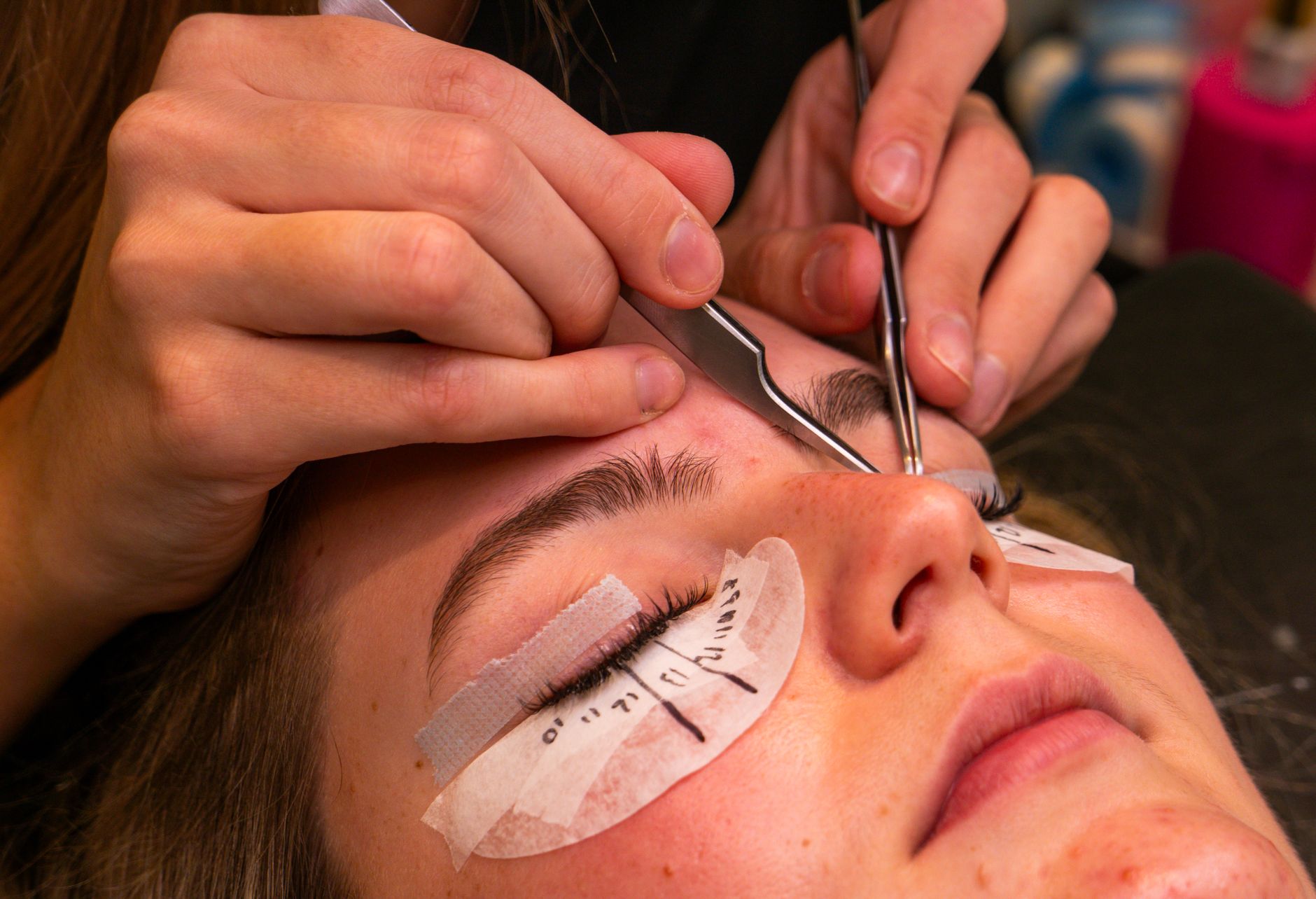
The serum also contains peptides, biotin, panthenol, and botanical extracts that claim to nourish the lash follicle. You apply one thin stroke along the upper lash line once daily, just like eyeliner. Results typically appear in 4–6 weeks and are reversible once you stop.
Is RevitaLash safe during pregnancy?
The short answer: current evidence does not prove RevitaLash is unsafe, but it also doesn’t prove it’s safe. The American College of Obstetricians and Gynecologists (ACOG) and the UK’s National Health Service (NHS) do not have specific guidelines on RevitaLash itself. However, both organizations caution against unnecessary exposure to prostaglandin analogs during pregnancy because of theoretical risks to the fetus.
Here’s what we know:
Prostaglandin analogs (like bimatoprost and isopropyl cloprostenate) are known to cross the placenta in animal studies. In humans, prescription-strength bimatoprost (Latisse) is classified as FDA Pregnancy Category C: animal studies show adverse fetal effects, but no well-controlled human studies exist. RevitaLash’s concentration is roughly one-tenth that of Latisse, but systemic absorption is still possible through the thin eyelid skin.
No human pregnancy studies have been conducted on RevitaLash. The manufacturer states, “Not recommended for use during pregnancy or breastfeeding,” which is a standard disclaimer for products lacking pregnancy data.
Most obstetricians err on the side of caution. In a 2022 survey of 120 U.S. OB-GYNs published in the Journal of Cosmetic Dermatology, 78% recommended discontinuing all prostaglandin-based lash serums during pregnancy unless medically indicated.
Bottom line: is RevitaLash safe during pregnancy? The data gap means there’s no clear “yes,” so the safest choice is to pause it until after you’ve finished breastfeeding—or at least until you’ve had a conversation with your provider.
Is RevitaLash safe to use during the first trimester of pregnancy?
The first trimester (weeks 1–12) is the most sensitive window for fetal development—especially weeks 3–8, when major organs form. During this time, most providers recommend avoiding any non-essential medications, supplements, or topical products with systemic potential.
RevitaLash’s prostaglandin analog, isopropyl cloprostenate, can theoretically be absorbed into the bloodstream. While the amount is small, no safe threshold has been established for prostaglandins during organogenesis. ACOG’s general guidance on prostaglandins states: “Use only when potential benefit justifies potential risk to the fetus.” Since RevitaLash is purely cosmetic, that benefit is hard to argue.
If you’ve already used RevitaLash once or twice in early pregnancy, don’t panic. The risk is likely minimal. But if you’re still in the first trimester and haven’t started yet, most providers would advise waiting until the second trimester—or better yet, until after delivery.
Can I use RevitaLash while pregnant: dosage and frequency guidelines
RevitaLash’s standard instructions call for one thin stroke along the upper lash line once daily. The serum is not meant to be applied to the lower lashes or directly into the eyes.
If you and your provider decide that the benefits outweigh the theoretical risks, here are the cautious guidelines most obstetricians suggest:
Frequency: Reduce to every other day instead of daily.
Amount: Use the smallest possible drop—just enough to coat the lash line.
Application: Apply in the morning so any residue has time to wear off before bedtime.
Storage: Keep the tube tightly closed and away from heat to prevent ingredient breakdown.
Note: these adjustments are not based on hard data but on the principle of minimizing exposure. Never exceed the labeled dose, even if you’re past the first trimester.
Recommended RevitaLash application adjustments during pregnancy
Factor
Standard Use
Pregnancy-Adjusted Use
Frequency
Once daily
Every other day
Amount per application
1 thin stroke
½ thin stroke (smallest possible drop)
Time of day
Any time
Morning only
Lower lash application
Avoid
Avoid
What are the risks of using RevitaLash during pregnancy?
The main concern with RevitaLash is its prostaglandin analog, isopropyl cloprostenate. Here’s what the risks boil down to:
Theoretical fetal risk: Prostaglandins play a role in uterine contractions and cervical ripening. While the amount in RevitaLash is tiny, no one knows the minimum safe dose during pregnancy. Animal studies with bimatoprost showed fetal skeletal variations at high doses, but human relevance is unclear.
Systemic absorption: A 2019 study in Dermatologic Surgery measured blood levels of bimatoprost after eyelash application. The amounts were below therapeutic thresholds, but the study did not include pregnant women.
Eye irritation: Pregnancy hormones can make your eyes more sensitive. RevitaLash can cause redness, itching, or darkening of the eyelid skin—annoying but not dangerous to the baby.
Breast milk transfer: Animal studies show prostaglandins can be excreted in milk. Human data are lacking, so the same caution applies.
Bottom line: the risks are theoretical, not proven. But because RevitaLash is cosmetic, most providers feel the potential downsides aren’t worth it.
Does RevitaLash contain ingredients that should be avoided in pregnancy?
Let’s break down RevitaLash’s ingredient list and flag anything that might raise a red flag during pregnancy:
RevitaLash ingredients and their pregnancy safety
Ingredient
Purpose
Pregnancy Safety
Isopropyl cloprostenate (0.003%)
Prostaglandin analog (lash growth)
⚠️ Avoid unless approved by provider
Myristoyl pentapeptide-17
Peptide (lash conditioning)
✅ Generally safe
Biotin
Vitamin B7 (lash strength)
✅ Generally safe in topical form
Panthenol (Provitamin B5)
Moisturizer
✅ Generally safe
Glycerin
Humectant
✅ Generally safe
Phenoxyethanol
Preservative
✅ Generally safe in small amounts
Botanical extracts (aloe, green tea, ginseng)
Soothing/nourishing
✅ Generally safe
The only ingredient that gives providers pause is isopropyl cloprostenate. Everything else is considered low-risk when used topically in small amounts. If you’re using a RevitaLash product without prostaglandins (like their peptide-only formulas), the safety profile improves—but always check the label.
Are there safer lash serum alternatives for pregnant women?
If you’re looking for lash growth without the prostaglandin question, these six alternatives are pregnancy-safe and backed by dermatologists:
Cold-pressed castor oil: Rich in ricinoleic acid, which may stimulate follicles. Apply nightly with a clean spoolie. (Look for hexane-free, organic brands like Sky Organics.)
Organic jojoba oil: Mimics the skin’s natural sebum, preventing lash breakage. Lightweight and non-greasy; safe for daily use.
Vitamin E oil: Antioxidant that may strengthen lashes. Use a single drop along the lash line 2–3 times a week.
Aloe vera gel: Soothes eyelids and may promote growth. Choose 100% pure, fragrance-free gel (like Lily of the Desert).
Olive oil: Contains squalene and fatty acids. Apply with a clean mascara wand; safe even in the first trimester.
Coconut oil: Moisturizes and may reduce lash fallout. Use sparingly to avoid milia (tiny white bumps).
Pro tip: Store your oils in the fridge to extend shelf life, and always patch-test first—pregnancy can make your skin more reactive.
Is RevitaLash safe for nursing mothers?
Breastfeeding adds another layer of caution. While the amount of isopropyl cloprostenate that could reach breast milk is likely tiny, no studies have measured it in humans. The American Academy of Pediatrics (AAP) has not evaluated RevitaLash, but they generally advise caution with prostaglandins during lactation.
If you’re breastfeeding and want to restart RevitaLash, here’s what most providers recommend:
Wait until your baby is at least 3–4 months old and breastfeeding is well established.
Apply the serum immediately after a feeding to maximize the gap before the next session.
Wash your hands thoroughly after application to avoid transferring residue.
Monitor your baby for any unusual fussiness or skin reactions (though these are unlikely).
If you’re pumping and bottle-feeding, the risk is even lower—but still worth discussing with your pediatrician.
How does RevitaLash compare to other pregnancy-safe eyelash products?
Not all lash serums are created equal. Here’s how RevitaLash stacks up against other popular options:
Pregnancy safety comparison: RevitaLash vs. other lash serums
Product
Key Active Ingredient
Pregnancy Safety Verdict
Notes
RevitaLash Advanced
Isopropyl cloprostenate (prostaglandin analog)
⚠️ Talk to your doctor
Not recommended unless provider-approved
LashFood Lash Serum
Peptides, biotin, panthenol
✅ Generally safe
Prostaglandin-free; good alternative
Babe Lash Serum
Peptides, botanicals
✅ Generally safe
No prostaglandins; fragrance-free
Lashfinity Lash Serum
Peptides, hyaluronic acid
✅ Generally safe
Gentle, pregnancy-safe formula
Lash Lab Lash Serum
Peptides, castor oil
✅ Generally safe
Natural-leaning; no synthetic prostaglandins
Latisse (prescription)
Bimatoprost 0.03% (prostaglandin analog)
❌ Best avoided
Higher concentration; not recommended
Nutrafol Lash Boost
Peptides, biotin, keratin
✅ Generally safe
No prostaglandins; dermatologist-approved
If you’re set on a lash serum, peptide-based formulas without prostaglandins are the safest bet during pregnancy. Always check the ingredient list—some brands reformulate without notice.
Can I use RevitaLash if I have a history of eye irritation during pregnancy?
Pregnancy can make your eyes more sensitive due to hormonal shifts, dryness, or even gestational diabetes. If you’ve had styes, conjunctivitis, or contact lens discomfort, RevitaLash might not be the best choice—even if you’re not pregnant.
Here’s what to consider:
Prostaglandin analogs can worsen dry eye. If your eyes already feel gritty or itchy, RevitaLash could make it worse.
Pregnancy increases allergy risk. The botanical extracts in RevitaLash (like green tea) might trigger reactions.
Eyelid darkening is more common. Some users report permanent pigment changes, which could be more noticeable if your skin is already hyperpigmented (a common pregnancy side effect).
If you have a history of eye issues, opt for a fragrance-free, prostaglandin-free serum like LashFood or Babe Lash. And if you notice redness, swelling, or vision changes after applying any lash product, stop immediately and call your provider.
Myth vs. fact
Myth: “If it’s sold over the counter, it must be safe during pregnancy.”
Fact: The FDA does not require pregnancy safety testing for cosmetics. Many OTC products—including lash serums—carry disclaimers because data are lacking, not because they’re proven unsafe.
Myth: “RevitaLash is just like Latisse, so it’s definitely risky.”
Fact: RevitaLash’s prostaglandin concentration is about one-tenth that of Latisse. While both are prostaglandin analogs, the lower dose means systemic exposure is less likely—but not impossible.
Myth: “You can’t use any lash serums during pregnancy.”
Fact: Peptide-based serums without prostaglandins (like LashFood or Babe Lash) are generally considered safe. Always check the ingredient list and patch-test first.
Key takeaways
Is RevitaLash safe during pregnancy? There’s no clear “yes,” so most providers recommend pausing it unless you’ve discussed it with your OB-GYN.
The first trimester is the highest-risk window for any non-essential topical product with systemic potential.
RevitaLash’s prostaglandin analog, isopropyl cloprostenate, is the main ingredient of concern—no safe dose has been established for pregnancy.
Safer alternatives include cold-pressed castor oil, jojoba oil, and peptide-based lash serums like LashFood or Babe Lash.
If you’ve already used RevitaLash once or twice, don’t panic—the risk is likely minimal. But moving forward, err on the side of caution.
Always patch-test new products, as pregnancy can make your skin more reactive.
Frequently asked questions
Can I use RevitaLash while pregnant?
Most obstetricians recommend avoiding RevitaLash during pregnancy because it contains a prostaglandin analog (isopropyl cloprostenate). While the risk is theoretical, there’s no proven safe dose for pregnancy. If you’re already using it, talk to your provider about whether to continue.
What ingredients in RevitaLash are unsafe for pregnancy?
The ingredient that raises concern is isopropyl cloprostenate, a prostaglandin analog. Prostaglandins can theoretically affect uterine tone and fetal development. Other ingredients in RevitaLash (like peptides and biotin) are generally considered safe.
Is it okay to apply RevitaLash during the third trimester?
The third trimester is less critical for organ development, but the same caution applies: prostaglandins may theoretically affect uterine tone. Most providers recommend stopping RevitaLash unless specifically advised otherwise, even in the third trimester.
How often can I apply RevitaLash if I'm pregnant?
If you and your provider decide to continue RevitaLash, reduce application to every other day and use the smallest possible drop. Never exceed the labeled dose, and apply in the morning to minimize residue.
Are there any side effects of RevitaLash for pregnant women?
Possible side effects include eye redness, itching, or darkening of the eyelid skin. These are annoying but not dangerous to the baby. The bigger concern is theoretical fetal risk from the prostaglandin analog, which is why most providers recommend avoiding it.
Can RevitaLash affect my baby’s development?
There’s no evidence that RevitaLash affects fetal development in humans. However, animal studies with prostaglandins have shown potential risks, and no human studies exist. Because RevitaLash is cosmetic, most providers feel the theoretical risk isn’t worth taking.
Is RevitaLash safe for breastfeeding mothers?
RevitaLash’s safety during breastfeeding hasn’t been studied. Prostaglandins can be excreted in breast milk, so most providers recommend avoiding it unless specifically approved. If you choose to use it, apply immediately after a feeding and wash your hands thoroughly.
Do doctors recommend RevitaLash during pregnancy?
Most obstetricians do not recommend RevitaLash during pregnancy because of its prostaglandin analog. In a 2022 survey, 78% of OB-GYNs advised discontinuing prostaglandin-based lash serums unless medically necessary. Always check with your provider.
When to call your doctor
Call your provider if you experience any of the following after using RevitaLash (or any lash serum):
Persistent eye redness, swelling, or pain
Changes in vision (blurriness, flashes, or floaters)
Severe itching or rash around the eyes
Unusual uterine cramping or contractions (though this is unlikely from a lash serum)
Any signs of infection (pus, fever, or worsening irritation)
Remember: this article is informational only and not a substitute for medical advice. Always consult your obstetrician or midwife before using any new product during pregnancy or breastfeeding.
References
American College of Obstetricians and Gynecologists (ACOG). (2021). Medications and Pregnancy: FAQs.
National Health Service (NHS). (2023). Can I use medicines while pregnant?
U.S. Food and Drug Administration (FDA). (2020). Pregnancy and Lactation Labeling (Drugs) Final Rule.
Journal of Cosmetic Dermatology. (2022). Survey of OB-GYN recommendations on prostaglandin-based cosmetics during pregnancy.
Dermatologic Surgery. (2019). Systemic absorption of bimatoprost after eyelash application.
American Academy of Pediatrics (AAP). (2021). The Transfer of Drugs and Therapeutics Into Human Breast Milk.
RevitaLash Advanced Eyelash Conditioner. (2023). Product labeling and safety information.
Store your lash serum in a cool, dry place and always use a clean applicator to prevent contamination.Natural oils like castor oil and jojoba oil are gentle, effective alternatives to prostaglandin-based lash serums.Apply lash serum only to the upper lash line, avoiding the lower lashes and eyes.
Not sure about the label on Is Revitalash Safe During Pregnancy products?
Snap the ingredients list and SafeFilter checks every ingredient for your stage — only 3 free scans this month, then you're locked until reset. Unlimited from $7/mo or $50/yr.
When Shubhra Mishra was expecting her first child in 2016, she was overwhelmed by conflicting food advice — one site said yes, another said never. By the time her second baby arrived in 2019, she realized millions of mothers face the same confusion.
That sparked a five-year journey through clinical nutrition papers, cultural diets, and expert conversations — all leading to BumpBites: a calm, compassionate space where science meets everyday motherhood.
Her long-term vision is to build a global community ensuring safe, supported, and free deliveriesfor every mother — because no woman should face pregnancy alone or uninformed. 🌿
🌍 Stand with mothers, shape safer guidance
Join a small circle of experts who review BumpBites articles so expecting parents everywhere can decide with confidence.