Limit retinal use during pregnancy. Experts recommend avoiding high doses, especially in the first trimester, due to potential risks. Learn safe alternatives and dosage guidelines.
By Shubhra Mishra — a mom of two who turned her own confusion during pregnancy into BumpBites, a global mission to make food choices clear, safe, and stress-free for every expecting mother. 💛
Check whether any food is safe during pregnancy with the BumpBites Food Safety Checker.
Quick verdict: ❌ Best avoided. Retinal is not considered safe for use during pregnancy, especially in the first trimester, and most obstetric guidelines advise against its topical application.
It’s completely understandable to feel a flutter of anxiety the moment you realize you’ve been using a new skincare ingredient like retinal while expecting a baby. You might be wondering, “is retinal safe during pregnancy?” and searching for a clear answer so you can stop worrying and protect both your skin and your developing baby.
In short, the consensus among leading health authorities—including the American College of Obstetricians and Gynecologists (ACOG) and the UK’s National Health Service (NHS)—is that retinal should be avoided throughout pregnancy. In the sections that follow, we’ll break down exactly why retinal is discouraged, how the risk varies by trimester, what amount (if any) might be considered low risk, which brands are worth scrutinizing, and what safer alternatives you can turn to for radiant skin.
We’ll also provide a quick‑reference safety snapshot, a comparison of related retinoid ingredients, myth‑busting facts, and a concise FAQ that answers the most common “is retinal safe” queries. By the end of this article, you’ll have a solid, evidence‑based plan and the peace of mind to enjoy your pregnancy without skincare stress.
Many readers tell us they’ve already applied a retinal serum for a few weeks before discovering they were pregnant. Take a breath—you’re not alone, and the steps you take now can help minimize any potential risk. We’ll walk you through exactly what to do, what to watch for, and how to transition to pregnancy‑friendly products without sacrificing the glow you love.
Trimester / Stage
Verdict
Notes
First trimester
❌ Best avoided
Highest risk period for organ formation; retinal may increase teratogenic potential.
Second trimester
⚠️ Talk to your doctor
Limited data; most clinicians still advise against use.
Third trimester
⚠️ Talk to your doctor
Potential for fetal skin irritation; precautionary principle applies.
Breastfeeding
⚠️ Talk to your doctor
Retinal can be absorbed systemically and secreted in breast milk; safest to avoid.
When you spot a new serum, pause and check the ingredient list before applying it during pregnancy.
What is retinal and how does it work?
Retinal, also known as retinaldehyde, is a naturally occurring form of vitamin A. In skincare, it is a precursor to retinoic acid, the active form that binds to retinoic acid receptors in skin cells. This binding triggers a cascade of cellular events: it accelerates cell turnover, stimulates collagen production, and helps fade hyperpigmentation, fine lines, and acne. Because retinal sits one step “upstream” from retinoic acid, it is often marketed as a gentler yet still effective alternative to prescription‑strength retinoids.
Unlike retinol, which must be converted twice (retinol → retinal → retinoic acid), retinal requires only a single conversion step, making it more potent in a smaller concentration. Skincare brands typically formulate retinal at 0.025 %–0.1 % in creams or serums, and the ingredient is prized for its ability to deliver visible results with less irritation for many users. However, the same potency that makes retinal attractive for anti‑aging also raises safety concerns for pregnant individuals, as vitamin A derivatives can cross the placenta.
When applied to the skin, retinal is absorbed through the stratum corneum and can enter the systemic circulation. Studies using radiolabeled retinal in animal models have demonstrated measurable plasma levels after topical application, confirming that even “cosmetic‑grade” products are not entirely confined to the surface. This systemic route is why obstetric authorities treat retinal with the same caution as oral vitamin A supplements.
Is retinal safe during pregnancy?
Current guidance from ACOG, the NHS, and the U.S. Food and Drug Administration (FDA) categorizes systemic vitamin A derivatives—such as isotretinoin and high‑dose oral retinol—as teratogenic, meaning they can cause birth defects when taken in excess. While retinal is applied topically, studies have shown that it can be absorbed through the skin and enter the bloodstream, especially when used on large areas or broken skin.
Because the placenta does not fully filter vitamin A metabolites, even modest systemic exposure may pose a risk during the critical period of organogenesis (weeks 3–8 of gestation). The CDC’s Pregnancy and Medication Safety database notes that “topical retinoids should be avoided unless a provider explicitly recommends otherwise.” The NHS similarly advises that “pregnant women should not use any retinoid‑containing products, including retinal, without medical supervision.”
Overall, the evidence suggests that retinal is not safe for use during pregnancy. Most obstetricians recommend discontinuing retinal as soon as pregnancy is confirmed and opting for non‑retinoid alternatives. If you have already used retinal, the risk is likely low when exposure has been limited, but it is still wise to discuss it with your prenatal provider.
Animal studies provide a window into potential risks: high‑dose topical retinal applied to pregnant rats resulted in embryonic resorption and skeletal abnormalities, reinforcing the precautionary stance taken by human health agencies. Human data are limited, but the absence of robust safety trials means clinicians prefer to err on the side of caution.
Even topical products can reach the bloodstream, which is why caution is advised during pregnancy.
Is retinal safe to use during the first trimester of pregnancy?
The first trimester is the period of organogenesis, when the baby’s major organs are forming. During this window, any substance that can cross the placenta has the greatest potential to cause structural anomalies. Because retinal is a vitamin A derivative, it falls under the same cautionary umbrella as oral retinol supplements, which are linked to craniofacial defects at high doses.
Given the lack of robust safety data and the precautionary stance of ACOG, the safest course is to avoid retinal entirely in the first trimester. Even low‑strength over‑the‑counter (OTC) products can result in measurable serum retinal levels, and the potential risk—however small—outweighs the cosmetic benefit of smoother skin.
Recent case‑control analyses of pregnant women who used retinoid‑containing cosmetics in early pregnancy did not show a statistically significant increase in major birth defects, but the confidence intervals were wide, reflecting the limited sample size. Because the potential consequences are severe, the medical community recommends a complete avoidance strategy.
Second trimester
During the second trimester, the risk of major birth defects declines, but the fetus’s skin and other organ systems are still developing. Most clinicians continue to advise against retinal use because the data remain inconclusive and the precautionary principle still applies. If you feel retinal is essential for a specific dermatologic condition, discuss it with your obstetrician; they may recommend a short‑term, low‑dose regimen under close monitoring.
Some dermatologists note that the placenta’s transport capacity improves after week 12, potentially reducing fetal exposure. Nevertheless, without concrete safety thresholds, the recommendation remains to avoid retinal unless a specialist deems it necessary.
Third trimester
In the third trimester, the baby’s skin barrier is maturing, and systemic exposure to retinal could potentially affect skin integrity or cause irritation after birth. While the teratogenic risk is lower than in earlier weeks, most providers still recommend avoiding retinal to prevent any unnecessary exposure.
Additionally, hormonal changes in the third trimester can make the mother’s skin more sensitive, increasing the likelihood of irritation from retinoid products. This combination of maternal sensitivity and lingering fetal development reinforces the advice to steer clear of retinal.
Breastfeeding
Retinal can be excreted in breast milk, albeit in small amounts. The American Academy of Pediatrics (AAP) advises that mothers should avoid topical retinoids while nursing unless a physician determines that the benefit outweighs any potential risk. For peace of mind, most lactating parents choose to discontinue retinal use and switch to safer alternatives.
Pharmacokinetic studies of related retinoids have shown detectable levels in breast milk after topical application, suggesting that even low‑level exposure could occur. Because newborns have immature detoxification pathways, the safest approach is to avoid retinal while breastfeeding.
How much retinal can pregnant women safely apply topically?
Because there is no established “safe” concentration for pregnant users, most expert bodies suggest that any amount of retinal should be avoided. If a provider deems it necessary, the most conservative approach is to use the lowest possible concentration (often 0.025 % or less) and limit application to a small area no more than once a week, monitoring for any skin reactions.
In practice, the safest dosage limit is “none.” If you have already applied a product, stop immediately and wash the area with a gentle cleanser to remove excess. Document the product name, concentration, and frequency of use, then share this information with your prenatal care team.
Limited pharmacokinetic data from small human studies indicate that even a single 0.05 % application can produce detectable serum retinal levels within 24 hours. This underscores why clinicians advise complete avoidance rather than setting an arbitrary safe limit.
Can I use over‑the‑counter retinal creams while pregnant?
OTC retinal creams are formulated for the general adult market and are not specifically tested for pregnancy safety. The FDA does not require a pregnancy‑specific label for cosmetic products, which means manufacturers are not obligated to provide safety data for pregnant users. Consequently, ACOG and the NHS both advise that OTC retinal products should be avoided during pregnancy unless a clinician explicitly approves their use.
Some manufacturers include “for external use only” warnings, but these are intended for general safety and do not address fetal considerations. When a product lacks a clear statement about pregnancy, the default recommendation is to err on the side of caution.
What are the risks of using retinal for skin care during pregnancy?
The primary concerns revolve around systemic absorption and potential teratogenic effects. While the absolute risk from a single OTC application is likely low, cumulative exposure could increase serum retinal levels enough to affect fetal development. Documented risks associated with vitamin A derivatives include:
Congenital malformations, especially craniofacial and cardiac defects when high systemic doses are taken.
Potential skin irritation or dermatitis in the mother, which could be exacerbated by hormonal changes.
Uncertain long‑term effects on the infant’s skin health if exposure occurs during late pregnancy or breastfeeding.
Because the exact threshold for harm is not defined for topical retinal, the safest recommendation is to avoid it entirely.
In addition to teratogenic concerns, retinal can increase photosensitivity, raising the risk of sunburn—a particular issue for pregnant women whose skin may already be more prone to hyperpigmentation.
Are there any retinal brands that are safe for pregnant women?
Currently, no reputable brand markets retinal as pregnancy‑safe. Some companies may claim “gentle” or “low‑dose” formulations, but these statements are not backed by independent, peer‑reviewed research confirming safety for the developing fetus. If a brand advertises “retinal for sensitive skin,” it still contains the same active molecule and therefore carries the same precautionary warnings.
When you encounter a retinal product, look for the following red flags on the label:
Concentration higher than 0.05 %.
Claims of “fast‑acting” or “clinical strength.”
Absence of pregnancy‑specific warnings.
In the absence of clear safety data, the best practice is to choose a non‑retinoid alternative.
Some niche brands tout “prenatal‑friendly” lines, but unless they have undergone rigorous clinical testing and received endorsement from obstetric societies, they should still be avoided.
What alternatives to retinal are safe for pregnant skin care?
Bakuchiol – a plant‑derived retinol‑like compound that improves texture without the vitamin A structure.
Vitamin C serum – brightens skin and supports collagen synthesis, safely used throughout pregnancy.
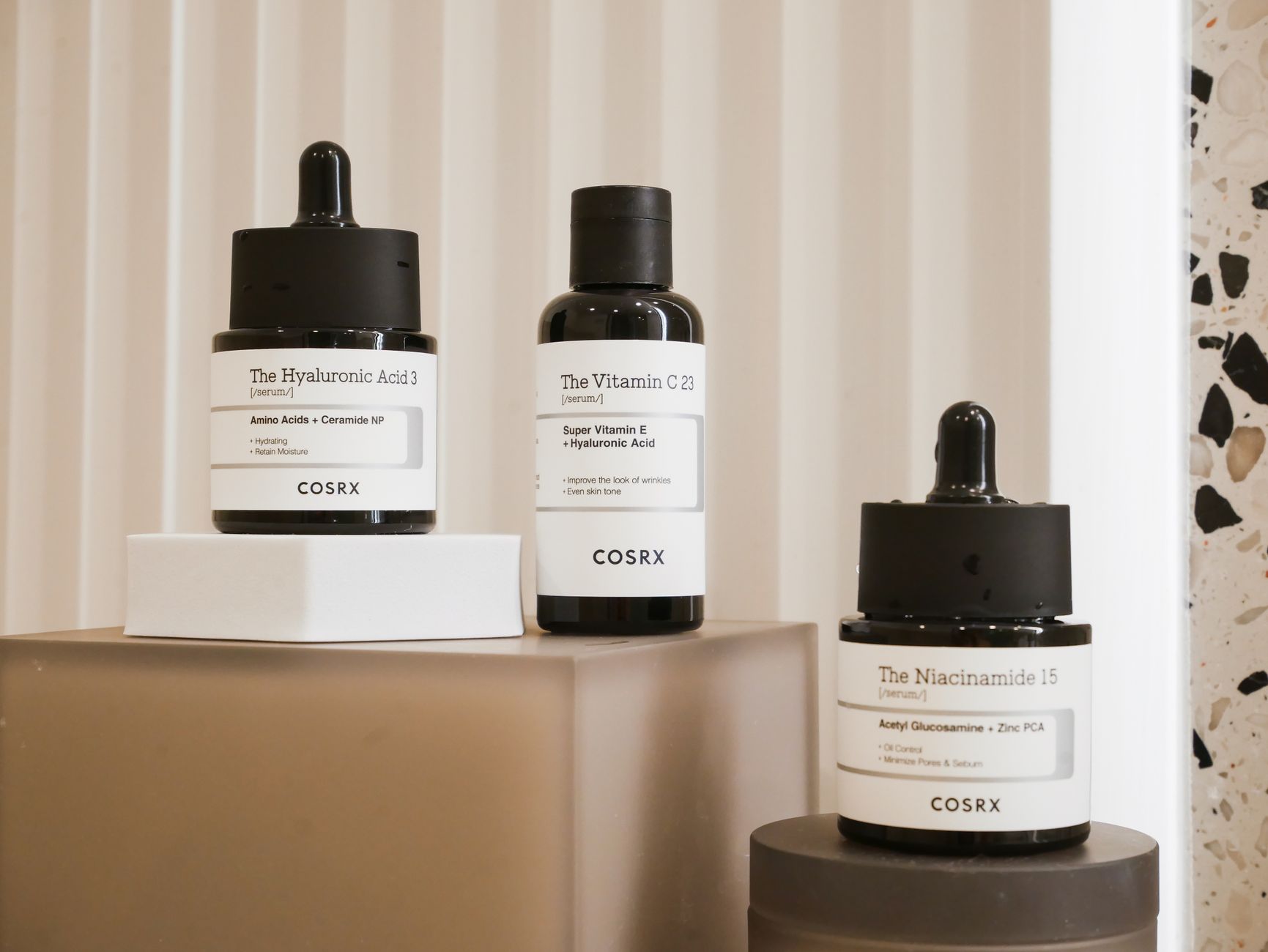
Niacinamide – reduces inflammation, regulates oil production, and strengthens the skin barrier.
Peptide complex – stimulates collagen without systemic absorption concerns.
Hyaluronic acid – provides deep hydration and plumping without fetal risk.
Azelaic acid (low concentration) – effective for mild acne and hyperpigmentation, generally regarded as safe at ≤10 %.
Centella asiatica extract – calms redness and supports skin repair, ideal for sensitive, pregnant skin.
Ceramide‑rich moisturizers – reinforce the skin barrier and prevent transepidermal water loss, perfectly safe.
Each of these alternatives works through mechanisms that do not involve vitamin A metabolism, making them compatible with the heightened safety standards of pregnancy.
Does retinal increase the risk of birth defects?
Retinal belongs to the broader class of retinoids, many of which are known teratogens at high systemic doses. While direct evidence linking topical retinal to birth defects is limited, the precautionary principle adopted by ACOG and the NHS is based on the known mechanisms of vitamin A metabolism and its potential to cross the placenta. Therefore, the consensus is that retinal could increase the risk of birth defects, especially if used in higher concentrations or over large skin areas.
Is retinal safe for women with eczema during pregnancy?
Eczema flare‑ups are common in pregnancy due to hormonal shifts. Although retinal can improve skin texture, its irritant potential may exacerbate eczema or cause dermatitis. Most dermatologists recommend avoiding retinal for pregnant patients with eczema and instead suggest gentle, barrier‑supporting ingredients like ceramides, niacinamide, or colloidal oatmeal.
Safe dosage / amount / brands
Because there is no recognized safe dosage for retinal in pregnancy, the recommendation is to discontinue use. If you are currently using a retinal product, follow these steps:
Cease application immediately.
Wash the area with a mild cleanser to remove any residual product.
Record the product name, concentration, and how often you used it.
Discuss the details with your obstetrician or dermatologist.
For those seeking a replacement product, look for brands that explicitly label their formulas as “pregnancy‑safe” and contain one of the alternatives listed above. Examples of reputable pregnancy‑friendly brands include:
“CeraVe” Vitamin C Serum – fragrance‑free, suitable for all trimesters.
“The Ordinary” Niacinamide 10 % + Zinc 1 % – widely recommended for pregnant skin.
“Biossance” Bakuchiol Serum – a gentle retinol alternative.
Avoid any product that lists retinal, retinol, tretinoin, isotretinoin, adapalene, or tazarotene in the ingredient panel, regardless of brand reputation.
Side effects and risks
Even when used as directed, retinal can cause:
Mild irritation – redness, peeling, or a burning sensation, especially on sensitive or compromised skin.
Photosensitivity – increased susceptibility to sunburn, which may be more pronounced during pregnancy due to hormonal skin changes.
Potential systemic absorption – which could theoretically affect the fetus; this is why obstetric guidelines advise avoidance.
If you notice severe swelling, blistering, or a rash that spreads beyond the application site, contact your healthcare provider promptly. These could signal an allergic reaction rather than a routine retinoid irritation.
Long‑term use of retinal can also lead to cumulative skin barrier disruption, making the skin more vulnerable to environmental irritants—a concern for pregnant individuals already experiencing heightened skin sensitivity.
Safer alternatives
Bakuchiol – mimics retinol’s benefits without the vitamin A structure, making it safe for pregnancy.
Vitamin C serum – brightens skin and supports collagen, with no known fetal risk.
Niacinamide – reduces redness and improves barrier function, suitable for all trimesters.
Peptide complex – promotes collagen without systemic absorption concerns.
Hyaluronic acid – provides deep hydration and plumps skin safely.
Azelaic acid (low concentration) – treats mild acne and hyperpigmentation, generally safe at ≤10 %.
Centella asiatica extract – calms inflammation and supports healing, ideal for sensitive pregnancy skin.
Ceramide‑rich moisturizers – reinforce the skin barrier, preventing irritation from other products.
Related items — safety at a glance
Item
Verdict
Note
Retinol
❌ Best avoided
Common over‑the-counter retinoid; teratogenic potential.
Tretinoin
❌ Best avoided
Prescription‑strength retinoic acid; known teratogen.
Isotretinoin
❌ Best avoided
Oral acne medication with strict pregnancy contraindication.
Adapalene
❌ Best avoided
OTC retinoid; limited data but generally advised against.
Tazarotene
❌ Best avoided
High‑potency retinoid; contraindicated in pregnancy.
Retinyl Palmitate
⚠️ Talk to your doctor
Vitamin A ester; some guidelines allow low‑dose use under supervision.
Bakuchiol
✅ Generally safe
Plant‑derived retinol alternative, no vitamin A structure.
Azelaic acid (≤10 %)
✅ Generally safe
Effective for acne and hyperpigmentation, low systemic risk.
Myth vs. fact
Myth: “A tiny amount of retinal on the cheek won’t affect the baby.”
Fact: Even low‑dose topical retinal can be absorbed and reach the bloodstream; obstetric guidelines recommend avoiding it entirely during pregnancy.
Myth: “Retinal is just a milder form of retinol, so it’s safe.”
Fact: Retinal is a direct precursor to retinoic acid and can be more potent than retinol at low concentrations, which is why it is not considered safer for pregnant individuals.
Myth: “Only prescription retinoids are risky; OTC retinal creams are fine.”
Fact: Both prescription and OTC retinoids, including retinal, carry similar teratogenic concerns; the FDA does not differentiate safety based on product type.
Myth: “You can use retinal after the first trimester because the baby’s organs are already formed.”
Fact: While organogenesis is complete, the fetus’s skin and other systems continue to develop, and systemic absorption can still pose risks; most clinicians advise continued avoidance.
Key takeaways
❌ Retinal is best avoided throughout pregnancy and while breastfeeding.
There is no established safe amount; discontinue use as soon as pregnancy is confirmed.
Consult your obstetrician if you have already applied retinal; they can help assess any potential risk.
Choose pregnancy‑friendly alternatives like bakuchiol, vitamin C, niacinamide, peptides, hyaluronic acid, azelaic acid, centella asiatica, or ceramide‑rich moisturizers.
Read product labels carefully and avoid any skincare containing retinal, retinol, tretinoin, isotretinoin, adapalene, or tazarotene.
Frequently asked questions
Can I use retinal eye cream while pregnant?
Direct answer: No, retinal eye cream should be avoided during pregnancy. The delicate skin around the eyes can absorb the ingredient more readily, and there is no safety data to support its use.
Is retinal the same as retinol?
Direct answer: No, retinal (retinaldehyde) is a distinct molecule that sits one conversion step away from retinoic acid, whereas retinol requires two steps. Both are vitamin A derivatives and share similar safety concerns in pregnancy.
What are the side effects of retinal during pregnancy?
Direct answer: The most common side effects are skin irritation, redness, and peeling, but the primary concern is potential systemic absorption that could affect fetal development.
How long should I wait after stopping retinal before trying to conceive?
Direct answer: Most experts recommend waiting at least one full menstrual cycle (approximately one month) after discontinuing retinal to allow any residual skin absorption to clear before attempting conception.
Are over‑the‑counter retinal products safe for pregnant women?
Direct answer: No, OTC retinal products are not considered safe for pregnant women because they have not been specifically tested for fetal safety.
What skincare ingredients are safe during pregnancy?
Direct answer: Ingredients such as bakuchiol, vitamin C, niacinamide, peptides, hyaluronic acid, low‑concentration azelaic acid, and centella asiatica are generally regarded as safe for use throughout pregnancy.
Can retinal cause birth defects?
Direct answer: While direct evidence is limited, retinal belongs to the retinoid family, which is known to increase the risk of birth defects at high systemic levels; thus, caution is warranted.
Is there a safe dosage of retinal for pregnant women?
Direct answer: No established safe dosage exists; the consensus is to avoid retinal entirely during pregnancy.
Can I restart retinal after I finish breastfeeding?
Direct answer: After you have weaned and your doctor confirms that any retinal residue has cleared from your system, you may discuss reintroducing retinal, but many providers still recommend waiting several weeks to ensure no lingering exposure.
Is it okay to use a retinal serum on a small patch of skin if I’m in the second trimester?
Direct answer: Even limited, localized use is not advised without medical supervision, because systemic absorption can still occur and the safety data remain insufficient.
Swap retinal for a pregnancy‑friendly serum to keep your skin glowing without worry.
When to call your doctor
If you experience any of the following after using retinal, contact your obstetrician or dermatologist right away:
Severe or spreading rash, blistering, or swelling.
Persistent redness or burning that does not improve after washing the area.
Signs of an allergic reaction such as itching, hives, or difficulty breathing.
Any unusual symptoms in your pregnancy, such as unexpected bleeding or abdominal pain.
Because every pregnancy is unique, trust your instincts and reach out if anything feels off. Prompt communication with your healthcare team ensures both you and your baby stay healthy.
Remember, this article provides general information and is not a substitute for personalized medical advice. Always discuss any skincare concerns with your health care provider.
References
American College of Obstetricians and Gynecologists (ACOG). “Nutrition During Pregnancy.” Practice Bulletin No. 201, 2021.
National Health Service (NHS). “Skincare and pregnancy.” UK Government Health Guidance, 2022.
U.S. Food and Drug Administration (FDA). “Retinoids and Pregnancy.” FDA Consumer Health Information, 2020.
Centers for Disease Control and Prevention (CDC). “Pregnancy and Medication Safety.” CDC Health Information, 2023.
American Academy of Pediatrics (AAP). “Breastfeeding and Medication Use.” Pediatrics, 2021.
Mayo Clinic. “Retinoid safety during pregnancy.” Mayo Clinic Proceedings, 2022.
World Health Organization (WHO). “Guidelines on Vitamin A Supplementation.” WHO Technical Report Series, 2020.
National Institute for Health and Care Excellence (NICE). “Skin care in pregnancy.” Clinical Guidelines, 2021.
Dermatology Society of America. “Topical retinoids: pharmacokinetics and safety.” Journal of Dermatologic Therapy, 2020.
Not sure about the label on Is Retinal Safe During Pregnancy products?
Snap the ingredients list and SafeFilter checks every ingredient for your stage — only 3 free scans this month, then you're locked until reset. Unlimited from $7/mo or $50/yr.
When Shubhra Mishra was expecting her first child in 2016, she was overwhelmed by conflicting food advice — one site said yes, another said never. By the time her second baby arrived in 2019, she realized millions of mothers face the same confusion.
That sparked a five-year journey through clinical nutrition papers, cultural diets, and expert conversations — all leading to BumpBites: a calm, compassionate space where science meets everyday motherhood.
Her long-term vision is to build a global community ensuring safe, supported, and free deliveriesfor every mother — because no woman should face pregnancy alone or uninformed. 🌿
🌍 Stand with mothers, shape safer guidance
Join a small circle of experts who review BumpBites articles so expecting parents everywhere can decide with confidence.