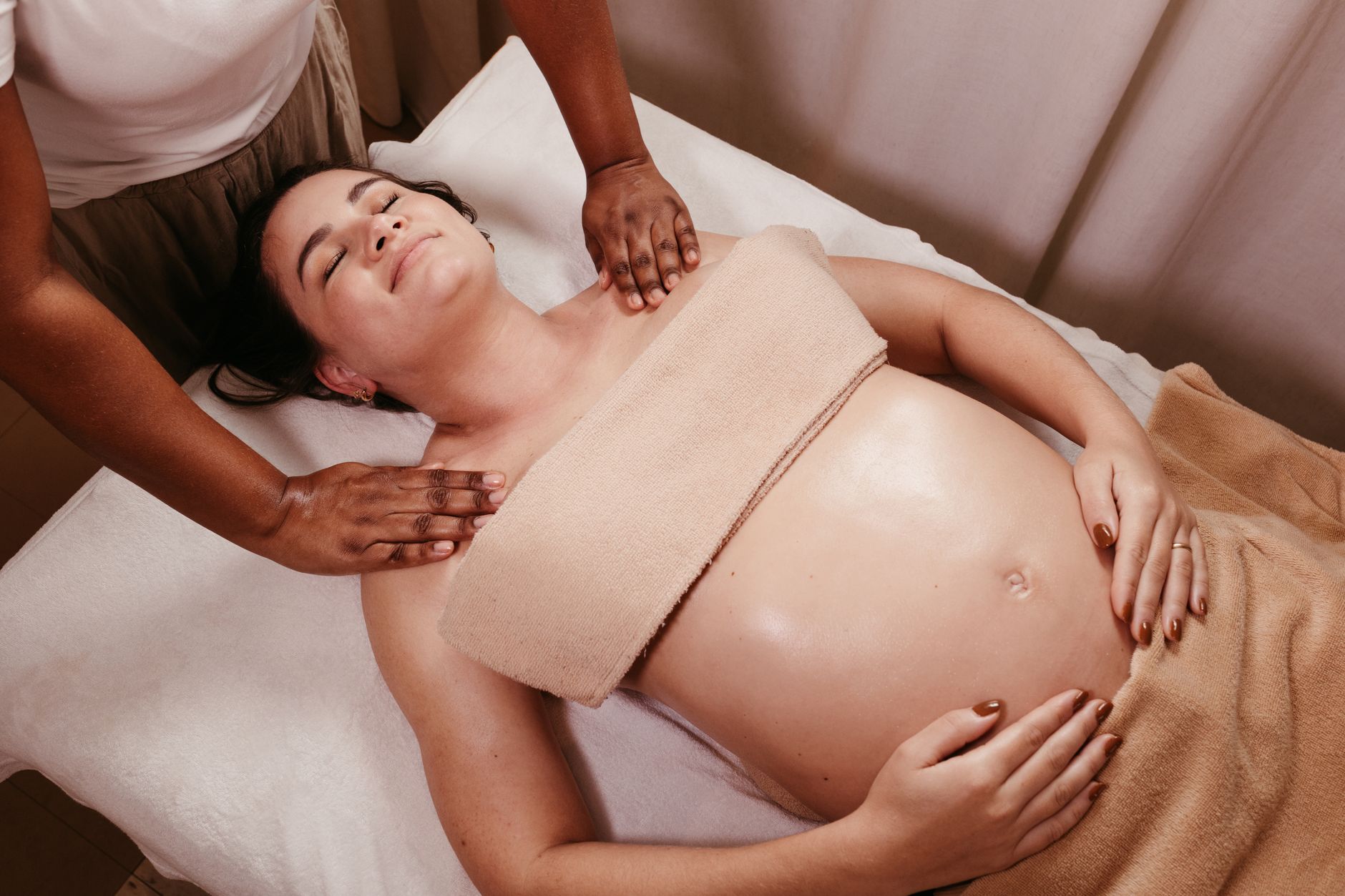
Quick verdict: ⚠️ Reiki energy work is generally considered safe during pregnancy when performed by a certified practitioner who specializes in prenatal care, but it’s best avoided in the first trimester and requires caution with certain conditions like high blood pressure. Always choose a practitioner experienced in working with pregnant women and stop immediately if you feel discomfort or unusual sensations.--- ### **Is Reiki Energy Work Safe During Pregnancy? A Complete Safety Guide** You’re curled up on a massage table, eyes closed, as warm hands hover over your belly—soft, intentional energy flowing into you. It’s a moment of calm, a pause in the whirlwind of pregnancy symptoms, morning sickness, and the endless list of things to prepare for your baby’s arrival. But if you’re pregnant, even the most soothing touch or energy work can leave you questioning: *Is Reiki safe during pregnancy?* Maybe you’ve already booked a session, or maybe you’re scrolling at 2 AM after seeing a Reiki ad, heart racing with the fear of what you might have already done wrong. Take a deep breath. You’re not alone in this worry. Reiki—pronounced *ray-key*—is a Japanese energy healing technique that promotes relaxation and balance by channeling universal life force energy (*ki* or *chi*) through the practitioner’s hands. It’s often described as a gentle, non-invasive practice that can ease stress, reduce pain, and even support emotional well-being. But pregnancy is a time of heightened sensitivity, and the question of whether Reiki is safe during pregnancy isn’t just about personal preference—it’s about your baby’s health too. The good news? Most obstetricians and complementary health experts agree that Reiki can be a safe, even beneficial, addition to your prenatal care—*with the right precautions*. The bad news? There’s a lot of misinformation out there, and the first trimester is a red-flag window where even gentle practices need extra scrutiny. In this guide, we’ll break down everything you need to know about Reiki during pregnancy: its safety by trimester, how to choose a qualified practitioner, what to watch for, and—most importantly—what to do if you’ve already tried it. We’ll also compare Reiki to other pregnancy-safe energy therapies and debunk common myths. By the end, you’ll know exactly how to approach Reiki (or avoid it) with confidence. And if you’re feeling overwhelmed by the sheer number of decisions pregnancy throws at you—like how to balance work and motherhood after baby arrives—remember that you’re doing an amazing job just showing up for this journey. First-day back to work doesn’t have to be a nightmare, but today? Focus on what’s best for you and your baby. --- ### **Safety Snapshot: Reiki During Pregnancy** | **Trimester/Breastfeeding** | **Verdict** | **Notes** | |-----------------------------|--------------------------------------|-------------------------------------------------------------------------------------------------------------------------------------------------------------------------------------------------------------| | **First Trimester** | ❌ Best avoided | Highest risk of birth defects; avoid all non-essential energy work until after the first 12 weeks. | | **Second Trimester** | ✅ Safe with precautions | Can be done with a certified prenatal Reiki practitioner; avoid direct pressure on the belly. | | **Third Trimester** | ✅ Safe with precautions | Still safe, but monitor for signs of preterm labor (contractions, cramping, or fluid leakage). | | **Breastfeeding** | ✅ Safe | No known risks; Reiki can support postpartum recovery and milk supply. | --- ### **What Is Reiki Energy Work?** Reiki is a hands-on healing practice rooted in Japanese spiritual traditions, developed in the early 20th century by Dr. Mikao Usui. The word *Reiki* itself means “universal life energy” (*rei* = universal, *ki* = life force). Practitioners believe that by channeling this energy through their hands, they can help balance the body’s energy flow, promote relaxation, and support the body’s natural healing processes. Unlike massage, which focuses on physical manipulation of muscles and tissues, Reiki works on an energetic level. A Reiki session typically involves lying down fully clothed while the practitioner places their hands lightly (but not touching) on or above different parts of your body—including, in some cases, your belly. You may experience warmth, tingling, or a deep sense of calm. Some describe it as a “vibration” or a feeling of energy moving through them. Reiki is often used to address a wide range of concerns, including: - **Stress and anxiety** (common during pregnancy) - **Chronic pain** (like back pain or headaches) - **Emotional imbalances** (mood swings, fear, or overwhelm) - **Digestive issues** (nausea, constipation) - **Sleep disturbances** (insomnia or restless sleep) Many people turn to Reiki during pregnancy because it’s non-invasive, drug-free, and can be tailored to individual needs. But pregnancy isn’t a one-size-fits-all experience, and what works for one mom might not be safe for another. That’s why it’s critical to understand the nuances—especially when it comes to energy work. --- ### **Is Reiki Energy Work Safe During Pregnancy?** The short answer? **It depends.** Reiki itself isn’t considered a teratogen—a substance or practice that causes birth defects—but its safety during pregnancy isn’t universally endorsed without conditions. Here’s what the evidence and expert guidelines say: 1. **General Consensus from Obstetricians and Holistic Health Organizations:** - The **American College of Obstetricians and Gynecologists (ACOG)** doesn’t have a specific stance on Reiki, but it generally supports complementary therapies that are non-invasive and low-risk. However, ACOG does emphasize that any energy work during pregnancy should be approached with caution, particularly in the first trimester when the fetus is most vulnerable to disruptions. - The **National Institute of Health (NIH)** and **National Center for Complementary and Integrative Health (NCCIH)** recognize Reiki as a form of energy therapy that may offer relaxation benefits but do not endorse it as a primary treatment for pregnancy-related conditions. They caution that more research is needed to confirm its safety and efficacy. - The **UK’s National Health Service (NHS)** suggests that Reiki can be safe during pregnancy if performed by a qualified practitioner who is experienced in working with expectant mothers. They recommend avoiding it in the first trimester unless under medical supervision. 2. **Mechanism of Potential Risk:** - Reiki isn’t believed to physically interact with the fetus, but the concern lies in the **stress response** it might trigger. If a Reiki session causes discomfort, anxiety, or physical tension (like uterine contractions), it could theoretically pose risks. For example, if a practitioner applies too much pressure or uses techniques that aren’t pregnancy-appropriate, it might lead to preterm labor or other complications. - There’s also the risk of **misinformation or unqualified practitioners**. Not all Reiki practitioners are trained in prenatal care, and some might not know how to adapt their techniques for a pregnant body. 3. **What the Research Actually Shows:** - A small study published in the *Journal of Alternative and Complementary Medicine* found that Reiki reduced stress and anxiety in pregnant women, with no reported adverse effects. However, the sample size was limited, and the study didn’t track long-term outcomes for the babies. - Anecdotal reports from pregnant women often highlight Reiki’s benefits for sleep, nausea, and emotional well-being, but these are not controlled or peer-reviewed studies. The lack of large-scale research means that while Reiki *seems* safe for many, it’s not yet considered a standard or universally recommended practice in obstetrics. 4. **Common Misconceptions:** - **Myth:** “Reiki is completely natural, so it must be safe.” **Fact:** Just because something is “natural” doesn’t mean it’s risk-free. For example, herbal teas can be unsafe in pregnancy if they contain certain herbs like peppermint or chamomile in high doses. - **Myth:** “Any Reiki practitioner can work with pregnant women.” **Fact:** Not all Reiki practitioners are trained in prenatal care. You’d never let a general dentist perform a root canal on you without verifying their expertise—treat your Reiki practitioner the same way. --- ### **Safety by Trimester** #### **Is Reiki Safe During the First Trimester of Pregnancy?** **❌ Best avoided.** The first trimester is a critical period for organ development, and while Reiki itself isn’t known to cause birth defects, the potential for stress or physical discomfort makes it a high-risk time to experiment with new energy therapies. If you’ve already had Reiki in your first trimester and feel fine, there’s no need to panic—but it’s wise to stop if you experience any unusual symptoms like cramping, spotting, or contractions. #### **Can Reiki Energy Work Be Done During the Second Trimester?** **✅ Safe with precautions.** The second trimester is often considered the “sweet spot” for complementary therapies because the risk of miscarriage has decreased, and the baby is more protected. If you choose to try Reiki: - **Avoid direct pressure on your belly.** The practitioner should use light, hovering hands rather than pressing down. - **Opt for a certified prenatal Reiki practitioner.** Look for someone who has taken specific training in working with pregnant women. - **Listen to your body.** If you feel discomfort, tension, or any unusual sensations, the session should stop immediately. #### **What Is the Recommended Dosage of Reiki Sessions for Pregnant Women?** **⚠️ Safe with limits.** Most obstetricians and holistic health experts recommend: - **No more than once per week** during pregnancy. - **Avoid sessions during high-risk periods**, such as if you’ve been diagnosed with preterm labor or have a history of miscarriage. - **Stop sessions if you experience any red flags** (see “Side Effects and Risks” below). #### **What Are the Benefits of Reiki for Pregnant Women?** Many moms report that Reiki helps with: - **Reducing stress and anxiety** (which can lower cortisol levels, potentially benefiting both mom and baby). - **Easing nausea and digestive discomfort** (some describe Reiki as helping “reset” their nervous system). - **Improving sleep quality** (especially if combined with deep breathing exercises). - **Supporting emotional well-being** (helping with mood swings or feelings of overwhelm). #### **Is Reiki Safe for Pregnant Women with High Blood Pressure?** **⚠️ Talk to your doctor first.** Reiki is generally considered safe for pregnant women with gestational hypertension (high blood pressure during pregnancy), but it’s important to: - **Monitor your blood pressure before and after sessions.** - **Avoid Reiki if you’ve been diagnosed with preeclampsia**, as the stress response could potentially worsen symptoms. - **Choose a practitioner who understands your condition** and can adapt the session accordingly. --- ### **Safe Dosage and Session Guidelines** | **Guideline** | **Details** | |----------------------------------------|-------------------------------------------------------------------------------------------------------------------------------------------------------------------------------------------------------------| | **Session Frequency** | No more than **once per week** during pregnancy. | | **Session Duration** | **30–45 minutes per session** is typical. Longer sessions may increase stress levels. | | **Practitioner Certification** | Look for a **Reiki practitioner with prenatal certification** (e.g., Usui Reiki Level II or higher with specific prenatal training). Avoid general practitioners unless they’ve worked with pregnant clients. | | **Positioning During Session** | **Lie on your side or back with pillows for support**—never on your stomach. The practitioner should avoid pressing on your belly. | | **Aftercare** | Stay hydrated and rest for **10–15 minutes** after the session. Avoid strenuous activity immediately afterward. | --- ### **⚠️ Side Effects and Risks** While Reiki is generally considered low-risk, there are potential risks to be aware of: 1. **Physical Discomfort:** - Some women report feeling **lightheaded, warm, or slightly nauseous** during or after a session. If this happens, pause the session and sit up. - Rarely, Reiki might trigger **mild contractions** or cramping, especially in the second or third trimester. If you experience **regular contractions, bleeding, or fluid leakage**, stop the session and contact your provider. 2. **Emotional Reactions:** - Reiki can bring up **emotional memories or stress** that may feel overwhelming. If you start crying or feel anxious, the practitioner should adjust the session or end it early. - Some women describe feeling **overwhelmed or “spaced out”** afterward, which is usually harmless but can be disorienting. 3. **Contraindications:** - **Avoid Reiki if you have:** - A history of **preterm labor** or **miscarriage**. - **Preeclampsia** or **gestational hypertension** (unless your practitioner is experienced in working with these conditions). - **Placenta previa** (low-lying placenta) or **placental abruption** (separated placenta). - Any **active medical conditions** that could be worsened by stress (e.g., epilepsy, severe anxiety disorders). 4. **When to Stop Immediately:** - **Contractions** (especially if they’re regular or painful). - **Vaginal bleeding or spotting**. - **Sudden gush of fluid** (could indicate preterm labor). - **Severe headache, dizziness, or nausea** (signs of low blood pressure or dehydration). - **Any unusual sensations in your belly** (e.g., sharp pains, pressure, or discomfort). --- ### **Safer Alternatives to Reiki for Pregnant Mothers** If you’re looking for energy work or relaxation techniques that are pregnancy-safe and backed by more research, consider these alternatives: - **Prenatal Yoga** – Gentle, modified poses to improve flexibility, reduce stress, and prepare your body for labor. Many moms find yoga a game-changer for managing pregnancy discomfort. - **Gentle Stretching** – Simple, slow stretches can ease back pain and improve circulation without the need for a practitioner. - **Deep Breathing Exercises** – Techniques like diaphragmatic breathing can lower stress hormones and promote relaxation. - **Meditation** – Guided or mindfulness meditation is a drug-free way to reduce anxiety and improve sleep. - **Acupuncture (Pregnancy-Approved)** – When performed by a licensed acupuncturist trained in prenatal care, acupuncture can help with nausea, back pain, and stress. - **Music Therapy** – Listening to calming music or using binaural beats can induce a state of relaxation similar to Reiki. - **Prenatal Massage (Certified)** – A massage therapist trained in prenatal techniques can safely work on your back, shoulders, and legs (avoiding the belly). - **Visualization Techniques** – Guided imagery (e.g., imagining a peaceful beach or a calm forest) can reduce stress and promote emotional well-being. - **Light Aromatherapy (Pregnancy-Safe)** – Essential oils like lavender or chamomile (in diluted forms) can be used in a diffuser or applied topically (with carrier oil) to promote relaxation. --- ### **Related Items: Safety at a Glance** | **Therapy/Activity** | **Verdict** | **Notes** | |------------------------------|--------------------------------------|-------------------------------------------------------------------------------------------------------------------------------------------------------------------------------------------------------------| | **Acupuncture** | ✅ Safe with precautions | Safe when performed by a licensed acupuncturist trained in prenatal care; avoid certain points (e.g., SP6) unless under supervision. | | **Chiropractic Adjustments** | ⚠️ Safe with limits | Safe in the second trimester with a **prenatal-certified chiropractor**; avoid adjustments in the first trimester unless medically necessary. | | **Reflexology** | ⚠️ Safe with limits | Safe when performed gently on the feet/hands; avoid pressure on the belly or reflex points associated with reproductive organs. | | **Therapeutic Massage** | ✅ Safe with precautions | Safe in the second/third trimester with a **certified prenatal massage therapist**; avoid lying on your back after the first trimester. | | **Qigong** | ✅ Generally safe | Gentle movement and breathwork; safe for all trimesters if practiced mindfully and without strain. | | **Tai Chi** | ✅ Generally safe | Low-impact, slow movements; safe for all trimesters but avoid advanced forms that require balance or agility. | | **Healing Touch** | ⚠️ Safe with precautions | Similar to Reiki but uses a more structured approach; safe if practitioner is trained in prenatal care and avoids belly pressure. | | **Biofeedback** | ✅ Generally safe | Non-invasive technique to learn self-regulation of bodily functions; safe for all trimesters when guided by a trained professional. | | **Meditation** | ✅ Generally safe | Safe for all trimesters; guided meditation apps (like Headspace or Calm) offer pregnancy-specific tracks. | | **Yoga** | ✅ Safe with modifications | Prenatal yoga is ideal; avoid inversions, deep twists, or lying flat on your back after the first trimester. | --- ### **Myth vs. Fact** **Myth:** “Reiki can’t hurt my baby because it’s just ‘energy.’” **Fact:** While Reiki itself isn’t physically harmful, the *stress response* it might trigger could potentially affect your baby. For example, if a session causes anxiety or uterine contractions, it could pose risks—especially in the first trimester. **Myth:** “All Reiki practitioners are the same, so any one will do.” **Fact:** Not all Reiki practitioners are trained in prenatal care. Just as you wouldn’t let a general dentist perform a root canal, you should seek out a practitioner who specializes in working with pregnant women. **Myth:** “Reiki is only for spiritual people—it won’t work for me.” **Fact:** Reiki is a secular practice that focuses on energy balance, not spirituality. Many people experience it as a deeply relaxing, science-backed way to reduce stress—without any religious or metaphysical beliefs required. --- ### **Key Takeaways** - **First trimester?** Avoid Reiki unless under medical supervision. - **Second/third trimester?** Reiki *can* be safe if performed by a **certified prenatal practitioner** with light, non-invasive techniques. - **Always prioritize your comfort.** If you feel discomfort, tension, or unusual sensations, stop the session immediately. - **Choose a qualified practitioner.** Look for someone with **prenatal Reiki certification** and experience working with expectant mothers. - **Listen to your body.** If you experience contractions, bleeding, or fluid leakage, contact your provider right away. - **Consider alternatives.** If you’re unsure about Reiki, try **prenatal yoga, meditation, or gentle stretching**—all of which are well-documented as safe and beneficial. - **Your intuition matters.** If something feels “off,” trust it. Pregnancy is a time to listen to your body more than ever. --- ### **Frequently Asked Questions** #### **Is Reiki safe during pregnancy?** Reiki is generally considered **safe during pregnancy when performed by a certified practitioner who specializes in prenatal care**, but it’s best avoided in the first trimester. In the second and third trimesters, Reiki can be a relaxing and stress-reducing practice—*if* the practitioner avoids direct pressure on your belly and adapts techniques for your changing body. Always choose a practitioner with **specific training in prenatal Reiki**, and stop immediately if you feel discomfort or unusual sensations. #### **Can Reiki help with pregnancy nausea?** Many women report that Reiki helps ease nausea, likely due to its ability to **reduce stress and promote relaxation**. Some describe it as helping to “reset” their nervous system, which can alleviate digestive discomfort. However, there’s no clinical evidence that Reiki *directly* cures nausea—it may work as part of a broader stress-management strategy. If you’re struggling with severe nausea, always consult your provider first. #### **How often can pregnant women receive Reiki?** Most obstetricians and holistic health experts recommend **no more than once per week** during pregnancy. Frequent sessions could potentially increase stress levels, which isn’t ideal for you or your baby. If you’re considering Reiki, start with **one session every 2–3 weeks** in the second trimester to gauge how your body responds. #### **Does Reiki affect fetal development?** There’s **no evidence** that Reiki directly affects fetal development. However, the **stress response** it might trigger could theoretically have an indirect impact—especially in the first trimester when the fetus is most vulnerable. That’s why it’s safest to avoid Reiki in the first 12 weeks unless under medical supervision. In the second and third trimesters, Reiki is generally considered safe as long as it’s performed gently and without pressure. #### **What are the benefits of Reiki for pregnant women?** Many pregnant women turn to Reiki to: - **Reduce stress and anxiety** (lowering cortisol levels, which can benefit both mom and baby). - **Ease nausea and digestive discomfort** (some describe it as helping to “calm” their stomach). - **Improve sleep quality** (especially when combined with deep breathing exercises). - **Support emotional well-being** (helping with mood swings or feelings of overwhelm). - **Prepare for labor** (some practitioners offer “pre-labor Reiki” to help with relaxation and pain management). #### **Are there any contraindications for Reiki during pregnancy?** Yes, Reiki may not be safe if you have: - A history of **preterm labor** or **miscarriage**. - **Preeclampsia** or **gestational hypertension** (unless your practitioner is experienced in working with these conditions). - **Placenta previa** or **placental abruption**. - Any **active medical conditions** that could be worsened by stress (e.g., epilepsy, severe anxiety disorders). Always check with your provider before starting Reiki if you have any high-risk conditions. #### **Can a partner give Reiki to a pregnant woman?** **Yes, but with caution.** If your partner is trained in Reiki, they *can* perform sessions on you—but only if they’ve taken **specific training in prenatal Reiki**. They should avoid pressing on your belly and should stop immediately if you feel discomfort. If your partner isn’t certified, it’s safer to seek out a professional practitioner who specializes in prenatal care. #### **What should I look for in a Reiki practitioner for pregnancy?** When choosing a Reiki practitioner during pregnancy, look for: - **Certification in prenatal Reiki** (e.g., Usui Reiki Level II or higher with specific prenatal training). - **Experience working with pregnant women** (ask how many prenatal clients they’ve worked with). - **A gentle, non-invasive approach** (they should avoid pressing on your belly and adapt techniques for your changing body). - **Clear communication** (they should explain their techniques and ask how you’re feeling throughout the session). - **A clean, professional environment** (you should feel safe and comfortable). --- ### **When to Call Your Doctor** Contact your healthcare provider **immediately** if you experience any of the following after a Reiki session: - **Regular contractions** (especially if they’re painful or getting closer together). - **Vaginal bleeding or spotting**. - **A sudden gush of fluid** (could indicate preterm labor). - **Severe headache, dizziness, or nausea** (signs of low blood pressure or dehydration). - **Any unusual sensations in your belly** (e.g., sharp pains, pressure, or discomfort). - **Increased stress or anxiety** that doesn’t improve after the session. If you’re unsure whether a symptom is serious, **err on the side of caution** and call your provider. It’s always better to check than to wait. --- ### **References** 1. **American College of Obstetricians and Gynecologists (ACOG)** – General guidelines on complementary therapies during pregnancy (no specific Reiki stance, but supports cautious use of non-invasive practices). 2. **National Center for Complementary and Integrative Health (NCCIH)** – Overview of energy therapies, including Reiki, and their potential benefits and risks. 3. **Journal of Alternative and Complementary Medicine** – Study on Reiki’s effects on stress and anxiety in pregnant women (limited sample size, but no reported adverse effects). 4. **UK National Health Service (NHS)** – Guidelines on complementary therapies during pregnancy, including Reiki. 5. **International Association of Reiki Professionals (IARP)** – Standards for prenatal Reiki certification and practice. ---