

Quick verdict: ❌ Best avoided. Reign Energy contains 300 mg of caffeine per can—well above the 200 mg daily limit recommended by ACOG and NHS for pregnant women. While an occasional sip is unlikely to cause harm, regular consumption increases risks like miscarriage, low birth weight, and preterm labor. We recommend safer, caffeine-free alternatives to keep your energy up.
You’re scrolling the fridge at midnight, exhausted, and that sleek black can of Reign Energy winks at you. “Just one,” you think. “It’s sugar-free, so it’s fine, right?” But then the caffeine number—300 mg—pops into your head, and suddenly you’re Googling is Reign Energy safe during pregnancy at 11 p.m., heart pounding.
If you’ve already cracked open a can, take a breath. One sip isn’t a crisis. But if you’re trying to decide whether to keep it in your routine, here’s the clear, calm answer: Reign Energy isn’t considered safe during pregnancy, and most obstetricians recommend steering clear. In this guide, we’ll break down why, how much is too much, which trimesters matter most, and—most importantly—what you can drink instead to beat fatigue without the worry.
| Trimester / Stage | Verdict | Notes |
|---|---|---|
| First trimester | ❌ Avoid | High caffeine intake is linked to increased miscarriage risk. Organ development is most vulnerable now. |
| Second trimester | ❌ Avoid | Caffeine crosses the placenta and may affect fetal growth. Blood pressure and hydration are key concerns. |
| Third trimester | ❌ Avoid | High caffeine can contribute to preterm labor and low birth weight. Heart rate and sleep disruptions are common. |
| Breastfeeding | ⚠️ Limit | Caffeine passes into breast milk. ACOG suggests keeping intake under 200 mg/day and timing feeds 2+ hours after consumption. |
What is Reign Energy?
Reign Energy is a sugar-free, carbonated energy drink marketed as a “performance fuel” for athletes and active adults. Each 16-ounce can packs 300 mg of caffeine—about the same as three cups of coffee—along with electrolytes, B vitamins, and amino acids like CoQ10 and L-carnitine. It’s designed to boost energy, focus, and endurance without the sugar crash of traditional energy drinks.
Unlike some competitors, Reign skips artificial sweeteners like aspartame, opting instead for sucralose and acesulfame potassium. It also includes adaptogens like panax ginseng, which are often touted for stress relief. But when it comes to pregnancy, the star ingredient—and the biggest concern—is the caffeine.
Reign’s bold flavors (like Melon Mania and Sour Apple) and sleek branding make it popular among younger adults, but its high caffeine content puts it in a different category than milder energy drinks like Celsius or even Red Bull. For context: the FDA and ACOG recommend pregnant women limit caffeine to 200 mg per day, and Reign delivers that in a single can.
Is Reign Energy safe during pregnancy?
The American College of Obstetricians and Gynecologists (ACOG) states that consuming more than 200 mg of caffeine per day may increase the risk of miscarriage or low birth weight. The NHS (UK) echoes this, advising pregnant women to limit caffeine to 200 mg daily. The World Health Organization (WHO) goes further, suggesting that caffeine intake above 300 mg per day may be linked to preterm birth.
Reign Energy’s 300 mg of caffeine puts it squarely in the “avoid” category. While an occasional sip is unlikely to cause harm, regular consumption—even one can a day—could expose you and your baby to unnecessary risks. Caffeine is a stimulant that crosses the placenta, and your baby’s developing liver can’t metabolize it efficiently. This can lead to increased fetal heart rate, disrupted sleep patterns, and, in some studies, lower birth weight.
Beyond caffeine, Reign contains other ingredients that warrant caution. While B vitamins and electrolytes are generally safe, adaptogens like panax ginseng and amino acids like L-carnitine haven’t been extensively studied in pregnancy. The FDA doesn’t regulate energy drinks as strictly as medications, so there’s no guarantee of safety for these additives during pregnancy.
If you’re relying on Reign Energy for an energy boost, it’s worth talking to your provider about safer alternatives. Fatigue is common during pregnancy, but there are better ways to manage it without the risks.
Is Reign Energy safe to drink during the first trimester?
No, Reign Energy is not safe during the first trimester. This is the most critical period for your baby’s development, as organs and systems begin to form. High caffeine intake during this time has been linked to an increased risk of miscarriage, particularly in the first 12 weeks.
A 2020 study published in JAMA Internal Medicine found that women who consumed more than 200 mg of caffeine per day had a 27% higher risk of miscarriage compared to those who consumed less. Reign’s 300 mg of caffeine per can puts you well above this threshold with just one serving. Even if you’re not drinking a full can, the cumulative effect of caffeine from other sources (coffee, tea, chocolate) can add up quickly.
Beyond miscarriage risk, caffeine can also contribute to nausea and dehydration, which are already common in the first trimester. Reign’s carbonation and artificial sweeteners may worsen these symptoms for some women. If you’re struggling with fatigue, focus on hydration, small frequent meals, and rest—rather than reaching for an energy drink.
If you’ve already had a sip or two, don’t panic. The occasional small amount is unlikely to cause harm, but it’s best to avoid Reign Energy moving forward. Talk to your provider about safer ways to manage first-trimester exhaustion.
Is Reign Energy safe to drink during the second trimester?
No, Reign Energy is still not safe during the second trimester. While the risk of miscarriage decreases after the first trimester, high caffeine intake can still pose risks to your baby’s growth and development. During the second trimester, your baby’s bones, muscles, and nervous system continue to mature, and caffeine can interfere with these processes.
Caffeine crosses the placenta and can affect your baby’s heart rate and movement patterns. Some studies suggest that high caffeine intake during pregnancy may lead to lower birth weight, which is associated with long-term health risks for your child. The ACOG and NHS continue to recommend limiting caffeine to 200 mg per day throughout pregnancy, and Reign’s 300 mg per can exceeds this limit in one serving.
Additionally, Reign’s high caffeine content can contribute to pregnancy-related issues like insomnia, heartburn, and increased blood pressure. Many women experience better sleep and energy levels in the second trimester, so if you’re still feeling exhausted, it’s worth exploring non-caffeinated solutions. Hydration, balanced meals, and gentle exercise can often provide a more sustainable energy boost.
If you’re craving the fizzy, flavored kick of Reign, try swapping it for a caffeine-free sparkling water or a fruit-infused herbal tea. These alternatives can satisfy the craving without the risks.
Is Reign Energy safe to drink during the third trimester?
No, Reign Energy is not safe during the third trimester. As you approach your due date, your baby’s growth accelerates, and high caffeine intake can interfere with this process. Studies have linked excessive caffeine consumption to preterm labor and low birth weight, both of which can lead to complications for your newborn.
In the third trimester, your body is already working overtime to support your baby, and caffeine can add unnecessary stress. It can disrupt your sleep, increase your heart rate, and contribute to dehydration—all of which can make the final stretch of pregnancy more challenging. Reign’s 300 mg of caffeine per can is particularly concerning, as it can also exacerbate pregnancy-related conditions like gestational hypertension or preeclampsia.
The WHO notes that caffeine intake above 300 mg per day may increase the risk of preterm birth, which is a leading cause of neonatal complications. While the occasional sip of Reign is unlikely to trigger labor, regular consumption isn’t worth the risk. Instead, focus on staying hydrated, eating iron-rich foods, and resting as much as possible to prepare for delivery.
If you’re relying on Reign for energy, consider safer alternatives like a small decaf coffee, a smoothie with natural sugars, or a prenatal vitamin with B vitamins to support your energy levels. Your provider can also help you troubleshoot fatigue in the third trimester.
How much Reign Energy can a pregnant woman consume safely?
The short answer: none. Reign Energy contains 300 mg of caffeine per can, which is already 100 mg above the ACOG and NHS recommended daily limit of 200 mg for pregnant women. Even half a can (150 mg) would leave little room for caffeine from other sources like coffee, tea, or chocolate.
If you’ve already had a sip or two, don’t stress—an occasional small amount is unlikely to cause harm. But for regular consumption, the safest approach is to avoid Reign Energy entirely during pregnancy. Here’s why:
- Cumulative effect: Caffeine adds up quickly. A single cup of coffee (95 mg), a cup of tea (47 mg), and a chocolate bar (20 mg) can bring you close to the 200 mg limit before you even reach for an energy drink.
- No safe threshold: While 200 mg is the general guideline, some studies suggest that even lower amounts may pose risks. The WHO advises keeping caffeine intake as low as possible during pregnancy.
- Other ingredients: Reign contains adaptogens and amino acids that haven’t been extensively studied in pregnancy. While they’re likely safe in small amounts, there’s no need to take the risk when safer alternatives exist.
If you’re struggling with fatigue, focus on non-caffeinated energy boosters like hydration, balanced snacks, and short naps. If you’re missing the flavor or fizz of Reign, try a caffeine-free sparkling water or a fruit-infused herbal tea instead.
What are the risks of caffeine in Reign Energy for pregnant women?
Reign Energy’s high caffeine content poses several risks for pregnant women and their babies. Here’s what you need to know about the potential dangers:
For You
- Increased heart rate and blood pressure: Caffeine is a stimulant that can raise your heart rate and blood pressure, which may exacerbate pregnancy-related conditions like gestational hypertension or preeclampsia.
- Insomnia and sleep disruption: Pregnancy already makes sleep challenging, and caffeine can make it worse. Poor sleep can lead to fatigue, mood swings, and increased stress.
- Dehydration: Caffeine is a diuretic, meaning it can increase urine output and contribute to dehydration. Proper hydration is crucial for maintaining amniotic fluid levels and supporting your baby’s growth.
- Heartburn and digestive issues: Caffeine can relax the lower esophageal sphincter, leading to acid reflux and heartburn—common complaints during pregnancy.
For Your Baby
- Increased miscarriage risk: Studies have linked high caffeine intake (above 200 mg/day) to a higher risk of miscarriage, particularly in the first trimester.
- Low birth weight: Caffeine crosses the placenta and can restrict blood flow to the uterus, potentially leading to lower birth weight. Babies born with low birth weight are at higher risk for health complications.
- Preterm labor: Some research suggests that high caffeine intake may increase the risk of preterm birth, which can lead to breathing, feeding, and developmental challenges for your baby.
- Disrupted sleep patterns: Caffeine can affect your baby’s movement and sleep patterns in the womb, which may impact their development.
- Increased heart rate: Caffeine can cause your baby’s heart rate to rise, which may be stressful for their developing cardiovascular system.
While the occasional small amount of caffeine is unlikely to cause harm, regular consumption of Reign Energy—with its 300 mg per can—isn’t worth the risk. If you’re relying on it for energy, talk to your provider about safer alternatives.
Are there caffeine-free alternatives to Reign Energy for pregnancy?
Yes! If you’re missing the energy boost, flavor, or fizz of Reign Energy, there are plenty of caffeine-free alternatives that are safe and even beneficial during pregnancy. Here are some of our top picks:
- Vita Coco Coconut Water: Packed with electrolytes like potassium and magnesium, coconut water is a natural way to stay hydrated and replenish lost minerals. It’s also low in sugar and calories, making it a great choice for pregnancy.
- Pedialyte Electrolyte Solution: Designed to rehydrate quickly, Pedialyte is a safe and effective way to combat fatigue and dehydration. It comes in flavors like fruit punch and grape, and it’s free of caffeine and artificial stimulants.
- Traditional Medicinals Ginger Tea: Ginger is a natural remedy for nausea and fatigue, and it’s safe to consume during pregnancy. This caffeine-free tea is soothing, warming, and can help settle your stomach.
- Bolthouse Farms Fruit Smoothie: Made with real fruit and no added sugars, these smoothies are a delicious way to get a natural energy boost. They’re packed with vitamins and minerals that support both you and your baby.
- Starbucks Decaf Coffee: If you’re craving the ritual of coffee, decaf is a safe alternative. It contains only 2-5 mg of caffeine per cup, so you can enjoy the flavor without the risks.
- Matcha Green Tea (low caffeine): Matcha contains about 35 mg of caffeine per serving—far less than Reign Energy. It also provides L-theanine, an amino acid that promotes calm focus. Stick to one cup per day to stay within the 200 mg limit.
- Nature Made Prenatal Multivitamin: Fatigue can sometimes be a sign of nutrient deficiencies. A high-quality prenatal vitamin with B vitamins, iron, and folic acid can help support your energy levels naturally.
- Water with a splash of fresh lemon: Sometimes, the simplest solutions are the best. Staying hydrated is one of the most effective ways to combat fatigue, and adding lemon can make it more refreshing.
If you’re looking for something fizzy, try a caffeine-free sparkling water like LaCroix or Spindrift. For a flavor boost, add a splash of 100% fruit juice. These alternatives can help you feel more energized without the risks of caffeine.
Is Reign Energy safer than other energy drink brands during pregnancy?
No, Reign Energy is not safer than most other energy drink brands during pregnancy. In fact, its 300 mg of caffeine per can makes it one of the highest-caffeine energy drinks on the market—higher than Red Bull (80 mg), Monster (160 mg), or even Bang Energy (300 mg, but in a smaller 16-ounce can). Here’s how it compares:
| Brand | Caffeine per can (mg) | Pregnancy safety verdict |
|---|---|---|
| Reign Energy | 300 mg | ❌ Avoid |
| Bang Energy | 300 mg (16 oz) | ❌ Avoid |
| Monster Energy | 160 mg | ❌ Avoid |
| Red Bull | 80 mg | ⚠️ Limit to 1 can/day |
| Celsius Energy Drink | 200 mg | ⚠️ Limit to 1 can/day |
| Rockstar Energy | 160 mg | ❌ Avoid |
| 5-Hour Energy | 200 mg (2 oz shot) | ❌ Avoid |
While Reign markets itself as a “cleaner” energy drink—free of sugar, artificial colors, and aspartame—its caffeine content is the real concern during pregnancy. The ACOG and NHS recommend limiting caffeine to 200 mg per day, and Reign exceeds that in a single can. Even brands with lower caffeine content, like Red Bull or Celsius, should be consumed sparingly, if at all.
Some energy drinks also contain additional stimulants like guarana, taurine, or ginseng, which can further increase caffeine levels or pose unknown risks during pregnancy. Reign includes panax ginseng and CoQ10, neither of which has been extensively studied in pregnant women. The bottom line: no energy drink is truly “safe” during pregnancy, but Reign is one of the riskiest due to its high caffeine content.
If you’re looking for a safer way to boost your energy, focus on hydration, balanced meals, and rest. If you need a quick pick-me-up, try a small decaf coffee, a smoothie, or a caffeine-free herbal tea instead.
Can Reign Energy cause complications for pregnant women with hypertension?
Yes, Reign Energy can worsen complications for pregnant women with hypertension (high blood pressure) or those at risk for preeclampsia. Caffeine is a known stimulant that can raise blood pressure and heart rate, which may exacerbate these conditions. Here’s what you need to know:
Hypertension and Pregnancy
High blood pressure during pregnancy can lead to serious complications, including:
- Preeclampsia: A condition characterized by high blood pressure and organ damage, often affecting the liver and kidneys. It can restrict blood flow to the placenta, leading to low birth weight or preterm labor.
- Gestational hypertension: High blood pressure that develops after 20 weeks of pregnancy and usually resolves after delivery. While less severe than preeclampsia, it still requires monitoring.
- Placental abruption: A rare but serious condition where the placenta detaches from the uterus before delivery, cutting off the baby’s oxygen and nutrient supply.
How Reign Energy Can Make It Worse
- Caffeine’s stimulant effect: Caffeine can cause a temporary spike in blood pressure, which is particularly risky for women with hypertension or preeclampsia. Reign’s 300 mg of caffeine per can can significantly elevate your heart rate and blood pressure.
- Dehydration: Caffeine is a diuretic, meaning it increases urine output. Dehydration can further raise blood pressure and strain your kidneys, which are already working harder during pregnancy.
- Sleep disruption: Poor sleep can contribute to stress and elevated blood pressure. Reign’s high caffeine content may make it harder to rest, worsening hypertension symptoms.
What to Do Instead
If you have hypertension or are at risk for preeclampsia, it’s especially important to avoid Reign Energy and other high-caffeine beverages. Instead, focus on:
- Hydration: Drink plenty of water to support healthy blood pressure and kidney function.
- Low-sodium diet: Reducing salt intake can help manage blood pressure. Opt for fresh fruits, vegetables, and lean proteins.
- Rest and stress management: Gentle exercise, meditation, and adequate sleep can help keep your blood pressure in check.
- Regular monitoring: Work closely with your provider to track your blood pressure and address any concerns early.
If you’re struggling with fatigue, talk to your provider about safe ways to boost your energy without caffeine. They may recommend dietary changes, prenatal vitamins, or other strategies tailored to your needs.
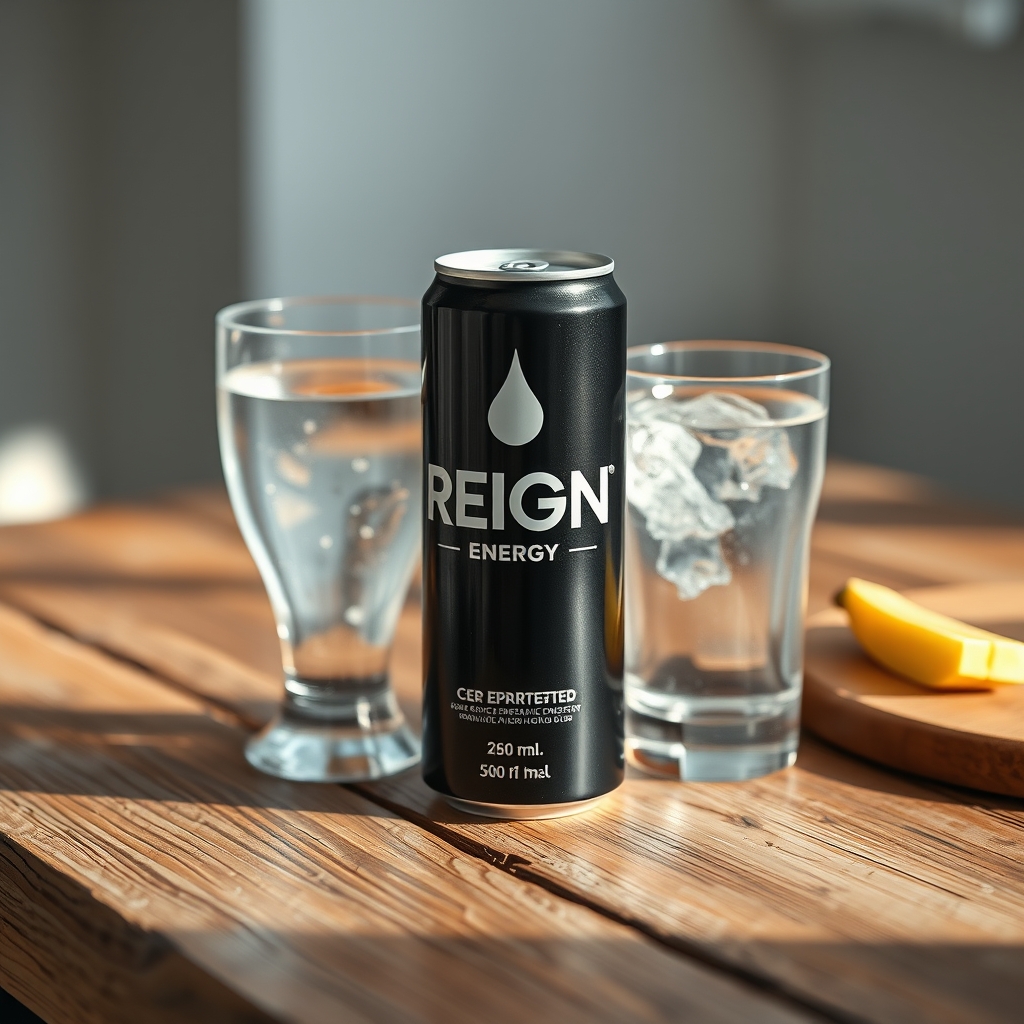
Safer alternatives to Reign Energy during pregnancy
If you’re looking for a safe way to boost your energy during pregnancy, skip the energy drinks and try these caffeine-free or low-caffeine alternatives. Each of these options is pregnancy-friendly and can help you feel more alert without the risks:
- Vita Coco Coconut Water: This natural electrolyte drink is packed with potassium and magnesium, which help combat fatigue and muscle cramps. It’s also low in sugar and calories, making it a great choice for hydration.
- Pedialyte Electrolyte Solution: Designed to rehydrate quickly, Pedialyte is a safe and effective way to replenish lost fluids and minerals. It comes in flavors like fruit punch and grape, and it’s free of caffeine and artificial stimulants.
- Traditional Medicinals Ginger Tea: Ginger is a natural remedy for nausea and fatigue, and it’s safe to consume during pregnancy. This caffeine-free tea is soothing, warming, and can help settle your stomach.
- Bolthouse Farms Fruit Smoothie: Made with real fruit and no added sugars, these smoothies are a delicious way to get a natural energy boost. They’re packed with vitamins and minerals that support both you and your baby.
- Starbucks Decaf Coffee: If you’re craving the ritual of coffee, decaf is a safe alternative. It contains only 2-5 mg of caffeine per cup, so you can enjoy the flavor without the risks.
- Matcha Green Tea (low caffeine): Matcha contains about 35 mg of caffeine per serving—far less than Reign Energy. It also provides L-theanine, an amino acid that promotes calm focus. Stick to one cup per day to stay within the 200 mg limit.
- Nature Made Prenatal Multivitamin: Fatigue can sometimes be a sign of nutrient deficiencies. A high-quality prenatal vitamin with B vitamins, iron, and folic acid can help support your energy levels naturally.
- Water with a splash of fresh lemon: Sometimes, the simplest solutions are the best. Staying hydrated is one of the most effective ways to combat fatigue, and adding lemon can make it more refreshing.
- LaCroix Sparkling Water: If you’re missing the fizz of Reign Energy, try a caffeine-free sparkling water. It’s a great way to satisfy cravings without the caffeine or sugar.
- Homemade fruit-infused water: Add slices of cucumber, berries, or citrus to your water for a refreshing, hydrating drink. It’s a great way to stay energized and avoid sugary or caffeinated beverages.
If you’re struggling with fatigue, focus on small, frequent meals, hydration, and rest. Gentle exercise, like walking or prenatal yoga, can also help boost your energy levels naturally. If fatigue persists, talk to your provider about other potential causes, such as iron deficiency or thyroid issues.
Energy drinks during pregnancy: safety at a glance
Wondering how Reign Energy compares to other popular energy drinks? Here’s a quick safety at a glance table for some of the most common brands. Remember: no energy drink is truly safe during pregnancy, but some are riskier than others due to their caffeine content and additional stimulants.
| Energy Drink | Caffeine per serving (mg) | Verdict | Notes |
|---|---|---|---|
| Reign Energy | 300 mg (16 oz) | ❌ Avoid | Exceeds the 200 mg daily limit in one can. Contains adaptogens and amino acids not well-studied in pregnancy. |
| Monster Energy | 160 mg (16 oz) | ❌ Avoid | High caffeine content and added stimulants like guarana. Also high in sugar unless you choose the sugar-free version. |
| Red Bull | 80 mg (8.4 oz) | ⚠️ Limit to 1 can/day | Lower caffeine content, but still contains taurine and B vitamins in high doses. Best to avoid if possible. |
| Bang Energy | 300 mg (16 oz) | ❌ Avoid | Same caffeine content as Reign, with added BCAAs and CoQ10. Not recommended during pregnancy. |
| Celsius Energy Drink | 200 mg (12 oz) | ⚠️ Limit to 1 can/day | Meets the 200 mg limit, but contains guarana and green tea extract, which add more caffeine. |
| Rockstar Energy | 160 mg (16 oz) | ❌ Avoid | High caffeine and sugar content. Sugar-free versions contain artificial sweeteners like aspartame. |
| 5-Hour Energy | 200 mg (2 oz shot) | ❌ Avoid | Extremely high caffeine concentration per ounce. Also contains B vitamins in megadoses. |
| VPX Bang | 300 mg (16 oz) | ❌ Avoid | Similar to Reign and Bang Energy, with high caffeine and added stimulants like creatine. |
| Full Throttle | 160 mg (16 oz) | ❌ Avoid | High caffeine and sugar content. Not recommended during pregnancy. |
If you’re craving an energy boost, opt for safer alternatives like decaf coffee, herbal tea, or electrolyte drinks. Always check with your provider before consuming any energy drink during pregnancy, especially if you have underlying health conditions like hypertension or gestational diabetes.
Myth vs. fact: Reign Energy and pregnancy
When it comes to is Reign Energy safe during pregnancy, there’s a lot of misinformation out there. Let’s separate myth from fact so you can make an informed decision:
Myth: “Reign Energy is safe because it’s sugar-free and has no artificial colors.”
Fact: While Reign is free of sugar and artificial colors, its 300 mg of caffeine per can is the real concern. The ACOG and NHS recommend limiting caffeine to 200 mg per day during pregnancy, and Reign exceeds that in one serving. Sugar-free doesn’t mean pregnancy-safe.
Myth: “A little caffeine won’t hurt my baby—my doctor said it’s fine.”
Fact: While an occasional sip of Reign is unlikely to cause harm, regular consumption isn’t recommended. Studies have linked high caffeine intake to increased risks of miscarriage, low birth weight, and preterm labor. Always follow your provider’s specific guidance, but most obstetricians advise avoiding energy drinks like Reign.
Myth: “Reign Energy is safer than coffee because it has less acid.”
Fact: Reign’s caffeine content is three times higher than a standard cup of coffee (95 mg). While coffee may have more acid, the caffeine in Reign is the bigger concern during pregnancy. If you’re looking for a safer alternative, decaf coffee is a better choice than any energy drink.
Key takeaways
- Reign Energy is not safe during pregnancy. Its 300 mg of caffeine per can exceeds the 200 mg daily limit recommended by ACOG and NHS.
- Avoid Reign Energy in all trimesters. High caffeine intake is linked to increased risks of miscarriage, low birth weight, and preterm labor.
- No amount of Reign Energy is considered safe. Even half a can (150 mg) leaves little room for caffeine from other sources like coffee or tea.
- Reign is riskier than most energy drinks. Its caffeine content is higher than Red Bull, Monster, and even some other high-caffeine brands like Celsius.
- Pregnant women with hypertension should avoid Reign. Caffeine can raise blood pressure and worsen conditions like preeclampsia.
- Opt for caffeine-free alternatives. Coconut water, herbal tea, decaf coffee, and electrolyte drinks are safer ways to boost energy.
- If you’ve already had Reign Energy, don’t panic. An occasional small amount is unlikely to cause harm, but it’s best to avoid it moving forward.
Frequently asked questions
Can pregnant women drink energy drinks?
No, pregnant women should avoid energy drinks. Most contain high levels of caffeine (often 160-300 mg per can), which exceeds the 200 mg daily limit recommended by ACOG and NHS. Energy drinks also often include additional stimulants like guarana, taurine, or ginseng, which haven’t been well-studied in pregnancy. Instead, opt for caffeine-free alternatives like herbal tea, coconut water, or decaf coffee.
How much caffeine is safe during pregnancy?
The ACOG and NHS recommend limiting caffeine to 200 mg per day during pregnancy. This is roughly equivalent to one 12-ounce cup of coffee. However, some studies suggest that even lower amounts may pose risks, so it’s best to keep your intake as low as possible. Remember that caffeine is also found


