
Quick verdict: ⚠️ Racquetball is not recommended during pregnancy due to its high-impact, fast-paced nature and risk of falls or abdominal trauma. While low-risk pregnancies may allow modified play in the second trimester, most obstetricians advise switching to safer, low-impact exercises like walking or swimming. Always check with your provider first.
You’re standing in the locker room, racquet in hand, and suddenly it hits you: Is racquetball safe during pregnancy? Maybe you’ve been playing for years, or maybe you just took up the sport and now you’re second-guessing every swing. The good news? You’re not alone—this is one of the most common questions expecting parents ask when they’re used to staying active. The answer isn’t a simple yes or no, but here’s the bottom line: racquetball carries risks that most doctors recommend avoiding during pregnancy, especially as your body changes and your center of gravity shifts.
If you’ve already played a few games since finding out you’re pregnant, take a deep breath. The key factors are how far along you are, how intensely you’re playing, and whether you’ve had any complications. In this guide, we’ll break down the risks, trimester-by-trimester safety, safer alternatives, and exactly what to watch for if you and your provider decide to continue. Our goal? To give you the facts—without the fear—so you can make the best choice for you and your baby.
| Trimester | Verdict | Notes |
|---|---|---|
| First trimester | ❌ Best avoided | High risk of falls and abdominal trauma during organogenesis. Hormonal changes may also increase dizziness or nausea. |
| Second trimester | ⚠️ Safe with major modifications (if approved by provider) | Lower risk of falls if balance is stable, but avoid high-intensity play, sudden stops, or crowded courts. Stop immediately if you feel dizzy, short of breath, or experience contractions. |
| Third trimester | ❌ Best avoided | Increased risk of falls due to shifted center of gravity. Risk of overheating or overexertion is higher. Most providers recommend switching to gentler exercises. |
| Breastfeeding | ✅ Generally safe (if cleared by provider) | No direct risks to milk supply or baby, but listen to your body—fatigue and joint laxity may persist postpartum. |
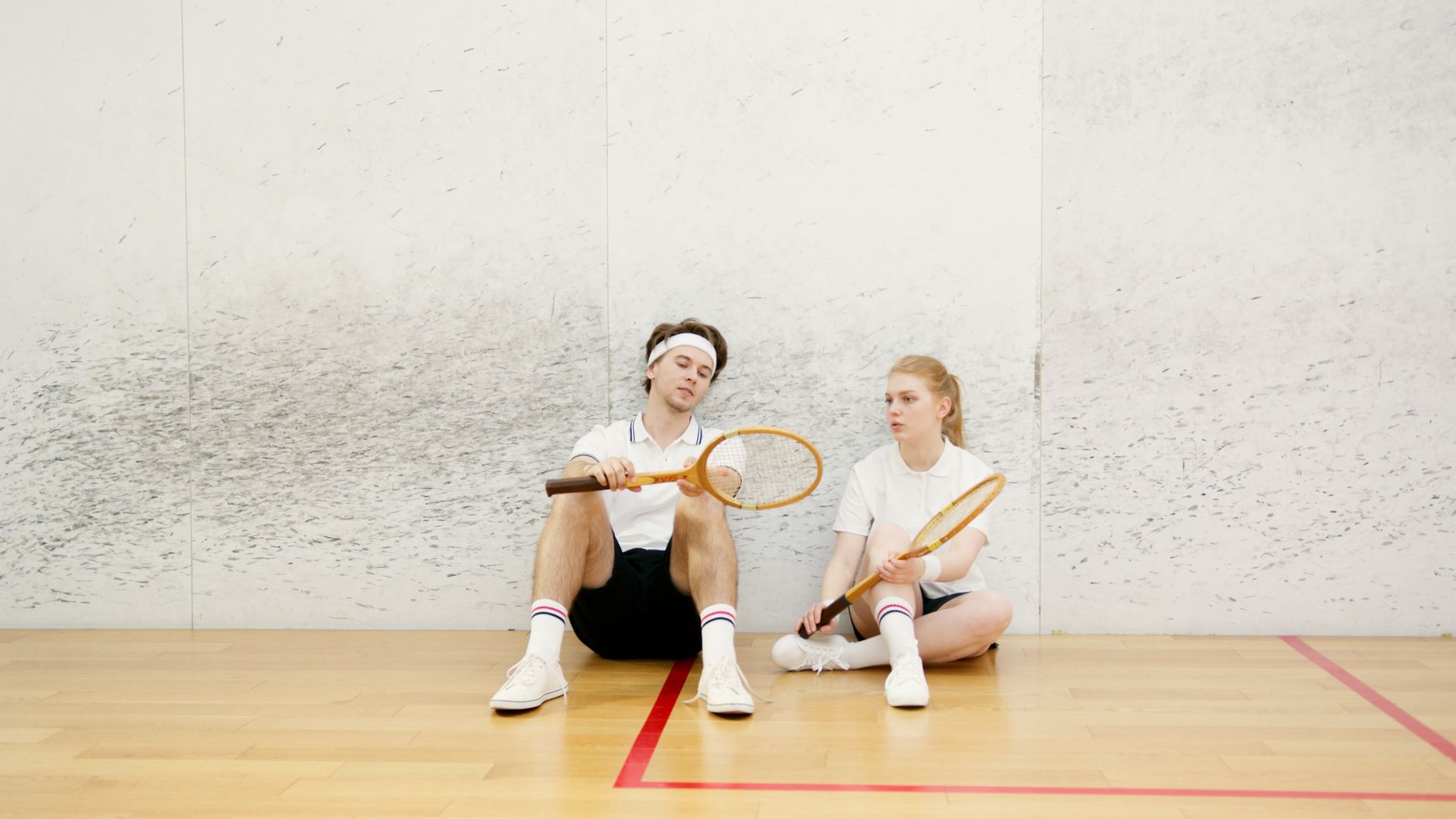
What is racquetball?
Racquetball is a fast-paced, high-energy racquet sport played in an enclosed court. Players use a short-handled racquet to hit a hollow rubber ball against the walls, ceiling, and floor, aiming to make it difficult for their opponent to return. Games are typically played to 15 points, and matches can last 30-60 minutes, depending on skill level. The sport is known for its sudden starts, stops, and lateral movements, which require quick reflexes, agility, and endurance.
Unlike tennis or badminton, racquetball is played in a smaller, fully enclosed space, which means the ball can ricochet unpredictably. This adds an extra layer of intensity—and risk—since players often have to sprint, pivot, or dive to reach the ball. The sport also involves frequent changes in direction and rapid acceleration, which can put stress on joints, ligaments, and the core muscles. For pregnant people, these movements can be particularly challenging as the body undergoes physical changes like loosening ligaments, a shifting center of gravity, and increased fatigue.
Is racquetball safe during pregnancy?
Here’s why: During pregnancy, your body produces higher levels of the hormone relaxin, which loosens ligaments and joints to prepare for childbirth. While this is a natural and necessary process, it also makes you more prone to sprains, strains, and falls. Racquetball’s quick movements and sudden stops increase the likelihood of losing your balance, which could lead to a fall. Even a minor tumble can pose risks, especially in the first trimester when the placenta is still developing and the baby is most vulnerable to trauma.
Another concern is abdominal trauma. Racquetball courts are small, and the ball moves at high speeds—sometimes over 100 mph. If the ball or another player’s racquet accidentally hits your abdomen, it could cause bruising or, in rare cases, more serious injury to the uterus or placenta. While the risk of severe harm is low, it’s not zero, and most providers err on the side of caution.
Finally, racquetball is a high-intensity cardiovascular workout. While moderate exercise is encouraged during pregnancy, activities that push your heart rate too high or cause overheating can be risky. ACOG recommends that pregnant people avoid becoming overheated or dehydrated, as both can affect blood flow to the baby. Racquetball’s fast pace and enclosed court environment can make it difficult to regulate your body temperature, especially in the second and third trimesters when your core temperature is already slightly elevated.
That said, if you have a low-risk pregnancy and your provider gives you the green light, you might be able to continue playing with significant modifications. We’ll cover those in the next section, but the key takeaway is this: racquetball is not considered a safe or recommended sport during pregnancy for most people. If you’re used to the intensity and want to stay active, there are plenty of safer alternatives we’ll explore later in this guide.
Is it safe to play racquetball during the first trimester of pregnancy?
The first trimester is the most critical window for your baby’s development. During these 12 weeks, your baby’s organs, brain, and spinal cord are forming—a process called organogenesis. This is also when the risk of miscarriage is highest, and while exercise itself doesn’t cause miscarriage, activities with a risk of falls or abdominal trauma are strongly discouraged.
Unfortunately, racquetball falls into that category. The first trimester is when fatigue, nausea, and dizziness are most common, thanks to surging hormones like progesterone. These symptoms can make it harder to react quickly on the court, increasing your risk of tripping, slipping, or colliding with another player. Even if you’re feeling fine, your joints and ligaments are already loosening due to relaxin, which can throw off your balance and coordination.
Another concern is abdominal trauma. While the uterus is still relatively small and protected by the pelvis in the first trimester, a direct hit from a racquetball or a fall could potentially cause bruising or, in rare cases, more serious injury. The placenta is also still developing during this time, and while it’s designed to protect your baby, it’s not yet fully anchored to the uterine wall. A hard impact could theoretically disrupt this process, though the risk is low.
Most providers recommend avoiding racquetball entirely during the first trimester. If you’re itching to stay active, focus on gentler exercises like walking, swimming, or prenatal yoga. These activities carry little to no risk of falls or trauma and can help manage first-trimester symptoms like fatigue and nausea. If you’re unsure, check with your provider—they can help you weigh the risks based on your health history and pregnancy.

Can you play racquetball in the second trimester without risk?
The second trimester is often called the “honeymoon phase” of pregnancy. For many people, energy levels rebound, nausea fades, and the risk of miscarriage drops significantly. You might feel like your old self again—and if you’re a racquetball enthusiast, you might be wondering if it’s safe to step back onto the court. The answer? It depends, but most providers still recommend against it.
Here’s why: While the risk of falls is lower in the second trimester than in the first (when dizziness and fatigue are more common), your center of gravity is starting to shift as your belly grows. This can affect your balance and coordination, making it harder to move quickly or change direction on the court. Racquetball’s fast pace and sudden stops require sharp reflexes, and even a minor stumble could lead to a fall. While your baby is better protected by the amniotic fluid and uterus in the second trimester, a hard fall could still cause bruising or, in rare cases, placental abruption (a serious condition where the placenta separates from the uterine wall).
Another factor to consider is intensity. Racquetball is a high-intensity sport that can quickly elevate your heart rate and core temperature. ACOG recommends that pregnant people avoid becoming overheated, as prolonged elevation in core temperature has been linked to neural tube defects in early pregnancy (though the risk is lower in the second trimester). The enclosed court environment can also make it harder to cool down, especially if you’re playing multiple games in a row.
That said, if you have a low-risk pregnancy and your provider gives you the okay, you might be able to play with major modifications. Here’s what that could look like:
- Play doubles instead of singles to reduce the amount of court you need to cover.
- Avoid crowded courts to minimize the risk of collision with other players.
- Skip competitive play and focus on light rallies or drills instead of full games.
- Wear supportive shoes with good traction to reduce the risk of slipping.
- Stay hydrated and take frequent breaks to avoid overheating.
- Stop immediately if you feel dizzy, short of breath, or experience contractions or vaginal bleeding.
Even with these modifications, most providers still recommend switching to lower-impact activities like swimming, walking, or prenatal yoga. These exercises offer similar cardiovascular benefits without the risks associated with racquetball. If you’re unsure, talk to your provider—they can help you weigh the pros and cons based on your health and pregnancy.
Is racquetball safe in the third trimester or should you stop?
The third trimester is when your body undergoes some of its biggest changes. Your belly is larger, your center of gravity has shifted significantly, and you’re likely feeling more fatigued as your due date approaches. For these reasons, racquetball is not recommended in the third trimester—and most providers will advise you to stop playing altogether.
Here’s why: As your belly grows, your balance becomes increasingly unstable. The hormone relaxin is still loosening your joints and ligaments, making it easier to twist an ankle or lose your footing. Racquetball’s quick movements and sudden stops require sharp reflexes, and even a minor misstep could lead to a fall. While your baby is well-protected by the amniotic fluid and uterus, a hard fall could still cause bruising, placental abruption, or even preterm labor in rare cases.
Another concern is overheating and overexertion. The third trimester is when your core temperature is naturally higher, and racquetball’s high-intensity nature can push it even higher. Overheating has been linked to an increased risk of neural tube defects in early pregnancy, and while the risk is lower in the third trimester, it’s still a concern. The enclosed court environment can also make it harder to cool down, especially if you’re playing multiple games or in a warm climate.
Finally, there’s the risk of abdominal trauma. While the uterus is well-protected by the pelvis in the first and second trimesters, it rises above the pelvic bone in the third trimester, making it more vulnerable to direct hits. A racquetball traveling at high speed or a collision with another player could potentially cause bruising or, in rare cases, more serious injury. While the risk of severe harm is low, it’s not worth taking the chance when safer alternatives are available.
Most providers recommend stopping racquetball by the start of the third trimester and switching to gentler exercises like walking, swimming, or prenatal yoga. These activities can help you stay active without the risks associated with high-impact sports. If you’re used to the intensity of racquetball, you might find it helpful to focus on exercises that engage similar muscle groups, like stationary cycling or modified strength training.
If you’re unsure when to stop, talk to your provider. They can help you assess your risk based on your health history, pregnancy, and activity level. And remember: it’s okay to take a break. Pregnancy is temporary, and you’ll have plenty of time to return to racquetball after your baby arrives.
How often can you play racquetball while pregnant without harm?
The short answer? Most providers recommend not playing racquetball at all during pregnancy, regardless of frequency. However, if you have a low-risk pregnancy and your provider gives you the green light, you might be able to play very occasionally and with major modifications—but even then, the risks likely outweigh the benefits.
Here’s what to consider if you’re thinking about playing:
- First trimester: Avoid racquetball entirely. The risk of falls, abdominal trauma, and overheating is highest during this critical period of development.
- Second trimester: If your provider approves, you might be able to play once a week or less, with modifications like playing doubles, avoiding competitive games, and stopping immediately if you feel dizzy or short of breath. However, most providers still recommend switching to safer activities.
- Third trimester: Stop playing entirely. The risks of falls, overheating, and abdominal trauma increase as your belly grows and your balance shifts.
If you do play, keep these guidelines in mind:
- Limit sessions to 20-30 minutes to avoid overexertion and overheating.
- Stay hydrated and take frequent breaks to cool down.
- Avoid playing in hot or humid conditions, which can increase the risk of overheating.
- Wear supportive shoes with good traction to reduce the risk of slipping.
- Stop immediately if you experience dizziness, shortness of breath, contractions, vaginal bleeding, or fluid leakage.
Even with these precautions, the safest approach is to switch to lower-impact activities like walking, swimming, or prenatal yoga. These exercises offer similar cardiovascular benefits without the risks associated with racquetball. If you’re unsure, talk to your provider—they can help you create a safe exercise plan tailored to your pregnancy.
What are the risks of playing racquetball during pregnancy?
Racquetball is a fun and challenging sport, but it comes with several risks that make it unsuitable for most pregnant people. Here’s a breakdown of the key concerns:
1. Falls and loss of balance
Racquetball requires quick movements, sudden stops, and rapid changes in direction. During pregnancy, your center of gravity shifts as your belly grows, and the hormone relaxin loosens your joints and ligaments. This combination makes you more prone to tripping, slipping, or losing your balance. Even a minor fall can lead to bruising, sprains, or, in rare cases, more serious injury to you or your baby.
2. Abdominal trauma
Racquetball courts are small, and the ball moves at high speeds—sometimes over 100 mph. If the ball or another player’s racquet accidentally hits your abdomen, it could cause bruising or, in rare cases, more serious injury to the uterus or placenta. While the risk of severe harm is low, it’s not zero, and most providers recommend avoiding activities where abdominal trauma is a possibility.
3. Overexertion and overheating
Racquetball is a high-intensity cardiovascular workout that can quickly elevate your heart rate and core temperature. ACOG recommends that pregnant people avoid becoming overheated or dehydrated, as both can affect blood flow to the baby. The enclosed court environment can make it harder to cool down, especially in the second and third trimesters when your core temperature is already slightly elevated.
4. Joint and ligament strain
The hormone relaxin loosens your joints and ligaments to prepare for childbirth, but this also makes you more vulnerable to sprains, strains, and injuries. Racquetball’s quick movements and sudden stops can put extra stress on your knees, ankles, and wrists, increasing the risk of injury.
5. Collision with other players
Racquetball is often played in close quarters, and collisions with other players or their racquets are a real risk. Even a minor bump can cause bruising or discomfort, and a more serious collision could lead to falls or abdominal trauma.
6. Preterm labor or placental abruption
While rare, a hard fall or abdominal trauma could potentially trigger preterm labor or placental abruption (a serious condition where the placenta separates from the uterine wall). The risk is higher in the third trimester, when the uterus is more exposed and the baby is larger.
If you’re used to playing racquetball, it’s understandable to want to continue. But given these risks, most providers recommend switching to safer, low-impact exercises like walking, swimming, or prenatal yoga. These activities can help you stay active without putting you or your baby at risk.
Are there safer alternatives to racquetball for pregnant women?
If you’re missing the intensity and camaraderie of racquetball, don’t worry—there are plenty of safer, pregnancy-friendly alternatives that can help you stay active and energized. The key is to focus on low-impact, moderate-intensity exercises that minimize the risk of falls, abdominal trauma, and overheating. Here are some of the best options, all of which are recommended by ACOG and other health authorities:
-
Walking:
Walking is one of the safest and most accessible exercises during pregnancy. It’s low-impact, easy to modify, and can be done almost anywhere. Aim for 30 minutes a day at a brisk but comfortable pace. Walking helps improve circulation, reduce swelling, and boost your mood—plus, it’s a great way to get some fresh air.
-
Swimming:
Swimming is a fantastic full-body workout that’s gentle on your joints and ligaments. The water supports your growing belly, reducing the risk of falls or strain. It also helps regulate your body temperature, making it a great option for hot days. Try swimming laps, water aerobics, or even just walking in the pool for a low-impact cardio session.
-
Prenatal yoga:
Prenatal yoga focuses on gentle stretching, breathing, and relaxation, making it ideal for pregnancy. It can help improve flexibility, reduce back pain, and prepare your body for labor. Look for classes specifically designed for pregnant people, or follow along with a prenatal yoga video at home. Avoid poses that involve lying on your back or deep twists.
-
Stationary cycling:
Cycling on a stationary bike is a safe, low-impact way to get your heart rate up without the risk of falls. It’s also easy to modify the intensity based on how you’re feeling. Avoid outdoor cycling, as the risk of falls or collisions is higher. If you’re new to cycling, start with short sessions and gradually increase the duration.
-
Low-impact aerobics:
Low-impact aerobics classes are designed to minimize stress on your joints while still providing a good cardiovascular workout. Look for classes labeled “prenatal” or “low-impact,” and avoid any movements that involve jumping, twisting, or sudden changes in direction. Many gyms and online platforms offer pregnancy-friendly aerobics videos.
-
Pilates (modified for pregnancy):
Pilates focuses on core strength, flexibility, and posture, all of which are important during pregnancy. Look for classes or videos specifically designed for pregnant people, and avoid exercises that involve lying on your back or deep abdominal twists. Pilates can help reduce back pain, improve balance, and prepare your body for labor.
-
Elliptical machine:
The elliptical machine provides a low-impact cardio workout that’s gentle on your joints. It mimics the motion of running without the impact, making it a great alternative to racquetball. Start with short sessions and gradually increase the duration as your fitness level allows. Avoid holding onto the rails too tightly, as this can strain your back.
-
Light jogging (if pre-approved by your doctor):
If you were a runner before pregnancy, you might be able to continue jogging at a light, comfortable pace—but only if your provider gives you the okay. Avoid pushing yourself too hard, and stop if you feel dizzy, short of breath, or experience any pain. Stick to flat, even surfaces to reduce the risk of falls, and wear supportive shoes.
Before starting any new exercise routine, check with your provider to make sure it’s safe for you and your baby. And remember: the goal is to stay active, not to push yourself to your limits. Listen to your body, and don’t hesitate to take a break if you’re feeling tired or uncomfortable.
Can playing racquetball cause miscarriage or preterm labor?
The short answer? There’s no direct evidence that playing racquetball causes miscarriage or preterm labor, but the risks associated with the sport—like falls, abdominal trauma, and overexertion—could potentially contribute to these outcomes in rare cases. Here’s what you need to know:
Miscarriage
Miscarriage in the first trimester is usually caused by chromosomal abnormalities or other factors unrelated to exercise. However, activities with a high risk of falls or abdominal trauma, like racquetball, could theoretically increase the risk of miscarriage if they lead to a hard impact or injury. While the risk is low, most providers recommend avoiding such activities during the first trimester, when the baby is most vulnerable.
Preterm labor
Preterm labor (labor that begins before 37 weeks of pregnancy) can be triggered by a variety of factors, including infection, dehydration, or physical trauma. While racquetball itself doesn’t cause preterm labor, a hard fall or abdominal trauma could potentially trigger contractions or placental abruption, especially in the third trimester. The risk is higher if you have a history of preterm labor or other pregnancy complications.
Overexertion and overheating
Racquetball is a high-intensity sport that can quickly elevate your heart rate and core temperature. While overheating hasn’t been definitively linked to miscarriage or preterm labor, it’s still a concern, especially in the first trimester. ACOG recommends avoiding activities that cause you to become overheated or dehydrated, as both can affect blood flow to the baby.
The bottom line? While racquetball isn’t a direct cause of miscarriage or preterm labor, the risks associated with the sport make it unsuitable for most pregnant people. If you’re concerned about staying active, focus on safer alternatives like walking, swimming, or prenatal yoga. And if you experience any signs of preterm labor—such as regular contractions, vaginal bleeding, or fluid leakage—call your provider immediately.
What precautions should you take if you play racquetball while pregnant?
If you have a low-risk pregnancy and your provider has given you the okay to play racquetball with modifications, there are several precautions you can take to minimize the risks. However, it’s important to note that most providers still recommend avoiding racquetball entirely due to its high-impact nature. If you do decide to play, follow these guidelines to stay as safe as possible:
1. Get your provider’s approval
Before stepping onto the court, talk to your obstetrician or midwife. They can help you assess your risk based on your health history, pregnancy, and activity level. If you have any complications—such as placenta previa, a history of preterm labor, or high blood pressure—your provider will likely advise you to avoid racquetball altogether.
2. Play only in the second trimester (if at all)
The second trimester is the safest window for modified play, as your energy levels are higher and the risk of miscarriage has dropped. Avoid playing in the first trimester (when the risk of falls and abdominal trauma is highest) and the third trimester (when your balance is most affected).
3. Modify your play
If you do play, make these adjustments to reduce the risks:
- Play doubles instead of singles to reduce the amount of court you need to cover.
- Avoid competitive games and focus on light rallies or drills instead.
- Skip diving or lunging for the ball—if you can’t reach it comfortably, let it go.
- Wear supportive shoes with good traction to reduce the risk of slipping.
- Stay hydrated and take frequent breaks to avoid overheating.
4. Listen to your body
During pregnancy, your body sends clear signals when something isn’t right. Stop playing immediately if you experience any of the following:
- Dizziness or lightheadedness
- Shortness of breath (beyond what’s normal for exercise)
- Vaginal bleeding or fluid leakage
- Contractions or abdominal pain
- Chest pain or heart palpitations
- Headache or blurred vision
- Muscle weakness or joint pain
5. Avoid crowded courts
Playing in a crowded court increases the risk of collision with other players or their racquets. If possible, play during off-peak hours or find a court with fewer people. If you’re playing with others, make sure they’re aware of your pregnancy and willing to adjust their play to avoid close contact.
6. Stay cool and hydrated
Overheating is a real risk during pregnancy, especially in the second and third trimesters. To stay safe:
- Wear lightweight, breathable clothing to help regulate your body temperature.
- Take frequent water breaks—aim to drink at least 8 ounces every 20 minutes.
- Avoid playing in hot or humid conditions, which can increase the risk of overheating.
- Stop if you feel too warm—find a cool place to rest and hydrate.
7. Warm up and cool down
Pregnancy puts extra stress on your joints and ligaments, so it’s important to warm up before playing and cool down afterward. Spend 5-10 minutes doing gentle stretches or walking to prepare your body for exercise, and take another 5-10 minutes to stretch afterward. Focus on your calves, hamstrings, and lower back to reduce the risk of strain.
8. Know when to stop
If you’re used to playing racquetball competitively, it can be hard to dial back the intensity. But during pregnancy, the goal is to stay active, not to push yourself to your limits. If you feel tired, sore, or uncomfortable, it’s time to stop. Remember: you’re not just exercising for yourself—you’re also doing it for your baby.
Even with these precautions, the safest approach is to switch to lower-impact activities like walking, swimming, or prenatal yoga. These exercises offer similar benefits without the risks associated with racquetball. If you’re unsure, talk to your provider—they can help you create a safe exercise plan tailored to your pregnancy.
| Sport | Verdict | Notes |
|---|---|---|
| Tennis | ⚠️ Safe with modifications (if approved by provider) | Lower impact than racquetball, but still involves quick movements and risk of falls. Play doubles and avoid competitive matches. |
| Squash | ❌ Best avoided | Similar to racquetball—high risk of falls, abdominal trauma, and overheating. Not recommended during pregnancy. |
| Badminton | ⚠️ Safe with modifications (if approved by provider) | Lower intensity than racquetball, but still involves quick movements and risk of falls. Play casually and avoid diving for the shuttlecock. |
| Pickleball | ⚠️ Safe with modifications (if approved by provider) | Slower-paced than racquetball, but still involves quick movements and risk of falls. Play doubles and avoid competitive matches. |
| Basketball | ❌ Best avoided | High risk of falls, collisions, and abdominal trauma. Not recommended during pregnancy. |
| Soccer | ❌ Best avoided | High risk of falls, collisions, and abdominal trauma. Not recommended during pregnancy. |
| Volleyball | ⚠️ Safe with modifications (if approved by provider) | Lower risk of falls than racquetball, but still involves jumping and quick movements. Play casually and avoid competitive matches. |
| Running Editor's pick for this topic Not sure about the label on Is Racquetball Safe During Pregnancy products?Snap the ingredients list and SafeFilter checks every ingredient for your stage — only 3 free scans this month, then you're locked until reset. Unlimited from $7/mo or $50/yr. Informational only — not medical advice.  About the AuthorWhen Shubhra Mishra was expecting her first child in 2016, she was overwhelmed by conflicting food advice — one site said yes, another said never. By the time her second baby arrived in 2019, she realized millions of mothers face the same confusion. That sparked a five-year journey through clinical nutrition papers, cultural diets, and expert conversations — all leading to BumpBites: a calm, compassionate space where science meets everyday motherhood. Her long-term vision is to build a global community ensuring safe, supported, and free deliveriesfor every mother — because no woman should face pregnancy alone or uninformed. 🌿 🌍 Stand with mothers, shape safer guidanceJoin a small circle of experts who review BumpBites articles so expecting parents everywhere can decide with confidence. ⚠️ Always consult your doctor for medical advice. This content is informational only. Long-form pregnancy guidesHand-curated deep-dive guides — go beyond the article above. More Health & Wellness guides
Recommended picks  Prenatal pick Ritual — Ritual Essential Prenatal Choline + DHA + folate from methylfolate (not synthetic).  Prenatal pick Nordic Naturals — Nordic Naturals Prenatal DHA (Strawberry Softgels) Premium fish-oil DHA in strawberry softgels — gentle on the stomach. |