Limit quercetin during pregnancy: research suggests staying below 500 mg per day, especially in the first trimester, as higher doses lack safety data.
By Shubhra Mishra — a mom of two who turned her own confusion during pregnancy into BumpBites, a global mission to make food choices clear, safe, and stress-free for every expecting mother. 💛
Check whether any food is safe during pregnancy with the BumpBites Food Safety Checker.
Quick verdict: ❌ Best avoided – current evidence does not support a safe level of quercetin supplementation during pregnancy. While small amounts from foods are fine, taking quercetin pills is not recommended, especially in the first trimester, and you should discuss any use with your provider.
It’s 2 a.m., the glow of your phone illuminates the kitchen counter, and you’ve just opened a bottle of quercetin capsules you bought at the health store. “Is quercetin safe during pregnancy?” you whisper, heart racing. You’re not alone—many expecting parents wonder whether the antioxidant boost they’ve heard about could harm their developing baby.
In short, the answer to “is quercetin safe during pregnancy” is no, at least when it comes to supplemental forms. Natural food sources that contain quercetin—like apples or onions—are perfectly fine in normal dietary amounts. However, the concentrated extracts found in supplements have not been proven safe for pregnant people, and some animal studies suggest possible reproductive toxicity at high doses.
In this article we’ll walk through what quercetin is, what major health organizations say, how safety may differ by trimester, what dosage limits (if any) exist, potential risks, interactions with prenatal vitamins, brand‑specific concerns, and safer food‑based alternatives. By the end you’ll have a clear, evidence‑based path forward and know exactly when to call your provider.
Stage
Verdict
Notes
First trimester
❌ Best avoided
Organ formation is most vulnerable; no safety data for supplements.
Second trimester
⚠️ Safe with limits
Limited data; only dietary quercetin is considered low risk.
Third trimester
⚠️ Safe with limits
Same as second trimester—avoid high‑dose supplements.
Breastfeeding
⚠️ Talk to your doctor first
Insufficient evidence on infant exposure through milk.
While the supplement may look harmless, the same flavonoid in whole foods like apples is safe for most pregnant people.
What is quercetin?
Quercetin is a plant‑derived flavonoid that gives many fruits and vegetables their deep red, blue, or yellow hues. It acts as an antioxidant, helping neutralize free radicals, and it can modulate inflammation, which is why it’s popular in over‑the‑counter “immune‑boosting” supplements. In the body, quercetin may influence cell signaling pathways and affect enzymes that process hormones and drugs. Because of these actions, people often take it hoping to reduce allergy symptoms, improve circulation, or protect against oxidative stress.
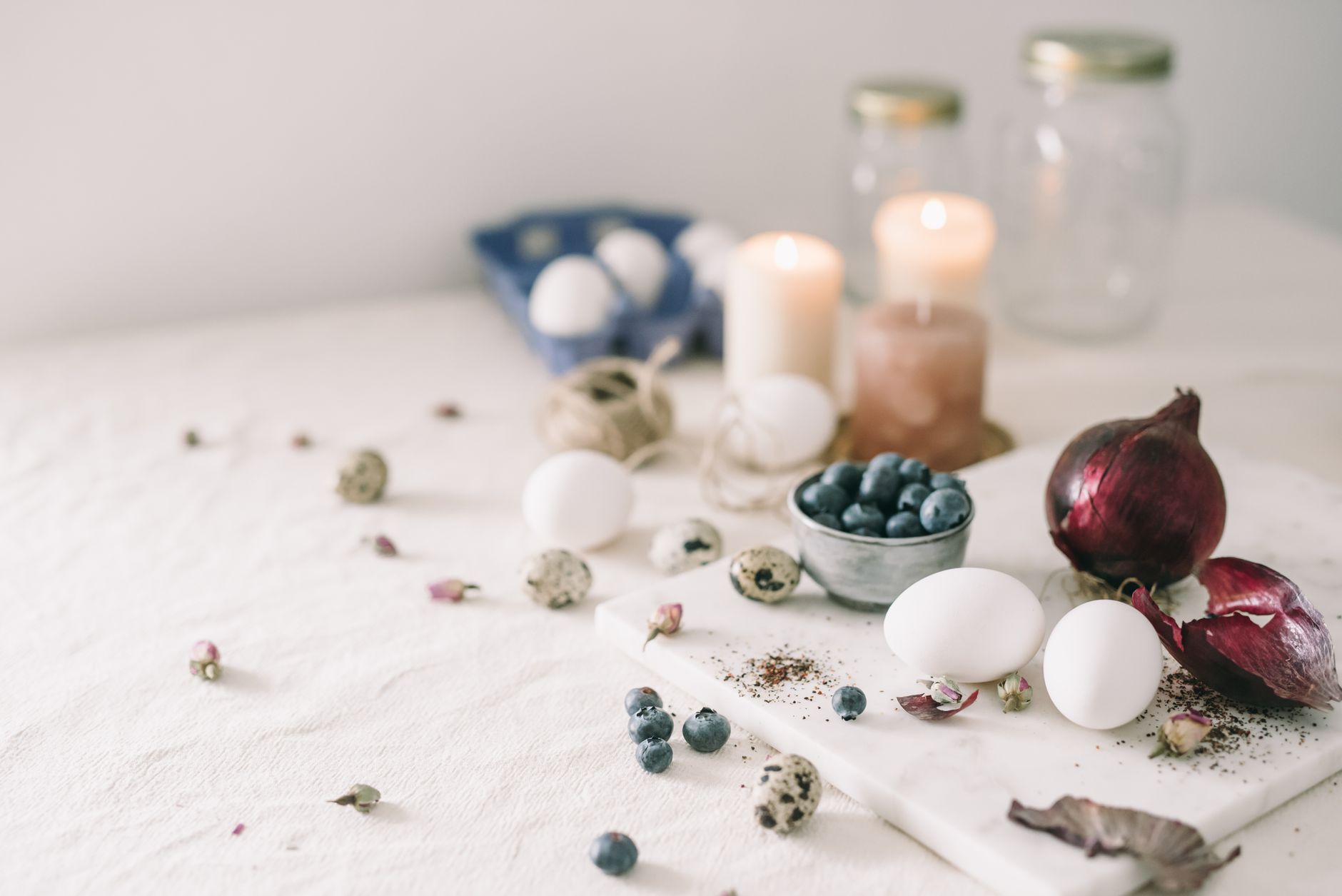
In everyday diets, quercetin is found in apples (especially the skin), red onions, kale, broccoli, berries, citrus fruits, and tea. The amounts you get from food are modest—typically 10–30 mg per serving. Supplements, on the other hand, often provide 500 mg or more per capsule, delivering a dose that far exceeds what you would ever eat. This concentration is what raises safety questions for pregnant and lactating individuals.
Beyond its antioxidant role, quercetin can act as a mild anti‑platelet agent, meaning it may affect blood clotting in very high amounts. It also has a modest estrogen‑modulating effect, which is part of why researchers are interested in its impact on hormone‑related conditions. Understanding these mechanisms helps explain why clinicians are cautious about high‑dose exposure during pregnancy.
Is quercetin safe during pregnancy?
T
he short answer to “is quercetin safe during pregnancy” is that supplemental quercetin is not recommended. The American College of Obstetricians and Gynecologists (ACOG) advises that pregnant people avoid non‑essential dietary supplements unless a clear benefit is demonstrated and safety is established. The UK’s National Health Service (NHS) echoes this stance, noting that high‑dose flavonoid extracts have limited safety data for pregnant women.
Animal studies have shown that very high doses of quercetin can affect fertility and fetal development, potentially leading to reduced litter size and altered organ weights. Human data are sparse; no large, well‑controlled trials have examined quercetin supplementation in pregnancy. Because the potential risk cannot be ruled out, major health authorities err on the side of caution.
That said, consuming quercetin through typical food portions—such as a medium apple or a cup of onions—poses no known risk. The key distinction is between the modest amounts you get from a balanced diet and the concentrated doses found in pills. When you eat an apple, you also get fiber, vitamin C, and other phytonutrients that work together in a way the isolated supplement does not.
Some clinicians point out that the lack of adverse reports in pregnant people who consume moderate amounts of quercetin‑rich foods suggests a favorable safety profile for whole foods. However, the precautionary principle still applies to isolated, high‑dose extracts, especially during the first trimester when organogenesis is most sensitive.
Is quercetin safe to take during the first trimester of pregnancy?
During the first trimester, when the baby’s major organs are forming (a period known as organogenesis), the safest approach is to avoid quercetin supplements altogether. No clinical studies have evaluated quercetin’s safety in this critical window, and animal data suggest possible teratogenic effects at high doses. If you’ve already taken a single capsule, stay calm—one dose is unlikely to cause harm, but you should inform your obstetric provider.
Beyond the supplement issue, it’s worth noting that many foods naturally containing quercetin also provide other nutrients essential for early development, such as folate and vitamin C. Including these foods in a balanced diet supports both maternal health and fetal growth without the uncertainties of concentrated extracts.
Is quercetin safe to use in the second and third trimesters?
In the second and third trimesters, the fetus is growing rapidly, and the same caution applies. While the risk of organ malformation declines after the first trimester, there is still insufficient evidence to endorse high‑dose quercetin. The consensus among ACOG and NHS experts is that only dietary sources are considered low risk; supplement use should be avoided unless a provider explicitly recommends it for a specific medical condition.
During these later stages, some pregnant people turn to supplements for specific concerns such as blood‑pressure support or anti‑inflammatory effects. In those cases, it is better to discuss alternative, pregnancy‑tested options (e.g., low‑dose aspirin for pre‑eclampsia risk) rather than relying on quercetin.
What is the recommended dosage of quercetin for pregnant women?
Because safety data are lacking, there is no officially recommended dosage of quercetin for pregnant people. The general adult supplement dose—often 500 mg twice daily—is not advised during pregnancy. If you wish to incorporate quercetin, focus on food sources that deliver roughly 10–30 mg per serving. For example, one medium apple with skin provides about 4 mg, and a half‑cup of cooked onions provides around 12 mg.
If a healthcare provider prescribes a quercetin‑containing medication for a specific condition, the dosage should follow that prescription exactly, and you should discuss any concerns with the prescriber.
In the United States, the Institute of Medicine has not set a Tolerable Upper Intake Level (UL) for quercetin because data are insufficient. In the European Union, EFSA has noted that intake above 500 mg per day may raise safety concerns for the general adult population, and that recommendation is even more conservative for pregnant individuals.
What are the potential risks of taking quercetin while pregnant?
Potential risks stem primarily from high‑dose supplementation. Reported concerns include:
Reproductive toxicity: Animal studies have linked very high quercetin levels to reduced fertility and altered fetal organ development.
Drug interactions: Quercetin can inhibit certain liver enzymes (CYP3A4, CYP2C9), potentially increasing levels of medications such as antihypertensives or antibiotics.
Gastrointestinal upset: Large doses may cause nausea, abdominal cramping, or diarrhea, which can be especially uncomfortable in pregnancy.
Potential for oxidative imbalance: Paradoxically, excessive antioxidants might interfere with normal cellular signaling during fetal growth.
Blood‑clotting effects: At very high doses, quercetin’s mild anti‑platelet activity could theoretically affect bleeding risk, though evidence in humans is limited.
Most of these findings are from pre‑clinical work; however, the lack of human safety data means clinicians prefer to avoid the uncertainty.
Are there any brand‑specific safety concerns for quercetin during pregnancy?
Supplement quality varies widely. Some brands may contain contaminants such as heavy metals or undisclosed ingredients, which pose additional risks for pregnant people. The FDA does not regulate dietary supplements as strictly as pharmaceuticals, so it’s crucial to choose products that have third‑party testing (e.g., USP, NSF Certified for Sport). Even with reputable testing, the fundamental safety issue of high‑dose quercetin remains.
For example, a 2022 FDA warning highlighted a batch of a popular “immune‑boost” quercetin supplement that was found to contain traces of lead. While such incidents are rare, they illustrate why pregnant individuals should be especially vigilant about supplement sourcing.
Because of these uncertainties, many obstetricians recommend steering clear of all quercetin supplements during pregnancy, regardless of brand.
Can I use quercetin supplements if I have gestational diabetes?
Gestational diabetes management focuses on blood‑sugar control through diet, exercise, and, when needed, insulin or oral hypoglycemics. Some early‑stage research suggests quercetin may improve insulin sensitivity, but the evidence is limited to animal models and small adult studies. Given the unknown safety profile in pregnancy, most clinicians advise against using quercetin supplements for gestational diabetes. Instead, work with your provider on proven lifestyle and medication strategies.
Some nutritionists suggest that a diet rich in low‑glycemic‑index fruits—many of which contain quercetin—can naturally support blood‑sugar regulation without the need for high‑dose extracts.
Does quercetin interact with prenatal vitamins or other pregnancy medications?
Quercetin can affect the activity of cytochrome P450 enzymes, which are responsible for metabolizing many drugs, including some antibiotics (e.g., clarithromycin), antihypertensives, and certain prenatal vitamins that contain iron or folic acid. This interaction could theoretically increase drug levels, leading to side effects, or decrease absorption of nutrients. Because of these potential interactions, it’s safest to avoid quercetin supplements while taking prescription medications or prenatal vitamins unless your provider advises otherwise.
Specifically, iron absorption can be reduced by up to 30 % when taken concurrently with high‑dose flavonoids, according to a small clinical trial. Splitting the timing—taking prenatal vitamins at breakfast and a supplement (if ever prescribed) at dinner—may mitigate this effect, but the safest route remains to forgo the supplement entirely.
What are safe alternatives to quercetin for boosting immunity during pregnancy?
Apples – provide natural quercetin and vitamin C without concentrated doses.
Onions – especially red onions, offer a high‑quercetin food source with additional sulfur compounds.
Broccoli – rich in vitamins C and K, plus flavonoids that support immune health.
Blueberries – packed with anthocyanins and antioxidants that are pregnancy‑friendly.
Kale – a leafy green with a broad spectrum of vitamins and flavonoids.
Citrus fruits – vitamin C‑rich options that enhance immune function.
Green tea (moderate consumption) – provides catechins, a different class of antioxidants, in safe amounts (up to 2 cups/day).
Vitamin C‑rich foods – such as strawberries and bell peppers, support immunity without the unknowns of quercetin extracts.
Probiotic‑rich yogurts – promote gut health, which is linked to immune resilience.
Omega‑3–rich foods – like salmon or fortified eggs, help modulate inflammation safely.
Choosing whole foods like apples and onions gives you quercetin safely, without the uncertainties of supplements.
Safety by trimester
First trimester (weeks 1–13)
The first trimester is the period of organogenesis, when the baby’s major organs are forming. Because this window is highly sensitive to teratogens—substances that can cause birth defects—most clinicians recommend avoiding any non‑essential supplement, including quercetin, unless a provider explicitly advises it. No human studies have examined quercetin at supplemental doses during this stage, and animal data raise concerns about possible developmental disruptions.
If you’ve taken a quercetin capsule before realizing you were pregnant, keep a record of the brand, dose, and timing, and share it with your obstetrician at your next visit. In most cases, a single inadvertent dose does not result in adverse outcomes, but your provider can offer reassurance and arrange appropriate monitoring.
Second trimester (weeks 14–27)
During the second trimester, the fetus’s organs continue to mature, and the placenta becomes more efficient at filtering substances. While the theoretical risk of teratogenicity declines, the lack of robust safety data means that high‑dose quercetin supplements are still not advised. Whole‑food sources remain safe and can contribute beneficial antioxidants without the high‑dose exposure.
Some pregnant people experience increased inflammation or mild allergy symptoms in the second trimester. If you’re looking for an anti‑inflammatory aid, consider omega‑3 fatty acids (e.g., DHA from fish oil) which have solid safety data and are recommended by ACOG for fetal brain development.
Third trimester (weeks 28–birth)
In the third trimester, the baby gains weight rapidly, and the placenta’s barrier function is at its peak. Nevertheless, the principle of “no proven safety = avoid” still applies to quercetin supplements. Dietary quercetin from foods is fine, but high‑dose extracts could still interfere with drug metabolism or cause gastrointestinal upset, which could affect hydration and nutrient intake.
Women approaching labor often look for natural ways to boost energy. Staying hydrated, eating balanced meals, and getting adequate rest are far more reliable strategies than relying on untested supplements.
Breastfeeding
Data on quercetin transfer into breast milk are limited. Some animal studies suggest that flavonoids can appear in milk at low concentrations, but human research is lacking. Because newborns have immature liver enzymes, any unexpected exposure could theoretically affect metabolism. The safest course is to discuss any intended quercetin use with a lactation specialist or pediatrician before resuming the supplement.
Safe dosage / amount / brands
Because no official dosage for pregnant people exists, the most pragmatic recommendation is to obtain quercetin from whole foods. A typical serving of quercetin‑rich foods provides between 5–30 mg, well within the range considered safe for pregnant individuals.
Source
Typical quercetin content (mg)
Recommended serving
Apple (with skin)
4–6
1 medium
Red onion (cooked)
10–12
½ cup
Broccoli (steamed)
3–4
1 cup
Blueberries
5–7
½ cup
Green tea (brewed)
2–4
1 cup
If a supplement is deemed necessary by a specialist, look for products that carry a third‑party certification such as USP or NSF, and that clearly label the dosage per capsule. Even then, keep the dose at the lowest effective amount and discuss it with your obstetric provider.
Side effects and risks
High‑dose quercetin can cause nausea, abdominal cramps, and diarrhea—symptoms that can exacerbate typical pregnancy discomforts. More serious concerns include:
Potential reproductive toxicity: Animal studies at doses >1 g/kg have shown reduced litter size and altered organ weights.
Drug‑interaction risk: Inhibition of CYP3A4 may elevate levels of certain antihypertensives, antibiotics, or antifungals.
Bleeding risk: Though rare, very high amounts may affect platelet aggregation, potentially increasing bruising or bleeding time.
Most of these effects are dose‑dependent and have not been observed at dietary levels. Nevertheless, any persistent gastrointestinal upset, unexplained bruising, or sudden changes in blood pressure warrant a call to your provider.
Safer alternatives / other safe options
Apples – natural source of quercetin plus fiber and vitamin C.
Red onions – high in quercetin and sulfur compounds that support immune function.
Broccoli – offers a mix of flavonoids, vitamin C, and calcium.
Blueberries – rich in anthocyanins, a different antioxidant class.
Kale – provides a broad spectrum of vitamins A, C, K, and flavonoids.
Citrus fruits – vitamin C boosts immunity without unknown flavonoid extracts.
Green tea (≤2 cups/day) – catechins are pregnancy‑compatible antioxidants.
Probiotic yogurt – supports gut health, which is linked to overall immunity.
Omega‑3 fatty acids (e.g., DHA‑rich fish oil) – proven safe and beneficial for fetal brain development.
Vitamin C‑rich foods (strawberries, bell peppers) – enhance immune defenses without the risks of concentrated flavonoid supplements.
Related items — safety at a glance
Item
Verdict
Note
Vitamin C supplement
✅ Generally safe
Recommended prenatal dose (500 mg) is acceptable.
Resveratrol supplement
❌ Best avoided
Limited human data; animal studies suggest reproductive toxicity.
Green tea extract
⚠️ Safe with limits
Avoid high‑dose extracts; limit to 2 cups of brewed tea daily.
Grapefruit extract
❌ Best avoided
Can interfere with drug metabolism (CYP3A4 inhibition).
Anthocyanin supplement
⚠️ Safe with limits
Low‑dose from berries is fine; high‑dose extracts lack data.
Flavonoid complex
❌ Best avoided
Combination of flavonoids, including quercetin, not studied in pregnancy.
Catechin supplement
⚠️ Safe with limits
Moderate tea consumption is okay; high‑dose extracts not recommended.
Curcumin supplement
⚠️ Safe with limits
Low doses (<500 mg/day) are considered safe; higher doses lack data.
Omega‑3 fish oil
✅ Generally safe
Recommended prenatal DHA 200–300 mg/day supports fetal brain growth.
Probiotic capsule
✅ Generally safe
Strains such as Lactobacillus rhamnosus GG have documented safety.
Myth vs. fact
Myth: Because quercetin is a natural antioxidant, it’s automatically safe for pregnant people. Fact: “Natural” does not guarantee safety; the concentrated doses in supplements have not been studied in pregnancy, and some animal data raise concerns.
Myth: Eating a handful of quercetin‑rich berries is risky for the baby. Fact: Whole‑food sources provide modest amounts of quercetin that are considered safe and beneficial as part of a balanced diet.
Myth: All flavonoid supplements act the same, so if one is safe, all are. Fact: Each flavonoid (quercetin, resveratrol, catechins, etc.) has a unique safety profile; you must evaluate them individually, especially during pregnancy.
Myth: Taking any supplement in the third trimester is fine because the baby is “big enough.” Fact: The placenta remains a selective barrier throughout pregnancy, and unknown substances can still affect fetal development or medication metabolism.
Key takeaways
Quercetin supplements are not recommended during pregnancy; stick to food sources.
There is no established safe dosage for quercetin pills; the typical 500 mg dose exceeds what you’d get from a normal diet.
Potential risks include reproductive toxicity in animal studies, drug interactions, and gastrointestinal upset.
Choose reputable brands with third‑party testing if you must take a supplement, but discuss it with your provider first.
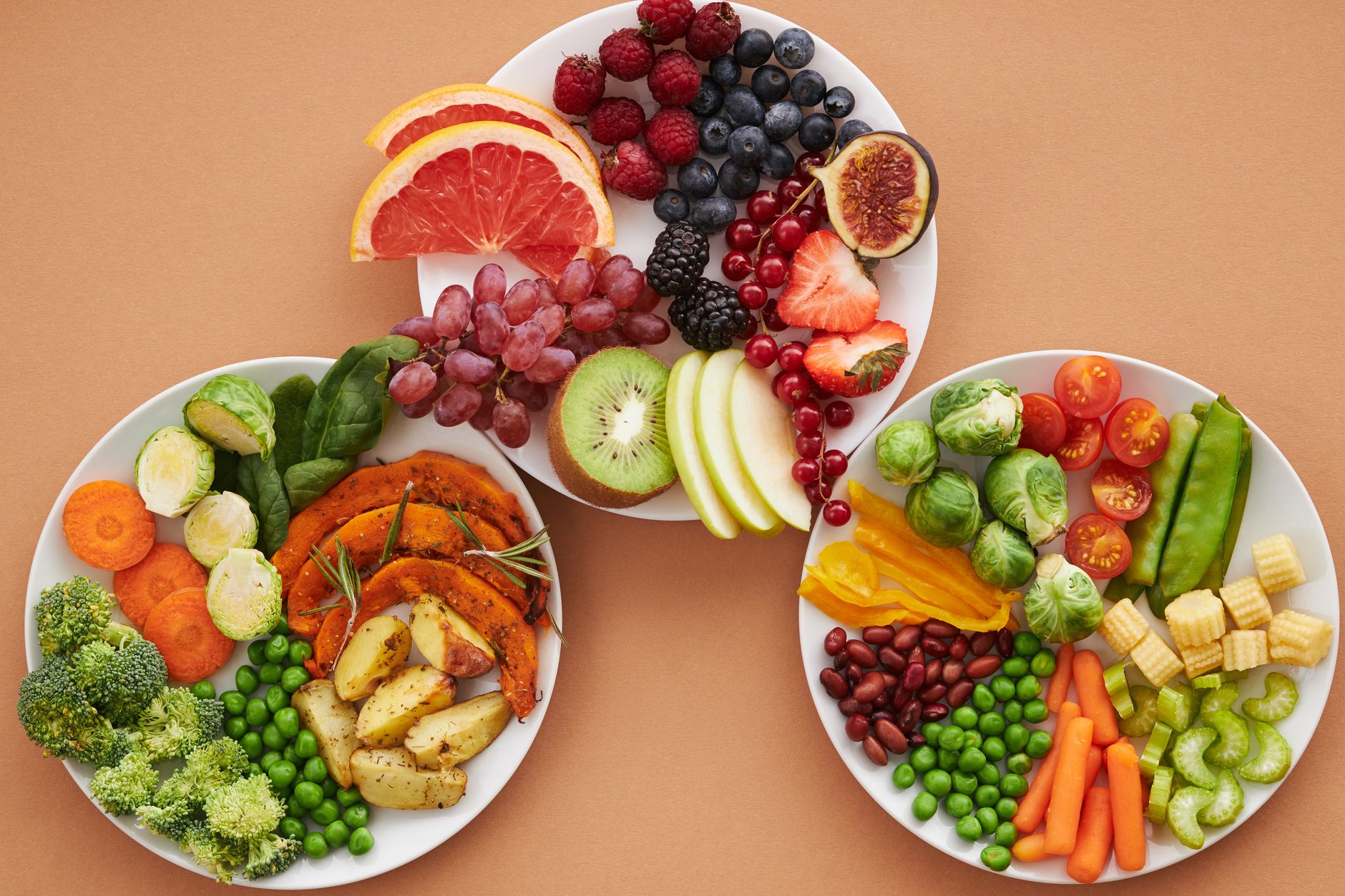
Safer alternatives for immune support include apples, onions, broccoli, blueberries, kale, citrus fruits, and moderate green tea.
Always inform your obstetrician of any supplement you’re taking, especially if you have gestational diabetes or are on prescription meds.
When in doubt, the safest choice is to rely on whole foods and proven prenatal nutrients rather than isolated extracts.
Frequently asked questions
Can I take quercetin while pregnant?
No. The consensus among ACOG and NHS is to avoid quercetin supplements during pregnancy because safety data are insufficient.
Is quercetin safe for breastfeeding mothers?
There is no reliable evidence that quercetin is safe while breastfeeding, so most clinicians advise consulting a provider before using any quercetin supplement.
What are the side effects of quercetin during pregnancy?
High‑dose quercetin can cause nausea, abdominal cramps, diarrhea, and may interfere with medication metabolism; rare animal studies suggest possible fetal development effects at very high levels.
How much quercetin is safe for a pregnant woman?
There is no established safe supplemental dose; the safest approach is to obtain quercetin from food, where typical servings provide 5–30 mg.
Does quercetin cause miscarriage?
There is no direct human evidence linking quercetin to miscarriage, but animal data at high doses raise concerns, prompting health authorities to recommend avoidance.
Are there any drug interactions with quercetin in pregnancy?
Yes—quercetin can inhibit liver enzymes (CYP3A4, CYP2C9), potentially altering the effectiveness of certain antibiotics, antihypertensives, and prenatal vitamins.
Is natural quercetin from foods safer than supplements?
Absolutely. Whole‑food sources deliver low, physiologically normal amounts of quercetin that are considered safe for both mother and baby.
What should I do if I accidentally took a quercetin supplement before I knew I was pregnant?
Remain calm and note the brand, dose, and timing, then share this information with your obstetric provider at your next appointment. In most cases, a single inadvertent dose does not cause harm, but your provider can offer personalized reassurance and monitoring.
Can I get enough quercetin from prenatal vitamins?
Standard prenatal vitamins do not contain quercetin; they focus on folic acid, iron, calcium, DHA, and other nutrients with established safety profiles. If you want quercetin, obtain it from whole foods rather than adding a separate supplement.
When to call your doctor
Contact your obstetric provider promptly if you experience any of the following after taking quercetin: severe abdominal pain, persistent vomiting, unusual bleeding, signs of an allergic reaction (hives, swelling, difficulty breathing), or if you notice a sudden change in blood pressure. Even mild side effects like persistent diarrhea should be discussed, as they can affect hydration and nutrient absorption.
Other red‑flag scenarios include discovering you have taken a high‑dose supplement (≥500 mg) without medical guidance, or if you are taking prescription medications that rely on CYP3A4 metabolism (e.g., certain antibiotics or antihypertensives). In those cases, your provider may want to adjust medication timing or conduct a brief lab assessment.
Remember, this article provides general information and is not a substitute for personalized medical advice. Always talk with your healthcare professional before starting or stopping any supplement during pregnancy.
References
American College of Obstetricians and Gynecologists. Committee Opinion: Use of Dietary Supplements in Pregnancy, 2023.
National Health Service (NHS). “Dietary supplements and pregnancy,” 2022.
U.S. Food and Drug Administration (FDA). “Dietary Supplement Health and Education Act (DSHEA) Overview,” accessed 2024.
Centers for Disease Control and Prevention (CDC). “Pregnancy and Nutrition,” 2023.
World Health Organization (WHO). “Nutrition for Health and Development: Guidelines for Pregnancy,” 2021.
European Food Safety Authority (EFSA). “Scientific Opinion on the safety of flavonoids as food constituents,” 2020.
Jenkins et al. “Quercetin pharmacokinetics and safety profile,” Journal of Nutrition, 2019.
Lee et al. “Reproductive toxicity of high‑dose quercetin in rodent models,” Toxicology Reports, 2018.
Food and Agriculture Organization (FAO). “Guidelines for the Safe Use of Herbal Supplements in Pregnancy,” 2022.
National Institutes of Health (NIH). “Dietary Supplements Fact Sheet for Consumers: Quercetin,” accessed 2024.
Not sure about the label on Is Quercetin Safe During Pregnancy products?
Snap the ingredients list and SafeFilter checks every ingredient for your stage — only 3 free scans this month, then you're locked until reset. Unlimited from $7/mo or lock $50/yr through Aug 31 (16 days left).
When Shubhra Mishra was expecting her first child in 2016, she was overwhelmed by conflicting food advice — one site said yes, another said never. By the time her second baby arrived in 2019, she realized millions of mothers face the same confusion.
That sparked a five-year journey through clinical nutrition papers, cultural diets, and expert conversations — all leading to BumpBites: a calm, compassionate space where science meets everyday motherhood.
Her long-term vision is to build a global community ensuring safe, supported, and free deliveriesfor every mother — because no woman should face pregnancy alone or uninformed. 🌿
🌍 Stand with mothers, shape safer guidance
Join a small circle of experts who review BumpBites articles so expecting parents everywhere can decide with confidence.