Safe with modifications. Pure Barre can be safe during pregnancy if you avoid high-impact moves and overheating, especially in the first trimester. Consult your doctor first.
By Shubhra Mishra — a mom of two who turned her own confusion during pregnancy into BumpBites, a global mission to make food choices clear, safe, and stress-free for every expecting mother. 💛
Check whether any food is safe during pregnancy with the BumpBites Food Safety Checker.
Quick verdict: ⚠️ Talk to your doctor first. Pure Barre can be practiced during pregnancy if you modify intensity, limit frequency, and get clearance from your provider. It’s generally safe in the second and third trimesters with appropriate adjustments, but the first trimester warrants extra caution.
It’s 2 a.m., the clock on your phone reads 02:13, and you’re scrolling through class schedules, wondering, “is pure barre safe during pregnancy?” You might have already completed a few sessions before you discovered you’re expecting, or you’re planning to join a new class and want to be sure you won’t jeopardize your baby’s health. You’re not alone—many expecting parents experience that midnight pause, worrying about the next move on the mat.
In short, Pure Barre is not outright forbidden, but it does require thoughtful tweaks. The answer to is pure barre safe during pregnancy depends on the trimester, your fitness level, any pregnancy complications, and the specific modifications you make. Below we break down the safety verdict, how many classes you can comfortably attend, what to watch for, and safer alternatives that still give you that toned‑up feeling without the risk.
We’ll walk through the science, share guidance from the American College of Obstetricians and Gynecologists (ACOG) and the UK’s National Health Service (NHS), and give you a clear roadmap so you can decide whether to keep barre‑ing, switch it up, or simply pause until after delivery. If you’ve already taken a class or two, take a breath—you’re in the right place to understand what matters most for you and your baby.
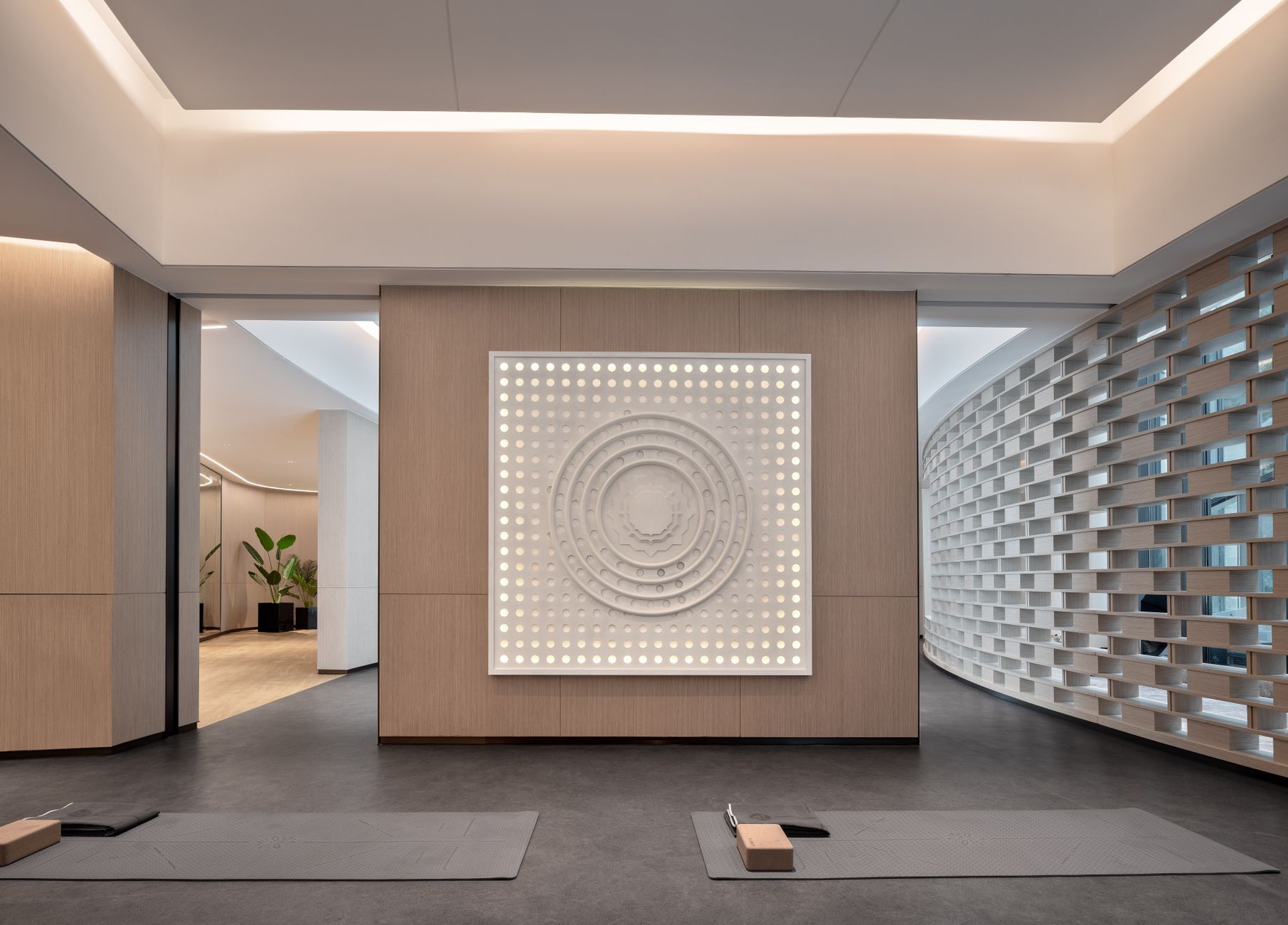
When you walk into a Pure Barre class, the atmosphere is calm, but the movements can be intense—knowing how to modify them is key during pregnancy.
Trimester / Breastfeeding
Verdict
Notes
First trimester
⚠️ Talk to your doctor
Limit high‑impact moves; focus on gentle core stability.
Emphasize balance, avoid deep lunges, stay upright.
Breastfeeding
✅ Safe
Low‑impact sessions help with post‑partum recovery; stay hydrated.
What is Pure Barre?
Pure Barre blends elements of ballet, Pilates, and yoga into a high‑energy, low‑impact workout. A typical class lasts 45–60 minutes and is built around a sturdy wooden barre that participants hold for balance while performing small, isometric movements. The routine relies heavily on precision: each repetition is held for a few seconds, targeting the core, glutes, thighs, and arms. Light hand‑weights (usually 0.5–2 lb) or resistance bands add a gentle strength‑training element.
Because the moves are small and controlled, Pure Barre is often marketed as a “sculpting” workout that builds lean muscle without the pounding of high‑impact cardio. Studios vary in how they sequence the workout—some start with a warm‑up, move into standing leg work, then transition to floor‑based core exercises, and finish with a cool‑down stretch. The intensity can be ramped up by increasing the weight, adding more repetitions, or shortening rest periods, which is why the program is popular for people looking to tone quickly.
For pregnant participants, the key considerations are the amount of abdominal compression, the need for balance, and the overall cardiovascular load. Understanding how each component of a Pure Barre class aligns with pregnancy‑safe exercise principles helps you negotiate modifications with confidence.
Is Pure Barre safe during pregnancy?
O
verall, the consensus from major obstetric bodies such as ACOG and the NHS is that moderate, low‑impact exercise—including barre‑style workouts—is beneficial for most pregnant people. Regular activity helps control weight gain, reduces back pain, and improves mood. However, the specific safety of Pure Barre hinges on how the class is structured. ACOG’s “Physical Activity and Pregnancy” guideline advises that pregnant individuals avoid exercises that involve lying flat on the back after 20 weeks, high‑impact jumping, or any activity that causes excessive strain on the abdomen.
Pure Barre classes often incorporate planks, side‑lying lifts, and deep lunges—movements that can put pressure on the uterus if performed without modification. The key is to keep the core engaged without over‑compressing the abdominal wall. Studies on similar low‑impact strength training (e.g., Pilates) have shown no increase in adverse pregnancy outcomes when participants follow proper form and stay within recommended heart‑rate zones. The CDC also notes that strength training, when done safely, can improve pelvic floor strength, which is useful for labor and postpartum recovery.
Because Pure Barre is not a standardized prenatal program, many studios do not automatically offer pregnancy‑specific modifications. That’s why the safest route is to obtain clearance from your obstetric provider, discuss any existing conditions (like hypertension or back pain), and request a trainer who is comfortable adapting the routine. When those steps are taken, most experts agree that Pure Barre can be a healthy component of a prenatal fitness plan.
It’s also worth noting that the benefits of barre go beyond muscle tone. The focus on controlled breathing, posture, and alignment can help alleviate common pregnancy complaints such as pelvic girdle pain and postural strain. If you enjoy the rhythmic nature of barre, the right modifications can let you keep reaping these benefits throughout pregnancy.
Is Pure Barre safe during the first trimester of pregnancy?
The first trimester is the period of organogenesis, when the baby’s organs are forming. ACOG advises pregnant people to avoid activities that could cause abdominal trauma or excessive core compression during this window. In Pure Barre, moves such as deep planks or heavy weighted squats can increase intra‑abdominal pressure, which some clinicians caution against early on. If you’re eager to continue, opt for a “gentle” class that focuses on light resistance, maintains a neutral spine, and limits any lying‑flat positions.
Modifications include swapping out weighted planks for wall‑supported variations, reducing hand‑weight to < 1 lb, and keeping the heart rate below 140 bpm. Many women find that a low‑intensity barre session, or even a prenatal‑specific barre class, feels comfortable during weeks 4–12. Always listen to your body—if you feel dizziness, shortness of breath, or any pelvic pressure, stop and rest.
Can I do Pure Barre in my second trimester and what modifications are needed?
The second trimester (weeks 13–27) is often the most comfortable phase of pregnancy, and ACOG encourages continued exercise with a few adjustments. Pure Barre can be safely continued if you avoid deep forward bends, excessive lumbar flexion, and any movement that forces you to lie flat on your back for more than a few minutes. Instead, focus on standing or seated exercises that promote stability.
Recommended modifications include: using lighter hand‑weights (≤ 1 lb), substituting deep lunges with short, shallow steps, and performing core work on a stability ball or against a wall to reduce abdominal pressure. Keeping the session to 45 minutes and monitoring your exertion level (the “talk test”—you should be able to speak in full sentences) helps maintain a safe intensity. Many studios now list “Prenatal Barre” or “BarreFit Prenatal” on their schedules, which are tailored to these guidelines.
How many Pure Barre classes per week are safe for pregnant women?
Guidelines from the WHO and ACOG suggest at least 150 minutes of moderate‑intensity aerobic activity per week, plus two days of strength training. For Pure Barre, this translates to roughly 2–3 classes per week, each lasting 45–60 minutes, provided you incorporate rest days and listen to your body’s signals. If you’re new to barre, start with one class per week and gradually increase as tolerated.
It’s also wise to alternate Pure Barre with lower‑impact cardio (like walking or swimming) to avoid over‑use injuries. If you have a high‑risk pregnancy (e.g., hypertension, pre‑eclampsia), your provider may recommend fewer sessions or a different exercise modality altogether.
What are safer workout alternatives to Pure Barre during pregnancy?
Prenatal yoga – gentle stretching and breathing that support pelvic flexibility.
Low‑impact Pilates – focuses on core stability without heavy pressure on the abdomen.
Swimming – provides full‑body cardio while supporting the joints and reducing fall risk.
Walking – easy to adjust pace and duration, excellent for maintaining cardiovascular health.
Stationary cycling – keeps heart rate in a safe zone without impact.
BarreFit Prenatal class – a barre‑style workout designed specifically for pregnant participants.
Elliptical training – maintains heart rate while sparing the joints.
Light resistance band workouts – provide strength training with minimal strain on the abdomen.
Does the Pure Barre brand offer pregnancy‑friendly class options?
Pure Barre’s corporate website lists “Prenatal Barre” as a specialty class in many locations, though availability varies by studio. These sessions typically lower the weight load, eliminate deep lunges, and incorporate more standing core work. If you’re unsure whether your nearest studio offers such a class, call ahead and ask if the instructor has experience modifying moves for pregnant participants. Some studios also allow you to bring your own lighter hand‑weights or replace them with resistance bands.
What are the risks of doing Pure Barre while pregnant?
The primary risks stem from excessive intra‑abdominal pressure, loss of balance, and over‑exertion. Specific concerns include:
Abdominal strain: Deep planks or weighted crunches can compress the uterus, potentially reducing blood flow.
Joint instability: Hormonal changes (relaxin) loosen ligaments, increasing the chance of ankle sprains during balance work.
Overheating: Barre studios can become warm; hyperthermia in early pregnancy is linked to neural tube defects.
Falls: Rapid directional changes or low‑impact jumps may lead to a stumble, which could harm both mother and baby.
Most of these risks are mitigated by proper modifications, adequate hydration, and avoiding overly strenuous sessions. If you experience any of the warning signs listed below, stop immediately and contact your healthcare provider.
Is Pure Barre safe for pregnant women with hypertension?
For those with chronic hypertension or pregnancy‑induced high blood pressure, ACOG recommends avoiding high‑intensity or isometric exercises that can spike blood pressure. Pure Barre can still be an option if the class stays within a moderate intensity zone (heart rate < 140 bpm) and you forego heavy hand‑weights. Always discuss your exercise plan with your obstetrician, who may suggest a lower‑impact alternative like prenatal yoga or stationary cycling.
Can I continue Pure Barre after a C‑section?
After a Cesarean delivery, the abdominal incision needs several weeks to heal. ACOG advises avoiding any abdominal strengthening that places strain on the incision for at least 6–8 weeks. Light, seated barre movements that do not engage the core intensely may be permissible, but you should wait until your surgeon clears you for core work. Many new moms find that low‑impact Pilates or gentle yoga are safer choices during the early postpartum period.
How to monitor your intensity safely during barre workouts
Keeping your exertion in the moderate‑intensity range is a cornerstone of pregnancy‑safe exercise. The simplest method is the “talk test”: you should be able to carry on a conversation without gasping for air. For a more precise measure, wear a heart‑rate monitor and aim to stay below 140 bpm (or below 70 % of your maximum heart rate, as suggested by ACOG). If you notice your heart rate climbing quickly, pause, sip water, and resume at a slower pace.
Temperature is another key factor. Many barre studios keep the room warm to promote muscle flexibility, but pregnant participants should ensure the environment stays comfortably cool—ideally below 78 °F (25.5 °C). If you start to feel overheated, step out for a few minutes, hydrate, and consider a cooler class or a different exercise modality.
Pregnancy considerations for twins or multiples
Carrying twins or higher-order multiples increases the physical demands on your body, especially on the joints and cardiovascular system. ACOG advises extra caution with balance‑challenging activities and recommends limiting sessions to the lower end of the frequency range (about 2 classes per week). Light‑weight barre moves that avoid deep lunges and maintain a neutral spine are generally acceptable, but you should discuss any barre plan with your provider early in the pregnancy to tailor recommendations to your specific situation.
What to tell your instructor about your pregnancy
Open communication with your barre instructor is essential. Let them know you’re pregnant, which trimester you’re in, and any pregnancy‑related concerns (e.g., back pain, hypertension, or a history of preterm labor). Ask whether they can modify core‑intensive moves, reduce the weight load, and avoid any exercises that require lying flat on your back. A qualified instructor should be willing to adjust the class flow, offer alternative movements, and respect your need to pause whenever you feel uncomfortable.
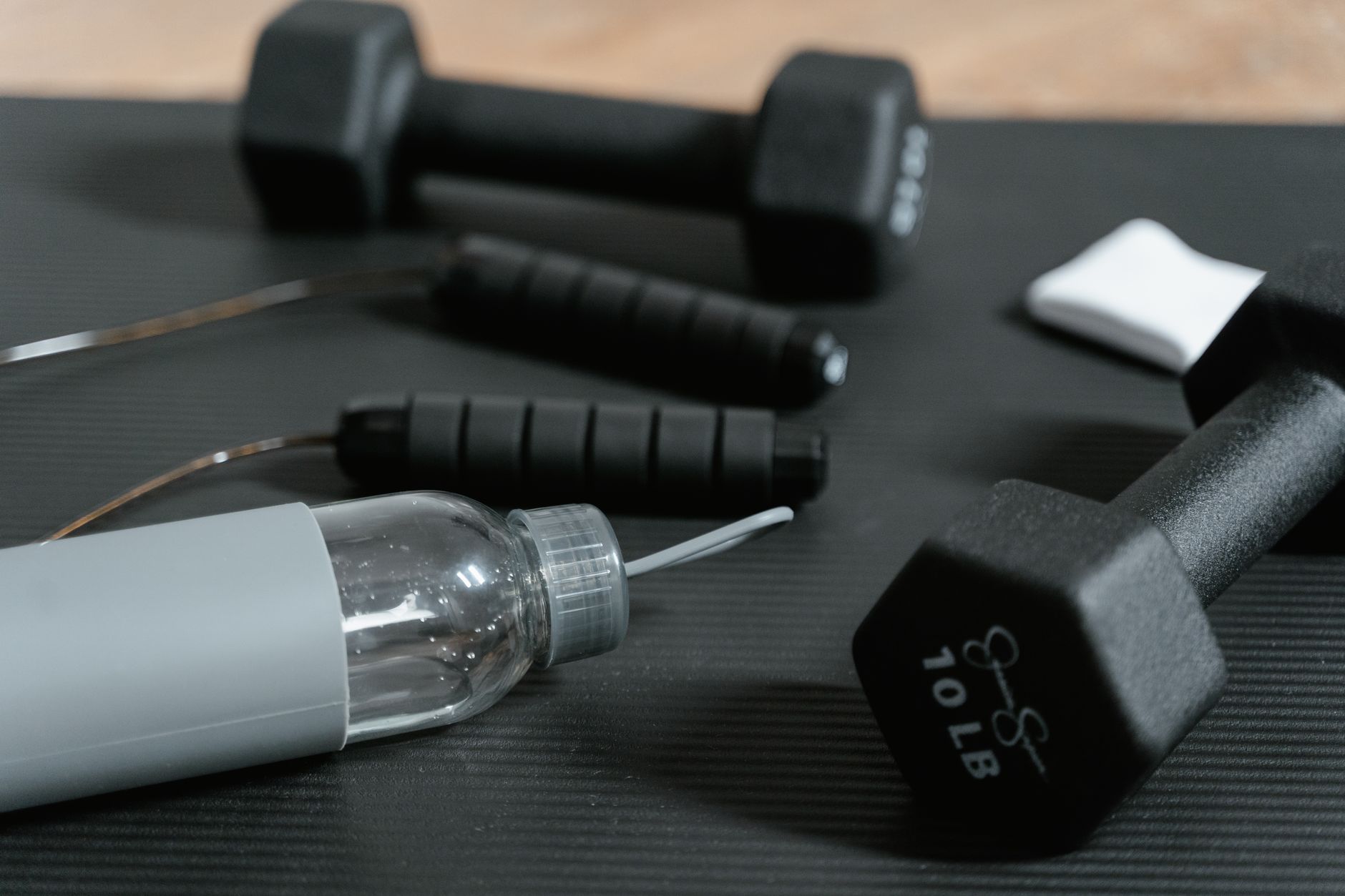
Choosing lighter weights and resistance bands can help you modify Pure Barre safely during pregnancy.
Safe dosage / amount / brands
Because Pure Barre is a class rather than a medication, “dosage” refers to frequency, session length, and intensity. Here’s a practical guide:
Parameter
Recommended limit
Notes
Classes per week
2–3
Space out sessions with at least 48 hours between barre days.
Session duration
45 minutes max
Longer sessions increase risk of overheating; keep water nearby.
Hand‑weight
≤ 1 lb (0.5 kg)
Lighter weights reduce abdominal pressure while still providing resistance.
Heart‑rate target
Below 140 bpm
Use a wearable monitor or the “talk test” to stay within moderate intensity.
Pregnancy‑friendly brand options
Pure Barre’s “Prenatal Barre” classes
Check studio listings; these classes are specifically designed for pregnant participants.
If you’re unsure whether a given studio’s class meets these limits, ask the instructor about the typical weight used, the amount of time spent on core work, and whether the session includes any lying‑flat positions. When in doubt, choose a “gentle” or “modified” version of the class.
Side effects and risks
Most side effects from Pure Barre are mild and stem from typical exercise‑related factors:
Muscle soreness: Common after a new workout; use gentle stretching and stay hydrated.
Fatigue: If you feel unusually tired, reduce session length or skip a day.
Dizziness or light‑headedness: May indicate overheating or low blood pressure—stop, sit, and sip water.
Pelvic pressure or pain: Could signal that core work is too intense; modify or skip that segment.
Shortness of breath or rapid heartbeat: If heart rate exceeds recommended limits, pause and recover.
Red‑flag symptoms requiring immediate medical attention include vaginal bleeding, severe abdominal or pelvic pain, sudden swelling in the hands or face, or any feeling of faintness that does not improve with rest. If any of these occur, call your provider or go to the nearest emergency department.
Safer alternatives
Prenatal yoga – offers gentle stretching, breath work, and balance without heavy loading.
Low‑impact Pilates – strengthens core safely with controlled movements.
Swimming – provides full‑body cardio while supporting the joints and reducing fall risk.
Walking – easy to adjust pace; excellent for maintaining cardiovascular health.
Stationary cycling – keeps heart rate in a safe zone without impact.
BarreFit Prenatal class – a barre‑style workout designed specifically for pregnant participants.
Elliptical training – low‑impact, steady‑state cardio that protects the joints.
Light resistance band workouts – offers strength training with minimal strain on the abdomen.
Related items — safety at a glance
Item
Verdict
One‑line note
Barre
⚠️ Talk to your doctor
Standard barre classes may include deep core work; seek modifications.
Pilates
✅ Generally safe
Focus on controlled movements; avoid extreme spinal flexion.
Yoga
✅ Generally safe
Choose prenatal or gentle styles; avoid hot yoga.
Spin class
⚠️ Safe with limits
Maintain heart rate below 140 bpm; stay seated.
HIIT
❌ Best avoided
High‑intensity intervals can raise core pressure and temperature.
Zumba
⚠️ Safe with limits
Low‑impact routines are fine; skip jumps if you’re uncomfortable.
Aqua aerobics
✅ Generally safe
Water buoyancy reduces joint stress; great for all trimesters.
Low‑impact cardio
✅ Generally safe
Walking, elliptical, and cycling support heart health safely.
Myth vs. fact
Myth: “All barre workouts are safe because they’re low‑impact.” Fact: While barre avoids jumping, many moves involve deep core compression that can be risky in early pregnancy.
Myth: “If you feel fine, you can keep doing the same class intensity.” Fact: Pregnancy hormones change joint stability and heart‑rate response; regular re‑assessment with your provider is essential.
Myth: “You must stop all strength training after a C‑section.” Fact: Light, non‑abdominal barre movements can be resumed once your surgeon clears you, typically after 6–8 weeks.
Myth: “Pregnancy automatically makes you weaker, so you should avoid any resistance work.” Fact: Moderate resistance training, including modified barre, can actually help maintain muscle tone and protect the spine, provided you keep the load light and avoid excessive abdominal pressure.
Key takeaways
Pure Barre can be continued during pregnancy with doctor’s clearance and proper modifications.
Limit hand‑weights to ≤ 1 lb, keep sessions under 45 minutes, and stay below 140 bpm heart rate.
Second and third trimesters are generally safe for modified barre; the first trimester requires extra caution.
Women with hypertension or a recent C‑section should discuss individualized plans with their provider.
If you experience dizziness, pelvic pain, or any bleeding, stop immediately and seek medical care.
Communicate openly with your instructor and monitor intensity with a heart‑rate watch or the talk test.
Frequently asked questions
Can pregnant women do Pure Barre?
Yes, many pregnant women can attend Pure Barre classes if they receive clearance from their obstetric provider and choose modified, low‑impact sessions.
What modifications are recommended for Pure Barre during pregnancy?
Use lighter hand‑weights (≤ 1 lb), avoid deep lunges and planks, keep the heart rate below 140 bpm, and replace any lying‑flat positions with seated or standing alternatives.
Is it safe to do Pure Barre after the first trimester?
Generally, yes—once you’re past week 13, you can continue barre with appropriate modifications, staying mindful of balance and abdominal pressure.
How many Pure Barre sessions per week are safe while pregnant?
Two to three 45‑minute classes per week are typically safe, provided you incorporate rest days and monitor intensity.
What are the benefits of Pure Barre for pregnant women?
Pure Barre can improve muscular endurance, posture, and core stability, which may help alleviate back pain and support a smoother labor and postpartum recovery.
Should I avoid Pure Barre if I have pregnancy complications?
If you have conditions like hypertension, pre‑eclampsia, or severe back pain, discuss with your provider; they may recommend a gentler alternative such as prenatal yoga.
Do Pure Barre instructors have training for prenatal classes?
Some studios certify instructors in prenatal fitness, but it varies; always ask the instructor about their experience and whether they can modify moves for pregnancy.
What if I accidentally performed a deep plank before I knew I was pregnant?
One isolated deep plank early in pregnancy is unlikely to cause harm, but you should inform your provider at your next prenatal visit and switch to modified movements moving forward.
Can I use resistance bands instead of hand‑weights in Pure Barre while pregnant?
Yes—resistance bands provide a gentler load and are often easier on the abdomen, making them a pregnancy‑friendly alternative to traditional hand‑weights.
When to call your doctor
Contact your obstetric provider promptly if you experience any of the following after a Pure Barre session: vaginal bleeding, severe abdominal or pelvic pain, sudden swelling of hands or face, persistent dizziness, or a rapid heart rate that does not subside with rest. Also reach out if you have pre‑existing conditions like hypertension and notice new symptoms during or after class. Remember, this article provides general information and does not replace personalized medical advice.
References
American College of Obstetricians and Gynecologists. “Physical Activity and Exercise During Pregnancy and the Postpartum Period.” ACOG Committee Opinion No. 804, 2020.
National Health Service (UK). “Exercise in pregnancy.” NHS website, updated 2023.
Centers for Disease Control and Prevention. “Pregnancy and Physical Activity.” CDC, 2022.
Mayo Clinic. “Pregnancy exercise: Safe ways to stay active.” Mayo Clinic, 2023.
World Health Organization. “Physical activity guidelines for pregnant women.” WHO, 2021.
Not sure about the label on Is Pure Barre Safe During Pregnancy products?
Snap the ingredients list and SafeFilter checks every ingredient for your stage — only 3 free scans this month, then you're locked until reset. Unlimited from $7/mo or $50/yr.
When Shubhra Mishra was expecting her first child in 2016, she was overwhelmed by conflicting food advice — one site said yes, another said never. By the time her second baby arrived in 2019, she realized millions of mothers face the same confusion.
That sparked a five-year journey through clinical nutrition papers, cultural diets, and expert conversations — all leading to BumpBites: a calm, compassionate space where science meets everyday motherhood.
Her long-term vision is to build a global community ensuring safe, supported, and free deliveriesfor every mother — because no woman should face pregnancy alone or uninformed. 🌿
🌍 Stand with mothers, shape safer guidance
Join a small circle of experts who review BumpBites articles so expecting parents everywhere can decide with confidence.