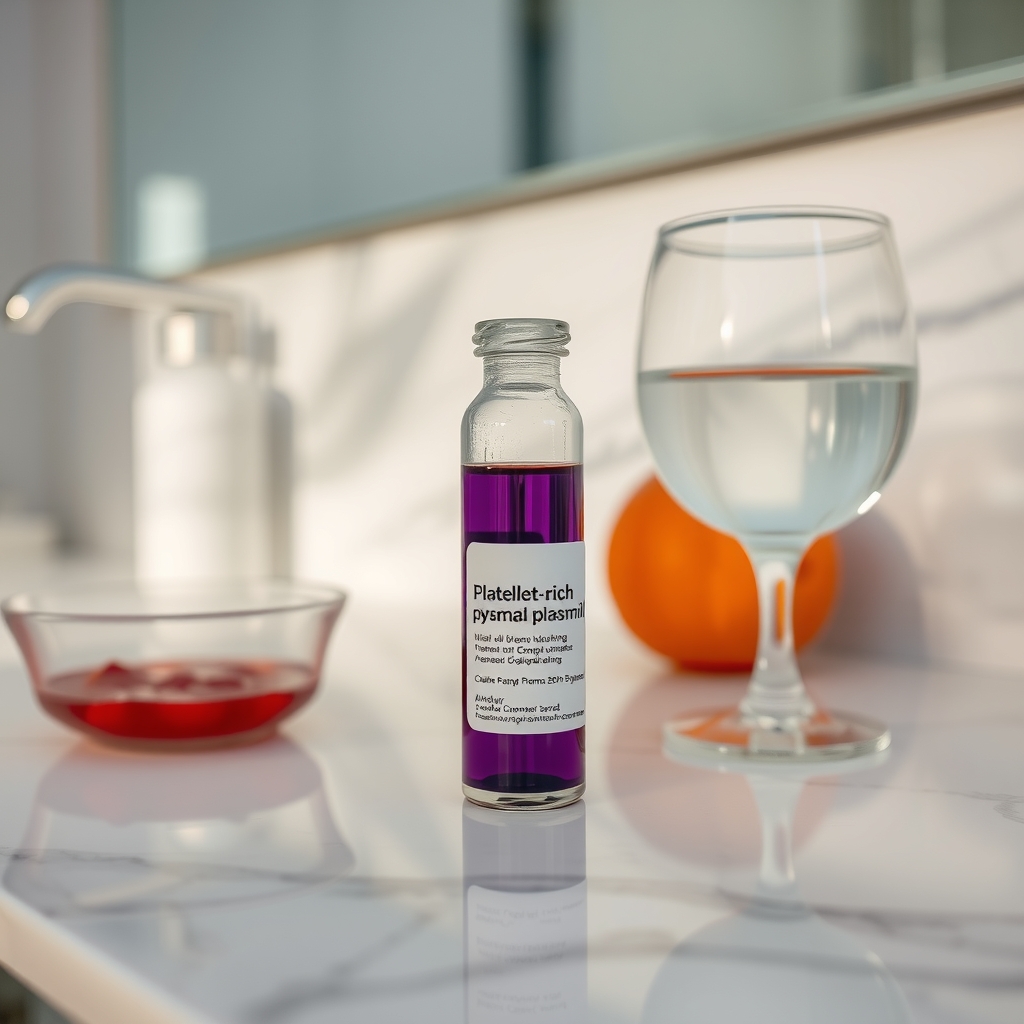
Limit PRP facials during pregnancy. Experts advise avoiding platelet-rich plasma treatments in the first trimester due to limited safety data and potential risks.
By Shubhra Mishra — a mom of two who turned her own confusion during pregnancy into BumpBites, a global mission to make food choices clear, safe, and stress-free for every expecting mother. 💛
Check whether any food is safe during pregnancy with the BumpBites Food Safety Checker.
Quick verdict: ⚠️ Talk to your doctor first. PRP facial may be used with caution in pregnancy, but the evidence is limited and most providers recommend avoiding it, especially in the first trimester.
It’s 2 a.m., you’re scrolling through beauty blogs, and a bright‑colored ad asks, “Is PRP facial pregnancy safe during pregnancy?” Your heart skips a beat—you’ve already booked a skin‑care appointment, but now you’re wondering if that needle‑prick treatment could affect your baby. You’re not alone. Many expecting parents wonder about the safety of newer aesthetic procedures, and the good news is that the answer isn’t a blanket “yes” or “no.” We’ll walk you through what a PRP facial actually involves, what the current research says, how safety may differ by trimester, and what gentler options you can try instead.
In this article, we’ll give you a clear verdict, break down safety by each trimester, discuss dosage and brand considerations, and list safer alternatives that keep both your skin and your baby happy. By the end, you’ll know whether a PRP facial fits into your pregnancy plan—or if it’s time to press pause and choose a pregnancy‑friendly glow.
Trimester / Stage
Verdict
Notes
First trimester (0‑13 weeks)
❌ Best avoided
Limited data; potential theoretical risk to fetal development.
Second trimester (14‑27 weeks)
⚠️ Talk to your doctor
Some clinicians allow it if benefits outweigh risks; use minimal volume.
Third trimester (28‑40 weeks)
⚠️ Talk to your doctor
Risk of increased bleeding; consider postponing until postpartum.
Breastfeeding
⚠️ Talk to your doctor
Insufficient evidence; most providers advise waiting.
PRP facial kits typically include a tiny vial of platelet‑rich plasma that’s drawn from the patient’s own blood.
What is a PRP facial?
PRP stands for platelet‑rich plasma. In a PRP facial, a small amount of your own blood (usually 10‑20 mL) is drawn, spun in a centrifuge, and separated to concentrate platelets. The resulting plasma, rich in growth factors like platelet‑derived growth factor (PDGF) and transforming growth factor‑beta (TGF‑β), is then injected or microneedled into the facial skin. The goal is to stimulate collagen production, improve texture, and reduce fine lines. Because PRP uses your own blood, it’s marketed as a “natural” anti‑aging option with minimal risk of allergic reaction.
While the procedure is popular in aesthetic clinics, it’s still considered a medical intervention. The process involves venipuncture, a brief lab step, and a skin‑penetrating treatment—each of which can carry specific considerations for pregnant patients, such as infection risk, bleeding, and theoretical exposure of growth factors to the placenta.
Is PRP facial safe during pregnancy?
C
urrent guidance from major health authorities—including the American College of Obstetricians and Gynecologists (ACOG), the UK’s National Health Service (NHS), and the U.S. Food and Drug Administration (FDA)—does not specifically endorse PRP facial use in pregnancy because robust clinical data are lacking. ACOG’s Committee Opinion on cosmetic procedures in pregnancy advises that “elective aesthetic treatments should be deferred unless a clear medical benefit outweighs potential risk.” The NHS similarly notes that “procedures involving needles or injections are generally avoided in pregnant patients unless medically necessary.”
Most of the concern centers on the fact that PRP contains high concentrations of growth factors that could theoretically influence fetal development, especially during organogenesis in the first trimester. Although these growth factors act locally in the skin, the systemic absorption is not fully understood. A handful of small case series have reported no adverse outcomes, but the sample sizes are too limited to draw firm conclusions.
Because of this uncertainty, most clinicians recommend postponing PRP facial treatments until after delivery. If a pregnant patient insists on the procedure, a thorough risk‑benefit discussion should occur, and the treatment should be performed by a provider experienced with pregnant patients, using the lowest effective volume and ensuring strict aseptic technique.
Is PRP facial safe during the first trimester of pregnancy?
The first trimester is the period of organogenesis, when the fetus’s major organs form. During this window, any exposure to substances that could alter cellular signaling warrants extra caution. Because PRP delivers concentrated growth factors directly into the skin, the theoretical risk—though unproven—leads most obstetricians to advise against PRP facial use in the first 13 weeks. ACOG’s 2022 guidance on elective procedures in pregnancy specifically lists “injectable skin treatments” as “best avoided” during early pregnancy.
Can I get a PRP facial after 20 weeks pregnant?
At around 20 weeks, you’re in the second trimester, a time when many providers feel more comfortable with minor procedures that are not medically necessary. Some dermatologists may offer PRP facial after the 20‑week mark, but they will typically require a signed informed‑consent form and will limit the volume of plasma used. The consensus remains “talk to your doctor first,” because data are still sparse and the risk profile may shift depending on individual health conditions such as hypertension or clotting disorders.
What are the risks of PRP facial treatments for pregnant women?
Potential risks include:
Localized infection at the injection or microneedling sites, which could be more serious during pregnancy.
Bruising or hematoma formation, especially if you have pregnancy‑related changes in blood volume and clotting.
Theoretical exposure of growth factors to the placenta, though no definitive fetal harm has been documented.
Allergic or inflammatory reactions to antiseptic solutions used during the procedure.
Most of these risks are manageable with proper sterile technique, but the unknowns regarding fetal exposure keep many clinicians from recommending PRP facial during pregnancy.
How many PRP facial sessions are safe during pregnancy?
There is no established “safe number” of PRP facial sessions for pregnant patients because the evidence is limited. In non‑pregnant adults, treatments are often spaced 4‑6 weeks apart, with a typical course of 3‑4 sessions. For pregnant patients, most providers advise either deferring the entire series until after delivery or limiting it to a single session after the second trimester if the potential skin benefit is significant and the patient consents. Always discuss the frequency with your obstetrician and the aesthetic practitioner.
Are there safer alternatives to PRP facial for pregnant skin care?
If you’re looking for a pregnancy‑friendly glow, consider these gentler options:
Gentle AHA chemical peel (pregnancy‑safe, low concentration).
LED light therapy facial (non‑invasive, stimulates collagen without needles).
Microneedling with hyaluronic acid (use only after the second trimester and under medical supervision).
Pregnancy‑safe vitamin C serum (antioxidant boost without injection).
Jojoba oil facial massage (moisturizing and soothing).
Cold facial roller treatment (reduces puffiness without chemicals).
Hydrating collagen mask for pregnant skin (topical, no systemic absorption).
Which PRP facial brands are recommended for pregnant patients?
Because PRP is autologous—derived from your own blood—most “brands” refer to the equipment used for centrifugation and the sterile kits supplied by medical‑device manufacturers. No specific brand has been cleared by the FDA for use in pregnancy, and the NHS does not list any PRP system as pregnancy‑approved. If you and your provider decide to proceed, choose a clinic that uses FDA‑registered devices (e.g., Terumo, EmCyte) and follows strict infection‑control protocols. Even then, prioritize a thorough discussion with your obstetrician.
Does PRP facial affect pregnancy‑related skin conditions like melasma?
Melasma, a common hyperpigmentation condition during pregnancy, is driven by hormonal changes. PRP’s growth‑factor boost may improve overall skin texture but does not directly address melasma’s pigment‑producing pathways. In fact, some clinicians caution that microneedling‑based PRP could exacerbate melasma in darker skin tones. Safer, pregnancy‑approved treatments for melasma include broad‑spectrum sunscreen, topical azelaic acid (under physician guidance), and gentle chemical peels.
LED light therapy offers a needle‑free alternative for a radiant complexion during pregnancy.
Safe dosage / amount / brands
Because PRP facial is an injectable procedure, there isn’t a “daily dosage” like a supplement. Instead, safety focuses on the volume of plasma used per session and the number of sessions over the course of pregnancy. Most clinics draw 10‑20 mL of blood, yielding roughly 2‑5 mL of platelet‑rich plasma. For pregnant patients, many providers limit the injection volume to ≤ 2 mL and recommend spacing sessions at least 8 weeks apart—if any sessions are performed at all.
If you are working with a clinic, ask them for the following information:
Which centrifuge model is used (e.g., EmCyte, Terumo)? FDA‑registered devices are preferred.
What antiseptic solution is applied (e.g., chlorhexidine versus alcohol)? Choose the one with the lowest irritation potential for pregnant skin.
Whether the provider follows ACOG‑endorsed sterile‑technique guidelines.
Because the procedure is autologous, brand differences are minimal compared with the practitioner’s technique and the patient’s health status.
Side effects and risks
Most side effects are localized and similar to those of microneedling or other injectable skin procedures:
Bruising or swelling – Common and usually resolves within a week.
Transient redness – May last a few days; use a gentle moisturizer.
Infection – Rare if proper aseptic technique is used; seek medical care if you develop fever, increasing pain, or pus.
Allergic reaction – Typically to antiseptic agents, not to the PRP itself.
Potential impact on fetal development – Theoretical; no definitive data, but any unexplained bleeding or infection should prompt immediate obstetric evaluation.
If you notice any of the following, contact your obstetrician right away: high fever, spreading redness, severe pain, or unusual vaginal bleeding after the procedure.
Safer alternatives
Gentle AHA chemical peel – low‑strength (≤ 5 %) glycolic or lactic acid, safe for most trimesters.
LED light therapy facial – non‑invasive, promotes collagen without needles.
Microneedling with hyaluronic acid – only after 20 weeks, under medical supervision.
Pregnancy‑safe vitamin C serum – antioxidant boost with minimal irritation.
Safe after 2nd trimester with sterile technique; avoid deep needling.
Chemical peel
✅ Generally safe
Use low‑strength AHA/BHA peels; avoid strong phenol peels.
Laser skin resurfacing
⚠️ Talk to your doctor
Non‑ablative lasers are okay; ablative lasers should be postponed.
Microdermabrasion
✅ Generally safe
Gentle exfoliation without deep tissue injury.
LED light therapy
✅ Generally safe
Non‑invasive, no systemic absorption.
Dermal fillers
❌ Best avoided
Potential for migration and unknown fetal exposure.
Botox injections
⚠️ Talk to your doctor
Limited data; many providers defer until postpartum.
Myth vs. fact
Myth: PRP facial is completely natural, so it’s automatically safe for pregnant women. Fact: While PRP uses your own blood, the concentrated growth factors can theoretically affect fetal development, and the procedure involves needles, which carry infection and bleeding risks.
Myth: Because PRP is autologous, there’s no chance of an allergic reaction. Fact: Allergic reactions can still occur from antiseptic solutions or from the skin’s response to microneedling, even if the plasma itself is non‑foreign.
Myth: All aesthetic procedures are safe after the first trimester. Fact: Safety varies by procedure; injectable treatments like PRP still require caution throughout pregnancy.
Key takeaways
Current evidence is limited; most authorities recommend avoiding PRP facial, especially in the first trimester.
If you consider PRP after 20 weeks, discuss it thoroughly with both your obstetrician and the aesthetic provider.
Limit any PRP session to ≤ 2 mL of plasma and space treatments at least 8 weeks apart.
Watch for signs of infection, unusual bleeding, or severe bruising and seek medical care promptly.
Safer, pregnancy‑approved alternatives include gentle AHA peels, LED light therapy, and vitamin C serums.
Frequently asked questions
Can I get a PRP facial while pregnant?
Most obstetricians advise against it, especially in the first trimester; if you’re in the second trimester and a provider deems it low risk, you may proceed with informed consent.
Is PRP facial safe in the second trimester?
Safety is still uncertain; the consensus is to “talk to your doctor first,” with many clinicians preferring to postpone until after delivery.
What are the side effects of PRP facial for pregnant women?
Typical side effects include bruising, redness, and swelling; rare but serious risks involve infection or unexplained bleeding, which require immediate medical attention.
Do doctors recommend PRP facial during pregnancy?
Most doctors, including those from ACOG and the NHS, recommend avoiding elective PRP facial procedures during pregnancy unless a clear medical benefit outweighs the potential risk.
How does PRP facial affect baby’s development?
There is no definitive evidence of harm, but the theoretical exposure to concentrated growth factors during organogenesis leads experts to err on the side of caution.
Can PRP facial cause miscarriage?
There is no documented link, but any procedure that introduces needles or causes significant stress could theoretically increase miscarriage risk, so most providers advise postponing.
When to call your doctor
Contact your obstetrician immediately if you experience any of the following after a PRP facial: high fever (> 38°C/100.4°F), spreading redness or pus at the treatment site, severe or worsening pain, unexpected vaginal bleeding, or signs of an allergic reaction such as hives or swelling of the face. Remember, this article provides general information and is not a substitute for personalized medical advice.
References
American College of Obstetricians and Gynecologists. Committee Opinion No. 774: Cosmetic Procedures in Pregnancy. 2022.
National Health Service (NHS). “Skin procedures and pregnancy.” Updated 2023.
U.S. Food and Drug Administration (FDA). “Medical Devices: Platelet‑Rich Plasma Systems.” Accessed 2024.
Mayo Clinic. “Platelet‑rich plasma therapy: Uses and safety.” 2023.
American Academy of Dermatology (AAD). “Guidelines for laser and light‑based procedures in pregnancy.” 2021.
Centers for Disease Control and Prevention (CDC). “Pregnancy and infection control.” 2022.
World Health Organization (WHO). “Maternal health and safe cosmetic practices.” 2023.
Not sure about the label on Is Prp Facial Pregnancy Safe During Pregnancy products?
Snap the ingredients list and SafeFilter checks every ingredient for your stage — only 3 free scans this month, then you're locked until reset. Unlimited from $7/mo or $50/yr.
When Shubhra Mishra was expecting her first child in 2016, she was overwhelmed by conflicting food advice — one site said yes, another said never. By the time her second baby arrived in 2019, she realized millions of mothers face the same confusion.
That sparked a five-year journey through clinical nutrition papers, cultural diets, and expert conversations — all leading to BumpBites: a calm, compassionate space where science meets everyday motherhood.
Her long-term vision is to build a global community ensuring safe, supported, and free deliveriesfor every mother — because no woman should face pregnancy alone or uninformed. 🌿
🌍 Stand with mothers, shape safer guidance
Join a small circle of experts who review BumpBites articles so expecting parents everywhere can decide with confidence.