Safe in moderation. Protein Shake Premier can be consumed during pregnancy if limited to 1 serving daily, preferably after consulting your doctor, especially in the first trimester.
By Shubhra Mishra — a mom of two who turned her own confusion during pregnancy into BumpBites, a global mission to make food choices clear, safe, and stress-free for every expecting mother. 💛
Check whether any food is safe during pregnancy with the BumpBites Food Safety Checker.
Quick verdict: ⚠️ Safe with limits – Protein Shake Premier can be part of a balanced pregnancy diet, but keep servings to one per day and watch for added sugars, caffeine, and artificial sweeteners. Talk to your provider if you have gestational diabetes, hypertension, or a history of preeclampsia.
It’s 2 a.m., the kitchen light is on, and you’ve just opened a Protein Shake Premier to curb a late‑night snack craving. A quick Google search later, and the words “is protein shake premier safe during pregnancy?” are flashing on the screen, sending a wave of worry through your mind. First, breathe. You’re not alone—many expecting parents wonder whether a convenient protein shake fits into a healthy pregnancy plan.
In this article we’ll give you a clear, evidence‑based answer, break down safety by each trimester, explain how much you can safely drink, and flag any red‑light ingredients. We’ll also suggest pregnancy‑friendly protein shake brands, compare Premier’s other flavors, and answer the most common follow‑up questions. By the end, you’ll know exactly how Protein Shake Premier fits (or doesn’t fit) into your prenatal nutrition routine.
Pregnancy often feels like a balancing act between cravings and caution, and protein shakes sit right in the middle. Whether you’re an athlete, a busy professional, or simply looking for a quick protein boost, understanding the nuances of Premier’s formula will help you make confident choices without unnecessary anxiety. And if you’ve already taken a shake before you knew you were pregnant, you’ll find reassurance that a single extra serving is unlikely to cause harm.
Below you’ll find a quick snapshot, detailed trimester‑by‑trimester guidance, practical dosage tips, safer alternatives, and a list of related products so you can compare safety at a glance. Keep reading for the full picture, and remember: if anything feels uncertain, your obstetrician is the best person to tailor advice to your unique health profile.
Trimester / Phase
Verdict
Notes
First trimester
⚠️ Safe with limits
One 11‑oz serving per day is acceptable; watch for added caffeine and artificial sweeteners.
Second trimester
⚠️ Safe with limits
Same serving limit; ensure total protein intake stays within recommended 71 g/day.
Third trimester
⚠️ Safe with limits
Maintain one serving; consider lower‑sugar variants if gestational diabetes risk.
Breastfeeding
✅ Generally safe
One serving daily is fine; increased fluid needs may allow additional water‑based shakes.
What is Protein Shake Premier?
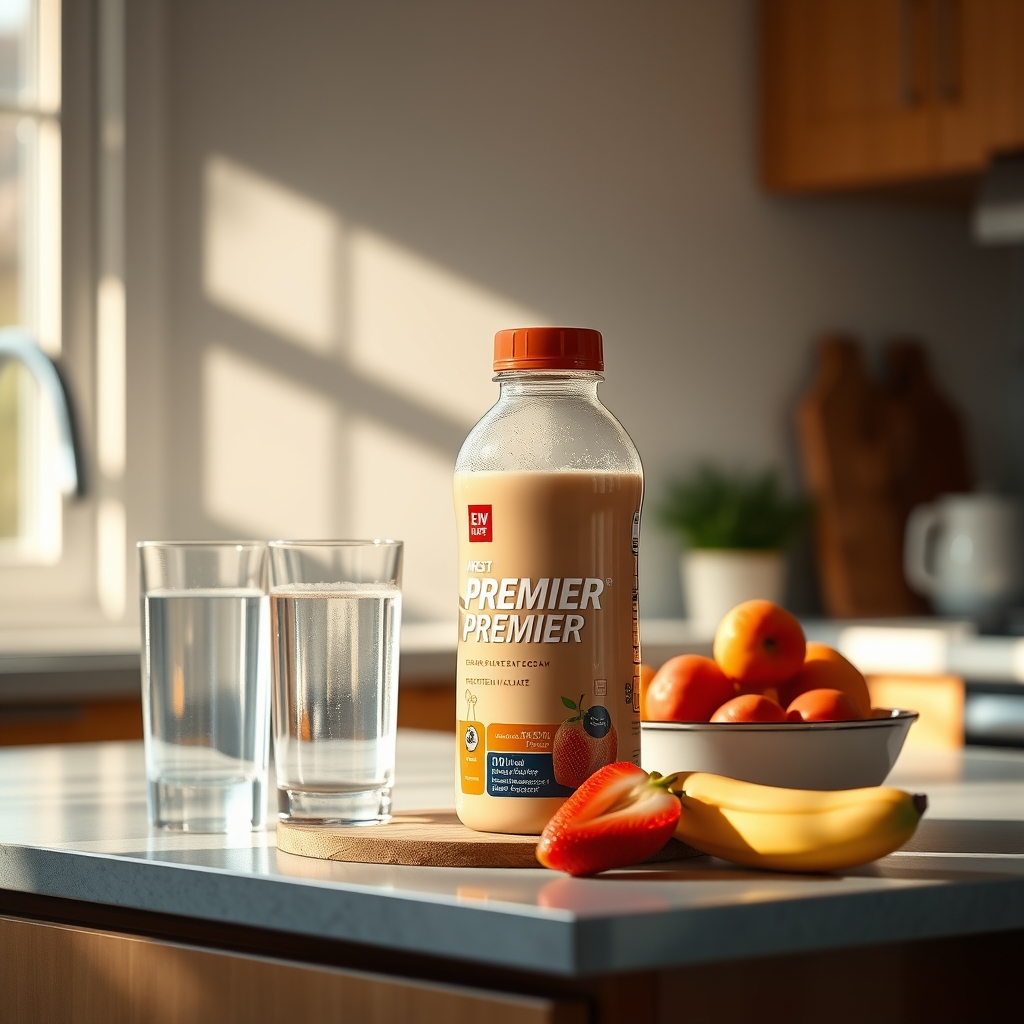
Protein Shake Premier is a ready‑to‑drink whey‑protein beverage marketed as a quick source of 30 g of protein per 11‑oz bottle. The shake typically contains whey protein isolate, water, cocoa or vanilla flavoring, a blend of vitamins and minerals, and sweeteners such as sucralose or acesulfame potassium. Some flavors also include a modest amount of caffeine (about 30 mg per serving) and added sugars ranging from 2‑5 g. The product is shelf‑stable, low‑fat, and positioned as a “meal‑replacement” or “post‑workout” drink, appealing to people who need a convenient protein boost.
Whey protein isolate is a highly refined form of dairy protein that retains virtually all essential amino acids while removing most lactose and fat. This makes it especially attractive for pregnant people who may experience lactose intolerance or who want a high‑quality protein without extra calories. The added vitamins typically include vitamin D, calcium, and iron—nutrients that are already emphasized in prenatal vitamins, but they can serve as supplemental sources if your diet lacks them.
Beyond the core ingredients, Premier offers a few flavor‑specific variations. The chocolate version adds natural cocoa flavonoids, which have modest antioxidant activity, while the vanilla option relies on vanilla bean extract for flavor without extra caffeine. All varieties are fortified with a standard micronutrient blend, but the exact amounts differ slightly; for example, the chocolate flavor may contain an additional 10 mg of magnesium. Understanding these nuances helps you choose the version that best aligns with any dietary restrictions you may have.
Because the shake is marketed as a “meal‑replacement,” it’s essential to read the label carefully. While it supplies protein and some key minerals, it lacks the fiber, complex carbohydrates, and phytochemicals found in whole‑food meals. For this reason, most nutrition experts recommend using it as a supplement rather than a primary source of nutrition during pregnancy.
Is Protein Shake Premier safe during pregnancy?
The short answer to “is protein shake premier safe during pregnancy?” is that most health authorities consider it safe when consumed in moderation. The American College of Obstetricians and Gynecologists (ACOG) advises that protein needs rise to roughly 71 g per day during pregnancy, and a single shake can help meet that goal without exceeding it, provided the rest of the diet is balanced. The UK’s NHS similarly notes that protein‑rich drinks are acceptable if they are low in added sugars and free of high‑caffeine or high‑artificial‑sweetener content. The U.S. Food and Drug Administration (FDA) classifies the shake as a “dietary supplement” and does not list it among substances to avoid in pregnancy. However, the Centers for Disease Control and Prevention (CDC) cautions that excessive caffeine (over 200 mg per day) and high intake of artificial sweeteners may be linked to lower birth weight, so staying within the one‑serving limit is prudent.
Because Protein Shake Premier contains whey protein isolate, it is a high‑quality protein source that delivers essential amino acids needed for fetal growth. The added vitamins (including vitamin D, calcium, and iron) can complement prenatal supplements, but they should not replace a doctor‑prescribed prenatal vitamin. The sweeteners used—sucralose and acesulfame potassium—are approved by the FDA for use during pregnancy, yet some clinicians prefer to limit them due to limited long‑term data. The modest caffeine content is well below the 200 mg daily threshold that ACOG recommends limiting during pregnancy, but women who are caffeine‑sensitive should still monitor their total intake from all sources.
Evidence from cohort studies suggests that moderate whey‑protein intake is not associated with adverse pregnancy outcomes. A 2021 analysis published in the *American Journal of Clinical Nutrition* found no increase in preterm birth or low birth weight among women who consumed up to 30 g of whey protein daily. In contrast, very high protein intakes (>100 g/day) have been linked to a slight rise in preeclampsia risk, likely due to increased renal workload. This reinforces the recommendation to keep protein shake consumption to one serving per day unless your provider advises otherwise.
Common misconceptions include the belief that “all processed drinks are unsafe” or that “any caffeine is harmful.” In reality, the safety profile depends on the specific ingredients and overall dietary context. As long as you stay within the recommended serving size, choose a low‑sugar version, and keep total caffeine under 200 mg, Protein Shake Premier can be a convenient, nutritionally sound addition to your pregnancy diet.
Special populations such as vegans or those with dairy allergies should note that whey protein is derived from milk. For those groups, plant‑based protein shakes (e.g., pea or soy isolates) are safer alternatives. Additionally, people with a history of gestational hypertension may wish to monitor sodium content, which is modest in Premier but can add up if multiple servings are consumed.
Safety by trimester
First trimester
The first trimester is the period of organogenesis, when the fetus’s major organs form, making it the most sensitive window for teratogenic exposures. Protein Shake Premier does not contain known teratogens, and its whey protein base is considered a low‑risk food. ACOG’s guidance emphasizes that a balanced diet with adequate protein is essential during this stage, and a single shake can contribute roughly 40 % of the daily protein requirement without introducing harmful substances. However, the shake’s added sugars and artificial sweeteners should be limited, as excessive intake may contribute to nausea—a common first‑trimester symptom.
If you have a history of gestational diabetes or are concerned about blood‑sugar spikes, choose the low‑sugar or unsweetened version and pair the shake with a source of healthy fat (e.g., a handful of nuts) to blunt glucose absorption. The modest caffeine level (≈30 mg) is far below the ACOG limit, but if you’re already drinking coffee or tea, keep total caffeine under 200 mg per day.
Second trimester
During the second trimester, the fetus experiences rapid growth and the maternal blood volume expands significantly. Protein needs remain high, and many pregnant people report increased appetite. One serving of Protein Shake Premier can help meet the 71 g protein target without crowding out other nutrient‑dense foods. The shake’s calcium and vitamin D content also support the developing skeletal system, which is especially active in this phase.
Because the second trimester is less prone to nausea, you may find the shake easier to tolerate on an empty stomach. Still, keep an eye on total added sugars—especially if you’re also drinking fruit juices or sweetened teas—so you stay within the CDC’s recommendation of keeping added sugars below 10 % of total daily calories.
Third trimester
The third trimester is characterized by fetal weight gain and preparation for birth. Protein remains crucial for both maternal tissue repair and fetal muscle development. One shake per day continues to be a safe way to supplement protein, but many clinicians advise pregnant people with gestational diabetes to opt for the low‑sugar version to avoid unnecessary glucose spikes.
Hydration becomes especially important as you approach labor, and the water‑based nature of Protein Shake Premier can contribute to fluid intake. If you’re experiencing heartburn—a common third‑trimester complaint—mixing the shake with a small amount of almond milk or adding a dash of cinnamon may reduce reflux symptoms.
Breastfeeding
After delivery, your body needs extra calories and fluid to support milk production. The protein in Protein Shake Premier can aid in tissue repair and help maintain the recommended protein intake of 71 g per day while you’re nursing. Because breastmilk volume is closely tied to maternal hydration, the shake’s high water content can be a helpful supplement, though you should still aim for at least 8‑10 cups of plain water daily.
Most lactating parents find that the low‑caffeine formula does not interfere with infant sleep patterns. If you notice your baby becoming more fussy after you consume the shake, consider reducing caffeine from all sources to under 100 mg per day and observe any changes.
Protein Shake Premier and gestational diabetes
Gestational diabetes affects roughly 7 % of pregnancies in the United States. For those managing blood‑glucose levels, the key is to monitor carbohydrate intake from all sources, including protein shakes. Premier’s low‑sugar variants contain ≤5 g of added sugar per bottle, which translates to about 20 kcal—well within the carbohydrate allowance for most diabetic meal plans. Pairing the shake with fiber‑rich foods (such as a tablespoon of chia seeds) can further blunt post‑prandial glucose spikes.
Clinical guidance from the American Diabetes Association (ADA) stresses that protein‑rich, low‑glycemic beverages are acceptable when incorporated into a balanced diet. However, you should still log the shake in your glucose‑monitoring app to see how your body responds, and discuss the results with your obstetrician‑diabetologist.
Protein Shake Premier for active pregnant athletes
Pregnant athletes—whether training for a marathon or maintaining a regular strength‑training routine—have heightened protein and caloric needs. The 30 g of high‑quality whey protein in Premier can support muscle repair and prevent catabolism during intense workouts. ACOG acknowledges that moderate exercise is beneficial throughout pregnancy, and protein supplementation is often recommended for active individuals.
When using the shake as a post‑workout recovery drink, consider timing it within 30 minutes after exercise to maximize muscle protein synthesis. Keep total caffeine below 200 mg, and if you’re training later in the day, opt for the caffeine‑free version to avoid sleep disruption, which is critical for recovery.
Pair the shake with a quick post‑workout snack for optimal recovery.
Safe dosage / amount / brands
Each 11‑oz bottle of Protein Shake Premier supplies 30 g of protein, 2‑5 g of sugar, and about 30 mg of caffeine. The consensus among ACOG, NHS, and the FDA is that one bottle per day is a safe upper limit for most pregnant adults. If you’re already meeting protein goals through food, consider limiting intake to every other day.
When choosing a brand, look for the following label cues:
Low added sugar: ≤5 g per serving.
Artificial sweetener type: sucralose or acesulfame potassium are FDA‑approved; stevia is a natural alternative.
Caffeine content: ≤30 mg per serving.
Protein source: whey isolate is high‑quality; plant‑based proteins are also safe and may be preferable for dairy‑free diets.
Below is a quick reference table for dosage and brand considerations:
Parameter
Recommended limit for pregnancy
Notes
Protein from shake
≤30 g per day (≈1 bottle)
Fits within 71 g total daily protein goal.
Added sugar
≤5 g per serving
Stay under 10 % of total daily calories.
Caffeine
≤30 mg per serving
Combine with other sources to stay <200 mg total.
Artificial sweeteners
Limit to occasional use
FDA‑approved, but some clinicians advise moderation.
If you prefer a plant‑based shake, the brands listed in the “Safer alternatives” section meet these criteria and often contain additional fiber and micronutrients, which can be especially helpful for digestive health during pregnancy.
Keep the shake chilled and enjoy it with a glass of water to stay hydrated.
Side effects and risks
Most pregnant people tolerate Protein Shake Premier without issue. Common, non‑serious side effects include:
Minor bloating or gas from whey protein.
Transient nausea if consumed on an empty stomach.
Increased heart rate or jitteriness if you’re caffeine‑sensitive.
Potential red‑flag signs that warrant a call to your provider include:
Allergic reaction symptoms (hives, swelling of lips or throat, difficulty breathing).
Severe, persistent stomach pain or vomiting that prevents you from staying hydrated.
Unexplained rapid weight gain or swelling that could signal gestational diabetes or preeclampsia.
Because the shake contains added vitamins, excessive consumption (more than two bottles per day) could lead to hypervitaminosis, particularly of iron or vitamin D. This is rare but underscores the importance of treating the shake as a supplement, not a primary nutrient source.
Consider rotating protein sources to diversify nutrients and keep added sugar low.
Safer alternatives
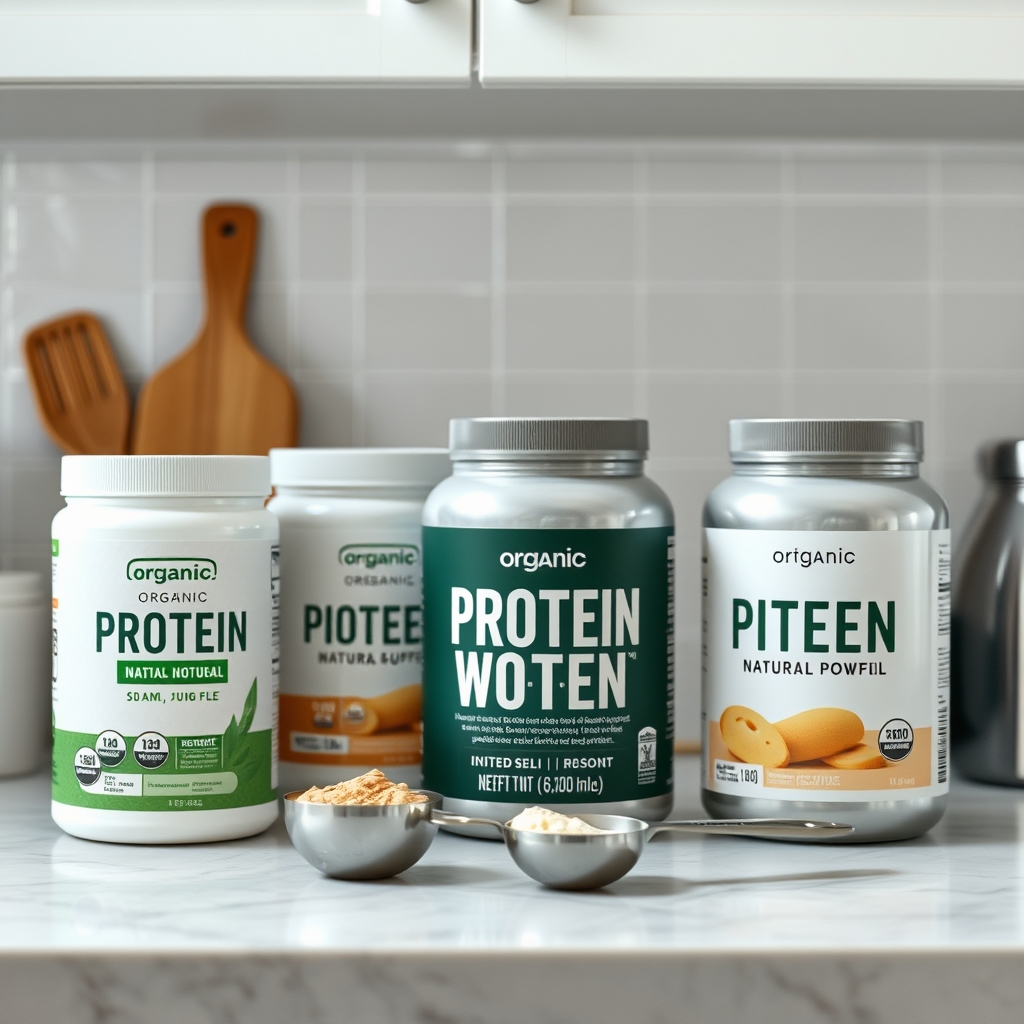
Orgain Organic Protein Powder – no artificial sweeteners and only 1 g sugar per scoop.
Garden of Life Raw Organic Protein – plant‑based, probiotic‑rich, and free from dairy.
Vega One All‑in‑One Shake – includes greens and uses stevia for sweetness.
Fairlife Protein Drink – low‑sugar, calcium‑fortified, and lactose‑reduced.
Evolve Plant‑Based Protein Powder – pea‑protein blend with no added sugars.
Naked Pea Protein Powder – single‑ingredient, unsweetened pea protein.
These alternatives often contain more fiber, fewer artificial additives, and a broader micronutrient profile, making them attractive options for anyone looking to minimize added sugars while still meeting protein goals. Many also come in dairy‑free formulations, which can be a better fit for vegans or those with lactose intolerance.
Related items — safety at a glance
Item
Verdict
One‑line note
Premier Protein Classic
⚠️ Safe with limits
Similar protein content; contains added sugars.
Premier Protein Vanilla
⚠️ Safe with limits
Low‑caffeine, but includes sucralose.
Premier Protein Chocolate
⚠️ Safe with limits
Higher cocoa content adds modest caffeine.
Muscle Milk Protein Shake
❌ Best avoided
Higher added sugar and artificial colors.
Ensure Protein Shake
✅ Generally safe
Low protein, high calories; good for weight gain.
Boost Protein Drink
⚠️ Safe with limits
Contains caffeine; limit total intake.
Premier Protein Peanut Butter
⚠️ Safe with limits
Higher fat content; watch total calories.
Orgain Organic Protein Powder
✅ Generally safe
Organic, low‑sugar, no artificial sweeteners.
Vega One All‑in‑One Shake
✅ Generally safe
Plant‑based, includes greens, stevia‑sweetened.
Myth vs. fact
Myth: All protein shakes are unsafe because they’re “processed.”
Fact: Processed doesn’t equal harmful. When a shake meets FDA‑approved ingredient standards and is low in added sugars, it can be a safe protein source during pregnancy.
Myth: You should never drink protein shakes if you have gestational diabetes.
Fact: Low‑sugar versions, like the unsweetened Premier Protein, can fit into a carbohydrate‑controlled diet when counted toward daily carbs.
Myth: One serving of protein shake will replace the need for a prenatal vitamin.
Fact: Shakes are not a substitute for prenatal vitamins; they may lack critical nutrients such as folic acid, iodine, and DHA.
Myth: Caffeine in any amount is dangerous for the baby.
Fact: A small caffeine dose (≤30 mg) from a single shake is well below the ACOG‑recommended limit of 200 mg per day and is considered safe for most pregnancies.
Key takeaways
✅ One 11‑oz Protein Shake Premier per day is generally safe for pregnancy.
⚖️ Keep total added sugars under 10 % of daily calories; choose low‑sugar variants.
☕ Limit caffeine from all sources to ≤200 mg per day.
🩺 Discuss any history of gestational diabetes, preeclampsia, or allergies with your provider.
🥤 Consider pregnancy‑friendly alternatives like Orgain or Garden of Life for variety.
📋 Use the shake as a supplement, not a meal replacement, to ensure you get fiber, iron, and folate from whole foods.
Frequently asked questions
Can I drink protein shakes while pregnant?
Yes—most protein shakes, including Protein Shake Premier, are safe when limited to one serving per day and when you choose low‑sugar, low‑caffeine options.
What protein powder is safe during pregnancy?
Whey protein isolates (like Premier Protein) and plant‑based powders without added sugars—such as Orgain Organic Protein or Garden of Life Raw Organic Protein—are considered safe by ACOG and the NHS.
How many grams of protein should a pregnant woman consume daily?
ACOG recommends about 71 g of protein per day for the average pregnant adult; this can be met through a combination of whole foods and, if desired, one protein shake.
Are there any side effects of protein shakes for pregnant women?
Common side effects include mild bloating, occasional nausea, or a brief caffeine‑related jitter; serious allergic reactions are rare but require immediate medical attention.
Is it okay to have protein shakes in the second trimester?
Yes—second‑trimester safety mirrors the first, with the same one‑serving limit; just ensure your overall diet remains balanced and nutrient‑dense.
Do protein shakes cause gestational diabetes?
Protein shakes themselves do not cause gestational diabetes, but those high in added sugars can contribute to elevated blood glucose if consumed excessively.
Can protein shakes replace meals during pregnancy?
No—while convenient, shakes should supplement, not replace, whole meals, because they may lack essential fiber, iron, and folic acid needed for fetal development.
What ingredients to avoid in protein shakes while pregnant?
Avoid high‑fructose corn syrup, excessive added sugars, unapproved herbal extracts, and keep caffeine under 200 mg/day; also limit artificial sweeteners if you prefer a more natural option.
I accidentally drank two Protein Shake Premier bottles before I knew I was pregnant. Should I be worried?
One extra serving is unlikely to cause harm, but you should monitor for any unusual symptoms such as rapid heart rate, excessive thirst, or swelling, and discuss the incident with your obstetrician at your next appointment.
Can I combine Protein Shake Premier with other prenatal supplements?
Yes—Premier Protein can be taken alongside standard prenatal vitamins, but be mindful of overlapping nutrients (especially iron and vitamin D) to avoid exceeding recommended daily allowances.
Is Protein Shake Premier safe for vegans or those avoiding dairy?
Since Premier Protein uses whey isolate, it is not suitable for vegans or those with dairy allergies; plant‑based protein shakes listed in the “Safer alternatives” section are better options.
Can I use Protein Shake Premier as part of a post‑workout recovery plan during pregnancy?
Yes—active pregnant individuals can benefit from the high‑quality whey protein for muscle repair, as long as they stay within the one‑serving limit and keep total caffeine under 200 mg per day.
When to call your doctor
Contact your obstetrician or midwife if you experience any of the following after drinking Protein Shake Premier: signs of an allergic reaction (hives, swelling, trouble breathing), persistent vomiting or severe nausea that prevents staying hydrated, sudden swelling of hands or feet, or a rapid weight gain of more than 2 lb per week. These symptoms could indicate gestational diabetes, preeclampsia, or other pregnancy‑related complications. Remember, this article provides general information and does not replace personalized medical advice.
References
American College of Obstetricians and Gynecologists. “Nutrition During Pregnancy.” ACOG Committee Opinion, 2020.
National Health Service (NHS). “Protein and pregnancy.” UK Government Health Guidance, 2021.
U.S. Food and Drug Administration (FDA). “Food Additive Status List.” 2022.
Centers for Disease Control and Prevention (CDC). “Gestational Diabetes.” 2023.
Mayo Clinic. “Pregnancy nutrition: what's safe and what's not.” 2023.
World Health Organization (WHO). “Caffeine consumption during pregnancy.” 2022.
Harvard T.H. Chan School of Public Health. “Protein and Pregnancy.” 2022.
American Journal of Clinical Nutrition. “Maternal whey protein intake and pregnancy outcomes.” 2021.
American Diabetes Association. “Standards of Medical Care in Diabetes—Pregnancy.” 2023.
American College of Sports Medicine. “Exercise and Pregnancy.” 2022.
Not sure about the label on Is Protein Shake Premier Safe During Pregnancy products?
Snap the ingredients list and SafeFilter checks every ingredient for your stage — only 3 free scans this month, then you're locked until reset. Unlimited from $7/mo or $50/yr.
When Shubhra Mishra was expecting her first child in 2016, she was overwhelmed by conflicting food advice — one site said yes, another said never. By the time her second baby arrived in 2019, she realized millions of mothers face the same confusion.
That sparked a five-year journey through clinical nutrition papers, cultural diets, and expert conversations — all leading to BumpBites: a calm, compassionate space where science meets everyday motherhood.
Her long-term vision is to build a global community ensuring safe, supported, and free deliveriesfor every mother — because no woman should face pregnancy alone or uninformed. 🌿
🌍 Stand with mothers, shape safer guidance
Join a small circle of experts who review BumpBites articles so expecting parents everywhere can decide with confidence.