Avoid Prosecco during pregnancy. Experts recommend no alcohol, including sparkling wine like Prosecco, especially in the first trimester, to protect fetal health.
By Shubhra Mishra — a mom of two who turned her own confusion during pregnancy into BumpBites, a global mission to make food choices clear, safe, and stress-free for every expecting mother. 💛
Check whether any food is safe during pregnancy with the BumpBites Food Safety Checker.
Quick verdict: ❌ Prosecco is best avoided during pregnancy. Even small amounts of alcohol can affect fetal development, and no safe threshold has been established. If you’ve already had a sip, stay calm and talk to your provider for personalized guidance.
It’s 3 a.m., the kitchen light flickers on, and you wonder, “is prosecco safe during pregnancy?” You might have already lifted a glass at a celebration, or you’re considering a toast at a summer wedding. First, take a breath—you’re not alone, and the answer is clear: Prosecco, like any alcoholic beverage, should be avoided while you’re pregnant.
In this article we’ll walk through why health authorities such as the American College of Obstetricians and Gynecologists (ACOG) and the UK’s NHS advise against any alcohol consumption, break down the risk by trimester, outline what amount (if any) might be considered low risk, compare popular Prosecco brands, and suggest sparkling non‑alcoholic alternatives that let you join the celebration without compromising your baby’s health. We’ll also cover how Prosecco might interact with gestational diabetes, miscarriage history, and other pregnancy complications, plus a quick‑look table of related sparkling drinks.
Trimester / Breastfeeding
Verdict
Notes
First trimester
❌ Avoid
Organ formation is most vulnerable; any alcohol increases risk of birth defects.
Second trimester
❌ Avoid
Continued fetal brain development; no safe threshold identified.
Third trimester
❌ Avoid
Alcohol can affect fetal growth and may cause withdrawal after birth.
Breastfeeding
⚠️ Limit
Alcohol passes into breast milk; limit to occasional, minimal amounts.
Prosecco is an Italian sparkling wine made primarily from the Glera grape, grown in the Veneto region. After a primary fermentation, the wine undergoes a secondary fermentation in the bottle (the “Metodo Charmat”), which creates its characteristic bubbles. Alcohol content typically ranges from 10% to 12% ABV, though some “extra dry” styles can feel sweeter while still containing the same amount of alcohol. People enjoy Prosecco for its light, fruity profile, making it a popular choice for celebrations, brunches, and casual sipping.
Is prosecco safe during pregnancy?
Current guidance from ACOG, the NHS, and the CDC all converge on the same recommendation: no amount of alcohol, including Prosecco, is proven safe during pregnancy. ACOG states that “no amount of alcohol has been shown to be safe for the developing fetus,” and the NHS advises pregnant women to abstain completely. The FDA classifies alcoholic beverages as “Category X” for pregnancy because they can cause birth defects and developmental problems.
The primary concern is fetal alcohol exposure, which can lead to fetal alcohol spectrum disorders (FASD). Even low‑level exposure can affect the brain’s growth and the formation of vital organs. Studies have shown a dose‑response relationship: the more alcohol consumed, the higher the risk of miscarriage, preterm birth, and low birth weight. While some older studies suggested occasional wine might be harmless, newer systematic reviews (e.g., the 2022 WHO report on alcohol and pregnancy) emphasize that the safest approach is total abstinence.
Misconceptions often arise from the “one glass” myth—many believe a single glass of Prosecco is negligible. However, alcohol is metabolized at a fixed rate, and the fetus cannot process it, leading to a cumulative exposure that can exceed the mother’s blood alcohol level. For this reason, most obstetricians advise pregnant patients to skip Prosecco entirely and choose non‑alcoholic sparkling drinks instead.
Is it safe to drink Prosecco during the first trimester of pregnancy?
The first trimester is the most critical period for organ development (organogenesis). Alcohol exposure at this stage can interfere with the formation of the heart, brain, and spinal cord. Because the fetus’s organs are forming, any amount of alcohol—including a single glass of Prosecco—can increase the risk of congenital anomalies.
ACOG and the NHS both stress that there is no “safe” amount during this window. Even the smallest exposure can raise the odds of birth defects such as cleft palate and cardiac malformations. If you’ve already enjoyed Prosecco in early pregnancy, most clinicians recommend staying calm, noting the exposure, and continuing prenatal care. The risk associated with a single occasional sip is low, but avoiding further alcohol is essential.
Can I have a glass of Prosecco in the second trimester without harming my baby?
The second trimester sees rapid brain growth and the beginning of fetal movement. While the risk of major structural defects declines after the first trimester, the developing brain remains highly sensitive to alcohol. The CDC’s “Alcohol and Pregnancy” guidelines still advise complete abstinence, noting that even moderate consumption can affect neurodevelopment, potentially leading to attention deficits and learning difficulties later in life.
Because Prosecco contains roughly 10–12% alcohol, a single glass (about 5 oz) can raise maternal blood alcohol concentration enough to affect the fetus. No professional body endorses a “safe” amount for this stage, so the safest choice remains to avoid Prosecco entirely.
How many glasses of Prosecco are considered safe during pregnancy?
There is no universally accepted “safe” number of glasses. ACOG’s position is clear: “no amount of alcohol has been shown to be safe.” Some countries, like France, have historically suggested a “moderate” limit of one glass per week, but this guidance is not endorsed by U.S. or UK health agencies. The safest recommendation is zero glasses of Prosecco throughout pregnancy.
If you are already pregnant and have had a glass, most providers will not recommend any further alcohol. For those who have a history of occasional drinking before pregnancy was confirmed, the focus should shift to monitoring fetal development with routine ultrasounds and maintaining a healthy lifestyle.
What are the risks of drinking Prosecco while pregnant?
Fetal alcohol spectrum disorders (FASD): Includes growth restriction, facial abnormalities, and neurodevelopmental deficits.
Miscarriage: Alcohol can increase the odds of early pregnancy loss, especially in the first trimester.
Preterm birth and low birth weight: Studies link maternal alcohol intake to shorter gestation and smaller infants.
Gestational diabetes complications: Alcohol can affect blood sugar regulation, making glucose control more challenging.
Neonatal withdrawal: Babies exposed to alcohol in utero may experience irritability and feeding difficulties after birth.
Most of these risks are dose‑related, meaning the more frequent and larger the consumption, the higher the chance of adverse outcomes. Even occasional sipping can contribute to cumulative exposure, which is why health authorities advise total abstinence.
Are there any Prosecco brands that are safer for pregnant women?
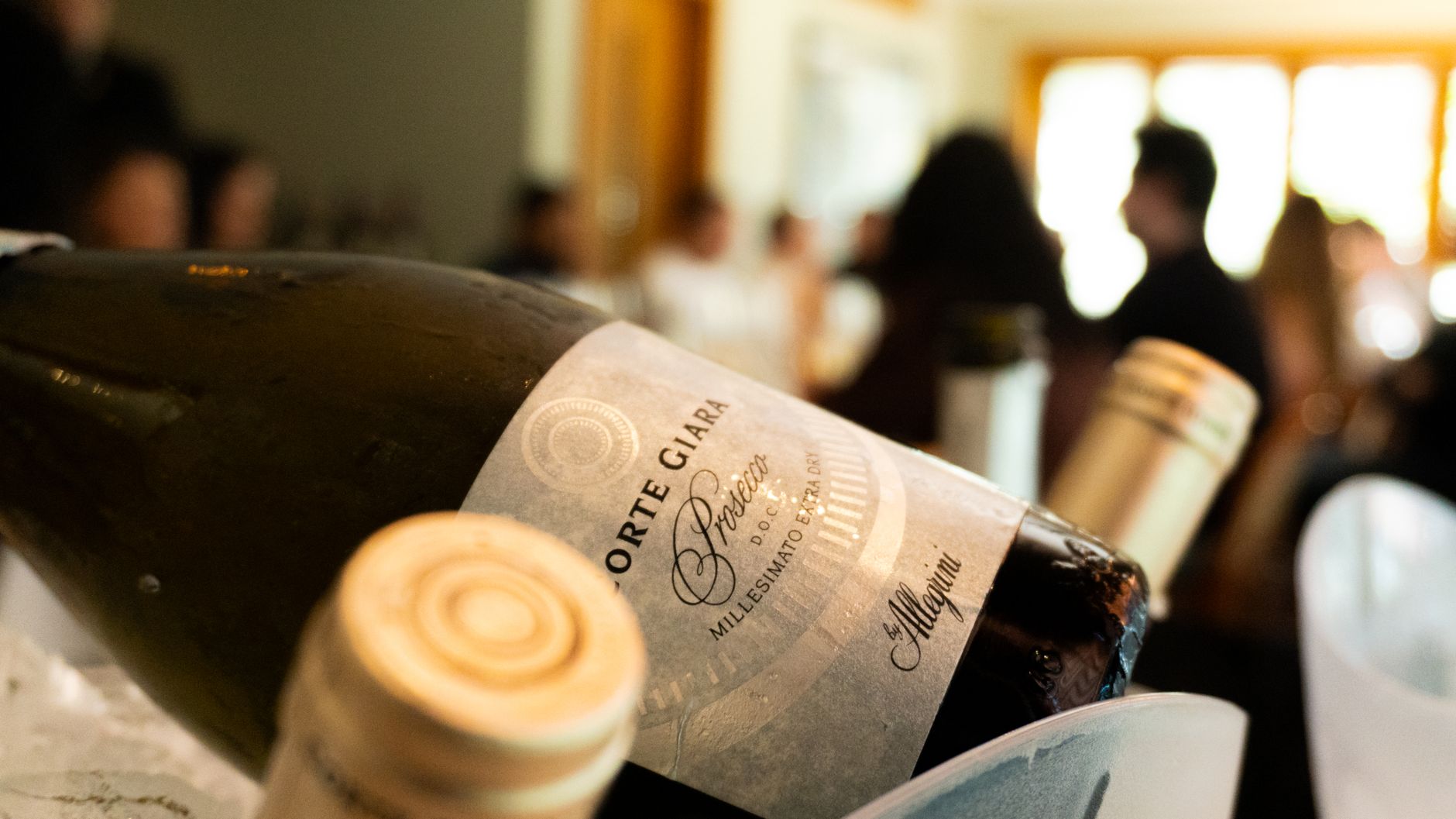
No alcoholic Prosecco brand is considered “safe” for pregnant women. All Prosecco contains alcohol, and the variations in ABV (typically 10%–12%) do not alter the fundamental risk. Some brands market “extra dry” or “brut” labels, which refer to sweetness, not alcohol content. Therefore, the safest approach is to avoid all alcoholic Prosecco brands and opt for non‑alcoholic sparkling alternatives instead.
What non-alcoholic sparkling alternatives can I enjoy instead of Prosecco during pregnancy?
Stella Rosa Alcohol‑Free Prosecco – mimics the light, fruity profile without alcohol.
Freixenet Alcohol‑Free Cava – offers crisp bubbles and a dry finish.
Sutter Home Non‑Alcoholic Bubbles – a budget‑friendly option with subtle fruit notes.
La Croix Sparkling Water – flavored with natural essences, perfect for a refreshing toast.
San Pellegrino Sparkling Water – classic mineral taste with a clean finish.
Rosa Non‑Alcoholic Sparkling Rosé – a pink hue and delicate flavor for special occasions.
Ariel Non‑Alcoholic Sparkling Wine – crafted to resemble traditional sparkling wine.
These alternatives provide the celebratory fizz you crave while keeping you and your baby completely alcohol‑free.
How does Prosecco consumption affect pregnancy complications like gestational diabetes?
Gestational diabetes (GDM) requires careful blood‑glucose monitoring. Alcohol, including Prosecco, can cause hypoglycemia (low blood sugar) when consumed on an empty stomach, and it can also interfere with insulin sensitivity. The CDC’s guidelines for GDM recommend limiting alcohol because it can destabilize glucose control, potentially leading to higher insulin requirements and increased risk of macrosomia (large‑for‑gestational‑age infants).
Because Prosecco is a source of both alcohol and simple sugars (especially sweeter styles), it is best avoided in GDM. If you have GDM and have already consumed Prosecco, monitor your blood glucose closely and discuss any concerns with your diabetes educator or obstetric provider.
Is occasional Prosecco consumption allowed for pregnant women who have a history of miscarriage?
Women with a prior miscarriage often wonder if a single glass of Prosecco might reignite risk. Research indicates that any alcohol exposure during pregnancy can increase the likelihood of another loss, particularly in the first trimester. ACOG advises women with a history of miscarriage to abstain from alcohol entirely during subsequent pregnancies to reduce any additional risk.
Even if you feel the occasional sip won’t hurt, the safest route is to replace Prosecco with a non‑alcoholic sparkling beverage. This eliminates the variable of alcohol‑related miscarriage risk and lets you focus on other proven strategies for a healthy pregnancy.
Swap the bubbly for a non‑alcoholic sparkling drink to keep celebrations safe.
Safe dosage / amount / brands
Because the consensus is to avoid alcohol, there is no officially endorsed “safe dosage” of Prosecco during pregnancy. If you are in a situation where you have already consumed a glass, the key is to limit further intake and focus on hydration. For those seeking brand information, remember that all Prosecco brands—whether labeled “extra dry,” “brut,” or “rosé”—contain similar alcohol levels (≈10–12% ABV).
Item
Typical Alcohol Content (ABV)
Pregnancy Verdict
Notes
Standard Prosecco (e.g., Valdobbiadene DOC)
10–12%
❌ Avoid
All alcoholic versions carry the same risk.
Prosecco Rosé
10–12%
❌ Avoid
Color does not affect alcohol content.
Alcohol‑Free Prosecco (Stella Rosa)
0%
✅ Generally safe
Check labels for any residual alcohol (<0.5%).
Alcohol‑Free Cava (Freixenet)
0%
✅ Generally safe
Same caution as other non‑alcoholic options.
First trimester
During organogenesis, the fetus is most vulnerable to teratogenic effects of alcohol. Even a single sip of Prosecco can raise maternal blood alcohol concentration enough to cross the placenta. The CDC and ACOG stress that the safest choice is complete abstinence. If you’ve already had a sip, most providers will advise you to monitor for any signs of fetal distress and continue routine prenatal visits.
Second trimester
Brain development accelerates in the second trimester, and alcohol can still impair neuronal migration and synapse formation. While the risk of structural anomalies lessens, neurodevelopmental issues remain a concern. As with the first trimester, the recommendation remains to avoid Prosecco entirely.
Third trimester
In the final months, the fetus gains weight rapidly, and alcohol can affect growth and lead to neonatal withdrawal symptoms after birth. The ACOG notes that alcohol exposure at this stage can increase the chance of preterm labor and low birth weight. Again, abstinence is the safest path.
Breastfeeding
Alcohol does pass into breast milk, albeit at lower concentrations than in maternal blood. The CDC advises nursing mothers to limit alcohol to occasional, minimal amounts and to wait at least 2‑3 hours after a drink before nursing. Because Prosecco is still alcohol, the safest recommendation is to choose a non‑alcoholic sparkling beverage while breastfeeding.
Non‑alcoholic sparkling drinks let you celebrate without compromising your baby’s health.
Side effects and risks
While a single sip of Prosecco is unlikely to cause severe immediate symptoms in the mother, the primary concern is fetal exposure. Potential maternal side effects include:
Feeling light‑headed or dizzy, especially on an empty stomach.
Increased heart rate and mild dehydration.
Potential interaction with prenatal vitamins or medications (e.g., folic acid absorption may be reduced).
Fetal risks are more serious:
Fetal alcohol spectrum disorders: Includes developmental delays, learning disabilities, and facial anomalies.
Miscarriage: Elevated risk, particularly when alcohol is consumed in the first trimester.
Preterm birth and low birth weight: Alcohol can interfere with placental function.
Neonatal withdrawal: Babies may be irritable, have feeding difficulties, or experience tremors after birth.
If you notice any of the following, contact your health provider promptly: persistent abdominal pain, vaginal bleeding, decreased fetal movement, or signs of alcohol intoxication such as severe dizziness, vomiting, or confusion.
Safer alternatives
Stella Rosa Alcohol‑Free Prosecco – delivers the same crisp, fruity taste with zero alcohol.
Freixenet Alcohol‑Free Cava – offers a dry finish and elegant bubbles.
Sutter Home Non‑Alcoholic Bubbles – budget‑friendly and lightly flavored.
La Croix Sparkling Water – naturally flavored, calorie‑free, and completely alcohol‑free.
San Pellegrino Sparkling Water – classic mineral taste for a sophisticated toast.
Rosa Non‑Alcoholic Sparkling Rosé – pink hue and delicate aroma, perfect for celebrations.
Ariel Non‑Alcoholic Sparkling Wine – crafted to mimic traditional sparkling wine without alcohol.
Related items — safety at a glance
Item
Verdict
One‑line note
Champagne
❌ Avoid
Higher alcohol content (≈12%‑13%) and same fetal risks.
Cava
❌ Avoid
Spanish sparkling wine with similar alcohol levels as Prosecco.
Moscato d'Asti
❌ Avoid
Sweet, low‑alcohol (≈5%–6%) but still not safe.
Sparkling Rosé wine
❌ Avoid
Alcohol content comparable to Prosecco.
Prosecco Rosé
❌ Avoid
Same alcohol level; color does not change risk.
Asti Spumante
❌ Avoid
Often sweeter but still contains alcohol.
Champagne Brut
❌ Avoid
Dry style, but alcohol remains ~12%.
Prosecco DOC
❌ Avoid
Standard Prosecco classification; alcohol present.
Myth vs. fact
Myth: A single glass of Prosecco won’t harm the baby. Fact: Even one glass can raise fetal blood alcohol levels; no safe threshold has been proven.
Myth: “Extra dry” Prosecco is safer because it’s less sweet. Fact: “Dryness” refers to sugar, not alcohol content; all Prosecco varieties contain similar alcohol levels.
Myth: Non‑Italian sparkling wines are automatically safer. Fact: All alcoholic sparkling wines, regardless of origin, pose the same risk to a developing fetus.
Key takeaways
❌ Prosecco, like any alcoholic beverage, should be avoided throughout pregnancy.
There is no established “safe” amount of Prosecco for any trimester.
Alcohol can affect fetal brain development, increase miscarriage risk, and complicate gestational diabetes.
Choose non‑alcoholic sparkling alternatives such as Stella Rosa Alcohol‑Free Prosecco or La Croix for celebrations.
If you’ve already had a sip, stay calm, note the exposure, and discuss it with your obstetric provider.
Frequently asked questions
Can pregnant women drink Prosecco?
No. Health authorities including ACOG and the NHS advise pregnant women to avoid Prosecco entirely because it contains alcohol, which can harm fetal development.
What is the alcohol limit for pregnant women?
There is no proven safe limit; the safest recommendation is zero alcohol consumption throughout pregnancy.
Does Prosecco cause birth defects?
Alcohol exposure, even from a single glass of Prosecco, can increase the risk of birth defects such as facial anomalies and heart defects, especially when consumed in the first trimester.
Is it safe to have a toast with Prosecco at a wedding while pregnant?
It is safest to raise a non‑alcoholic sparkling beverage instead; any amount of Prosecco carries risk, and alternatives provide the same celebratory feel without alcohol.
What are the symptoms of drinking alcohol during pregnancy?
Symptoms may include dizziness, nausea, headache, and a flushed face. More concerning signs are reduced fetal movement or vaginal bleeding, which require immediate medical attention.
Can I switch to non-alcoholic Prosecco during pregnancy?
Yes. Non‑alcoholic Prosecco options like Stella Rosa Alcohol‑Free Prosecco provide similar flavor and bubbles without the alcohol risk.
How does alcohol affect fetal development?
Alcohol crosses the placenta, disrupting cell growth and brain development, leading to fetal alcohol spectrum disorders, growth restriction, and potential neurobehavioral issues.
Are there any safe sparkling wines for pregnant women?
No alcoholic sparkling wine is considered safe. Opt for non‑alcoholic sparkling wines or flavored sparkling waters for a safe, festive alternative.
When to call your doctor
If you experience any of the following after consuming Prosecco, contact your obstetric provider promptly:
Severe dizziness, vomiting, or confusion.
Abdominal pain accompanied by bleeding or cramping.
Noticeable decrease in fetal movement.
Signs of preterm labor (regular contractions, fluid leakage).
Persistent headache or visual disturbances.
These symptoms could indicate complications that require medical evaluation. Remember, this article provides general information and is not a substitute for personalized medical advice. Always discuss any concerns with your healthcare provider.
References
American College of Obstetricians and Gynecologists (ACOG). “Alcohol Use in Pregnancy.” Committee Opinion, 2020.
National Health Service (NHS). “Alcohol and pregnancy.” Updated 2022.
U.S. Food and Drug Administration (FDA). “Alcohol and Pregnancy.” Consumer Health Information, 2021.
Centers for Disease Control and Prevention (CDC). “Fetal Alcohol Spectrum Disorders (FASDs).” 2022.
World Health Organization (WHO). “Alcohol consumption and reproductive health.” 2022 Report.
National Institute for Health and Care Excellence (NICE). “Alcohol use and pregnancy.” Clinical guideline CG84, 2021.
International Society for the Study of Alcohol and Pregnancy (ISSAP). “Guidelines for Alcohol Use During Pregnancy.” 2023.
Not sure about the label on Is Prosecco Safe During Pregnancy products?
Snap the ingredients list and SafeFilter checks every ingredient for your stage — only 3 free scans this month, then you're locked until reset. Unlimited from $7/mo or $50/yr.
When Shubhra Mishra was expecting her first child in 2016, she was overwhelmed by conflicting food advice — one site said yes, another said never. By the time her second baby arrived in 2019, she realized millions of mothers face the same confusion.
That sparked a five-year journey through clinical nutrition papers, cultural diets, and expert conversations — all leading to BumpBites: a calm, compassionate space where science meets everyday motherhood.
Her long-term vision is to build a global community ensuring safe, supported, and free deliveriesfor every mother — because no woman should face pregnancy alone or uninformed. 🌿
🌍 Stand with mothers, shape safer guidance
Join a small circle of experts who review BumpBites articles so expecting parents everywhere can decide with confidence.