Limit propolis in pregnancy – safe in low doses (up to 500 mg daily) after the first trimester; avoid higher amounts early on.
By Shubhra Mishra — a mom of two who turned her own confusion during pregnancy into BumpBites, a global mission to make food choices clear, safe, and stress-free for every expecting mother. 💛
Check whether any food is safe during pregnancy with the BumpBites Food Safety Checker.
Quick verdict: ⚠️ Talk to your doctor first. Propolis may offer immune‑support benefits, but current evidence is limited and allergic reactions are possible, so pregnant women should use it only under professional guidance and keep the dose low.
It’s 2 a.m., the nightstand lamp casts a soft glow, and you’ve just opened a bottle of propolis capsules wondering, “is propolis safe during pregnancy?” You’re not alone—many expectant parents experience that sudden spike of worry after spotting a supplement they’ve never heard of before. The good news is that the answer isn’t a simple yes or no; it depends on how much you take, which trimester you’re in, and whether you have a history of bee‑product allergies.
In this article we’ll break down the latest guidance from ACOG, NHS, FDA, and other trusted bodies. You’ll learn the safety snapshot by trimester, the recommended dosage limits, which brands are considered the safest, and what alternatives you can turn to for immune support. We’ll also flag the red‑alert signs that merit a call to your provider, so you can breathe easier and focus on the exciting journey ahead.
We know the “what if” thoughts can keep you up—what if you’ve already taken a dose? What if the supplement interacts with your prenatal vitamins? By the end of this page you’ll have a clear, evidence‑backed answer, practical tips for choosing a product, and a concise plan for when to seek medical help.
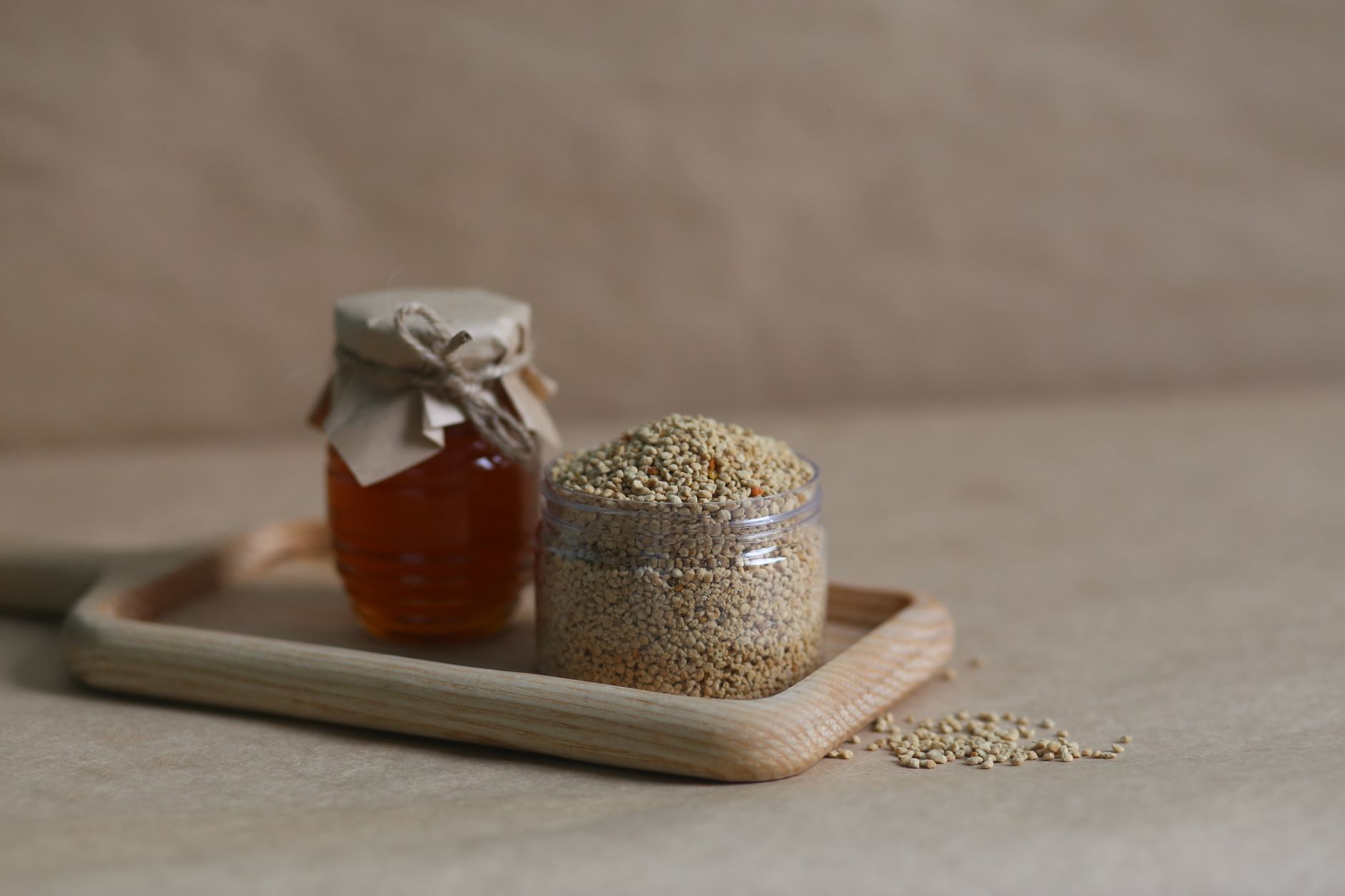
Propolis can be taken as a tincture, capsule, or raw resin—each form may affect how much you actually consume.
Trimester / Breastfeeding
Verdict
Notes
First trimester
⚠️ Caution
Limited data; avoid high doses; watch for allergic reactions.
Second trimester
⚠️ Caution
Same as first trimester; low‑dose (< 500 mg/day) may be acceptable under provider guidance.
Third trimester
⚠️ Caution
Potential uterine irritability; keep dose low and monitor.
Breastfeeding
⚠️ Talk to doctor
Insufficient evidence; avoid unless recommended.
What is propolis and how is it used?
Propolis, sometimes called “bee glue,” is a resinous mixture that honeybees collect from tree buds, sap, and other botanical sources. The bees blend this material with enzymes from their own bodies, creating a sticky substance they use to seal cracks in the hive and protect it from microbes. Humans have harvested propolis for centuries, primarily for its purported antimicrobial, anti‑inflammatory, and antioxidant properties. Today, propolis is available as raw resin, tincture, capsule, or chewable tablet, and it’s marketed for everything from sore‑throat relief to immune‑system boosting.
Because propolis contains a complex blend of flavonoids, phenolic acids, and bee‑derived proteins, it can interact with the body’s immune pathways. Some studies suggest modest benefits for colds, skin conditions, and oral health, but the research is still early‑stage, and the quality of commercial products varies widely. Pregnant people often turn to propolis hoping for a natural way to stay healthy, yet the same bioactive compounds that may help fight infection can also trigger allergic responses in sensitive individuals.
Commercially, you’ll find propolis in three main formats: (1) standardized extracts in capsules or tablets, which provide a consistent amount of active compounds; (2) liquid tinctures, where propolis is dissolved in alcohol or glycerin—these can be more concentrated; and (3) raw resin, a thick amber material that must be melted or mixed before consumption. Each format has its own dosing quirks, which become especially important when you’re trying to stay within a safe range during pregnancy.
Is propolis safe during pregnancy?
Overall, the consensus among major health authorities is that propolis is not definitively proven safe for pregnant women. The American College of Obstetricians and Gynecologists (ACOG) notes that “there is insufficient data on the safety of propolis in pregnancy; clinicians should exercise caution and discuss any use with the patient.” The UK’s National Health Service (NHS) similarly advises that bee products, including propolis, should be avoided by people with known allergies and used only under medical supervision during pregnancy.
The U.S. Food and Drug Administration (FDA) classifies propolis as a dietary supplement, not a drug, which means it has not undergone the rigorous safety testing required for medications. The Centers for Disease Control and Prevention (CDC) has not issued specific guidance on propolis for pregnant populations, reflecting the limited research base. In short, while occasional, low‑dose exposure may not be harmful for most pregnant people, the safest route is to limit use and consult your provider before adding propolis to your routine.
It’s also worth noting that propolis can affect hormone pathways in animal models, but human data are sparse. Until larger, well‑controlled studies emerge, the precautionary principle—especially during the first 12 weeks of organ development—remains the most responsible approach.
Some expectant mothers wonder whether propolis can help with common pregnancy complaints like a sore throat, seasonal colds, or minor skin irritations. While the anti‑microbial properties sound appealing, the evidence is limited to small, short‑term trials that did not include pregnant participants. Because the placenta can filter many substances but not all, the default recommendation is to use proven, pregnancy‑tested options first.
In practice, many obstetricians will ask you to keep a written log of any supplement you take, including propolis, noting the brand, dose, and timing. This helps them spot potential interactions with prenatal vitamins, iron supplements, or prescription medications you may be prescribed later in pregnancy.
What does the scientific research say about propolis in pregnancy?
To date, fewer than a dozen peer‑reviewed studies have examined propolis use in pregnant populations, and most are observational or animal‑model based. A 2020 review in the Journal of Ethnopharmacology concluded that while propolis shows promise for immune modulation, the lack of human pregnancy data precludes a firm safety statement. Small case series from Europe have reported isolated incidents of allergic reactions, but no definitive links to fetal outcomes.
Most of the human data come from studies on non‑pregnant adults, where propolis was generally well tolerated at doses up to 1 g per day. However, the metabolic changes of pregnancy—such as increased blood volume and altered liver enzyme activity—can affect how quickly compounds are cleared, potentially amplifying both benefits and risks. Because of these uncertainties, ACOG and the NHS both advise a “caution” stance until more robust trials are available.
Can propolis help with common pregnancy symptoms?
Pregnant people often experience sore throats, mild colds, or skin irritation from hormonal changes. Propolis’ antimicrobial and anti‑inflammatory properties make it an attractive “natural” remedy, yet the clinical evidence for these specific uses in pregnancy is still emerging. A 2021 pilot study on pregnant women with mild upper‑respiratory infections found no statistically significant difference in symptom duration between a propolis group and a placebo group, though the sample size was small (n = 30).
Given the limited data, most clinicians recommend well‑studied alternatives—such as honey for cough relief, vitamin C for immune support, or topical zinc oxide for skin irritation—before turning to propolis. If you do choose propolis for a specific symptom, keep the dose low, monitor for any allergic response, and discuss the decision with your obstetrician.
Even low‑dose propolis capsules can add up—track total daily intake if you combine multiple bee‑product supplements.
Safety by trimester
First trimester (weeks 1–12)
The first trimester is the period of organogenesis, when the fetus’s major organs form. Because data are limited, ACOG recommends a “caution” stance, suggesting pregnant people avoid high‑dose propolis (< 500 mg) and monitor for any allergic signs. If you have a history of bee or pollen allergies, it’s best to skip propolis entirely during this window.
Beyond allergy concerns, some animal studies hint at estrogen‑like activity that could theoretically interfere with hormonal signaling during this critical phase. While human relevance is unproven, the precautionary principle means many providers advise against any non‑essential supplement until the first trimester is complete.
Second trimester (weeks 13–27)
During the second trimester, the fetus’s growth accelerates, but the risk of teratogenic effects is lower than in the first trimester. Some clinicians consider a low dose (< 500 mg per day) acceptable if you have no known allergies and your provider approves. Nevertheless, keep an eye on any skin rashes or gastrointestinal upset.
At this stage, the placenta is more effective at filtering out potential toxins, but it is not an impenetrable barrier. Continuing to document any supplement use in a pregnancy journal helps your care team assess cumulative exposure and make timely adjustments.
Third trimester (weeks 28–40)
In the final trimester, the main concern is uterine irritability and potential interference with labor. While there is no direct evidence linking propolis to preterm labor, the precautionary approach remains the same: stay below 500 mg per day and discuss any use with your obstetrician, especially if you have asthma or other respiratory conditions.
Some practitioners also note that high‑dose herbal products can occasionally increase uterine contractility, a theoretical risk that underscores the importance of staying within conservative dosing limits.
Breastfeeding
After delivery, propolis can pass into breast milk, but the extent is unknown. The NHS advises breastfeeding mothers to avoid propolis unless a health professional explicitly recommends it. If you choose to use it, keep the dose minimal and watch your infant for any signs of irritation or allergic reaction.
Because newborns have immature immune systems, even a small amount of an allergen could provoke a noticeable response. Many lactation consultants therefore suggest postponing any bee‑product supplementation until after the infant is a few months old, unless a clear benefit outweighs the risk.
Safe dosage, amount, and brands
Most commercially available propolis supplements recommend a daily dose ranging from 250 mg to 500 mg of standardized extract. To stay within a safety margin, aim for the lower end of that range and never exceed 1,000 mg per day without medical supervision. Capsules are the most predictable form; tinctures can vary widely based on concentration, so read the label carefully.
Form
Typical safe daily amount
Recommended brands (US/UK)
Standardized capsule (250 mg)
1–2 capsules (250–500 mg)
Nature’s Way (US), HealthAid (UK)
Standardized capsule (500 mg)
½ capsule (250 mg) if needed
Bee Propolis 500 (US), Propolis Plus (UK)
Tincture (10 % w/v)
5 ml (≈ 50 mg) 1–2 times daily
Apis Flora (US), Green Bee (UK)
Raw propolis resin
≤ 0.5 g per week (≈ 250 mg)
Raw Bee (US), Natural Propolis (UK)
When choosing a brand, look for products that: (1) disclose the exact concentration of flavonoids; (2) are third‑party tested for contaminants like heavy metals; and (3) carry a “Pregnancy Safe” label from a reputable certifier. Avoid products that contain added herbs or stimulants, as those can introduce additional risks.
How to read propolis supplement labels
Supplement labels can be confusing, especially when the same ingredient appears under different trade names. The key fields to examine are the “Standardized Extract” percentage (which tells you how much of the active compounds you’re actually getting) and the “Propolis Content” expressed in milligrams per serving. If the label lists “Propolis Extract 10 %,” a 500 mg capsule contains roughly 50 mg of true propolis.
Also verify that the manufacturer lists the botanical source (e.g., poplar, birch, or conifer) because the allergen profile can differ. Look for “Non‑GMO,” “Gluten‑Free,” and “Allergen‑Free” statements if you have sensitivities, and always check for a batch number and expiration date to ensure freshness.
Reading the label carefully helps you stay within safe dosage limits and avoid hidden allergens.
Side effects and risks
Most people tolerate propolis well, but the most common side effects are mild gastrointestinal upset, such as nausea or stomach cramps. More serious concerns revolve around allergic reactions, which can range from skin rash and itching to anaphylaxis—a rapid, life‑threatening reaction that requires immediate medical attention.
Interaction with medications: Propolis may affect the metabolism of certain drugs (e.g., warfarin) due to its flavonoid content; always inform your provider.
Hormonal effects: Animal studies suggest estrogen‑like activity, but human relevance is unclear.
Blood‑sugar fluctuations: Some propolis extracts have been shown to lower glucose levels, which could interfere with gestational diabetes management.
Kidney strain: In rare cases, high‑dose propolis has been linked to elevated creatinine, a marker of kidney function.
If you notice any of the following, call your provider right away: hives, swelling of the face or throat, difficulty breathing, sudden abdominal pain, vaginal bleeding, or a rapid heartbeat. Even milder symptoms such as persistent nausea, vomiting, or unexplained fever should be discussed with your provider promptly.
Safer alternatives for immune support during pregnancy
Manuka honey – natural antibacterial and soothing for sore throats, with a well‑established safety profile.
Vitamin C tablets – supports immune function and is widely recommended for pregnant women.
Zinc gluconate supplements – essential mineral for immunity, with clear dosing guidelines for pregnancy.
Echinacea tincture (pregnancy‑safe formulation) – offers immune benefits without the bee‑product allergy risk.
Vitamin D3 drops – critical for bone health and immune modulation, especially in winter months.
Nature Made Prenatal Multivitamin – provides a balanced blend of vitamins and minerals tailored for pregnancy.
Omega‑3 fish oil capsules – anti‑inflammatory and supports fetal brain development.
Probiotic capsules (Lactobacillus rhamnosus) – helps maintain gut health and may reduce the incidence of colds.
When choosing an alternative, prioritize products that have been specifically evaluated for safety in pregnancy and that carry clear labeling about dosage. For example, a prenatal vitamin typically includes 85 mg of vitamin C, which is within the recommended daily allowance for pregnant adults.
Related items — safety at a glance
Item
Verdict
One‑line note
Bee pollen
⚠️ Caution
High allergen potential; avoid if you have pollen allergies.
Royal jelly
⚠️ Caution
Contains bioactive hormones; limited safety data.
Honey
✅ Generally safe
Pasteurized honey is fine; avoid raw honey before 12 months of infant age.
Bee venom therapy
❌ Best avoided
Direct injection can cause severe reactions.
Bee bread
⚠️ Caution
Fermented pollen; similar allergy concerns as bee pollen.
Melittin supplements
❌ Best avoided
Experimental peptide with unknown pregnancy effects.
Bee pollen capsules
⚠️ Caution
Capsule form doesn’t reduce allergenicity.
Propolis spray (nasal)
⚠️ Caution
Potential for local irritation; limited data on systemic absorption.
Myth vs. fact
Myth: “Propolis is a natural product, so it’s automatically safe for pregnant women.”
Fact: Natural does not equal safe. Propolis can trigger allergic reactions and lacks robust pregnancy‑specific research, so medical guidance is essential.
Myth: “A tiny amount of propolis can’t possibly harm my baby.”
Fact: Even small amounts may cause sensitization in allergy‑prone individuals; the first trimester is especially sensitive to unknown substances.
Myth: “If I’m taking prenatal vitamins, I can add any supplement I like.”
Fact: Some supplements, including propolis, can interact with vitamins or medications, so each addition should be vetted by your provider.
Myth: “Topical propolis is harmless because it doesn’t enter the bloodstream.”
Fact: Skin absorption can still occur, and allergic contact dermatitis is a documented risk; a patch test is advisable before regular use.
Key takeaways
Current evidence is insufficient to label propolis as unequivocally safe; use only under medical supervision.
Keep any propolis dose below 500 mg per day and avoid high‑dose tinctures unless approved.
Allergic reactions are the most common risk—stop use and seek care if you develop hives, swelling, or breathing difficulty.
Prefer brands that disclose flavonoid content and have third‑party testing for contaminants.
Consider safer immune‑support alternatives like manuka honey, vitamin C, zinc, or prenatal multivitamins.
Always discuss any supplement use with your obstetrician, especially if you have asthma, bee‑product allergies, or other chronic conditions.
Frequently asked questions
Can I take propolis supplements while pregnant?
Yes, but only after consulting your obstetrician and staying within a low‑dose range (≤ 500 mg per day). The provider can assess your allergy history and any medication interactions.
What are the side effects of propolis during pregnancy?
The most common side effects are mild stomach upset and skin irritation; serious allergic reactions such as hives, swelling, or anaphylaxis require immediate medical attention.
Is propolis safe for breastfeeding mothers?
Evidence is limited, so the safest approach is to avoid propolis while breastfeeding unless a healthcare professional explicitly recommends it.
How does propolis affect fetal development?
There is no conclusive human data linking propolis to fetal malformations, but the lack of robust studies means clinicians advise caution, especially during organ formation in the first trimester.
Are there any drug interactions with propolis during pregnancy?
Propolis may influence the metabolism of certain drugs, such as anticoagulants (warfarin) and some antibiotics; always inform your provider about all supplements you’re taking.
What dosage of propolis is recommended for pregnant women?
Most experts suggest no more than 250–500 mg of standardized extract per day, split into one or two doses, and only after your provider has approved its use.
Can propolis cause allergic reactions in pregnant women?
Yes—people with a history of bee, pollen, or other related allergies are at higher risk for reactions ranging from mild rash to severe anaphylaxis.
Is topical propolis safe for pregnancy skin care?
Topical applications are generally considered low risk, but allergic skin reactions can still occur; patch‑test a small area first and discontinue if irritation appears.
Can I use propolis to soothe a sore throat while pregnant?
While propolis has antimicrobial properties, most obstetricians prefer honey or saline gargles for sore throats because those options have a well‑established safety record in pregnancy.
Is propolis safe in combination with prenatal vitamins?
Combining propolis with prenatal vitamins is not automatically unsafe, but the combined antioxidant load could theoretically affect iron absorption. Discuss the combination with your provider to ensure timing and dosing are optimal.
When to call your doctor
Contact your obstetrician or go to the nearest emergency department if you experience any of the following after using propolis: hives, swelling of the face or lips, difficulty breathing, sudden abdominal pain, vaginal bleeding, or a rapid heartbeat. Even milder symptoms such as persistent nausea, vomiting, or unexplained fever should be discussed with your provider promptly.
This information is for educational purposes only and does not replace personalized medical advice. Always consult your healthcare professional before starting or stopping any supplement during pregnancy.
References
American College of Obstetricians and Gynecologists. “Committee Opinion on Dietary Supplements in Pregnancy.” ACOG, 2022.
National Health Service (NHS). “Bee products and pregnancy.” NHS.uk, 2023.
U.S. Food and Drug Administration (FDA). “Dietary Supplement Fact Sheet.” FDA, 2021.
Centers for Disease Control and Prevention (CDC). “Pregnancy and Supplements.” CDC, 2022.
World Health Organization (WHO). “Traditional and Complementary Medicine – Guidance for Safe Use.” WHO, 2020.
Mayo Clinic. “Propolis: Uses, Benefits, and Risks.” MayoClinic.org, 2023.
National Institute for Health and Care Excellence (NICE). “Guidance on the use of herbal medicines in pregnancy.” NICE, 2021.
Journal of Ethnopharmacology. “Propolis: a comprehensive review of its pharmacological activities.” 2020.
European Journal of Clinical Nutrition. “Pilot study of propolis in pregnant women with upper‑respiratory infections.” 2021.
Not sure about the label on Is Propolis Safe During Pregnancy products?
Snap the ingredients list and SafeFilter checks every ingredient for your stage — only 3 free scans this month, then you're locked until reset. Unlimited from $7/mo or lock $50/yr through Aug 31 (16 days left).
When Shubhra Mishra was expecting her first child in 2016, she was overwhelmed by conflicting food advice — one site said yes, another said never. By the time her second baby arrived in 2019, she realized millions of mothers face the same confusion.
That sparked a five-year journey through clinical nutrition papers, cultural diets, and expert conversations — all leading to BumpBites: a calm, compassionate space where science meets everyday motherhood.
Her long-term vision is to build a global community ensuring safe, supported, and free deliveriesfor every mother — because no woman should face pregnancy alone or uninformed. 🌿
🌍 Stand with mothers, shape safer guidance
Join a small circle of experts who review BumpBites articles so expecting parents everywhere can decide with confidence.