Limit Power Plate machine use during pregnancy. While low-impact vibration may be okay for some, avoid high-intensity settings, especially in the first
By Shubhra Mishra — a mom of two who turned her own confusion during pregnancy into BumpBites, a global mission to make food choices clear, safe, and stress-free for every expecting mother. 💛
Check whether any food is safe during pregnancy with the BumpBites Food Safety Checker.
Quick verdict: ❌ Best avoided. Due to a lack of research on its effects on pregnancy and potential theoretical risks, using a Power Plate machine is generally not recommended during pregnancy. Always consult your healthcare provider before starting or continuing any new exercise regimen while pregnant.
That 3 AM Google search for "is power plate machine safe during pregnancy?" is a familiar one for many expecting parents. You've seen the machines at the gym, maybe even used one before, and now you're wondering if it's still a viable option for staying active with a baby on board. It’s natural to want to maintain your fitness routine, but also to be incredibly cautious about anything that might impact your little one. We understand that worry, and we're here to help you navigate the evidence.
When it comes to whole-body vibration machines like the Power Plate, the answer isn't a simple yes or no. The primary concern stems from a significant lack of research specifically on pregnant individuals. While exercise during pregnancy is highly encouraged for its many benefits, activities involving whole-body vibration introduce unique considerations that require careful thought and, most importantly, a conversation with your obstetrician or midwife. Most health authorities, including the ACOG, focus on recommending low-impact, moderate-intensity exercises, and whole-body vibration falls outside of these well-studied categories.
While Power Plate machines offer various benefits outside of pregnancy, their safety for expectant mothers is not well-established.
Safety Snapshot: Power Plate Machine During Pregnancy and Breastfeeding
Trimester/Period
Verdict
Notes
First Trimester
❌ Best avoided
Critical period of fetal development (organogenesis). Lack of research on whole-body vibration's impact on early organogenesis. Theoretical risks of increased abdominal pressure and potential harm to implantation.
Second Trimester
❌ Best avoided
Uterus continues to expand, ligaments soften. Increased risk of falls due to balance changes. Theoretical risks to fetal well-being and placental health from vibration, including placental abruption.
Third Trimester
❌ Best avoided
Increased risk of preterm labor and discomfort. Whole-body vibration may exacerbate pelvic floor issues or discomfort. Continued lack of safety data and increased risk of falls.
Breastfeeding
✅ Generally safe
No evidence suggests whole-body vibration affects breast milk composition or supply. Focus on comfort and energy levels. Always consult your doctor for personalized advice.
What is a Power Plate Machine?
A
Power Plate machine is a type of exercise equipment that uses whole-body vibration (WBV) technology. Unlike traditional exercise machines that rely on external weights or resistance, the Power Plate features a vibrating platform that moves at various frequencies and amplitudes. When you stand, sit, or perform exercises on this platform, your muscles contract and relax multiple times per second in response to the vibrations.
The theory behind WBV is that these rapid, involuntary muscle contractions can enhance muscle strength, improve circulation, increase flexibility, and even contribute to bone density. Users often report feeling a more intense workout in a shorter amount of time compared to conventional exercises. The machines can be used for a variety of purposes, from strength training and stretching to massage and rehabilitation, by adjusting the vibration settings and performing different exercises on the vibrating surface. Power Plate machines specifically use a "tri-planar" vibration, meaning the platform vibrates in three dimensions (up-down, side-to-side, and front-back), which is designed to engage muscles more comprehensively than simpler linear vibration plates.
Is Power Plate safe or unsafe for pregnant women?
The direct answer to "is power plate machine safe during pregnancy?" is that it's generally **not recommended**, primarily due to a significant lack of specific research on its effects on pregnant individuals. While the benefits of exercise during pregnancy are well-documented and encouraged by major health organizations like the American College of Obstetricians and Gynecologists (ACOG) and the UK's National Institute for Health and Care Excellence (NICE), these guidelines typically recommend moderate-intensity, low-impact activities.
Whole-body vibration, as delivered by a Power Plate machine, introduces a different physiological stress. The concern isn't just about the physical exertion, but the direct transmission of vibrations through the body to the uterus and fetus. There are no definitive studies in humans that have evaluated the safety of whole-body vibration during pregnancy, specifically regarding potential impacts on fetal development, placental health, or the risk of miscarriage or preterm labor. Because of this absence of evidence, most obstetricians and major health bodies err on the side of caution, advising pregnant individuals to avoid activities that involve significant jarring, bouncing, or whole-body vibration.
The ACOG's guidelines on exercise during pregnancy, for instance, emphasize avoiding activities with a high risk of abdominal trauma, falls, or excessive joint stress. While Power Plate use isn't directly listed, the principle of avoiding activities with unknown or potential risks, especially those involving direct physical forces to the abdomen, is paramount. Without clear data demonstrating safety, the potential theoretical risks outweigh the unproven benefits for pregnant individuals. The ethical challenges of conducting such studies on pregnant individuals mean that robust safety data is unlikely to emerge, further cementing the "best avoided" recommendation.
Can I use a Power Plate machine in the first trimester?
No, using a Power Plate machine in the first trimester is **best avoided**. The first trimester is a critical period for fetal development, known as organogenesis, where all major organs and body systems are forming. It's also the trimester with the highest natural rate of miscarriage. Introducing an activity like whole-body vibration, with its unknown effects on the developing embryo and early placenta, is generally considered too risky by healthcare providers.
The theoretical concerns during this sensitive window include potential disruption to implantation, increased uterine contractions, or direct mechanical stress on the very early fetus. The tiny, developing embryo is highly vulnerable to external forces, and while the exact mechanism of harm from vibration is not understood, the potential for interference with crucial cellular and structural development is a significant concern. Given that there's no research to confirm the safety of whole-body vibration during this crucial stage, and considering the general recommendation to avoid any unproven risks, we strongly advise against using a Power Plate machine in your first trimester. Your baby's foundational development is too important to take unnecessary chances.
Power Plate machine use in the second and third trimesters
Continuing to use a Power Plate machine in the second and third trimesters is also **not recommended**. As your pregnancy progresses, your body undergoes significant changes, including the expansion of your uterus, shifts in your center of gravity, and the softening of ligaments and joints due to hormonal changes. These changes already increase your risk of falls and musculoskeletal discomfort, making activities requiring significant balance or stability more challenging.
In the second and third trimesters, the theoretical risks associated with whole-body vibration shift but remain significant. Concerns include the potential for increased abdominal pressure, which could theoretically contribute to issues like placental abruption (where the placenta separates from the uterine wall) or preterm labor. The placenta, a vital organ for fetal nourishment, is susceptible to shearing forces, and the repetitive, jarring motion from a vibration plate could theoretically induce such stress. While these are theoretical risks not proven by direct studies on Power Plate use in pregnancy, the lack of safety data means they cannot be definitively ruled out.
Furthermore, the physical demands of standing and exercising on a vibrating platform can be challenging for a pregnant body with altered balance and joint stability. Even if the direct vibratory effects were deemed safe (which they haven't been), the increased risk of losing balance and falling would be a major concern, particularly as your bump grows and your center of gravity shifts further forward. For these reasons, most healthcare providers advise against using Power Plate machines throughout the entire pregnancy, prioritizing the safety of both mother and baby.
What if I used a Power Plate before I knew I was pregnant?
If you used a Power Plate machine before you knew you were pregnant, please **take a deep breath and try not to panic.** This is a common situation with many medications, foods, and activities, as early pregnancy often goes unnoticed. The key thing is that you stopped once you found out. There's no evidence to suggest that incidental, early exposure to whole-body vibration before you were aware of your pregnancy causes harm. The theoretical risks are based on *sustained* or *intentional* use throughout pregnancy, and the body's protective mechanisms are quite robust, especially in the very early stages.
However, it's always a good idea to mention it to your healthcare provider at your first prenatal appointment. They can offer reassurance and discuss any specific concerns you might have. Most likely, they will advise you to simply avoid it going forward and focus on safe, recommended prenatal activities.
Safe dosage / amount / brands
There is **no established safe dosage, amount, or specific brand** of Power Plate machine or any whole-body vibration device that is recommended for use during pregnancy. Because of the lack of research and the theoretical risks, the general medical consensus is to avoid these machines entirely while pregnant.
Unlike medications or supplements where specific dosages might be deemed safe, the mechanism of whole-body vibration means that even "low intensity" or "short duration" use cannot be guaranteed as safe for a developing fetus. The critical unknown is how the vibrations are transmitted through the maternal tissues to the uterus and placenta, and what effect, if any, they have on fetal physiology and development. The varying frequencies and amplitudes offered by different Power Plate models, or other generic vibration plates, do not change this fundamental lack of safety data. Therefore, no amount of use is considered definitively safe, and no particular brand has demonstrated pregnancy-safe credentials, making avoidance the safest course of action.
Side effects and risks
While specific studies on Power Plate machines and pregnancy risks are absent, general concerns related to whole-body vibration and the physiological changes of pregnancy lead to several theoretical risks:
Increased Risk of Miscarriage: Especially in the first trimester, intense or prolonged vibration could theoretically interfere with early pregnancy development or implantation, though direct evidence is lacking. The mechanical stress on the delicate early uterine environment is the primary concern here.
Preterm Labor: In later trimesters, mechanical stimulation from vibration could potentially trigger uterine contractions, leading to preterm labor. The uterus is a muscle, and repetitive, involuntary stimulation might over-excite it.
Placental Abruption: The jarring motion or increased abdominal pressure from whole-body vibration could theoretically contribute to the premature separation of the placenta from the uterine wall, a serious complication. This is particularly concerning with high-frequency, high-amplitude vibrations that could create shearing forces.
Fetal Development Concerns: Without research, the direct impact of sustained vibration on fetal organs, brain development, or circulation remains unknown and is a significant concern. The developing brain and spinal cord, for example, are highly sensitive to external mechanical forces.
Musculoskeletal Discomfort and Injury: Pregnancy hormones soften ligaments (like relaxin), making joints more susceptible to injury. The rapid, involuntary muscle contractions and instability on a vibrating platform could exacerbate pelvic pain, back pain, or joint strain for the pregnant person, potentially leading to conditions like pelvic girdle pain or sacroiliac joint dysfunction.
Increased Risk of Falls: A pregnant person's center of gravity shifts, and balance can be compromised, especially as the belly grows. Exercising on a vibrating, unstable platform significantly increases the risk of losing balance and falling, which can be dangerous for both mother and baby due to potential abdominal trauma.
Pelvic Floor Stress: The repetitive jarring or involuntary muscle contractions might put undue stress on the pelvic floor, potentially worsening or contributing to pelvic floor dysfunction later on, such as incontinence or prolapse, which are already common pregnancy and postpartum issues.
Given these potential risks and the absence of clear safety data, healthcare providers generally advise against using Power Plate machines during pregnancy.
Are there safe exercise alternatives to Power Plate for pregnant women?
Absolutely! There are many excellent and safe ways to stay active during pregnancy that offer significant benefits without the unknown risks associated with a Power Plate machine. The benefits of regular exercise during pregnancy include improved mood, better sleep, reduced back pain, and preparing your body for labor and delivery. Here are some fantastic, doctor-approved options:
Prenatal Yoga: Focuses on gentle stretching, strengthening, and breathing techniques tailored for pregnancy, promoting flexibility and relaxation while improving balance and body awareness.
Swimming: A full-body, low-impact workout that supports your body weight, reducing strain on joints and ligaments, and offering relief from swelling.
Walking: Accessible, low-impact cardiovascular exercise that can be done almost anywhere. Aim for moderate intensity where you can still hold a conversation, and it can be easily modified as pregnancy progresses.
Stationary Cycling: Provides a good cardiovascular workout with minimal impact and a reduced risk of falls compared to outdoor cycling, offering a safe way to elevate your heart rate.
Light Strength Training: Using light weights, resistance bands, or your own body weight to strengthen major muscle groups. Focus on proper form, avoid heavy lifting or exercises that put strain on your abdomen, and prioritize stability.
Prenatal Pilates: Emphasizes core strength, flexibility, and body awareness, with modifications to support your changing body and improve posture, which can alleviate back pain.
Elliptical Trainer: Offers a low-impact cardiovascular workout that mimics running without the jarring impact on joints, making it a good option for those seeking a full-body cardio session.
Water Aerobics: Similar to swimming, the buoyancy of water supports your body, making movements feel easier and reducing joint stress, while providing a refreshing workout.
Low-Impact Dancing: Fun and engaging, activities like Zumba Gold or other low-impact dance classes can get your heart rate up without excessive jumping or jarring, offering a joyful way to stay active.
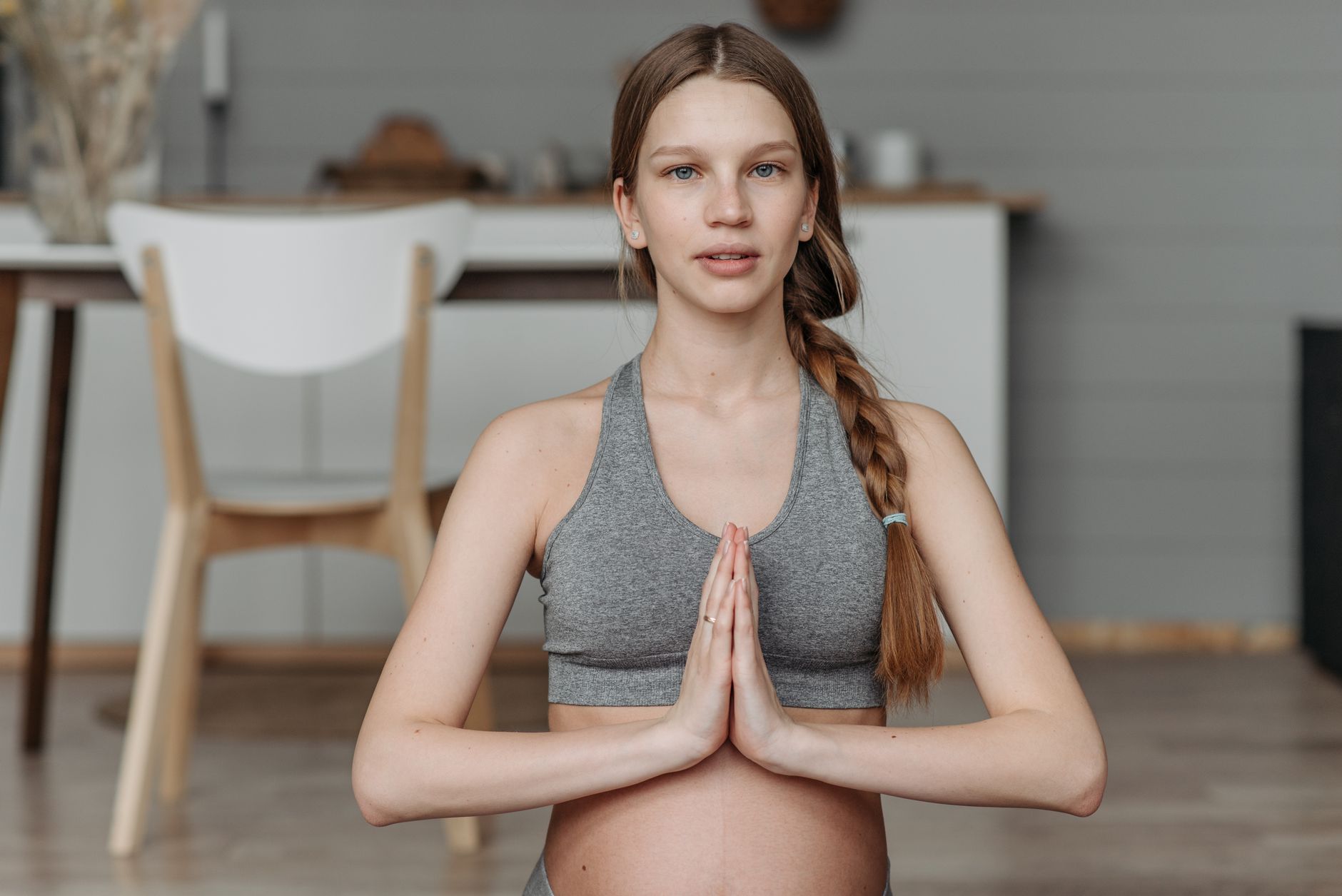
Prenatal yoga is an excellent alternative, offering gentle strengthening and flexibility without the risks of whole-body vibration.
Related Items – Safety at a Glance
Item/Activity
Verdict
Notes
Treadmill
✅ Generally safe
Good for cardiovascular exercise; ensure good balance, stay hydrated, and avoid overheating.
Elliptical Machine
✅ Generally safe
Low-impact cardio, good for joint support; watch balance as pregnancy progresses and adjust intensity.
Stationary Bike
✅ Generally safe
Excellent low-impact cardio; choose upright or recumbent for comfort and avoid excessive leaning forward.
Rowing Machine
⚠️ Safe with limits
Can be used with modifications to avoid abdominal compression and lying flat; focus on core stability and posture.
Generic Vibration Plate
❌ Best avoided
Same concerns as Power Plate; lack of research on pregnancy safety and potential theoretical risks.
Sauna
❌ Best avoided
Risk of overheating and dehydration, which can be dangerous for the fetus, especially in the first trimester.
Hot Tub
❌ Best avoided
Similar to saunas, risk of overheating, particularly problematic during early fetal development.
HIIT Workouts
⚠️ Safe with limits
Can be modified to lower intensity and impact if you were already fit; avoid pushing to exhaustion and monitor heart rate.
CrossFit
⚠️ Safe with limits
Requires significant modifications to avoid heavy lifting, high impact, and abdominal pressure; consult coach and doctor for personalized plan.
Spin Class
✅ Generally safe
Good cardio, but listen to your body and avoid excessive intensity, prolonged standing out of the saddle, and overheating.
Myth vs. Fact
When it comes to new exercise technologies and pregnancy, there are often many misconceptions. Let's clear up a few about whole-body vibration and the Power Plate machine during pregnancy.
Myth: Power Plate machines use "gentle" vibrations, so they must be safe for pregnancy.
Fact: While some vibration plates have lower intensity settings, the term "gentle" is relative. The key issue is the *type* of vibration (whole-body) and its transmission to the uterus and fetus. Even low-intensity whole-body vibration has not been proven safe for pregnant individuals, and the effects on fetal development are unknown. "Gentle" does not equate to "safe" when dealing with such a sensitive physiological state, especially given the lack of specific studies on pregnant populations.
Myth: If I was using a Power Plate machine before pregnancy, I can continue using it at a lower intensity.
Fact: This is a common misconception across many activities, but it doesn't apply to whole-body vibration. Past fitness levels don't negate the potential theoretical risks of vibration to the developing fetus or the pregnant body's changed biomechanics. The recommendation to avoid Power Plate machines applies regardless of your pre-pregnancy fitness routine or the intensity setting you choose, because the fundamental unknown of how vibration impacts the fetus remains.
Myth: Power Plate can help relieve pregnancy aches and pains.
Fact: While some non-pregnant individuals use Power Plate for muscle recovery or pain relief, there's no evidence to support its safety or efficacy for pregnancy-related aches. In fact, the vibrations could potentially exacerbate common pregnancy discomforts like pelvic girdle pain, sacroiliac joint pain, or back pain, due to the increased ligamentous laxity and altered center of gravity during pregnancy. The instability and involuntary muscle contractions might further destabilize already vulnerable joints. Safer, proven methods for pain relief include prenatal massage, targeted stretching, and specific prenatal exercises recommended by a physical therapist.
Key Takeaways
Using a Power Plate machine during pregnancy is generally not recommended due to a lack of safety research and theoretical risks.
Theoretical risks include potential impacts on fetal development, placental health (e.g., abruption), and increased risk of miscarriage or preterm labor.
Avoid whole-body vibration throughout all trimesters, as the risks are not fully understood at any stage of fetal development.
There is no established "safe" amount, intensity, or specific brand of Power Plate use for pregnant individuals.
Opt for doctor-approved, low-impact exercise alternatives like swimming, walking, prenatal yoga, or stationary cycling, which have proven benefits and safety.
Always consult your healthcare provider before starting or continuing any exercise program during pregnancy to ensure it's appropriate for your individual health and pregnancy.
Frequently Asked Questions
Is vibration good for pregnancy?
Generally, sustained or whole-body vibration is not considered good for pregnancy. While localized, gentle massage (like from a massage gun on specific muscle groups, avoiding the abdomen) can be beneficial for comfort, whole-body vibration from devices like a Power Plate machine carries theoretical risks to the fetus and placenta due to the lack of safety research. It's best to err on the side of caution and avoid activities that involve significant whole-body vibration.
What exercises should pregnant women avoid?
Pregnant women should generally avoid high-impact activities with a risk of falls (e.g., downhill skiing, horseback riding), contact sports (e.g., basketball, soccer), activities that involve lying flat on your back for prolonged periods after the first trimester (due to vena cava compression), exercises that cause overheating (e.g., hot yoga, intense sauna use), deep diving, and activities involving whole-body vibration like Power Plate machines. Always discuss your exercise plan with your doctor for personalized guidance.
Can I use a vibration plate while breastfeeding?
Yes, using a vibration plate while breastfeeding is generally considered safe. There is no evidence to suggest that whole-body vibration affects breast milk composition, supply, or is harmful to the baby through breast milk. However, listen to your body, stay hydrated, and ensure you have adequate energy levels for both exercise and nursing. If you have any concerns, or if you're experiencing postpartum recovery issues, consult your doctor or a physical therapist specializing in postpartum health.
Is it safe to use a vibration plate for cellulite during pregnancy?
No, it is not safe to use a vibration plate for cellulite during pregnancy. While some claim vibration plates can help with cellulite reduction, there is no scientific consensus on this, and more importantly, the potential risks of whole-body vibration during pregnancy (as discussed above) outweigh any unproven cosmetic benefits. The health and safety of your pregnancy and baby should always take precedence over cosmetic concerns. Focus on safe, doctor-approved exercise and healthy nutrition for overall well-being during pregnancy.
What are the benefits of Power Plate?
For non-pregnant individuals, Power Plate machines are marketed with several benefits. These include increased muscle strength and power, improved flexibility and balance, enhanced circulation, reduced cellulite appearance, and faster recovery from exercise. Some studies also suggest benefits for bone density and pain relief. However, these benefits do not necessarily extend to pregnant individuals, and the safety concerns for the developing fetus and pregnant body take precedence.
What are the risks of high intensity exercise during pregnancy?
High-intensity exercise during pregnancy, especially if you weren't highly active before, carries risks such as overheating, dehydration, increased risk of injury due to joint laxity, reduced oxygen flow to the fetus (in extreme cases), and potential for exhaustion. It can also divert blood flow away from the uterus. While some highly fit individuals can continue modified high-intensity exercise under medical supervision, most pregnant people are advised to stick to moderate intensity, where you can still carry on a conversation.
Can vibration cause miscarriage?
While there's a lack of direct human studies confirming that typical whole-body vibration from a Power Plate machine causes miscarriage, the theoretical risk exists, especially with intense or prolonged vibration. The first trimester is a particularly sensitive period where the embryo is developing rapidly. Due to these unknown risks and the potential for mechanical stress on the uterus and developing fetus, healthcare providers recommend avoiding activities involving significant vibration during pregnancy to prioritize safety.
Can Power Plate use affect the umbilical cord or amniotic fluid?
There is no specific research or evidence to suggest that Power Plate use directly causes issues with the umbilical cord (like knotting or compression) or the amniotic fluid (like premature rupture of membranes) during pregnancy. However, the general concern regarding whole-body vibration is the potential for mechanical stress on the entire uterine environment, which theoretically could impact the delicate structures within. Without specific safety studies, these possibilities cannot be definitively ruled out, contributing to the overall recommendation to avoid Power Plate machines during pregnancy.
When to call your doctor
Even with safe exercises, it's crucial to listen to your body and know when to seek medical attention. If you experience any of the following symptoms while exercising or after using any equipment, including a Power Plate machine (even if you were unaware of the risks):
Vaginal bleeding, spotting, or any fluid leaking from the vagina
Regular, painful contractions or abdominal pain
Dizziness or feeling faint, especially when changing positions
Headache that is severe or persistent
Chest pain or shortness of breath not related to normal exertion
Muscle weakness affecting balance or vision changes
Calf pain or swelling (possible blood clot)
Decreased or absent fetal movement after 24 weeks
Stop the activity immediately and contact your healthcare provider. This article provides general information and is not a substitute for professional medical advice. Always consult with your doctor or midwife about your specific health needs and exercise plan during pregnancy.
Not sure about the label on Is Power Plate Machine Safe During Pregnancy products?
Snap the ingredients list and SafeFilter checks every ingredient for your stage — only 3 free scans this month, then you're locked until reset. Unlimited from $7/mo or $50/yr.
When Shubhra Mishra was expecting her first child in 2016, she was overwhelmed by conflicting food advice — one site said yes, another said never. By the time her second baby arrived in 2019, she realized millions of mothers face the same confusion.
That sparked a five-year journey through clinical nutrition papers, cultural diets, and expert conversations — all leading to BumpBites: a calm, compassionate space where science meets everyday motherhood.
Her long-term vision is to build a global community ensuring safe, supported, and free deliveriesfor every mother — because no woman should face pregnancy alone or uninformed. 🌿
🌍 Stand with mothers, shape safer guidance
Join a small circle of experts who review BumpBites articles so expecting parents everywhere can decide with confidence.