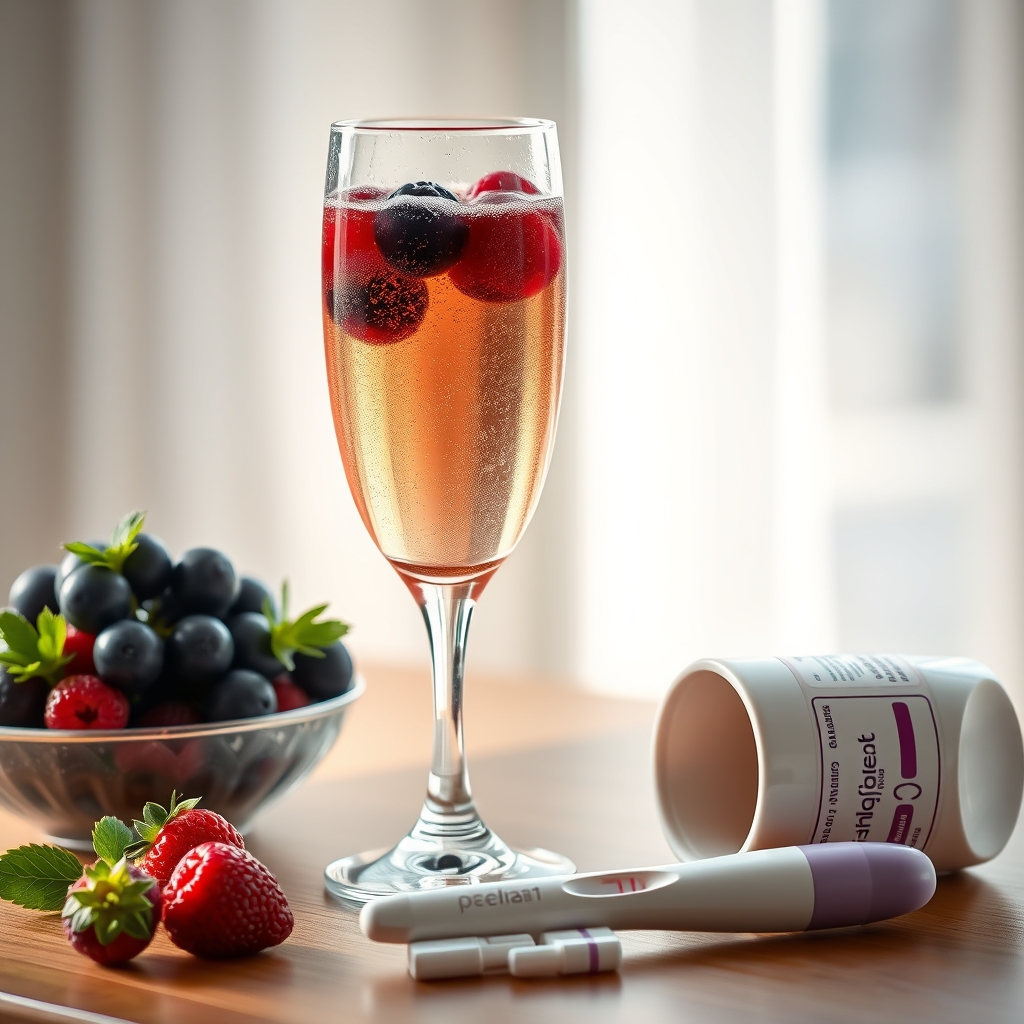
Avoid port wine during pregnancy. Experts recommend no alcohol, including port, due to risks like fetal alcohol syndrome, even in small amounts or specific trimesters.
By Shubhra Mishra — a mom of two who turned her own confusion during pregnancy into BumpBites, a global mission to make food choices clear, safe, and stress-free for every expecting mother. 💛
Check whether any food is safe during pregnancy with the BumpBites Food Safety Checker.
Quick verdict: ❌ Best avoided. Current medical guidance advises pregnant people to abstain from port wine because it contains alcohol, which can harm a developing baby. Small sips are not considered safe, and the safest choice is to skip it entirely.
It’s 2 a.m.; you’ve just opened a bottle of port wine that you bought for a celebration, and a wave of worry hits you. “Is port wine safe during pregnancy?” you think, scrolling through countless forums and articles that all seem to say something different. First, breathe. You’re not alone—many expecting parents face the same midnight alarm when they discover a favorite drink might be off‑limits.
In short, the answer is no: port wine is not considered safe while you’re pregnant. Because it’s an alcoholic beverage, even its relatively low‑alcohol “fortified” style can expose your baby to ethanol, a known teratogen that can affect brain development and increase the risk of fetal alcohol spectrum disorders (FASD). Below we break down exactly what the leading authorities say, how the risk changes across trimesters, what amount—if any—might be tolerated, and which delicious, pregnancy‑friendly alternatives you can enjoy instead.
We’ll also look at brand‑specific considerations, the impact of port wine on conditions like gestational diabetes, and what to know if you’re breastfeeding. By the end of this guide, you’ll have a clear, evidence‑based picture of why it’s best to avoid port wine and how to enjoy a toast without compromising your baby’s health.
Beyond the immediate safety concerns, it’s helpful to understand how alcohol travels through your body. When you drink, ethanol is absorbed into the bloodstream and crosses the placenta freely, reaching the fetus at roughly the same concentration as in your blood. The fetal liver lacks the enzymes needed to metabolize alcohol efficiently, so the exposure can linger longer than it does for you, amplifying potential harm. This physiological fact underpins why health agencies worldwide recommend total abstinence rather than a “safe limit.”
Trimester / Stage
Verdict
Notes
First trimester
❌ Best avoided
Alcohol exposure during organ formation can increase risk of birth defects and miscarriage.
Second trimester
❌ Best avoided
Continued exposure may affect brain development and increase risk of low birth weight.
Third trimester
❌ Best avoided
Alcohol can impair fetal growth and increase risk of preterm labor.
Breastfeeding
⚠️ Talk to your doctor
Alcohol passes into breast milk; abstaining or timing feeds is recommended.
Port wine is a fortified wine that originated in Portugal and is typically enjoyed as a dessert beverage. The winemaking process involves adding a distilled spirit—usually brandy—to stop fermentation, which preserves natural sugars and raises the alcohol content to roughly 19–22 % ABV (alcohol by volume). This makes port richer and sweeter than most table wines, with flavors ranging from deep ruby reds to tawny amber hues.
People often reach for port wine to celebrate milestones, pair it with cheese, or simply unwind after a long day. Because it’s served in smaller glasses—often 2–3 oz (60–90 ml)—many assume that a “tiny sip” is harmless, especially compared with a full glass of regular wine. However, the alcohol concentration in port is higher, meaning even a small amount delivers a dose of ethanol comparable to a standard glass of regular wine.
Beyond its taste, port wine’s sugar content can also be a concern. The added brandy not only boosts alcohol but also contributes residual sugars, which can cause rapid spikes in blood glucose—a particular issue for those managing gestational diabetes. Understanding both the alcohol and sugar components helps clarify why many clinicians advise complete avoidance.
So, is port wine safe during pregnancy? The consensus among major health organizations—including the American College of Obstetricians and Gynecologists (ACOG), the UK’s National Health Service (NHS), and the U.S. Centers for Disease Control and Prevention (CDC)—is that no amount of alcohol is proven safe for a developing fetus. Alcohol is a teratogen, which means it can interfere with normal development and cause structural or functional anomalies. Studies have linked even low‑level prenatal alcohol exposure to subtle neurodevelopmental issues, and higher exposure to fetal alcohol spectrum disorders.
Port wine’s higher alcohol content means that a standard 2‑oz serving can deliver roughly 0.4 g of alcohol per kilogram of maternal body weight—a level that exceeds the “no‑known‑safe‑threshold” recommendations from ACOG and the NHS, which both advise total abstinence. The FDA does not set a pregnancy‑specific safe limit for alcohol, reinforcing the stance that any exposure carries risk.
Because the embryonic period (the first trimester) is when organs are forming, the risk of birth defects is highest during this window. The second and third trimesters are still critical for brain growth and overall fetal weight gain, so continued exposure can impede these processes. While some studies suggest occasional light drinking may not cause obvious physical defects, the variability in individual susceptibility and the difficulty of measuring exact intake make a cautious approach the safest.
In short, the safest recommendation from obstetric experts is to avoid port wine entirely throughout pregnancy and while breastfeeding. If you’ve already had a sip, don’t panic—most occasional, low‑dose exposures have not been shown to cause severe outcomes, but you should discuss any concerns with your provider.
Is it safe to drink port wine during the first trimester?
The first trimester, spanning weeks 1–13, is the period of organogenesis when the baby’s major organs and structures are forming. Alcohol exposure during this time is linked to an increased risk of congenital anomalies, miscarriage, and early developmental delays. Because port wine contains roughly 20 % alcohol, even a single 2‑oz glass can deliver enough ethanol to cross the placenta and affect the embryo.
ACOG’s Committee Opinion explicitly states that “no amount of alcohol is known to be safe during pregnancy,” and the NHS advises complete abstinence, especially in the first trimester. The CDC’s guidance also emphasizes that any alcohol consumption can increase the risk of fetal alcohol spectrum disorders (FASD). Consequently, the verdict for the first trimester is a clear ❌—port wine should be avoided.
Beyond structural concerns, early exposure can also disrupt the hormonal environment essential for implantation and early placental development. Some researchers have noted that alcohol can interfere with progesterone signaling, potentially increasing the odds of early loss. While the absolute risk for any one individual may be modest, the cumulative evidence supports a zero‑tolerance approach during this critical period.
Can I have a small glass of port wine while pregnant?
Many pregnant people wonder whether a “small glass” of port wine—a 2‑oz serving—is low enough to be safe. Unfortunately, the evidence does not support a safe threshold. A 2‑oz pour of 20 % ABV port delivers about 0.4 g of alcohol per kilogram of maternal weight, which exceeds the “no‑known‑safe‑limit” that ACOG and the NHS recommend.
Because the alcohol content is higher than that of regular wine, the same volume provides more ethanol. Even if you limit yourself to a single occasional sip, the risk—though small—remains. The safest course, as reiterated by the CDC and ACOG, is to abstain entirely. If you’ve already had a small glass, monitor for any unusual symptoms and discuss it with your obstetrician, but there is typically no need for emergency intervention.
It’s also worth noting that alcohol metabolism can vary widely between individuals due to genetics, body composition, and liver function. What feels like a “tiny sip” for one person may result in a higher blood alcohol concentration for another, further complicating any attempt to define a universal “safe” amount.
What are the risks of drinking port wine in the second trimester?
During the second trimester (weeks 14–27), the baby’s brain is rapidly developing, and the risk shifts from structural defects to neurodevelopmental impacts. Alcohol can interfere with neuronal migration and synapse formation, potentially leading to learning difficulties, attention deficits, and behavioral issues later in life.
Port wine’s higher alcohol concentration means that even moderate consumption can raise blood alcohol levels enough to affect the fetus. Research cited by the NHS indicates that continued alcohol exposure in the second trimester can increase the likelihood of low birth weight and preterm birth. While the absolute risk may be lower than in the first trimester, the consensus remains that any alcohol—including port wine—is best avoided.
Beyond the direct impact on the baby, alcohol can also worsen common second‑trimester discomforts such as heartburn and sleep disturbances, which may already be heightened by the hormonal changes of pregnancy.
Are there any low‑alcohol port wine brands safe for pregnancy?
Some producers market “low‑alcohol” or “reduced‑ABV” port wines, typically ranging from 12 % to 15 % ABV. Even at the lower end, a 2‑oz serving still delivers roughly 0.2–0.3 g of alcohol per kilogram of body weight, which exceeds the zero‑tolerance stance of ACOG and the NHS. No official health organization has endorsed any specific low‑alcohol port as safe for pregnant people.
Because the recommendation is to avoid alcohol entirely, the safest approach is to choose non‑alcoholic alternatives rather than seeking a “lighter” port wine. If you’re set on a wine‑like experience, consider alcohol‑free red wine or other mocktails that mimic the flavor profile without the ethanol.
What are safe non‑alcoholic alternatives to port wine for pregnant women?
When you’re craving the rich, fruity notes of port, there are several pregnancy‑friendly options that deliver a similar taste experience without the alcohol:
Non‑alcoholic sparkling grape juice – provides the effervescence and sweetness of port.
Pomegranate juice – offers a deep, ruby‑red color and antioxidant benefits.
Cranberry juice – bright and slightly acidic, perfect with dessert.
Alcohol‑free red wine – crafted to mimic the aroma and palate of traditional red wines.
Herbal hibiscus tea – naturally ruby‑colored with a bright, tangy flavor.
Fruit‑infused water – add sliced berries or citrus for a light, flavorful sip.
All of these options are free from ethanol, making them safe for all trimesters and for breastfeeding mothers.
How does port wine affect pregnancy complications like gestational diabetes?
Gestational diabetes mellitus (GDM) is a condition where blood sugar levels become elevated during pregnancy. Alcohol can interfere with glucose metabolism, potentially worsening blood sugar control. The NHS notes that alcohol consumption may increase insulin resistance, making it harder to manage GDM.
Port wine, with its high sugar content and alcohol, can cause a rapid rise in blood glucose followed by a drop, leading to fluctuations that are especially problematic for those with GDM. For pregnant people diagnosed with gestational diabetes, avoiding all alcoholic beverages—including port wine—is strongly advised to keep glucose levels stable.
Is port wine safe for breastfeeding mothers?
Alcohol does pass into breast milk, and its concentration mirrors that of the mother’s blood alcohol level. The CDC advises nursing parents to either abstain from alcohol or to time feedings carefully—waiting at least two hours per standard drink before breastfeeding. Because port wine is high in alcohol, even a small glass can result in detectable levels in milk.
While occasional, minimal exposure may not cause immediate harm, the safest recommendation from the American Academy of Pediatrics (AAP) is to avoid alcohol while breastfeeding, or to pump and discard milk if you choose to drink. For port wine, the safest route is to skip it entirely.
Safe dosage / amount / brands
Because the consensus among ACOG, NHS, and CDC is that no amount of alcohol is proven safe during pregnancy, there is no recommended “safe dosage” for port wine. The typical serving size—2 oz (about 60 ml)—contains roughly 12–14 g of pure alcohol, well above the threshold that health agencies advise pregnant people should avoid.
If you’re looking for specific brand information, most traditional ports (e.g., Taylor’s, Fonseca, Graham’s) sit at 19–22 % ABV. Some “low‑alcohol” ports (e.g., “Port Light” from certain producers) may be marketed at 12–15 % ABV, but even these contain enough ethanol to warrant avoidance under current guidelines.
For those who still want a wine‑like experience, consider alcohol‑free alternatives such as “Ariel” non‑alcoholic red wine or “Sutter Home” alcohol‑free sparkling grape juice. These products contain 0 % alcohol and can be enjoyed safely throughout pregnancy and while breastfeeding.
Even a small glass of port wine contains enough alcohol to cross the placenta, so it’s best to choose a non‑alcoholic alternative.
Side effects and risks
Alcohol consumption during pregnancy can lead to a spectrum of outcomes, ranging from subtle neurodevelopmental changes to more severe conditions:
Fetal Alcohol Spectrum Disorders (FASD) – includes physical, cognitive, and behavioral impairments.
Miscarriage – especially heightened with alcohol exposure in the first trimester.
Low birth weight and preterm birth – linked to continued alcohol intake in later trimesters.
Gestational diabetes complications – alcohol can worsen glucose control.
Breastfeeding concerns – alcohol can affect infant sleep patterns and feeding.
Most of these risks are dose‑dependent, but because the exact safe threshold is unknown, the safest route is complete abstinence. If you notice any of the following after drinking alcohol, contact your provider promptly: persistent vomiting, abdominal pain, decreased fetal movement, or signs of preterm labor.
Enjoy a festive toast with sparkling grape juice – a safe, alcohol‑free alternative to port wine.
Safer alternatives
Non‑alcoholic sparkling grape juice – mimics the fizz and sweetness of port without any alcohol.
Pomegranate juice – offers a deep, ruby hue and antioxidant benefits.
Cranberry juice – tart and refreshing, perfect with desserts.
Alcohol‑free red wine – crafted to preserve the complex flavor profile of traditional wine.
Herbal hibiscus tea – naturally ruby‑colored, with a bright, tangy flavor.
Fruit‑infused water – add sliced berries or citrus for a light, flavorful sip.
Related items — safety at a glance
Item
Verdict
One‑line note
Red wine
❌ Best avoided
Contains 12‑15 % alcohol; no safe amount during pregnancy.
White wine
❌ Best avoided
Similar alcohol content to red wine; abstinence recommended.
Champagne
❌ Best avoided
Even higher carbonation doesn’t reduce alcohol risk.
Sherry
❌ Best avoided
Fortified wine with 17‑20 % ABV, same concerns as port.
Port wine
❌ Best avoided
Fortified, 19‑22 % ABV; no safe level.
Sake
❌ Best avoided
Japanese rice wine typically 15‑20 % ABV.
Beer
❌ Best avoided
Even low‑ABV beers deliver ethanol; abstinence advised.
Myth vs. fact
Myth: A single sip of port wine is harmless because it’s “just a little.”
Fact: Even small amounts of alcohol can cross the placenta; ACOG recommends complete abstinence throughout pregnancy.
Myth: Low‑alcohol or “light” port wines are safe for pregnant people.
Fact: No health authority endorses any alcoholic beverage, including reduced‑ABV ports, as safe during pregnancy.
Myth: Drinking port wine only during the third trimester is okay because the baby’s organs are already formed.
Fact: Alcohol can still affect brain development and growth in the third trimester; abstinence is advised for the entire pregnancy.
Key takeaways
❌ Port wine is not safe at any stage of pregnancy; avoid it entirely.
All major health bodies (ACOG, NHS, CDC) advise complete abstinence from alcohol.
Even low‑alcohol port wines contain enough ethanol to warrant avoidance.
If you’ve already had a sip, monitor for symptoms and discuss with your provider.
Choose non‑alcoholic alternatives like sparkling grape juice, pomegranate juice, or alcohol‑free red wine for a safe celebratory toast.
While breastfeeding, limit alcohol intake or wait at least two hours per standard drink before nursing.
Frequently asked questions
Can pregnant women drink port wine?
No, pregnant women should not drink port wine. ACOG and the NHS both recommend complete abstinence from alcohol because any exposure can increase the risk of fetal alcohol spectrum disorders.
What are the effects of alcohol on a developing baby?
Alcohol can cross the placenta and interfere with organ formation, brain development, and growth, leading to risks such as miscarriage, low birth weight, and lifelong cognitive and behavioral challenges.
How much alcohol is safe during pregnancy?
Current guidelines from ACOG, NHS, and CDC state that no amount of alcohol is known to be safe during pregnancy, so the safest choice is to avoid alcohol entirely.
Is there a safe amount of wine to drink while pregnant?
There is no established safe amount of wine—or any alcoholic beverage—during pregnancy; even small servings of wine, including port, are discouraged.
Can port wine cause birth defects?
Yes, alcohol in port wine can increase the risk of birth defects, especially when consumed during the first trimester when organ formation is most vulnerable.
What are the symptoms of fetal alcohol syndrome?
Symptoms can include facial abnormalities, growth deficiencies, and central nervous system problems such as learning disabilities, poor memory, and attention deficits.
Are there any benefits to drinking port wine during pregnancy?
There are no proven health benefits of drinking port wine while pregnant; the potential risks outweigh any perceived advantages.
When can I start drinking alcohol again after giving birth?
Most providers suggest waiting until after the first postpartum check-up (usually 6 weeks) and ensuring you’re no longer breastfeeding before re‑introducing alcohol, if at all.
Is non‑alcoholic port wine safe for pregnancy?
Yes, non‑alcoholic port wine contains 0 % alcohol and is considered safe for all trimesters and while breastfeeding, provided it doesn’t contain other harmful additives.
Can I use port wine in cooking while pregnant?
Cooking with port wine can reduce its alcohol content, but trace amounts may remain. Many health experts recommend using a non‑alcoholic substitute (such as grape juice) to eliminate any potential risk.
Hibiscus tea offers a rich, ruby‑colored, alcohol‑free option for a toast.
When to call your doctor
If you notice any of the following after consuming alcohol—including a single sip of port wine—contact your obstetric provider promptly:
Persistent vomiting or inability to keep fluids down.
Severe abdominal pain or cramping.
Decreased fetal movement after 24 weeks.
Signs of preterm labor (regular contractions, pelvic pressure).
Unusual swelling, headaches, or vision changes that could signal preeclampsia.
These symptoms may indicate complications unrelated to alcohol, but it’s always safest to discuss any alcohol exposure with your doctor. This article provides general information and is not a substitute for personalized medical advice.
References
American College of Obstetricians and Gynecologists. Committee Opinion No. 767: Alcohol Abuse and Alcohol Use Disorders in Pregnancy. 2023.
National Health Service (NHS). Alcohol and pregnancy: guidance for pregnant women. Updated 2022.
Centers for Disease Control and Prevention (CDC). Alcohol Use in Pregnancy. 2022.
U.S. Food and Drug Administration (FDA). Alcohol and Pregnancy: What You Need to Know. 2021.
World Health Organization (WHO). Guidelines for the Safe Use of Alcohol in Pregnancy. 2020.
American Academy of Pediatrics (AAP). Policy Statement on Alcohol Consumption and Breastfeeding. 2021.
National Institute on Alcohol Abuse and Alcoholism (NIAAA). Alcohol and Pregnancy. 2023.
National Institute for Health and Care Excellence (NICE). Alcohol consumption and pregnancy. 2021.
Mayo Clinic. Alcohol use during pregnancy: Risks and recommendations. 2022.
Not sure about the label on Is Port Wine Safe During Pregnancy products?
Snap the ingredients list and SafeFilter checks every ingredient for your stage — only 3 free scans this month, then you're locked until reset. Unlimited from $7/mo or $50/yr.
When Shubhra Mishra was expecting her first child in 2016, she was overwhelmed by conflicting food advice — one site said yes, another said never. By the time her second baby arrived in 2019, she realized millions of mothers face the same confusion.
That sparked a five-year journey through clinical nutrition papers, cultural diets, and expert conversations — all leading to BumpBites: a calm, compassionate space where science meets everyday motherhood.
Her long-term vision is to build a global community ensuring safe, supported, and free deliveriesfor every mother — because no woman should face pregnancy alone or uninformed. 🌿
🌍 Stand with mothers, shape safer guidance
Join a small circle of experts who review BumpBites articles so expecting parents everywhere can decide with confidence.