Limit Poppi Soda during pregnancy. Experts recommend no more than 1 can daily due to caffeine and prebiotic fiber, especially in the first trimester.
By Shubhra Mishra — a mom of two who turned her own confusion during pregnancy into BumpBites, a global mission to make food choices clear, safe, and stress-free for every expecting mother. 💛
Check whether any food is safe during pregnancy with the BumpBites Food Safety Checker.
Quick verdict: ⚠️ Safe with limits – Poppi soda can be enjoyed in moderation during pregnancy, but keep the total daily intake to one 12‑oz can and choose low‑sugar flavors. Excess sugar or caffeine can affect blood‑glucose and hydration, so stay mindful of portion size.
It’s 2 a.m., the kitchen light is on, and you’ve just opened a cold can of Poppi soda while scrolling through pregnancy forums. You wonder, is Poppi soda safe during pregnancy? You’re not alone—many expecting parents ask the same question after spotting the trendy probiotic soda on a grocery aisle. The short answer is that Poppi can be part of a balanced pregnancy diet, but it isn’t a free‑for‑all beverage.
In this article we’ll break down exactly what Poppi soda contains, how each trimester may affect its safety, the amount you can comfortably drink each day, and what the leading health organizations (ACOG, NHS, FDA) say about probiotic‑rich sparkling drinks. We’ll also compare Poppi to other popular fizzy options, list safer alternatives, and give you clear “what‑to‑do” steps if you’ve already had a can or notice any worrisome symptoms. Along the way we’ll explore how Poppi interacts with common pregnancy concerns like gestational diabetes, hydration, and probiotic supplementation, so you can feel confident making a choice that fits your whole pregnancy plan.
Stage
Verdict
Notes
First trimester
⚠️ Safe with limits
Limit to 1 can (12 oz) per day; watch added sugars and caffeine.
Second trimester
⚠️ Safe with limits
Same limit; probiotic benefits may aid digestion.
Third trimester
⚠️ Safe with limits
Maintain 1‑can ceiling; avoid flavors high in caffeine.
Breastfeeding
✅ Generally safe
Moderate intake fine; watch infant’s reaction to caffeine.
Enjoy Poppi soda chilled, but keep the portion size modest.
What is Poppi soda?
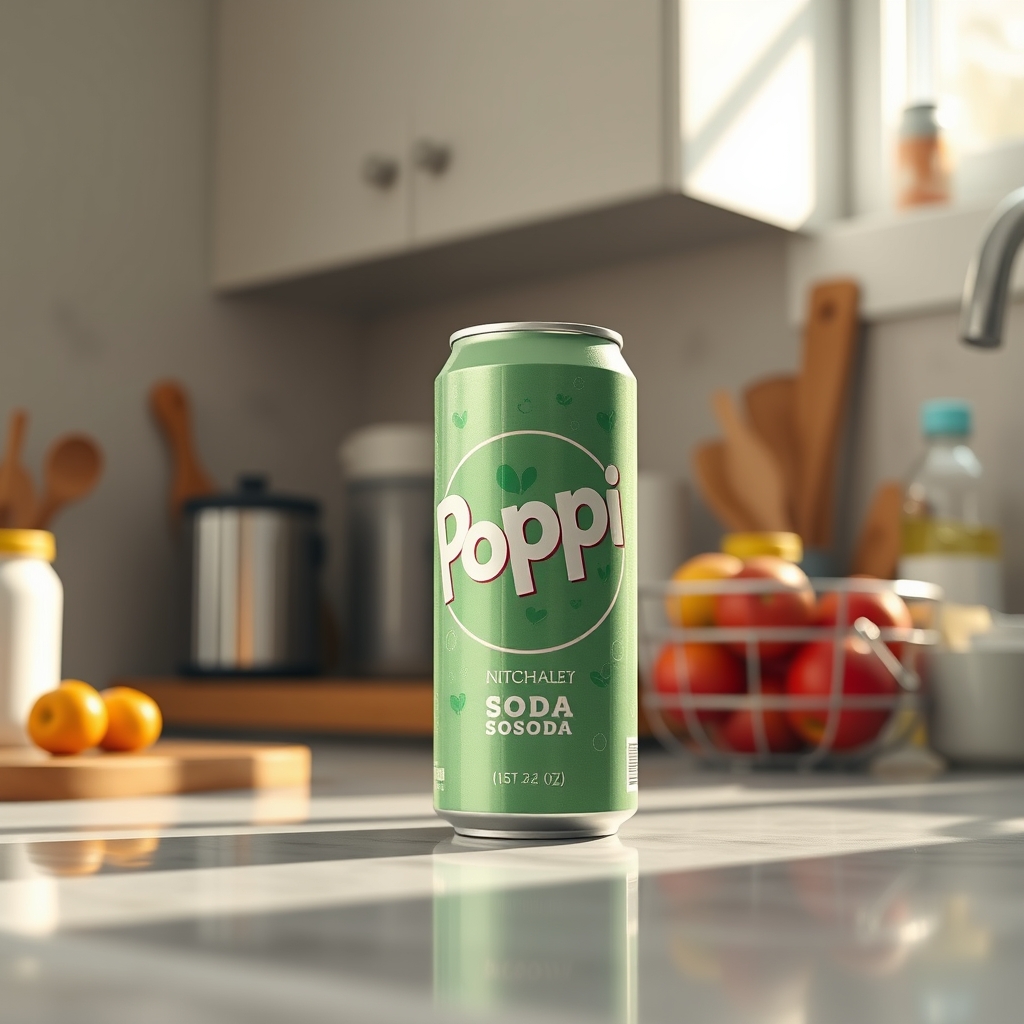
Poppi is a brand of sparkling probiotic soda launched in 2019 that markets itself as a “functional beverage.” Each 12‑oz can contains a blend of carbonated water, fruit‑derived flavors, a small amount of cane sugar (or alternative sweeteners in “lite” versions), and a proprietary probiotic strain—usually Lactobacillus plantarum or L. rhamnosus. The drinks are non‑alcoholic, gluten‑free, and marketed as low‑calorie (≈70 kcal per can for the original flavors). Poppi offers a variety of flavors such as Strawberry Lemonade, Ginger Lime, and Blueberry Acai, each with a distinct fruit‑juice component that contributes natural sugars and a trace amount of vitamins.
Because the soda is fermented, it contains live cultures that survive the bottling process. Probiotics are generally considered safe for most adults and have been linked to improved gut health, reduced constipation, and better immune modulation. However, the evidence on probiotic safety during pregnancy is still emerging, and regulatory bodies treat Poppi as a food rather than a medication. The FDA does not require a “GRAS” (Generally Recognized As Safe) statement for each probiotic strain, but most strains used in Poppi have a long history of safe consumption in fermented foods.
Beyond the core ingredients, Poppi’s formulation includes citric acid for tartness, natural flavors for aroma, and a modest level of carbonation that gives the drink its signature fizz. The “Lite” line swaps cane sugar for stevia or erythritol, cutting calories and added sugar while retaining the same probiotic punch. This flexibility makes Poppi appealing to people watching sugar intake, but it also introduces questions about the safety of sugar substitutes during pregnancy—a topic we’ll address later.
Is Poppi soda safe during pregnancy?
C
urrent guidance from the American College of Obstetricians and Gynecologists (ACOG) and the UK’s National Health Service (NHS) suggests that low‑sugar, low‑caffeine carbonated drinks are permissible in pregnancy when consumed in moderation. Poppi’s probiotic content does not raise specific red‑flag concerns, but the small amount of added sugar (≈7 g per can) and occasional caffeine (most flavors are caffeine‑free, but the Ginger Lime variant contains ~5 mg) mean it should be limited.
Studies on probiotic consumption during pregnancy have generally shown no increase in adverse outcomes such as miscarriage or birth defects. A 2021 systematic review in the Journal of Maternal‑Fetal & Neonatal Medicine found that Lactobacillus strains are safe and may even reduce the risk of bacterial vaginosis. However, the review also noted that high‑dose probiotic supplements (>10 billion CFU) should be discussed with a provider. Poppi delivers a modest ~1‑2 billion CFU per can, well within the range considered safe.
Because the soda is still a source of simple sugars, the CDC warns that excess sugar intake during pregnancy can contribute to gestational diabetes, excessive weight gain, and dental decay. Therefore, the safest approach is to treat Poppi like any other flavored sparkling water: enjoy it occasionally, stay within the recommended daily limit, and balance it with plenty of water and nutrient‑dense foods.
International bodies such as the World Health Organization (WHO) and the International Society for Probiotics and Prebiotics (ISPP) echo this balanced view, emphasizing that probiotic foods are fine in pregnancy as long as they do not contain high levels of added sugars, alcohol, or potentially harmful herbs. In short, Poppi’s low‑dose probiotic profile is compatible with pregnancy, but the sugar and carbonation aspects deserve the same caution you would apply to any sweetened beverage.
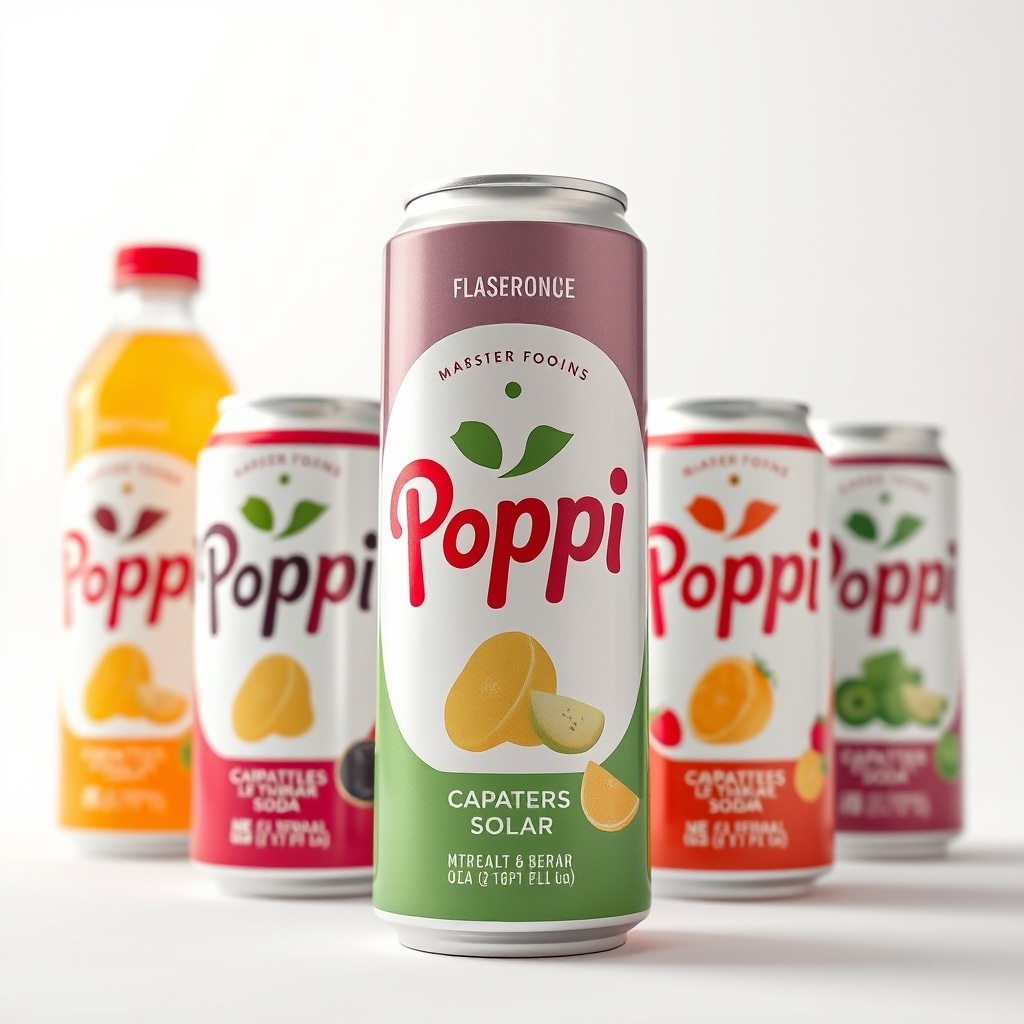
Poppi’s flavor lineup offers choices, but sugar content varies.
Is Poppi soda safe to drink during the first trimester?
The first trimester is when organogenesis occurs, making it the most sensitive period for teratogenic exposures. Poppi soda does not contain known teratogens, but its added sugars can influence blood‑glucose levels, which some clinicians advise monitoring early in pregnancy. If you crave a fizzy treat, limit yourself to half a can (6 oz) and pair it with a protein‑rich snack to blunt any glucose spike.
Because nausea and food aversions are common in early pregnancy, many people turn to carbonated drinks for relief. The mild carbonation in Poppi can settle an unsettled stomach, but be cautious if you have a history of reflux—carbonation can exacerbate heartburn. In those cases, sipping slowly and drinking through a straw can help reduce irritation.
Is Poppi soda safe to drink during the second trimester?
During the second trimester, many pregnant people experience constipation and heartburn. The probiotic component of Poppi may help support gut motility, while the carbonation can sometimes aggravate reflux. As long as you stay under one can per day and choose flavors without caffeine, Poppi is considered safe for most moms in this stage.
Second‑trimester nutrition guidelines from ACOG encourage a focus on fiber, fluids, and iron. Poppi’s modest fiber contribution is negligible, but the hydration it provides can complement water intake, especially if you find plain water boring. Pairing Poppi with a high‑fiber snack—like a handful of almonds or a piece of fruit—creates a balanced mini‑meal that supports digestive health without overloading sugar.
Is Poppi soda safe to drink during the third trimester?
In the third trimester, hydration becomes crucial, and excessive caffeine can affect fetal heart rate. Since most Poppi flavors are caffeine‑free, the primary concern remains sugar intake. One can per day remains the upper limit; drinking more could add unnecessary calories and raise the risk of gestational diabetes.
Third‑trimester swelling and decreased stomach capacity can make large meals uncomfortable. A small, fizzy beverage like Poppi can be easier to tolerate than a heavy juice. However, if you notice increased heartburn, consider diluting the soda with sparkling water or switching to a low‑acid flavor to keep discomfort at bay.
How many cans of Poppi soda can a pregnant woman consume per day?
Experts recommend no more than one 12‑oz can of Poppi soda per day for pregnant individuals. This limit aligns with the American Heart Association’s recommendation that added sugars not exceed 6 % of daily calories (≈25 g for a 2,000‑calorie diet). One can of Poppi provides roughly 7 g of sugar, leaving room for other sources of carbohydrates.
If you’re tracking your sugar intake with a prenatal nutrition app, entering the exact gram amount helps you stay within the guideline. For women with gestational diabetes, the “Lite” version (≤1 g sugar) is a safer choice, and many dietitians suggest limiting the original version to a half‑can on days when you also consume other sweet foods.
What are the potential risks of drinking Poppi soda while pregnant?
Blood‑glucose spikes: Even modest sugar can raise glucose, a concern for gestational diabetes.
Dental erosion: Carbonic acid and sugar together increase the risk of enamel loss.
Reflux or heartburn: Carbonation may aggravate gastroesophageal reflux, especially in the later trimesters.
Caffeine sensitivity: A few flavors contain trace caffeine; excessive intake may affect fetal heart rate.
Are there any Poppi soda flavors that are safer for pregnancy?
Flavors that are caffeine‑free and have the lowest added‑sugar content are the safest choices. The “Original” line (Strawberry Lemonade, Ginger Lime, Blueberry Acai) contains about 7 g of sugar per can and no caffeine. “Lite” versions replace sugar with stevia or erythritol, further reducing caloric impact, though some pregnant people prefer to avoid sugar substitutes due to limited safety data. If you are sensitive to acidity, the “Citrus” flavors tend to be less acidic than the “Berry” options.
When choosing a flavor, check the label for any added fruit juice concentrate, as some varieties contain up to 2 g of natural sugars per ounce. While natural sugars are not inherently harmful, they do contribute to your total carbohydrate load, which is especially relevant if you’re managing gestational diabetes.
Does Poppi soda contain ingredients that should be avoided in pregnancy?
Poppi’s ingredient list is short: carbonated water, fruit juice concentrate, cane sugar (or alternative sweetener in Lite), probiotic culture, natural flavors, and citric acid. None of these are on the standard “avoid during pregnancy” list, such as raw eggs, unpasteurized dairy, or high‑dose herbal extracts. However, individuals with a history of food allergies should verify that the natural flavors do not trigger sensitivities.
One nuance worth noting is the presence of citric acid, which can be mildly erosive to tooth enamel. Good oral hygiene—rinsing with water after each sip and waiting at least 30 minutes before brushing—helps protect your teeth while still enjoying the fizz.
Is Poppi soda safe for pregnant women with gestational diabetes?
For gestational diabetes, the key is total carbohydrate load. One can of Poppi adds about 7 g of sugar, which can be incorporated into a balanced meal plan if the overall daily carbohydrate target (usually 30‑45 g per meal) is respected. Many dietitians advise choosing the “Lite” version, which contains ≤1 g of sugar, or swapping Poppi for unsweetened sparkling water.
If you’re using a continuous glucose monitor (CGM), you can see the immediate impact of a Poppi can on your glucose trends. Most users report a modest rise that returns to baseline within an hour, especially when the soda is consumed with protein or fiber. This real‑time feedback can guide you in deciding whether an occasional treat fits your management plan.
Poppi soda and gestational diabetes management
Gestational diabetes management hinges on balancing carbohydrate intake with insulin sensitivity. The modest sugar content of a regular Poppi can (≈7 g) is roughly equivalent to a small piece of fruit, making it a reasonable occasional treat when paired with a protein‑rich snack. The “Lite” line, with less than 1 g of sugar, is virtually carbohydrate‑free and can be used more liberally if you crave fizz.
Clinical guidance from the American Diabetes Association (ADA) emphasizes that “moderate consumption of low‑glycemic beverages is acceptable in a well‑controlled diet.” Because Poppi’s glycemic index is low—thanks to its minimal sugar and probiotic content—most women with gestational diabetes can incorporate it without jeopardizing blood‑glucose targets, provided they stay within the one‑can‑per‑day recommendation and monitor their readings.
Poppi soda while breastfeeding
After delivery, many new parents wonder whether the same beverage choices remain safe while nursing. The FDA considers Poppi a food product, and its probiotic strains are generally recognized as safe for lactating individuals. Small amounts of caffeine (≈5 mg in the Ginger Lime flavor) are well below the 200 mg daily caffeine limit recommended by the AAP for breastfeeding mothers.
Most lactating bodies can handle the same sugar load as during pregnancy, but it’s still wise to keep added sugars low to support overall maternal health and milk quality. If your infant shows signs of irritability after you consume a caffeinated flavor, consider switching to a caffeine‑free or “Lite” version. Otherwise, a single can a day is perfectly fine for most nursing parents.
How to store Poppi soda for maximum probiotic potency
Probiotic viability can decline over time, especially when exposed to heat or light. To preserve the live cultures, store unopened Poppi cans in a cool, dark place—think a pantry or refrigerator—and consume them before the “best by” date printed on the label. Once opened, the soda should be refrigerated and finished within 24 hours to maintain both carbonation and probiotic activity.
If you notice a flat taste or an off‑odor, the probiotic cultures may have diminished, and the beverage’s flavor profile will change. While a loss of live cultures doesn’t make the soda unsafe, you’ll miss out on the intended gut‑health benefits. For optimal probiotic impact, treat Poppi like any other fermented product: keep it chilled, avoid prolonged exposure to sunlight, and enjoy it promptly after opening.
Side effects and risks
Minor bloating or gas from carbonation – usually harmless.
Increased thirst or dry mouth if you substitute water with too many fizzy drinks.
Potential sugar‑related blood‑glucose spikes – monitor if you have gestational diabetes.
Rare allergic reaction to natural flavor extracts – seek medical attention if you develop hives, swelling, or difficulty breathing.
Safer alternatives
LaCroix sparkling water – zero calories, zero sugar, no caffeine.
Spindrift sparkling fruit water – real fruit juice, low sugar, no added sweeteners.
Unsweetened coconut water – natural electrolytes, hydrating, low sugar.
Pregnancy‑safe ginger tea – soothing for nausea, caffeine‑free.
Low‑sugar, pasteurized kombucha – probiotic benefits with less carbonation.
Plain sparkling water with a splash of fresh fruit – customizable flavor, zero added sugar.
Low‑sugar switchel – vinegar‑based drink with ginger, limited sugar.
Contains live cultures and trace alcohol; choose pasteurized, low‑sugar versions.
Switchel
✅ Generally safe
Low‑sugar vinegar drink; watch for high‑acid content if you have reflux.
Kefir soda
⚠️ Talk to your doctor
Fermented dairy base; may be high in calcium but check for added sugars.
Probiotic sparkling water
⚠️ Safe with limits
Often low‑calorie; verify probiotic strain safety.
Apple cider vinegar drinks
✅ Generally safe
Diluted ACV is fine; avoid large amounts due to acidity.
Traditional ginger ale
⚠️ Safe with limits
Usually contains added sugar; choose low‑sugar brands.
Fruit juice sparkling drinks
⚠️ Safe with limits
High natural sugar; limit to 4‑6 oz per day.
Regular soda (e.g., Coca‑Cola)
❌ Best avoided
High caffeine and sugar; linked to gestational diabetes risk.
Myth vs. fact
Myth: All probiotic drinks are automatically safe for pregnancy.
Fact: While many probiotic strains are considered safe, the overall sugar, caffeine, and carbonation content must also be evaluated. Poppi’s low‑dose probiotics are fine, but excessive consumption can still pose risks.
Myth: “If it’s marketed as a health drink, it can replace water.”
Fact: Sparkling beverages, including Poppi, should complement—not replace—plain water. Hydration needs increase in pregnancy, and water remains the best source.
Myth: “Caffeine‑free means it’s completely safe.”
Fact: Even caffeine‑free sodas contain acids and sugars that can affect digestion and blood‑glucose. Moderation is still key.
Key takeaways
Poppi soda is generally safe in pregnancy when limited to one 12‑oz can per day.
Choose caffeine‑free, low‑sugar flavors; “Lite” versions are an option for gestational diabetes.
Watch for carbonation‑related reflux and dental erosion; brush teeth after consumption.
For a sugar‑free fizz, consider LaCroix or plain sparkling water with fresh fruit.
Always discuss any probiotic supplement or high‑frequency soda intake with your obstetric provider.
Frequently asked questions
Can pregnant women drink Poppi soda?
Yes, pregnant women can enjoy Poppi soda in moderation—up to one 12‑oz can per day—provided they monitor added sugar and caffeine intake.
What ingredients in Poppi soda are safe for pregnancy?
All listed ingredients—carbonated water, fruit juice concentrate, cane sugar (or non‑nutritive sweetener in Lite), probiotic culture, natural flavors, and citric acid—are considered safe for pregnancy when consumed within recommended limits.
Is the sugar content in Poppi soda a concern for pregnant women?
Poppi contains about 7 g of sugar per regular can, which fits within the American Heart Association’s added‑sugar guidelines, but women with gestational diabetes should opt for the Lite version or limit intake further.
Does Poppi soda contain caffeine?
Most Poppi flavors are caffeine‑free; only the Ginger Lime variant contains a trace amount (~5 mg) that is negligible for most pregnant people.
How does Poppi soda affect morning sickness?
Carbonated drinks can sometimes relieve nausea, and the probiotic content may aid digestion, but the acidity might worsen reflux for some; try a small sip and see how you feel.
Are there any side effects of Poppi soda for pregnant women?
Common side effects include mild bloating from carbonation and potential sugar‑related blood‑glucose spikes; rare allergic reactions to natural flavors should be reported to a provider.
Can I drink Poppi soda if I have gestational diabetes?
Yes, but stick to the Lite version (≤1 g sugar per can) or limit the original version to no more than one can per day, fitting it into your overall carbohydrate budget.
Is Poppi soda gluten‑free and safe for pregnancy?
Poppi is certified gluten‑free, making it safe for those with celiac disease or gluten sensitivity, and its other ingredients are pregnancy‑compatible when consumed in moderation.
Can I mix Poppi soda with juice or alcohol while pregnant?
Mixing Poppi with additional fruit juice adds extra sugar and calories, which should be limited; adding alcohol is not safe during pregnancy, so keep Poppi as a stand‑alone, non‑alcoholic beverage.
Is it okay to drink Poppi soda on an empty stomach?
Drinking Poppi on an empty stomach is generally fine, but the carbonation may increase feelings of fullness or cause mild stomach upset for some; pairing it with a small protein snack can mitigate this.
Should I still take my probiotic supplement if I drink Poppi?
Poppi provides a modest probiotic dose, but if your provider has prescribed a specific probiotic supplement, continue taking it as directed; Poppi can be a complementary source, not a replacement.
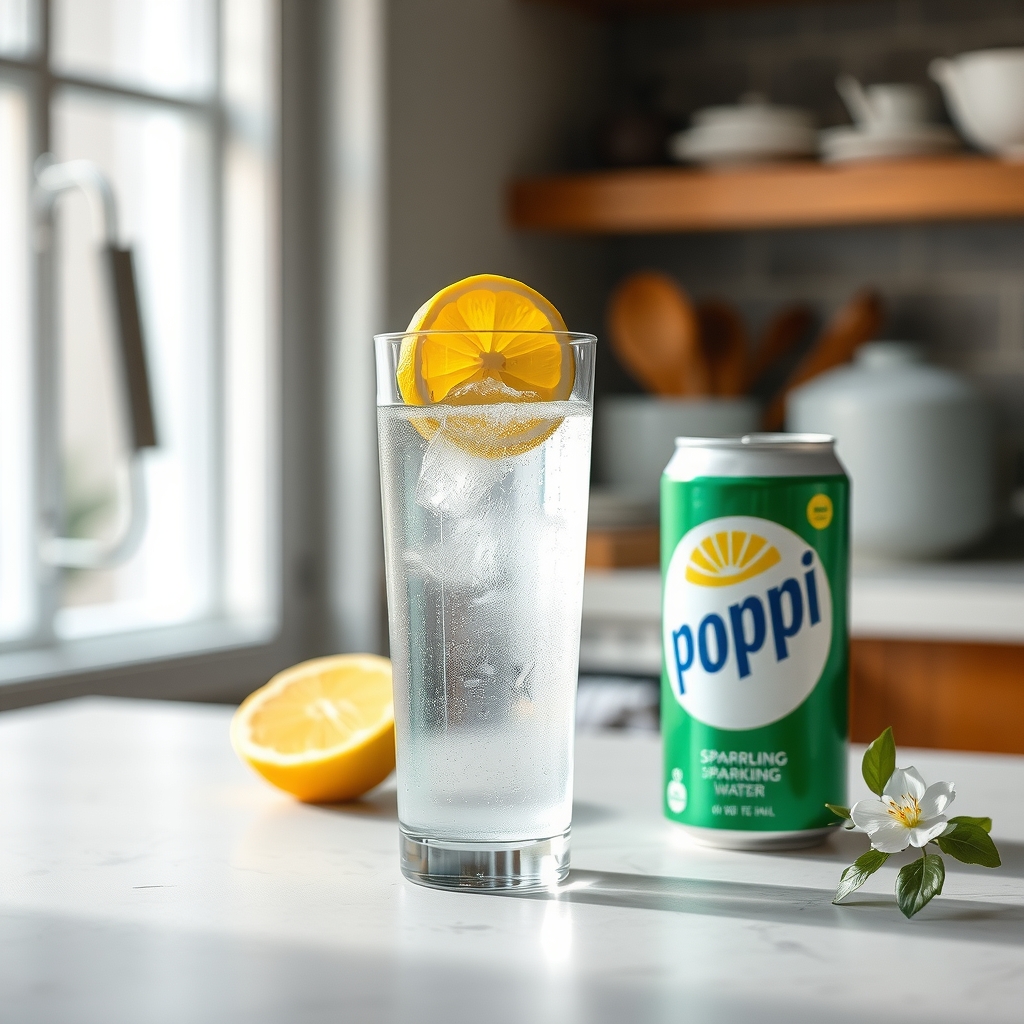
Swap a regular can for sparkling water with a splash of fresh fruit for zero added sugar.
When to call your doctor
If you notice any of the following after drinking Poppi soda, contact your healthcare provider promptly:
Severe or persistent heartburn that interferes with sleep.
Rapid swelling of the lips, tongue, or throat (possible allergic reaction).
Unexplained dizziness, rapid heartbeat, or feeling faint.
Blood‑glucose readings markedly higher than your target range (if you have gestational diabetes).
Persistent abdominal pain or cramping unrelated to normal pregnancy changes.
These signs are not a substitute for professional medical advice; always discuss your beverage choices with your obstetrician or midwife.
References
American College of Obstetricians and Gynecologists. “Nutrition During Pregnancy.” ACOG Committee Opinion, 2020.
National Health Service (UK). “Foods to avoid in pregnancy.” NHS.uk, updated 2022.
U.S. Food and Drug Administration. “Food Additives and Ingredients.” FDA.gov, accessed 2024.
Centers for Disease Control and Prevention. “Gestational Diabetes.” CDC.gov, 2023.
World Health Organization. “Guidelines on sugar intake for adults and children.” WHO, 2015.
Journal of Maternal‑Fetal & Neonatal Medicine. “Safety of probiotic supplementation in pregnancy: a systematic review.” 2021.
American Heart Association. “Added Sugars.” AHA.org, 2022.
International Society for Probiotics and Prebiotics. “Probiotic strain safety assessment.” ISPP, 2020.
American Diabetes Association. “Gestational Diabetes Management.” ADA.org, 2023.
American Academy of Pediatrics. “Caffeine Use During Breastfeeding.” AAP.org, 2021.
Not sure about the label on Is Poppi Soda Safe During Pregnancy products?
Snap the ingredients list and SafeFilter checks every ingredient for your stage — only 3 free scans this month, then you're locked until reset. Unlimited from $7/mo or $50/yr.
When Shubhra Mishra was expecting her first child in 2016, she was overwhelmed by conflicting food advice — one site said yes, another said never. By the time her second baby arrived in 2019, she realized millions of mothers face the same confusion.
That sparked a five-year journey through clinical nutrition papers, cultural diets, and expert conversations — all leading to BumpBites: a calm, compassionate space where science meets everyday motherhood.
Her long-term vision is to build a global community ensuring safe, supported, and free deliveriesfor every mother — because no woman should face pregnancy alone or uninformed. 🌿
🌍 Stand with mothers, shape safer guidance
Join a small circle of experts who review BumpBites articles so expecting parents everywhere can decide with confidence.