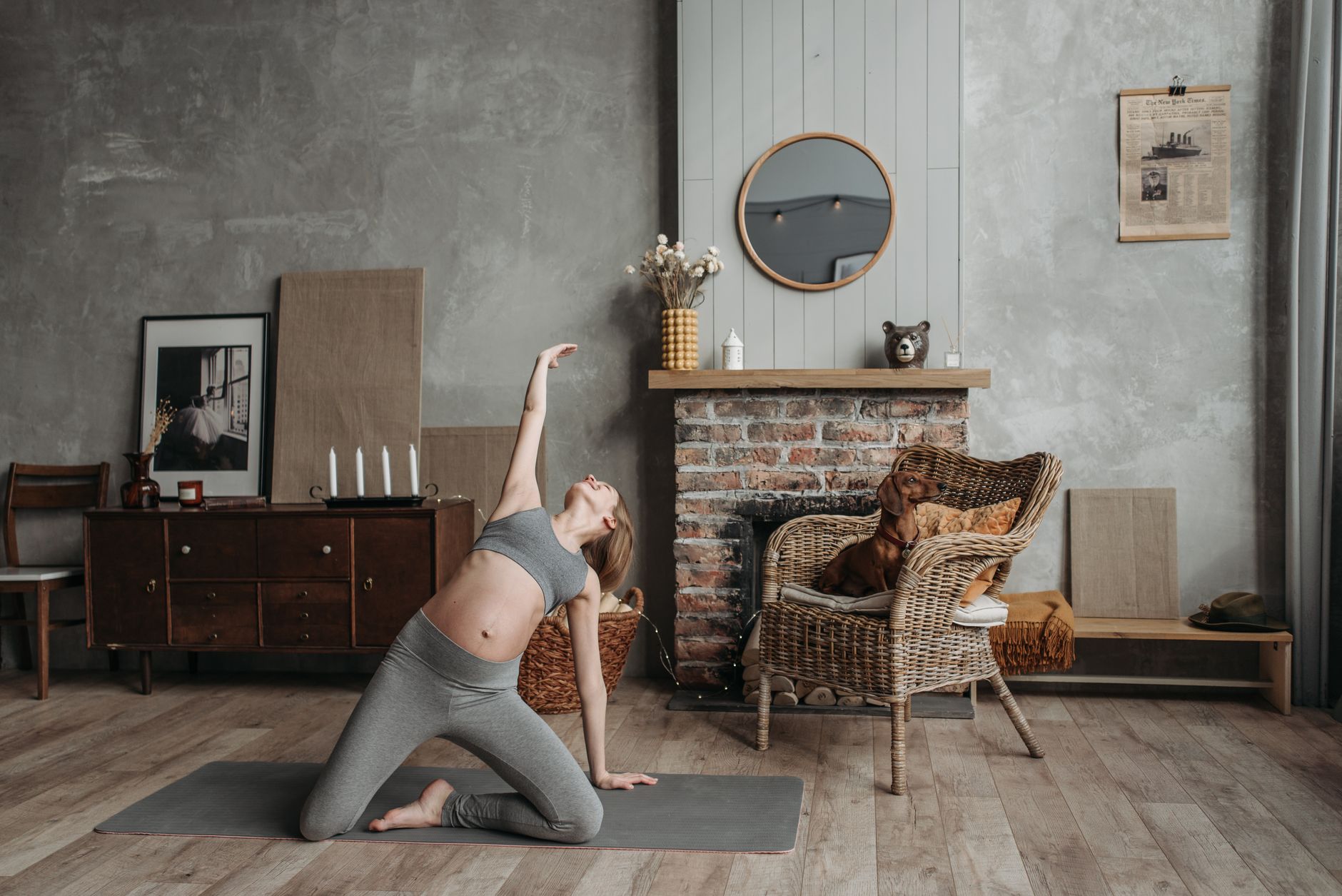
Safe: Pole dancing fitness is safe during the second trimester, provided you avoid high‑impact spins, use proper support, and limit sessions to 30 minutes.
By Shubhra Mishra — a mom of two who turned her own confusion during pregnancy into BumpBites, a global mission to make food choices clear, safe, and stress-free for every expecting mother. 💛
Check whether any food is safe during pregnancy with the BumpBites Food Safety Checker.
Quick verdict: ⚠️ Safe with limits – pole dancing fitness can be continued during pregnancy if you modify intensity, avoid high‑impact tricks, and get clearance from your provider. Keep sessions short, stay hydrated, and listen to your body.
It’s 2 a.m., you’re scrolling through workout videos, and a sudden question pops up: is pole dancing fitness safe during pregnancy? You might be mid‑routine, or perhaps you’re planning your next class and wonder if the spins and climbs could endanger your baby. First, take a breath—you’re not alone. Many expectant parents worry about high‑energy activities, especially those that combine strength, balance, and aerial movement.
In short, most obstetric experts say pole dancing isn’t automatically off‑limits, but it does require careful adjustments. In this article we’ll break down the overall safety verdict, trimester‑specific guidance, recommended frequency, potential risks, equipment considerations, and safer alternatives. We’ll also compare pole dancing to related aerial or dance activities so you can see the whole picture at a glance.
Whether you’re a seasoned pole enthusiast or a curious newcomer, the information below will help you decide confidently, keep your routine pregnancy‑friendly, and know exactly when to call your provider.
Trimester / Breastfeeding
Verdict
Notes
First trimester
⚠️ Safe with limits
Avoid inversions and high‑impact tricks; keep sessions ≤30 min.
Second trimester
⚠️ Safe with limits
Focus on core stability and low‑impact moves; monitor balance.
Third trimester
⚠️ Safe with limits
Modify to seated or floor‑based exercises; stop if any discomfort.
Breastfeeding
✅ Generally safe
Resume once you feel comfortable; avoid excessive strain.
Tip: Keep a water bottle and a soft mat nearby to stay hydrated and protect your joints while you practice.
What is pole dancing fitness?
Pole dancing fitness, often called pole fitness, blends elements of dance, gymnastics, and strength training on a vertical pole. A typical class includes warm‑up stretches, grip work, spins, climbs, and floor‑based conditioning. The activity builds upper‑body and core strength, improves flexibility, and can boost cardiovascular endurance when performed at a higher tempo.
While many associate pole dancing with performance art or adult entertainment, modern studios market it as a full‑body workout suitable for all fitness levels. Instructors usually offer “beginner” or “pregnancy‑friendly” modifications, emphasizing safety, proper spotting, and gradual progression. Because the pole’s surface can be silicone‑coated or stainless steel, grip strength is essential, and the movements often require controlled breathing and body awareness—qualities that are beneficial during pregnancy.
Beyond the physical benefits, pole fitness can also enhance body confidence and reduce stress, both of which are valuable during the emotional ups and downs of pregnancy. The rhythmic flow of movement, combined with music, often creates a meditative experience that supports mental well‑being.
Is pole dancing fitness safe during pregnancy?
C
urrent guidance from the American College of Obstetricians and Gynecologists (ACOG) states that pregnant women may continue low‑impact, non‑contact exercise as long as they avoid activities with a high risk of falling or abdominal trauma. The NHS echoes this, recommending that any sport involving inversion or excessive strain be modified or avoided. Because pole dancing can involve inversions, rapid spins, and aerial lifts, the safety of the activity hinges on how it’s performed.
When practiced with appropriate modifications—such as eliminating head‑over‑heels moves, using a supportive mat, and focusing on core‑stability drills—most studies and expert opinions consider pole dancing fitness conditionally safe. The CDC’s “Physical Activity Guidelines for Pregnancy” also support continued movement, highlighting that maintaining muscle tone can aid labor and postpartum recovery. However, no large‑scale randomized trials specifically examine pole dancing, so clinicians advise individualized assessment.
In short, is pole dancing fitness safe during pregnancy? Yes, if you adapt the routine, stay within recommended intensity limits, and obtain clearance from your obstetric provider. Avoid high‑impact tricks, always warm up, and monitor how your body feels throughout each session.
Because data are limited, many providers rely on broader exercise research. A 2021 systematic review in *Obstetrics & Gynecology* found that women who maintained moderate‑intensity strength training had lower rates of gestational hypertension and better postpartum recovery. While pole dancing was not a specific subgroup, its strength‑building components align with those findings, reinforcing the idea that a well‑modified pole routine can be a healthy choice.
Is pole dancing safe during the first trimester of pregnancy?
The first trimester is a critical period of organ development, often called the “organogenesis” window. Because the uterus is still low in the abdomen, the risk of injury from a fall or sudden jolt is relatively low, but the body’s hormonal changes can affect ligament laxity, increasing the chance of sprains.
During this stage, ACOG advises pregnant people to avoid activities that involve rapid changes in direction, high impact, or potential for loss of balance. For pole dancing, this translates to skipping inversions, aerial drops, and any move that puts pressure on the lower abdomen. Stick to floor‑based core work, gentle spins, and grip strengthening. Sessions should be limited to 20‑30 minutes, and you should always have a spotter or instructor aware of your condition.
Most practitioners report that a modified pole class in the first trimester feels similar to a low‑impact strength circuit. Listen to your body—if you experience dizziness, shortness of breath, or abdominal pain, stop immediately and consult your provider.
Morning sickness can also affect balance and stamina. If nausea is severe, consider swapping a pole session for a gentler activity on that day. Hydration and small, frequent snacks can help stabilize blood sugar and reduce dizziness.
Can I continue pole dancing workouts in my second trimester?
The second trimester is often described as the “golden period” for exercise because many women experience increased energy and a more stable uterus. However, the growing belly shifts the center of gravity, which can affect balance on the pole.
Continuing pole dancing in the second trimester is generally permissible if you focus on moves that keep the belly clear of pressure and avoid any upside‑down positions. Emphasize core engagement, seated spins, and standing climbs that don’t require full inversion. The ACOG recommends moderate‑intensity aerobic activity for at least 150 minutes per week; a pole class that lasts 45 minutes, three times a week, usually fits within this guideline.
Hydration becomes especially important as blood volume expands. Keep a water bottle nearby, and take short breaks if you feel overheated. If you have a history of pre‑eclampsia or hypertension, discuss your routine with your provider before each session.
Because the uterus is now larger, many instructors suggest using a lower pole height or a freestanding pole that can be set at a comfortable level. This reduces the distance you need to climb and makes dismounting safer.
What modifications are recommended for pole dancing in the third trimester?
In the third trimester, the uterus occupies most of the abdominal cavity, making certain movements uncomfortable or unsafe. The primary goal is to maintain mobility without compromising stability.
Recommended modifications include:
Switching to floor‑based routines that mimic pole moves without the vertical component.
Using a sturdy, padded mat underneath the pole to cushion any accidental falls.
Eliminating high‑impact spins and focusing on controlled, slow‑tempo movements.
Incorporating breath‑work and gentle stretching to ease pelvic pressure.
Many studios offer “prenatal pole” classes that replace climbs with seated leg lifts, arm pulls, and resistance‑band exercises. The NHS advises that any activity causing abdominal discomfort should be stopped immediately.
Because the third trimester can bring fatigue, it’s wise to schedule sessions on days when you feel most energetic, and to keep the intensity at a “talk test” level. If you notice any swelling in your hands or feet, pause and elevate your legs.
How many pole dancing sessions per week are safe for pregnant women?
Guidelines for safe exercise frequency during pregnancy suggest 3‑5 sessions per week of moderate intensity, totaling about 150 minutes. For pole dancing, this translates to 2‑3 sessions of 30‑45 minutes each, provided you incorporate the modifications mentioned above.
Each session should begin with a 5‑10 minute warm‑up (light cardio, dynamic stretches) and end with a cool‑down (static stretches, diaphragmatic breathing). Keep the intensity at a “talk test” level—if you can hold a conversation without gasping, you’re likely in the right zone. If you experience excessive fatigue, reduce the frequency or duration.
Pregnant athletes often track their perceived exertion using the Borg Scale (0‑10). Aim for a rating of 4‑6 during pole work. Remember that heart‑rate targets may shift as pregnancy progresses; many providers suggest staying below 140 bpm for moderate activity, especially in the first and third trimesters.
Monitoring your heart rate with a wrist or chest strap can give you real‑time feedback. If you notice an abrupt spike or feel unusually short‑of‑breath, stop, hydrate, and rest before continuing.
What are the risks of pole dancing for pregnant women?
Potential risks include:
Falls or sudden impacts: Even a minor tumble can cause abdominal trauma, especially if the pole is hard or the mat is insufficient.
Joint hypermobility: Pregnancy hormones (relaxin) loosen ligaments, increasing the chance of sprains during grip‑intensive moves.
Overexertion: Prolonged high‑intensity sessions can raise core temperature, which the CDC warns against in the first trimester.
Abdominal pressure: Certain climbs or inversions compress the uterus, potentially reducing blood flow.
Most of these risks can be mitigated with proper spotting, equipment, and by avoiding the most demanding tricks. If you notice any of the following red‑flag signs—persistent dizziness, bleeding, sudden swelling, or severe abdominal pain—stop immediately and contact your healthcare provider.
Are there specific pole dancing brands or equipment safer for pregnancy?
While the pole itself is generally safe if it’s sturdy and well‑maintained, certain features can make it more pregnancy‑friendly:
Silicone‑coated poles: Provide a better grip without requiring excessive hand strength, reducing the need for aggressive pulling.
Adjustable‑height poles: Allow you to set the pole lower, decreasing the distance you must climb and making it easier to step off safely.
Portable, freestanding poles with a wide base: Offer stability on uneven floors and can be moved to a room with extra padding.
Brands such as X‑Pole, Lupit, and PoleFit often advertise weight‑capacity ratings and non‑slip bases, which are beneficial for pregnant users. Always inspect the pole for any cracks or loose fittings before each class, and confirm that the studio follows proper sanitation protocols.
What alternative low‑impact workouts are safe for pregnant women instead of pole dancing?
Prenatal yoga – gentle stretches and breathing improve flexibility without impact.
Swimming – buoyancy reduces joint stress while providing full‑body cardio.
Walking – easy to adjust pace and always low‑risk.
Stationary cycling – keeps heart rate steady without weight‑bearing stress.
Low‑impact Pilates – focuses on core stability safely.
Elliptical training – smooth motion reduces joint strain.
Water aerobics – combines resistance and cardio in a buoyant environment.
Light resistance band exercises – target muscles without heavy loading.
Should I avoid pole dancing if I have pregnancy complications like hypertension?
If you’ve been diagnosed with gestational hypertension, pre‑eclampsia, or any cardiovascular condition, the ACOG recommends limiting high‑intensity or high‑stress activities. Pole dancing that raises heart rate above 140 bpm or involves Valsalva maneuvers (holding breath while straining) could exacerbate blood pressure spikes.
In such cases, opt for low‑impact alternatives like prenatal yoga or walking until your provider clears you for more vigorous exercise. Always monitor your blood pressure before and after a session, and stop if you feel light‑headed or notice swelling.
Consider swapping a high‑impact pole routine for a calming prenatal yoga session when you need a lower‑stress day.
Choosing a pregnancy‑friendly pole studio
Not every studio is equipped to support pregnant dancers. Look for studios that advertise “prenatal” or “pregnancy‑safe” classes, and ask the instructor about their experience with pregnant clients. A knowledgeable teacher will be able to suggest modifications on the spot, provide extra spotting, and ensure the floor surface is padded.
Ask about the pole’s material and stability. Silicone‑coated, adjustable‑height poles are ideal because they reduce the need for aggressive gripping and allow you to lower the pole for an easier dismount. Verify that the studio follows clean‑up protocols—especially important when you’re sweating more than usual.
Physiological changes that affect pole performance
Pregnancy brings several changes that directly impact pole work. Hormonal relaxin loosens ligaments, making you more supple but also more prone to joint sprains. Your center of gravity shifts forward as the belly expands, which can alter balance on the pole and increase the likelihood of wobbling.
Cardiovascular output rises by up to 50 % and blood pressure can fluctuate, meaning you may feel light‑headed more quickly during exertion. Additionally, increased blood volume can lead to swelling in the hands and feet, affecting grip strength. Being aware of these changes helps you choose appropriate modifications and listen to your body’s signals.
Postpartum return to pole dancing
After delivery, most providers recommend a gradual return to exercise, typically after the first 2‑6 weeks, depending on how you feel and the type of delivery you had. Begin with low‑impact core work and gentle stretches, then re‑introduce pole moves slowly.
Pelvic floor health is especially important; many new moms benefit from postpartum pelvic‑floor physiotherapy before attempting climbs or inversions. When you feel ready, start with a reduced‑height pole and focus on seated or floor‑based routines before progressing to standing climbs.
Listen to any lingering soreness or discomfort, and keep the “talk test” in mind—if you can converse comfortably, you’re likely exercising at a safe intensity.
Safety by trimester
First trimester
During weeks 1‑12, the embryo is forming vital organs. ACOG advises avoiding activities with a high risk of falling. For pole dancing, this means no inversions, no aerial drops, and limiting the session to 20‑30 minutes. Focus on grip work, gentle spins, and floor‑based core exercises. Keep a spotter nearby and stay well‑hydrated.
Morning sickness can affect balance, so consider scheduling sessions for times of day when nausea is less severe. If you feel light‑headed, pause, sip water, and have a light snack before continuing.
Second trimester
Weeks 13‑27 bring increased energy but also a shifting center of gravity. You can continue pole fitness if you avoid moves that place pressure on the belly or require you to be upside down. Sessions can be extended to 30‑45 minutes, with a maximum of three times per week. Warm‑up and cool‑down become especially important to prevent ligament strain.
Because the belly is now more pronounced, many instructors recommend a lower pole height or a freestanding pole set at a comfortable level. This reduces the distance you need to climb and makes stepping off safer.
Third trimester
Weeks 28‑40 demand caution as the uterus expands. Prioritize seated or floor‑based adaptations, eliminate high‑impact spins, and limit any climb that feels uncomfortable. Sessions should not exceed 30 minutes, and you may reduce frequency to twice weekly if fatigue sets in. Always have a mat under the pole and a spotter ready.
Pay attention to signs of swelling or reduced blood flow in the legs; elevating your feet after a session can help. If you experience any uterine cramping, stop immediately and consult your provider.
Breastfeeding
Post‑delivery, most providers endorse a gradual return to exercise once you’re cleared, typically after the first 2‑6 weeks. Pole dancing can be resumed with the same modifications used during pregnancy, paying attention to any pelvic floor weakness. Light resistance work and gentle spins are generally well‑tolerated.
Hydration remains key, as breastfeeding increases fluid needs. Keep a water bottle within reach and listen to any signals of fatigue or soreness.
Safe dosage / amount / brands
Because pole dancing isn’t a medication, “dosage” refers to session length, frequency, and intensity. The following table summarizes safe parameters based on trimester:
Trimester
Sessions per week
Duration per session
Intensity (Borg Scale)
First
2‑3
20‑30 min
4‑5 (light‑moderate)
Second
2‑3
30‑45 min
4‑6 (moderate)
Third
1‑2
≤30 min
4‑5 (light‑moderate)
Breastfeeding
2‑3
30‑45 min
4‑6 (moderate)
When selecting equipment, look for:
Adjustable‑height, silicone‑coated poles (e.g., X‑Pole Pro).
Freestanding poles with a wide, non‑slip base (e.g., Lupit Portable).
Poles with certified weight limits exceeding 250 lb for added safety.
Avoid cheap, non‑certified poles that may wobble or have worn‑out grips, as they increase the chance of a slip.
Side effects and risks
While pole dancing is not a medication, certain physiological responses can occur:
Muscle soreness: Normal after a new strength routine; use gentle stretching and hydration.
Joint laxity: Pregnancy hormones can make ligaments more supple; avoid over‑stretching.
Dizziness or light‑headedness: May signal overheating or low blood pressure—stop, sit, and hydrate.
Abdominal discomfort or cramping: Could indicate uterine irritation; cease the activity and contact your provider.
Bleeding or spotting: Immediate medical attention is required; stop all exercise until evaluated.
Most of these are manageable with proper warm‑up, hydration, and listening to your body. However, any sign of severe pain, sudden swelling, or unusual bleeding should prompt a call to your obstetrician.
Safer alternatives
Prenatal yoga – supports flexibility and stress reduction without impact.
Swimming – provides full‑body cardio while the water supports the growing belly.
Walking – easy to adjust pace and always low‑risk.
Stationary cycling – keeps heart rate steady without weight‑bearing stress.
Low‑impact Pilates – strengthens core safely.
Elliptical training – smooth motion reduces joint strain.
Water aerobics – combines resistance and cardio in a buoyant environment.
Light resistance band exercises – target muscles without heavy loading.
Related items — safety at a glance
Item
Verdict
Note
Aerial silks
❌ Best avoided
Involves hanging upside down and high‑impact drops.
Aerial hoop
❌ Best avoided
Similar inversion risks as silks.
Acro yoga
⚠️ Safe with limits
Partner poses can be modified; avoid inversions.
Ballet barre workouts
✅ Generally safe
Low‑impact, focus on balance.
High‑intensity interval training (HIIT)
⚠️ Talk to your doctor first
May raise heart rate too high for some trimesters.
Dance cardio classes
✅ Generally safe
Choose low‑impact styles; avoid jumps.
Pole fitness classes (non‑pregnancy specific)
⚠️ Safe with limits
Same guidelines as pole dancing fitness.
Myth vs. fact
Myth: Pole dancing will always cause a miscarriage.
Fact: No evidence shows that modified pole workouts cause miscarriage; the key is avoiding falls and excessive abdominal pressure.
Myth: All aerial activities are unsafe once you’re pregnant.
Fact: Some aerial arts, like low‑impact aerial yoga, can be adapted safely, though inversion‑heavy disciplines remain high risk.
Myth: You must stop all strength training when pregnant.
Fact: Strength training, including pole‑based core work, is encouraged by ACOG when done with proper modifications and supervision.
Myth: If you feel a little wobble, you should quit pole dancing forever.
Fact: A brief wobble is often just a balance shift due to the growing belly; with proper spotting and lower pole height, you can continue safely.
Key takeaways
Pole dancing fitness can be continued during pregnancy with proper modifications and clearance.
Limit sessions to 20‑45 minutes, 2‑3 times per week, and keep intensity at a “talk test” level.
Avoid inversions, high‑impact tricks, and any move that compresses the abdomen.
Use silicone‑coated, adjustable‑height poles and always practice on a padded surface.
If you have hypertension, gestational diabetes, or any complication, discuss activity plans with your provider.
Consider low‑impact alternatives like prenatal yoga, swimming, or walking for a safer cardio option.
Frequently asked questions
Can you do pole dancing while pregnant?
Yes, you can continue pole dancing while pregnant if you modify the routine, avoid inversions, keep sessions short, and have approval from your obstetric provider.
What are the dangers of pole dancing during pregnancy?
The main dangers are falls, abdominal pressure from inversions, and overexertion that could raise core temperature; these risks are minimized by using low‑impact moves and proper spotting.
How often can a pregnant woman safely pole dance?
Most experts recommend 2‑3 sessions per week, each lasting 20‑45 minutes, with intensity kept at a moderate level (Borg rating 4‑6).
Is it okay to do pole tricks in the second trimester?
In the second trimester, simple spins and floor‑based strength moves are okay, but you should still avoid any upside‑down tricks or moves that place pressure on the belly.
What modifications should pregnant pole dancers make?
Modify by eliminating inversions, using a lower pole height, adding a padded mat, focusing on seated or standing core work, and limiting session length to under 45 minutes.
Are there safer pole dancing equipment options for pregnant women?
Silicone‑coated, adjustable‑height poles with a wide, non‑slip base (e.g., X‑Pole Pro) are considered safer because they provide better grip and allow you to lower the pole for easier dismount.
What are the best alternative exercises for pregnant pole dancers?
Prenatal yoga, swimming, walking, stationary cycling, low‑impact Pilates, elliptical training, water aerobics, and light resistance band exercises all offer safe, low‑impact ways to stay fit.
Should I stop pole dancing if I develop gestational diabetes?
If you develop gestational diabetes, continue low‑impact pole work only if your provider approves; focus on moderate intensity and avoid any moves that could cause spikes in blood sugar.
Can I do pole dancing if I have a history of miscarriage?
Most providers recommend a cautious approach. If you’ve had previous miscarriages, discuss a tailored exercise plan with your obstetrician; low‑impact, modified pole work is often permissible, but you should avoid any moves that increase the risk of falling.
What should I do if I feel a sudden drop in energy during a pole session?
Stop the activity, sit or lie down, hydrate, and have a light snack. If fatigue persists or is accompanied by dizziness, contact your healthcare provider to rule out anemia or blood‑pressure changes.
When to call your doctor
Seek medical attention promptly if you experience any of the following after a pole session: persistent abdominal pain, vaginal bleeding or spotting, sudden swelling of hands or face, severe dizziness, or a rapid increase in blood pressure. Also call if you notice a loss of fetal movement after the 20‑week mark. These signs may indicate a complication that requires professional evaluation.
Other red‑flag symptoms include unexplained shortness of breath, intense uterine cramping, or a sudden drop in energy that doesn’t improve with rest and hydration. If you’re ever unsure whether a symptom is normal, err on the side of caution and reach out to your obstetric provider.
Remember, the information in this article is for educational purposes only and does not replace personalized medical advice. Always discuss any new exercise routine with your obstetric provider.
References
American College of Obstetricians and Gynecologists. “Physical Activity and Exercise During Pregnancy and the Postpartum Period.” ACOG Committee Opinion No. 804, 2020.
National Health Service (UK). “Exercise in pregnancy.” NHS website, updated 2022.
Centers for Disease Control and Prevention. “Physical Activity for Pregnant Women.” CDC Guidelines, 2021.
World Health Organization. “Recommendations on Antenatal Care for a Positive Pregnancy Experience.” WHO, 2016.
Mayo Clinic. “Exercise during pregnancy: How to stay fit.” Mayo Clinic, 2023.
American Pregnancy Association. “Safe Exercise During Pregnancy.” APA, 2022.
American College of Sports Medicine. “Exercise Prescription for Pregnant Women.” ACSM Position Stand, 2021.
Not sure about the label on Is Pole Dancing Fitness Safe During Pregnancy products?
Snap the ingredients list and SafeFilter checks every ingredient for your stage — only 3 free scans this month, then you're locked until reset. Unlimited from $7/mo or $50/yr.
When Shubhra Mishra was expecting her first child in 2016, she was overwhelmed by conflicting food advice — one site said yes, another said never. By the time her second baby arrived in 2019, she realized millions of mothers face the same confusion.
That sparked a five-year journey through clinical nutrition papers, cultural diets, and expert conversations — all leading to BumpBites: a calm, compassionate space where science meets everyday motherhood.
Her long-term vision is to build a global community ensuring safe, supported, and free deliveriesfor every mother — because no woman should face pregnancy alone or uninformed. 🌿
🌍 Stand with mothers, shape safer guidance
Join a small circle of experts who review BumpBites articles so expecting parents everywhere can decide with confidence.