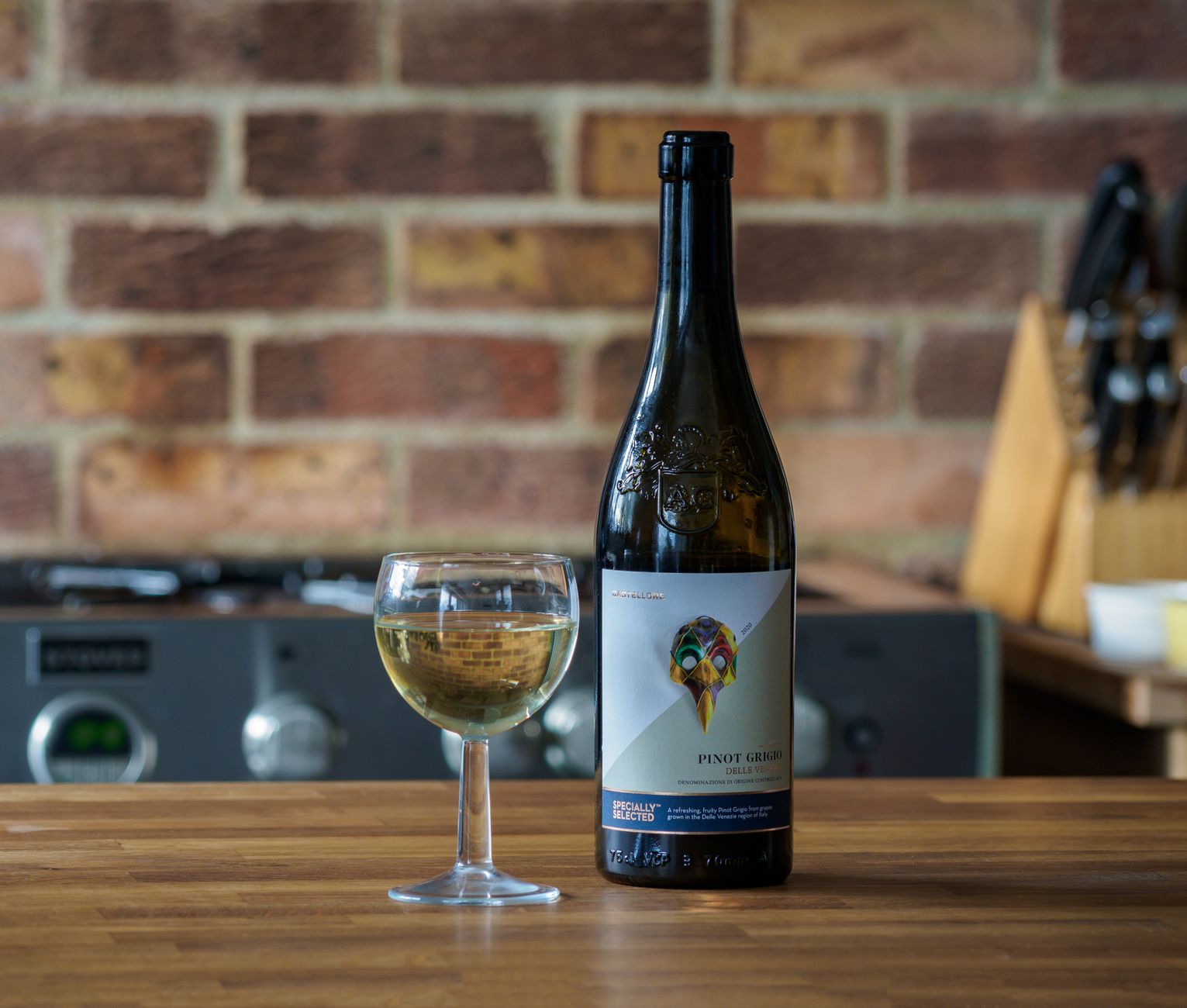
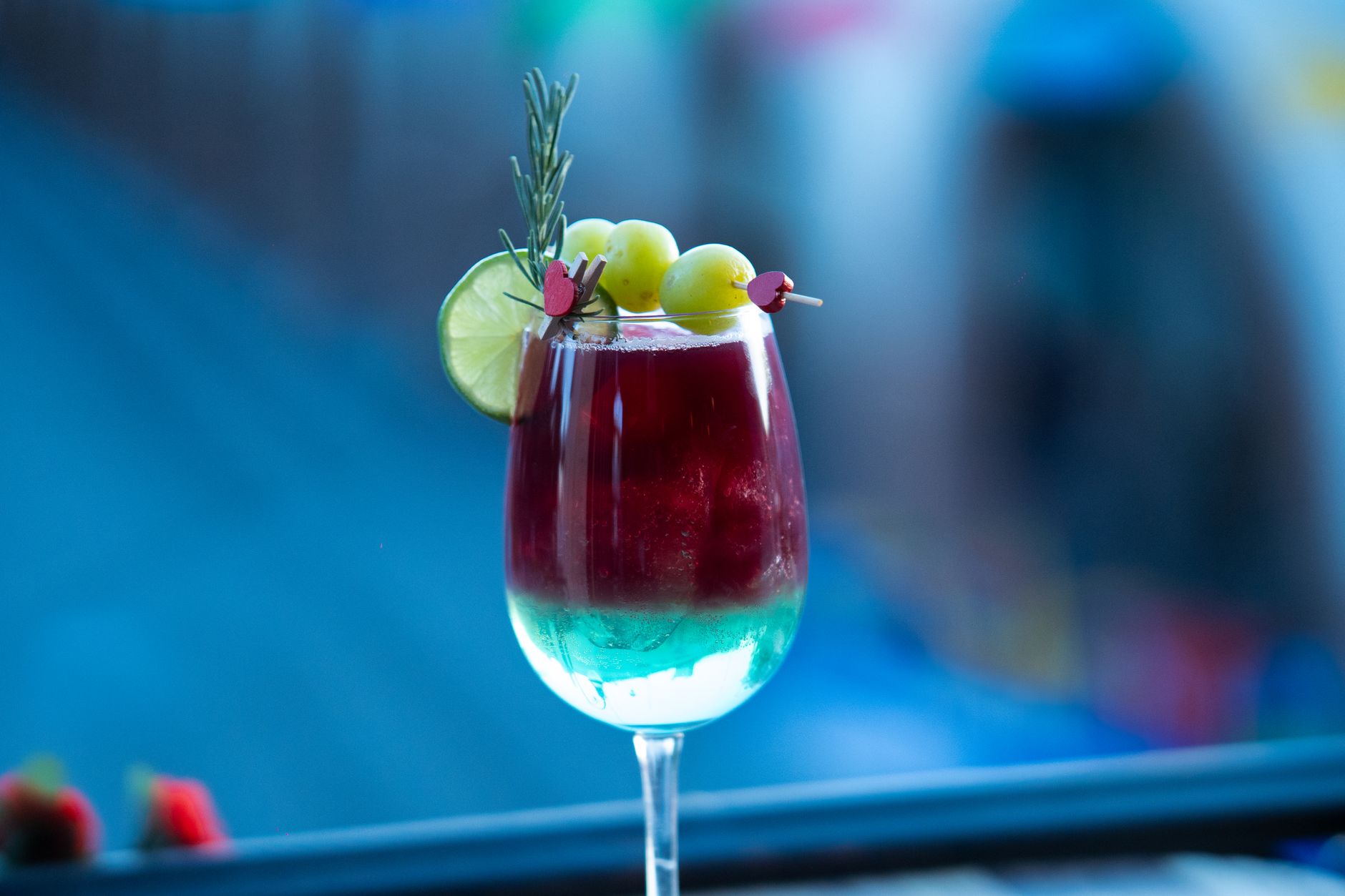
Limit pinot noir during pregnancy. Experts recommend no more than 1 glass (120ml) per week, especially in the first trimester, to minimize risks to your baby.
By Shubhra Mishra — a mom of two who turned her own confusion during pregnancy into BumpBites, a global mission to make food choices clear, safe, and stress-free for every expecting mother. 💛
Check whether any food is safe during pregnancy with the BumpBites Food Safety Checker.
Quick verdict: ❌ Best avoided. Drinking Pinot Noir during pregnancy is not considered safe; even small amounts of alcohol can affect fetal development. If you’ve already had a sip, stay calm and talk to your provider for personalized guidance.
It’s 2 a.m., the kitchen light is on, and you’ve just opened a bottle of Pinot Noir you bought for a dinner party. Suddenly, the question “is pinot noir safe during pregnancy?” pops into your mind, and a wave of worry washes over you. You’re not alone—many expecting parents have that midnight moment of panic.
We’re here to give you a clear, evidence‑based answer right away: Pinot Noir, like all alcoholic beverages, should be avoided throughout pregnancy. Below you’ll find everything you need to know—how much (if any) is considered safe, what the guidance is for each trimester, safer non‑alcoholic alternatives, and when you should reach out to your doctor.
In this guide we’ll walk through the official recommendations from the American College of Obstetricians and Gynecologists (ACOG), the UK’s National Health Service (NHS), and the U.S. Food and Drug Administration (FDA), break down the risk by trimester, discuss brand and organic labeling myths, and give you a quick‑look comparison of other popular wines.
Stage
Verdict
Notes
First trimester
❌ Best avoided
Alcohol exposure during organ formation can increase risk of birth defects and miscarriage.
Second trimester
❌ Best avoided
Even low‑level exposure may affect brain development and growth.
Third trimester
❌ Best avoided
Alcohol can impair fetal lung maturity and increase risk of preterm birth.
Breastfeeding
⚠️ Talk to your doctor
Alcohol passes into breast milk; limit to occasional, very small amounts after consulting your provider.
Even a single sip can raise concerns—understand why health experts recommend avoiding alcohol entirely.
What is Pinot Noir?
Pinot Noir is a thin‑skinned red grape variety originally from Burgundy, France. The wine made from these grapes is known for its light‑to‑medium body, bright acidity, and flavors that range from cherry and raspberry to earthy mushroom notes. Because the grape’s thin skin is prone to disease, winemakers often harvest it early, resulting in lower alcohol percentages (typically 12‑14% ABV) compared with many other reds.
People enjoy Pinot Noir for its elegant palate and its reputation as a “food‑friendly” wine that pairs well with everything from salmon to roasted chicken. It’s also popular for celebrations, dinner parties, and quiet evenings at home. While the lower alcohol content might make it seem less risky than stronger spirits, any amount of ethanol can cross the placenta and affect the developing fetus.
From a metabolic standpoint, the body processes ethanol at a fairly constant rate—about one standard drink per hour—regardless of the source. Because a 5‑ounce glass of Pinot Noir contains roughly 0.6 g of ethanol, the fetal exposure is essentially the same as any other wine with comparable alcohol content. The only variable that changes is the total volume you consume, but the underlying risk remains.
Is Pinot Noir safe during pregnancy?
T
he short answer is no. Major health organizations—including ACOG, the NHS, and the FDA—advise that pregnant people should abstain from alcohol entirely. ACOG’s 2022 Committee Opinion states that “no amount of alcohol has been proven safe for the fetus,” and the NHS echoes this, recommending zero‑alcohol consumption throughout pregnancy.
Alcohol is a known teratogen, meaning it can interfere with normal fetal development. Even low‑level exposure can lead to subtle neurodevelopmental changes that may not become apparent until later in childhood. Studies have linked any alcohol intake during pregnancy to increased risk of fetal alcohol spectrum disorders (FASD), preterm birth, and low birth weight.
Because Pinot Noir’s alcohol content is still ethanol, the same guidance applies. The “safe limit” concept that exists for other substances (like caffeine) does not apply to alcohol; the safest choice is complete avoidance. If you’ve already had a glass, most clinicians advise that a single occasion is unlikely to cause lasting harm, but it’s still worth discussing with your provider.
International guidance aligns on this point. The World Health Organization’s 2021 guidelines advise total abstinence for pregnant people, citing the inability to define a universally “safe” threshold. In Canada, the Society of Obstetricians and Gynaecologists also recommends zero‑alcohol consumption, reinforcing the global consensus that any exposure carries some risk.
Is it safe to drink Pinot Noir during the first trimester?
The first trimester is the period of organogenesis, when the baby’s major organs are forming. This is the window of highest vulnerability to teratogenic agents, including alcohol. ACOG specifically cautions that any alcohol exposure during this stage can increase the risk of birth defects, miscarriage, and developmental problems.
Even a single glass of Pinot Noir (≈5 oz) delivers roughly 0.6 g of ethanol, which is enough to be detectable in the bloodstream and potentially affect the embryo. Because there is no known safe threshold, the recommendation is to avoid alcohol entirely during the first trimester.
If you’ve already consumed a small amount, stay calm. Most research indicates that occasional, low‑level exposure early in pregnancy is not definitively linked to major defects, but you should discuss the situation with your obstetrician to rule out any concerns.
Beyond the immediate risk of structural anomalies, early exposure can also influence epigenetic patterns—tiny chemical tags that control gene activity. While the science is still emerging, some studies suggest that alcohol‑related epigenetic changes may have long‑term implications for metabolism and behavior, underscoring why many clinicians advise strict avoidance during this crucial window.
Can I have a glass of Pinot Noir in the second trimester?
The second trimester sees rapid brain growth and continued organ refinement. While the risk of structural birth defects drops compared with the first trimester, the brain remains highly sensitive to alcohol. Studies from the CDC show that alcohol intake during the second trimester can still affect neurodevelopment, leading to learning and behavior issues later in childhood.
Because the overarching guidance from ACOG and the NHS remains “no alcohol at any stage,” a glass of Pinot Noir in the second trimester is not considered safe. If you’re craving a celebratory drink, consider a non‑alcoholic alternative (see the “Safer alternatives” section) that can provide a similar taste experience without the ethanol.
Some researchers have examined the “dose‑response” relationship for second‑trimester exposure and found a modest increase in odds of attention‑deficit/hyperactivity disorder (ADHD) symptoms when mothers reported any drinking. Although the data are not definitive, the precautionary principle still favors abstinence.
Can I have Pinot Noir in the third trimester?
The third trimester is a period of rapid weight gain and lung maturation. Alcohol can still cross the placenta and affect the fetus’s developing brain and respiratory system. ACOG notes that alcohol consumption in late pregnancy may lead to reduced fetal weight, preterm birth, and complications with newborn adaptation.
Even though many people assume that the risk diminishes later in pregnancy, the evidence shows that ethanol remains a teratogen throughout. The safest approach is to avoid all alcoholic beverages, including Pinot Noir, until after delivery and, if you are breastfeeding, until you have discussed any residual alcohol with your provider.
One small study from the UK examined infants whose mothers drank modest amounts of wine in the third trimester and found a slight increase in neonatal withdrawal symptoms, such as irritability and feeding difficulties. While these findings are not universal, they reinforce the recommendation to stay alcohol‑free.
Is it safe to drink Pinot Noir while breastfeeding?
Alcohol does pass into breast milk at concentrations similar to the mother’s blood alcohol level. The NHS advises that if a nursing parent chooses to consume alcohol, they should wait at least 2‑3 hours per standard drink before breastfeeding, allowing the alcohol to clear from the milk. ACOG adds that frequent or heavy drinking can reduce milk production and affect infant sleep patterns.
Because the safest route for a newborn is complete avoidance of alcohol exposure, many lactation consultants suggest limiting alcohol to occasional, very small amounts—if at all. If you do drink, consider pumping and discarding the milk produced during the period of peak alcohol concentration (usually 30‑90 minutes after consumption) to ensure the infant receives only alcohol‑free milk.
For mothers who struggle with cravings, non‑alcoholic wine or sparkling water with fruit garnish can provide the ritual of a “cheers” moment without compromising infant safety.
Non‑alcoholic red wine can give you the same ceremony without the risk.
How many glasses of Pinot Noir are considered safe during pregnancy?
There is no scientifically established “safe” number of glasses. The consensus among health authorities is that the safest amount is none. The FDA does not set a pregnancy‑specific alcohol limit, and ACOG’s position is that “no amount of alcohol has been proven safe.”
Some older observational studies have suggested that a few occasional drinks may not dramatically increase risk, but these studies are limited by recall bias and do not account for individual susceptibility. Therefore, the evidence‑based recommendation is to avoid Pinot Noir entirely throughout pregnancy.
Even if you’re only sipping a half‑glass, the ethanol still reaches the fetal circulation. Because the fetus lacks a fully functional liver to metabolize alcohol, any exposure can accumulate, especially if multiple small sips are taken over several days.
Safe dosage, amount, and brand considerations
Because the recommendation is to abstain, there is no defined “safe dosage” for Pinot Noir during pregnancy. If you are looking for a brand that markets a non‑alcoholic version, look for products labeled “0 % ABV” and certified by a reputable lab. Avoid wines that claim “low‑alcohol” (e.g., 5 % ABV) because they still contain ethanol.
When choosing non‑alcoholic alternatives, prioritize those without added sugars or artificial sweeteners, especially if you have gestational diabetes. Check the ingredient list for any hidden alcohol‑based flavor extracts, which some “alcohol‑free” wines may contain in trace amounts.
Below is a quick reference that compares typical alcohol content in common wines with the “no‑drink” guideline:
Wine type
Typical ABV
Standard 5 oz serving (g ethanol)
Pregnancy guidance
Pinot Noir
12‑14%
≈0.6 g
❌ Avoid
Merlot
13‑15%
≈0.7 g
❌ Avoid
Champagne (dry)
12%
≈0.5 g
❌ Avoid
Non‑alcoholic wine
0%
0 g
✅ Safe (check label)
Side effects and risks
Even small amounts of alcohol can cause short‑term effects for the mother, such as dizziness, nausea, and impaired judgment. For the fetus, the primary concern is exposure to ethanol, which can interfere with cell division and brain development.
Red‑flag signs that warrant immediate medical attention:
Persistent vomiting or inability to keep fluids down after drinking.
Rapid heartbeat, severe headache, or visual disturbances.
Signs of fetal distress (decreased movement, abnormal heart rate).
If you experience any of these symptoms, contact your obstetrician or seek emergency care right away. Remember, occasional, low‑level exposure is unlikely to cause acute toxicity, but it is still best to discuss any alcohol intake with your provider.
Safer alternatives
Non‑alcoholic red wine: Offers the same flavor profile without ethanol.
Grape juice: Provides the natural sweetness of grapes and vitamin C.
Pomegranate juice: Rich in antioxidants and a festive deep‑red color.
Sparkling water with a splash of cranberry: Gives a celebratory fizz.
Caffeine‑free herbal tea (e.g., rooibos or hibiscus): Warm, flavorful, and completely alcohol‑free.
Fruit smoothies: Blend berries, banana, and a splash of orange juice for a nutritious treat.
Cranberry mocktail: Mix cranberry juice, a squeeze of lime, and soda water for a refreshing cocktail‑like experience.
Virgin sangria: Combine chopped fresh fruit, grape juice, and sparkling water for a party‑ready beverage.
White wine still contains ethanol; no safety advantage.
Rosé wine
❌ Best avoided
Often 12‑13% ABV, same teratogenic risk.
Sauvignon Blanc
❌ Best avoided
Alcohol present; avoid during pregnancy.
Zinfandel
❌ Best avoided
Typically higher ABV (14‑16%); higher fetal exposure.
Non‑alcoholic wine
✅ Safe (check label)
Zero‑percent alcohol, but watch for hidden extracts.
Beer (light)
❌ Best avoided
Even low‑ABV beers contain ethanol.
Myth vs. fact
Myth: A single glass of Pinot Noir is harmless because it’s “light‑bodied.”
Fact: Any amount of alcohol can cross the placenta; even light‑bodied wines contain ethanol that may affect fetal development.
Myth: Organic wine is safe for pregnant women.
Fact: Organic labeling only refers to farming practices; it does not eliminate alcohol, which is the primary risk factor.
Myth: Drinking wine only during the third trimester is safe.
Fact: Alcohol can affect brain development throughout pregnancy; the safest approach is abstinence at all stages.
Myth: “Low‑alcohol” wines are a pregnancy‑friendly option.
Fact: Even a “low‑alcohol” wine (e.g., 5% ABV) still delivers ethanol and should be avoided.
Key takeaways
❌ The evidence‑based verdict: avoid Pinot Noir (and all alcoholic drinks) throughout pregnancy.
There is no established “safe amount”; the safest choice is none.
Risks include miscarriage, fetal growth restriction, and FASD.
Organic or low‑alcohol labeling does not make the wine safer.
Non‑alcoholic red wine, grape juice, and herbal teas are safe, enjoyable alternatives.
If you’ve already consumed a glass, stay calm and discuss it with your provider.
During breastfeeding, limit alcohol and consider pumping and discarding milk if you do drink.
Frequently asked questions
Can I drink wine while pregnant?
No, health authorities such as ACOG and the NHS advise that pregnant people should abstain from all wine, including Pinot Noir, because no level of alcohol has been proven safe.
What is the safest amount of alcohol during pregnancy?
The safest amount is none; the consensus among major medical organizations is that complete avoidance eliminates the risk of alcohol‑related fetal harm.
Does red wine affect fetal development?
Yes, ethanol in red wine can cross the placenta and interfere with organ formation and brain development, increasing the risk of FASD and other complications.
Are non‑alcoholic wines safe for pregnant women?
Non‑alcoholic wines labeled “0 % ABV” are generally considered safe, but always check the ingredient list for hidden alcohol‑based extracts and discuss any concerns with your provider.
When can I start drinking wine again after pregnancy?
Most providers suggest waiting until after delivery and after you’ve stopped breastfeeding, typically a few weeks postpartum, but you should confirm with your obstetrician based on your personal health and any medications you may be taking.
Is it okay to have a glass of wine at a wedding while pregnant?
Even a single glass at a wedding is not recommended; consider a non‑alcoholic alternative or a sparkling water with fruit garnish to enjoy the celebration without risk.
What are the signs of alcohol exposure in a fetus?
There are no immediate outward signs, but long‑term effects can include growth deficits, facial abnormalities, and neurodevelopmental delays that are typically identified later in childhood.
Can occasional wine consumption cause birth defects?
Yes, occasional consumption still carries a risk; because the exact threshold for safety is unknown, the precautionary principle advises complete avoidance.
Can I drink Pinot Noir if I’m trying to conceive?
While the risk is lower before pregnancy is confirmed, many experts recommend limiting alcohol when trying to conceive because alcohol can affect hormone balance and sperm quality in men, and ovulation in women.
Does cooking with Pinot Noir make it safe for pregnant guests?
Most of the alcohol evaporates during cooking, but a small amount can remain. To be completely safe, use alcohol‑free substitutes like grape juice or broth when preparing meals for pregnant guests.
When to call your doctor
Contact your obstetrician or seek urgent care if you experience any of the following after consuming alcohol: persistent vomiting, severe headache, rapid heartbeat, visual disturbances, or notice a sudden decrease in fetal movement. Even if you only had a small sip, discussing it with your provider can provide peace of mind and personalized guidance.
These guidelines are informational and not a substitute for professional medical advice. Always consult your health care provider with any concerns about alcohol consumption during pregnancy.
References
American College of Obstetricians and Gynecologists. Committee Opinion No. 757: Alcohol Use and Pregnancy, 2022.
National Health Service (NHS). “Alcohol and pregnancy” guidance, updated 2023.
U.S. Food and Drug Administration (FDA). “Alcohol Use in Pregnancy” consumer information, 2021.
Centers for Disease Control and Prevention (CDC). Fetal Alcohol Spectrum Disorders (FASDs) overview, 2022.
World Health Organization (WHO). “Guidelines for the safe use of alcohol” technical report, 2021.
Mayo Clinic. “Alcohol use in pregnancy: Effects, recommendations, and safety,” 2023.
Society of Obstetricians and Gynaecologists of Canada. “Alcohol and pregnancy” clinical practice guideline, 2022.
National Institute on Alcohol Abuse and Alcoholism (NIAAA). “Alcohol metabolism and pregnancy,” 2022.
Not sure about the label on Is Pinot Noir Safe During Pregnancy products?
Snap the ingredients list and SafeFilter checks every ingredient for your stage — only 3 free scans this month, then you're locked until reset. Unlimited from $7/mo or $50/yr.
When Shubhra Mishra was expecting her first child in 2016, she was overwhelmed by conflicting food advice — one site said yes, another said never. By the time her second baby arrived in 2019, she realized millions of mothers face the same confusion.
That sparked a five-year journey through clinical nutrition papers, cultural diets, and expert conversations — all leading to BumpBites: a calm, compassionate space where science meets everyday motherhood.
Her long-term vision is to build a global community ensuring safe, supported, and free deliveriesfor every mother — because no woman should face pregnancy alone or uninformed. 🌿
🌍 Stand with mothers, shape safer guidance
Join a small circle of experts who review BumpBites articles so expecting parents everywhere can decide with confidence.