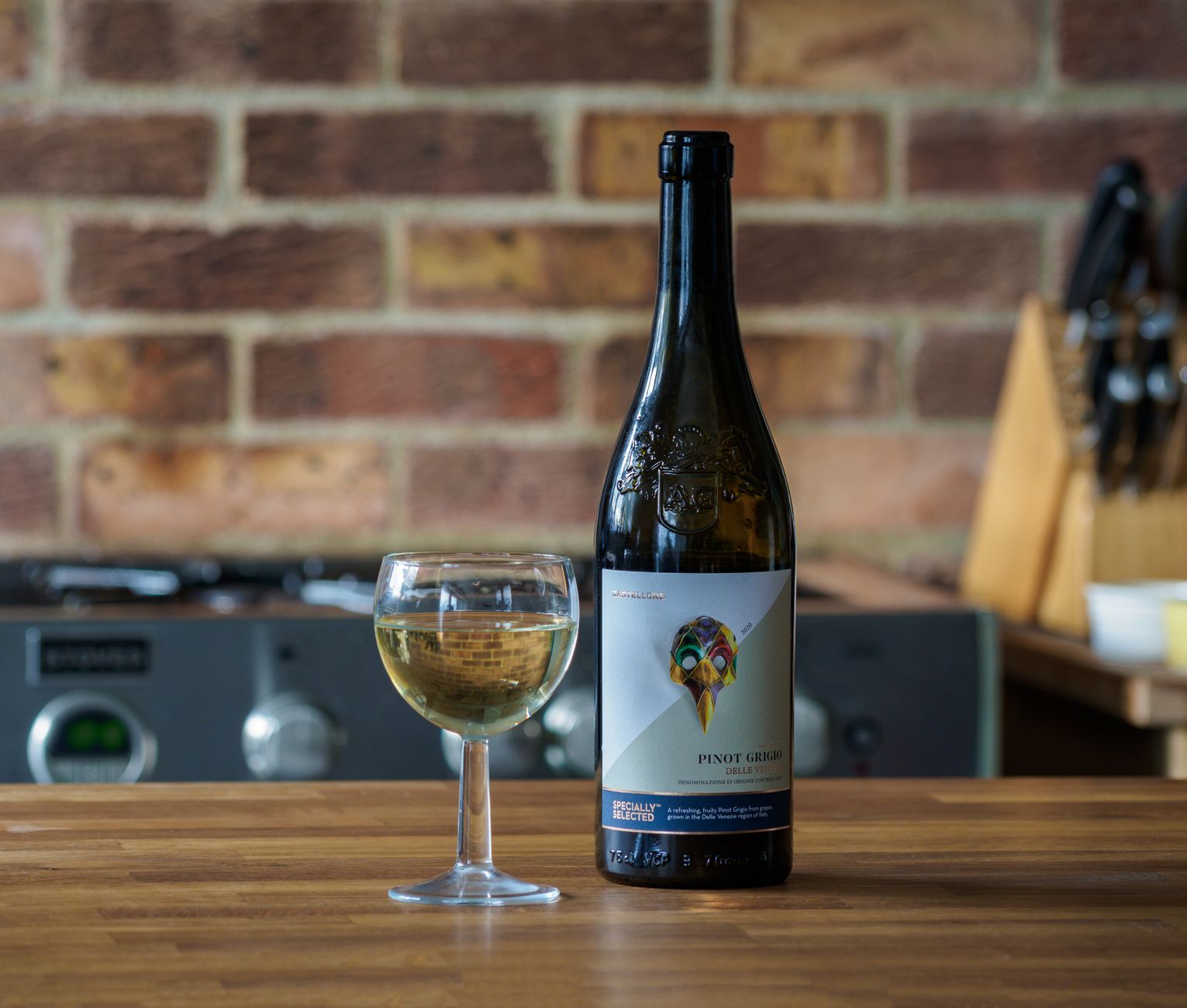
Avoid Pinot Grigio during pregnancy – alcohol can harm fetal development, especially in the first trimester, and no safe amount is established, so complete abstinence is recommended.
By Shubhra Mishra — a mom of two who turned her own confusion during pregnancy into BumpBites, a global mission to make food choices clear, safe, and stress-free for every expecting mother. 💛
Check whether any food is safe during pregnancy with the BumpBites Food Safety Checker.
Quick verdict: ❌ Best avoided. No amount of Pinot Grigio is considered safe during pregnancy, and the safest choice is to skip it entirely. If you’ve already had a sip, stay calm and talk to your provider about any concerns.
It’s 2 a.m., the kitchen light is on, and you’ve just opened a bottle of Pinot Grigio that you thought would be a harmless way to unwind. Suddenly, the question is pinot grigio safe during pregnancy floods your mind. You’re not alone—many expecting parents wonder the same thing after a casual glass or before a celebration. The short answer is clear: it’s safest to avoid Pinot Grigio altogether.
In this guide we’ll walk you through what Pinot Grigio is, why alcohol is a concern for a developing baby, how the risk changes (or doesn’t) across each trimester, what “low‑risk” amounts actually mean, and whether any brand differences matter. We’ll also suggest non‑alcoholic alternatives that still let you enjoy a crisp, white‑wine vibe, and compare Pinot Grigio to other popular beverages. By the end, you’ll have the evidence‑based facts you need to make a confident decision and know exactly when to call your doctor.
We understand that the anxiety of a 3 a.m. search can feel overwhelming. The good news is that the science is clear and the guidance is consistent: abstaining from alcohol eliminates the risk. Even if you’ve already taken a sip, the risk from a single glass is low, and you have practical steps you can take right now. Let’s dive in.
Period
Verdict
Notes
First trimester
❌ Best avoided
Organ formation is most vulnerable; any alcohol can increase risk of miscarriage or fetal alcohol spectrum disorders.
Second trimester
❌ Best avoided
Growth is rapid; alcohol still poses risks for neurodevelopment.
Third trimester
❌ Best avoided
Brain maturation continues; alcohol can affect birth weight and cause developmental delays.
Breastfeeding
⚠️ Talk to your doctor
Alcohol passes into breast milk; even small amounts can affect infant sleep and feeding.
What is Pinot Grigio?
Pinot Grigio (known as Pinot Gris in France) is a white wine made from the Pinot Gris grape, a mutation of the Pinot Noir variety. The wine is typically light‑bodied, crisp, and has an alcohol by volume (ABV) ranging from 11% to 13%, though some “light” versions may sit closer to 10%. Its flavor profile often includes notes of green apple, citrus, and sometimes a subtle mineral finish, making it a popular choice for casual sipping and food pairings.
Winemakers produce Pinot Grigio in many regions—Italy’s Veneto and Friuli‑Venezia Giulia, the United States (especially California), and parts of Australia. The production process involves fermenting the grape juice without the skins, which keeps the wine clear and gives it that pale straw color. Because the drink is low in tannins and relatively easy on the palate, it’s frequently chosen for celebrations, brunches, and relaxed evenings.
For pregnant people, the key consideration isn’t the grape variety but the alcohol content. Even “light” versions still contain ethanol, which can cross the placenta and affect the fetus. Understanding how alcohol works in the body helps clarify why many health authorities advise complete abstinence during pregnancy.
Beyond the glass, Pinot Grigio has cultural significance in many Mediterranean celebrations, often paired with seafood or light salads. While the taste may feel essential to a festive moment, remembering that the same enjoyable flavor can be achieved with non‑alcoholic options can reduce anxiety and keep the focus on the celebration itself.
Even a single glass of wine contains enough alcohol to reach the developing baby.
Is Pinot Grigio safe during pregnancy?
Current guidance from the American College of Obstetricians and Gynecologists (ACOG) states that “no amount of alcohol is known to be safe during pregnancy.” The United Kingdom’s NHS echoes this, recommending total abstinence because even low‑level exposure can affect fetal development. The U.S. Centers for Disease Control and Prevention (CDC) and the Food and Drug Administration (FDA) also advise pregnant people to avoid alcoholic beverages entirely.
Pinot Grigio’s alcohol content (≈12% ABV) means a standard 5‑oz (150 ml) glass delivers about 0.6 oz (14 g) of pure ethanol—roughly the same amount as a glass of red or rosé wine. Studies on low‑level alcohol exposure have not identified a “safe threshold,” and the risk of fetal alcohol spectrum disorders (FASD) increases with any exposure, especially during the first trimester when organogenesis occurs.
Some older studies suggested that occasional, small‑quantity drinking might pose minimal risk, but more recent systematic reviews (e.g., WHO 2022) highlight the difficulty of pinpointing a truly risk‑free amount. Because the safest recommendation is simple and clear—avoid alcohol altogether—most obstetricians and midwives follow the “zero‑tolerance” approach.
It’s also worth noting that alcohol metabolism varies between individuals. Genetic differences in enzymes such as alcohol dehydrogenase can affect how quickly ethanol is cleared, meaning that the same amount of wine may linger longer in one person’s bloodstream than another’s. This variability further supports the universal recommendation of abstinence.
Is it safe to drink Pinot Grigio during the first trimester?
The first trimester (weeks 1‑13) is the period of organ formation, making it the most vulnerable window for teratogenic effects. Alcohol, including Pinot Grigio, can interfere with cell migration and DNA synthesis, raising the risk of miscarriage, congenital anomalies, and early neurodevelopmental issues. ACOG’s “no safe level” stance applies especially here, so the verdict remains ❌ Best avoided.
Beyond structural concerns, early exposure can influence the brain’s wiring in ways that manifest later as learning difficulties or behavioral challenges. Even a single exposure during this critical window may have lasting consequences, which is why many providers stress complete abstinence from the moment pregnancy is confirmed.
Can I have a glass of Pinot Grigio in the second trimester?
During weeks 14‑27, the fetus experiences rapid growth and brain development. While the risk of structural birth defects diminishes after the first trimester, alcohol still impairs neuronal development and can affect birth weight. The CDC notes that any alcohol exposure can lead to subtle cognitive and behavioral outcomes later in childhood. Therefore, even in the second trimester, Pinot Grigio is ❌ Best avoided.
Some pregnant people wonder whether the “second‑trimester lull” makes occasional sipping acceptable. The evidence does not support a safety window; alcohol’s impact on the developing brain continues throughout pregnancy, and the safest path remains avoidance.
What amount of Pinot Grigio is considered low risk for pregnant women?
“Low risk” is a misnomer when it comes to alcohol in pregnancy. The U.K. NHS and ACOG both advise that no amount of Pinot Grigio is proven safe. Some European guidelines (e.g., Italy) suggest up to one standard drink per week may be acceptable, but these are not endorsed by U.S. or U.K. agencies. If you’re already pregnant, the most evidence‑based approach is to abstain entirely. If you’ve had a single glass, the risk is likely low, but you should still discuss it with your provider.
Because the body processes alcohol at roughly one standard drink per hour, a single glass can stay in your bloodstream for several hours, especially if you’re metabolically slower. This lingering exposure underscores why even modest amounts are discouraged.
Are there non‑alcoholic Pinot Grigio alternatives that taste similar?
Yes—several non‑alcoholic beverages capture the crisp, fruity profile of Pinot Grigio without the ethanol. Options include:
Non‑alcoholic white wine (often labeled “de‑alcoholized” and retaining the grape’s aroma).
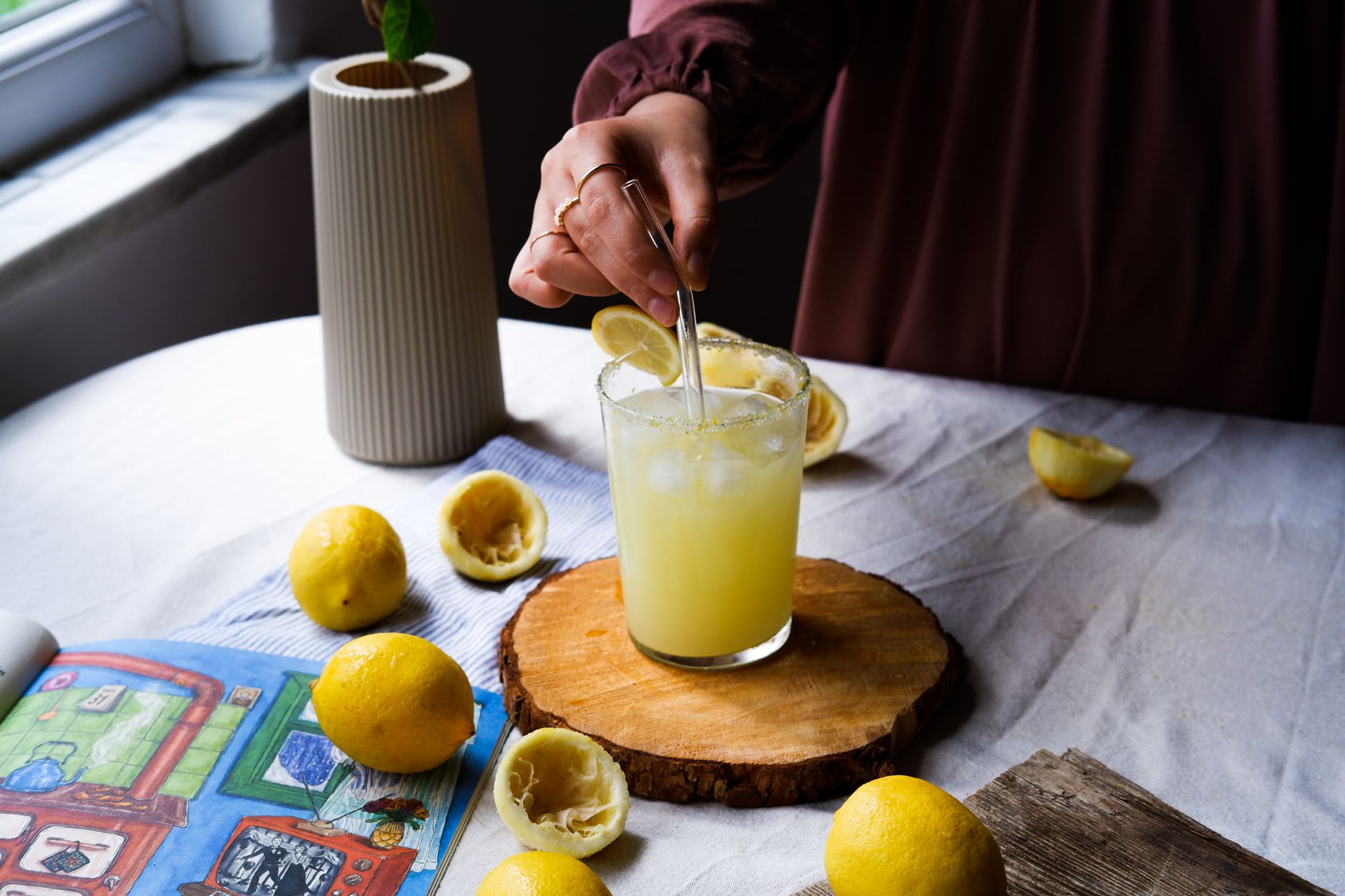
Sparkling water with a splash of white grape juice or a slice of lemon.
Pure white grape juice, served chilled.
Herbal teas such as rooibos or chamomile, which are naturally caffeine‑free and can be served hot or cold.
Kombucha (non‑alcoholic versions, typically <0.5% ABV).
Apple cider (non‑alcoholic, pressed from fresh apples).
Coconut water, offering a subtle sweetness and electrolytes.
These alternatives provide the celebratory feel of a glass on the table while keeping you and your baby safe. Many are also rich in antioxidants and vitamins, adding a nutritional bonus to the festive experience.
Does the brand of Pinot Grigio affect its safety during pregnancy?
Brand differences rarely matter for safety because the main variable is alcohol percentage, which falls within a narrow range for most Pinot Grigio wines (11‑13% ABV). Some boutique producers label their wine as “light” with slightly lower ABV (≈10%), but even that still delivers ethanol. The FDA requires alcohol content to be disclosed on the label, so you can compare percentages, but the verdict remains the same: any brand containing alcohol should be avoided during pregnancy.
Occasionally, “low‑alcohol” or “reduced‑calorie” wines appear on shelves. Even when the ABV drops to 5% or 7%, the drink still contains enough ethanol to be a concern. The safest route is to choose a completely non‑alcoholic product.
What are the potential risks of drinking Pinot Grigio while pregnant?
Alcohol exposure can lead to several adverse outcomes, including:
Miscarriage or stillbirth.
Fetal alcohol spectrum disorders (FASD), which encompass a range of physical, cognitive, and behavioral problems.
Low birth weight and preterm birth.
Neurodevelopmental delays that may not become apparent until school age.
Increased risk of gestational hypertension and placental problems.
These risks are dose‑dependent, but the safest path is to eliminate exposure entirely.
How does drinking Pinot Grigio affect pregnancy complications like gestational diabetes?
Alcohol can interfere with glucose metabolism and insulin sensitivity. Studies linking moderate alcohol intake to gestational diabetes show mixed results, but the consensus is that any alcohol can exacerbate blood‑sugar fluctuations, especially when combined with sugary mixers. For pregnant people managing gestational diabetes, avoiding Pinot Grigio eliminates an unnecessary variable that could destabilize glucose control.
Moreover, alcoholic drinks often contain added sugars, which can further challenge blood‑sugar management. Choosing a sugar‑free, non‑alcoholic alternative can help maintain tighter glycemic control.
Is occasional Pinot Grigio consumption safer than regular drinking during pregnancy?
Occasional consumption is less risky than daily drinking, but the risk is not zero. The CDC emphasizes that even a single binge episode (four or more drinks in a short period) can cause significant fetal harm. ACOG’s “no safe level” policy means that occasional sipping still carries a measurable risk, especially during the first trimester. If you’re unsure, it’s best to choose a non‑alcoholic alternative.
For those who have already had a glass, the key is not to add more and to stay hydrated. Alcohol is metabolized primarily by the liver, and adequate water intake supports this process.
Try sparkling water with a splash of white grape juice for a festive, alcohol‑free toast.
Safe dosage / amount / brands
Because the safest recommendation is zero alcohol, there is no “safe dosage” of Pinot Grigio for pregnant people. If you’re looking for a concrete reference point, a standard drink (5 oz of 12% wine) contains about 14 g of pure alcohol. The U.S. Dietary Guidelines for Americans define moderate drinking for non‑pregnant adults as up to one drink per day for women, but this guideline does not apply to pregnancy.
If you have already consumed a glass, note the following:
Do not add more drinks for the remainder of the day.
Stay hydrated with water to help metabolize the alcohol.
Monitor for any unusual symptoms (e.g., dizziness, rapid heartbeat).
When choosing a wine for non‑pregnant occasions, look for the ABV on the label. Brands such as Santa Margherita or Barefoot list their alcohol percentage clearly, but remember that the label does not change the safety recommendation for pregnancy.
Side effects and risks
Short‑term side effects of a single glass of Pinot Grigio may include mild dizziness, flushing, or a warm sensation. For the fetus, the primary concerns are:
Fetal alcohol exposure: Even low levels can affect brain cell development.
Miscarriage risk: Alcohol can interfere with implantation and early placental function.
Growth restriction: Reduced birth weight and possible preterm delivery.
Long‑term neurodevelopmental issues: Learning difficulties and behavioral problems that may appear later in childhood.
If you notice any of the following after drinking, contact your provider promptly: persistent vomiting, severe headache, rapid heartbeat, chest pain, shortness of breath, or any signs of preterm labor (such as regular contractions or fluid leakage).
Safer alternatives
Non‑alcoholic white wine – retains the grape aroma without ethanol.
Sparkling water with a splash of fruit juice – offers a festive fizz and subtle sweetness.
White grape juice – mimics the fruity profile of Pinot Grigio.
Herbal tea (chamomile or rooibos) – caffeine‑free and soothing.
Kombucha (non‑alcoholic) – provides a tangy, effervescent option.
Apple cider (non‑alcoholic) – warm or chilled, with a comforting flavor.
Coconut water – hydrating and naturally sweet.
Related items — safety at a glance
Beverage
Verdict
One‑line note
Chardonnay
❌ Best avoided
Similar ABV to Pinot Grigio; alcohol risk remains.
Sauvignon Blanc
❌ Best avoided
Light‑bodied white wine, still contains ethanol.
Rosé wine
❌ Best avoided
Often 12% ABV; same fetal risks as other wines.
Champagne
❌ Best avoided
Higher carbonation doesn’t reduce alcohol risk.
Prosecco
❌ Best avoided
Typically 11% ABV; same precaution applies.
Red wine
❌ Best avoided
Contains tannins but alcohol risk is unchanged.
Beer
❌ Best avoided
Even low‑ABV beers deliver ethanol.
Hard cider
❌ Best avoided
Cider’s alcohol content varies but still poses risk.
Myth vs. fact
Myth: A glass of wine is harmless if you only drink it once.
Fact: The CDC and ACOG maintain that any alcohol exposure, even a single sip, can affect fetal development; the safest choice is to abstain.
Myth: White wines are safer than reds because they have fewer additives.
Fact: The primary safety concern is ethanol, not sulfites or other additives; both white and red wines carry the same pregnancy risk.
Myth: “Light” or “low‑alcohol” Pinot Grigio is safe for occasional drinking.
Fact: Even low‑alcohol wines contain enough ethanol to cross the placenta; no level is proven safe.
Myth: A small amount of wine can help relax tension during pregnancy.
Fact: Relaxation techniques such as deep breathing, prenatal yoga, or a warm bath are safe, evidence‑based alternatives that do not involve alcohol.
Key takeaways
❌ No amount of Pinot Grigio is considered safe during pregnancy; complete abstinence is the evidence‑based recommendation.
The first trimester is the most vulnerable period, but risks persist throughout pregnancy and while breastfeeding.
Brand differences do not change the safety verdict; all alcoholic Pinot Grigio contains ethanol.
Non‑alcoholic alternatives (white grape juice, sparkling water with juice, non‑alcoholic white wine) provide a festive experience without risk.
If you’ve already consumed Pinot Grigio, stay hydrated, monitor for symptoms, and discuss it with your provider.
Choosing relaxation methods that don’t involve alcohol can help you feel calm and supported throughout pregnancy.
Frequently asked questions
Can I drink wine while pregnant?
No. ACOG and the NHS both advise that pregnant people should not drink wine at any point in pregnancy because no amount has been proven safe.
What is the safest amount of alcohol during pregnancy?
The safest amount is none; health authorities in the U.S., U.K., and Canada recommend total abstinence to eliminate any risk of fetal alcohol spectrum disorders.
Does Pinot Grigio contain more alcohol than other white wines?
Pinot Grigio typically has an ABV of 11‑13%, which is comparable to most other white wines such as Chardonnay or Sauvignon Blanc.
Are there any benefits to drinking wine during pregnancy?
There are no proven benefits; any potential antioxidant content is outweighed by the risks of ethanol exposure to the fetus.
How does alcohol affect fetal development?
Alcohol crosses the placenta and can disrupt cell growth, leading to structural defects, growth restriction, and neurodevelopmental problems collectively known as fetal alcohol spectrum disorders.
What are the signs of fetal alcohol syndrome?
Signs may include facial abnormalities (smooth philtrum, thin upper lip), growth deficits, and neurobehavioral issues such as learning disabilities and poor impulse control.
Can occasional wine consumption cause birth defects?
Yes. Even occasional or “social” drinking can increase the risk of birth defects and developmental delays, especially if it occurs during the first trimester.
Is it okay to have a glass of wine at a wedding while pregnant?
It is not recommended. The safest choice is to opt for a non‑alcoholic beverage at celebrations to avoid any potential fetal exposure.
If I’ve already had a glass in my third trimester, do I need to worry?
A single glass in the third trimester is unlikely to cause severe harm, but it does still pose a risk for low birth weight and neurodevelopmental effects. Contact your provider to discuss any concerns and to ensure appropriate monitoring.
Are there herbal “wine‑like” drinks that are safe for pregnancy?
Yes—herbal teas such as rooibos or chamomile, as well as non‑alcoholic white wine alternatives, provide a pleasant flavor without alcohol. Always check that the herbal product doesn’t contain caffeine or contraindicated herbs.
When to call your doctor
If you experience any of the following after drinking Pinot Grigio, reach out to your obstetric provider right away:
Persistent vomiting or severe nausea that does not improve.
Sudden, severe headache or visual disturbances.
Rapid heartbeat, chest pain, or shortness of breath.
Signs of preterm labor (regular contractions, fluid leakage).
Any concerns about fetal movement or overall well‑being.
Remember, this article provides general information and is not a substitute for personalized medical advice. Always discuss your specific situation with your healthcare provider.
References
American College of Obstetricians and Gynecologists. “Alcohol Use and Pregnancy.” ACOG Committee Opinion No. 766, 2020.
National Health Service (UK). “Alcohol and pregnancy.” NHS, updated 2022.
Centers for Disease Control and Prevention. “Alcohol Use in Pregnancy.” CDC, 2023.
U.S. Food and Drug Administration. “Alcohol and Pregnancy.” FDA Consumer Health Information, 2021.
World Health Organization. “Guidelines for the Safe Use of Alcohol.” WHO, 2022.
Mayo Clinic. “Fetal alcohol syndrome.” Mayo Clinic, 2023.
National Institute for Health and Care Excellence (NICE). “Alcohol consumption and pregnancy.” NICE Clinical Guideline, 2021.
Not sure about the label on Is Pinot Grigio Safe During Pregnancy products?
Snap the ingredients list and SafeFilter checks every ingredient for your stage — only 3 free scans this month, then you're locked until reset. Unlimited from $7/mo or $50/yr.
When Shubhra Mishra was expecting her first child in 2016, she was overwhelmed by conflicting food advice — one site said yes, another said never. By the time her second baby arrived in 2019, she realized millions of mothers face the same confusion.
That sparked a five-year journey through clinical nutrition papers, cultural diets, and expert conversations — all leading to BumpBites: a calm, compassionate space where science meets everyday motherhood.
Her long-term vision is to build a global community ensuring safe, supported, and free deliveriesfor every mother — because no woman should face pregnancy alone or uninformed. 🌿
🌍 Stand with mothers, shape safer guidance
Join a small circle of experts who review BumpBites articles so expecting parents everywhere can decide with confidence.