Safe during pregnancy. Petrolatum petroleum jelly is generally considered safe for external use, but limit application to small areas and avoid oral ingestion or high-risk skin conditions.
By Shubhra Mishra — a mom of two who turned her own confusion during pregnancy into BumpBites, a global mission to make food choices clear, safe, and stress-free for every expecting mother. 💛
Check whether any food is safe during pregnancy with the BumpBites Food Safety Checker.
Quick verdict: ⚠️ Talk to your doctor first. Petrolatum (petroleum jelly) is generally considered low‑risk for most pregnant people, but because it’s a refined mineral product, it’s best to use it sparingly and confirm safety with your provider, especially if you have skin conditions or are using it on large areas.
It’s 2 a.m., the bathroom light is on, and you’ve just opened a jar of petroleum jelly to soothe cracked heels. Suddenly, a thought flashes: “is petrolatum petroleum jelly safe during pregnancy?” You’re not alone—many expecting parents wonder whether that familiar, greasy ointment could affect their baby. The good news is that, for most people, petroleum jelly is low‑risk, but the answer isn’t a simple “yes” for every situation.
In this article we’ll break down the current guidance from organizations like the American College of Obstetricians and Gynecologists (ACOG), the UK’s National Health Service (NHS), and the U.S. Food and Drug Administration (FDA). You’ll learn how safety may differ by trimester, what amount is considered reasonable, which brands are reputable, and what safer alternatives exist. We’ll also cover common concerns—from stretch‑mark prevention to acne treatment—and give you clear next steps if you’ve already used the product.
By the end of this guide, you’ll have a concise, evidence‑based answer to the question “is petrolatum petroleum jelly safe during pregnancy?” plus practical tips you can apply right away.
Petroleum jelly’s smooth texture makes it a go‑to for dry skin, but knowing the safety nuances can help you use it confidently.
Is petrolatum petroleum jelly safe during first trimester?
The first trimester is when your baby’s organs are forming—a period known as organogenesis. Because of the heightened sensitivity, many clinicians recommend extra caution with any topical product that isn’t clearly proven safe. ACOG states that most over‑the‑counter moisturizers, including refined mineral oils like petrolatum, are “generally regarded as safe” when applied to intact skin. The NHS echoes this, noting that petroleum jelly is “unlikely to be absorbed in amounts that could harm the fetus.” However, if you have a history of eczema, open wounds, or a compromised skin barrier, it’s wise to discuss use with your obstetrician.
In practice, using a thin layer on small areas (e.g., lips, elbows) a few times a day is considered low‑risk. Avoid applying large amounts over extensive skin surfaces, especially on the abdomen, unless your provider advises otherwise.
Petroleum jelly during pregnancy second trimester
The second trimester often brings increased skin dryness and the first signs of stretch marks. Because the baby’s major organ systems have already formed, the risk of teratogenic effects from topical agents is markedly lower. Both ACOG and the FDA’s Cosmetic Ingredient Review (CIR) panel have classified refined petrolatum as “non‑toxic and non‑irritating” for external use. Consequently, many clinicians consider petroleum jelly safe for routine moisturizing in the second trimester, provided the skin is intact and the product is free of added fragrances or antimicrobial agents that could cause irritation.
If you’re using petroleum jelly to prevent stretch marks, remember that research on its efficacy is limited. It can form a protective barrier that locks in moisture, but it does not prevent stretch‑mark formation. Combining it with gentle massage and staying hydrated may improve comfort without increasing risk.
How much petroleum jelly is safe during pregnancy?
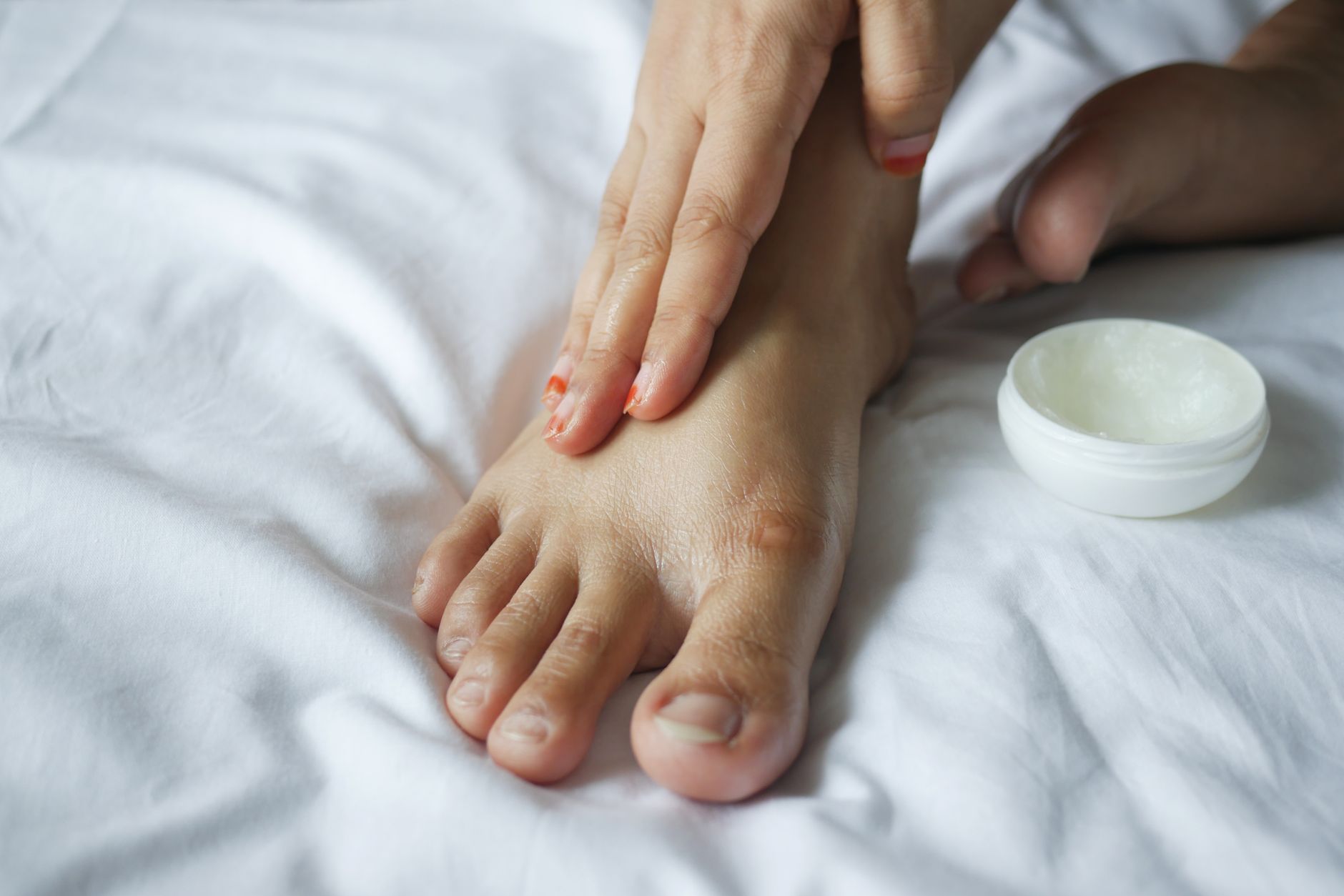
There’s no official “maximum dose” for topical petrolatum because it isn’t absorbed systemically in measurable quantities. The practical guideline is to use only enough to create a thin occlusive layer on the area you’re treating. For most people, that translates to about a pea‑size amount for a single hand or foot, or a thin ribbon for the lips. Applying a thin coat 2–3 times per day is typically sufficient.
If you’re treating larger areas—such as the abdomen for stretch‑mark prevention—limit the application to a thin film and avoid “piling on” the product. Over‑application can trap heat and moisture, leading to skin maceration or folliculitis, especially in humid climates.
Alternatives to petroleum jelly for skin care during pregnancy
Coconut oil – Naturally antimicrobial, absorbs more quickly, and is rich in fatty acids that support skin barrier function.
Shea butter – Thick, emollient, and contains vitamins A and E; great for areas prone to dryness.
Cocoa butter – Popular for stretch‑mark prevention; creates a protective barrier similar to petroleum jelly but with a pleasant scent.
Olive oil – Light, antioxidant‑rich, and safe for most skin types; can be mixed with a bit of water for a soothing massage oil.
Almond oil – Gentle, hypoallergenic, and rich in vitamin E; ideal for facial moisturization.
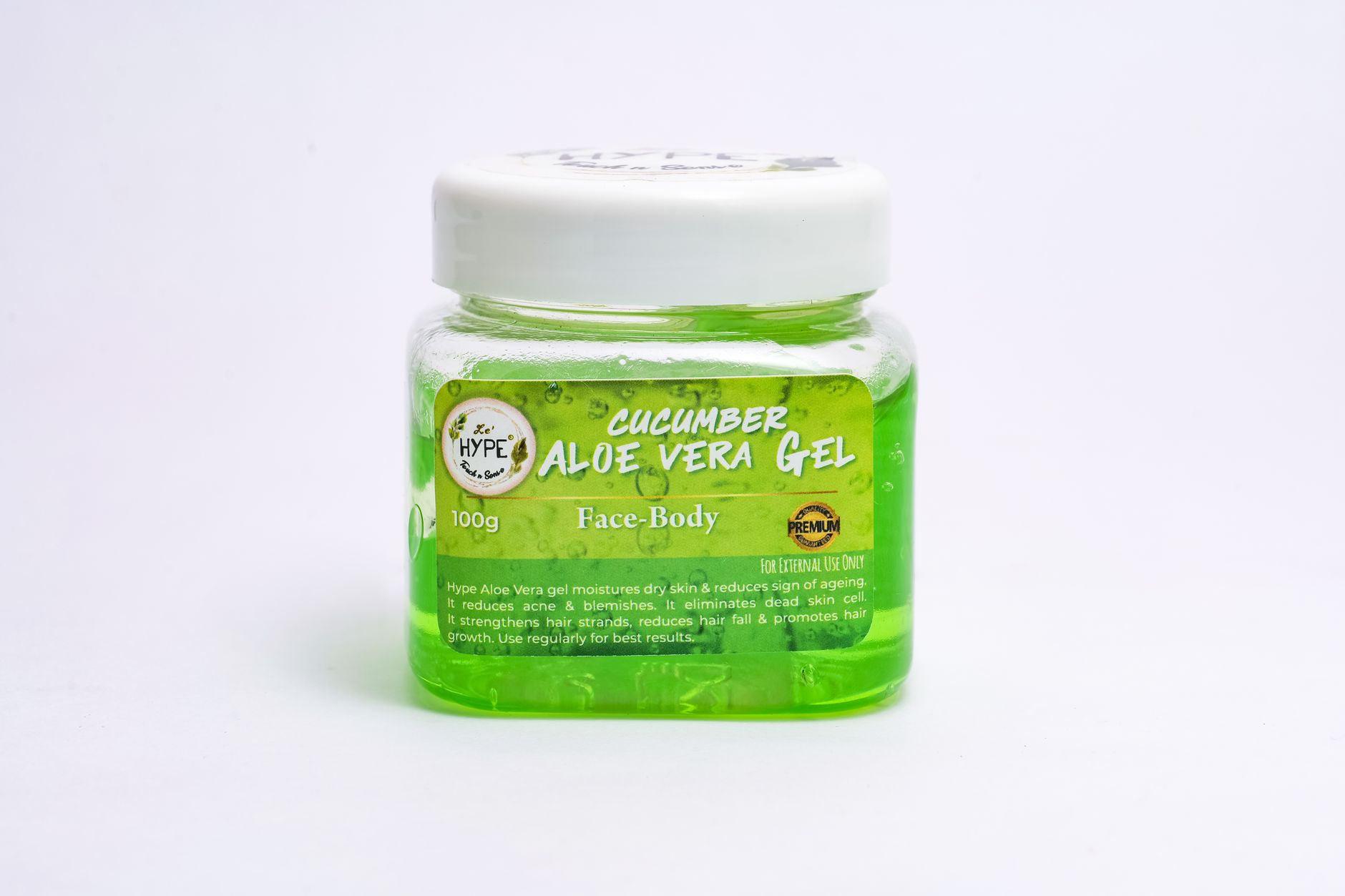
Aloe vera gel – Cooling, non‑greasy, and safe for topical use; helps soothe irritated skin.
Is Vaseline petroleum jelly safe during pregnancy?
Vaseline is a brand name for refined petrolatum and is one of the most widely recognized petroleum jelly products. The FDA lists Vaseline as “Generally Recognized as Safe” (GRAS) for external use, and the ACOG guidelines treat it the same as any other purified petroleum jelly. The key is to choose the plain, fragrance‑free version; scented or medicated variants may contain additives that could irritate sensitive skin.
In short, the answer to “is Vaseline petroleum jelly safe during pregnancy?” is yes—provided you use the plain, unflavored product and apply it in thin layers to intact skin. If you have a history of skin reactions, check the ingredient list for added fragrances or preservatives.
Risks of using petroleum jelly during pregnancy
While petroleum jelly is low‑risk, a few potential issues deserve attention:
Skin irritation – Rare, but possible if the product is contaminated or mixed with irritants.
Folliculitis – Occlusive products can trap sweat and bacteria, leading to clogged hair follicles, especially in warm environments.
Allergic contact dermatitis – Uncommon with pure petrolatum, but more likely with scented or medicated versions.
False sense of security – Relying on petroleum jelly alone to prevent stretch marks may give a false sense of protection; genetics and rapid weight gain are stronger factors.
None of these risks are specific to pregnancy, but they become more relevant when you’re applying the product to larger skin areas or using it daily.
Using petroleum jelly for stretch marks during pregnancy
Many expectant mothers turn to petroleum jelly to keep the belly soft and moisturized. The evidence for stretch‑mark prevention is mixed; a 2015 Cochrane review found no consistent benefit from any topical emollient, including petroleum jelly. However, keeping the skin hydrated can reduce itchiness and improve comfort.
If you choose to use petroleum jelly for stretch marks, apply a thin layer after showering when the skin is still damp. This helps seal in moisture without creating a heavy, greasy barrier that could trap heat.
Petroleum jelly and pregnancy acne treatment
Acne is common in the second and third trimesters due to hormonal shifts. Because petroleum jelly is occlusive, it can trap sebum and worsen acne if applied to blemished areas. For most pregnant people, it’s safer to use non‑comedogenic moisturizers—like a light gel‑based aloe vera or a fragrance‑free silicone‑based product—on acne‑prone skin.
If you have dry patches around acne lesions, a very thin spot of petroleum jelly can protect the skin barrier, but be sure to apply it only after the acne has cleared and avoid covering active pimples.
Can I use petroleum jelly on my belly during pregnancy?
Yes, you can apply petroleum jelly to your belly, but with the same precautions outlined above: use a thin layer, choose the plain version, and avoid excessive amounts. Many obstetricians consider it a safe option for moisturizing, especially if you experience itching or dryness. If you notice any redness, itching, or a rash, discontinue use and discuss alternatives with your provider.
Applying a thin coat of petroleum jelly to the belly can soothe dryness, but always check with your doctor if you have a skin condition.
Safety by trimester
First trimester
During organ formation, the safest approach is to use minimal amounts of any topical product. Plain, fragrance‑free petroleum jelly applied to small, intact skin areas is considered low‑risk by ACOG. Avoid large‑area applications on the abdomen unless your provider specifically advises it. If you have eczema or open lesions, ask your doctor whether a prescription‑strength barrier cream might be more appropriate.
Second trimester
With organ development largely complete, the second trimester offers greater flexibility. Petroleum jelly can be used more liberally for moisturization, but the “thin‑layer only” rule still applies. Many pregnant people find it helpful for soothing dry elbows, knees, and feet. If you’re using it for stretch‑mark prevention, combine it with gentle massage and stay hydrated.
Third trimester
Skin may become even drier as the baby grows, and itching is common. Petroleum jelly remains a safe option for localized dryness and for protecting cracked heels. However, excessive use on the belly can increase the risk of folliculitis, especially in hot climates. A thin film applied after a warm shower is usually sufficient.
Breastfeeding
Petroleum jelly is considered safe for external use while breastfeeding. It does not transfer into breast milk in measurable amounts, and many lactating parents use it to soothe sore nipples. The AAP (American Academy of Pediatrics) lists petroleum jelly among the “generally recognized as safe” (GRAS) topical agents for nursing mothers.
Safe dosage / amount / brands
Because petrolatum is not absorbed systemically, “dosage” refers to the amount you apply on the skin. A practical guideline is:
Small areas (hands, feet, lips): pea‑size amount, 2–3 times daily.
Large areas (belly, knees): thin film covering the surface, no more than once daily.
When selecting a brand, look for products that list “petrolatum, purified” as the sole ingredient and are labeled “fragrance‑free” or “unscented.” Reputable brands include:
Vaseline Original Petroleum Jelly – widely available, FDA‑registered.
Equate Petroleum Jelly – store brand, meets USP (United States Pharmacopeia) standards.
Pure Petroleum Jelly – often marketed as “100 % pure” and free of additives.
Avoid versions that contain added fragrances, lanolin, or antimicrobial agents unless your provider specifically recommends them for a skin condition.
Side effects and risks
Most pregnant users experience no adverse effects. When side effects do occur, they are usually mild and related to skin irritation:
Redness or itching – May indicate an allergic reaction to an added fragrance; discontinue use and rinse the area.
Folliculitis – Small, inflamed bumps around hair follicles; usually resolve with reduced application and gentle cleansing.
Contact dermatitis – Rare with pure petrolatum; if it occurs, seek medical advice.
If you notice any of the following, contact your obstetrician promptly:
Severe swelling, pain, or warmth at the site of application.
Rapid spreading of a rash or blistering.
Fever or flu‑like symptoms after using a large amount.
Safer alternatives
Coconut oil – Provides natural moisturization and has mild antimicrobial properties.
Shea butter – Thick, emollient, and rich in vitamins that support skin health.
Cocoa butter – Forms a protective barrier similar to petroleum jelly but with a pleasant scent.
Olive oil – Light, antioxidant‑rich, and safe for facial use.
Almond oil – Gentle, hypoallergenic, and excellent for sensitive skin.
Aloe vera gel – Cooling, non‑greasy, and soothing for irritated skin.
Related items — safety at a glance
Item
Verdict
One‑line note
Mineral oil
✅ Generally safe
Refined mineral oil is similar to petrolatum but often used in baby oils.
Baby oil
✅ Generally safe
Usually a blend of mineral oil and fragrance; choose fragrance‑free versions.
Lanolin
⚠️ Use with caution
Can cause allergic reactions in some people; check for sensitivity.
Glycerin
✅ Generally safe
Humectant that draws water into the skin; well‑tolerated in pregnancy.
Tea tree oil
⚠️ Avoid
Essential oil with potential teratogenic concerns; not recommended for topical use.
Jojoba oil
✅ Generally safe
Light, non‑comedogenic oil suitable for facial moisturization.
Myth vs. fact
Myth: Petroleum jelly can cause birth defects if applied to the skin.
Fact: Refined petrolatum is not absorbed in amounts that reach the bloodstream, and major health agencies (ACOG, FDA) consider it low‑risk for topical use.
Myth: Using petroleum jelly will guarantee you won’t get stretch marks.
Fact: Stretch‑mark formation is largely genetic and related to rapid skin stretching; moisturizers may improve skin comfort but do not prevent stretch marks.
Myth: All petroleum‑based products are unsafe during pregnancy.
Fact: Many refined mineral products, like mineral oil and baby oil, are deemed safe when fragrance‑free; the key is purity and lack of additives.
Key takeaways
Plain, fragrance‑free petroleum jelly is generally considered low‑risk for topical use during pregnancy.
Apply only a thin layer to intact skin; avoid large‑area, heavy applications, especially in the first trimester.
Choose reputable brands that list purified petrolatum as the sole ingredient.
If you have eczema, open wounds, or a history of skin reactions, discuss use with your obstetrician.
Safer natural alternatives include coconut oil, shea butter, and aloe vera gel.
Stop using if you develop redness, itching, or a rash, and contact your provider promptly.
Frequently asked questions
what are the benefits of petroleum jelly during pregnancy
Petroleum jelly provides an occlusive barrier that locks in moisture, helping to soothe dry skin, cracked heels, and minor irritation. It is non‑comedogenic and does not contain fragrances that could irritate sensitive skin.
can i use petroleum jelly on my face during pregnancy
Yes, but only the plain, fragrance‑free version and in a very thin layer. Because it is occlusive, it can trap oil and potentially worsen acne if applied to blemished areas.
is petroleum jelly safe for newborn skin
Yes. The American Academy of Pediatrics lists petroleum jelly as safe for protecting newborn skin, such as preventing diaper rash or soothing dry patches.
how to use petroleum jelly for skin care during pregnancy
Apply a pea‑size amount to clean, dry skin after bathing, focusing on areas that feel tight or cracked. Use a thin film and avoid covering large areas with thick layers.
what are the side effects of petroleum jelly during pregnancy
Side effects are rare but can include mild skin irritation, allergic contact dermatitis from added fragrances, or folliculitis if the product traps sweat on large skin surfaces.
can i use petroleum jelly on my hair during pregnancy
Petroleum jelly can be used sparingly on hair tips to seal split ends, but it should not be applied to the scalp, as the occlusive nature may block pores and cause irritation.
is petroleum jelly safe for pregnant women with eczema
For mild eczema, fragrance‑free petroleum jelly can help lock in moisture, but if the skin is cracked or infected, discuss alternative barrier creams with your dermatologist or obstetrician.
Choosing the right moisturizer can make a difference in comfort and safety throughout pregnancy.
When to call your doctor
If you experience any of the following after using petroleum jelly, contact your obstetrician or dermatologist promptly:
Severe redness, swelling, or warmth at the application site.
Rapidly spreading rash, blistering, or hives.
Fever, chills, or other systemic symptoms.
Persistent itching that does not improve with gentle moisturization.
Signs of infection such as pus or foul odor.
These symptoms may indicate an allergic reaction or secondary infection that requires medical evaluation. Remember, this article provides general information and is not a substitute for personalized medical advice.
References
American College of Obstetricians and Gynecologists. “Safe Medication Use in Pregnancy.” ACOG Practice Bulletin, 2021.
U.S. Food and Drug Administration. “Petroleum Jelly (Petrolatum): GRAS Status.” FDA, 2020.
National Health Service (UK). “Skin Care in Pregnancy.” NHS website, updated 2022.
Not sure about the label on Is Petrolatum Petroleum Jelly Safe During Pregnancy products?
Snap the ingredients list and SafeFilter checks every ingredient for your stage — only 3 free scans this month, then you're locked until reset. Unlimited from $7/mo or $50/yr.
When Shubhra Mishra was expecting her first child in 2016, she was overwhelmed by conflicting food advice — one site said yes, another said never. By the time her second baby arrived in 2019, she realized millions of mothers face the same confusion.
That sparked a five-year journey through clinical nutrition papers, cultural diets, and expert conversations — all leading to BumpBites: a calm, compassionate space where science meets everyday motherhood.
Her long-term vision is to build a global community ensuring safe, supported, and free deliveriesfor every mother — because no woman should face pregnancy alone or uninformed. 🌿
🌍 Stand with mothers, shape safer guidance
Join a small circle of experts who review BumpBites articles so expecting parents everywhere can decide with confidence.