Limit: is permanent makeup safe during pregnancy? It's generally advised to avoid procedures in the first trimester, with minimal pigment dosage recommended later.
By Shubhra Mishra — a mom of two who turned her own confusion during pregnancy into BumpBites, a global mission to make food choices clear, safe, and stress-free for every expecting mother. 💛
Check whether any food is safe during pregnancy with the BumpBites Food Safety Checker.
Quick verdict: ⚠️ Talk to your doctor first. Permanent makeup isn’t outright forbidden, but most experts recommend postponing the procedure until after delivery or limiting it to the safest possible approach.
It’s totally understandable to feel a flutter of anxiety the moment you realize you’ve booked a permanent‑makeup appointment while pregnant. You might wonder, is permanent makeup safe during pregnancy, and whether the pigments, needles, or the healing process could affect your baby. The short answer is that most professional guidelines suggest waiting until after birth, or at the very least, using the smallest possible amount of pigment and a highly reputable artist. In this article we’ll break down the trimester‑specific considerations, discuss how much pigment is typically used, flag potential risks, compare popular brands, and suggest safer alternatives you can enjoy now.
We’ll also walk through common questions like “Is permanent makeup safe during the first trimester?” and “What are the risks of permanent makeup for pregnant women?” so you can make an informed decision without the late‑night panic. By the end you’ll know exactly what steps to take, when it’s safest to schedule your session, and how to protect both your skin and your growing baby.
Let’s start with a quick visual snapshot of the safety landscape, then dive into the details you need to feel confident about your choices.
Trimester / Stage
Verdict
Notes
First trimester
⚠️ Talk to your doctor
Organ formation is ongoing; avoid any procedure that could cause infection or allergic reaction.
Second trimester
⚠️ Talk to your doctor
Lower risk than first trimester, but still not universally recommended; limit pigment amount.
Third trimester
⚠️ Talk to your doctor
Procedures may be uncomfortable; risk of stress‑related hormone changes.
Breastfeeding
✅ Generally safe
Pigment is not systemically absorbed; ensure skin is fully healed before nursing.
Keep the work area clean and the pigment sealed to reduce infection risk.
What is permanent makeup and how does it work?
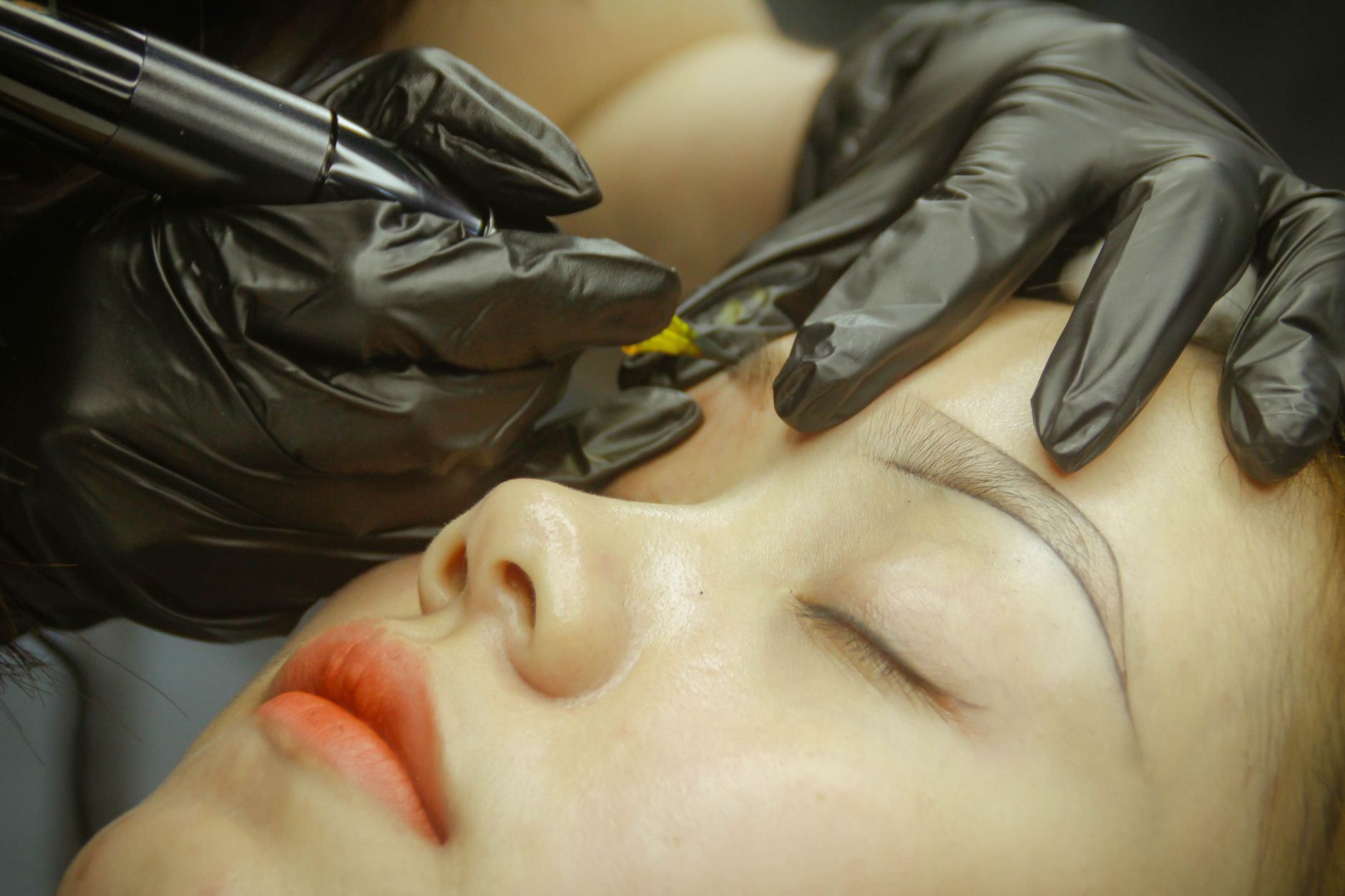
Permanent makeup, also called cosmetic tattooing, is a form of dermal pigmentation where a trained artist uses a fine‑needle device to deposit color pigments into the superficial dermis. The procedure is commonly used for eyebrows, eyeliner, and lip color, creating a long‑lasting “makeup” effect that can last from one to several years. The pigment particles sit just below the skin’s surface, where they are gradually broken down by the body’s immune system, which is why the color fades over time. The process typically involves a numbing cream, a series of small punctures, and a period of healing that includes scabbing and pigment settling.
Artists select pigments that are approved for use in cosmetics, and many brands strive to meet FDA color additive standards. However, the pigments are not regulated the same way as prescription drugs, so variability exists between manufacturers. The goal is to achieve a natural look that reduces the need for daily makeup application, which can be appealing for busy moms‑to‑be. Yet, because the procedure uses needles and introduces foreign material into the skin, there are considerations specific to pregnancy.
Is permanent makeup safe during pregnancy?
Current guidance from leading authorities such as the American College of Obstetricians and Gynecologists (ACOG) and the United Kingdom’s National Health Service (NHS) recommends postponing elective cosmetic tattooing until after delivery. The primary concern is the potential for infection, allergic reaction, or systemic absorption of pigment during a time when the fetus is especially vulnerable. While there is no conclusive evidence that pigment chemicals cross the placenta, the precautionary principle is widely applied.
According to the FDA, pigments used in cosmetic tattooing are classified as “color additives” and are not subject to the same rigorous safety testing as pharmaceuticals. The CDC also notes that any procedure that breaks the skin carries a small risk of bacterial infection, which can be more serious in pregnant individuals due to altered immune response. ACOG’s Committee Opinion on “Non‑Therapeutic Cosmetic Procedures” specifically advises that “elective procedures that involve skin penetration should be deferred when possible” during pregnancy.
Most dermatologists and certified permanent‑makeup artists echo this stance, emphasizing that the safest route is to wait until after the baby is born. If you’re already pregnant and cannot postpone, the consensus is to use the smallest possible pigment dose, ensure a sterile environment, and have a thorough medical history review with your obstetric provider.
Even a skilled artist must follow strict hygiene protocols, especially during pregnancy.
Is permanent makeup safe during the first trimester?
The first trimester is when organogenesis—the formation of the baby’s major organs—occurs. Because the fetus is most sensitive to external influences during this window, ACOG advises avoiding any non‑essential skin‑penetrating procedures. The risk isn’t the pigment itself but the possibility of infection, inflammation, or an allergic response that could trigger a systemic reaction. If you’re already in the first trimester, it’s best to discuss the procedure with your obstetrician and consider postponing.
Can I get permanent makeup in the second trimester?
While the second trimester is generally considered a more stable period for many elective procedures, the consensus remains cautious. The NHS states that “cosmetic tattooing can be considered after the first trimester if the client has no contraindications,” but still recommends discussing it with a healthcare provider. If you choose to proceed, limit pigment to the smallest area possible and ensure the artist follows strict sterilization protocols.
What amount of pigment is recommended for pregnant women?
There is no official “safe dosage” for pigment because it isn’t a medication, but experienced artists typically use less than 0.5 mL of pigment per session for eyebrows, and up to 1 mL for full‑lip work. For pregnant clients, many practitioners voluntarily reduce the amount by about 30 % to minimize the total pigment load. This reduction is a precaution, not a requirement, and should be discussed with both your artist and obstetrician.
Procedure
Typical pigment amount (non‑pregnant)
Suggested amount (pregnant)
Notes
Eyebrow microblading
0.3–0.5 mL
~0.2 mL
Use a single‑needle technique to limit depth.
Eyeliner tattoo
0.4–0.6 mL
~0.3 mL
Apply thin line; avoid heavy shading.
Lip tattoo
0.8–1.0 mL
~0.6 mL
Prefer “soft‑shade” pigments that fade gradually.
Which permanent makeup brands are considered safe during pregnancy?
Brands that adhere to FDA color additive regulations and use “organic‑grade” pigments are generally viewed as lower risk. Examples include:
BioTouch™ – uses pigments that meet ISO 10993 biocompatibility standards.
Everlasting Ink™ – offers a line of “pregnancy‑friendly” pigments that are free of heavy metals.
Dermal Ink™ – provides detailed safety data sheets and uses only FDA‑approved colorants.
Even with reputable brands, the safety of any pigment depends on the artist’s technique and the client’s skin sensitivity. Always ask the studio for a full ingredient list and confirm that the pigments have been tested for allergic reactions.
What are the risks of permanent makeup for pregnant women?
Potential risks fall into three main categories: infection, allergic reaction, and stress‑related hormonal changes. Infection can occur if the needles or pigment containers are not properly sterilized, leading to cellulitis or, rarely, systemic infection. Allergic reactions may present as redness, swelling, or itching that can last weeks and, in severe cases, require medical treatment. Finally, the stress of a painful procedure can cause a temporary spike in cortisol, which some clinicians worry could affect uterine blood flow, though evidence is limited.
How does a skin condition affect permanent makeup safety during pregnancy?
Existing skin conditions such as eczema, psoriasis, or active acne increase the likelihood of an adverse reaction. Inflamed or broken skin provides a portal for bacteria, and the healing process may be prolonged. If you have a chronic skin condition, ACOG advises waiting until it’s well‑controlled before undergoing any procedure that breaks the skin barrier. Consulting both a dermatologist and your obstetric provider can help you decide whether it’s safe to proceed.
Should I avoid permanent makeup in the third trimester?
The third trimester brings additional considerations. As the belly expands, maintaining a comfortable position for the artist can become challenging, and the body’s increased blood volume can make bleeding more likely. Moreover, the stress of a lengthy session may be uncomfortable for a pregnant person nearing labor. Most clinicians recommend postponing any non‑essential skin procedures until after delivery, especially in the final weeks of pregnancy.
Safe dosage / amount / brands
Because permanent makeup isn’t a drug, “dosage” refers to the volume of pigment applied. As a rule of thumb, keep the pigment volume under 1 mL per session, and ideally under 0.5 mL for eyebrow work. Choose brands that publish third‑party safety data, such as BioTouch™, Everlasting Ink™, or Dermal Ink™. Avoid any pigment that lists lead, cadmium, or other heavy metals in its ingredient list, as these can be more concerning during pregnancy.
Side effects and risks
Infection: Redness, swelling, or pus that doesn’t improve within a few days may indicate infection; seek medical care promptly.
Allergic reaction: Itching, hives, or a rash that spreads beyond the treated area warrants immediate evaluation.
Scarring or keloid formation: Individuals prone to keloids should avoid permanent makeup altogether, as pregnancy can exacerbate scar tissue.
Color migration: Pigment can shift over time, especially if the skin’s healing process is altered by hormonal changes.
Stress response: While not a direct danger, a painful or lengthy session can increase cortisol levels; keep sessions brief and well‑controlled.
Safer alternatives to permanent makeup while pregnant
Eyebrow powder – offers a natural look without skin penetration.
Eyebrow pencil – easy to apply and remove, perfect for quick touch‑ups.
Eyeliner pen – provides precise definition without the need for needles.
Eyelash mascara – enhances lashes safely and temporarily.
Eyebrow gel – adds subtle color and holds shape.
Temporary eyeliner tattoos – use hypoallergenic, water‑based inks that wash off.
Henna eyebrows – plant‑based dye that lasts a few weeks and is generally safe.
Eyelash extensions – give a longer‑lasting look without pigment injection.
Related items — safety at a glance
Item
Verdict
One‑line note
Microblading
⚠️ Talk to your doctor
Similar needle depth; consider postponing.
Eyebrow tattoo
⚠️ Talk to your doctor
Long‑lasting pigment, same infection risk.
Eyeliner tattoo
⚠️ Talk to your doctor
Thin lines are lower risk but still not advised.
Lip tattoo
⚠️ Talk to your doctor
Higher pigment volume; best postponed.
Scalp micropigmentation
⚠️ Talk to your doctor
Large area; infection risk increases.
Areola tattoo
⚠️ Talk to your doctor
Often done post‑mastectomy; not elective during pregnancy.
Beauty tattoo
⚠️ Talk to your doctor
General term; same precautions apply.
Cosmetic tattoo
⚠️ Talk to your doctor
Encompasses all types; defer until after birth.
Myth vs. fact
Myth: “Permanent makeup pigments are completely inert and can’t affect a baby.”
Fact: While pigments are designed to stay in the dermis, they can trigger allergic reactions or infection, which may indirectly affect fetal health. ACOG advises caution.
Myth: “If the artist uses a sterile needle, it’s 100 % safe during pregnancy.”
Fact: Sterility reduces infection risk, but the body’s immune response changes in pregnancy, making even minor infections more concerning.
Myth: “All permanent‑makeup procedures are the same, so the trimester doesn’t matter.”
Fact: The first trimester is the most sensitive period for fetal development; most guidelines recommend avoiding any skin‑penetrating procedure during this time.
Key takeaways
Most experts advise postponing permanent makeup until after delivery; if you must proceed, limit pigment amount and ensure strict sterility.
The first trimester carries the highest risk; discuss any planned session with your obstetric provider.
Choose reputable pigment brands that meet FDA and ISO safety standards.
Be aware of infection, allergic reaction, and scarring risks, and seek prompt medical care if symptoms arise.
Safe, temporary alternatives—eyebrow powder, eyeliner pens, and henna—provide similar aesthetic benefits without skin penetration.
Frequently asked questions
Is it safe to get a permanent eyebrow tattoo while pregnant?
Generally, no. ACOG advises against elective skin‑penetrating procedures during pregnancy, especially in the first trimester, due to infection and allergic‑reaction risks.
Can permanent makeup cause complications during pregnancy?
While rare, complications such as infection, allergic reactions, or excessive stress can potentially affect pregnancy outcomes; that’s why most clinicians recommend waiting.
How long does permanent makeup last if done during pregnancy?
Permanent makeup typically lasts 1–3 years regardless of pregnancy status, but healing may be slower and pigment fading can be more pronounced due to hormonal changes.
What are the side effects of permanent makeup for pregnant women?
Side effects include redness, swelling, infection, allergic reactions, and, in rare cases, scarring; any worsening symptoms should prompt a call to your provider.
Should I avoid permanent makeup in the third trimester?
Yes. The third trimester adds discomfort and increased infection risk, and most providers recommend deferring elective procedures until after birth.
Can I get permanent makeup after my baby is born?
Absolutely. Once you’ve fully healed from childbirth (usually 6 weeks postpartum) and have your doctor’s clearance, permanent makeup can be safely resumed.
Is there a risk of allergic reaction to permanent makeup during pregnancy?
Allergic reactions can occur at any time; pregnancy may heighten skin sensitivity, so a patch test is especially important before any procedure.
Do I need a doctor’s approval for permanent makeup while pregnant?
While not legally required, most reputable studios will ask for a medical clearance, and obtaining your obstetrician’s approval is the safest approach.
When to call your doctor
If you notice any of the following after a permanent‑makeup session, contact your obstetric provider promptly:
Fever ≥ 38 °C (100.4 °F) or chills.
Increasing redness, swelling, or pus that doesn’t improve within 48 hours.
Severe itching, hives, or a rash spreading beyond the treated area.
Rapidly spreading skin discoloration or ulceration.
Unusual pain that interferes with daily activities.
These symptoms could indicate infection or a serious allergic reaction, both of which warrant immediate medical evaluation. Remember, this article provides general information and does not replace personalized medical advice.
References
American College of Obstetricians and Gynecologists. “Non‑Therapeutic Cosmetic Procedures” Committee Opinion, 2022.
National Health Service (NHS). “Cosmetic tattooing and pregnancy,” UK guidance, 2021.
U.S. Food and Drug Administration. “Color Additives for Use in Cosmetics,” FDA guidance, 2020.
Centers for Disease Control and Prevention. “Infection control in outpatient settings,” CDC guidelines, 2021.
Mayo Clinic. “Pregnancy and cosmetic procedures,” patient education, 2023.
World Health Organization. “Guidelines on skin procedures during pregnancy,” WHO technical brief, 2022.
Not sure about the label on Is Permanent Makeup Safe During Pregnancy products?
Snap the ingredients list and SafeFilter checks every ingredient for your stage — only 3 free scans this month, then you're locked until reset. Unlimited from $7/mo or $50/yr.
When Shubhra Mishra was expecting her first child in 2016, she was overwhelmed by conflicting food advice — one site said yes, another said never. By the time her second baby arrived in 2019, she realized millions of mothers face the same confusion.
That sparked a five-year journey through clinical nutrition papers, cultural diets, and expert conversations — all leading to BumpBites: a calm, compassionate space where science meets everyday motherhood.
Her long-term vision is to build a global community ensuring safe, supported, and free deliveriesfor every mother — because no woman should face pregnancy alone or uninformed. 🌿
🌍 Stand with mothers, shape safer guidance
Join a small circle of experts who review BumpBites articles so expecting parents everywhere can decide with confidence.