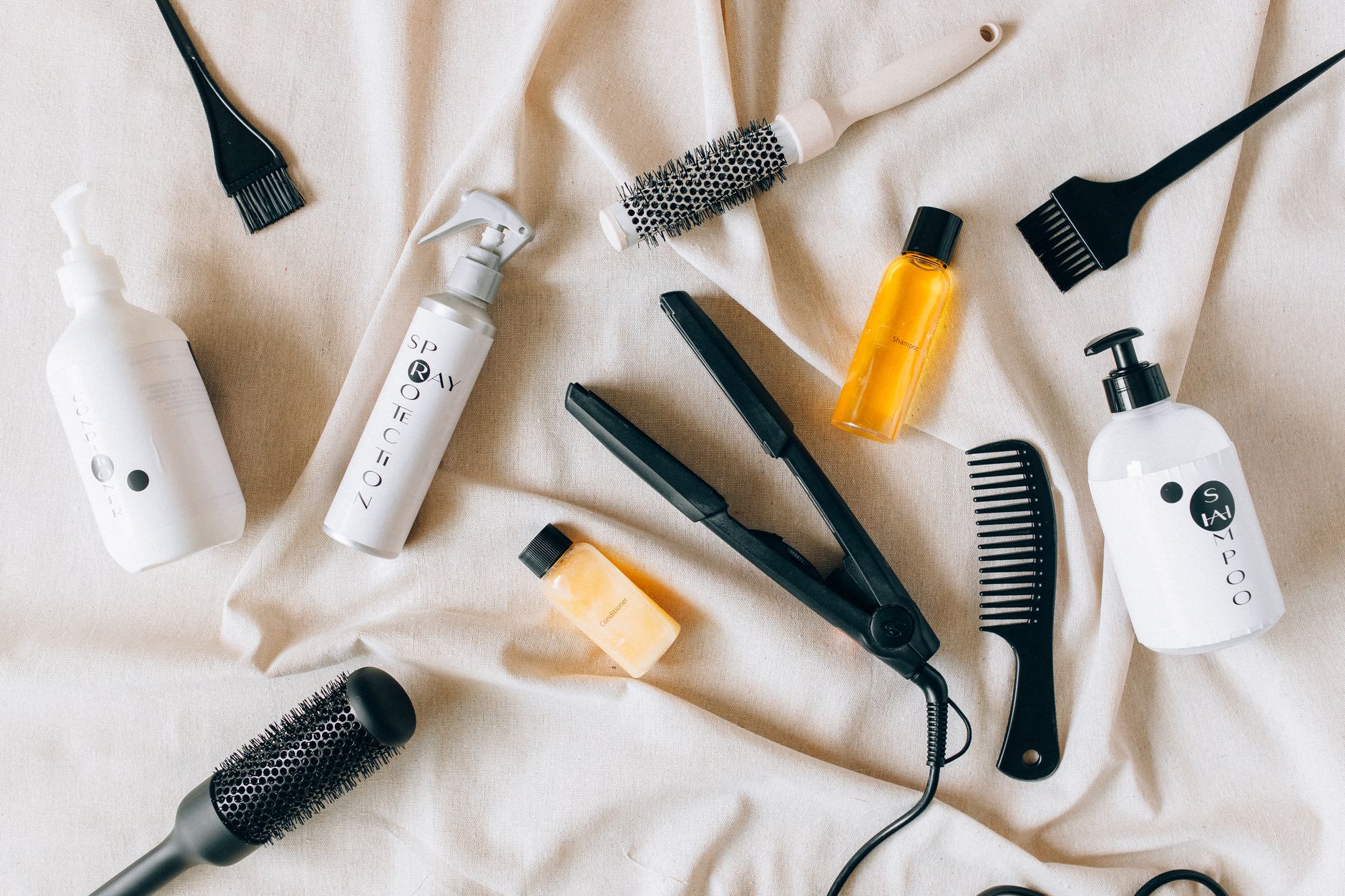
Limit use of perm cold wave during pregnancy, especially in the first trimester, as chemicals may be absorbed. Choose a mild, ammonia‑free formula and postpone the treatment until after week 20 for a safer outcome.
By Shubhra Mishra — a mom of two who turned her own confusion during pregnancy into BumpBites, a global mission to make food choices clear, safe, and stress-free for every expecting mother. 💛
Check whether any food is safe during pregnancy with the BumpBites Food Safety Checker.
Quick verdict: ❌ Best avoided. Current obstetric guidance recommends postponing perm cold‑wave treatments until after pregnancy because the chemicals can be absorbed through the scalp and may pose unnecessary risk to you and your baby.
It’s 2 a.m., the bathroom mirror is lit, and you just caught a whiff of that familiar chemical scent from the salon. “Is perm cold wave safe during pregnancy?” you whisper to yourself, heart racing. You’re not alone—many expecting parents wonder whether that glossy, bouncy curl is worth the worry.
In short, most experts, including the American College of Obstetricians and Gynecologists (ACOG) and the UK’s NHS, advise against getting a perm cold wave while pregnant. The chemicals in the solution can be absorbed through the skin and potentially reach the bloodstream, and there’s limited data confirming safety for the developing fetus.
This article walks you through the science, trimester‑specific considerations, how many treatments might be okay (spoiler: none are recommended), brand safety, and healthier styling alternatives. We’ll also compare related hair‑treatment options so you can make an informed decision and feel confident about the next steps.
Keep the perm bottle out of reach while you decide on a safer styling method.
Stage
Verdict
Notes
First trimester (weeks 1‑13)
❌ Avoid
Organ formation is most sensitive; chemicals may interfere with fetal development.
Second trimester (weeks 14‑27)
❌ Avoid
While risk is lower than in the first trimester, safety data remain insufficient.
Third trimester (weeks 28‑40)
❌ Avoid
Potential for scalp irritation and chemical exposure persists.
Breastfeeding
⚠️ Caution
Chemical residues may be excreted in breast milk; avoid unless approved by a provider.
What is a perm cold wave?
A perm cold wave is a chemical hair‑treatment that creates long‑lasting curls or waves without the use of heat. The process involves two main steps: a “wave” or “perm” solution (usually containing ammonium thioglycolate or similar reducing agents) is applied to the hair to break disulfide bonds, and then a neutralizer (often hydrogen peroxide) is used to reform those bonds in the new shape. The result can last several months, depending on hair type and after‑care.
People choose cold‑wave perms because they’re less damaging than hot‑style methods, and the technique works on a wide range of hair textures. The chemicals penetrate the hair shaft and, to a lesser extent, the scalp, which is why dermatologists and obstetricians pay close attention to their safety profile during pregnancy.
Is a perm cold wave safe during pregnancy?
Overall, the consensus among leading health authorities is that a perm cold wave should be avoided while you’re pregnant. ACOG’s Committee on Obstetric Practice advises pregnant women to steer clear of “hair‑dyeing, bleaching, and perming procedures that involve strong chemicals” because of the potential for systemic absorption (ACOG, 2022). The NHS echoes this guidance, noting that “there is not enough evidence to confirm that perm solutions are safe for the developing baby” (NHS, 2023).
FDA regulations classify many perm ingredients as “cosmetic” rather than “drug,” meaning they are not required to undergo the same rigorous safety testing for pregnant populations. The CDC also highlights that occupational exposure to thioglycolates can cause respiratory irritation, which could be more problematic for pregnant individuals with heightened sensitivity (CDC, 2021).
Because the scientific literature lacks large, controlled studies specifically on perm cold waves in pregnancy, the precautionary principle—favoring avoidance when safety is uncertain—is the most widely endorsed approach. In practice, this means postponing the treatment until after delivery and, ideally, after the postpartum healing period.
Safety by trimester
First trimester (weeks 1‑13)
The first trimester is when organogenesis occurs, making the fetus especially vulnerable to teratogens—substances that could cause birth defects. Even low‑level exposure to thioglycolate or peroxide may theoretically interfere with this process. For this reason, ACOG advises complete avoidance of chemical hair treatments, including perm cold waves, during the first 13 weeks.
Second trimester (weeks 14‑27)
While the risk of major structural anomalies declines after the first trimester, the skin and scalp may still absorb chemicals, potentially leading to subtle developmental effects or maternal skin irritation. The NHS recommends waiting until after pregnancy for any hair‑perm service, emphasizing the lack of definitive safety data.
Third trimester (weeks 28‑40)
In the final weeks, the fetus’s growth is rapid, and maternal circulatory changes increase skin blood flow, which could heighten absorption of chemicals. Moreover, the physical discomfort of lying flat for a perm session may be problematic. Consequently, the recommendation to avoid perm cold waves remains consistent throughout the third trimester.
Breastfeeding
After delivery, the primary concern shifts to whether residual chemicals could be secreted in breast milk. While there’s no direct evidence that perm ingredients transfer into milk, the FDA’s guidance on cosmetic product safety during lactation suggests caution. If you choose to perm your hair postpartum, discuss it with your pediatrician and consider a waiting period of at least two weeks.
These low‑chemical tools can give you curls without the risk.
Safe dosage / amount / brands
Because a perm cold wave is a single‑application treatment rather than a daily supplement, “dosage” refers to the amount of chemical solution used on each session. Professional salons typically apply enough product to saturate the hair, which can range from 30 mL to 80 mL depending on hair length and thickness. No specific amount is deemed “safe” for pregnant users, and the safest approach is to avoid the treatment entirely.
If you decide to wait until after pregnancy, choose a brand that discloses full ingredient lists and has a reputation for lower‑irritant formulas. Some salons prefer “organic” or “sulphate‑free” perm kits, which may contain milder reducing agents like cysteamine. However, even “organic” labels do not guarantee fetal safety, so it’s wise to discuss any brand with your obstetric provider.
Side effects and risks
Scalp irritation: Thioglycolate can cause itching, redness, or chemical burns, especially on hormonally sensitive skin.
Allergic reactions: Up to 5 % of individuals develop a contact allergy to perm chemicals, presenting as swelling, hives, or blistering.
Respiratory irritation: The strong odor may trigger coughing or shortness of breath, which can be more uncomfortable during pregnancy.
Potential fetal exposure: While direct evidence is limited, systemic absorption of chemicals could theoretically affect fetal development.
Hair breakage: Over‑processing can weaken hair, leading to split ends and breakage, which may be distressing for new moms.
If you experience intense itching, swelling, difficulty breathing, or any sudden rash after a perm, seek medical attention promptly. These signs may indicate a serious allergic reaction that requires immediate treatment.
Safer alternatives
Silicone hair rollers – give soft waves without chemicals.
Heatless curling rods – create curls overnight using no heat or chemicals.
Organic hair mousse – adds texture and light hold with pregnancy‑friendly ingredients.
Sea salt spray – provides a beach‑y wave look while being safe for most skin types.
Braided hairstyles – naturally create texture and are completely chemical‑free.
Temporary hair extensions – add volume without permanent chemicals.
Dry shampoo – refreshes hair and can add subtle lift.
Organic hair spray – holds styles without harsh propellants.
Low‑heat hair straightening brush – smooths hair with minimal heat and no chemicals.
Related items – safety at a glance
Hair treatment
Verdict
One‑line note
Traditional perm
❌ Avoid
Similar chemicals to cold wave; no safety data for pregnancy.
Digital perm
❌ Avoid
Combines heat and chemicals, increasing potential risk.
Keratin hair straightening
❌ Avoid
Contains formaldehyde‑releasing agents, a known teratogen.
Japanese straightening
❌ Avoid
High‑temperature and chemical process; not pregnancy‑safe.
Hair relaxer
❌ Avoid
Strong alkaline chemicals can be absorbed through scalp.
Hair bleaching
⚠️ Caution
Oxidizing agents may irritate skin; safest after delivery.
Hair coloring
⚠️ Caution
Semi‑permanent dyes have lower risk than permanent, but still advise waiting.
Hair highlighting
⚠️ Caution
Partial exposure; consider postponing until after birth.
Hair botox
❌ Avoid
Contains keratin and formaldehyde‑like compounds.
Myth vs. fact
Myth: The strong smell of a perm means the chemicals can’t be absorbed.
Fact: The odor comes from volatile compounds, but the reducing agents can still penetrate the scalp and enter the bloodstream.
Myth: Because a perm is “cold,” it’s automatically safe for pregnant women.
Fact: “Cold” refers only to the lack of heat; the chemical ingredients remain the same and carry the same potential risks.
Myth: A single perm treatment won’t affect the baby.
Fact: Even minimal exposure is not well‑studied, so obstetric guidelines recommend avoiding any exposure during pregnancy.
Key takeaways
✅ A perm cold wave is not considered safe during pregnancy; most authorities advise postponing it.
❌ No trimester is safe for chemical perm treatments; the risk persists throughout pregnancy.
⚠️ If you’ve already had a perm while pregnant, monitor for scalp irritation or allergic reactions and discuss any concerns with your provider.
💡 Safer styling options—silicone rollers, heatless rods, and organic mousse—provide curl without chemicals.
🗓️ Plan to wait at least a few weeks postpartum before considering any chemical hair treatment.
Frequently asked questions
Can I get a perm while pregnant?
Most obstetricians say no; the chemicals in a perm can be absorbed through the scalp, and there’s insufficient safety data for pregnancy.
Is a cold wave safe during pregnancy?
Current guidance from ACOG and the NHS recommends avoiding cold‑wave perms throughout pregnancy because of potential chemical exposure.
What are the side effects of a perm for pregnant women?
Side effects can include scalp irritation, allergic reactions, respiratory discomfort, and, theoretically, fetal exposure to chemicals.
How long should I wait after pregnancy to get a perm?
It’s safest to wait until after the postpartum healing period—typically at least 4‑6 weeks—and to get clearance from your obstetric provider.
Do perm chemicals affect the baby?
While direct evidence is limited, the precautionary principle advises avoiding any potential exposure, as chemicals could theoretically cross the placenta.
Are there any hair treatments safe during pregnancy?
Gentle, chemical‑free methods—such as silicone rollers, heatless curling rods, and organic mousses—are considered safe and are widely recommended.
When to call your doctor
If you notice any of the following after a perm or any hair‑chemical exposure, contact your obstetric provider promptly:
Severe scalp itching, swelling, or blistering.
Rash or hives spreading beyond the scalp.
Difficulty breathing, wheezing, or chest tightness.
Persistent headache, dizziness, or nausea not explained by pregnancy.
Any unusual fetal movement changes after exposure.
These signs may indicate an allergic reaction or other complication that warrants medical evaluation. Remember, this article provides general information and is not a substitute for personalized medical advice.
References
American College of Obstetricians and Gynecologists. Committee Opinion No. 797: Use of Cosmetic Products During Pregnancy, 2022.
National Health Service (NHS). “Hair treatments and pregnancy,” 2023.
U.S. Food and Drug Administration (FDA). “Cosmetics: Safety and Regulatory Information,” 2021.
Centers for Disease Control and Prevention (CDC). “Occupational Exposure to Thioglycolates,” 2021.
Mayo Clinic. “Hair perming: What you need to know,” accessed 2024.
World Health Organization (WHO). “Formaldehyde and reproductive health,” 2020.
Not sure about the label on Is Perm Cold Wave Safe During Pregnancy products?
Snap the ingredients list and SafeFilter checks every ingredient for your stage — only 3 free scans this month, then you're locked until reset. Unlimited from $7/mo or $50/yr.
When Shubhra Mishra was expecting her first child in 2016, she was overwhelmed by conflicting food advice — one site said yes, another said never. By the time her second baby arrived in 2019, she realized millions of mothers face the same confusion.
That sparked a five-year journey through clinical nutrition papers, cultural diets, and expert conversations — all leading to BumpBites: a calm, compassionate space where science meets everyday motherhood.
Her long-term vision is to build a global community ensuring safe, supported, and free deliveriesfor every mother — because no woman should face pregnancy alone or uninformed. 🌿
🌍 Stand with mothers, shape safer guidance
Join a small circle of experts who review BumpBites articles so expecting parents everywhere can decide with confidence.