Safe: Parabens in skincare are generally safe during pregnancy at low concentrations (<0.5%) but should be avoided in the first trimester and limited thereafter.
By Shubhra Mishra — a mom of two who turned her own confusion during pregnancy into BumpBites, a global mission to make food choices clear, safe, and stress-free for every expecting mother. 💛
Check whether any food is safe during pregnancy with the BumpBites Food Safety Checker.
Quick verdict: ⚠️ Safe with limits – most parabens used in cosmetics are allowed at low concentrations, but pregnant people should aim for products that are paraben‑free or contain only the smallest permissible amounts.
It’s 3 a.m., you’re scrolling through your bathroom cabinet, and a label catches your eye: “contains methylparaben.” You wonder, is parabens in skincare safe during pregnancy? You’re not the only one. Expectant mothers often feel uneasy about the myriad chemicals in their daily routine, especially when they discover they’ve already applied a product before knowing they were pregnant.
In this guide we’ll answer that core question, break down safety by each trimester, explain how much of these preservatives is considered acceptable, and point you toward safer, paraben‑free options. We’ll also compare parabens with other common cosmetic ingredients so you can make informed choices for you and your baby.
By the end of this article you’ll have a clear picture of the current medical consensus, practical tips for spotting parabens on product labels, and a list of alternative skincare picks that keep you feeling confident throughout pregnancy.
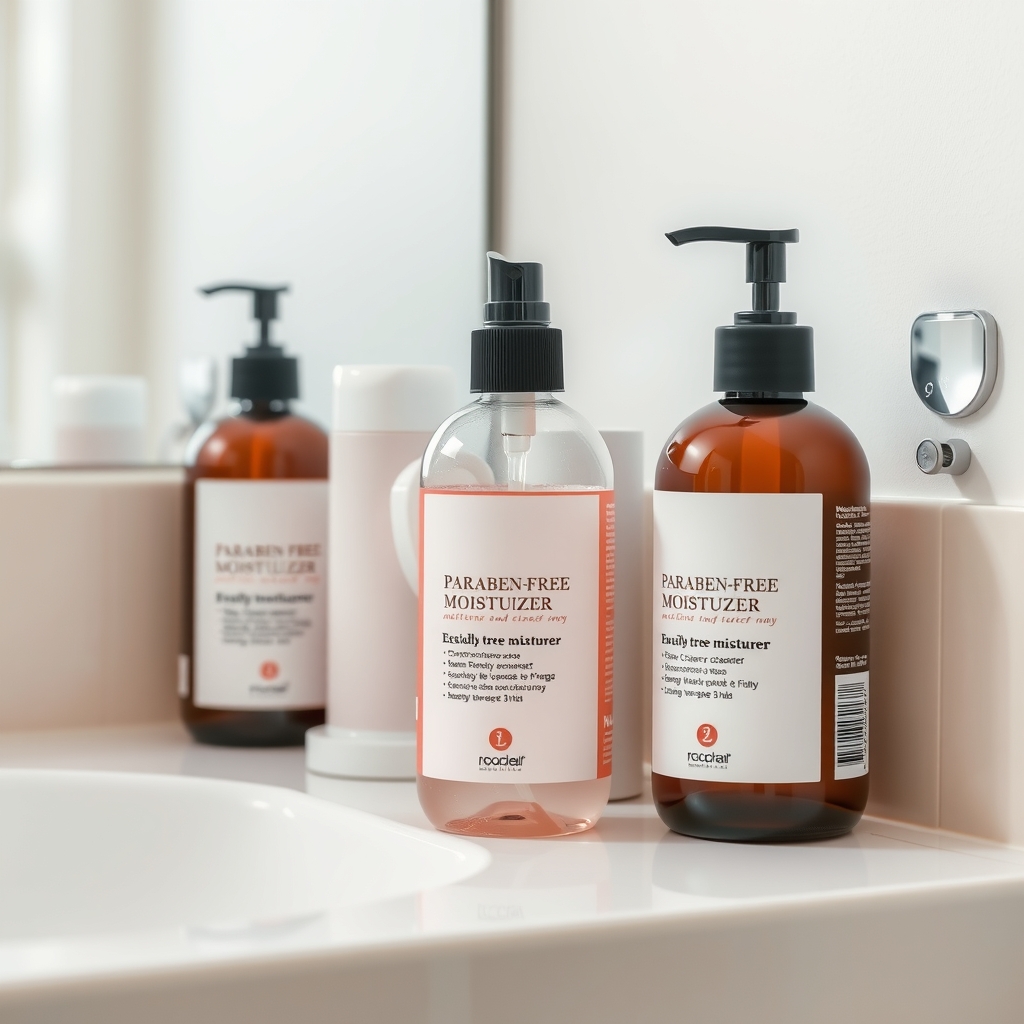
Choosing paraben‑free moisturizers can ease worries without sacrificing skin comfort.
Trimester / Breastfeeding
Verdict
Notes
First trimester
⚠️ Limit use
Prefer paraben‑free or lowest‑concentration products; organogenesis period is most sensitive.
Second trimester
⚠️ Limit use
Low‑level exposure generally considered acceptable, but many clinicians still advise minimal use.
Third trimester
⚠️ Limit use
Same precautionary approach; no evidence of increased risk, yet safer alternatives are easy to find.
Breastfeeding
⚠️ Caution
Parabens can be secreted in breast milk in trace amounts; using paraben‑free products is prudent.
What are parabens and where are they found in skincare?
Parabens are a family of synthetic compounds—most commonly methylparaben, ethylparaben, propylparaben, and butylparaben—used as preservatives to prevent bacterial and fungal growth in cosmetics and personal‑care products. Because they’re inexpensive, stable, and effective, they appear in moisturizers, cleansers, sunscreens, makeup, and even some baby‑care items. The typical concentration in a finished product ranges from 0.01% to 0.4%, depending on the specific paraben and the type of product. In the United States, the FDA does not require pre‑market approval for cosmetics, so parabens are regulated only by the Cosmetic Ingredient Review (CIR) panel, which has deemed them “generally recognized as safe” (GRAS) at low levels. However, regulatory bodies in the European Union and Canada have set stricter limits—0.4% for methyl‑ and ethylparaben and 0.14% for propyl‑ and butylparaben—reflecting a more precautionary stance.
Is parabens in skincare safe during pregnancy?
Current guidance from major health authorities indicates that low‑level exposure to parabens is unlikely to cause harm, but they advise pregnant individuals to limit unnecessary exposure. The American College of Obstetricians and Gynecologists (ACOG) states that while there is no definitive evidence linking parabens to adverse pregnancy outcomes, “it is reasonable to avoid non‑essential chemicals that have endocrine‑disrupting potential.” The UK's National Health Service (NHS) echoes this sentiment, recommending that pregnant people “opt for paraben‑free or low‑paraben products when possible.” The U.S. Food and Drug Administration (FDA) has not issued a specific pregnancy warning for parabens, but its Cosmetic Ingredient Review panel notes that the typical exposure from cosmetics is far below levels that caused effects in animal studies.
Mechanistically, parabens can mimic estrogen, a hormone crucial for fetal development. In vitro studies have shown weak estrogenic activity, yet the concentrations required to elicit measurable hormonal changes are orders of magnitude higher than what is absorbed through skin use. Large‑scale epidemiological studies have not demonstrated a consistent association between maternal paraben exposure and birth defects, low birth weight, or preterm delivery. Nonetheless, because the endocrine system is especially vulnerable during the first few weeks of pregnancy, many clinicians advise a cautious approach.
In short, the answer to the question is parabens in skincare safe during pregnancy is: they are considered low‑risk at the concentrations permitted in cosmetics, but limiting exposure—especially in the first trimester—offers peace of mind without sacrificing skin health.
Are parabens in skincare truly safe for pregnant women?
Yes, most parabens used in cosmetics are deemed low‑risk, but safety is nuanced. The ACOG and NHS both suggest using the “lowest‑risk” principle: choose products that either contain no parabens or contain them at the smallest allowable percentages. This is especially relevant for products applied to large skin areas or left on for extended periods, such as moisturizers and sunscreens.
Is it safe to use paraben skincare during the first trimester?
The first trimester is the period of organogenesis, when the fetus’s major organs are forming. Because hormonal disruptions could theoretically affect this process, many obstetricians recommend avoiding non‑essential parabens during this window. Opt for paraben‑free cleansers, moisturizers, and sunscreens whenever possible; the slight inconvenience is a small trade‑off for added reassurance.
What level of parabens in skincare is considered safe during pregnancy?
Regulatory agencies set maximum concentrations for each paraben type. In the EU, the limit is 0.4% for methyl‑ and ethylparaben and 0.14% for propyl‑ and butylparaben. Products that stay within these limits are considered “safe” for the general population, including pregnant people. However, many dermatologists advise selecting formulas that stay well below these ceilings—ideally under 0.1% total paraben content—to minimize any theoretical endocrine impact.
What are the best paraben‑free skincare alternatives for pregnancy?
Paraben‑free moisturizers – formulated with plant oils and ceramides, they hydrate without preservatives.
Fragrance‑free cleansers – gentle surfactants that avoid both parabens and potentially irritating scents.
Mineral‑based sunscreens – zinc oxide or titanium dioxide provide UV protection without chemical filters or preservatives.
Plant‑derived skincare products – ingredients like aloe, chamomile, and oat extract offer soothing benefits naturally.
Hypoallergenic lotions – designed for sensitive skin, often free from common allergens including parabens.
EWG Verified skincare – the Environmental Working Group rates products on safety, and many of their top‑rated items are paraben‑free.
Burt’s Bees Mama Bee Belly Butter – a popular choice for stretch‑mark prevention, free of parabens and phthalates.
Pipette Baby Balm – a gentle, paraben‑free balm that doubles as a soothing skin treatment.
The Honest Company Belly Balm – formulated without parabens, fragrance, or sulfates, making it pregnancy‑friendly.
Which skincare brands offer paraben‑free options for pregnant women?
Many mainstream and boutique brands now label their products as “paraben‑free.” Notable examples include Cetaphil (some lines), CeraVe (certain moisturizers), La Roche‑Posay (their Anthelios mineral sunscreens), and the pregnancy‑focused lines from Belli Skincare and Earth Mama. Always check the ingredient list; a product may be marketed as “natural” but still contain hidden parabens.
What are the potential risks of parabens in skincare during pregnancy?
Potential risks stem from parabens’ weak estrogenic activity. In theory, this could interfere with hormone balance, possibly affecting fetal development. However, real‑world data have not confirmed a direct link to birth defects or developmental problems. The most documented concern is the cumulative exposure from multiple products, which could raise systemic levels slightly. For most pregnant people, this increase remains far below thresholds that cause measurable effects.
Can parabens in skincare impact fetal development or hormonal health?
Studies in rodents have shown high‑dose parabens can alter reproductive organ weights and hormone levels, but those doses are far greater than what humans absorb through typical topical use. Human epidemiological research to date has not identified a consistent association between maternal paraben exposure and adverse fetal outcomes. Nonetheless, because the endocrine system is delicate, many clinicians advise erring on the side of caution.
Do parabens in skincare cross the placental barrier?
Research indicates that parabens can be detected in cord blood, suggesting they do cross the placenta in trace amounts. The concentrations found are minuscule—often in the low‑nanogram per milliliter range—and there is no evidence that these levels cause harm. Still, limiting exposure reduces the amount that reaches the fetus.
Are all types of parabens equally harmful during pregnancy?
Not exactly. Short‑chain parabens like methyl‑ and ethylparaben have weaker estrogenic activity than longer‑chain variants such as propyl‑ and butylparaben. Regulatory limits reflect this difference, with stricter caps on the latter. If you must use a product with parabens, opting for those containing only methyl‑ or ethylparaben at the lowest possible concentration is the safer choice.
Checking ingredient lists can quickly reveal whether a product contains parabens.
Safe dosage / amount / brands
Because parabens are applied topically, “dosage” refers to the concentration in the product rather than a daily amount you ingest. The European Union permits a maximum of 0.4% for methyl‑ and ethylparaben and 0.14% for propyl‑ and butylparaben. In the United States, most products fall well below these thresholds, often ranging from 0.01% to 0.2% total parabens.
If you prefer to stay on the safe side, look for products that list a total paraben content of less than 0.1% or that are explicitly labeled “paraben‑free.” Brands such as Burt’s Bees, The Honest Company, and Pipette frequently meet this criterion. For sunscreen, consider mineral options like Blue Lizard Australian Sunscreen – Sensitive or Neutrogena Sheer Zinc Face Sunscreen, both of which avoid chemical preservatives.
When using any skincare product, apply only the amount needed to cover the intended area. Over‑application does not increase efficacy but can raise systemic absorption marginally. For moisturizers, a pea‑size amount per cheek is sufficient; for sunscreen, the “finger‑length” rule (about 2 mg/cm²) ensures proper coverage without excess.
Side effects and risks
Most people experience no irritation from parabens. However, a small subset may develop contact dermatitis, especially if they have a pre‑existing sensitivity to the compound. Symptoms include redness, itching, or a rash at the application site. While such reactions are not dangerous to the fetus, they can be uncomfortable for the mother.
If you notice persistent skin irritation, swelling, or hives after using a new product, discontinue use and consult your provider. Rarely, systemic effects such as hormonal fluctuations have been reported in high‑exposure occupational settings (e.g., cosmetics manufacturing), but these cases involve exposure levels far beyond typical consumer use.
Safer alternatives
Paraben‑free moisturizers – keep skin hydrated without synthetic preservatives.
Fragrance‑free cleansers – reduce both fragrance and paraben exposure.
Mineral‑based sunscreens – zinc oxide or titanium dioxide shield skin without chemicals.
Plant‑derived skincare products – naturally antimicrobial botanicals replace the need for parabens.
Hypoallergenic lotions – formulated to avoid common allergens, including parabens.
EWG Verified skincare – the Environmental Working Group rates products on safety; many top‑rated items are paraben‑free.
Burt’s Bees Mama Bee Belly Butter – a beloved, paraben‑free stretch‑mark cream.
Pipette Baby Balm – gentle, paraben‑free balm suitable for both baby and mom.
The Honest Company Belly Balm – free of parabens, sulfates, and phthalates.
Organic skincare brands – often eschew synthetic preservatives altogether.
Related items — safety at a glance
Item
Verdict
One‑line note
Retinoids in skincare
❌ Best avoided
Associated with birth defects; use only under specialist guidance.
Phthalates in cosmetics
⚠️ Limit use
Potential endocrine disruptors; many brands now offer phthalate‑free lines.
Formaldehyde‑releasing preservatives
⚠️ Limit use
Can cause skin irritation; avoid prolonged exposure.
Oxybenzone in sunscreen
⚠️ Limit use
Hormone‑disrupting potential; mineral sunscreens are safer.
Salicylic acid in acne treatments
⚠️ Use with caution
Low concentrations are generally safe; high doses should be avoided.
Hydroquinone in skin lighteners
❌ Best avoided
Linked to ochronosis and potential fetal toxicity.
Essential oils in skincare
⚠️ Use with caution
Some oils can be irritants or have hormonal activity; patch‑test first.
Fragrance in beauty products
⚠️ Limit use
Often a source of allergic reactions; fragrance‑free options are safer.
Triclosan in antibacterial soaps
❌ Best avoided
Associated with hormone disruption and bacterial resistance.
Lead in lipstick
❌ Best avoided
Even trace lead can accumulate; choose lead‑free certified brands.
Myth vs. fact
Myth: All parabens are dangerous and should be avoided completely during pregnancy.
Fact: Regulatory agencies consider low‑level parabens safe for the general population; however, many clinicians recommend minimizing exposure during pregnancy as a precaution.
Myth: Parabens are the only harmful ingredient in cosmetics.
Fact: Other chemicals—such as phthalates, formaldehyde releasers, and certain fragrance compounds—also merit scrutiny; a comprehensive label review is best.
Myth: If a product is “natural,” it contains no parabens.
Fact: “Natural” is a marketing term; many natural‑sounding products still list methylparaben or propylparaben in the ingredients.
Key takeaways
Parabens at typical cosmetic concentrations are low‑risk, but pregnant people often choose paraben‑free options for added peace of mind.
The first trimester is the most sensitive period; opting for paraben‑free moisturizers and sunscreens is advisable.
Look for products that list total parabens below 0.1% or that are explicitly labeled “paraben‑free.”
Common alternatives—mineral sunscreens, fragrance‑free cleansers, and plant‑based moisturizers—offer effective care without parabens.
If you experience skin irritation or have concerns about cumulative exposure, discuss them with your obstetric provider.
Frequently asked questions
What ingredients should pregnant women avoid in skincare?
Pregnant people should avoid retinoids, high‑dose salicylic acid, hydroquinone, and certain chemical sunscreens like oxybenzone; limiting exposure to parabens, phthalates, and fragrance is also recommended.
Are parabens safe for babies?
While low‑level parabens are considered safe for adults, many pediatricians advise using paraben‑free products on newborns because infants have a higher skin absorption rate.
Do parabens cause birth defects?
Current human studies have not shown a direct link between typical cosmetic paraben exposure and birth defects; animal studies use much higher doses than those encountered in everyday use.
What are parabens and why are they bad?
Parabens are synthetic preservatives that prevent microbial growth; concerns arise from their weak estrogen‑like activity, which could theoretically affect hormonal balance, especially during pregnancy.
How to check for parabens in skincare?
Read the ingredient list for “paraben” suffixes—methylparaben, ethylparaben, propylparaben, butylparaben, and isobutylparaben indicate the presence of these preservatives.
Are all parabens bad?
No; short‑chain parabens (methyl‑ and ethylparaben) have weaker estrogenic activity than longer‑chain ones (propyl‑ and butylparaben). Nonetheless, many clinicians recommend minimizing any paraben exposure during pregnancy.
What is a paraben‑free product?
A paraben‑free product contains no listed parabens in its ingredient panel and typically relies on alternative preservatives such as phenoxyethanol, benzyl alcohol, or natural extracts.
When to call your doctor
If you notice any of the following after using a skincare product, contact your obstetric provider promptly: persistent rash or hives, swelling of the face or lips, unexplained dizziness, or any signs of an allergic reaction. Additionally, if you have concerns about cumulative exposure to parabens or other chemicals, discuss your skincare routine during your prenatal visit. Remember, this article provides general information and is not a substitute for personalized medical advice.
References
American College of Obstetricians and Gynecologists. “Prescription Drug Use During Pregnancy.” ACOG Committee Opinion, 2022.
National Health Service (NHS). “Pregnancy and Cosmetic Ingredients.” UK Government Health Guidance, 2021.
U.S. Food and Drug Administration. “Cosmetic Ingredient Review (CIR) Panel Report on Parabens.” FDA, 2020.
World Health Organization. “Endocrine Disruptors: Parabens.” WHO Fact Sheet, 2019.
European Commission. “Cosmetics Regulation (EC) No 1223/2009.” Official Journal of the European Union, 2009.
Environmental Working Group. “EWG’s Skin Deep Database.” EWG, accessed 2024.
Centers for Disease Control and Prevention. “Chemicals in the Environment – Parabens.” CDC, 2023.
International Journal of Cosmetic Science. “Dermal Absorption of Parabens: A Review.” 2021.
Journal of Obstetrics and Gynaecology Research. “Maternal Exposure to Parabens and Birth Outcomes.” 2020.
Not sure about the label on Is Parabens In Skincare Safe During Pregnancy products?
Snap the ingredients list and SafeFilter checks every ingredient for your stage — only 3 free scans this month, then you're locked until reset. Unlimited from $7/mo or $50/yr.
When Shubhra Mishra was expecting her first child in 2016, she was overwhelmed by conflicting food advice — one site said yes, another said never. By the time her second baby arrived in 2019, she realized millions of mothers face the same confusion.
That sparked a five-year journey through clinical nutrition papers, cultural diets, and expert conversations — all leading to BumpBites: a calm, compassionate space where science meets everyday motherhood.
Her long-term vision is to build a global community ensuring safe, supported, and free deliveriesfor every mother — because no woman should face pregnancy alone or uninformed. 🌿
🌍 Stand with mothers, shape safer guidance
Join a small circle of experts who review BumpBites articles so expecting parents everywhere can decide with confidence.