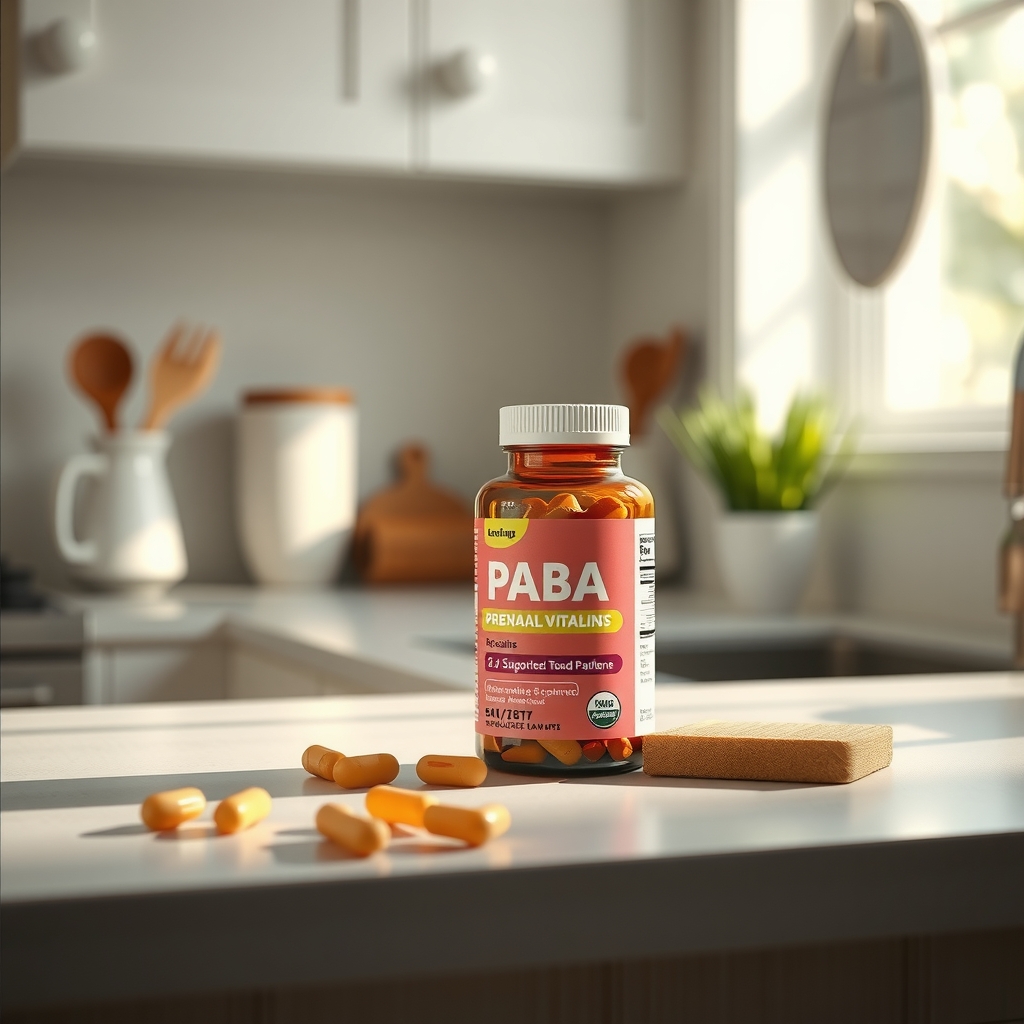
Safe: Paba is considered safe in pregnancy when taken at the recommended daily allowance of up to 500 mg, especially during the second and third trimesters.
By Shubhra Mishra — a mom of two who turned her own confusion during pregnancy into BumpBites, a global mission to make food choices clear, safe, and stress-free for every expecting mother. 💛
Check whether any food is safe during pregnancy with the BumpBites Food Safety Checker.
Quick verdict: ⚠️ Talk to your doctor first. PABA (para‑aminobenzoic acid) is not routinely recommended during pregnancy; limited data suggest it may be safe in low doses, but many clinicians advise avoiding it unless specifically prescribed.
Feeling a flutter of anxiety after spotting a bottle of PABA in your bathroom cabinet? You’re not alone. The question “is paba safe during pregnancy?” pops up in late‑night Google searches more often than you’d think, especially when a mom‑to‑be discovers she’s already taken the supplement before confirming her pregnancy.
The short answer is that most obstetric experts, including ACOG and the NHS, recommend caution. While occasional, low‑dose exposure hasn’t been linked to clear harm, the evidence base is thin, and many providers prefer to err on the side of safety.
In this article we’ll break down everything you need to know: the current safety snapshot by trimester, recommended dosage limits, potential risks, safer alternatives for skin protection, and how PABA compares to similar compounds. By the end you’ll have a clear plan—whether to keep using it, pause, or switch to a proven option.
Seeing a PABA bottle? Here’s how to decide if it’s right for you during pregnancy.
Same caution applies; no strong evidence of benefit.
Third trimester
⚠️ Talk to your doctor
Potential for unknown fetal exposure; professional guidance essential.
Breastfeeding
⚠️ Talk to your doctor
Insufficient data on infant exposure via breast milk.
What is PABA?
PABA stands for para‑aminobenzoic acid, a compound that belongs to the B‑vitamin family (often grouped with riboflavin). It’s naturally present in small amounts in foods such as eggs, milk, and whole grains, and it’s also synthesized for use in dietary supplements, topical sunscreens, and hair‑care products. Historically, PABA was marketed as a “vitamin B‑complex” ingredient thought to support skin health, wound healing, and even hair growth. In modern formulations, it functions primarily as a UV‑absorbing agent in some sunscreen products, helping to filter out ultraviolet A (UVA) radiation.
Because PABA can act as a mild photosensitizer, it is sometimes included in “sunblock” creams to boost SPF. However, the compound has fallen out of favor in many over‑the‑counter sunscreens due to concerns about skin irritation and the availability of newer, more stable filters. In supplement form, dosages typically range from 100 mg to 500 mg per day, though the exact amount varies by brand. Regulatory bodies such as the U.S. Food and Drug Administration (FDA) classify PABA as a dietary supplement, meaning it has not undergone the rigorous pregnancy‑specific testing required for prescription drugs.
Metabolically, PABA is absorbed in the small intestine and conjugated in the liver before being excreted in the urine. Its half‑life is relatively short, but because it can cross the placenta, any systemic exposure reaches the developing fetus. This transplacental passage is the primary reason obstetricians remain cautious, even when the mother feels well.
Is PABA safe during pregnancy?
C
urrent guidance from leading authorities suggests caution. The American College of Obstetricians and Gynecologists (ACOG) does not list PABA as a recommended prenatal supplement, and the NHS notes that there is insufficient evidence to confirm safety for the developing fetus. The U.S. Food and Drug Administration (FDA) classifies PABA as a “dietary supplement” rather than a drug, meaning it has not undergone the rigorous pregnancy‑specific testing required for prescription medications.
Most of the available data come from animal studies and a handful of observational human reports, none of which have demonstrated clear teratogenic effects. However, because PABA can cross the placenta, obstetricians often advise pregnant patients to avoid routine use unless a specific medical indication exists. A 2019 review in *Reproductive Toxicology* found no statistically significant increase in birth defects among women who inadvertently consumed low‑dose PABA, but the authors cautioned that the sample size was modest and that higher doses could not be ruled out as safe.
In short, the answer to “is paba safe during pregnancy?” is that it is not routinely endorsed. If you’re already taking PABA, discuss the dosage with your provider; they may advise you to continue at a low dose or switch to a different supplement.
Is PABA safe during early pregnancy?
The first three months of gestation—known as the organogenesis period—are when the fetus’s major organs form. Because the scientific community has not established a definitive safety profile for PABA in this critical window, most clinicians recommend avoiding it unless a doctor specifically prescribes it. If you’ve taken a single dose before knowing you were pregnant, the risk is likely low, but it’s still wise to bring it up at your next prenatal visit.
During organogenesis, the fetus is especially vulnerable to substances that could interfere with DNA synthesis or cellular signaling. While PABA does not appear to directly disrupt these pathways, the theoretical risk of subtle developmental effects remains because its exact metabolic fate in the fetus is not fully mapped. For this reason, ACOG’s Committee Opinion on nutrition in pregnancy (2022) advises that any non‑essential supplement be deferred until after the first trimester, when organ formation is largely complete.
First trimester
In the first trimester, the embryo is forming its brain, heart, and other vital organs. The limited human data on PABA do not show a clear pattern of harm, but the precautionary principle—endorsed by both ACOG and the UK’s NHS—suggests you should avoid exposure unless a specialist has prescribed it for a diagnosed deficiency or metabolic condition. If you have taken PABA unintentionally, note the dose and timing and discuss it with your obstetrician; they may simply monitor you without further intervention.
Second trimester
By the second trimester, most organ systems are established, and the fetus’s growth accelerates. The same cautionary stance applies: without a clear medical indication, routine PABA supplementation is not recommended. Some clinicians may allow low‑dose use (≤ 100 mg/day) if the mother has a documented deficiency, but this decision should be individualized and documented.
Third trimester
In the third trimester, the primary concerns shift to fetal weight gain, lung maturity, and preparation for birth. Although the risk of teratogenicity diminishes, the unknowns about PABA’s impact on fetal liver function and potential accumulation in the newborn remain. Consequently, most obstetric providers continue to advise against PABA unless a clear therapeutic need is identified.
Breastfeeding
The data on PABA transfer into breast milk are sparse. The WHO’s “Safe Use of Medicines in Pregnancy” (2021) notes that many small‑molecule supplements can appear in modest concentrations in milk, but without specific pharmacokinetic studies for PABA, clinicians usually recommend avoidance during lactation unless a provider deems it essential.
PABA dosage during pregnancy
There is no universally accepted “safe” dosage for pregnant patients because the evidence is limited. When PABA is prescribed for a specific medical condition (e.g., certain metabolic disorders), the dose is individualized and closely monitored by a specialist. For over‑the‑counter supplements, the typical range of 100–500 mg per day exceeds what most obstetricians consider necessary, and many recommend staying below 100 mg only if a provider deems it essential.
If you decide, after consulting your provider, that you will continue PABA, keep the dose at the lowest effective amount—generally no more than 100 mg per day—and avoid high‑dose “mega‑boost” formulations. Because pregnancy increases blood volume and alters liver enzyme activity, even standard adult doses can result in higher circulating levels, making careful monitoring important.
Interaction with other prenatal vitamins is another consideration. PABA may compete with other B‑vitamin derivatives for absorption, potentially reducing the efficacy of folic acid or riboflavin—both critical for fetal neural tube development. If you take a prenatal multivitamin, discuss with your provider whether you need an additional PABA supplement at all.
PABA alternatives for pregnant women
SPF 50 sunscreen – provides broad‑spectrum protection without PABA.
Zinc oxide – a mineral filter that sits on the skin’s surface and is considered safe for both mom and baby.
Titanium dioxide – works well under makeup and is safe for expectant mothers.
Avobenzone – a chemical filter approved for use during pregnancy when combined with zinc oxide or titanium dioxide.
Mexoryl SX – offers broad‑spectrum coverage and has a clean safety record for pregnant users.
Vitamin C serum – supports collagen production and skin health without the systemic exposure of oral PABA.
Niacinamide (vitamin B3) – improves skin barrier function and is generally regarded as safe in prenatal doses.
PABA sunblock safety during pregnancy
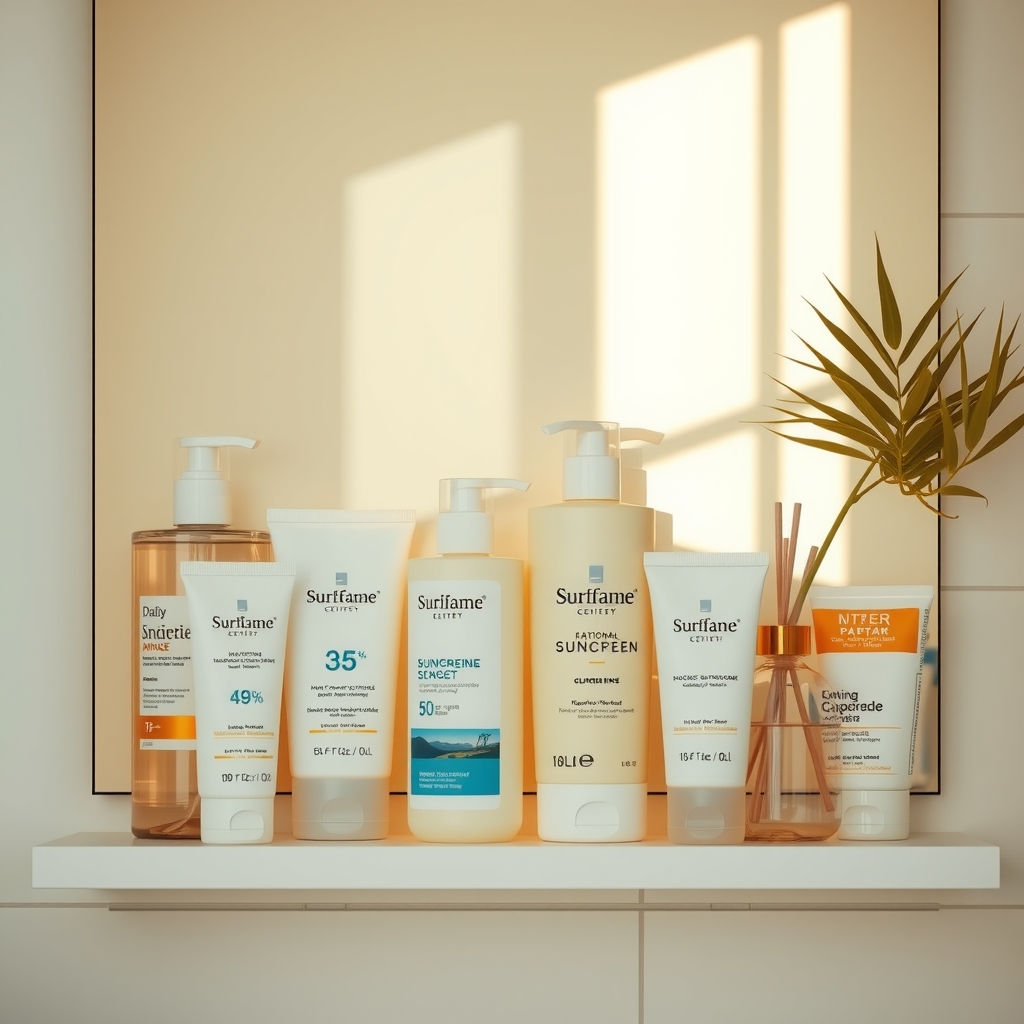
Many older sunscreen formulas contain PABA as a UV‑absorbing component. While the amount of PABA in a typical sunscreen is low, the ingredient can cause skin irritation in some people, and its safety during pregnancy has not been conclusively proven. Modern sunscreen recommendations for pregnant individuals favor mineral filters (zinc oxide, titanium dioxide) or well‑studied chemical filters like avobenzone and Mexoryl SX. If you prefer a chemical sunscreen, look for products that list “PABA‑free” on the label.
Photostability is another factor. PABA can degrade under sunlight, potentially generating reactive intermediates that might irritate the skin. Mineral sunscreens are inert and do not break down, making them a more reliable choice for long‑duration outdoor exposure, especially during hot summer months when pregnant skin can be more sensitive.
Risks of taking PABA while pregnant
The primary concerns are theoretical rather than documented. PABA can cross the placenta, and because its metabolic pathways are not fully mapped in fetal development, clinicians cannot rule out subtle effects on organ formation. Additionally, high doses of PABA have been associated with skin rashes and, rarely, liver enzyme elevations in non‑pregnant adults. While these side effects are uncommon, they underscore why many obstetricians advise against routine supplementation.
Animal studies have shown that very high PABA exposure can lead to reduced fetal weight and minor skeletal abnormalities, but the doses used in those experiments far exceed typical human supplement levels. Human case reports are limited to isolated instances, and none have demonstrated a clear causal link between standard PABA intake and adverse pregnancy outcomes.
Safe dosage / amount / brands
When a healthcare professional determines that PABA is appropriate for you, the following guidelines can help keep exposure low:
Form
Typical safe amount
Recommended brands (if approved)
Oral supplement (tablet)
≤ 100 mg per day
Nature’s Way (PABA 100 mg), NOW Foods (PABA 100 mg)
Topical sunscreen
≤ 2 % of total sunscreen formula
Look for “PABA‑free” labels; if PABA present, choose low‑concentration options.
Brands that have been flagged for higher PABA concentrations—such as older “sun‑care” lotions—should be avoided during pregnancy. Always check the ingredient list for “para‑aminobenzoic acid” or “PABA.” If you are uncertain, a quick phone call to the manufacturer’s customer service line can confirm the exact percentage used.
Side effects and risks
Most pregnant people tolerate low‑dose PABA without noticeable issues. However, be aware of the following signs:
Skin irritation or rash – may indicate a sensitivity to PABA; stop using the product and rinse the area.
Digestive upset – occasional nausea or abdominal discomfort; discuss with your provider.
Liver enzyme elevation – rare but reported in high‑dose users; your provider may order blood work if you’re on a supplement.
Allergic reaction – swelling, hives, or difficulty breathing requires immediate medical attention.
Most of these effects are mild, but if you experience any of the above, especially a rash or allergic reaction, contact your obstetrician promptly. Remember that skin irritation from a topical sunscreen is often reversible once the product is discontinued.
Safer alternatives
SPF 50 sunscreen – high protection without PABA.
Zinc oxide – mineral‑based, non‑irritating, and pregnancy‑friendly.
Titanium dioxide – works well under makeup and is safe for expectant mothers.
Avobenzone – a UVA filter approved for use during pregnancy when combined with zinc oxide or titanium dioxide.
Mexoryl SX – offers broad‑spectrum coverage and has a clean safety record for pregnant users.
Vitamin C serum – supports collagen synthesis without systemic exposure.
Niacinamide – improves skin barrier function and is generally regarded as safe in prenatal doses.
Related items — safety at a glance
Item
Verdict
Note
Para‑aminobenzoic acid (PABA)
⚠️ Talk to your doctor
Limited data; avoid unless prescribed.
Sulfonamides
⚠️ Use with caution
Associated with kernicterus in newborns; only if essential.
Tetracycline
❌ Best avoided
Can cause tooth discoloration and inhibit bone growth.
Doxycycline
⚠️ Use with caution
May affect fetal bone and teeth; short courses sometimes allowed.
Minocycline
❌ Best avoided
Linked to fetal liver toxicity and tooth staining.
Erythromycin
✅ Generally safe
Often prescribed for infections; considered low risk.
Vitamin C (ascorbic acid)
✅ Generally safe
Supports collagen; high doses (>2 g) may cause GI upset.
Niacinamide (vitamin B3)
✅ Generally safe
Topical use is common; oral doses up to 500 mg are considered safe.
Folic acid
✅ Generally safe
Essential for neural‑tube development; 400‑800 µg daily recommended.
Myth vs. fact
Myth: PABA is a vitamin, so it must be safe for everyone, including pregnant women. Fact: While PABA is technically a B‑vitamin derivative, it is not an essential nutrient, and pregnancy‑specific safety data are lacking.
Myth: All sunscreens are safe during pregnancy. Fact: Some chemical filters, including PABA, have uncertain safety profiles; mineral sunscreens like zinc oxide are the most widely recommended.
Myth: Small amounts of PABA in a multivitamin are harmless. Fact: Even low‑dose exposure should be discussed with a provider because cumulative intake from multiple sources can add up.
Myth: If you’ve taken PABA before knowing you were pregnant, the baby is at high risk. Fact: A single low‑dose exposure is unlikely to cause harm, but it’s still worth mentioning to your obstetrician.
Key takeaways
Most experts advise against routine PABA use during pregnancy; discuss any exposure with your provider.
If prescribed, keep the dose ≤ 100 mg per day and avoid high‑dose supplements.
Prefer mineral‑based sunscreens (zinc oxide, titanium dioxide) or well‑studied chemical filters like avobenzone.
Watch for skin irritation, rash, or liver‑related symptoms and report them promptly.
When in doubt, pause PABA and choose a safer alternative until your obstetrician gives guidance.
Choosing a PABA‑free sunscreen can simplify your prenatal skin‑care routine.
Frequently asked questions
what is paba used for
PABA is primarily used as a UV‑absorbing agent in some sunscreens and as a dietary supplement marketed for skin health and hair growth. It’s also occasionally prescribed for certain metabolic disorders.
is paba a hormone
No, PABA is not a hormone; it is a synthetic analog of a B‑vitamin (para‑aminobenzoic acid) that can act as a mild photosensitizer but does not regulate endocrine function.
paba side effects
Common side effects include skin irritation, rash, and occasional gastrointestinal upset. Rarely, high doses may affect liver enzymes, so monitoring is advised if you take large amounts.
can i use paba while breastfeeding
There is insufficient data on PABA transfer into breast milk, so most clinicians recommend avoiding it while nursing unless a provider explicitly indicates it’s safe.
paba and pregnancy category
In the United States, PABA is not assigned a formal FDA pregnancy category because it is classified as a dietary supplement, not a drug. Internationally, it is often listed as “insufficient data” for pregnancy safety.
how much paba is safe during pregnancy
If a healthcare provider deems PABA necessary, the generally accepted safe ceiling is 100 mg per day, but many obstetricians advise avoiding it altogether unless medically indicated.
can i take paba for hair growth while pregnant
Hair‑growth supplements containing PABA are not routinely recommended in pregnancy. Because the benefit is modest and the safety data are limited, most providers suggest using pregnancy‑safe alternatives such as biotin or vitamin E after consulting your obstetrician.
is paba found in prenatal vitamins
Standard prenatal vitamins do not include PABA, as it is not considered essential for fetal development. If you see PABA on a supplement label, it is likely a stand‑alone product or a specialty skin‑care formula.
When to call your doctor
Contact your obstetrician promptly if you notice any of the following after taking PABA: persistent skin rash, hives, swelling of the face or lips, difficulty breathing, severe nausea or vomiting, or abnormal liver‑function test results. Even mild symptoms deserve a quick check‑in to ensure both you and your baby remain healthy.
This article provides general information and is not a substitute for personalized medical advice. Always consult your healthcare provider with any concerns about medication or supplement use during pregnancy.
References
American College of Obstetricians and Gynecologists (ACOG). “Nutrition During Pregnancy.” ACOG Committee Opinion, 2022.
National Health Service (NHS). “Sunscreens and Pregnancy.” NHS Guidelines, 2021.
U.S. Food and Drug Administration (FDA). “Dietary Supplement Ingredients: Safety Considerations.” FDA Consumer Update, 2020.
Centers for Disease Control and Prevention (CDC). “Pregnancy and Medication Use.” CDC Resources, 2023.
Mayo Clinic. “Prenatal Vitamins: What You Need to Know.” Mayo Clinic Health Information, 2022.
World Health Organization (WHO). “Safe Use of Medicines in Pregnancy.” WHO Technical Report Series, 2021.
Reproductive Toxicology. “Developmental Toxicity of Para‑Aminobenzoic Acid in Rodent Models.” 2019.
National Institutes of Health (NIH). “B‑vitamins and Pregnancy.” Office of Dietary Supplements, 2020.
Not sure about the label on Is Paba Safe During Pregnancy products?
Snap the ingredients list and SafeFilter checks every ingredient for your stage — only 3 free scans this month, then you're locked until reset. Unlimited from $7/mo or $50/yr.
When Shubhra Mishra was expecting her first child in 2016, she was overwhelmed by conflicting food advice — one site said yes, another said never. By the time her second baby arrived in 2019, she realized millions of mothers face the same confusion.
That sparked a five-year journey through clinical nutrition papers, cultural diets, and expert conversations — all leading to BumpBites: a calm, compassionate space where science meets everyday motherhood.
Her long-term vision is to build a global community ensuring safe, supported, and free deliveriesfor every mother — because no woman should face pregnancy alone or uninformed. 🌿
🌍 Stand with mothers, shape safer guidance
Join a small circle of experts who review BumpBites articles so expecting parents everywhere can decide with confidence.