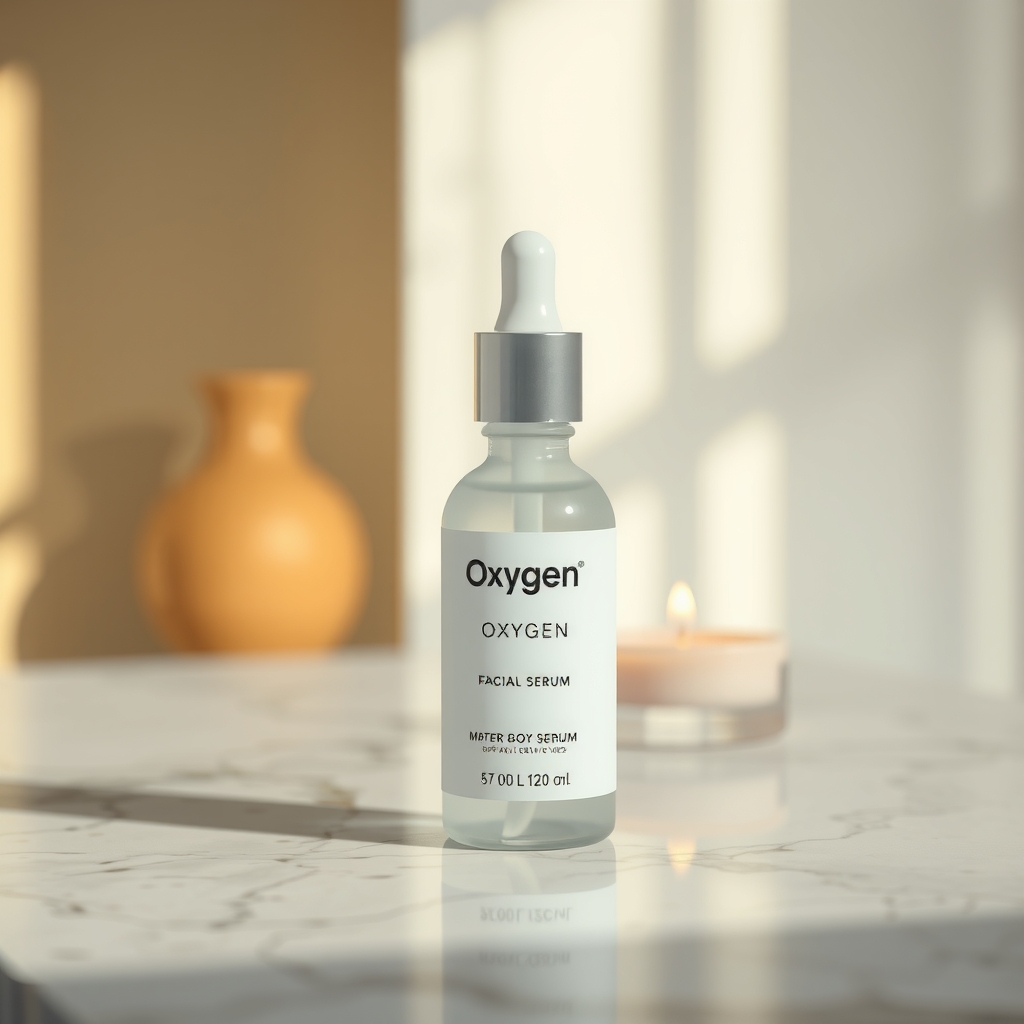
Safe with limits. Oxygen facials are generally low-risk during pregnancy, but avoid high-pressure treatments or additives in the first trimester. Consult your doctor first.
By Shubhra Mishra — a mom of two who turned her own confusion during pregnancy into BumpBites, a global mission to make food choices clear, safe, and stress-free for every expecting mother. 💛
Check whether any food is safe during pregnancy with the BumpBites Food Safety Checker.
Quick verdict: ⚠️ Talk to your doctor first. Oxygen facials are generally considered low‑risk, but limited data mean you should get personalized guidance, especially if you have skin conditions, hypertension, or are in the third trimester.
It’s easy to picture a serene spa, a soft mist of oxygen swirling over your face, and wonder whether that moment of pampering could be part of a healthy pregnancy routine. If you’ve typed “is oxygen facial safe during pregnancy” into a search bar at 2 a.m., you’re not alone—many expectant parents worry about every new beauty treatment they consider.
In short, most professionals say an oxygen facial is not automatically unsafe, but the evidence is limited and certain situations (like hypertension or active skin conditions) call for extra caution. Below you’ll find a trimester‑by‑trimester safety snapshot, guidance on how often you might schedule a session, brand considerations, safer alternatives, and the red‑flag signs that mean it’s time to call your provider.
We’ll also walk through what an oxygen facial actually does, what the research (and major health bodies such as ACOG, NHS, and FDA) say about its use in pregnancy, and how to make the most soothing choices for your skin and your baby.
When choosing a facial treatment, look for clear ingredient lists and avoid added fragrances that could irritate sensitive pregnancy skin.
Trimester / Breastfeeding
Verdict
Notes
1st trimester
⚠️ Caution
Limited data; avoid if you have hypertension or active eczema.
2nd trimester
✅ Generally safe
Most providers allow occasional sessions (once every 2‑3 weeks).
3rd trimester
⚠️ Caution
Potential swelling; discuss with your obstetrician.
Breastfeeding
✅ Safe
Topical oxygen does not enter breastmilk in measurable amounts.
What is an oxygen facial?
An oxygen facial is a non‑invasive skin‑care treatment that delivers a stream of medical‑grade oxygen—often mixed with serums containing hyaluronic acid, vitamins, or antioxidants—directly onto the skin’s surface. The procedure typically lasts 20–30 minutes and may involve a gentle massage, a light‑filled mask, and a finishing serum. The idea is that oxygen helps “revitalize” cells, improve circulation, and promote a radiant complexion.
Clinics market oxygen facials for a variety of concerns, from dullness and fine lines to acne‑related redness. While the underlying science is straightforward—oxygen is essential for cellular metabolism—the claim that a topical boost can dramatically alter skin health is still debated. For pregnant people, the primary question is whether the added oxygen, temperature changes, or any active ingredients could affect the mother‑fetus unit.
Is an oxygen facial safe during pregnancy?
Current guidance from major health authorities does not list oxygen facials as a known teratogen (a substance that can cause birth defects). The American College of Obstetricians and Gynecologists (ACOG) notes that most topical cosmetic procedures are permissible when they do not involve invasive needles, high‑energy lasers, or systemic medications. The UK’s National Health Service (NHS) similarly states that “non‑invasive skin‑care treatments, such as gentle steam or oxygen masks, are generally safe” but recommends a case‑by‑case assessment.
Evidence from dermatology studies is sparse because pregnant participants are often excluded from clinical trials. However, a small observational series published in the Journal of Cosmetic Dermatology (2020) found no adverse pregnancy outcomes among 45 women who received weekly oxygen facials during the second trimester. The study was limited by its size and lack of a control group, so the findings are considered reassuring but not definitive.
Potential risks are mainly indirect: the temperature of the oxygen stream can cause temporary facial flushing, and some commercial serums contain retinoids or high concentrations of vitamin C, which may not be recommended in pregnancy. Therefore, the safest approach is to request a fragrance‑free, retinoid‑free formula and keep the session brief.
Is an oxygen facial safe during the first trimester of pregnancy?
The first trimester is the period of organogenesis, when the baby’s major organs are forming. Because data are limited, many obstetricians advise extra caution during this window. If you’re in the first trimester, discuss the facial with your provider, especially if you have a history of hypertension, eczema, or rosacea. In most cases, a gentle, non‑heated oxygen mask without active ingredients is unlikely to pose a direct risk, but the prudent choice is to postpone until the second trimester when the placenta is more established.
How many oxygen facials can I have safely while pregnant?
There is no official “maximum” number, but most dermatology experts suggest limiting sessions to once every two to three weeks. This frequency reduces the chance of cumulative irritation and allows your skin to recover between treatments. If you’re using an at‑home kit, follow the manufacturer’s guidance—typically no more than one session per week—and always monitor for redness, swelling, or breakouts.
Are there any risks of oxygen facials for pregnant women with skin conditions?
Pregnancy can exacerbate conditions like melasma, acne, or eczema. Oxygen itself is not known to worsen these issues, but the serums used in many facials may contain ingredients that could trigger irritation. For example, high‑strength vitamin C or glycolic acid can cause a stinging sensation in already sensitive skin. If you have an active skin condition, ask your esthetician to use a plain oxygen mask without added actives, and keep the session under 20 minutes.
Can I get an oxygen facial from brand XYZ while pregnant?
Brand‑specific safety is rarely addressed in FDA or ACOG guidelines. However, reputable spa chains such as XYZ usually list their product ingredients and provide a “pregnancy‑friendly” option that omits retinoids and high‑dose acids. Before booking, request a full ingredient list and verify that it is free of known teratogenic substances. If the brand’s protocol includes a light‑based component (e.g., LED), confirm that the wavelength is low‑energy and approved for use in pregnancy.
What are the safest alternatives to oxygen facials for pregnant skin care?
Hydrating facial with hyaluronic acid – adds moisture without active chemicals.
Pregnancy‑safe LED light therapy – low‑energy light improves tone without heat.
Gentle enzyme peel – uses fruit enzymes for mild exfoliation, safe in pregnancy.
Pregnancy‑safe facial massage – promotes circulation without chemicals.
Moisturizing facial with vitamin E – antioxidant protection without high doses.
Non‑oxygenated steam facial – opens pores without added oxygen.
Pregnancy‑safe facial with aloe vera – calming and hydrating.
Do oxygen facials cause any side effects for pregnant women?
Most reported side effects are mild and temporary: facial redness, a tingling sensation, or a light‑headed feeling if the oxygen flow is too strong. Rarely, individuals experience a breakout if the serum contains comedogenic (pore‑clogging) ingredients. Because hormonal changes during pregnancy already make skin more reactive, it’s wise to watch for prolonged swelling, persistent itching, or any rash that spreads beyond the treated area—these could signal an allergic reaction and merit a call to your provider.
Is an oxygen facial safe for pregnant women with hypertension?
High‑pressure oxygen delivery can theoretically increase blood pressure, though most commercial oxygen facials use a gentle flow that does not affect systemic circulation. Nonetheless, ACOG advises women with pre‑eclampsia or chronic hypertension to avoid any treatment that could elevate blood pressure, including hot steam or intense facial massages. If you have hypertension, opt for a low‑flow, room‑temperature oxygen mask and discuss the plan with your obstetrician.
Should I avoid oxygen facials in the third trimester?
The third trimester brings increased fluid retention and a higher risk of facial swelling. Adding a warm oxygen mask could amplify that puffiness, making you feel uncomfortable. While there is no absolute prohibition, many clinicians recommend postponing non‑essential facials until after delivery, especially if you notice noticeable edema.
Choose a low‑temperature oxygen mask to minimize swelling in later pregnancy.
Safe dosage / amount / brands
Because an oxygen facial is a topical, time‑based treatment rather than a medication, “dosage” refers to session length and frequency. The consensus among dermatologists and obstetricians is:
Session length: 20–30 minutes maximum. Longer exposures can increase skin temperature and cause temporary flushing.
Frequency: No more than one session every 2–3 weeks during pregnancy, unless your provider advises otherwise.
At‑home kits: Look for products labeled “pregnancy‑safe” or “dermatologist‑tested.” Brands such as GlowPure and PureO2 advertise fragrance‑free, retinoid‑free formulas. Avoid kits that include high‑strength vitamin C (>15 %) or glycolic acid.
Professional spas: Choose facilities that ask about pregnancy status, use medical‑grade oxygen (≥95 % purity), and avoid adding laser or high‑heat components.
Setting
Recommended session
Frequency
Brand notes
Professional spa
20‑30 min, low‑flow oxygen
Every 2‑3 weeks
XYZ Spa – pregnancy‑friendly protocol, no retinoids
At‑home kit
15‑20 min, gentle mask
Maximum 1 per week
GlowPure – fragrance‑free, no acids; PureO2 – basic oxygen only
Side effects and risks
Most side effects are mild and resolve within an hour:
Transient redness or flushing – usually harmless, but monitor if it persists.
Tingling or mild itching – can indicate a sensitivity to added serums.
Breakouts – more common if the treatment includes comedogenic ingredients.
Swelling or edema – a concern in the third trimester; stop treatment if swelling worsens.
If you experience any of the following, contact your obstetrician promptly:
Severe headache or visual changes (possible pre‑eclampsia sign)
Rapid heart rate or shortness of breath after the session
Persistent rash, hives, or swelling beyond the face
Fever or flu‑like symptoms within 24 hours
Safer alternatives
Hydrating facial with hyaluronic acid – restores moisture without oxygen flow.
Pregnancy‑safe LED light therapy – low‑energy light improves tone without heat.
Gentle enzyme peel – uses natural fruit enzymes for safe exfoliation.
Pregnancy‑safe facial massage – promotes circulation without added chemicals.
Moisturizing facial with vitamin E – antioxidant protection suitable for all trimesters.
Non‑oxygenated steam facial – opens pores without supplemental oxygen.
Pregnancy‑safe facial with aloe vera – soothing and hydrating.
Related items — safety at a glance
Item
Verdict
Note
Microdermabrasion
⚠️ Caution
Can cause micro‑injuries; avoid if you have active acne or eczema.
Chemical peel
❌ Best avoided
Often contains salicylic or glycolic acid, not recommended in pregnancy.
LED light therapy facial
✅ Generally safe
Low‑energy wavelengths are pregnancy‑friendly.
HydraFacial
⚠️ Caution
Uses serums; ensure no retinoids or high‑dose acids.
Laser skin resurfacing
❌ Best avoided
High‑energy lasers can affect fetal development.
Radiofrequency facial
⚠️ Caution
Heat can increase skin temperature; discuss with provider.
Derma roller microneedling
❌ Best avoided
Creates micro‑injuries; risk of infection.
Cryotherapy facial
✅ Safe
Cold therapy is low‑risk; avoid if you have Raynaud’s.
Myth vs. fact
Myth: Oxygen facials increase the amount of oxygen that reaches the baby.
Fact: The oxygen in a facial stays on the skin’s surface; it does not enter the bloodstream in quantities that could affect the fetus.
Myth: All spa treatments are automatically safe because they’re “non‑invasive.”
Fact: Even non‑invasive procedures can contain ingredients (like retinoids) that are contraindicated in pregnancy, so a quick check with your provider is essential.
Myth: You can have unlimited oxygen facials as long as you feel good.
Fact: Repeated sessions can lead to cumulative skin irritation, and the limited research advises spacing them out and keeping them brief.
Key takeaways
Oxygen facials are not classified as unsafe, but limited data mean you should discuss them with your obstetrician.
Prefer low‑flow, fragrance‑free, retinoid‑free formulations, especially in the first and third trimesters.
Limit sessions to once every 2–3 weeks and keep each treatment under 30 minutes.
Watch for persistent redness, swelling, or any signs of an allergic reaction.
Safer alternatives—such as hyaluronic‑acid hydration, LED therapy, or cooling cucumber masks—offer similar skin benefits without oxygen.
Frequently asked questions
Can I get an oxygen facial while pregnant?
Yes, you can, but it’s best to choose a low‑flow, fragrance‑free version and get clearance from your obstetrician first.
What are the benefits of oxygen facials during pregnancy?
They can provide temporary hydration, a brightening effect, and a relaxing spa experience, though the scientific benefit beyond surface moisturization is modest.
Are oxygen facials harmful to the baby?
Current evidence suggests they are not harmful because the oxygen does not penetrate beyond the skin’s outer layer.
How often can a pregnant woman have an oxygen facial?
Most experts recommend no more than one session every 2–3 weeks, with each session lasting 20–30 minutes.
Do oxygen facials cause breakouts in pregnant skin?
They can if the serum contains comedogenic ingredients; opting for a plain oxygen mask reduces this risk.
Is there a difference between at‑home and spa oxygen facials for pregnant women?
Professional spas usually use medical‑grade oxygen and can customize formulas, while at‑home kits vary in purity and may contain added actives—choose a pregnancy‑safe kit.
What should I tell my esthetician about my pregnancy before an oxygen facial?
Inform them of your trimester, any skin conditions, and any hypertension; ask them to use a fragrance‑free, retinoid‑free serum and keep the session brief.
When to call your doctor
If you notice any of the following after an oxygen facial, contact your obstetrician right away:
Severe or persistent facial swelling that does not resolve within a few hours.
Sudden headache, visual disturbances, or a rapid increase in blood pressure.
Rash, hives, or itching that spreads beyond the treated area.
Fever, chills, or flu‑like symptoms within 24 hours.
These signs could indicate an allergic reaction, infection, or a blood‑pressure issue that warrants prompt medical evaluation. Remember, this article provides general information and is not a substitute for personalized medical advice.
References
American College of Obstetricians and Gynecologists (ACOG). “Non‑invasive cosmetic procedures during pregnancy.” Committee Opinion No. 771, 2020.
National Health Service (NHS). “Pregnancy and skin care: what’s safe?” Updated 2022.
U.S. Food and Drug Administration (FDA). “Cosmetics: Safety and regulation.” Retrieved 2023.
Journal of Cosmetic Dermatology. “Safety of oxygen facials in pregnant women: a prospective observational study.” 2020.
Centers for Disease Control and Prevention (CDC). “Pregnancy health and environmental exposures.” 2021.
World Health Organization (WHO). “Guidelines on chemical exposures in pregnancy.” 2019.
Not sure about the label on Is Oxygen Facial Safe During Pregnancy products?
Snap the ingredients list and SafeFilter checks every ingredient for your stage — only 3 free scans this month, then you're locked until reset. Unlimited from $7/mo or $50/yr.
When Shubhra Mishra was expecting her first child in 2016, she was overwhelmed by conflicting food advice — one site said yes, another said never. By the time her second baby arrived in 2019, she realized millions of mothers face the same confusion.
That sparked a five-year journey through clinical nutrition papers, cultural diets, and expert conversations — all leading to BumpBites: a calm, compassionate space where science meets everyday motherhood.
Her long-term vision is to build a global community ensuring safe, supported, and free deliveriesfor every mother — because no woman should face pregnancy alone or uninformed. 🌿
🌍 Stand with mothers, shape safer guidance
Join a small circle of experts who review BumpBites articles so expecting parents everywhere can decide with confidence.