Limit Orange Theory Fitness during pregnancy, especially after the first trimester. Experts recommend modifying intensity, avoiding jumps, and monitoring heart rate to ensure safety for you and your baby.
By Shubhra Mishra — a mom of two who turned her own confusion during pregnancy into BumpBites, a global mission to make food choices clear, safe, and stress-free for every expecting mother. 💛
Check whether any food is safe during pregnancy with the BumpBites Food Safety Checker.
Quick verdict: ⚠️ Safe with limits – Orange Theory Fitness can be okay for many pregnant people if you modify intensity, keep sessions short, and get clearance from your provider. Aim for low‑impact versions, limit to 2–3 classes per week, and listen to your body.
It’s 2 a.m., the clock on your phone glows, and you’re scrolling through the Orange Theory schedule, wondering, “is orange theory fitness safe during pregnancy?” You may have already squeezed in a class before you knew you were expecting, or you might be planning to join a new cohort next month. First‑trimester worries are common, and the good news is you don’t have to abandon your fitness routine entirely. In this article we break down exactly what the current medical guidance says, how many classes are reasonable, what to watch for each trimester, and which gentler workouts can keep you moving without added risk.
We’ll walk you through the structure of an Orange Theory session, the specific concerns for pregnant participants, and practical tips for staying active safely. Whether you’re a cardio fan, a HIIT enthusiast, or just looking for a supportive community, you’ll find a clear answer to is orange theory fitness safe during pregnancy, plus alternatives, warning signs, and a quick‑reference table for every trimester.
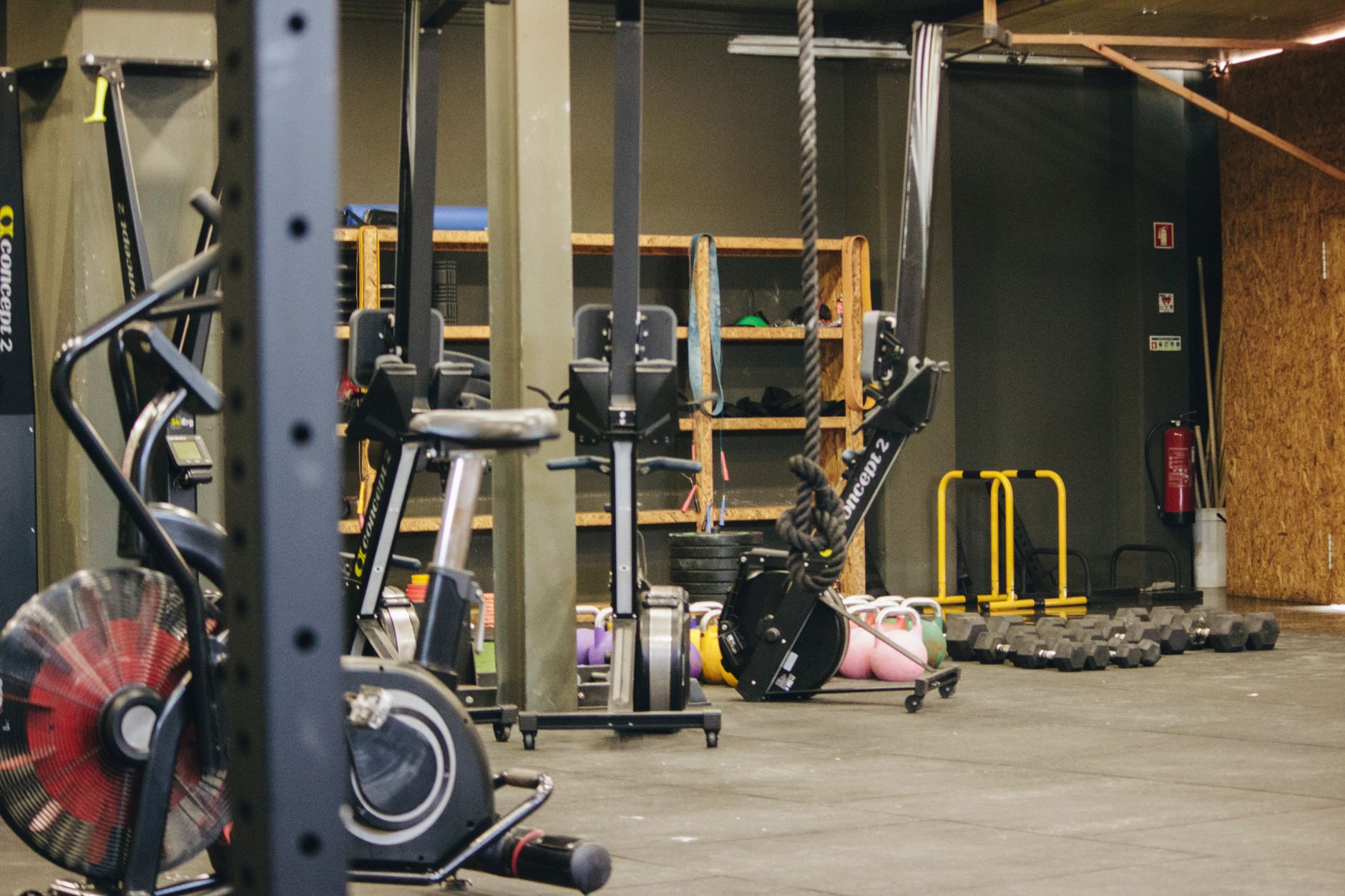
Take a look at a typical Orange Theory layout so you know what to expect before you step in.
Trimester / Breastfeeding
Verdict
Notes
First trimester
⚠️ Talk to your doctor first
Limit intensity, avoid high‑impact intervals, focus on steady‑state cardio.
Shorten sessions, avoid deep lunges, monitor balance.
Breastfeeding
✅ Safe
Low‑impact cardio and light resistance are fine; replace high‑intensity bursts with steady pace.
What is Orange Theory Fitness?
Orange Theory Fitness (OTF) is a boutique group‑exercise brand that blends cardio and strength training into a one‑hour class. Each session is divided into three “blocks”: treadmill intervals, rowing machine sprints, and a weight‑floor circuit using dumbbells, kettlebells, and body‑weight moves. The class is driven by heart‑rate zones—“orange” (84‑91 % of max) and “red” (92‑100 %)—to keep participants in a high‑intensity interval training (HIIT) range. Instructors cue participants to push hard during short bursts (often 30–60 seconds) and then recover at a lower intensity. The format is designed to boost metabolism, improve cardiovascular fitness, and build strength in a time‑efficient way.
Because the workout is structured, participants can see real‑time heart‑rate feedback on a wearable monitor, allowing them to adjust effort on the fly. The typical class includes a 5‑minute warm‑up, 20‑minute treadmill block, 10‑minute rowing block, and a 20‑minute strength circuit, with a cool‑down stretch at the end. While the high‑intensity nature appeals to many fitness enthusiasts, the same features raise questions for pregnant people who need to balance exercise benefits with fetal safety.
Is Orange Theory Fitness safe during pregnancy?
C
urrent guidance from the American College of Obstetricians and Gynecologists (ACOG) and the UK’s National Health Service (NHS) encourages regular physical activity during pregnancy, but it emphasizes moderate intensity and low impact. Orange Theory’s HIIT format can be safe for many pregnant individuals if the session is adapted: keep heart‑rate targets below 140 bpm, avoid high‑impact jumps, and replace deep lunges with a reduced range of motion.
Evidence from systematic reviews (e.g., the 2022 ACOG Committee Opinion on exercise) shows that moderate‑intensity cardio—defined as 50‑70 % of maximal heart rate—is linked to lower risk of gestational hypertension, gestational diabetes, and excessive weight gain. HIIT, which can push participants into the “orange” or “red” zones, has been studied in small cohorts and found no increase in adverse outcomes when properly supervised and individualized.
Nevertheless, the FDA does not regulate fitness classes, so the safety hinges on the studio’s willingness to modify workouts and the participant’s health status. The CDC advises pregnant people to stay hydrated, avoid overheating, and stop exercising if they feel dizziness, shortness of breath, or uterine cramping. In short, is orange theory fitness safe during pregnancy—yes, with physician clearance, heart‑rate monitoring, and appropriate modifications.
Safety by trimester
First trimester (weeks 1‑13)
The first trimester is the period of organogenesis, when the embryo’s major organs form. Because the fetus is most vulnerable to teratogens and extreme physiological stress, ACOG recommends avoiding activities that raise core temperature above 39 °C (102.2 °F) or cause excessive impact. In an Orange Theory class, this translates to skipping the high‑impact treadmill sprints and focusing on low‑intensity walking or light rowing. Keep your heart rate under 130 bpm and limit sessions to 30‑45 minutes. If you feel nausea, fatigue, or spotting, stop immediately and contact your provider.
Second trimester (weeks 14‑27)
Many pregnant people report a surge in energy during the second trimester, making it a good window for continued activity. The uterus is expanding, but the risk of miscarriage drops. Orange Theory can be continued if you adjust the “orange” zone target to 120‑140 bpm and replace deep lunges with shallow squats or seated resistance work. The rowing block can stay mostly unchanged, but keep the resistance moderate to avoid overexertion. Hydration is key—drink 8‑10 ounces of water before class and sip throughout.
Third trimester (weeks 28‑40)
Balance and joint stability can be compromised as the belly grows. High‑impact intervals increase the chance of falls, and overheating becomes a greater concern. In the third trimester, limit the treadmill to a brisk walk at a slight incline, shorten the rowing bursts to 20‑30 seconds, and focus on light resistance bands for the strength portion. Heart‑rate zones should stay below 130 bpm, and session length should not exceed 45 minutes. If you experience shortness of breath, uterine contractions, or pelvic pain, stop the workout and seek medical advice.
Breastfeeding
Post‑partum, many providers encourage a gradual return to exercise. Low‑impact cardio, gentle strength training, and moderate‑intensity HIIT are generally considered safe while breastfeeding. Orange Theory’s class can be re‑entered once you feel comfortable, but keep the intensity modest and monitor any signs of fatigue, as lactation can increase caloric needs.
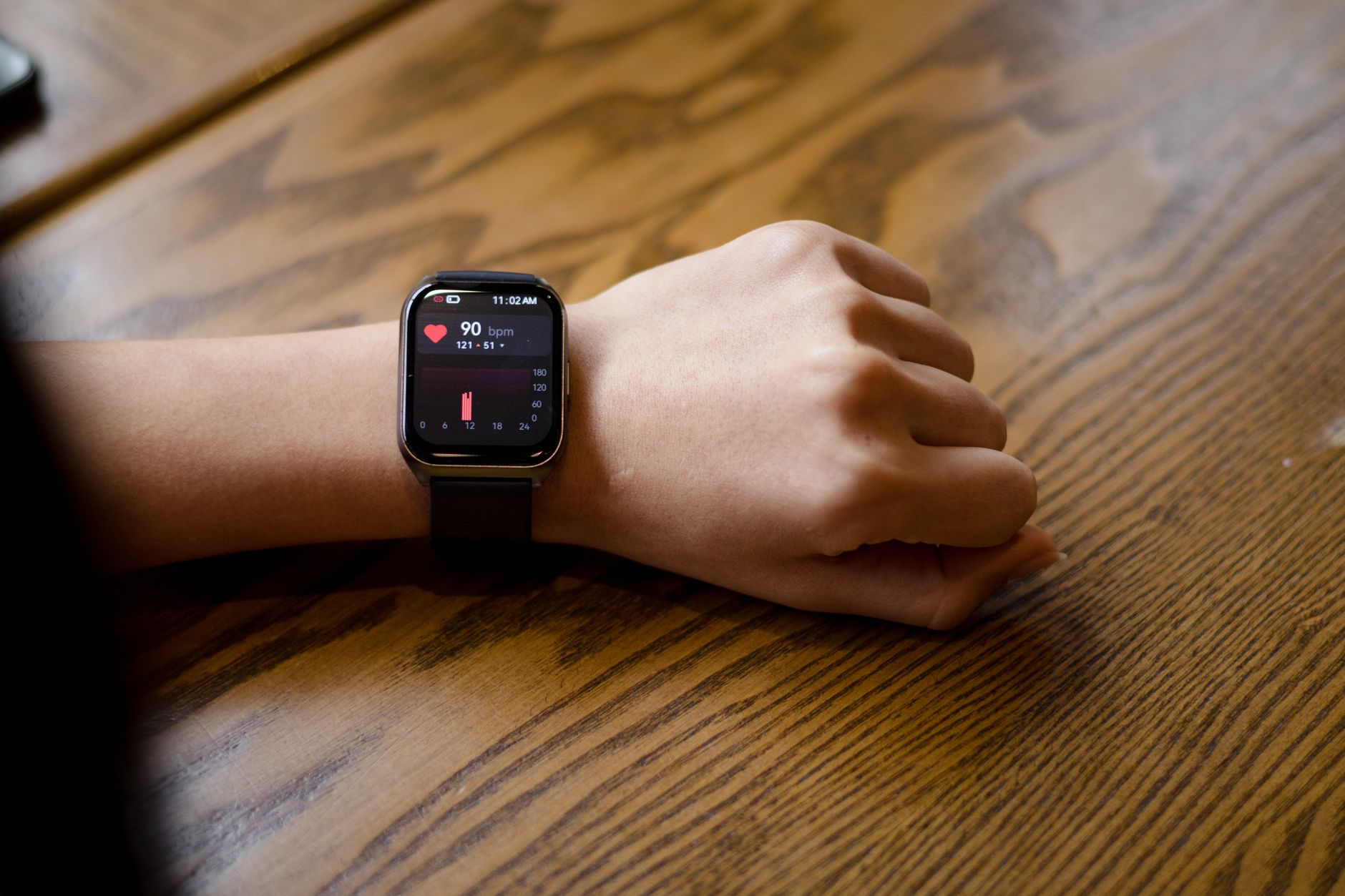
Use a heart‑rate monitor to stay within the safe zone recommended for pregnancy.
Is Orange Theory Fitness safe for pregnant women in the first trimester?
During the first trimester, the safest approach is to keep the workout low‑impact and well below the “orange” heart‑rate zone. Many studios offer a “pregnancy‑friendly” modification that replaces treadmill sprints with a gentle walk and swaps deep lunges for seated leg extensions. If your provider clears you, attending up to two 30‑minute sessions per week is generally acceptable.
Can I do high‑intensity interval training at Orange Theory while pregnant?
High‑intensity interval training (HIIT) can be performed safely in pregnancy when the intensity is adjusted. Aim for the lower end of the orange zone (84‑88 % of max HR) and avoid the red zone entirely. Replace explosive moves with controlled, low‑impact equivalents. If you experience shortness of breath, dizziness, or any uterine discomfort, stop the interval and rest.
How many Orange Theory classes per week are safe during pregnancy?
Most obstetric guidelines suggest 150 minutes of moderate‑intensity aerobic activity per week. For Orange Theory, this translates to 2–3 classes of 45 minutes each, provided you modify intensity. More frequent sessions can increase risk of overuse injuries or overheating, especially in the later trimesters.
What are the risks of Orange Theory workouts for pregnant women?
Potential risks include overheating, dehydration, excessive impact leading to joint strain, and elevated maternal heart rate that could reduce uterine blood flow. In rare cases, high‑impact intervals may provoke uterine contractions or trigger preterm labor, particularly if the mother has underlying hypertension or gestational diabetes.
Are there modified Orange Theory workouts for pregnant participants?
Many Orange Theory locations now offer “Prenatal” or “Gentle” class options, where instructors replace treadmill sprints with a steady walk, reduce rowing resistance, and focus on light‑weight circuits using resistance bands. Ask the studio manager about “Pregnancy‑Friendly” modifications before you sign up.
What are safer cardio alternatives to Orange Theory during pregnancy?
If you prefer to avoid the high‑intensity environment, consider these lower‑impact options that still meet ACOG’s recommendation for 150 minutes of moderate activity per week:
Prenatal Yoga – gentle stretching and breathing, great for flexibility.
Walking on a treadmill – steady‑state cardio without spikes.
Swimming laps – buoyant, full‑body workout that keeps you cool.
Low‑intensity stationary bike – maintains heart health with minimal joint stress.
Low‑impact aerobics class – rhythmic movement without jumps.
Pregnancy Pilates – core stability with controlled movements.
Light resistance band workouts – strength without heavy loads.
Does Orange Theory have pregnancy‑friendly class options?
Yes, many studios have introduced “Prenatal” or “Gentle” sessions. These classes typically replace the high‑intensity treadmill block with a 5‑minute warm‑up walk, keep rowing intervals short and at low resistance, and modify the strength circuit to avoid deep squats or overhead presses. Always verify with the specific location, as offerings can vary.
Can pre‑existing conditions affect Orange Theory safety in pregnancy?
Conditions such as hypertension, gestational diabetes, or a history of preterm labor warrant extra caution. ACOG advises women with high blood pressure to avoid strenuous exercise that spikes heart rate above 140 bpm. If you have gestational diabetes, moderate cardio can help control blood sugar, but you should stay within the prescribed intensity range and monitor glucose before and after workouts.
Is Orange Theory safe for pregnant women with hypertension?
Women with hypertension should keep their heart rate under 130 bpm and avoid high‑impact moves that can cause sudden spikes in blood pressure. Low‑impact alternatives, such as a gentle treadmill walk and light resistance band work, are generally acceptable, but you must have clearance from your obstetric provider.
Safe dosage / amount / brands
Because Orange Theory is a class‑based program rather than a consumable product, “dosage” refers to frequency, duration, and intensity. Here are the commonly accepted limits:
Frequency: 2–3 classes per week is safe for most pregnant participants.
Duration: Keep each session to 45 minutes or less, especially after the second trimester.
Intensity: Aim for a heart‑rate target of 120‑140 bpm (moderate zone). Use a wearable monitor to stay within the “orange” zone, never entering the “red” zone.
Brands/Equipment: Choose studios that provide heart‑rate monitors and have staff trained in prenatal modifications. If you bring your own monitor, ensure it’s FDA‑cleared for accuracy.
Side effects and risks
Most side effects are mild and stem from overexertion:
Dizziness or light‑headedness: May indicate dehydration or excessive intensity—stop, sit, and hydrate.
Shortness of breath: Normal at moderate intensity, but if it persists, reduce effort.
Uterine cramping or contractions: Could signal preterm labor; stop immediately and call your provider.
Joint pain or swelling: Common in later pregnancy; modify movements to reduce impact.
Excessive fatigue: A sign you’re exceeding safe limits—cut back on class frequency.
Any sudden chest pain, severe abdominal pain, vaginal bleeding, or loss of fetal movement warrants urgent medical evaluation.
Safer alternatives
Prenatal Yoga – low‑impact, improves flexibility and reduces stress.
Walking on a treadmill – steady cardio without spikes in heart rate.
Swimming laps – full‑body, cool workout that eases joint pressure.
Low‑intensity stationary bike – maintains cardiovascular health safely.
Low‑impact aerobics class – rhythmic movement without jumps.
Pregnancy Pilates – strengthens core while protecting the spine.
Prenatal dance class – fun, moderate cardio with music.
Light resistance band workouts – strength without heavy loads.
Related items — safety at a glance
Fitness program
Verdict
One‑line note
Barry's Bootcamp
⚠️ Talk to doctor
High‑intensity interval training; needs major modifications.
F45 Training
⚠️ Talk to doctor
Functional HIIT circuits; can be adapted but usually intense.
SoulCycle
✅ Generally safe with mods
Low‑impact indoor cycling; heart‑rate can be monitored.
CrossFit
❌ Best avoided
Heavy lifts and explosive movements pose risk.
Planet Fitness Group Classes
✅ Generally safe
Often low‑impact; check class type before joining.
Curves
✅ Generally safe
Circuit style with light weights; suitable with modifications.
Zumba
⚠️ Safe with limits
Dance cardio; avoid high‑impact steps.
Les Mills BodyPump
⚠️ Talk to doctor
Weight‑lifting class; can be lightened for pregnancy.
Orangetheory Fitness (different locations)
⚠️ Safe with limits
Varies by studio; look for prenatal‑friendly options.
Myth vs. fact
Myth: All HIIT workouts are dangerous for pregnant people.
Fact: Moderate‑intensity HIIT, when kept below 140 bpm and modified for impact, is considered safe by ACOG for most pregnancies.
Myth: You must stop exercising entirely once you’re pregnant.
Fact: Regular, moderate exercise helps reduce gestational diabetes, hypertension, and mood swings; stopping can increase risks.
Myth: You can’t use heart‑rate monitors during pregnancy.
Fact: Monitoring heart rate is actually recommended to keep intensity within safe limits.
Key takeaways
✅ Orange Theory can be safe with physician clearance and heart‑rate monitoring.
⚠️ Keep intensity moderate (120‑140 bpm) and avoid high‑impact moves.
Limit sessions to 2–3 per week, each no longer than 45 minutes.
Use studio‑provided or FDA‑cleared heart‑rate monitors to stay within safe zones.
Listen to your body—stop if you feel dizziness, cramping, or unusual pain.
Consider gentler alternatives like prenatal yoga or swimming for consistent cardio.
Frequently asked questions
Can I join Orange Theory while pregnant?
Yes, you can join Orange Theory while pregnant if you have clearance from your obstetric provider and choose a class that offers prenatal modifications.
What modifications are recommended for pregnant women at Orange Theory?
Recommended modifications include swapping treadmill sprints for a brisk walk, reducing rowing resistance, and using light resistance bands instead of heavy dumbbells during the strength block.
Is high‑intensity interval training safe during pregnancy?
HIIT can be safe when kept at moderate intensity (heart rate below 140 bpm) and when high‑impact movements are replaced with low‑impact alternatives.
How many Orange Theory workouts can I do each week when pregnant?
Most experts suggest 2–3 sessions per week, each lasting no more than 45 minutes, while staying within the moderate heart‑rate zone.
What are the signs to stop exercising during pregnancy?
Stop immediately if you experience dizziness, severe shortness of breath, uterine cramping, vaginal bleeding, chest pain, or a sudden loss of fetal movement.
Do Orange Theory classes have a pregnancy disclaimer?
Many locations now post a disclaimer advising pregnant participants to seek medical clearance and offering modified class options, but policies can vary by studio.
Are there any risks of Orange Theory for pregnant women with gestational diabetes?
Pregnant women with gestational diabetes can benefit from moderate cardio, but they should avoid high‑intensity spikes and monitor blood glucose before and after exercise.
Can I do Orange Theory in my second trimester?
Yes, the second trimester is often the most suitable time for continued activity, provided you keep intensity moderate and stay hydrated.
When to call your doctor
If you notice any of the following symptoms after or during an Orange Theory class, contact your obstetric provider right away: persistent dizziness, chest pain, severe shortness of breath, uterine cramping or contractions, vaginal bleeding, sudden swelling of hands or face, or a decrease in fetal movement. These signs may indicate a complication that requires prompt medical evaluation. Remember, this article provides general information and is not a substitute for personalized medical advice.
References
American College of Obstetricians and Gynecologists. “Physical Activity and Exercise During Pregnancy and the Postpartum Period.” ACOG Committee Opinion No. 804, 2020.
National Health Service (NHS). “Exercise in pregnancy.” Updated 2022.
Centers for Disease Control and Prevention. “Pregnancy and Physical Activity.” CDC, 2021.
World Health Organization. “Recommendations on Antenatal Care for a Positive Pregnancy Experience.” WHO, 2016.
Mayo Clinic. “Exercise during pregnancy: How to stay fit while keeping your baby safe.” Mayo Clinic, 2023.
American Heart Association. “Heart‑Rate Zones and Pregnancy.” AHA, 2022.
Orangetheory Fitness. “Prenatal Class Guidelines.” Internal document, 2023.
National Institute for Health and Care Excellence (NICE). “Antenatal care: routine care.” NICE Guideline NG62, 2021.
U.S. Food & Drug Administration. “Medical Device Guidance for Heart‑Rate Monitors.” FDA, 2022.
Harvard Health Publishing. “Exercise and Pregnancy.” Harvard Medical School, 2023.
Not sure about the label on Is Orange Theory Fitness Safe During Pregnancy products?
Snap the ingredients list and SafeFilter checks every ingredient for your stage — only 3 free scans this month, then you're locked until reset. Unlimited from $7/mo or $50/yr.
When Shubhra Mishra was expecting her first child in 2016, she was overwhelmed by conflicting food advice — one site said yes, another said never. By the time her second baby arrived in 2019, she realized millions of mothers face the same confusion.
That sparked a five-year journey through clinical nutrition papers, cultural diets, and expert conversations — all leading to BumpBites: a calm, compassionate space where science meets everyday motherhood.
Her long-term vision is to build a global community ensuring safe, supported, and free deliveriesfor every mother — because no woman should face pregnancy alone or uninformed. 🌿
🌍 Stand with mothers, shape safer guidance
Join a small circle of experts who review BumpBites articles so expecting parents everywhere can decide with confidence.