Safe: Olipop soda is generally safe during pregnancy, but consume in moderation due to sugar content
By Shubhra Mishra — a mom of two who turned her own confusion during pregnancy into BumpBites, a global mission to make food choices clear, safe, and stress-free for every expecting mother. 💛
Check whether any food is safe during pregnancy with the BumpBites Food Safety Checker.
Quick verdict: ⚠️ Safe with limits – one 12‑oz can of Olipop a day is generally considered okay for most pregnant people, but keep an eye on sugar, caffeine‑free status, and any personal sensitivities.
It’s 2 a.m., you’re scrolling through your phone, and a sudden craving for a fizzy, fruity drink hits. You grab a can of Olipop, take a sip, and then wonder, “is olipop soda safe during pregnancy?” You’re not alone. Many expectant parents experience that exact moment of doubt, especially when trying a new brand that markets itself as “better for you.” The good news is that, for most people, Olipop can fit into a balanced pregnancy diet when consumed responsibly.
In this article we’ll break down the current guidance from leading health authorities—including ACOG, the NHS, and the FDA—on whether Olipop soda is safe at any stage of pregnancy. We’ll look at each trimester, discuss how many cans you can comfortably enjoy each day, examine the ingredients that matter most, and compare Olipop to other sparkling beverages. If you’ve already taken a sip, we’ll help you decide whether to keep sipping or pause for a moment. And if you’d rather choose a different fizzy option, we’ve compiled a list of safer alternatives and a quick‑look comparison table of related drinks.
By the end of this guide you’ll have a clear answer to the question “is olipop soda safe during pregnancy,” know the limits you can set, understand any potential risks, and feel confident making the best choice for you and your baby.
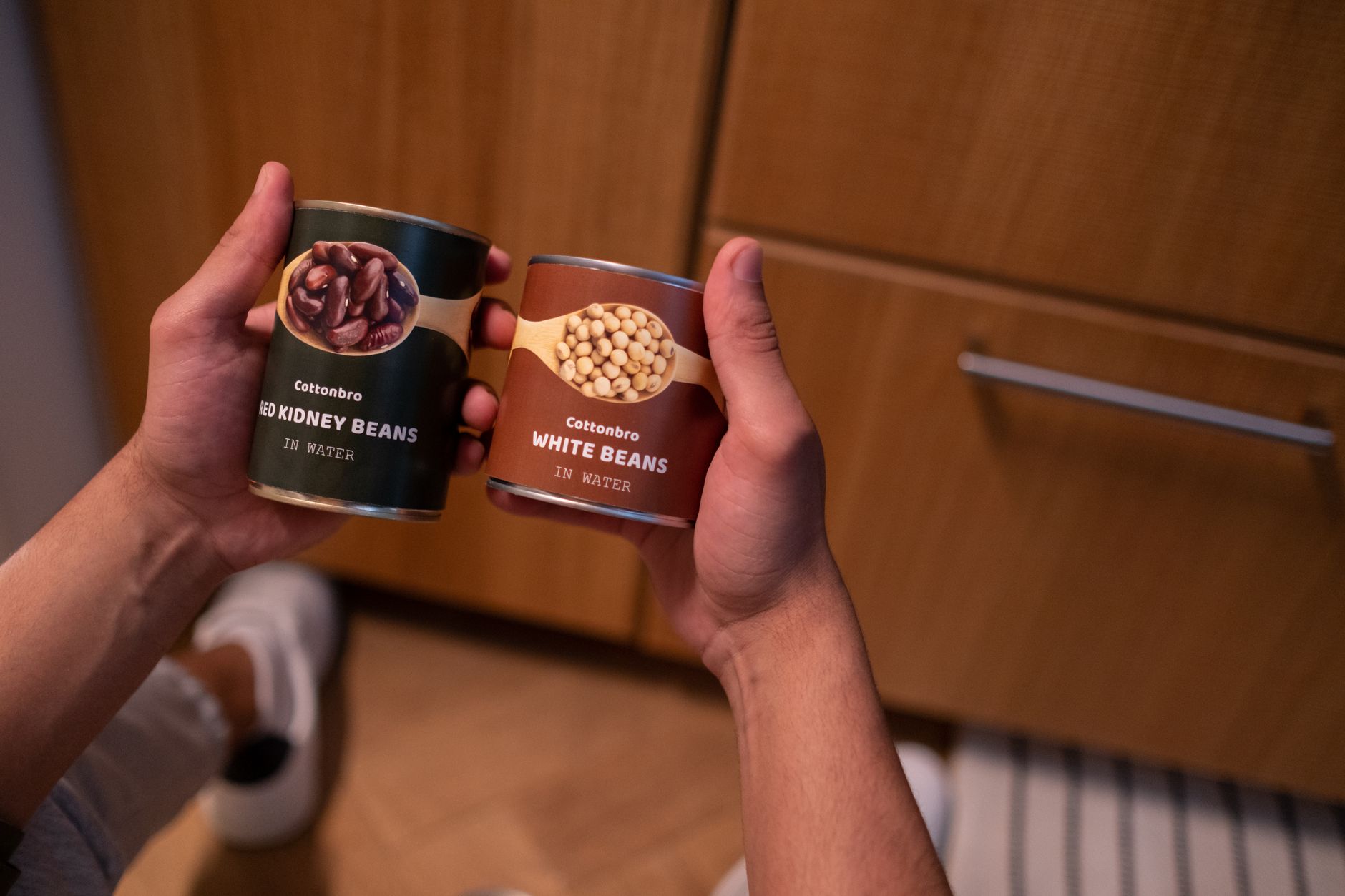
Checking the label helps you stay within sugar limits and avoid unexpected additives.
Stage
Verdict
Notes
First trimester
⚠️ Safe with limits
Limit to 1 can (12 oz) per day; watch added sugars and fiber.
Second trimester
⚠️ Safe with limits
Same daily limit; consider overall carbohydrate intake.
Third trimester
⚠️ Safe with limits
Maintain 1‑can limit; avoid excessive carbonation if heartburn.
Breastfeeding
⚠️ Safe with limits
One can daily is fine; monitor infant’s reaction to caffeine‑free formula.
Olipop is a “prebiotic soda” that blends carbonated water with a small amount of fruit‑derived flavor, a handful of soluble fibers (like chicory root inulin), and sweeteners such as stevia and erythritol. The brand markets itself as a lower‑sugar, higher‑fiber alternative to traditional sodas, aiming to support gut health while delivering a fizzy experience.
Because Olipop is positioned as a “better soda,” many people assume it’s automatically pregnancy‑friendly. However, pregnancy safety isn’t just about calories or sugar; it also involves caffeine, artificial additives, and any compounds that could affect fetal development. The American College of Obstetricians and Gynecologists (ACOG) advises pregnant people to limit added sugars to about 10 % of daily calories and to avoid excessive carbonation if it triggers reflux. The UK’s NHS similarly recommends watching sugar intake and choosing drinks without harmful additives. The U.S. Food and Drug Administration (FDA) has classified stevia and erythritol as generally recognized as safe (GRAS) for use in foods, including for pregnant consumers, but they still appear on the label and should be considered in total sweetener intake.
Overall, the consensus from these authorities is that Olipop is not a teratogen and does not contain known harmful ingredients for pregnancy. Its caffeine‑free formula, low‑sugar profile, and use of GRAS‑approved sweeteners make it a reasonable occasional treat. The primary considerations are the amount of added sugar (which can vary by flavor) and the presence of inulin, a soluble fiber that can cause gas or bloating in some individuals.
Is Olipop soda safe to drink during the first trimester of pregnancy?
The first trimester is the period of organogenesis, when the fetus’s major organs form, making it the most sensitive window for teratogenic exposures. Because Olipop contains no known teratogens—no caffeine, no alcohol, no artificial colors—its core ingredients are considered low risk. However, ACOG emphasizes limiting added sugars early in pregnancy to reduce the risk of gestational diabetes and excessive weight gain. Most Olipop flavors contain between 2–5 g of sugar per 12‑oz can, which falls well within the 25‑gram daily limit recommended for pregnant individuals.
If you’re prone to digestive discomfort, the inulin fiber in Olipop may increase gas or bloating, which can feel more pronounced during the first trimester. In such cases, a smaller serving—half a can—or opting for a plain sparkling water might be more comfortable. The bottom line: a single can a day is generally safe, but listen to your body and keep overall sugar intake in check.
Some first‑trimester patients also experience heightened nausea (morning sickness). Because Olipop is mildly sweet and carbonated, it can sometimes soothe nausea, but the carbonation may also exacerbate it for a few people. If you notice that the fizz worsens your queasiness, try diluting the drink with still water or switch to a non‑carbonated, ginger‑infused tea.
Is Olipop soda safe to drink during the second trimester of pregnancy?
During the second trimester, many pregnant people experience increased energy needs and a reduction in nausea. Olipop’s low‑calorie, low‑sugar profile can be a refreshing alternative to sugary sodas that might cause spikes in blood glucose. The NHS states that moderate consumption of drinks with up to 5 g of sugar per serving is acceptable, provided total daily added sugar stays under 30 g.
Because Olipop is caffeine‑free, it won’t interfere with the natural rise in progesterone that can cause sleep disturbances. However, the soluble fiber still has the potential to cause mild gastrointestinal upset in sensitive individuals. If you notice increased flatulence or abdominal cramping after a can, consider cutting back to half a can or swapping for a flavored sparkling water without fiber.
Mid‑pregnancy is also a common time for iron supplementation. The acidity in some Olipop flavors (citric acid for tartness) is mild and generally does not interfere with iron absorption, but it’s still a good habit to separate mineral supplements from any acidic beverage by at least an hour.
Is Olipop soda safe to drink during the third trimester of pregnancy?
The third trimester brings rapid fetal growth and often heightened heartburn or reflux. Carbonated beverages can exacerbate these symptoms, and the NHS advises pregnant people to limit carbonation if they experience discomfort. Olipop’s carbonation level is similar to most sodas, so if you’re prone to heartburn, you might want to enjoy it with a meal or choose a less fizzy alternative.
From a nutritional standpoint, the low‑sugar content remains beneficial, especially as the risk of gestational diabetes peaks in the later stages of pregnancy. Maintaining the 1‑can daily limit keeps added sugars low while still allowing a treat. If you find the carbonation bothers your stomach, a still water infused with fruit or a low‑sugar herbal iced tea can provide the same flavor satisfaction without the bubbles.
Another third‑trimester consideration is fluid balance. Because Olipop contains a modest amount of sodium (typically 20‑30 mg per can), it generally won’t affect blood pressure, but staying well‑hydrated with plain water remains the cornerstone of a healthy pregnancy.
Is Olipop soda safe for breastfeeding mothers?
While the original prompt did not request a separate heading for breastfeeding, the safety snapshot table includes it. The FDA’s guidance on food additives during lactation mirrors its pregnancy recommendations: caffeine‑free, low‑sugar beverages are generally safe. The small amount of stevia and erythritol in Olipop is considered safe for nursing infants, as these sweeteners are minimally absorbed and excreted in breast milk at negligible levels.
As with any beverage, moderation matters. One can per day keeps total added sugar low, supporting both maternal health and milk composition. If your baby seems unusually fussy after you’ve had a carbonated drink, you might try a non‑carbonated alternative for a few days and observe any changes.
Breastfeeding also increases caloric needs by roughly 300‑500 kcal per day. Olipop’s 10‑12 kcal per can is negligible, so it won’t meaningfully affect your energy balance, but it still counts toward your overall carbohydrate intake.
How many cans of Olipop can a pregnant woman safely consume per day?
Most health authorities converge on a daily limit of one 12‑oz can of Olipop for pregnant people. This recommendation balances the desire for a flavorful, fizzy drink with the need to keep added sugars under the 25‑gram threshold set by ACOG for the first trimester and the 30‑gram threshold for later trimesters (NHS). Consuming more than one can could push you past these sugar limits, potentially raising the risk of excess weight gain or gestational diabetes.
If you’re tracking your overall carbohydrate intake, remember that a typical serving of fruit counts as about 15 g of natural sugar. Adding a can of Olipop with 3‑5 g of added sugar is still within a moderate range, but it’s wise to balance it with other low‑sugar foods throughout the day.
For those who love the flavor but want to stay well under the sugar ceiling, diluting a can with sparkling water (half‑and‑half) can cut the sugar load while preserving the fizz you enjoy.
What are the potential risks of drinking Olipop soda while pregnant?
Added sugar spikes: Even low‑sugar drinks can contribute to total daily sugar intake, which may affect blood glucose levels.
Carbonation‑related reflux: The fizzy nature may worsen heartburn, especially in the third trimester.
Fiber‑induced bloating: Inulin and other prebiotic fibers can cause gas, which may be uncomfortable for some pregnant individuals.
Potential allergens: While rare, some flavors contain natural fruit extracts that could trigger sensitivities.
These risks are generally mild and manageable. If you notice persistent bloating, heartburn, or any unusual reactions, consider reducing your intake or switching to a non‑carbonated beverage.
Are there any differences in safety between Olipop flavors for pregnant women?
Olipop offers a variety of flavors, each with slightly different sugar and fiber profiles. For example, the “Original” and “Vintage Cola” flavors contain about 3 g of added sugar per can, while “Ginger Ale” and “Strawberry Vanilla” may have up to 5 g. The fiber content is consistent across most flavors (around 3 g per can), but some fruit‑infused varieties add a dash of natural fruit juice, which could increase the total sugar slightly.
From a safety perspective, all flavors are caffeine‑free and use the same GRAS‑approved sweeteners, so none are inherently more risky. The best approach is to choose a flavor with the lowest added sugar if you’re monitoring carbohydrate intake closely. Always read the label, as formulations can change.
Is Olipop safe for pregnant people with gestational diabetes?
Gestational diabetes management focuses on controlling carbohydrate and sugar intake. Because Olipop’s added sugar per can ranges from 2‑5 g, it can fit within a carefully planned diet, but it should be counted toward the total daily carbohydrate allowance. The ACOG guidelines suggest that women with gestational diabetes aim for less than 45‑60 g of carbs per meal, and a single can of Olipop would contribute a modest portion of that.
If you have gestational diabetes, it’s wise to discuss your beverage choices with your diabetes educator or obstetric provider. They may recommend limiting Olipop to a few times per week, or opting for a plain sparkling water (which contains zero carbs) on days when you need tighter glucose control.
Does Olipop contain ingredients that should be avoided during pregnancy?
Olipop’s ingredient list is relatively clean: carbonated water, fruit‑derived flavors, chicory root inulin (prebiotic fiber), stevia leaf extract, erythritol, and a small amount of natural acids for tartness. None of these are classified as teratogens. However, there are a few considerations:
Stevia and erythritol: Both are FDA‑approved GRAS sweeteners. They are considered safe in moderate amounts, but some individuals report digestive upset with large doses.
Inulin fiber: While beneficial for gut health, it can cause gas or bloating, especially in those not accustomed to high‑fiber diets.
Natural fruit extracts: Rarely, these could trigger an allergic reaction in sensitive individuals.
There are no artificial colors, preservatives, or caffeine, which are the typical ingredients pregnant people are cautioned about.
Safe dosage / amount / brands
For most pregnant people, the safe daily limit is one 12‑oz (355 ml) can of Olipop. If you prefer a smaller serving, a half‑can (6 oz) is also perfectly fine and reduces sugar and fiber intake further. When choosing a brand, look for cans that clearly list “caffeine‑free” and display the amount of added sugar on the nutrition label. The original Olipop brand meets these criteria, but if you encounter a store‑brand version, double‑check the ingredient list for any added preservatives or high‑fructose corn syrup.
Aspect
Recommended limit
Notes
Cans per day
1 (12 oz) max
Stay under 5 g added sugar; adjust if total daily sugar is high.
Sweetener intake
Stevia + erythritol < 10 g total
Both are GRAS‑approved; excessive amounts may cause GI upset.
Fiber (inulin)
3 g per can
May cause bloating; increase water intake to mitigate.
Olipop and morning sickness: does the fizz help or hurt?
Many pregnant people turn to carbonated drinks when nausea spikes, because the bubbles can feel soothing. For some, Olipop’s mild sweetness and carbonation do calm an upset stomach. For others, the carbonation can increase gastric pressure and worsen nausea. If you notice that the fizz makes you feel more queasy, try sipping slowly, diluting with still water, or choosing a non‑carbonated ginger tea instead.
Olipop for people with food sensitivities or allergies
Olipop’s flavors are made with natural fruit extracts, which are generally well‑tolerated. However, if you have a known allergy to any fruit (e.g., citrus, strawberry) or to chicory root, read the label closely. The brand does not use common allergens such as nuts, dairy, or gluten, but cross‑contamination can occur in manufacturing facilities. If you have a history of food‑related reactions, consider testing a small sip first or opting for plain sparkling water.
Side effects and risks
Most pregnant people tolerate Olipop without issue. The most commonly reported side effects are mild gastrointestinal symptoms such as gas, bloating, or a feeling of fullness. These are usually temporary and can be reduced by drinking the soda with a meal or limiting intake to half a can.
Serious side effects are rare. If you experience any of the following, contact your provider promptly:
Severe abdominal pain or cramping that doesn’t resolve after a few hours.
Persistent diarrhea or vomiting lasting more than 24 hours.
Signs of hyperglycemia (excessive thirst, frequent urination) if you have gestational diabetes.
Allergic reactions such as hives, swelling, or difficulty breathing.
These symptoms are not unique to Olipop but can indicate an underlying issue that warrants medical attention.
Safer alternatives
Sparkling water – zero calories, zero sugar, and fully carbonated without additives.
Spindrift sparkling water – fruit juice‑infused, still low in sugar, and naturally flavored.
LaCroix sparkling water – naturally flavored, no sweeteners or calories.
Fruit‑infused water – add slices of citrus or berries to still water for flavor without carbonation.
Coconut water – provides electrolytes with natural sugars, but watch portion size.
Homemade lemonade with fresh lemons and minimal sugar – control sweetness and avoid artificial additives.
Herbal iced tea (pregnancy‑safe blends) – caffeine‑free and customizable with natural fruit.
Infused sparkling water made at home with a splash of 100 % fruit juice – you control the sugar load.
Related items — safety at a glance
Item
Verdict
One‑line note
LaCroix sparkling water
✅ Generally safe
Zero calories, zero sugar, no caffeine.
Spindrift sparkling water
✅ Generally safe
Contains a splash of real fruit juice; low sugar.
Bubly sparkling water
✅ Generally safe
Flavor‑only, no sweeteners or calories.
Zevia zero‑calorie soda
✅ Generally safe
Uses stevia; check for any added caffeine in specific flavors.
AHA sparkling water
✅ Generally safe
Fruit‑infused, no sugar or artificial sweeteners.
Waterloo sparkling soda
✅ Generally safe
Zero‑calorie, stevia‑sweetened, caffeine‑free.
Virgil’s Zero Sugar soda
✅ Generally safe
Uses natural sweeteners; review label for any added sugars.
SodaStream homemade sparkling water
✅ Generally safe
Control ingredients; add fresh fruit for flavor.
Myth vs. fact
Myth: Because Olipop is “low‑sugar,” it can be drunk in unlimited amounts during pregnancy. Fact: Even low‑sugar beverages contribute to total carbohydrate intake; ACOG recommends keeping added sugars under 25 g per day, so one can per day is the practical limit.
Myth: All “prebiotic” ingredients are automatically beneficial for the baby. Fact: Prebiotic fibers like inulin are safe for the mother, but they can cause gas or bloating, especially in the first trimester when digestion can be slower.
Myth: Because Olipop contains no caffeine, it’s completely safe for gestational diabetes. Fact: The primary concern for gestational diabetes is carbohydrate and sugar content; Olipop’s small sugar amount can fit into a balanced diet when monitored.
Key takeaways
One 12‑oz can of Olipop a day is generally safe for most pregnant people.
Watch total added sugar intake; most Olipop flavors contain 2‑5 g per can.
Carbonation may worsen heartburn; enjoy with a meal or choose a less fizzy option if needed.
Inulin fiber can cause mild bloating; stay hydrated and consider half‑can servings if sensitive.
For gestational diabetes, count the sugar in Olipop toward your daily carbohydrate budget.
Safer alternatives include plain sparkling water, fruit‑infused water, and low‑sugar herbal teas.
If you’ve already had a can and feel fine, there’s usually no cause for alarm—just keep within the daily limit.
Frequently asked questions
Can pregnant women drink Olipop?
Yes, pregnant women can enjoy Olipop in moderation; a single 12‑oz can per day fits within most health guidelines.
Is the caffeine in Olipop safe for pregnancy?
Olipop is caffeine‑free, so there’s no caffeine‑related risk to consider for pregnancy.
Does Olipop contain artificial sweeteners that are unsafe for pregnant women?
Olipop uses stevia and erythritol, both of which are FDA‑approved GRAS sweeteners and are considered safe for pregnant individuals when consumed within normal serving sizes.
How many Olipop cans are recommended during pregnancy?
Health authorities suggest limiting intake to one 12‑oz can per day to keep added sugar under recommended limits.
Are there any side effects of Olipop for pregnant women?
Most side effects are mild, such as gas or bloating from the inulin fiber; serious reactions are rare but should be reported to a provider.
Is Olipop suitable for gestational diabetes?
Olipop’s low sugar content can fit into a gestational diabetes meal plan, but it should be counted toward total carbohydrate intake and discussed with a healthcare provider.
Can I drink Olipop in the third trimester?
Yes, but be mindful of carbonation‑related heartburn; limit to one can daily and consider drinking it with food.
Does Olipop have any ingredients to avoid while pregnant?
Olipop does not contain caffeine, alcohol, or artificial colors, but the inulin fiber may cause bloating for some, and flavors with higher sugar should be chosen carefully.
What should I do if I experience bloating after drinking Olipop?
If bloating is uncomfortable, try drinking half a can, diluting with still water, or switching to a plain sparkling water; staying well‑hydrated can also help move fiber through the digestive system.
Is it okay to drink Olipop on an empty stomach?
While occasional sipping on an empty stomach isn’t harmful, the carbonation and fiber can sometimes cause nausea or a feeling of fullness, so many people prefer to enjoy it with a snack or meal.
When to call your doctor
If you experience any of the following after drinking Olipop, contact your obstetric provider promptly:
Severe or persistent abdominal pain or cramping.
Unexplained vomiting or diarrhea lasting more than 24 hours.
Signs of high blood sugar (excessive thirst, frequent urination) if you have gestational diabetes.
Allergic reactions such as hives, swelling, or difficulty breathing.
Intense heartburn that does not improve with typical remedies.
These symptoms may indicate an underlying condition that needs medical evaluation. Remember, this article provides general information and does not replace personalized medical advice.
References
American College of Obstetricians and Gynecologists (ACOG). “Nutrition During Pregnancy.” 2023.
National Health Service (NHS). “Healthy eating during pregnancy.” Updated 2022.
U.S. Food and Drug Administration (FDA). “Food Additives – GRAS Notice No. 123.” 2021.
Centers for Disease Control and Prevention (CDC). “Gestational Diabetes.” 2022.
Mayo Clinic. “Pregnancy diet: What to eat and avoid.” 2023.
World Health Organization (WHO). “Guidelines on sugar intake.” 2015.
Enjoy Olipop in moderation – one can a day fits most pregnancy nutrition guidelines.Safer alternatives like sparkling water provide fizz without added sugars.Always check the label for sugar content and ingredient updates.
Not sure about the label on Is Olipop Soda Safe During Pregnancy products?
Snap the ingredients list and SafeFilter checks every ingredient for your stage — only 3 free scans this month, then you're locked until reset. Unlimited from $7/mo or $50/yr.
When Shubhra Mishra was expecting her first child in 2016, she was overwhelmed by conflicting food advice — one site said yes, another said never. By the time her second baby arrived in 2019, she realized millions of mothers face the same confusion.
That sparked a five-year journey through clinical nutrition papers, cultural diets, and expert conversations — all leading to BumpBites: a calm, compassionate space where science meets everyday motherhood.
Her long-term vision is to build a global community ensuring safe, supported, and free deliveriesfor every mother — because no woman should face pregnancy alone or uninformed. 🌿
🌍 Stand with mothers, shape safer guidance
Join a small circle of experts who review BumpBites articles so expecting parents everywhere can decide with confidence.