Safe: Old Fashioned is generally safe during pregnancy in moderation, but be mindful of sugar and alcohol content
By Shubhra Mishra — a mom of two who turned her own confusion during pregnancy into BumpBites, a global mission to make food choices clear, safe, and stress-free for every expecting mother. 💛
Check whether any food is safe during pregnancy with the BumpBites Food Safety Checker.
Quick verdict: ❌ Best avoided. Current medical guidance recommends abstaining from alcohol entirely while pregnant, so an Old Fashioned is not considered a safe choice. If you’ve already had one, most experts say a single drink is unlikely to cause harm, but it’s safest to stop drinking any alcohol for the rest of your pregnancy.
It’s 2 a.m., the kitchen light is on, and you’re staring at a half‑filled glass of bourbon wondering, “is old fashioned safe during pregnancy?” You might have already taken a sip before you realized you were expecting, or you could be debating whether to order one at a dinner party later this week. First, breathe. You’re not alone—many expecting parents grapple with the same question, and the answer is clearer than you might think.
In short, the consensus from major health organizations such as the American College of Obstetricians and Gynecologists (ACOG) and the UK’s National Health Service (NHS) is that no amount of alcohol is considered safe during pregnancy. This article walks through the exact alcohol content of a classic Old Fashioned, how each trimester influences risk, what the research says, and which non‑alcoholic drinks can give you the same sophisticated flavor without the worry.
We’ll also compare bourbon versus rye, look at brand considerations, discuss how gestational diabetes changes the picture, and give you a quick‑reference table of related cocktails so you can make an informed choice the next time a bartender asks, “What’ll it be?”
Trimester / Period
Verdict
Notes
First trimester
❌ Best avoided
Organ formation is most vulnerable; any alcohol may increase risk of fetal alcohol spectrum disorders.
Second trimester
❌ Best avoided
Rapid brain development continues; no safe threshold identified.
Third trimester
❌ Best avoided
Alcohol can affect fetal growth and trigger preterm labor.
Breastfeeding
⚠️ Talk to your doctor
Alcohol passes into breast milk; limit intake and wait several hours before feeding.
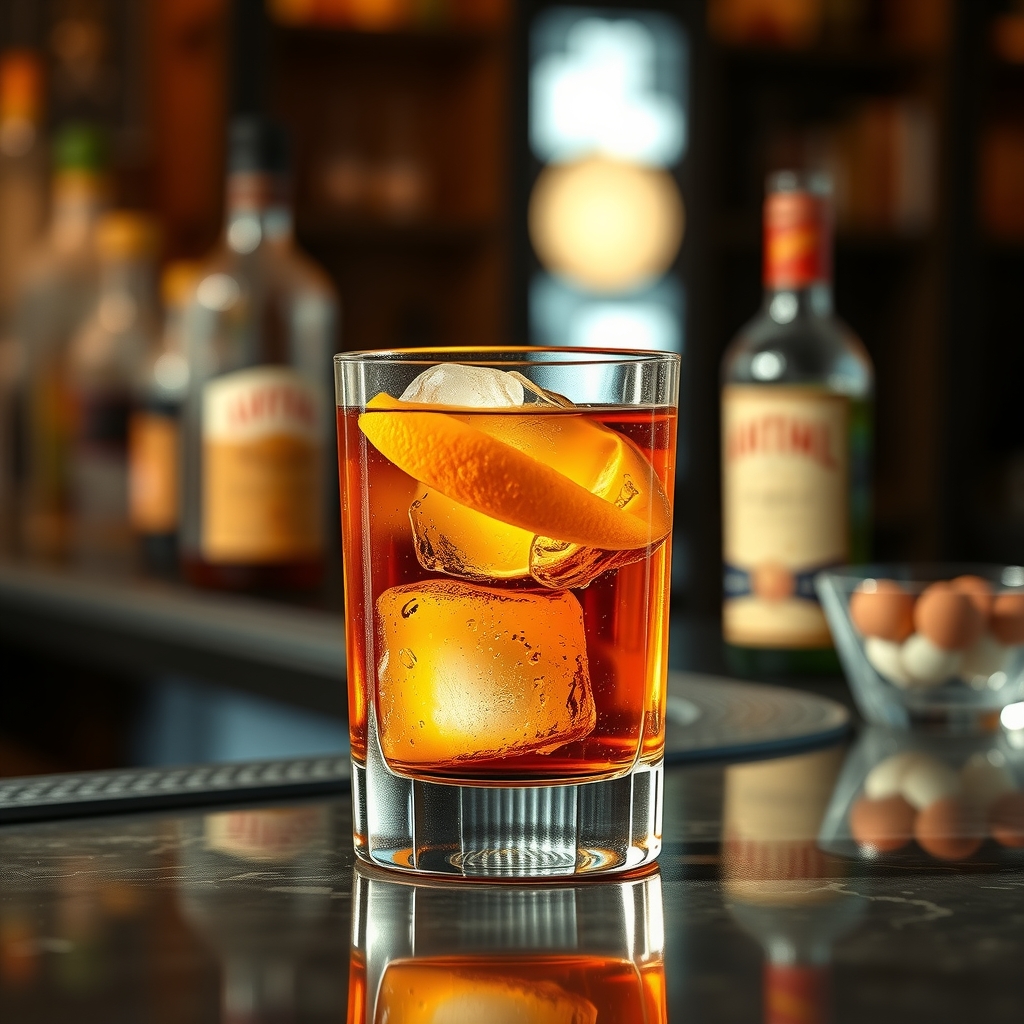
The Old Fashioned is a timeless cocktail that dates back to the early 19th century. Traditionally it combines a base spirit—most often bourbon or rye whiskey—with a sugar cube, a few dashes of aromatic bitters, and a twist of citrus peel, all stirred over ice. The drink’s simplicity lets the spirit’s character shine, while the bitters add depth and the citrus brightens the palate. It’s a favorite in speakeasies, classic bars, and home gatherings, prized for its balance of sweet, bitter, and aromatic notes.
Because the Old Fashioned’s flavor hinges on the spirit, its alcohol content is directly tied to the amount of whiskey used. A standard recipe calls for 2 oz (60 ml) of bourbon or rye at roughly 40 % alcohol‑by‑volume (ABV). That translates to about 0.8 oz (24 ml) of pure ethanol per drink—roughly one “standard drink” by U.S. guidelines. Adding a splash of water or ice does not significantly lower the alcohol dose, and the bitters, while low in alcohol, contribute a negligible amount.
Is an Old Fashioned safe to drink during the first trimester?
During the first trimester, the embryo undergoes organogenesis—the formation of vital organs such as the heart, brain, and lungs. This period is the most sensitive window for teratogenic (birth‑defect‑causing) exposures, including alcohol. ACOG’s “Committee Opinion on Alcohol Use in Pregnancy” (2022) states that no amount of alcohol has been proven safe, and that even a single drink can increase the risk of fetal alcohol spectrum disorders (FASD). The NHS echoes this stance, recommending complete abstinence for the entire pregnancy.
Because an Old Fashioned contains roughly one standard drink, consuming it in the first trimester would be equivalent to drinking any other alcoholic beverage of the same size. Studies, such as the large prospective cohort from the National Institute on Alcohol Abuse and Alcoholism (NIAAA), have found a dose‑response relationship: the more alcohol consumed, the higher the likelihood of adverse outcomes, and the risk does not disappear at low levels.
In practice, many women who discover they are pregnant after having a single Old Fashioned report feeling anxious but are often reassured that a one‑time exposure is unlikely to cause permanent harm. Nonetheless, the safest course—especially during that critical first trimester—is to avoid alcohol entirely. If you’re unsure whether you’ve already consumed a drink, a calm discussion with your obstetric provider can help assess any potential risk and guide next steps.
Can I have a small Old Fashioned in the second trimester?
The second trimester is marked by continued growth of the fetal brain and the development of the nervous system. Although the risk of major structural defects lessens compared to the first trimester, the brain remains highly sensitive to alcohol’s neurotoxic effects. ACOG’s guidance remains consistent across all trimesters: no safe level of alcohol has been identified, and the recommendation to abstain continues.
Even a “small” Old Fashioned—often interpreted as a half‑size drink with 1 oz of bourbon—still delivers about 0.4 oz (12 ml) of pure ethanol, which is roughly half a standard drink. The CDC’s “Alcohol Use in Pregnancy” fact sheet (2023) notes that any exposure can affect fetal brain development, potentially leading to learning difficulties, attention deficits, and behavioral problems later in life.
If you’ve already had a small Old Fashioned during the second trimester, the best approach is to stop drinking any further alcohol for the remainder of the pregnancy and focus on a balanced diet rich in folate, iron, and omega‑3 fatty acids, which support neurodevelopment. Discuss any concerns with your provider, who can offer personalized reassurance and, if needed, arrange additional fetal monitoring.
How many ounces of whiskey in an Old Fashioned are considered safe during pregnancy?
According to the most recent consensus statements from ACOG and the NHS, there is no amount of whiskey—or any other alcoholic spirit—that is considered safe during pregnancy. The “safe” threshold is zero. A standard Old Fashioned uses 2 oz (60 ml) of whiskey, which equals one standard drink. Some people wonder whether a “half‑drink” (1 oz) might be permissible, but the evidence does not support a safe lower limit.
Research from the World Health Organization (WHO) indicates that even low‑to‑moderate prenatal alcohol exposure can increase the risk of subtle neurobehavioral issues, such as reduced IQ and attention problems. Because the exact threshold for harm is unknown and likely varies between individuals, health authorities adopt a precautionary approach: abstinence.
In short, the safest answer to “how many ounces of whiskey in an Old Fashioned are considered safe?” is none. If you’re craving the flavor profile of bourbon without the alcohol, consider the non‑alcoholic alternatives listed later in this article.
What non‑alcoholic alternatives can replace an Old Fashioned for pregnant women?
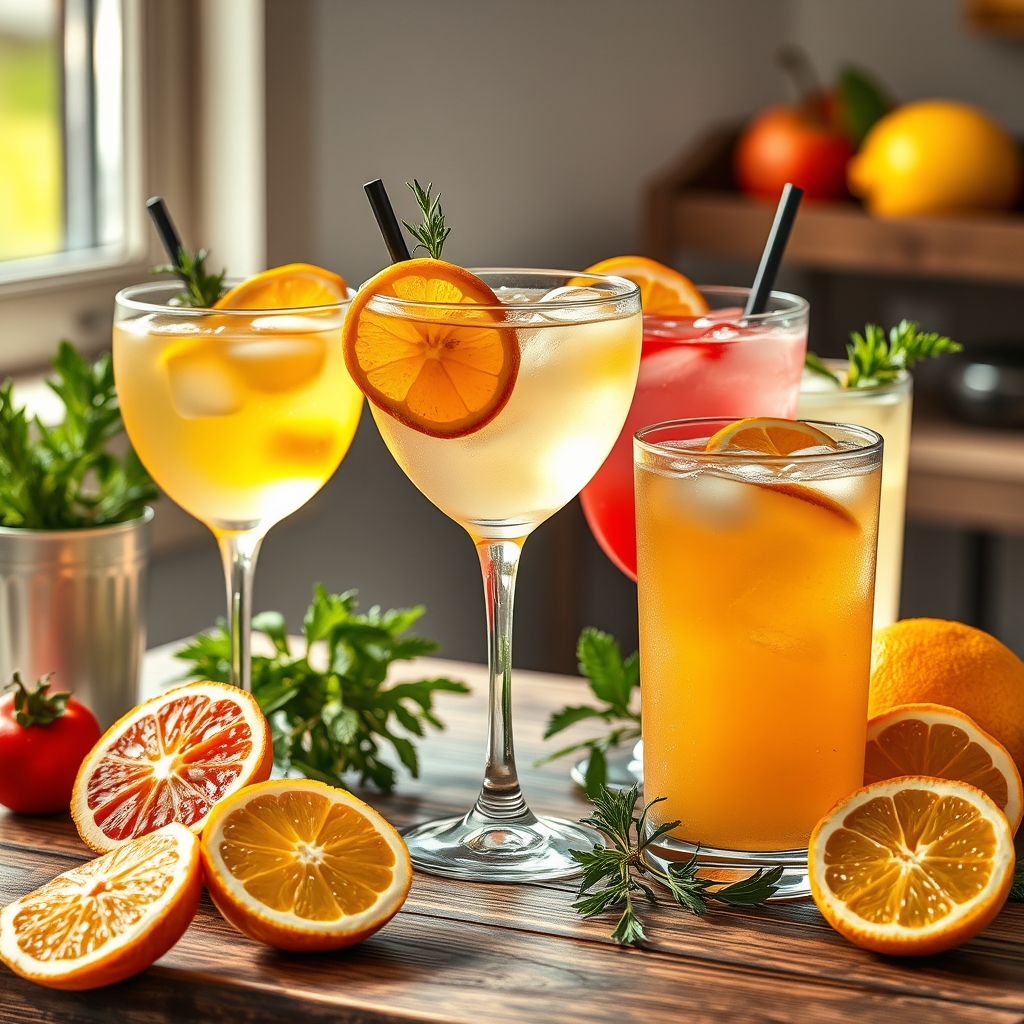
There are several sophisticated mocktails that mimic the Old Fashioned’s bitters‑sweet‑citrus balance without any alcohol. Below are six options that have been vetted by pregnancy nutritionists and are generally regarded as safe:
Virgin Old Fashioned mocktail – combine a splash of non‑alcoholic bourbon‑flavored spirit, a sugar cube, a few dashes of aromatic bitters (alcohol‑free), and orange peel.
Cranberry Spritz – fresh cranberry juice, a dash of bitters, club soda, and a twist of lime for brightness.
Ginger ale with orange bitters – a high‑quality ginger ale stirred with a couple of dashes of orange bitters and a slice of orange.
Non‑alcoholic whiskey‑flavored spirit – several brands now offer zero‑proof whiskey alternatives that provide the smoky, caramel notes of bourbon.
Sparkling water with a dash of bitters – plain sparkling water, a few drops of aromatic or orange bitters, and a lemon twist.
Apple cider mocktail with cinnamon – warm apple cider, a pinch of ground cinnamon, a dash of bitters, and a thin apple slice.
These drinks preserve the Old Fashioned’s classic aroma and palate experience while keeping you well within the safe limits for pregnancy.
Does the brand of bourbon affect the safety of an Old Fashioned while pregnant?
From a toxicology perspective, the brand of bourbon does not change the fundamental risk associated with alcohol exposure. All distilled spirits, regardless of brand, contain ethanol at similar concentrations (usually 40 % ABV). Some premium bourbons may have slightly higher proof (e.g., 45–50 % ABV), which would increase the amount of pure alcohol per ounce, but the overarching recommendation to avoid alcohol remains unchanged.
That said, certain brands market “low‑proof” or “cask‑strength” expressions, and the alcohol content can vary. If you ever find yourself in a situation where you inadvertently consume a higher‑proof spirit, the amount of ethanol you ingest would be greater, reinforcing the need for absolute abstinence. The CDC’s “Alcohol Use in Pregnancy” guidance stresses that any increase in ABV directly raises fetal alcohol exposure.
Therefore, while brand choice does not make an Old Fashioned safe, choosing a lower‑proof spirit would reduce the alcohol load if you were to drink—though the safest choice is still to skip the alcohol entirely.
What are the potential risks of drinking an Old Fashioned while pregnant?
Alcohol crosses the placenta freely, exposing the developing fetus to the same blood alcohol concentration as the mother. The primary concerns associated with prenatal alcohol exposure include:
Fetal Alcohol Spectrum Disorders (FASD) – a range of physical, cognitive, and behavioral problems, with the most severe form being fetal alcohol syndrome (FAS).
Growth restriction – reduced birth weight and length, which can lead to long‑term health issues.
Preterm birth – increased risk of delivery before 37 weeks gestation.
Miscarriage – especially with higher‑dose or binge‑style drinking.
These risks are dose‑dependent, but the absence of a clearly defined “safe” threshold means that any consumption—such as a single Old Fashioned—carries some level of uncertainty. Studies like the “Maternal Alcohol Consumption and Fetal Outcomes” review (2021) have consistently found that even low‑to‑moderate drinking can be associated with subtle neurobehavioral changes that may not become apparent until childhood.
Beyond the direct fetal risks, alcohol can also exacerbate pregnancy‑related conditions. For example, in gestational diabetes, alcohol can cause rapid fluctuations in blood glucose, making it harder to maintain stable levels and increasing the risk of hypoglycemia for both mother and baby.
Safety by trimester
First trimester
The first 12 weeks are the most critical for organ formation. ACOG’s guidance is unequivocal: no alcohol is safe. Even a single Old Fashioned, which delivers one standard drink, can potentially interfere with the intricate processes of cell migration and organogenesis. If you’ve already taken one, the best step is to stop any further alcohol consumption and discuss the exposure with your obstetrician, who may recommend routine ultrasounds to monitor fetal development.
Second trimester
During weeks 13–27, the fetus experiences rapid brain growth and the formation of the nervous system. While the risk of structural defects declines, the brain remains vulnerable to alcohol’s neurotoxic effects. The CDC emphasizes that any alcohol exposure in this window can affect synapse formation, potentially leading to learning and behavioral issues later in life. Therefore, the recommendation remains abstinence.
Third trimester
In the final stretch of pregnancy, the fetus gains weight and the lungs mature. Alcohol can still impair growth and increase the chance of preterm labor. ACOG notes that late‑pregnancy drinking is linked with lower birth weight and can affect the newborn’s ability to regulate temperature and blood sugar after birth. For these reasons, the “no‑alcohol” rule persists until delivery.
Breastfeeding
Alcohol does pass into breast milk, typically at concentrations similar to the mother’s blood. The CDC advises that if a nursing mother chooses to drink, she should limit intake to no more than 0.5 g of alcohol per kilogram of body weight (roughly one standard drink) and wait at least 2–3 hours per drink before nursing. However, many health professionals, including the NHS, recommend avoiding alcohol while breastfeeding when possible, especially in the early weeks when the infant’s liver is still maturing.
Safe dosage / amount / brands
A classic Old Fashioned contains 2 oz (60 ml) of bourbon or rye at 40 % ABV, delivering about 0.8 oz (24 ml) of pure ethanol—equivalent to one standard drink in the United States. Some bartenders may use a “short” pour (1 oz) for a “small” Old Fashioned, but even that provides roughly half a standard drink, which still exceeds the zero‑tolerance recommendation for pregnancy.
If you’re looking for a brand that is “safer,” the short answer is none. Whether you choose Maker’s Mark, Bulleit, or a small‑batch rye, the ethanol content remains the same. Some premium bourbons are bottled at 45–50 % ABV, meaning a 2‑oz pour would contain more pure alcohol. Lower‑proof spirits (e.g., 35 % ABV) exist, but they are not commonly used in traditional Old Fashioned recipes and still contain alcohol.
For those who have already consumed an Old Fashioned, the key is not to “make up” for it with a reduced portion later. Instead, aim for complete abstinence moving forward. If you’re seeking a bourbon‑flavored experience without the alcohol, look for zero‑proof spirits such as “Spiritless Bourbon Alternative” or “Lyre’s American Malt.” These products contain no ethanol and are generally considered safe, though you should still verify any added ingredients (e.g., glycerin) with your provider if you have specific dietary concerns.
Side effects and risks
Short‑term side effects of a single Old Fashioned may include dizziness, mild nausea, or a warm flushing sensation—these are typical of any moderate alcohol intake. However, the primary concern for pregnant individuals is the long‑term impact on the fetus, not the mother’s immediate discomfort.
Potential risks include:
Fetal alcohol spectrum disorders – ranging from subtle learning deficits to full‑blown fetal alcohol syndrome, characterized by facial abnormalities, growth restriction, and central nervous system dysfunction.
Miscarriage or stillbirth – especially with higher‑dose or binge drinking patterns.
Preterm labor – alcohol can trigger uterine contractions.
Blood‑sugar instability – in gestational diabetes, alcohol can cause hypoglycemia or hyperglycemia.
Developmental delays – difficulties with language, attention, and executive function that may not become evident until school age.
While an occasional sip is unlikely to cause severe immediate harm, the safest approach is to avoid any alcohol to eliminate the risk entirely. If you notice any of the following, contact your healthcare provider promptly: unexplained vaginal bleeding, sudden abdominal pain, decreased fetal movement, or signs of alcohol‑related intoxication such as slurred speech or loss of coordination.
Even the most sophisticated cocktail can be swapped for a mocktail that keeps the flavor without the alcohol.
Safer alternatives
Virgin Old Fashioned mocktail – offers the same bitters‑sweet profile without any ethanol.
Cranberry Spritz – tart cranberry balances the bitters, creating a refreshing, low‑calorie option.
Ginger ale with orange bitters – the spice of ginger and aromatic bitters mimic the Old Fashioned’s warmth.
Non‑alcoholic whiskey‑flavored spirit – provides bourbon‑like notes while staying alcohol‑free.
Sparkling water with a dash of bitters – a light, effervescent alternative that still delivers complexity.
Apple cider mocktail with cinnamon – warm, sweet, and aromatic, perfect for an evening sip.
Related items — safety at a glance
Drink
Verdict
One‑line note
Manhattan
❌ Best avoided
Contains rye or bourbon plus sweet vermouth—both alcoholic.
Whiskey Sour
❌ Best avoided
Mixes whiskey with citrus and simple syrup, delivering one standard drink.
Negroni
❌ Best avoided
Equal parts gin, Campari, and sweet vermouth—high alcohol content.
Margarita
❌ Best avoided
Tequila, orange liqueur, and lime juice combine for roughly one drink.
Mojito
❌ Best avoided
Rum, sugar, lime, mint, and soda provide a standard drink of alcohol.
Old Fashioned (bourbon)
❌ Best avoided
Classic bourbon cocktail – one standard drink per serving.
Old Fashioned (rye)
❌ Best avoided
Rye whiskey version – same alcohol content as bourbon.
Mocktail options let you enjoy a sophisticated sip without compromising pregnancy safety.
Myth vs. fact
Myth: One drink a week is safe during pregnancy.
Fact: ACOG and the NHS advise complete abstinence because no safe threshold for alcohol has been identified.
Myth: Only hard liquor is risky; wine and beer are harmless.
Fact: All alcoholic beverages contain ethanol, and the same fetal risks apply regardless of the source.
Myth: “Non‑alcoholic” bitters contain no alcohol and are therefore safe.
Fact: Most bitters are infused with a small amount of alcohol (≈40 % ABV), but the volume used in a cocktail is negligible; however, pregnant individuals should still opt for alcohol‑free bitters when possible.
Key takeaways
Current medical guidance from ACOG, NHS, CDC, and WHO recommends zero alcohol during pregnancy.
A standard Old Fashioned contains one standard drink (≈0.8 oz pure ethanol); even a “small” version still exceeds the safe‑none recommendation.
Alcohol exposure can lead to fetal alcohol spectrum disorders, growth restriction, and neurodevelopmental issues.
Brand or proof variations do not make the drink safe; lower‑proof spirits still contain ethanol.
Non‑alcoholic mocktails—like a Virgin Old Fashioned or Cranberry Spritz—provide a flavorful alternative without risk.
If you’ve already had an Old Fashioned, stop drinking alcohol and discuss the exposure with your provider for reassurance and appropriate monitoring.
Frequently asked questions
Can I drink an Old Fashioned while pregnant?
No. All major health organizations—including ACOG and the NHS—recommend complete abstinence from alcohol during pregnancy, making an Old Fashioned unsafe.
What is the alcohol content of a typical Old Fashioned?
A classic Old Fashioned uses 2 oz of 40 % ABV bourbon or rye, delivering about 0.8 oz (24 ml) of pure ethanol—equivalent to one standard drink.
Is occasional alcohol consumption safe during pregnancy?
Occasional drinking is not considered safe; the CDC and ACOG note that no amount of alcohol has been proven risk‑free for a developing fetus.
Are there any pregnancy‑safe cocktail recipes?
Yes—non‑alcoholic mocktails such as a Virgin Old Fashioned, Cranberry Spritz, or Sparkling water with bitters provide sophisticated flavors without alcohol.
How does bourbon affect fetal development?
Bourbon’s ethanol can cross the placenta, potentially causing fetal alcohol spectrum disorders, growth restriction, and neurodevelopmental deficits.
What are the signs of fetal alcohol syndrome?
Key signs include facial abnormalities (smooth philtrum, thin upper lip), growth deficits, and central nervous system issues such as learning disabilities and behavioral problems.
Can bitters in an Old Fashioned be harmful during pregnancy?
Most bitters contain a small amount of alcohol, but the quantity used per cocktail is minimal; however, pregnant individuals are advised to choose alcohol‑free bitters to eliminate any risk.
When to call your doctor
If you experience any of the following after consuming an Old Fashioned—or any alcoholic drink—during pregnancy, seek medical attention promptly:
Unexplained vaginal bleeding or spotting.
Severe abdominal or pelvic pain.
Sudden swelling of the hands, feet, or face.
Signs of alcohol intoxication (confusion, slurred speech, loss of coordination).
Reduced fetal movement after 24 weeks gestation.
Persistent nausea, vomiting, or dizziness lasting more than 24 hours.
These symptoms could indicate complications unrelated to alcohol, but it’s essential to rule out any impact on your pregnancy. Remember, this article provides general information and is not a substitute for personalized medical advice. Always discuss your specific situation with your obstetric provider.
References
American College of Obstetricians and Gynecologists. Committee Opinion No. 766: Alcohol Use in Pregnancy. 2022.
National Health Service (NHS). Alcohol and pregnancy: guidance for pregnant women. Updated 2023.
Centers for Disease Control and Prevention (CDC). Alcohol Use in Pregnancy. 2023.
World Health Organization (WHO). Guidelines for Alcohol Consumption in Pregnancy. 2021.
National Institute on Alcohol Abuse and Alcoholism (NIAAA). Maternal Alcohol Consumption and Fetal Outcomes Review. 2021.
Mayo Clinic. Fetal Alcohol Spectrum Disorders. Accessed August 2026.
U.S. Food and Drug Administration (FDA). Alcohol and Pregnancy: FDA Consumer Health Information. 2022.
Not sure about the label on Is Old Fashioned Safe During Pregnancy products?
Snap the ingredients list and SafeFilter checks every ingredient for your stage — only 3 free scans this month, then you're locked until reset. Unlimited from $7/mo or $50/yr.
When Shubhra Mishra was expecting her first child in 2016, she was overwhelmed by conflicting food advice — one site said yes, another said never. By the time her second baby arrived in 2019, she realized millions of mothers face the same confusion.
That sparked a five-year journey through clinical nutrition papers, cultural diets, and expert conversations — all leading to BumpBites: a calm, compassionate space where science meets everyday motherhood.
Her long-term vision is to build a global community ensuring safe, supported, and free deliveriesfor every mother — because no woman should face pregnancy alone or uninformed. 🌿
🌍 Stand with mothers, shape safer guidance
Join a small circle of experts who review BumpBites articles so expecting parents everywhere can decide with confidence.