Safe: Octocrylene is generally considered safe during pregnancy, especially in limited amounts during the first trimester
By Shubhra Mishra — a mom of two who turned her own confusion during pregnancy into BumpBites, a global mission to make food choices clear, safe, and stress-free for every expecting mother. 💛
Check whether any food is safe during pregnancy with the BumpBites Food Safety Checker.
Quick verdict: ⚠️ Safe with limits. Octocrylene is generally considered low risk, but pregnant people should use it sparingly and prefer mineral sunscreens when possible.
It’s 2 a.m., you’re scrolling through product labels, and the word “octocrylene” jumps out at you. You wonder, is octocrylene safe during pregnancy? You’re not alone—many expectant parents have that late‑night question, especially after discovering the ingredient in a favorite sunscreen. The good news is that the current scientific consensus, echoed by major health authorities, leans toward “generally safe if used in moderation,” but there are nuances worth understanding.
In this article we’ll break down exactly what octocrylene is, how it works, and what the latest guidance from the American College of Obstetricians and Gynecologists (ACOG), the U.S. Food and Drug Administration (FDA), and the UK’s National Health Service (NHS) says about its use in each trimester. We’ll also cover recommended application amounts, potential side‑effects, how it compares to mineral filters like zinc oxide, and give you a list of octocrylene‑free sunscreen brands that are pregnancy‑friendly. By the end, you’ll have a clear, evidence‑based answer to the question “is octocrylene safe during pregnancy” and feel confident about protecting your skin.
Whether you’ve already applied a sunscreen containing octocrylene or you’re choosing a new product, you’ll find practical limits, safer alternatives, and red‑flag symptoms that tell you when to call your provider. Let’s dive in.
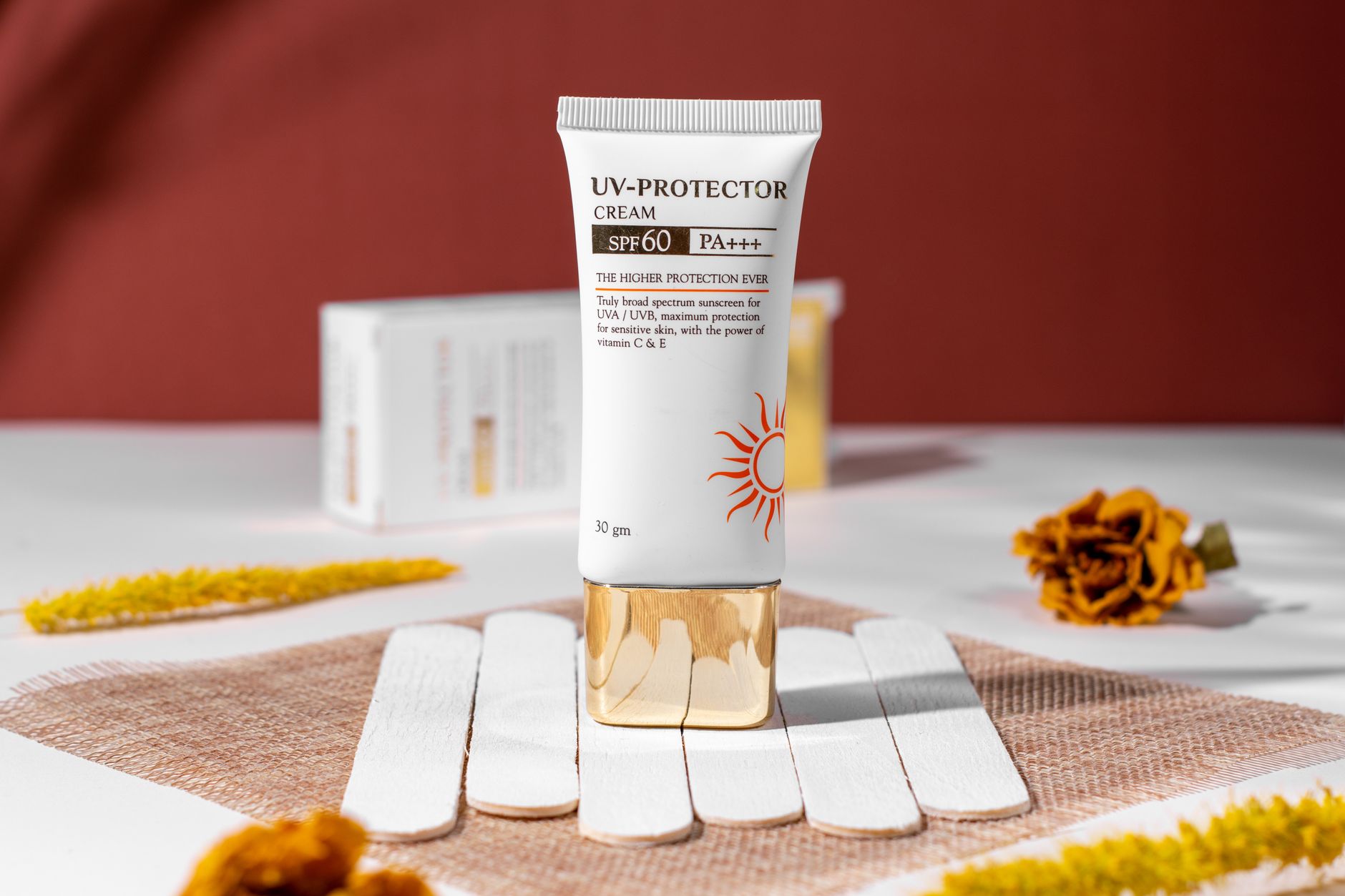
Check the ingredient list on your sunscreen bottle—octocrylene is often listed among the UV filters.
Trimester / Breastfeeding
Verdict
Notes
First trimester
⚠️ Safe with limits
Use only the amount needed for adequate protection; consider mineral alternatives.
Second trimester
⚠️ Safe with limits
Same guidance as first trimester; no evidence of increased risk.
Third trimester
⚠️ Safe with limits
Continue standard sunscreen use; monitor skin for irritation.
Breastfeeding
⚠️ Safe with limits
Topical absorption is minimal; mineral sunscreens are still preferred.
Octocrylene is a synthetic organic compound used as a UV‑filter in many modern sunscreens. It primarily absorbs UV‑B radiation (280‑320 nm) and some short UV‑A wavelengths, helping to prevent sunburn and reduce the risk of skin cancer. Because it is photostable—meaning it doesn’t break down easily under sunlight—formulators often pair octocrylene with other filters to improve overall protection and product longevity. It’s also oil‑soluble, which allows it to blend smoothly into lotions, sprays, and facial moisturizers.
While octocrylene is effective at shielding skin, its chemical structure has raised questions about possible hormonal activity. Some in‑vitro studies suggest that octocrylene can bind weakly to estrogen receptors, but the relevance of these findings to real‑world human exposure remains uncertain. Importantly, regulatory agencies such as the FDA and the European Medicines Agency (EMA) have not classified octocrylene as a reproductive toxin, and the ingredient is permitted up to 10 % in over‑the‑counter sunscreens.
In short, the answer to “is octocrylene safe during pregnancy” is that most health authorities consider it low risk when used as directed, but they recommend limiting exposure when possible, especially during the first trimester when organ development is most vulnerable.
Is octocrylene safe to use in the first trimester of pregnancy?
The first trimester—weeks 1‑13—is the period of organogenesis, when the fetus’s major organs are forming. Because this is a high‑sensitivity window, many clinicians advise pregnant patients to err on the side of caution with any chemical that could theoretically act as a hormone disruptor. The American College of Obstetricians and Gynecologists (ACOG) notes that while there is no conclusive evidence linking octocrylene to birth defects, the precautionary principle suggests using the minimal effective amount of sunscreen.
Both the NHS and FDA state that octocrylene is “generally regarded as safe” for topical use, but they also advise pregnant users to prefer mineral filters (zinc oxide or titanium dioxide) when available. If you already own a sunscreen containing octocrylene, applying a thin layer (about 1 mg per cm² of skin) to exposed areas is considered acceptable. For whole‑body coverage, the standard 2 mg/cm² translates to roughly a shot‑glass‑size amount (about 30 mL) and can be used safely.
It’s also worth noting that many dermatologists recommend re‑evaluating sunscreen choices after confirming pregnancy. A quick switch to a mineral‑only product can reduce any lingering uncertainty and align with the “first‑trimester caution” many obstetricians endorse.
How much octocrylene can pregnant women safely apply daily?
Regulatory bodies do not set a specific “daily limit” for octocrylene because systemic absorption from topical sunscreen is extremely low—typically less than 0.5 % of the applied dose. The FDA’s guidance on sunscreen use recommends applying enough product to achieve a Sun Protection Factor (SPF) of at least 30, which for an adult is about 2 mg per cm² of skin. In practical terms, that means using roughly one ounce (30 mL) of sunscreen for full‑body coverage once per day.
For pregnant women, the same amount is deemed safe, provided you are not re‑applying excessively (e.g., more than three times a day) unless you are swimming or sweating heavily. If you have sensitive skin or notice irritation, consider switching to a mineral sunscreen to further reduce any theoretical risk.
When you’re on the go, a pea‑sized amount for the face and a nickel‑sized amount for each arm or leg is a helpful visual cue. This “dose‑by‑area” method ensures you get adequate protection without over‑applying the chemical filter.
What are the risks of using octocrylene sunscreen during pregnancy?
The primary concerns revolve around two areas: potential hormonal disruption and skin irritation. In vitro studies have shown octocrylene can weakly interact with estrogen receptors, but human studies have not demonstrated a clear link to adverse pregnancy outcomes. The CDC’s “Environmental Health” portal lists octocrylene as a “low‑hazard” chemical for dermal exposure.
More common, documented side effects include contact dermatitis, especially in individuals with a history of sunscreen allergies. Symptoms such as redness, itching, or a rash at the application site should prompt a switch to a fragrance‑free, mineral‑based sunscreen. Systemic toxicity is exceedingly rare; the amount absorbed through skin is far below the FDA’s acceptable daily intake for any ingredient.
For those with pre‑existing endocrine disorders—such as polycystic ovary syndrome—or a personal or family history of hormone‑sensitive cancers, a conversation with your obstetrician is prudent. While the risk is minimal, many clinicians still recommend mineral filters as the safest route.
Octocrylene vs. zinc oxide: which is safer for pregnant skin?
Zinc oxide and titanium dioxide are mineral filters that sit on top of the skin and reflect UV radiation rather than absorbing it. Because they are inert and not absorbed into the bloodstream, they are widely regarded as the safest options for pregnant and breastfeeding individuals. The NHS explicitly recommends mineral sunscreens for expectant mothers, and ACOG’s “Frequently Asked Questions” on sunscreen advises that “mineral filters are the gold standard for pregnant skin.”
Octocrylene, by contrast, is a chemical filter that does penetrate the outermost skin layer, albeit in minuscule amounts. While the risk is still low, mineral sunscreens eliminate any theoretical hormonal concerns. If you have the option, choosing a zinc‑oxide‑based product is the safest route, especially during the first trimester.
That said, not all mineral sunscreens are created equal. Some contain nano‑sized particles, which have raised separate safety questions. Look for “non‑nano” labeling or choose products that explicitly state they are safe for pregnancy and children.
Are there any brands that offer octocrylene‑free sunscreen for expectant mothers?
Yes—several reputable brands have formulated sunscreens without octocrylene, focusing on mineral filters instead. Below are a few widely available options that are both pregnancy‑friendly and dermatologist‑tested:
Neutrogena Sheer Zinc Sunscreen SPF 50
Blue Lizard Australian Sunscreen Sensitive SPF 30+
These products use zinc oxide, titanium dioxide, or a combination of both, and they avoid octocrylene, oxybenzone, and other organic UV filters that have raised safety questions.
Can octocrylene cause hormonal changes in pregnant women?
Current evidence does not support a clinically significant hormonal effect from octocrylene when used as a sunscreen. A review published by the European Commission’s Scientific Committee on Consumer Safety (SCCS) concluded that the systemic exposure from normal topical use is far below levels that would cause endocrine disruption. Nonetheless, because pregnancy already involves hormonal shifts, many clinicians advise using mineral sunscreens as a precautionary measure.
If you have a history of endocrine disorders (e.g., polycystic ovary syndrome) or are particularly concerned, discuss sunscreen choices with your obstetrician. They may recommend a mineral‑only product to give you extra peace of mind.
Is octocrylene safe for pregnant women with sensitive skin?
For individuals with sensitive skin, any chemical sunscreen—including those containing octocrylene—carries a higher risk of irritation or allergic contact dermatitis. The American Academy of Dermatology (AAD) recommends a patch test before using a new sunscreen on a large area. If you notice redness, itching, or a burning sensation after application, discontinue use and switch to a fragrance‑free, mineral sunscreen.
Pregnant women with eczema, rosacea, or a known sunscreen allergy should prioritize octocrylene‑free options. The mineral sunscreens listed earlier are formulated to be gentle, non‑comedogenic, and free of common irritants.
What alternatives to octocrylene are recommended during pregnancy?
Sun Bum Mineral Sunscreen SPF 30 – lightweight, non‑greasy, reef‑safe formulation.
La Roche‑Posay Anthelios Mineral Sunscreen SPF 50 – high protection, suitable for sensitive skin.
All of these alternatives avoid octocrylene and other organic UV filters, making them the safest choices for pregnant skin.
Mineral sunscreens provide a safe, fragrance‑free option for expectant mothers.
Safety by trimester
First trimester (weeks 1‑13)
During organogenesis, the fetus is most vulnerable to external agents that could interfere with hormone signaling. While octocrylene has not been shown to cross the placenta in harmful amounts, many obstetricians recommend limiting its use to the minimum needed for SPF 30+ protection. If you choose to use a product containing octocrylene, apply a thin, even layer and avoid re‑application unless you’ve been swimming or sweating heavily.
For those who prefer an extra margin of safety, swapping to a zinc‑oxide sunscreen eliminates any theoretical endocrine concerns. Even if you continue using octocrylene, monitor your skin for irritation and keep a short diary of any new symptoms to discuss at your next prenatal visit.
Second trimester (weeks 14‑27)
By the second trimester, organ formation is largely complete, and the fetus’s growth rate accelerates. The evidence suggests that octocrylene’s low systemic absorption remains unchanged, so the same “safe with limits” guidance applies. Many providers feel comfortable allowing regular sunscreen use, provided the product is applied correctly.
If you have developed a rash or notice increased skin sensitivity, consider switching to a mineral sunscreen at this stage. The skin’s barrier can become more reactive during pregnancy, so a gentle, fragrance‑free formula may feel more comfortable.
Third trimester (weeks 28‑40)
In the final trimester, the concern shifts from fetal organ development to maternal comfort and preparation for birth. Sun protection remains important, especially as many pregnant people experience heightened skin pigmentation (melasma) that can be aggravated by UV exposure.
Octocrylene can still be used safely, but keep an eye on any skin changes. If you experience rapid darkening of existing melasma or new pigment spots, a mineral sunscreen can help block UV‑A and UV‑B without adding chemical exposure.
Breastfeeding
Topical absorption of octocrylene is minimal, and studies have not demonstrated measurable levels in breast milk. Nonetheless, the same precautionary principle that guides prenatal care applies: mineral sunscreens are the preferred option for nursing mothers who want to avoid any theoretical exposure to their infant.
If you are breastfeeding and choose to use a product containing octocrylene, apply it only to exposed skin and avoid covering the breast area directly. This practice minimizes any chance of the ingredient reaching the infant through skin‑to‑skin contact.
Using octocrylene while pregnant and swimming or exercising
Water‑resistant sunscreens often contain higher percentages of octocrylene because the filter helps maintain SPF after sweating or water exposure. If you plan to swim, apply the sunscreen at least 15 minutes before entering the water, and re‑apply every 80 minutes or after towel‑drying. For pregnant women, the same re‑application schedule is fine, but you might prefer a mineral‑based water‑resistant product to keep overall chemical exposure low.
Remember that sunscreen is not a substitute for physical protection. Wearing UPF‑rated clothing, wide‑brim hats, and seeking shade during peak sun hours (10 a.m.‑4 p.m.) are effective strategies that reduce the need for frequent sunscreen re‑application.
Safe dosage / amount / brands
For topical sunscreens, the “dose” is measured by the area covered rather than a milligram count. The FDA recommends 2 mg of sunscreen per cm² of skin for adequate SPF protection. This translates to about a shot‑glass‑size (30 mL) for an adult’s full‑body coverage. When using a product that contains octocrylene, applying this amount once daily is considered safe for pregnancy.
Product type
Octocrylene content
Recommended pregnancy use
Standard chemical sunscreen (SPF 30‑50)
Up to 10 %
Use sparingly; consider mineral alternative for first trimester.
Water‑resistant spray sunscreen
5‑8 %
Apply thinly; avoid inhalation; re‑apply after swimming.
Mineral sunscreen (zinc oxide/titanium dioxide)
0 %
Fully safe; preferred for all trimesters.
Facial moisturizers with SPF
Typically 2‑4 %
Use a pea‑sized amount on face; safe if applied lightly.
When choosing a brand, look for “non‑nano” labeling if you are concerned about particle size. Trusted manufacturers that clearly state “octocrylene‑free” include the brands listed earlier, as well as newer entrants like Supergoop! Mineral Sunscreen and COOLA Mineral Face Sunscreen.
Side effects and risks
Most reported side effects are limited to the skin:
Contact dermatitis: Redness, itching, or a rash at the application site. This is the most common reaction and usually resolves after discontinuing use.
Eye irritation: If the product runs into the eyes, it can cause temporary burning. Rinse with water and avoid re‑application near the eye area.
Systemic effects: Extremely rare; no studies have linked normal topical use to hormonal imbalance, miscarriage, or fetal growth restriction.
Severe allergic reactions (anaphylaxis) are exceedingly uncommon but would present with swelling of the face, difficulty breathing, or widespread hives. In such cases, seek emergency medical care immediately.
Sun Bum Mineral Sunscreen SPF 30 – lightweight, non‑greasy, reef‑safe formulation.
La Roche‑Posay Anthelios Mineral Sunscreen SPF 50 – high protection, suitable for sensitive skin.
All of these alternatives avoid octocrylene and other organic UV filters, making them the safest choices for pregnant skin. If you prefer a spray format for convenience, look for mineral‑based sprays such as Thinksport Mineral Sunscreen Spray, which uses zinc oxide rather than octocrylene.
Related items — safety at a glance
Ingredient
Verdict
One‑line note
Oxybenzone
❌ Best avoided
Potential endocrine disruptor; FDA advises caution for pregnant users.
Homosalate
⚠️ Safe with limits
Low systemic absorption but limited pregnancy data.
Avobenzone
⚠️ Safe with limits
Generally safe, but often paired with octocrylene for stability.
Octinoxate
❌ Best avoided
Linked to hormonal effects in animal studies; FDA recommends avoidance.
Uvinul T150
⚠️ Safe with limits
Newer filter with limited human data; minimal absorption.
Mexoryl XL
⚠️ Safe with limits
Organic filter; low percutaneous absorption, but limited pregnancy studies.
Zinc oxide
✅ Generally safe
Mineral filter; sits on skin surface, no systemic absorption.
Titanium dioxide
✅ Generally safe
Mineral filter; safe for pregnancy when non‑nano form is used.
Octocrylene
⚠️ Safe with limits
Low‑risk chemical filter; prefer mineral alternatives when possible.
Octisalate
⚠️ Safe with limits
Often used as a solvent; limited data but considered low risk.
Myth vs. fact
Myth: Octocrylene is a proven teratogen that can cause birth defects.
Fact: No human studies have demonstrated teratogenic effects from octocrylene; regulatory agencies classify it as low risk for topical use.
Myth: All chemical sunscreens are unsafe during pregnancy.
Fact: While some filters (e.g., oxybenzone, octinoxate) are best avoided, many—like octocrylene—are considered low risk when used as directed.
Myth: You need to stop using sunscreen entirely while pregnant.
Fact: Sun protection is essential for skin health; the safest approach is to choose mineral sunscreens or use octocrylene sparingly.
Myth: Applying more sunscreen makes you safer, regardless of the ingredients.
Fact: Over‑application does not increase protection beyond the labeled SPF and can increase exposure to any chemical filters present, so the recommended amount is sufficient.
Key takeaways
Octocrylene is generally considered low risk, but use the minimal amount needed for SPF 30+ protection.
First‑trimester caution: prefer mineral sunscreens (zinc oxide or titanium dioxide) when possible.
Apply about 1 ounce (30 mL) for full‑body coverage once daily; reapply after swimming or heavy sweating.
Watch for skin irritation—if you develop a rash, switch to an octocrylene‑free product.
Several reputable brands offer octocrylene‑free, pregnancy‑friendly sunscreens; see the list above.
When in doubt, discuss sunscreen choices with your obstetrician, especially if you have a history of hormonal or skin disorders.
Physical protection (UPF clothing, hats, shade) reduces the need for frequent sunscreen re‑application.
Frequently asked questions
What does octocrylene do in sunscreen?
Octocrylene absorbs UV‑B and short UV‑A rays, helping the product maintain its SPF rating and preventing the breakdown of other filters. It is valued for its photostability and oil‑solubility, which allow it to blend well into lotions and sprays.
Is octocrylene absorbed through the skin?
Yes, but only in very small amounts—studies show less than 0.5 % of the applied dose penetrates the outer skin layer, resulting in systemic exposure far below safety thresholds.
Can octocrylene cause birth defects?
Current human data do not link octocrylene to birth defects. Regulatory bodies such as the FDA and NHS consider it low risk for topical use, though they advise limiting exposure during early pregnancy.
Is it okay to use sunscreen with octocrylene while pregnant?
It is generally acceptable to use sunscreen containing octocrylene if you apply the recommended amount for SPF 30+ protection. However, many obstetricians suggest opting for mineral sunscreens when possible, especially in the first trimester.
How to find octocrylene‑free sunscreen?
Check the ingredient list for “zinc oxide” or “titanium dioxide” and verify that octocrylene, oxybenzone, and octinoxate are absent. Trusted brands often label their products as “mineral” or “octocrylene‑free.”
Are there any studies linking octocrylene to hormonal disruption in pregnancy?
Laboratory studies have shown weak estrogen‑receptor binding, but human clinical research has not demonstrated meaningful hormonal changes from normal sunscreen use during pregnancy.
What are the side effects of octocrylene for pregnant women?
Most side effects are skin‑related, such as mild irritation or allergic dermatitis. Systemic side effects are rare; if you notice persistent redness, itching, or swelling, discontinue use and consult your provider.
Can I use spray sunscreen with octocrylene during pregnancy?
Spray sunscreens can be used, but they increase the chance of inhalation, which is not recommended during pregnancy. If you prefer a spray, choose a mineral‑based version that does not contain octocrylene.
Is it safe to continue using octocrylene after I finish breastfeeding?
Yes. Once you have stopped breastfeeding, the low systemic absorption of octocrylene remains well below any safety thresholds, so it can be used as directed for any adult.
When to call your doctor
If you experience any of the following after applying a sunscreen containing octocrylene, contact your obstetrician or dermatologist promptly:
Severe or spreading rash, hives, or swelling at the application site
Difficulty breathing, wheezing, or facial swelling (signs of anaphylaxis)
Unusual hormonal symptoms such as sudden weight gain, severe fatigue, or menstrual irregularities that you suspect may be linked to sunscreen use
Any persistent skin irritation that does not improve after 24‑48 hours
Remember, this article provides general information and is not a substitute for personalized medical advice. Always discuss your specific situation with your healthcare provider.
References
American College of Obstetricians and Gynecologists. “Sunscreen Use During Pregnancy.” ACOG Committee Opinion, 2022.
U.S. Food and Drug Administration. “Sunscreen: How to Choose and Use Sunscreen.” FDA Consumer Health Information, 2023.
National Health Service (UK). “Sunscreen and Pregnancy.” NHS Pregnancy Guide, 2021.
Centers for Disease Control and Prevention. “Environmental Health – Sunscreen Ingredients.” CDC, 2022.
European Commission, Scientific Committee on Consumer Safety (SCCS). “Opinion on Octocrylene.” SCCS, 2020.
American Academy of Dermatology. “Choosing a Sunscreen.” AAD Clinical Guidance, 2023.
World Health Organization. “UV Radiation and Health.” WHO Fact Sheet, 2022.
British Association of Dermatologists. “Sunscreen for Pregnant Women.” BAD Guidance, 2021.
Health Canada. “Cosmetic Ingredient Review – Octocrylene.” Health Canada, 2020.
Not sure about the label on Is Octocrylene Safe During Pregnancy products?
Snap the ingredients list and SafeFilter checks every ingredient for your stage — only 3 free scans this month, then you're locked until reset. Unlimited from $7/mo or $50/yr.
When Shubhra Mishra was expecting her first child in 2016, she was overwhelmed by conflicting food advice — one site said yes, another said never. By the time her second baby arrived in 2019, she realized millions of mothers face the same confusion.
That sparked a five-year journey through clinical nutrition papers, cultural diets, and expert conversations — all leading to BumpBites: a calm, compassionate space where science meets everyday motherhood.
Her long-term vision is to build a global community ensuring safe, supported, and free deliveriesfor every mother — because no woman should face pregnancy alone or uninformed. 🌿
🌍 Stand with mothers, shape safer guidance
Join a small circle of experts who review BumpBites articles so expecting parents everywhere can decide with confidence.