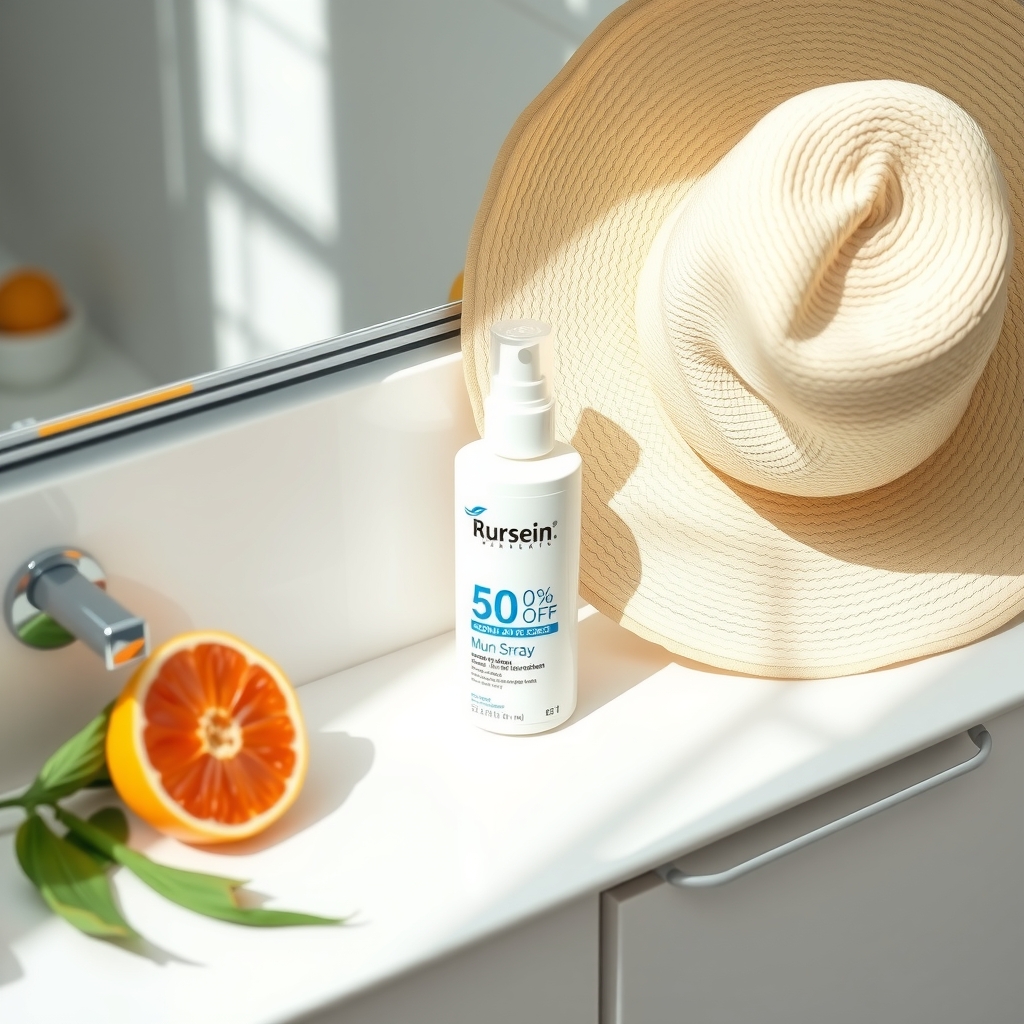
Limit octinoxate during pregnancy, especially in the first trimester; use it only when necessary and choose mineral sunscreen as a safer alternative for you.
By Shubhra Mishra — a mom of two who turned her own confusion during pregnancy into BumpBites, a global mission to make food choices clear, safe, and stress-free for every expecting mother. 💛
Check whether any food is safe during pregnancy with the BumpBites Food Safety Checker.
Quick verdict: ❌ Best avoided. Current guidance from ACOG, the NHS, and the FDA suggests pregnant individuals should steer clear of octinoxate because of its potential endocrine‑disrupting properties and limited safety data. If you’ve already used a product containing octinoxate, don’t panic—most occasional exposure is unlikely to cause harm, but you may want to switch to a mineral sunscreen moving forward.
It’s 2 a.m., the bathroom light is on, and you’ve just realized the sunscreen you applied this morning contains octinoxate. “Is octinoxate safe during pregnancy?” you wonder, heart racing. You’re not alone—many expecting parents search that exact phrase at the same hour, hoping for a clear, calm answer.
In short, most leading health organizations advise pregnant people to avoid octinoxate when possible. The American College of Obstetricians and Gynecologists (ACOG) flags it as a chemical sunscreen ingredient with endocrine‑disrupting potential, and the UK’s National Health Service (NHS) recommends mineral sunscreens for pregnant women. Below we’ll break down what octinoxate is, what the evidence says, how its safety may differ by trimester, how much you might be applying, and which safer alternatives you can reach for instead.
We’ll also walk through common brand concerns, potential risks for breastfeeding moms, and answer the most‑asked follow‑up questions. By the end you’ll have a practical plan, a list of safer sunscreens, and the peace of mind to enjoy sunny days without lingering worry.
Stage
Verdict
Notes
First trimester
❌ Best avoided
Critical period of organ formation; limited data on octinoxate absorption; endocrine‑disruptor concerns.
Second trimester
⚠️ Talk to your doctor
Some experts consider occasional use low risk, but safer mineral options are preferred.
Third trimester
⚠️ Talk to your doctor
Potential for hormone‑related effects persists; avoid unless no alternative.
Breastfeeding
⚠️ Talk to your doctor
Limited data on transfer via breast milk; precautionary avoidance recommended.
Switching to a mineral sunscreen can eliminate concerns about octinoxate while still protecting your skin.
What is octinoxate?
Octinoxate, also known as octyl methoxycinnamate, is a synthetic organic compound that absorbs ultraviolet B (UV‑B) radiation (280‑320 nm). It is added to many “chemical” sunscreens to help prevent sunburn. By converting UV‑B energy into a small amount of heat, octinoxate protects the skin’s surface from DNA damage that can lead to premature aging and skin cancer.
Because octinoxate is a small molecule, it can be absorbed through the skin and enter the bloodstream. Studies in animals have shown that high levels can interfere with estrogen and thyroid hormone pathways, leading regulators to label it a potential endocrine disruptor. In the United States, the Food and Drug Administration (FDA) has not banned octinoxate, but it requires sunscreen manufacturers to list it on the ingredient label and has opened a safety review for several chemical filters, including octinoxate.
Octinoxate is popular for its light, non‑greasy feel, which makes it a favorite in many “broad‑spectrum” formulas marketed for sport, beach, and everyday use. However, its convenience comes with the trade‑off of less‑well‑understood systemic effects, especially for vulnerable populations such as pregnant or breastfeeding individuals.
Is octinoxate safe during pregnancy?
O
verall, the consensus among major health authorities is that octinoxate should be avoided during pregnancy when a safer alternative is available. The American College of Obstetricians and Gynecologists (ACOG) notes that chemicals that can act as endocrine disruptors—such as octinoxate—are best limited because they may affect fetal development, especially during the first trimester when organogenesis occurs.
The UK National Health Service (NHS) advises pregnant people to choose “physical” (mineral) sunscreens containing zinc oxide or titanium dioxide, citing concerns over limited data on systemic absorption of chemical filters. The FDA’s 2022 sunscreen monograph acknowledges that octinoxate can be detected in plasma after repeated application, and while it has not set a specific pregnancy restriction, it emphasizes that more research is needed.
Scientific studies in humans are sparse, but a handful of small pharmacokinetic studies have shown measurable blood levels after regular use. Animal studies have linked high doses to altered estrogen signaling, which raises theoretical concerns about fetal hormonal balance. Because the precautionary principle guides obstetric care, most clinicians recommend avoiding octinoxate and opting for mineral sunscreens that sit on the skin’s surface rather than being absorbed.
Is octinoxate safe to use in the first trimester of pregnancy?
The first trimester is the period of organ formation, making it the most sensitive window for any potential teratogen. Because octinoxate can be absorbed and has shown endocrine‑disrupting activity in animal models, ACOG advises pregnant individuals to avoid it during this stage. If you have already applied a product containing octinoxate, the risk from a single application is likely low, but switching to a mineral sunscreen for future sun exposure is the safest approach.
How much octinoxate can pregnant women safely apply daily?
There is no established “safe amount” for octinoxate in pregnancy because the data are insufficient to set a definitive exposure limit. The FDA’s sunscreen labeling suggests applying about 2 mg per cm² of skin (roughly a nickel‑sized dollop for the face), but that guidance is for efficacy, not safety. Because the ingredient can be absorbed, most obstetric experts recommend limiting use to the minimum necessary—preferably zero—by choosing mineral‑based alternatives instead of trying to calculate a safe daily dose.
Are there safer sunscreen alternatives to octinoxate for pregnant women?
Zinc oxide sunscreen – Provides broad‑spectrum protection without systemic absorption.
Titanium dioxide sunscreen – Another mineral filter that sits on the skin’s surface.
Neutrogena Sheer Zinc Sunscreen SPF 50 – Widely available, fragrance‑free, and formulated for sensitive skin.
Blue Lizard Australian Sunscreen – Sensitive – Uses 100 % mineral filters and is water‑resistant.
CeraVe Mineral Sunscreen SPF 30 – Includes ceramides for skin barrier support.
Aveeno Baby Sensitive Skin Sunscreen SPF 30 – Gentle formula designed for delicate skin.
Badger SPF 30 Zinc Oxide Sunscreen – Organic, reef‑safe, and free of synthetic chemicals.
Which sunscreen brands contain octinoxate and are they safe during pregnancy?
Many mainstream sunscreen brands list octinoxate on their ingredient panels, especially those marketed as “lightweight” or “non‑greasy.” Common brands that frequently use octinoxate include Coppertone Sport, Banana Boat Ultra, and certain formulations of Neutrogena Ultra Sheer. While these products are effective for UV‑B protection, they are not the best choice for pregnant individuals seeking to minimize chemical exposure. If you already own one of these, consider using it only when you have a reliable mineral sunscreen as a backup, or reserve it for short, low‑intensity exposures.
What are the potential risks of octinoxate exposure for pregnant women?
Potential risks stem from octinoxate’s ability to act as an endocrine disruptor. In animal studies, high doses have been linked to altered estrogen and thyroid hormone levels, which could theoretically affect fetal growth and neurodevelopment. Human data are limited, but the precautionary stance is justified because endocrine disruption during pregnancy has been associated with outcomes such as low birth weight and developmental delays. Additionally, there is a small theoretical risk of skin irritation or allergic contact dermatitis, which could be more uncomfortable during pregnancy.
Can octinoxate cause hormonal changes during pregnancy?
Octinoxate has been shown in vitro and in animal models to bind to estrogen receptors and interfere with thyroid hormone pathways. While definitive evidence of hormonal changes in pregnant people is lacking, the mechanism raises enough concern for clinicians to advise avoidance, especially during the first trimester when hormonal balance is critical for fetal organ development.
Is octinoxate safe for pregnant women with sensitive skin?
For those with sensitive skin, octinoxate can be a double‑edged sword. It may cause contact dermatitis, and the added concern of systemic absorption makes it less ideal. Mineral sunscreens containing zinc oxide or titanium dioxide are generally better tolerated, are non‑irritating, and do not carry the same endocrine‑disruption worries.
Is octinoxate safe for breastfeeding mothers?
Data on octinoxate transfer into breast milk are scarce. Because the compound can be absorbed into the bloodstream, the theoretical possibility of passing into milk exists. Health agencies such as the CDC and NHS therefore recommend that breastfeeding mothers use mineral sunscreens to eliminate any potential exposure to the infant.
Safe dosage / amount / brands
Because there is no established safe internal dose for octinoxate during pregnancy, the best practice is to avoid it altogether. If you must use a product containing octinoxate, limit application to the smallest amount needed for effective sun protection—approximately a nickel‑size dollop for the face and a thin layer for exposed body parts. Reapply only after swimming or heavy sweating, and consider a mineral sunscreen for any additional coverage.
Brands that still include octinoxate but are often selected for their “light” feel include:
Coppertone Sport Sunscreen Lotion SPF 30
Banana Boat Ultra Sport Sunscreen SPF 50
Neutrogena Ultra Sheer Dry‑Touch Sunscreen SPF 55
These products are not recommended for regular use during pregnancy. Instead, choose one of the mineral options listed earlier, which are free of octinoxate and have a well‑established safety profile for both pregnant and breastfeeding individuals.
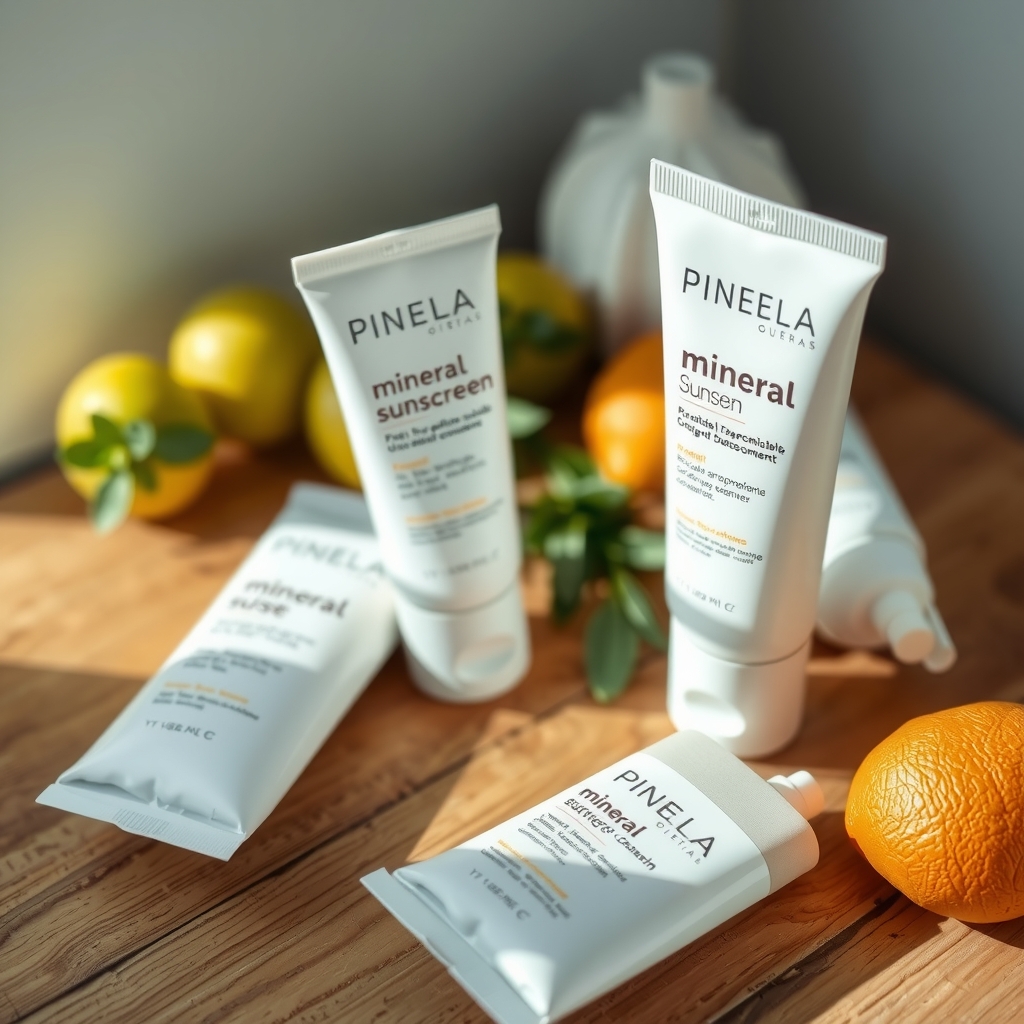
Mineral sunscreens give you protection without the concerns linked to octinoxate.
Side effects and risks
Most people experience no immediate adverse reaction from a single application of octinoxate, but documented side effects include:
Skin irritation or allergic contact dermatitis – Redness, itching, or rash at the application site.
Potential endocrine disruption – Laboratory evidence suggests interference with estrogen and thyroid hormones, which could affect fetal development.
Systemic absorption – Measurable levels have been found in blood after repeated use, though the clinical significance in pregnancy remains uncertain.
If you notice persistent skin irritation, swelling, or any unusual symptoms such as sudden weight gain, fatigue, or changes in menstrual‑like bleeding patterns, contact your obstetric provider promptly. These could signal hormonal shifts that merit evaluation.
Safer alternatives
Zinc oxide sunscreen – Provides broad‑spectrum protection and sits on the skin without absorption.
Titanium dioxide sunscreen – Similar mineral protection, ideal for sensitive skin.
Known endocrine disruptor; linked to allergic reactions.
Homosalate
⚠️ Talk to your doctor
Limited pregnancy data; possible hormone effects.
Avobenzone
⚠️ Talk to your doctor
Generally regarded as low risk, but caution advised.
Octocrylene
⚠️ Talk to your doctor
Potential for skin irritation and limited safety data.
PABA
❌ Best avoided
High allergy potential; not recommended for pregnancy.
Mexoryl SX
⚠️ Talk to your doctor
Newer filter; insufficient data for pregnancy.
Uvinul T150
⚠️ Talk to your doctor
Effective UV‑B filter; safety profile in pregnancy not established.
Myth vs. fact
Myth: “If I’m only using a little sunscreen, octinoxate can’t affect my baby.” Fact: Even small, repeated exposures can lead to measurable blood levels; the precautionary approach recommends avoiding it entirely during pregnancy.
Myth: “All sunscreens are the same, so any will protect my skin equally.” Fact: Chemical sunscreens (like octinoxate) are absorbed, whereas mineral sunscreens sit on the surface and are not associated with endocrine disruption.
Myth: “Octinoxate is banned everywhere, so it must be unsafe.” Fact: Octinoxate is still permitted in the U.S. and many countries, but health agencies flag it for caution in vulnerable populations, especially pregnant and breastfeeding people.
Key takeaways
❌ Most leading health authorities recommend avoiding octinoxate during pregnancy.
There is no established safe amount; the safest route is to switch to mineral sunscreens.
First‑trimester exposure is the most concerning due to organ formation.
Potential endocrine‑disrupting effects are theoretical but warrant precaution.
Mineral options (zinc oxide, titanium dioxide) are widely available and pregnancy‑friendly.
If you’ve already used a product with octinoxate, monitor for skin irritation and discuss any concerns with your provider.
Frequently asked questions
Can I use sunscreen with octinoxate while pregnant?
Most experts advise against it. While occasional exposure is unlikely to cause serious harm, the lack of definitive safety data and the potential for endocrine disruption lead ACOG and the NHS to recommend mineral sunscreens instead.
What are the side effects of octinoxate during pregnancy?
Side effects may include skin irritation or allergic contact dermatitis. Systemic absorption could theoretically affect hormone levels, though human studies are limited. If you notice persistent rash, swelling, or unusual symptoms, contact your provider.
Is octinoxate absorbed through the skin?
Yes. Studies have detected octinoxate in blood plasma after repeated topical application, indicating that it can cross the skin barrier and enter systemic circulation.
Are there any studies linking octinoxate to birth defects?
Current human research does not show a direct link to birth defects, but animal studies suggest possible hormonal disruption that could affect fetal development. Because of this uncertainty, health agencies adopt a precautionary stance.
What sunscreen ingredients are safe for pregnant women?
Mineral filters such as zinc oxide and titanium dioxide are considered safe. Products like Neutrogena Sheer Zinc SPF 50, Blue Lizard Sensitive, and Badger SPF 30 Zinc Oxide are widely recommended.
How does octinoxate affect hormone levels in pregnancy?
Laboratory data indicate that octinoxate can bind to estrogen receptors and interfere with thyroid hormone pathways, potentially altering hormonal balance. The clinical significance for pregnant people remains unclear, prompting a recommendation to avoid exposure.
Can I switch to a mineral sunscreen during pregnancy?
Absolutely. Mineral sunscreens provide broad‑spectrum protection without the systemic absorption concerns associated with octinoxate, making them the preferred choice for pregnant and breastfeeding individuals.
Is octinoxate banned in any countries for pregnant women?
Octinoxate is not outright banned, but several regions (including Hawaii and the European Union) have placed restrictions on its use in reef‑sensitive areas. Health agencies in the U.S., UK, and Canada advise pregnant people to avoid it, though it remains on the market.
When to call your doctor
If you develop any of the following after using a product containing octinoxate, contact your obstetric provider promptly:
Persistent or worsening skin rash, swelling, or itching at the application site.
Unexplained weight gain, fatigue, or changes in menstrual‑like bleeding patterns.
Signs of hormonal imbalance such as rapid hair loss, mood swings, or temperature intolerance.
Any concern that you may have applied a large amount of octinoxate over an extended period.
These guidelines are informational only and do not replace personalized medical advice. Always discuss your specific situation with your healthcare provider.
References
American College of Obstetricians and Gynecologists (ACOG). “Recommendations for Sunscreen Use During Pregnancy.” 2023.
National Health Service (NHS). “Sunscreen and Pregnancy.” Updated 2022.
U.S. Food and Drug Administration (FDA). “Final Rule for Sunscreen Monograph.” 2022.
Centers for Disease Control and Prevention (CDC). “Chemical Sunscreens and Pregnancy.” 2021.
World Health Organization (WHO). “Endocrine Disruptors: A Review of the Evidence.” 2020.
Not sure about the label on Is Octinoxate Safe During Pregnancy products?
Snap the ingredients list and SafeFilter checks every ingredient for your stage — only 3 free scans this month, then you're locked until reset. Unlimited from $7/mo or $50/yr.
When Shubhra Mishra was expecting her first child in 2016, she was overwhelmed by conflicting food advice — one site said yes, another said never. By the time her second baby arrived in 2019, she realized millions of mothers face the same confusion.
That sparked a five-year journey through clinical nutrition papers, cultural diets, and expert conversations — all leading to BumpBites: a calm, compassionate space where science meets everyday motherhood.
Her long-term vision is to build a global community ensuring safe, supported, and free deliveriesfor every mother — because no woman should face pregnancy alone or uninformed. 🌿
🌍 Stand with mothers, shape safer guidance
Join a small circle of experts who review BumpBites articles so expecting parents everywhere can decide with confidence.