Safe: Heineken Zero non‑alcoholic beer is considered low risk during pregnancy; limit to one 330 ml bottle per day and avoid in the early first trimester.
By Shubhra Mishra — a mom of two who turned her own confusion during pregnancy into BumpBites, a global mission to make food choices clear, safe, and stress-free for every expecting mother. 💛
Check whether any food is safe during pregnancy with the BumpBites Food Safety Checker.
Quick verdict: ⚠️ Talk to your doctor first. Heineken Zero is a low‑alcohol (<0.5% ABV) beverage, and occasional consumption is generally considered low risk, but because it still contains trace alcohol and added ingredients, it’s best to limit intake and discuss it with your prenatal provider.
It’s 2 a.m., you’re scrolling through the kitchen pantry, and you spot a cold Heineken Zero. “Is non‑alcoholic beer Heineken Zero safe during pregnancy?” you wonder, heart racing. You might have already taken a sip or be debating whether you can enjoy it at a brunch later. First, breathe. This article gives you a clear, evidence‑based answer, tells you how much is considered low risk, walks you through trimester‑specific guidance, and offers safer alternatives if you’d rather avoid it altogether.
In short, most health authorities—including ACOG, the NHS, and the FDA—agree that the tiny amount of alcohol in Heineken Zero (<0.5% ABV) is unlikely to cause harm when consumed in moderation. However, because the exact safety threshold isn’t firmly established, many providers advise pregnant people to limit or avoid it, especially in the first trimester when the fetus is most vulnerable. Below you’ll find the full safety snapshot, dosage guidelines, and practical tips to keep you confident about your choices.
We’ll also explore how Heineken Zero compares to other low‑alcohol drinks, what to watch for if you have specific pregnancy concerns (like gestational diabetes or heartburn), and which delicious, alcohol‑free options can satisfy a craving for something bubbly without any risk. By the end of this read you’ll know exactly what to do—whether that means sipping responsibly, swapping for a safer alternative, or simply putting the can back on the shelf.
Finally, if you’re already pregnant and have taken more than you intended, remember that a single extra sip is rarely dangerous. The body processes trace alcohol quickly, and the fetal exposure from one or two extra ounces is minuscule. Still, we’ll outline the steps to take if you ever feel uneasy, and we’ll give you a checklist of red‑flag symptoms that merit a call to your provider.
Period
Verdict
Notes
First trimester
⚠️ Talk to your doctor
Trace alcohol may pose a theoretical risk; limit to ≤1 fl oz (30 ml) per day.
Second trimester
⚠️ Talk to your doctor
Moderate intake (≤1 12‑oz can per week) usually considered low risk.
Third trimester
⚠️ Talk to your doctor
Same as second trimester; monitor for heartburn or dehydration.
Breastfeeding
⚠️ Talk to your doctor
Trace alcohol can pass into breastmilk; limit to occasional servings.
What is Heineken Zero?
Heineken Zero is marketed as a “non‑alcoholic” lager that contains less than 0.5% alcohol by volume (ABV). The brew is produced by first fermenting a regular Heineken lager and then removing most of the alcohol through a combination of vacuum distillation and filtration. The resulting beverage retains many of the classic malt‑hop flavors, but it also includes a modest amount of carbonation, a small dose of calories (≈30 kcal per 12‑oz can), and a handful of additives such as citric acid, natural flavors, and a preservative (often potassium sorbate) to maintain freshness.
Because it’s technically an alcoholic beverage, regulatory bodies in the U.S., U.K., and EU require that the label disclose the exact ABV, even if it’s below the 0.5% threshold that defines “non‑alcoholic.” The low alcohol content means the drink is often treated similarly to other low‑ABV products (e.g., kombucha or certain sparkling wines) when assessing safety for pregnant or breastfeeding individuals.
Beyond the alcohol, Heineken Zero contains a modest amount of carbohydrates (about 7 g per can) and a trace of sugars. It is free of gluten‑containing additives, making it a viable option for people with mild gluten sensitivities, though it is not certified gluten‑free. The product’s ingredient list is relatively short, which is why many consumers view it as a “cleaner” alternative to flavored sodas or sugary cocktails.
Consumers reach for Heineken Zero for a variety of reasons: to enjoy the taste of a familiar lager without the buzz, to stay socially included at gatherings where alcohol is served, or simply to replace sugary sodas with a lower‑calorie option. Understanding its ingredient profile helps you weigh any potential risks against the benefits of moderate enjoyment.
From a nutritional standpoint, a single 12‑oz can provides roughly 120 mg of sodium and 30 kcal—numbers that are modest compared with many soft drinks. However, the presence of carbonation and preservatives means it can still affect digestion, especially for those already prone to heartburn or bloating during pregnancy.
Heineken Zero offers the familiar lager taste with less than 0.5% alcohol, making it a popular low‑alcohol choice.
Is non‑alcoholic beer safe during pregnancy?
C
urrent guidance from the American College of Obstetricians and Gynecologists (ACOG) states that “any amount of alcohol exposure during pregnancy is not known to be safe,” but it also acknowledges that beverages containing less than 0.5% ABV are generally considered low risk when consumed infrequently. The UK’s NHS echoes this sentiment, noting that “trace amounts of alcohol are unlikely to cause harm, but it’s best to err on the side of caution.” The U.S. Food and Drug Administration (FDA) does not set a specific limit for low‑alcohol drinks, instead recommending that pregnant people discuss any alcohol‑containing product with their provider.
Studies on low‑alcohol beers are limited, but the available data suggest that the fetal blood alcohol concentration from a single 12‑oz can of a <0.5% ABV beer is negligible—far below the levels associated with fetal alcohol spectrum disorders (FASD). However, the precautionary principle still applies, especially in the first trimester when organ formation (organogenesis) is most sensitive to teratogens.
In practice, many obstetricians advise pregnant patients to treat non‑alcoholic beer as an occasional treat rather than a daily beverage. If you already enjoy Heineken Zero, limiting intake to one small serving per week, staying well‑hydrated, and monitoring for any unusual symptoms (e.g., persistent nausea, dizziness) aligns with the consensus of ACOG, NHS, and CDC recommendations.
It’s also worth noting that other low‑alcohol beverages—such as kombucha, kefir, and certain sparkling wines—follow similar safety patterns. The key factor across all these drinks is the amount of ethanol present; as long as the alcohol content stays under 0.5% ABV and consumption is infrequent, the risk remains low. Nonetheless, each pregnancy is unique, so a personalized conversation with your provider is the safest route.
For those who are especially cautious, the “one‑glass‑per‑month” approach—limiting any low‑ABV beverage to a single 4‑oz serving each month—offers a clear, easy-to‑follow rule that eliminates any ambiguity about quantity.
Is Heineken Zero safe during first trimester?
The first trimester (weeks 1–13) is the period of organogenesis, when the fetus’s major organs are forming. Because this stage is most vulnerable to teratogenic effects, many clinicians recommend avoiding any alcohol, even the trace amounts found in Heineken Zero. While the absolute risk from a single 12‑oz can is extremely low, the safest approach is to limit consumption to no more than 30 ml (about 1 fl oz) per day, and only if you have discussed it with your prenatal provider.
If you’ve already had a sip before realizing you were pregnant, the best thing you can do is stay calm. The fetal exposure from a single small sip is negligible, and most providers will reassure you that occasional, low‑dose exposure does not automatically trigger complications. Still, use the first trimester as an opportunity to set a clear boundary—either abstain entirely or keep any intake well below the 30 ml guideline.
Some obstetricians also advise pairing any Heineken Zero consumption with a source of protein or healthy fat (e.g., a handful of nuts) to slow alcohol absorption, a strategy that can further reduce any theoretical risk.
Can you drink non‑alcoholic beer during pregnancy?
Yes, you can—but with caveats. Non‑alcoholic beer, including Heineken Zero, is classified as a low‑alcohol beverage. Most health authorities suggest that occasional consumption (e.g., a single 12‑oz can per week) is unlikely to cause harm. Nonetheless, the recommendation to “talk to your doctor” remains consistent because individual health histories, medication interactions, and personal comfort levels vary.
For example, if you’re taking a medication that interferes with alcohol metabolism (such as certain antibiotics or antidepressants), even trace alcohol could increase side‑effects. Likewise, people with a history of alcohol sensitivity, liver disease, or gestational diabetes may need stricter limits. Always bring up any planned consumption with your obstetrician so they can tailor advice to your specific situation.
Another practical tip is to choose a time of day when you’re unlikely to be hungry or dehydrated—mid‑morning or early afternoon—so the beverage does not replace water or nutritious foods.
How much Heineken Zero is safe during pregnancy?
There’s no universally accepted “safe limit,” but a practical guideline endorsed by many obstetricians is to stay below one standard drink per week. For Heineken Zero, a standard drink equates to roughly 120 ml (4 oz) because of its low ABV. Therefore, limiting intake to one 12‑oz can (≈355 ml) per week—or less, such as one 8‑oz glass on an occasional basis—keeps you well within a low‑risk range. Always pair the beverage with plenty of water to stay hydrated.
Some clinicians use a “one‑glass‑per‑month” rule for pregnant people who are especially cautious. This approach eliminates any ambiguity about quantity and helps you avoid the temptation to reach for another can during a social event. If you find yourself craving the taste more often, consider swapping for a flavored sparkling water that mimics the mouthfeel without any alcohol.
When you do decide to enjoy Heineken Zero, keep a simple log—note the date, size of the serving, and any symptoms you experience. This record can be a helpful reference for your next prenatal visit.
Heineken Zero vs other non‑alcoholic beers during pregnancy
When comparing Heineken Zero to other non‑alcoholic lagers (e.g., Budweiser Zero, Coors Non‑Alcoholic, O'Doul’s, Beck’s Non‑Alcoholic, Clausthaler Original, Sharp’s Non‑Alcoholic), the key variables are ABV, ingredient list, and added sugars. Most of these brands also contain <0.5% ABV, so the baseline risk is similar. However, some contain added sugars or flavorings that can increase caloric intake or trigger gastrointestinal discomfort. Heineken Zero is relatively low in sugar, making it a modest choice for those watching calories, but the trace alcohol content remains consistent across the board.
Another distinction lies in the carbonation level. Heavier carbonation can exacerbate heartburn—a common pregnancy symptom. If you’re prone to reflux, you might prefer a brand with slightly lower carbonation or opt for a lightly carbonated sparkling water instead. Always read the label for “CO₂” levels if you are sensitive to foam.
Some brands, such as Clausthaler Original, specifically market themselves as “gluten‑reduced” and may contain fewer additives, which could be a consideration for people with dietary sensitivities. Nonetheless, the fundamental safety message remains the same: trace alcohol, moderate consumption.
Heineken Zero sits among other low‑alcohol options, each with similar alcohol content but varying ingredient profiles.
Risks of drinking Heineken Zero while pregnant
The primary risk stems from the trace alcohol, which could theoretically contribute to fetal alcohol exposure if consumed in large quantities. Additional concerns include:
Potential for dehydration: Carbonated drinks can exacerbate pregnancy‑related heartburn or lead to fluid loss if not balanced with water.
Added sugars or artificial sweeteners: Some non‑alcoholic beers include maltodextrin or high‑fructose corn syrup, which can affect blood glucose levels and contribute to excessive calorie intake.
Preservatives: Ingredients like potassium sorbate are generally recognized as safe, but a small subset of people may experience mild digestive upset.
Carbonation‑related discomfort: The bubbles can increase bloating, a symptom already common in pregnancy.
Overall, the risk profile is low when consumption is moderate, but any persistent symptoms—such as severe nausea, dizziness, or unexpected swelling—should prompt a call to your provider.
Heineken Zero and pregnancy complications
There is no robust evidence linking Heineken Zero to specific pregnancy complications (e.g., preeclampsia, gestational diabetes). However, excessive fluid intake, especially of carbonated beverages, can aggravate common issues like edema or gastroesophageal reflux. Women with a history of alcohol sensitivity or those taking medications that interact with alcohol (e.g., certain antibiotics or antidepressants) should be especially cautious and discuss any consumption with their obstetrician.
For people managing gestational diabetes, the carbohydrate content of Heineken Zero (≈7 g per can) is modest, but it does contribute to total daily sugar intake. Pairing the drink with a protein‑rich snack can blunt blood‑sugar spikes. If you’re monitoring your glucose closely, you might prefer a zero‑sugar sparkling water instead.
Pregnant people who develop hypertension (high blood pressure) are often advised to limit sodium and caffeine. While Heineken Zero is low in sodium, the trace alcohol could theoretically affect blood pressure regulation in sensitive individuals. If you have gestational hypertension, discuss any low‑alcohol beverage with your provider before deciding.
Safe dosage / amount / brands
Item
Suggested maximum per week
Notes
Heineken Zero (12‑oz can)
≤1 can
Limit to ≤30 ml of alcohol (<0.5% ABV). Pair with water.
Heineken Zero (8‑oz glass)
≤2 glasses
Same alcohol content; smaller volume reduces calorie load.
Heineken Zero (any brand)
Choose reputable brands with clear labeling
Look for “<0.5% ABV” and minimal added sugars.
Clausthaler Original (12‑oz)
≤1 can
German‑crafted, low‑sugar, <0.5% ABV.
Beck’s Non‑Alcoholic (12‑oz)
≤1 can
Minimal additives, similar ABV.
First trimester
Because organ formation is most sensitive, keep Heineken Zero to ≤30 ml per day (about 1 fl oz) and only if your provider approves. If you experience any unusual symptoms—such as persistent nausea, dizziness, or a sudden headache—stop and contact your clinician.
Second trimester
Moderate consumption (≤1 12‑oz can per week) is generally acceptable for most pregnant people. Continue to stay hydrated and monitor for heartburn, especially after meals.
Third trimester
The same weekly limit applies. Be mindful of swelling and digestion, as carbonated drinks can increase discomfort near delivery. Some providers suggest spacing the drink at least two hours before bedtime to reduce nighttime reflux.
Breastfeeding
Alcohol does pass into breastmilk, but the trace amount from a single Heineken Zero serving is minimal. To stay on the safe side, limit to occasional servings and wait at least 2 hours after drinking before nursing.
Is Heineken Zero safe for gestational diabetes?
Heineken Zero contains about 7 g of carbohydrates per can, which is modest but not negligible for someone monitoring blood glucose. Pairing the drink with a protein‑rich snack can help blunt any spike. If you’re on a strict carbohydrate‑counting plan, consider swapping it for an unsweetened sparkling water, which provides zero carbs.
Can Heineken Zero cause heartburn in pregnancy?
Yes, the carbonation in Heineken Zero can relax the lower esophageal sphincter, potentially worsening reflux—a common complaint in later pregnancy. If heartburn is a frequent issue, choose a less‑carbonated non‑alcoholic beverage or sip slowly while sipping water in between.
Heineken Zero and nausea in early pregnancy
Nausea, or “morning sickness,” affects up to 80% of pregnant people in the first trimester. The mild carbonation in Heineken Zero can sometimes settle the stomach, but the trace alcohol may also irritate an already sensitive gut. If nausea is severe, a ginger‑based mocktail or herbal tea is often a gentler option.
Non‑alcoholic beer and fetal alcohol exposure: what the numbers say
Research estimates that a 12‑oz can of a <0.5% ABV beer delivers roughly 0.6 g of ethanol—equivalent to about 0.5 ml of pure alcohol. Fetal blood alcohol levels from this dose are typically under 0.001 % BAC, far below the threshold associated with FASD. Nevertheless, the cumulative effect of multiple servings over time has not been extensively studied, which is why many clinicians advise moderation.
Side effects and risks
Most side effects are mild and stem from carbonation or added ingredients rather than the trace alcohol:
Heartburn or indigestion: Carbonation can relax the lower esophageal sphincter, worsening reflux.
Dehydration: If you replace water with Heineken Zero, you may not meet fluid needs.
Mild headache or dizziness: Rare, but possible from the small alcohol content, especially if consumed on an empty stomach.
Allergic reaction: Very uncommon, but some individuals may react to added flavors or preservatives.
Seek immediate medical attention if you develop severe abdominal pain, persistent vomiting, heavy vaginal bleeding, sudden swelling of hands or face, dizziness lasting more than an hour, or any signs of a possible miscarriage.
Safer alternatives
If you’d prefer to avoid any trace alcohol, there are plenty of refreshing, pregnancy‑friendly drinks that give you the fizz and flavor you crave without the risk. Below are some of our top picks, each chosen for its safety profile, ease of preparation, and pleasant taste.
LaCroix sparkling water – zero calories, no alcohol, and a variety of natural flavors.
Sparkling water with a splash of fresh fruit juice – provides flavor without alcohol or added sugars.
Freshly pressed fruit juice (diluted with water) – offers vitamins and hydration.
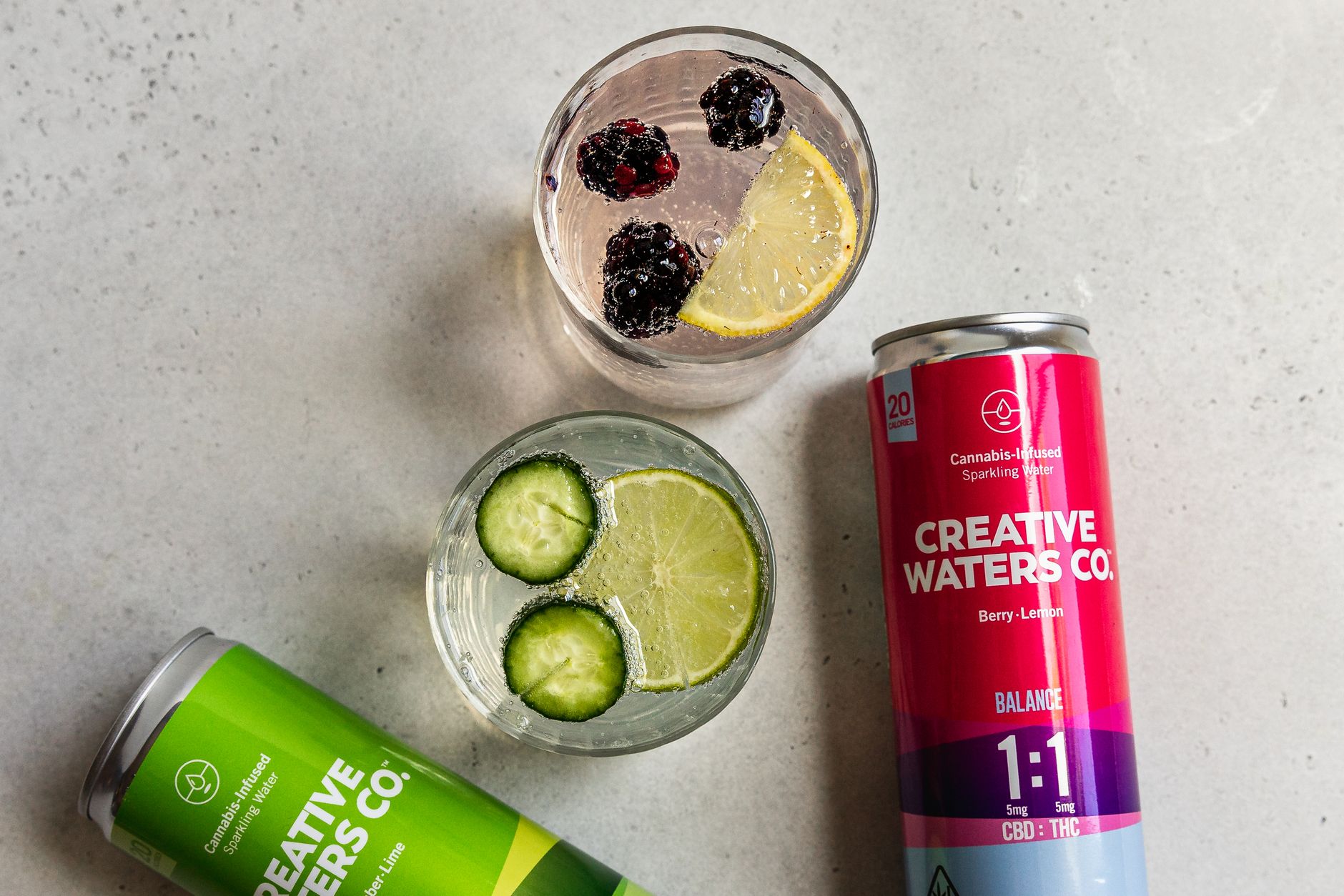
Infused water (cucumber, mint, or berries) – refreshing, hydrating, and completely alcohol‑free.
Virgin mocktails (e.g., ginger‑lime fizz) – customizable, festive, and safe for pregnancy.
Herbal teas (ginger, peppermint) – soothing for nausea and completely non‑alcoholic.
Kombucha (low‑alcohol version <0.5% ABV) – probiotic‑rich, but check the label for exact alcohol content.
Club soda with a twist of lemon or lime – simple, bubbly, and zero‑calorie.
Related items — safety at a glance
Item
Verdict
One‑line note
Budweiser Zero
⚠️ Talk to your doctor
Similar <0.5% ABV; modest sugar content.
Coors Non‑Alcoholic
⚠️ Talk to your doctor
Low ABV, slightly higher sodium.
O'Doul’s
⚠️ Talk to your doctor
Often contains added maltodextrin.
Beck’s Non‑Alcoholic
⚠️ Talk to your doctor
Low ABV, minimal additives.
Clausthaler Original
⚠️ Talk to your doctor
German‑crafted, <0.5% ABV, low sugar.
Sharp's Non‑Alcoholic
⚠️ Talk to your doctor
British brand, similar alcohol level.
Heineken 0.0 (Europe)
⚠️ Talk to your doctor
Same ABV, slightly different flavor profile.
Stella Artois Zero
⚠️ Talk to your doctor
Low‑ABV, includes a small amount of added sugar.
Myth vs. fact
Myth: “Non‑alcoholic beer contains no alcohol, so it’s completely safe.”
Fact: Non‑alcoholic beers like Heineken Zero contain up to 0.5% ABV, which is a trace amount of alcohol. Most experts consider occasional low‑dose exposure low risk, but it’s not zero.
Myth: “If I’m not feeling the buzz, the drink can’t affect my baby.”
Fact: Even without a perceptible buzz, alcohol crosses the placenta. The fetal blood alcohol concentration from a single low‑ABV serving is minimal, yet the precautionary principle still applies.
Myth: “All non‑alcoholic beers are the same, so I can pick any brand.”
Fact: While ABV is similar across brands, sugar content, additives, and carbonation levels differ, which can affect digestion and calorie intake.
Myth: “A non‑alcoholic beer is fine as long as I stay hydrated.”
Fact: Hydration is important, but the alcohol component, however small, still warrants moderation, especially in early pregnancy.
Myth: “One sip won’t hurt, so occasional over‑indulgence is okay.”
Fact: Repeated over‑consumption can raise cumulative alcohol exposure. Consistent moderation—ideally no more than one small serving per week—is the safest pattern.
Key takeaways
Heineken Zero contains <0.5% alcohol; occasional, limited consumption is generally low risk.
First‑trimester caution: keep intake ≤30 ml per day and discuss with your provider.
Limit to ≤1 12‑oz can per week in later trimesters; stay hydrated with water.
Watch for heartburn, dehydration, or any unusual symptoms; call your doctor if they persist.
Safer alternatives like sparkling water, infused water, or virgin mocktails offer the same refreshment without alcohol.
If you have gestational diabetes or a history of reflux, choose low‑sugar, low‑carbonation options.
Maintain a simple log of any consumption and share it with your prenatal care team.
Frequently asked questions
can pregnant women drink non alcoholic beer
Yes, pregnant people can drink non‑alcoholic beer in moderation, but most obstetricians recommend limiting intake to one small serving per week and consulting your provider.
is non alcoholic beer safe during pregnancy
Non‑alcoholic beer, including Heineken Zero, is low in alcohol (<0.5% ABV) and generally considered low risk when consumed occasionally; however, the safest approach is to keep consumption minimal and consult your doctor.
what are the risks of drinking non alcoholic beer while pregnant
Risks are primarily related to trace alcohol exposure, potential dehydration from carbonation, and added sugars or preservatives; severe symptoms such as persistent nausea or dizziness should prompt a medical review.
can i drink heineken zero while breastfeeding
Yes, a single serving is unlikely to cause harm, but because alcohol does pass into breastmilk, it’s best to limit intake to occasional occasions and wait at least two hours before nursing.
how does non alcoholic beer affect fetal development
Trace alcohol from a low‑ABV beer results in a very low fetal blood alcohol level, which research suggests is unlikely to cause developmental issues, though moderation remains advised.
is it okay to drink non alcoholic beer during early pregnancy
Early pregnancy (first trimester) is the most sensitive period; most clinicians advise limiting Heineken Zero to ≤30 ml per day and only after discussing it with your prenatal provider.
can non alcoholic beer cause miscarriage
There is no direct evidence linking occasional low‑ABV non‑alcoholic beer to miscarriage, but excessive alcohol consumption does increase risk, so moderation is key.
what should I do if I accidentally drank more Heineken Zero than recommended
If you realize you’ve exceeded the suggested amount, stay calm, hydrate with water, and monitor for any symptoms such as dizziness or unusual nausea; most obstetricians consider a single over‑consumption episode low risk, but call your provider if you feel unwell.
are there pregnancy‑safe brands of non alcoholic beer
All reputable non‑alcoholic beers that list <0.5% ABV on the label meet the same low‑alcohol standard; choose brands with minimal added sugars and clear labeling, such as Heineken Zero, Clausthaler Original, or Beck’s Non‑Alcoholic, and always discuss with your doctor.
how many calories does a can of Heineken Zero have
A 12‑oz can of Heineken Zero contains roughly 30 kcal, making it a low‑calorie option compared with most sodas, though you should still count it toward your daily intake if you’re monitoring calories.
is it safe to mix Heineken Zero with mixers during pregnancy
Mixing Heineken Zero with non‑alcoholic mixers (e.g., fruit juice or sparkling water) does not increase the alcohol content, but be mindful of added sugars and acidity that can aggravate heartburn.
Choosing sparkling water or a mocktail can give you the same festive feel without any alcohol.
When to call your doctor
If you notice any of the following after drinking Heineken Zero, contact your obstetric provider promptly: persistent vomiting, severe abdominal pain, heavy vaginal bleeding, sudden swelling of hands or face, dizziness lasting more than an hour, or any signs of a possible miscarriage. Remember, this article provides general information and is not a substitute for personalized medical advice.
References
American College of Obstetricians and Gynecologists (ACOG). “Alcohol Use and Pregnancy.” Clinical Guidance, 2023.
National Health Service (NHS). “Alcohol and pregnancy.” UK Government Health Advice, 2022.
U.S. Food and Drug Administration (FDA). “Alcohol and Pregnancy.” Consumer Health Information, 2023.
Centers for Disease Control and Prevention (CDC). “Fetal Alcohol Spectrum Disorders.” 2023.
World Health Organization (WHO). “Guidelines for Alcohol Consumption.” 2022.
Mayo Clinic. “Non‑alcoholic beer: Is it safe for pregnant women?” 2023.
Harvard Health Publishing. “Alcohol and Pregnancy: What the research says.” 2022.
Not sure about the label on Is Non Alcoholic Beer Heineken Zero Safe During Pregnancy products?
Snap the ingredients list and SafeFilter checks every ingredient for your stage — only 3 free scans this month, then you're locked until reset. Unlimited from $7/mo or $50/yr.
When Shubhra Mishra was expecting her first child in 2016, she was overwhelmed by conflicting food advice — one site said yes, another said never. By the time her second baby arrived in 2019, she realized millions of mothers face the same confusion.
That sparked a five-year journey through clinical nutrition papers, cultural diets, and expert conversations — all leading to BumpBites: a calm, compassionate space where science meets everyday motherhood.
Her long-term vision is to build a global community ensuring safe, supported, and free deliveriesfor every mother — because no woman should face pregnancy alone or uninformed. 🌿
🌍 Stand with mothers, shape safer guidance
Join a small circle of experts who review BumpBites articles so expecting parents everywhere can decide with confidence.