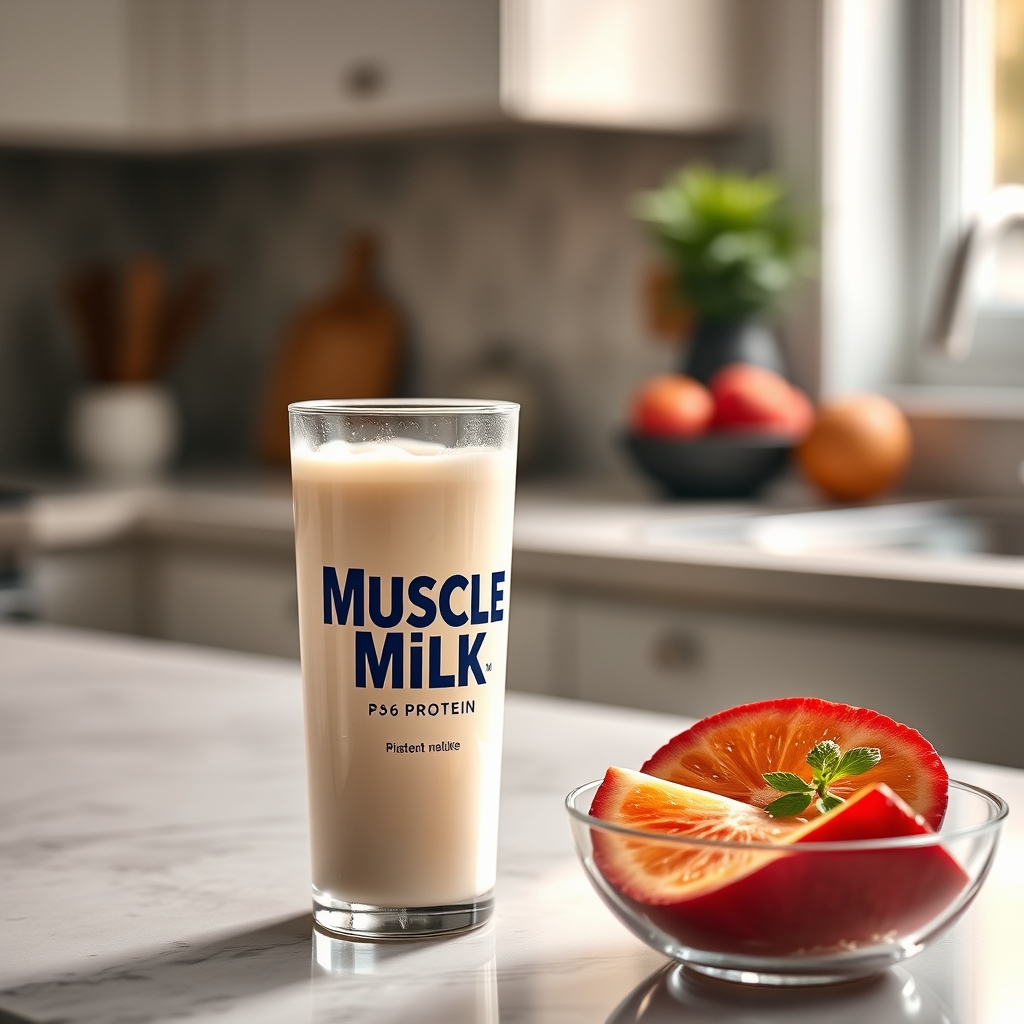
Limit Muscle Milk during pregnancy due to high sugar and protein content in certain flavors and serving sizes
By Shubhra Mishra — a mom of two who turned her own confusion during pregnancy into BumpBites, a global mission to make food choices clear, safe, and stress-free for every expecting mother. 💛
Check whether any food is safe during pregnancy with the BumpBites Food Safety Checker.
Quick verdict: ⚠️ Safe with limits – Muscle Milk can be part of a balanced pregnancy diet, but stick to one serving a day and choose low‑sugar varieties when possible.
It’s 2 a.m., the glow of your phone lights up the kitchen counter, and you’re wondering, “is muscle milk safe during pregnancy?” You may have already mixed a shake after a workout or reached for a ready‑to‑drink bottle during a busy morning. First, breathe. You’re not alone—many expectant parents ask the same question when they discover a favorite protein drink might be on the pregnancy safety radar.
In short, most health authorities say that Muscle Milk is not outright prohibited, but it’s best treated as an occasional supplement rather than a daily staple. Below we break down the evidence, trimester‑by‑trimester considerations, recommended serving sizes, and safer alternatives you might already have in your fridge. We’ll also compare the original Muscle Milk line with its zero‑sugar sibling, discuss gestational diabetes concerns, and give you concrete signs that warrant a call to your provider.
Read on for a clear, evidence‑based answer to the question is muscle milk safe during pregnancy, plus practical tips you can apply tonight.
Enjoy Muscle Milk as a post‑workout treat, but keep portion size in mind.
Trimester / Breastfeeding
Verdict
Notes
First trimester
⚠️ Safe with limits
One 11‑oz serving (≈30 g protein) per day; choose low‑sugar or zero‑sugar version.
Second trimester
⚠️ Safe with limits
Same serving limit; monitor total daily protein intake (< 100 g from all sources).
Third trimester
⚠️ Safe with limits
Maintain serving limit; watch added sugars if risk of gestational diabetes.
Breastfeeding
⚠️ Safe with limits
One serving daily is fine; extra calories may be needed, but protein can come from whole foods.
What is Muscle Milk?
Muscle Milk is a brand of protein‑enhanced beverages and powders marketed toward athletes and fitness enthusiasts. The original ready‑to‑drink (RTD) version typically contains about 30 grams of protein per 11‑ounce bottle, sourced from a blend of whey protein concentrate, calcium caseinate, and milk protein isolate. It also provides 10–12 grams of carbohydrates (mostly from sugar or maltodextrin), 5 grams of fat, and a suite of vitamins and minerals such as calcium, vitamin D, and B‑complex nutrients.
The “Zero” line swaps out added sugars for artificial sweeteners like sucralose and acesulfame K, reducing carbohydrate content to under 5 grams per bottle while keeping protein levels similar. Both formats are fortified with electrolytes (sodium, potassium) and often include added fiber (inulin) to aid digestion. The product is designed for quick absorption after exercise, but many people also use it as a convenient snack or meal replacement.
Because Muscle Milk blends dairy‑derived proteins with added sugars or sweeteners, its safety profile in pregnancy hinges on three factors: (1) protein quality and quantity, (2) sugar or artificial‑sweetener load, and (3) any potential allergens (e.g., lactose). Understanding each component helps you decide whether the shake aligns with your nutritional goals and prenatal care plan.
Regulatory-wise, the protein blend is classified as “Generally Recognized As Safe” (GRAS) by the U.S. Food and Drug Administration (FDA). The sweeteners used in the Zero version have also received GRAS status, though some health professionals advise moderation during pregnancy due to limited long‑term data on fetal gut microbiome effects.
Beyond the basic formulation, Muscle Milk’s marketing often highlights its “complete amino‑acid profile” and “fast‑acting recovery” claims. For pregnant people who are physically active, these benefits can be useful, but they must be weighed against the added sugar or sweetener considerations discussed later.
Is Muscle Milk safe during pregnancy?
Current guidance from major health bodies such as the American College of Obstetricians and Gynecologists (ACOG) and the UK’s National Health Service (NHS) does not list Muscle Milk as a teratogen or a prohibited food. Both organizations endorse adequate protein intake—roughly 71 grams per day for the average pregnant adult—but they caution against excess added sugars, which can elevate the risk of gestational diabetes and excess weight gain.
In a 2022 FDA review of whey‑protein supplements, the agency concluded that whey protein is “generally recognized as safe” (GRAS) for the general adult population, including pregnant women, when consumed at typical dietary levels. However, the FDA also notes that products with high added‑sugar content should be limited, especially for individuals with glucose‑metabolism concerns.
Most research on protein supplementation in pregnancy focuses on whole‑food sources (e.g., dairy, legumes) rather than commercial shakes. A 2020 systematic review in the Journal of Nutrition found that protein powders, when used to meet—but not exceed—recommended protein goals, did not increase adverse pregnancy outcomes. The key takeaway: Muscle Milk is not inherently unsafe, but the added sugars (or artificial sweeteners) mean you should treat it as an occasional supplement, not a daily staple.
Common misconceptions include the belief that “more protein = better muscle tone for the baby,” or that “any protein shake is automatically pregnancy‑friendly.” In reality, balance matters more than quantity, and the sweetener profile can affect blood‑sugar control. If you have gestational diabetes, lactose intolerance, or a dairy allergy, you’ll want to choose a low‑sugar or dairy‑free alternative.
For people who are highly active or who have increased protein needs—such as athletes training for a marathon—Muscle Milk can fill a nutritional gap, provided the serving size stays within the limits outlined in the safety snapshot table. Always discuss any supplement regimen with your prenatal care provider, especially if you have pre‑existing conditions.
Is Muscle Milk safe to drink during the first trimester?
The first trimester is the period of organogenesis, when the developing embryo is most vulnerable to teratogens. Since Muscle Milk contains only dairy‑derived proteins and no known teratogenic ingredients, it does not pose a direct fetal risk. However, the added sugars in the original formula can contribute to unnecessary caloric surplus and may exacerbate nausea, a common first‑trimester symptom.
For most pregnant people, limiting the shake to one 11‑oz serving per day—preferably the Zero version if you’re watching sugar—is a prudent approach. Pair the shake with a balanced meal that includes fiber, healthy fats, and complex carbs to mitigate any blood‑sugar spikes.
Can I consume Muscle Milk safely in the second trimester?
During the second trimester, protein needs remain elevated, and many expectant mothers experience increased appetite. Muscle Milk can help meet protein goals, especially after workouts, but the same serving limit applies. The American Diabetes Association (ADA) recommends that added sugars not exceed 10 % of total daily calories; a single original‑flavor bottle provides roughly 12 % of a 2,200‑calorie diet.
Choosing the Zero version reduces added‑sugar exposure while still delivering high‑quality protein. If you’re using Muscle Milk as a post‑exercise recovery drink, consider adding a handful of berries or a splash of unsweetened almond milk to boost antioxidants without extra sugar.
Is Muscle Milk safe in the third trimester of pregnancy?
In the third trimester, the fetus gains weight rapidly, and many providers advise pregnant individuals to monitor overall caloric intake to avoid excessive gestational weight gain. A single serving of original‑flavor Muscle Milk contributes about 180 calories, which can fit into a balanced diet but should be counted toward your total daily intake.
If you have been diagnosed with gestational diabetes, the Zero version—or a low‑sugar protein powder—will be a safer choice. The protein itself supports fetal tissue development, but the carbohydrate load from added sugars could raise blood‑glucose levels, so keep an eye on your glucose monitoring logs.
Is Muscle Milk safe for breastfeeding mothers?
While breastfeeding, many people need extra calories (about 500 kcal per day) and protein (roughly 25 g extra). One serving of Muscle Milk can help meet these needs without overdoing it. The protein passes into breast milk in small amounts, which is harmless to the infant. As with pregnancy, stick to one serving a day and opt for the Zero or low‑sugar variant if you’re watching your sugar intake.
Muscle Milk and prenatal vitamins: any interactions?
Muscle Milk’s vitamin and mineral blend is modest compared with a full prenatal vitamin. The calcium and vitamin D content can complement prenatal supplements, but there’s no known harmful interaction. However, excessive iron intake can cause gastrointestinal upset, and some prenatal vitamins already provide iron. If your prenatal vitamin includes iron, you may want to monitor for constipation, which can be aggravated by high‑protein, low‑fiber foods.
Can Muscle Milk help with pregnancy‑related fatigue?
Fatigue is common in pregnancy, especially in the first and third trimesters. A protein‑rich shake can provide a quick source of calories and amino acids, which may help sustain energy levels when paired with complex carbs. The electrolytes in Muscle Milk (sodium and potassium) also support fluid balance, which can be beneficial after a workout or a long day. Still, fatigue is usually multifactorial—adequate sleep, hydration, and iron status are equally important.
Is Muscle Milk safe for pregnant vegans?
Because the core product contains whey and casein—both dairy‑derived proteins—Muscle Milk is not suitable for a strict vegan diet. Some vegans may tolerate the Zero version if they’re comfortable with dairy, but for a fully plant‑based approach, consider the alternatives listed later (e.g., Orgain or Vega). Always check ingredient labels for hidden dairy derivatives.
Is Muscle Milk safe for pregnant people with hypertension?
Hypertension in pregnancy (including pre‑eclampsia) often requires careful sodium monitoring. Muscle Milk provides modest amounts of sodium (approximately 150 mg per serving), which is generally safe when consumed in moderation. However, if your provider has asked you to limit sodium intake, you may prefer a low‑sodium protein source such as plain Greek yogurt or a homemade protein shake made with unsweetened almond milk and a pinch of sea salt.
Can I consume Muscle Milk on a gluten‑free diet during pregnancy?
Muscle Milk is naturally gluten‑free, as its protein blend does not contain wheat‑based ingredients. The FDA lists whey protein isolate and casein as gluten‑free, and the product label typically confirms “gluten‑free” status. If you have celiac disease or gluten sensitivity, you can safely enjoy Muscle Milk, but always double‑check the label for any added flavorings that might contain hidden gluten.
How much Muscle Milk can I safely consume each day while pregnant?
The general recommendation is no more than one 11‑ounce bottle (≈30 g protein) per day. This amount fits comfortably within the ACOG guideline of 71 g total protein daily when combined with other dietary sources such as dairy, lean meats, beans, and nuts. If you’re using a powder, a single scoop (≈30 g) mixed with water or low‑fat milk provides a comparable protein dose.
For pregnant individuals with gestational diabetes or those trying to limit added sugars, the Zero version is preferable. It contains less than 5 g of total carbohydrates per serving, which aligns with the ADA’s recommendation of ≤10 % added sugars from all sources. If you’re lactose‑intolerant, consider a dairy‑free alternative (e.g., soy‑ or pea‑based protein powders) to avoid gastrointestinal discomfort.
When planning your daily protein budget, remember that other foods—Greek yogurt, cheese, eggs, and legumes—also contribute protein. A balanced approach might look like: 1 serving of Muscle Milk (30 g), 2 servings of Greek yogurt (15 g each), and a handful of nuts (5 g), totaling roughly 65 g, leaving a small margin for the rest of the day.
Are there safer protein shake alternatives to Muscle Milk for pregnant women?
Orgain Organic Protein Powder – Plant‑based, low‑sugar, and certified organic; gentle on digestion.
Fairlife Ultra Protein Milk – Ultra‑filtered dairy with 50 % more protein and 50 % less sugar than regular milk.
Lactaid Protein Shake – Lactose‑free, providing 20 g protein per serving with minimal added sugars.
Naked Pea Protein Powder – Pure pea protein, no artificial sweeteners, and low in calories.
Vega One All‑in‑One Shake – Combines plant protein, greens, and probiotics; low‑sugar formulation.
Soylent Protein Powder – Soy‑based, complete amino‑acid profile, low in added sugars.
Premier Protein Shake (low sugar) – 30 g protein, 3 g sugar per bottle; widely available.
Garden of Life Raw Organic Protein – Sprouted‑seed protein, gluten‑free, and certified organic.
Does the original Muscle Milk brand differ in safety compared to Muscle Milk Zero?
Yes. The original Muscle Milk contains added sugars (usually 12–15 g per bottle) and maltodextrin, which can raise blood‑glucose levels and add extra calories. The Zero version replaces these sugars with non‑nutritive sweeteners such as sucralose and acesulfame K. While the FDA classifies these sweeteners as GRAS, some pregnant individuals prefer to limit artificial sweeteners due to personal preferences or emerging research on fetal gut‑microbiome effects.
In practice, the Zero line is the safer choice for most pregnant people, especially those monitoring carbohydrate intake or gestational diabetes risk. If you have no issues with sugar and enjoy the taste, the original can be used occasionally, but keep the serving frequency to once per day or less.
What are the potential risks of drinking Muscle Milk while pregnant?
Potential risks stem mainly from its sugar and sweetener content, as well as dairy allergens:
Added sugars – May contribute to excessive gestational weight gain and elevate the risk of gestational diabetes, especially if consumed daily.
Artificial sweeteners – Generally recognized as safe, but some studies suggest high intake could affect fetal gut flora; moderation is advised.
Dairy allergy or lactose intolerance – Can cause gastrointestinal upset, bloating, or, in rare cases, allergic reactions.
Excess protein – Consuming >100 g protein from supplements alone can strain kidneys and may lead to dehydration.
Overall, these risks are low when the shake is limited to a single daily serving and paired with a balanced diet.
Is Muscle Milk safe for pregnant women with gestational diabetes?
For those diagnosed with gestational diabetes, the Zero version is the preferable option because it contains <5 g of total carbohydrates per serving, well within most carbohydrate‑monitoring plans. The original, sugar‑rich Muscle Milk can cause a rapid rise in blood glucose, especially if consumed on an empty stomach. Always discuss any protein supplement with your prenatal care team, and consider using a low‑glycemic‑index carbohydrate alongside the shake (e.g., a handful of nuts) to blunt glucose spikes.
Can I use Muscle Milk as a post‑workout recovery drink during pregnancy?
Yes—provided you keep the serving size to one bottle (or one scoop of powder) and choose the Zero variant if you’re watching sugar. Post‑exercise recovery benefits from protein and electrolytes, both present in Muscle Milk. Pair the shake with a piece of fruit or a small whole‑grain snack for balanced glycogen replenishment. If you experience any unusual fatigue, cramping, or excessive thirst after workouts, check in with your provider.
Comparing Muscle Milk with lower‑sugar alternatives can help you pick the right option.
Safer alternatives
Orgain Organic Protein Powder – plant‑based, low‑sugar, and free from artificial sweeteners.
Fairlife Ultra Protein Milk – high protein, reduced sugar, and calcium‑rich.
Lactaid Protein Shake – lactose‑free, making it gentle on sensitive stomachs.
Naked Pea Protein Powder – pure pea protein with no added flavors or sugars.
Vega One All‑in‑One Shake – includes greens and probiotics for added nutrition.
Soylent Protein Powder – soy protein with a low carbohydrate profile.
Premier Protein Shake (low sugar) – 30 g protein with only 3 g sugar per bottle.
Garden of Life Raw Organic Protein – sprouted seeds, gluten‑free, and organic.
Related items — safety at a glance
Below is a quick reference for other popular protein‑drink brands that often appear in the same search cluster as Muscle Milk.
Item
Verdict
One‑line note
Ensure
⚠️ Safe with limits
High‑calorie, added sugars; limit to occasional use.
Boost
⚠️ Safe with limits
Contains added sugars and caffeine; watch total intake.
Premier Protein
✅ Generally safe
Low‑sugar, high‑protein; fits daily protein goals.
Fairlife
✅ Generally safe
Ultra‑filtered dairy, lower sugar, high calcium.
Orgain
✅ Generally safe
Plant‑based, low‑sugar, organic certification.
Vega
✅ Generally safe
Plant protein with added greens, low sugar.
Soylent
✅ Generally safe
Soy protein, low carb, suitable for vegans.
Lactaid
✅ Generally safe
Lactose‑free, moderate protein, low sugar.
Myth vs. fact
Myth: “Any protein shake is automatically safe for the baby.” Fact: Protein quality matters, but added sugars, artificial sweeteners, and allergens can affect maternal health, which in turn influences fetal development.
Myth: “More protein equals bigger baby.” Fact: Excess protein beyond recommended daily amounts does not increase fetal size and may strain kidneys; balance is key.
Myth: “Zero‑sugar shakes have no risks.” Fact: While low in carbs, artificial sweeteners are considered safe in moderation, but some pregnant individuals prefer to limit them due to personal or emerging research concerns.
Myth: “One protein shake a day will cause gestational diabetes.” Fact: Gestational diabetes risk is driven by overall diet and genetics; an occasional low‑sugar shake is unlikely to be the sole cause.
Key takeaways
Muscle Milk is not prohibited in pregnancy, but limit intake to one serving per day.
Choose the Zero version or low‑sugar alternatives if you have gestational diabetes or want to reduce added sugars.
Protein needs stay around 71 g daily; a single shake provides about 30 g, so adjust other protein sources accordingly.
Watch for signs of lactose intolerance, excessive sugar intake, or unusual fatigue after workouts.
Consult your obstetric provider before adding any supplement, especially if you have diabetes, allergies, or kidney concerns.
Pair Muscle Milk with fiber‑rich foods to smooth blood‑sugar spikes and support digestion.
Frequently asked questions
Can pregnant women drink Muscle Milk?
Yes—most health authorities consider a single daily serving of Muscle Milk safe during pregnancy, especially the Zero version, as long as you stay within overall protein and sugar limits.
What are the ingredients in Muscle Milk that could affect pregnancy?
Key ingredients include whey protein, casein, added sugars (or artificial sweeteners in Zero), and dairy‑derived calcium; the sugars can influence blood‑glucose levels, while dairy may trigger lactose intolerance in some individuals.
Is the protein in Muscle Milk safe for the baby?
Protein from Muscle Milk is high‑quality and safe for fetal development when consumed within recommended limits; it does not cross the placenta in harmful amounts.
How many servings of Muscle Milk are recommended during pregnancy?
One 11‑ounce serving (or one scoop of powder) per day is the general recommendation; exceeding this may lead to excess protein or sugar intake.
Are there any side effects of Muscle Milk for pregnant women?
Potential side effects include gastrointestinal discomfort from lactose, blood‑sugar spikes from added sugars, or rare allergic reactions; most people tolerate it well when limited to a single daily serving.
Can Muscle Milk cause gestational diabetes?
Regular consumption of the original, sugar‑rich Muscle Milk could contribute to higher blood‑glucose levels, increasing gestational diabetes risk if overall sugar intake is excessive. The Zero version mitigates this risk.
Is Muscle Milk suitable for pregnant athletes?
Yes—when used as a post‑workout recovery drink, a single serving provides needed protein and electrolytes; athletes should pair it with a balanced meal and monitor blood‑glucose if diabetic.
Should I avoid Muscle Milk if I have a dairy allergy while pregnant?
Absolutely—Muscle Milk contains dairy proteins, so anyone with a confirmed dairy allergy should choose a dairy‑free alternative like pea or soy protein powders.
What should I do if I accidentally drank two Muscle Milk shakes?
Take a breath and assess how you feel. Most healthy adults tolerate two servings without issue, but you may experience a temporary rise in blood sugar or mild stomach discomfort. Monitor for excessive thirst, frequent urination, or nausea, and contact your provider if symptoms persist.
Can I freeze Muscle Milk for later use?
Yes—freezing the ready‑to‑drink bottles is safe, though the texture may separate after thawing. Shake well before consuming, and remember that the frozen shake still counts toward your daily serving limit.
Can I use Muscle Milk as a meal replacement during pregnancy?
While Muscle Milk provides protein and calories, it lacks the full spectrum of nutrients found in a balanced meal. It can supplement a meal but should not replace whole foods like fruits, vegetables, whole grains, and healthy fats.
Is it okay to drink Muscle Milk on an empty stomach while pregnant?
Consuming Muscle Milk on an empty stomach is generally safe, but the added sugars in the original formula may cause a quicker blood‑sugar spike. Pairing the shake with a small source of fiber (e.g., a few nuts) can help moderate glucose absorption.
When to call your doctor
If you notice any of the following after drinking Muscle Milk, contact your obstetric provider promptly:
Persistent nausea, vomiting, or severe abdominal pain.
Signs of high blood sugar: excessive thirst, frequent urination, blurred vision.
Allergic reaction symptoms such as hives, swelling, or difficulty breathing.
Unexplained weight gain of more than 2 lb per week after starting the shake.
Kidney‑related symptoms like swelling in the ankles or reduced urination.
These guidelines are informational and not a substitute for professional medical advice. Always discuss any supplement or dietary change with your healthcare provider.
References
American College of Obstetricians and Gynecologists (ACOG). “Nutrition During Pregnancy.” ACOG Committee Opinion No. 762, 2020.
National Health Service (NHS). “Protein and Pregnancy.” Updated 2022.
U.S. Food and Drug Administration (FDA). “GRAS Notice for Whey Protein.” 2022.
American Diabetes Association (ADA). “Gestational Diabetes Management.” Standards of Care, 2023.
Mayo Clinic. “Protein needs during pregnancy.” Accessed July 2024.
Journal of Nutrition. “Effects of protein supplementation in pregnant women: a systematic review.” 2020.
Centers for Disease Control and Prevention (CDC). “Gestational Diabetes.” 2023.
World Health Organization (WHO). “Guidelines on sugar intake for adults and children.” 2022.
Food and Drug Administration (FDA). “Food Additive Status of Sucralose and Acesulfame K.” 2021.
Not sure about the label on Is Muscle Milk Safe During Pregnancy products?
Snap the ingredients list and SafeFilter checks every ingredient for your stage — only 3 free scans this month, then you're locked until reset. Unlimited from $7/mo or $50/yr.
When Shubhra Mishra was expecting her first child in 2016, she was overwhelmed by conflicting food advice — one site said yes, another said never. By the time her second baby arrived in 2019, she realized millions of mothers face the same confusion.
That sparked a five-year journey through clinical nutrition papers, cultural diets, and expert conversations — all leading to BumpBites: a calm, compassionate space where science meets everyday motherhood.
Her long-term vision is to build a global community ensuring safe, supported, and free deliveriesfor every mother — because no woman should face pregnancy alone or uninformed. 🌿
🌍 Stand with mothers, shape safer guidance
Join a small circle of experts who review BumpBites articles so expecting parents everywhere can decide with confidence.