Quick verdict: ⚠️ Safe with limits – most alcohol‑free mouthwashes are considered okay in pregnancy when used as directed, but it’s best to keep use to once or twice a day and avoid high‑alcohol formulas.
It’s 2 a.m.; you’re standing in the bathroom, staring at a bottle of mint‑scented Listerine, wondering if that quick swish could harm the tiny life you’re carrying. You’re not alone—many expecting parents ask, “is mouthwash safe during pregnancy?” The short answer is that most mouthwashes are fine in moderation, especially alcohol‑free versions, but there are a few ingredients and usage patterns you’ll want to watch.
In this guide we’ll break down the current guidance from the American College of Obstetricians and Gynecologists (ACOG), the UK’s NHS, and the U.S. Food and Drug Administration (FDA). You’ll learn how safety changes across the first, second, and third trimesters, what amount is considered low‑risk, which brands are generally recommended, and what safer alternatives you can turn to if you’d rather skip the swish altogether.
We’ll also cover potential side effects for both you and your baby, highlight ingredients to avoid, and give you a quick‑reference table for related oral‑care items. By the end, you’ll have a clear, evidence‑based answer to the question “is mouthwash safe during pregnancy?” and a plan you can feel confident about.
Good oral health isn’t just about a bright smile; it’s linked to overall pregnancy outcomes. Hormonal shifts can increase blood flow to the gums, making them more prone to inflammation and bleeding—a condition called pregnancy gingivitis. Studies have shown that untreated gum disease may be associated with preterm birth and low birth weight. That’s why dentists often recommend a thorough oral‑care routine, and why the safety of every product you use matters.
At the same time, the sheer variety of mouthwash products on the market can feel overwhelming. From alcohol‑based “classic” formulas to herbal, alcohol‑free, and prescription‑strength rinses, knowing which ones fit into a pregnancy‑friendly routine can save you hours of Googling and a lot of worry.
| Trimester / Breastfeeding | Verdict | Notes |
|---|---|---|
| First trimester | ⚠️ Safe with limits | Prefer alcohol‑free formulas; limit to once daily; avoid strong essential oils if you have nausea. |
| Second trimester | ✅ Generally safe | Alcohol‑free mouthwash is fine; can increase to twice daily if needed for gum health. |
| Third trimester | ✅ Generally safe | Same guidelines as second trimester; watch for excess foaming that might trigger gag reflex. |
| Breastfeeding | ✅ Generally safe | Alcohol‑free mouthwash poses minimal risk; small amounts of alcohol are unlikely to affect milk supply. |
What is mouthwash?
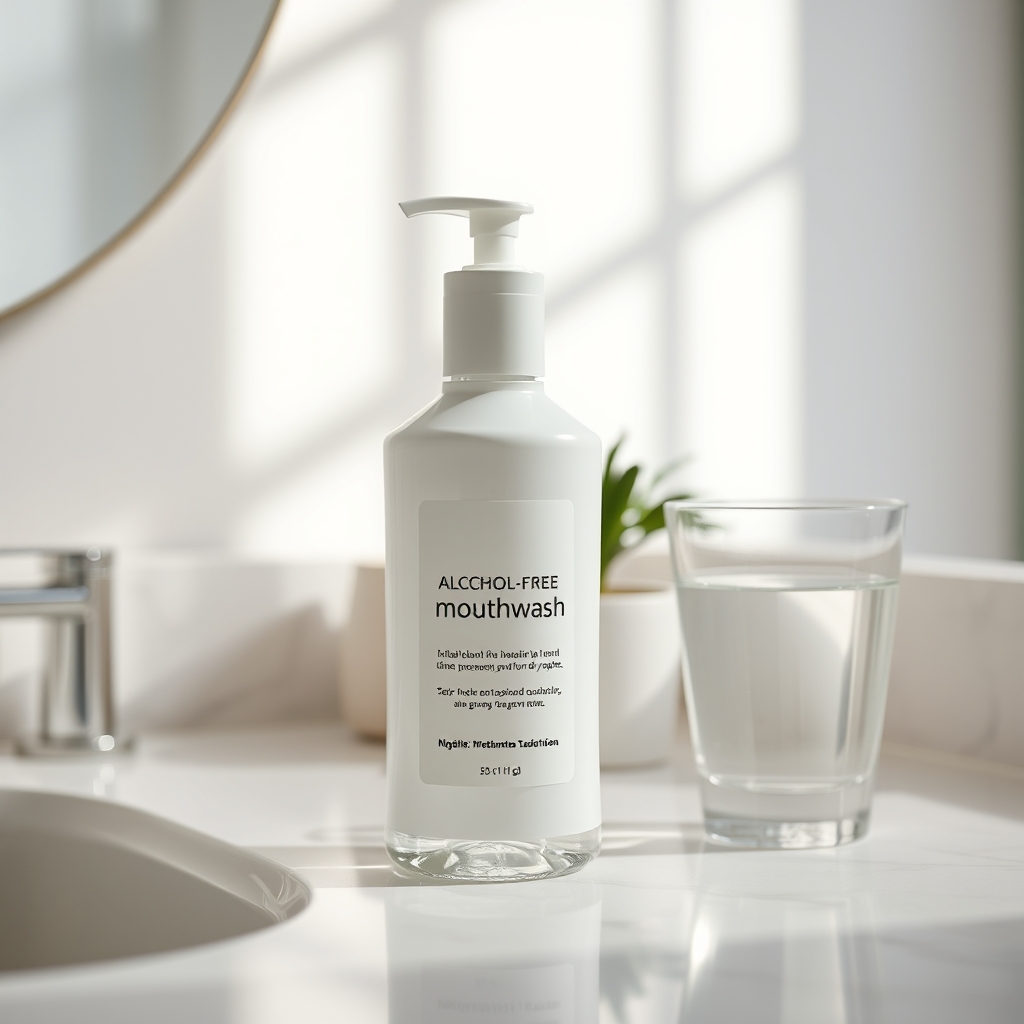
When you ask, “what is mouthwash?” you’re really asking about a liquid oral rinse designed to reduce plaque, freshen breath, and sometimes combat gingivitis. Most over‑the‑counter (OTC) mouthwashes contain a blend of antimicrobial agents (like cetylpyridinium chloride or chlorhexidine), flavoring agents, and either alcohol or an alcohol‑free base. The alcohol component helps dissolve oils and gives that “clean” feeling, but it can also be drying and, for some pregnant people, irritating to the oral mucosa. Alcohol‑free options typically replace ethanol with glycerin or other humectants.
Beyond the basic chemistry, mouthwashes differ in purpose. Some are formulated purely for breath‑freshening, while others target plaque control or provide therapeutic benefits for conditions such as periodontitis. Prescription‑strength chlorhexidine rinses, for example, are reserved for more serious gum disease and are usually used under a dentist’s supervision. Understanding the intended use helps you match the product to your pregnancy‑related oral‑care needs without unnecessary exposure to potentially irritating ingredients.
Is mouthwash safe during pregnancy?
Current guidance from ACOG and the NHS indicates that mouthwash is not a teratogen (a substance that causes birth defects) and does not cross the placenta in harmful amounts when used as directed. The FDA classifies most OTC mouthwashes as “Generally Recognized as Safe” (GRAS) for topical use, not ingestion. ACOG’s 2022 patient‑education bulletin notes that alcohol‑based mouthwashes can cause a mild “alcohol exposure” but the amount absorbed orally is negligible—far below the threshold that would affect fetal development.
Studies specifically looking at mouthwash use in pregnancy are limited, but the consensus among dental professionals is that an alcohol‑free mouthwash is a safe adjunct to brushing and flossing. The main concerns arise when a pregnant person uses a high‑alcohol formula (often 14‑26 % ethanol) multiple times per day, or when the rinse contains strong essential oils that may trigger nausea or uterine irritability. In short, “is mouthwash safe during pregnancy?” – yes, especially alcohol‑free, when used no more than twice a day.
When evaluating safety, it helps to separate the two most common ingredient categories. Cetylpyridinium chloride (CPC) is a quaternary ammonium compound with a long safety record; it works by disrupting bacterial cell membranes but is poorly absorbed systemically, making it low‑risk for the fetus. Chlorhexidine, on the other hand, is a powerful antiseptic that can cause temporary tooth staining if used long‑term, but the systemic exposure remains minimal. Both are considered acceptable in pregnancy when used as directed.
Conversely, high‑alcohol mouthwashes can increase blood ethanol levels transiently. While the rise is modest—comparable to a few sips of a non‑alcoholic beverage—the cumulative effect of frequent use is not well studied. For this reason, obstetricians generally advise limiting alcohol‑based rinses, especially during the first trimester when the fetus is most vulnerable to teratogenic influences.
Is mouthwash safe to use during the first trimester of pregnancy?
The first trimester is the period of organogenesis, when the baby’s major organs are forming. Because of this heightened sensitivity, many expectant mothers wonder if any oral products could interfere. Research shows that brief, topical exposure to mouthwash ingredients does not increase the risk of birth defects. However, alcohol‑based mouthwashes can cause a mild, transient increase in blood ethanol levels, which some clinicians advise limiting during early pregnancy.
ACOG recommends sticking to alcohol‑free formulations during the first 12 weeks and limiting use to once daily. If you experience morning sickness, a gentle rinse with a mild, non‑alcoholic product can actually help reduce nausea‑triggering bacteria in the mouth.
In addition to ingredient selection, timing matters. Swishing after meals rather than first thing in the morning can lessen the chance of triggering nausea. Many pregnant people find that a warm saltwater rinse before a mouthwash adds a soothing layer, especially if gums feel tender.
Is mouthwash safe to use during the second trimester of pregnancy?
By the second trimester, the baby’s organs are largely formed, and the risk of teratogenic effects from topical products is very low. Most dental professionals feel comfortable recommending a twice‑daily rinse with an alcohol‑free mouthwash if you have gingivitis or want extra freshening. The NHS advises that a mild antiseptic mouthwash (e.g., containing 0.05 % chlorhexidine) is safe when prescribed by a dentist for specific gum issues.
For most pregnant people, the second trimester is also when hormonal changes may lead to increased plaque buildup, making a gentle mouthwash a useful tool for maintaining gum health. If you have a history of periodontal disease, your dentist may suggest a prescription chlorhexidine rinse for a limited period.
It’s worth noting that many over‑the‑counter mouthwashes now offer “pregnancy‑safe” labeling, emphasizing alcohol‑free formulas and mild flavorings. While these labels are not regulated by the FDA, they often reflect a manufacturer’s intent to meet the low‑risk thresholds set by professional guidelines.
Is mouthwash safe to use during the third trimester of pregnancy?
In the third trimester, the baby’s growth accelerates, but the placenta continues to act as a barrier to most chemicals. Alcohol‑free mouthwashes remain safe, and many obstetricians consider them a helpful part of a comprehensive oral‑care routine. The only caution is to avoid excessive foaming or strong flavors that could provoke a gag reflex, which can be uncomfortable as the uterus expands.
If you have gestational diabetes, controlling oral bacteria with a prescribed chlorhexidine rinse can be beneficial, as high blood sugar can increase the risk of gum disease. Your dentist may tailor the frequency and concentration of the rinse to match your specific needs.
Some expectant mothers also report that a cool, mint‑free mouthwash feels more soothing as the pregnancy progresses, reducing the sensation of a dry mouth that can accompany hormonal shifts.
Is mouthwash safe while breastfeeding?
Breastfeeding introduces another layer of safety consideration, but the same principles apply. Alcohol‑free mouthwashes pose minimal risk because only trace amounts of any absorbed ingredients could potentially pass into breast milk, and the quantities are far below harmful thresholds. The FDA’s GRAS classification for these ingredients supports their safety for lactating individuals.
If you prefer an alcohol‑based rinse, limiting usage to once a day and rinsing thoroughly with water afterward can further reduce any residual alcohol. Most lactation consultants echo the recommendation to stick with alcohol‑free products for simplicity and peace of mind.
Is mouthwash safe for people with morning sickness?
Morning sickness—characterized by nausea, vomiting, and heightened sensitivity to strong odors—affects up to 70 % of pregnant people in the first trimester. Strong, menthol‑heavy mouthwashes can exacerbate these symptoms. Choosing a mild, alcohol‑free formulation with a light, non‑mint flavor (such as citrus or herbal) can help you maintain oral hygiene without triggering nausea.
Some clinicians suggest a two‑step routine: first a gentle saltwater rinse to calm the oral tissues, followed by a quick swish of a mild mouthwash. This approach reduces the intensity of the flavor while still delivering antimicrobial benefits.
How much mouthwash can a pregnant woman use daily without risk?
Most manufacturers recommend spitting out the rinse after 30‑60 seconds and not swallowing. For an adult, this translates to roughly 10‑15 ml per use. Using an alcohol‑free mouthwash once or twice a day (20‑30 ml total) stays well within safety margins established by the FDA and ACOG. If you opt for an alcohol‑based product, limit use to once daily and consider rinsing with water afterward to reduce residual alcohol.
Below is a quick reference table for typical dosage and brand recommendations:
| Product type | Typical dose (ml) | Recommended frequency | Brand examples |
|---|---|---|---|
| Alcohol‑free cetylpyridinium chloride | 10‑15 | Once or twice daily | TheraBreath, Colgate Total |
| Alcohol‑based (e.g., Listerine Original) | 10‑15 | Once daily max | Listerine Original |
| Prescription chlorhexidine (0.12 %) | 15 | As directed by dentist (often twice daily) | Peridex, PerioAid |
When selecting a brand, look for clear labeling that indicates “alcohol‑free” and “CPC” or “chlorhexidine” as the active ingredient. Avoid products that list “essential oils” as the primary antimicrobial component if you have a sensitivity to strong aromas.
Side effects and risks
Even though mouthwash is generally safe, it’s still possible to experience side effects. Most are mild, but it’s important to recognize when a symptom may signal a deeper issue.
- Oral irritation: Alcohol or strong essential oils can dry out the mouth, causing a burning sensation or worsening nausea.
- Swallowing accidental doses: Small amounts are unlikely to harm the baby, but large ingestions could lead to mild fetal alcohol exposure. If you accidentally swallow a mouthful, rinse your mouth with water and stay hydrated.
- Allergic reactions: Some people are sensitive to flavoring agents or preservatives like benzoic acid. Watch for redness, swelling, or itching in the mouth.
- Potential gum over‑growth: Prolonged use of chlorhexidine without dental supervision can cause staining or altered taste.
If you notice persistent burning, swelling, or a rash after using mouthwash, stop the product and contact your provider. For any signs of fetal distress—such as decreased fetal movement, sudden abdominal pain, or unusual bleeding—seek medical care immediately.
Safer alternatives to mouthwash during pregnancy
- Saltwater rinse – a simple ½ tsp of salt in warm water can reduce inflammation without chemicals.
- Chlorhexidine mouthwash (prescribed) – dentist‑supervised, effective for severe gum disease.
- Oil pulling with coconut oil – swish for 5 minutes; gentle antimicrobial action.
- TheraBreath alcohol‑free herbal mouthwash – contains mild botanicals and no alcohol.
- Diluted hydrogen peroxide (1 % solution) – short rinse for occasional use, then rinse with water.
- Baking soda mouthwash – ½ tsp baking soda in ½ cup water; neutralizes acids.
- Cetylpyridinium chloride alcohol‑free mouthwash – widely available and low‑risk.
- Xylitol chewing gum – stimulates saliva and reduces bacterial growth.
- Water rinse after meals – the simplest way to clear food particles.
Each of these options offers a way to maintain oral hygiene while minimizing exposure to potentially irritating ingredients. For example, a warm saltwater rinse not only soothes inflamed gums but also helps balance the oral pH, reducing the growth of harmful bacteria. Oil pulling, while not a replacement for brushing, can complement your routine by loosening plaque that brushing alone might miss.
Mouthwash use for specific oral conditions during pregnancy
Pregnancy can exacerbate pre‑existing oral conditions such as periodontitis, aphthous ulcers, or chronic bad breath. In these cases, a targeted mouthwash may be part of a therapeutic plan. For moderate periodontitis, a dentist might prescribe a short course of chlorhexidine (0.12 %) to control bacterial load, followed by an alcohol‑free CPC rinse for maintenance. For recurrent mouth sores, a mild, alcohol‑free rinse with a soothing flavor (like chamomile) can alleviate discomfort without irritating the mucosa.
Always discuss any chronic oral issues with your dentist early in pregnancy. Early intervention can prevent complications that might otherwise require more invasive treatment later on.
Related items — safety at a glance
| Item | Verdict | One‑line note |
|---|---|---|
| Toothpaste | ✅ Generally safe | Fluoride‑containing toothpaste is recommended for cavity prevention. |
| Dental floss | ✅ Generally safe | Helps remove plaque between teeth; no systemic absorption. |
| Interdental brushes | ✅ Generally safe | Effective for larger gaps; gentle on gums. |
| Tongue scraper | ✅ Generally safe | Reduces bacteria on the tongue surface; no chemicals involved. |
| Dental water flosser | ✅ Generally safe | Uses pulsating water; safe when used on low pressure. |
| Oral probiotic lozenges | ⚠️ Safe with limits | Check strain safety; most are considered low risk. |
| Chewing gum | ✅ Generally safe | Prefer sugar‑free gum with xylitol. |
| Mouth spray (e.g., BreathRx) | ⚠️ Safe with limits | Limited alcohol content; use sparingly. |
Myth vs. fact
Myth: All mouthwashes contain high levels of alcohol that can harm the baby.
Fact: Only a subset of products contain alcohol; alcohol‑free options are widely available and are considered safe when used as directed.
Myth: Swallowing a small amount of mouthwash will cause birth defects.
Fact: The amount absorbed from accidental swallowing is far below levels associated with fetal risk, according to FDA toxicology data.
Myth: You must stop using mouthwash entirely once you’re pregnant.
Fact: Maintaining oral hygiene is important for maternal and fetal health; a gentle, alcohol‑free mouthwash can be part of a balanced routine.
Key takeaways
Frequently asked questions
Can I use mouthwash while pregnant?
Yes, you can use mouthwash during pregnancy, but choose an alcohol‑free formula and limit use to once or twice a day.
Is alcohol in mouthwash harmful to my baby?
Occasional exposure to the small amount of alcohol in a mouthwash is not harmful, though high‑alcohol products should be avoided, especially in the first trimester.
How often should I rinse with mouthwash during pregnancy?
Most clinicians recommend rinsing once daily in the first trimester and up to twice daily in the second and third trimesters if you need extra gum protection.
What ingredients should I avoid in mouthwash while pregnant?
Avoid high concentrations of ethanol (alcohol), strong essential oils like menthol or eucalyptus if they trigger nausea, and any ingredient you’re allergic to.
Does mouthwash cause birth defects?
No, current evidence does not link mouthwash use to birth defects; it is not classified as a teratogen.
Is it safe to use Listerine during pregnancy?
Listerine’s original alcohol‑based version should be limited to once a day or swapped for an alcohol‑free alternative; the alcohol‑free Listerine varieties are considered safe.
Can mouthwash affect my pregnancy nausea?
Strong flavors or high‑alcohol mouthwashes can worsen morning sickness, so a mild, alcohol‑free rinse is usually better tolerated.
Are there any mouthwash brands safe for pregnant women?
Brands such as TheraBreath, Colgate Total, and Crest Pro‑Health (alcohol‑free lines) are widely regarded as safe for pregnant users.
Can I use natural essential‑oil mouthwashes during pregnancy?
Natural essential‑oil rinses are not automatically safer; many contain high concentrations of menthol, eucalyptus, or tea tree oil, which can irritate sensitive oral tissues or trigger nausea. If you prefer a botanical option, choose one labeled “alcohol‑free” and “low‑essential‑oil,” and test a small amount first.
Is mouthwash safe for people with gestational diabetes?
Yes, mouthwash is generally safe for gestational diabetes, and in fact, a dentist‑prescribed chlorhexidine rinse can help control gum inflammation that may be exacerbated by high blood sugar. Stick to alcohol‑free formulations for comfort.
When to call your doctor
Contact your obstetrician or dentist if you notice any of the following after using mouthwash:
- Persistent burning or swelling of the mouth or throat.
- Allergic reaction symptoms: hives, itching, or swelling of the lips.
- Unexplained nausea, vomiting, or dizziness that worsens after rinsing.
- Signs of fetal distress: decreased fetal movement, abdominal pain, or bleeding.
These guidelines are informational only and do not replace personalized medical advice. Always discuss any concerns with your health‑care provider.
References
- American College of Obstetricians and Gynecologists. “Oral Health During Pregnancy.” ACOG Committee Opinion, 2022.
- National Health Service (UK). “Oral hygiene and pregnancy.” NHS Guidelines, 2023.
- U.S. Food and Drug Administration. “Generally Recognized as Safe (GRAS) Substances – Mouthwash Ingredients.” FDA, 2021.
- Centers for Disease Control and Prevention. “Dental Care for Pregnant Women.” CDC Oral Health Program, 2023.
- World Health Organization. “Guidelines on Maternal Oral Health.” WHO, 2022.